
The Essential Korean Mystery Films and Series
Updated
Korean mystery rarely stops at the solution. Memories of Murder, still the genre’s benchmark, leaves its detective staring down a case that beat him, and Decision to Leave turns an investigation into a love story neither character will admit to. The series work at a different length: Signal reopens a cold case across two decades, A Killer Paradox drops an ordinary student into the wrong body at the wrong time. We put films and shows together here because Korean cinema and Korean television share the same writers and the same appetite for a twist that reframes everything before it. Ranked by our rating and grouped by decade.
How we make these lists
No AI. No algorithms.
We are 100% human-curated. Everything you see here has been handpicked by a team of experts.
At least 7/10 on IMDb
So you know they are appreciated by viewers, not just high-brow critics.
At least 70% on Rotten Tomatoes
We combine this with the IMDb bar to keep only the best of the best.
Find more to watch
The Essential Korean Mystery Films and Series
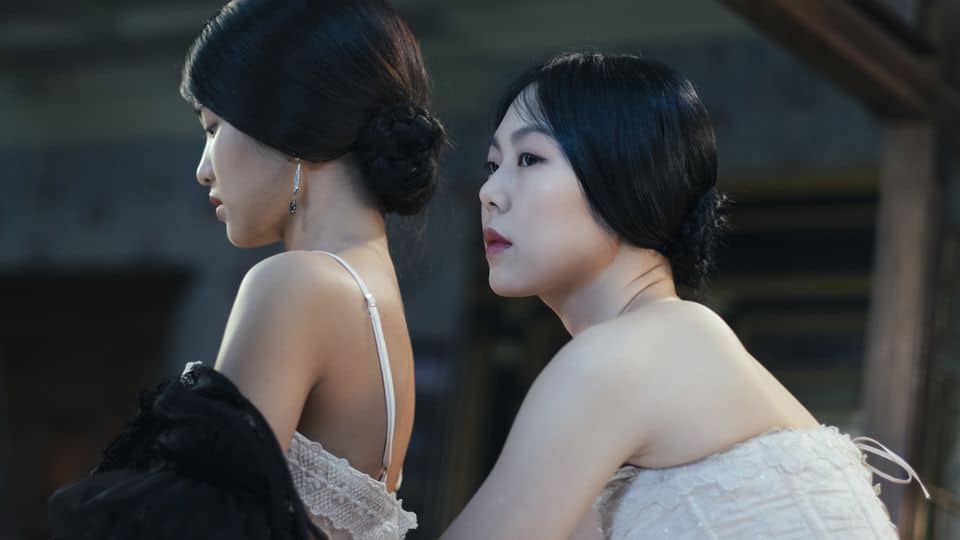
The Handmaiden (2016)
The 2016 outing of South-Korean auteur director Park Chan-wook (maker of Oldboy and Stoker) once again shifts attention to the dark side of what makes us human: betrayal, violence, and transgression. Based on the 2002 novel Fingersmith by British author Sarah Waters, The Handmaiden revolves around the love of two women and the greedy men around them. Park shifts the novel’s plot from Victorian London to 1930s Korea, where an orphaned pickpocket is used by a con man to defraud an old Japanese woman. Routinely called a masterpiece with comparisons made to the likes of Alfred Hitchcock, this is a stylish and meticulous psychological thriller that packs enough erotic tension to put a crack in your screen. If you love cinema, you can’t miss this movie. You might even have to watch it twice.
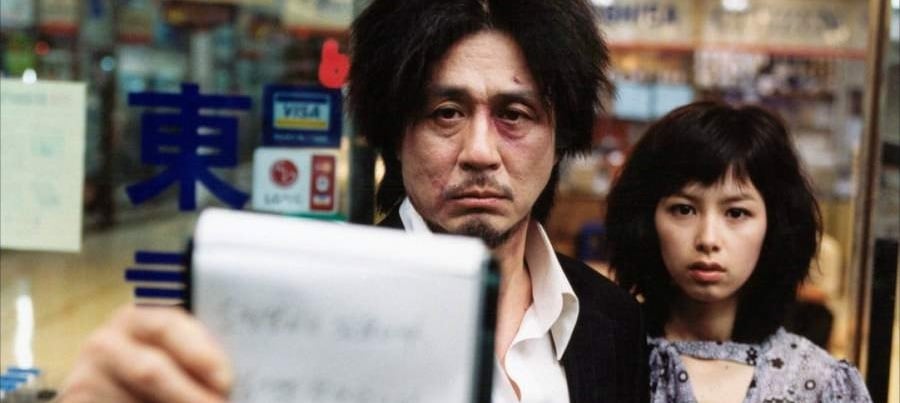
OldBoy (2003)
From Korean director Park Chan-wook, who also brought you the far quieter The Handmaiden, comes a movie that is positively terrifying. Its premise alone is enough for any sentient human being to shudder. On his daughter’s birthday, the good-for-nothing Oh Dae-su (played by Choic Min-sik) gets drunk and is arrested by the police. A friend eventually bails him out and, while he is making a phone call, Oh Dae-su disappears. Not knowing why, he is held in the same room for 15 years for no apparent reason. Until, one day, he is released. That’s all that can be revealed about this winner of the Grand Jury Prize at Cannes in 2004 without giving away too much. All we can add here is the way we recommend Oldboy to people admitting to not having seen it yet: “Watch Oldboy. You’re welcome. We’re sorry.” A crazy, twisted film that goes to extremes. A cult classic and a statement.
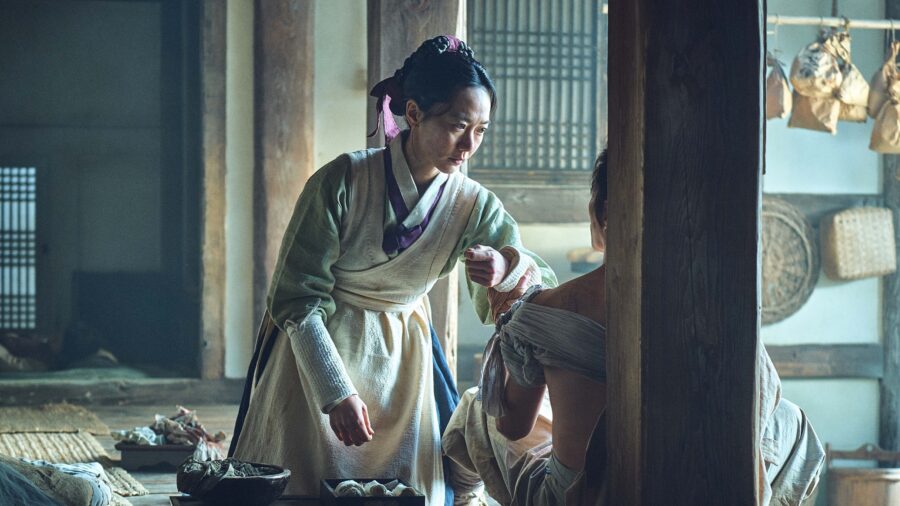
Kingdom
16th century Korea—the small kingdom is governed by a royal family, but the sudden death of the king causes a power struggle among the elite, which in turn opens the window for either genuine change or further corrupt rule. At the heart of this is Crown Prince Lee Chang (Ju Ji-hoon), who conspires with the rebel scholars to bring his corrupt rivals down.
This all sounds familiar, if not a bit trite, but before you can start to pin it down, Kingdom quickly morphs into something more than just a period drama. The introduction of fantasy, terror, and neverending gore elevates Kingdom into a multi-genre feat—an impressive blend of political intrigue and pure zombie horror that never fails to keep you at the edge of your seat.
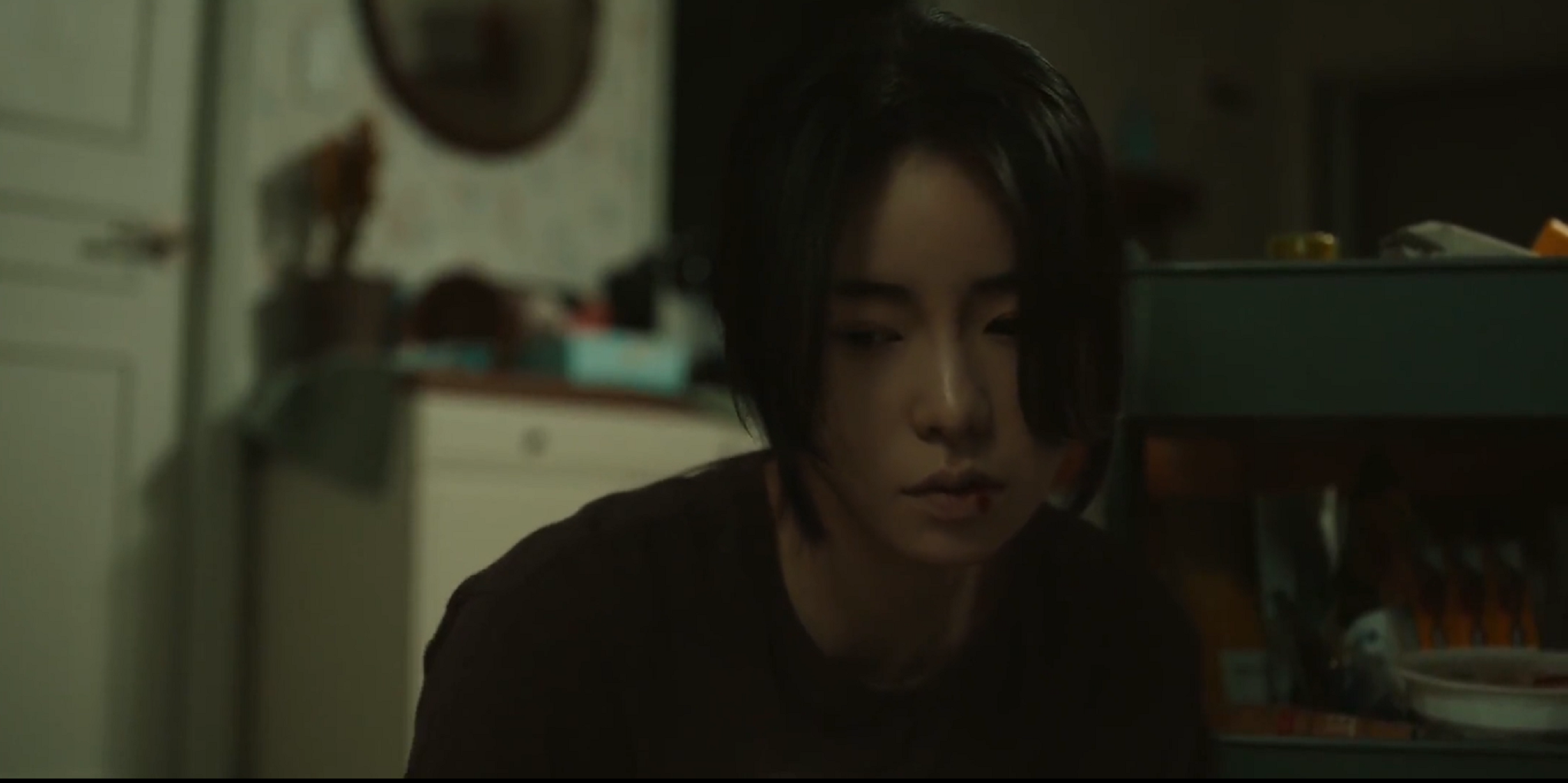
Lies Hidden in My Garden
A mysterious rotting smell and hard thuds heard from above start the series off on an eerie note. Moon Joo-ran (Kim Tae-hee) is a seemingly perfect housewife, but under the guise of her well-kept home are a secretive husband and a son who possibly resents her (currently unknown) condition. Meanwhile, Chu Sang-eun (Lim Ji-yeon) is trapped in an abusive marriage and dreams of escape. As Joo-ran becomes paranoid about the smell in her backyard and Sang-eun gathers evidence to leave her husband, the two women find a harrowing revelation. Leads Kim and Lim immediately offer memorable, haunting performances, while the setup described above is a captivating start to a psychological thriller that promises a web of secrets and lies.
Behind Your Touch
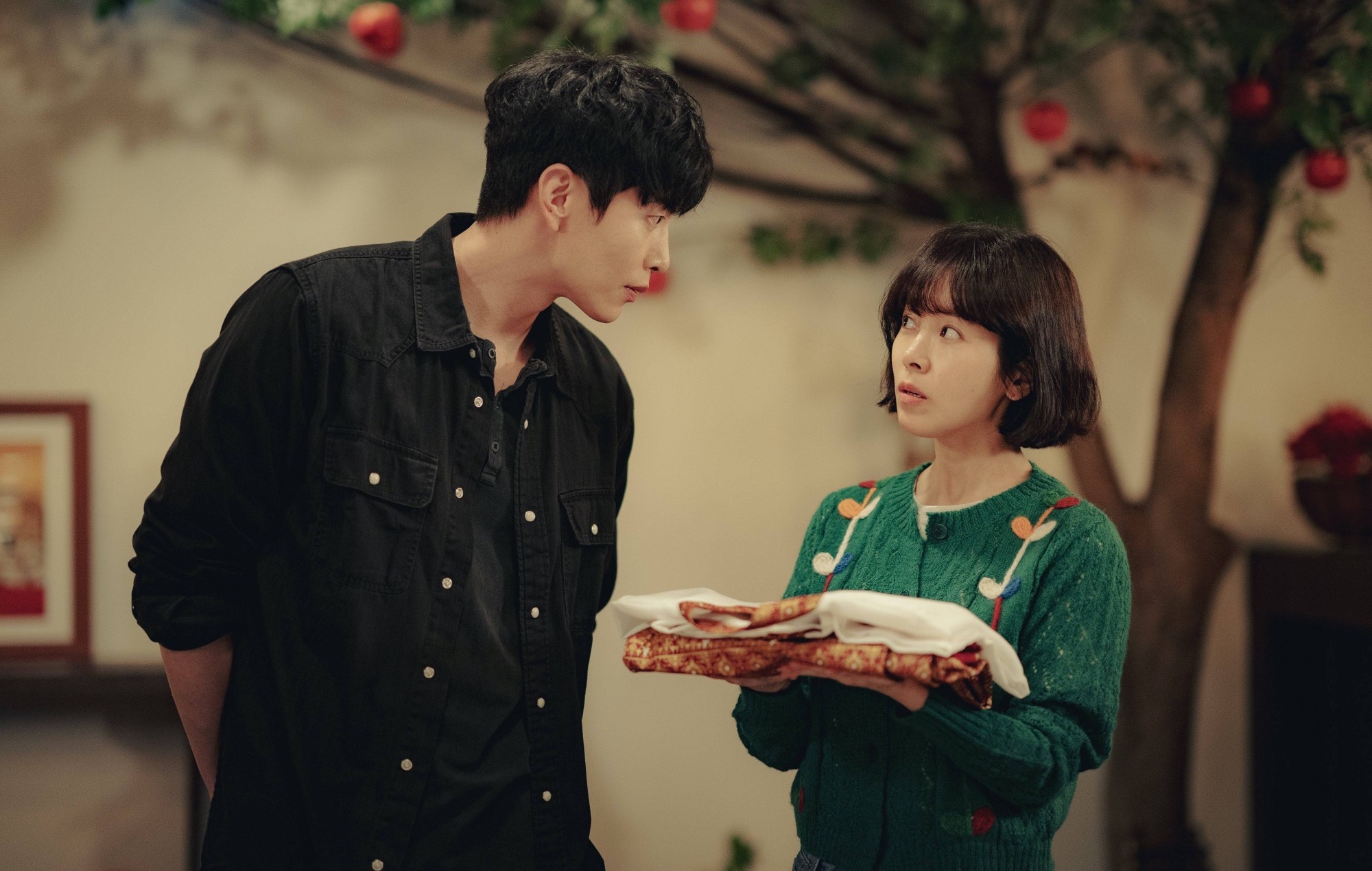
When the psychometric powers of the main character are only activated when she touches a butt, you know that Behind Your Touch will be as silly and hilarious as the show’s powers. The K-drama gets into ridiculous moments, oftentimes inspired by other dramas from the action, horror, and romance genres, but done in exaggeration for comedic effect. And the cast really gets into the action, with Han Ji-min and Lee Min-ki’s excellent chemistry and timing able to deliver the jokes written by the team. As the first season will end soon, it’s hard to say if the ending will be as good as its start, but so far, Behind Your Touch takes interesting comedic twists of the K-Drama tropes we all know and love.
Revenant
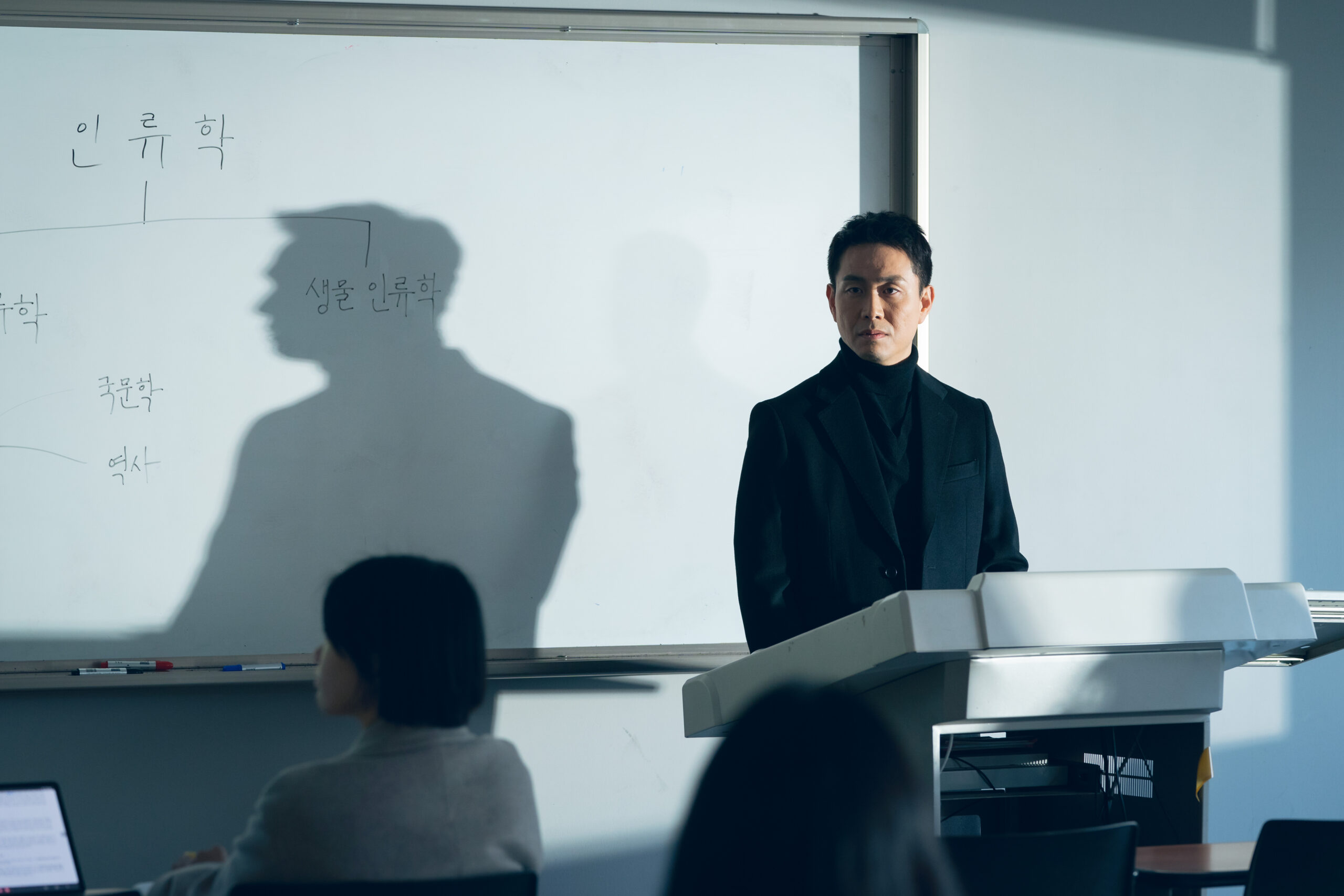
Mysterious and hair-raising, Revenant is a supernatural drama whose demonic possession deals with modern-day detectives and Korean folklore. This strange mix of genres makes the show’s premise slow to unfold, taking time to introduce the complex agents in each part. At front-and-center is working-class woman Gu San-yeong, who gets possessed by a demon. Kim Tae-ri’s expert acting makes both believable, simultaneously terrified and terrifying in equal measure. To be free, Gu accepts the help of folklore professor Yeom Hae-sang, who has been hunting down this demon after his mom’s death. With his mom’s death, as well as many others, being dismissed by the police as suicides, the show questions the reasons behind Korea’s high suicide rate. Acknowledging the struggles of Hell Joseon, Revenant suggests what Yeom advises: To listen, pay attention, and learn the reasons why they’re here.
The Killing Vote
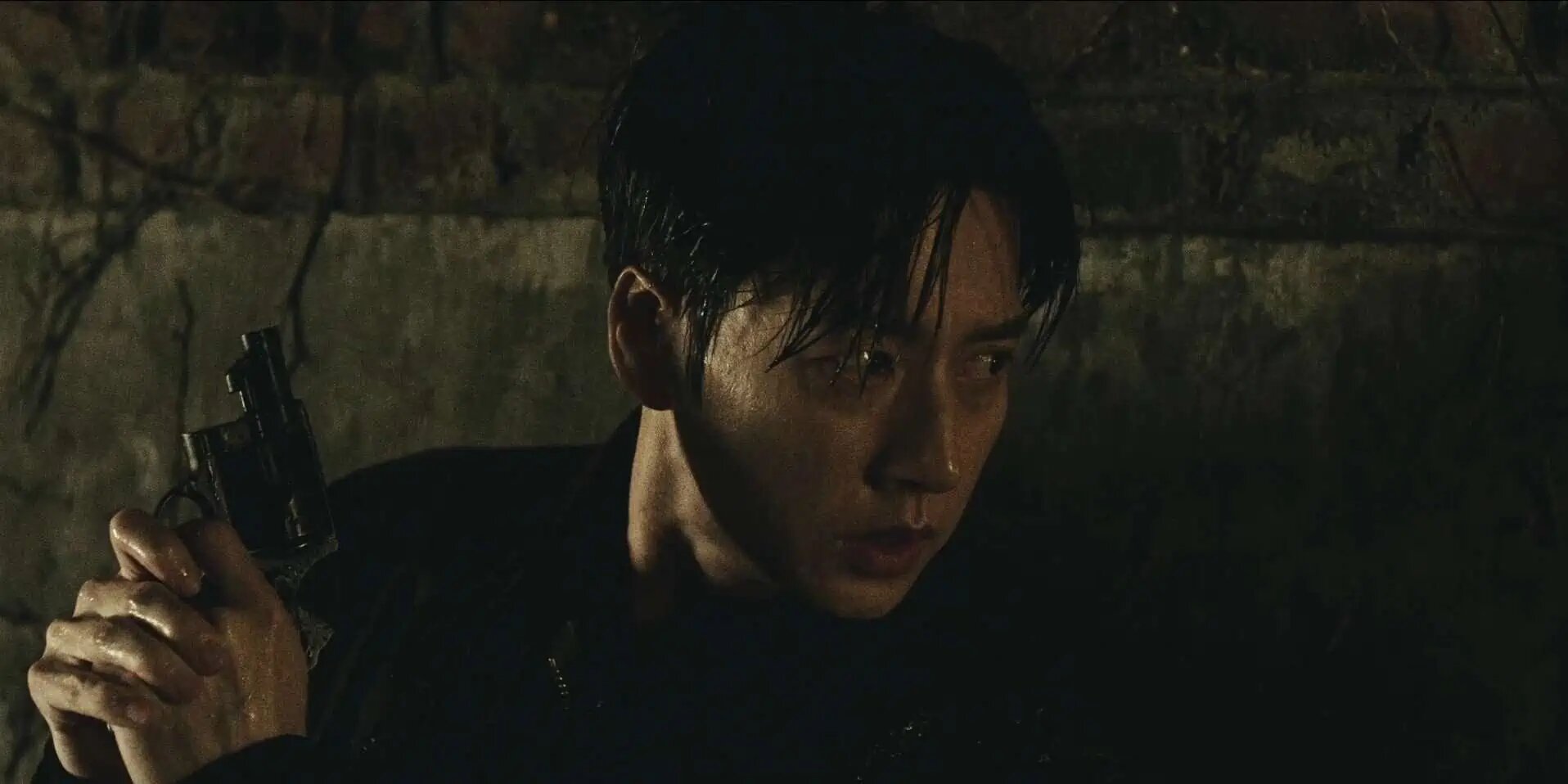
The Killing Vote takes the “vote to kill” storyline and pairs an anonymous vigilante with an ambitious yet apathetic officer, creating an intriguing setup that questions how everyday inequalities extend to the justice system. The first episode is quite disturbing as it tackles child pornography, but with this pilot, the series is able to cement an expectation it fulfills in succeeding episodes: this is a severe show that tackles severe cases and severe criminals. Coupled with immersive performances across the board (the star-studded cast includes K-drama staples Park Hae-jin, Park Sung-woong, and Lim Ji-yeon), The Killing Vote is already off to a high-intensity start. If it keeps this up, it very well could be one of 2023’s best.
Knight Flower
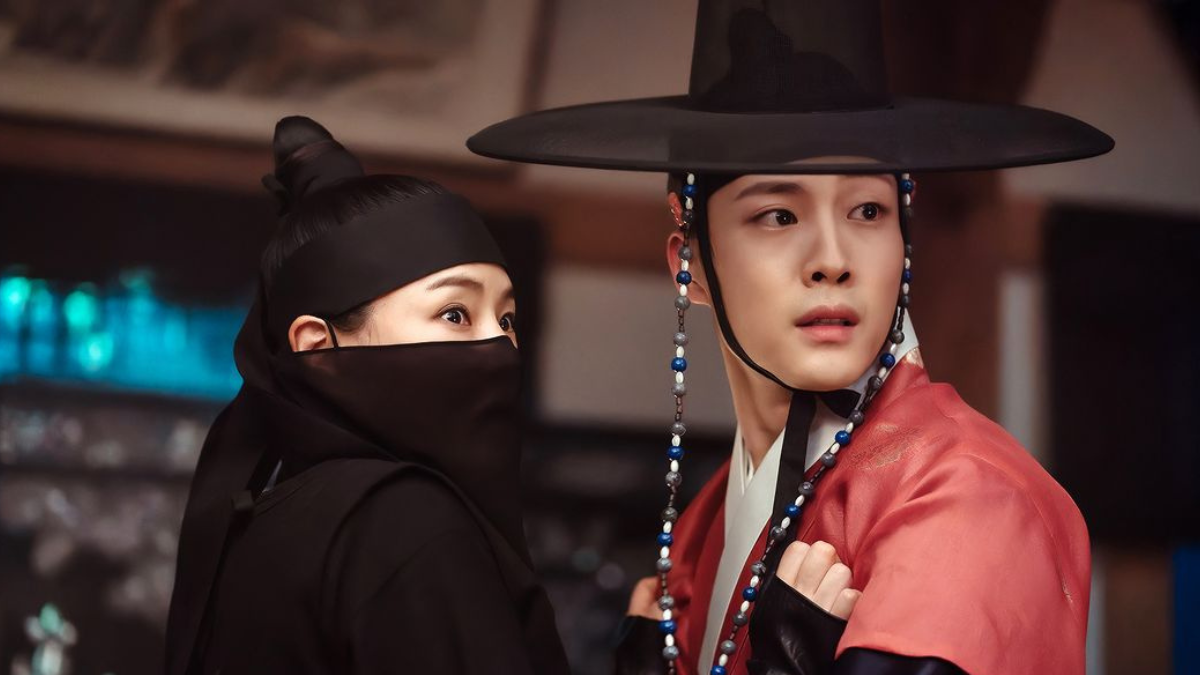
At a time when a wife’s fate lives and dies with her husband, things can get tricky for widows as they’re left between the cracks of her and her dead husband’s family. In neo-Confucian Joseon, widows were expected to maintain their chastity after their husband’s death, but Knight Flower portrays a widow that pretends to be so, while moonlighting as a vigilante at night. That being said, the drama takes a more comedic tone to this idea, critiquing how ridiculous these standards end up being without losing sight of the implications these supposed virtues have. These themes are all tied together through Lee Hanee and Lee Jong-won’s equally dynamic performances, balancing the romantic chemistry with action and humor.

Celebrity
Glossy and intense, Celebrity strips away the glamour of influencer life by taking the allure of fame and weaving an entrancing mystery into it at the end of every episode. A-ri’s climb to the top is paralleled by the secret of her supposed death and return, which she reveals through a live stream. With a large cast, the intrigue never fully wanes as these influencers grate the nerves while contributing to their own demise. The promise of learning about everyone’s secrets and finally understanding how A-ri dies keeps you at the edge of your seat, even if the influencer angle feels cliche.
Miraculous Brothers
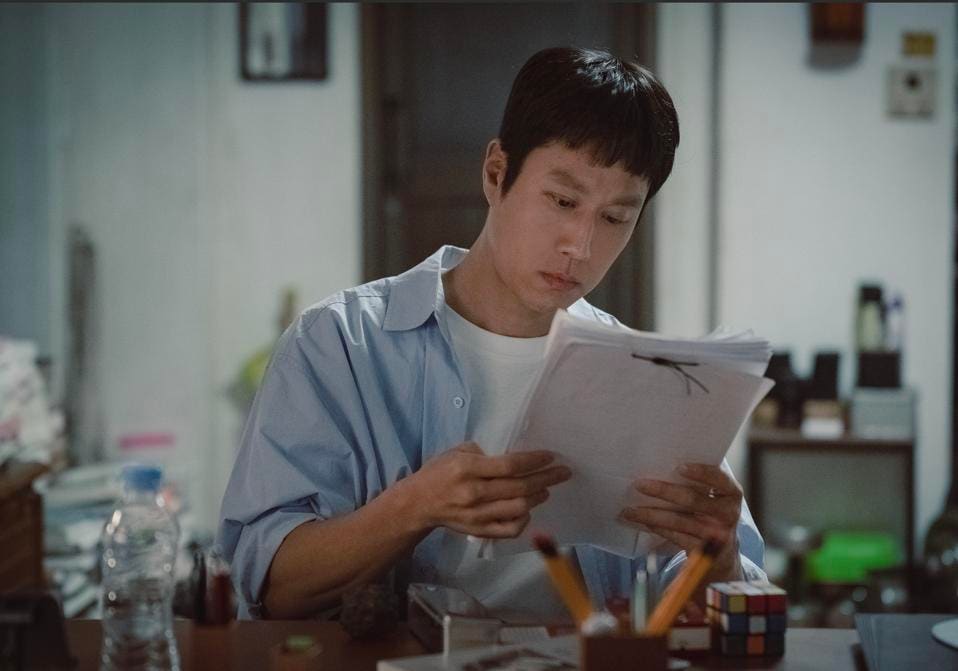
In their ninth drama collaboration, director Park Chan-hong and writer Kim Ji-woo partner again to deliver a murder mystery in Miraculous Brothers. The first few episodes juggle multiple plotlines between the novelist, the amnesiac boy he crashes into, and the serial murders, and at first, it seems unclear what links all of them. However, as the series successfully maintains its suspense for the two driving mysteries, it also makes it easy to root for the main characters – the superpowered empath and the reluctant writer – as they seek justice for crimes committed long before. The series shines best when the two become closer, and when the developing dynamic pushes Yuk Dong-joo closer to admitting the truth.
100 Days My Prince
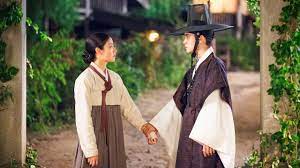
A delightful blend of romance, humor, and intrigue (as expected of many historical K-Dramas), this series takes us on a whimsical journey as Crown Prince Lee Yul, suffering from amnesia, is convinced to wed the headstrong Hong Sim due to his own decree. The drama plays into the comedic potential of his lost memory as he maintains his air of nobility—rendering him useless at daily chores and acts of labour to everyone’s dismay. As the effects of political secrets and conspiracies affect the poor of the kingdom, Yul begins to use his intelligence, martial arts skills, and literacy to help people learn and protect themselves. Doh Kyung-soo and Nam Ji-Hyun beautifully perform a fun enemies-to-lovers dynamic of a foolish prince and a justice-oriented woman. 100 Days My Prince delivers ornate kingdoms, cherry blossom-filled sets, and secret coups, all in a comfortable watch.
The Kidnapping Day
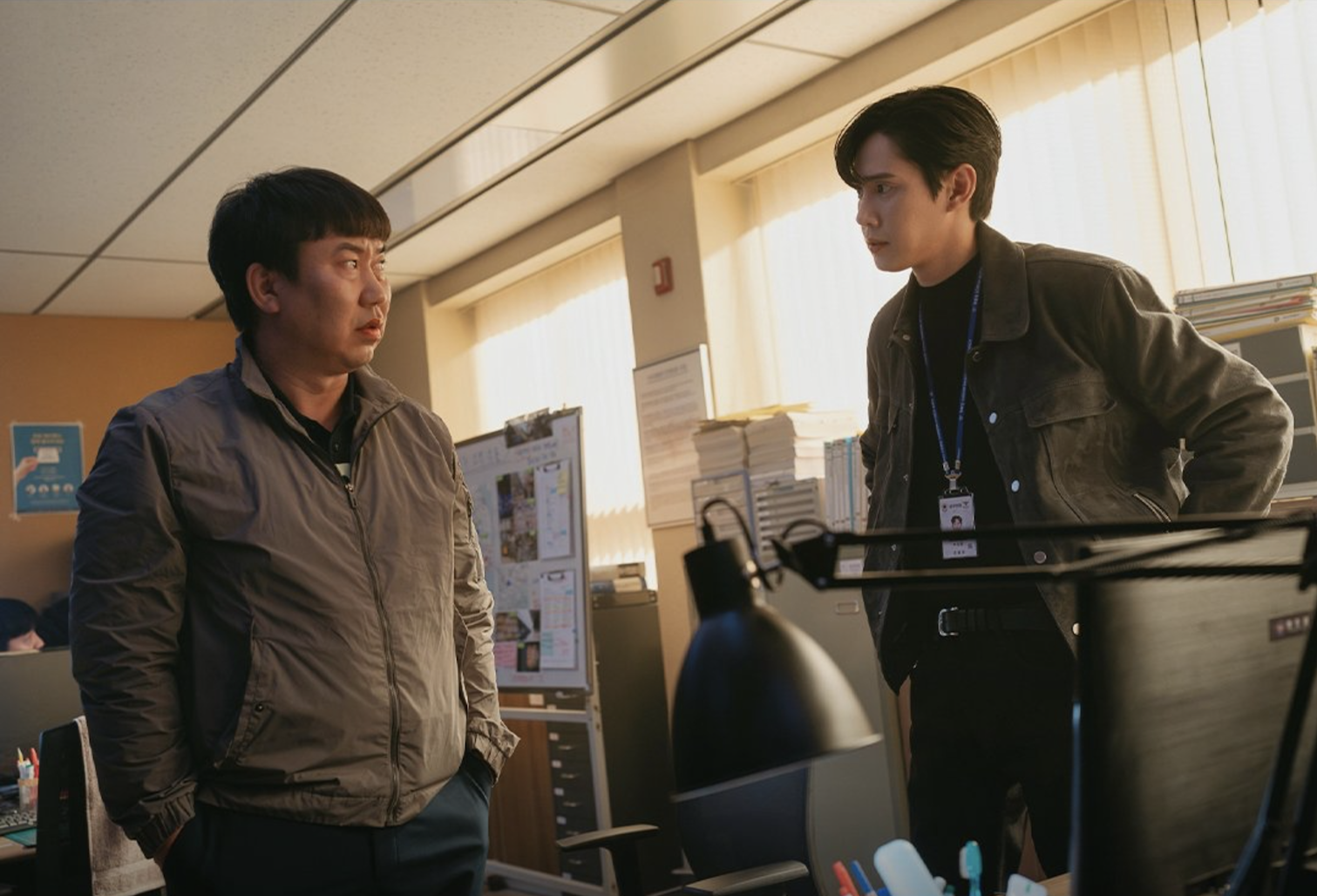
Genuinely exciting but with more than enough heart to keep its genre trappings from overwhelming the story, The Kidnapping Day wastes no time setting the stakes and its plot into motion. Several crimes occur seemingly at the same time, which not only keeps the show’s various mysteries equally interesting, but emphasizes how our protagonist (the kidnapper Myeong-joon) is ultimately just a naive person caught in the crosshairs of something larger. But because of his poverty and desperation, he becomes a natural target of suspicion by the people who don’t know his full story.
And accompanying Myeong-joon from the beginning of the series is 11-year-old Ro-hee, who wakes from a dazed state with no recollection of who she is, but with knowledge beyond her years. The somewhat antagonistic but tender bond she gradually forms with her reluctant kidnapper is the furthest thing from Stockholm syndrome. Instead, their relationship becomes a window into a particular class dynamic that runs throughout The Kidnapping Day (as well as a host of other South Korean films and shows). In these first two episodes watched for this review, the series already presents a world characterized by a deep yet normalized divide between the rich and the poor.
Maestra: Strings of Truth
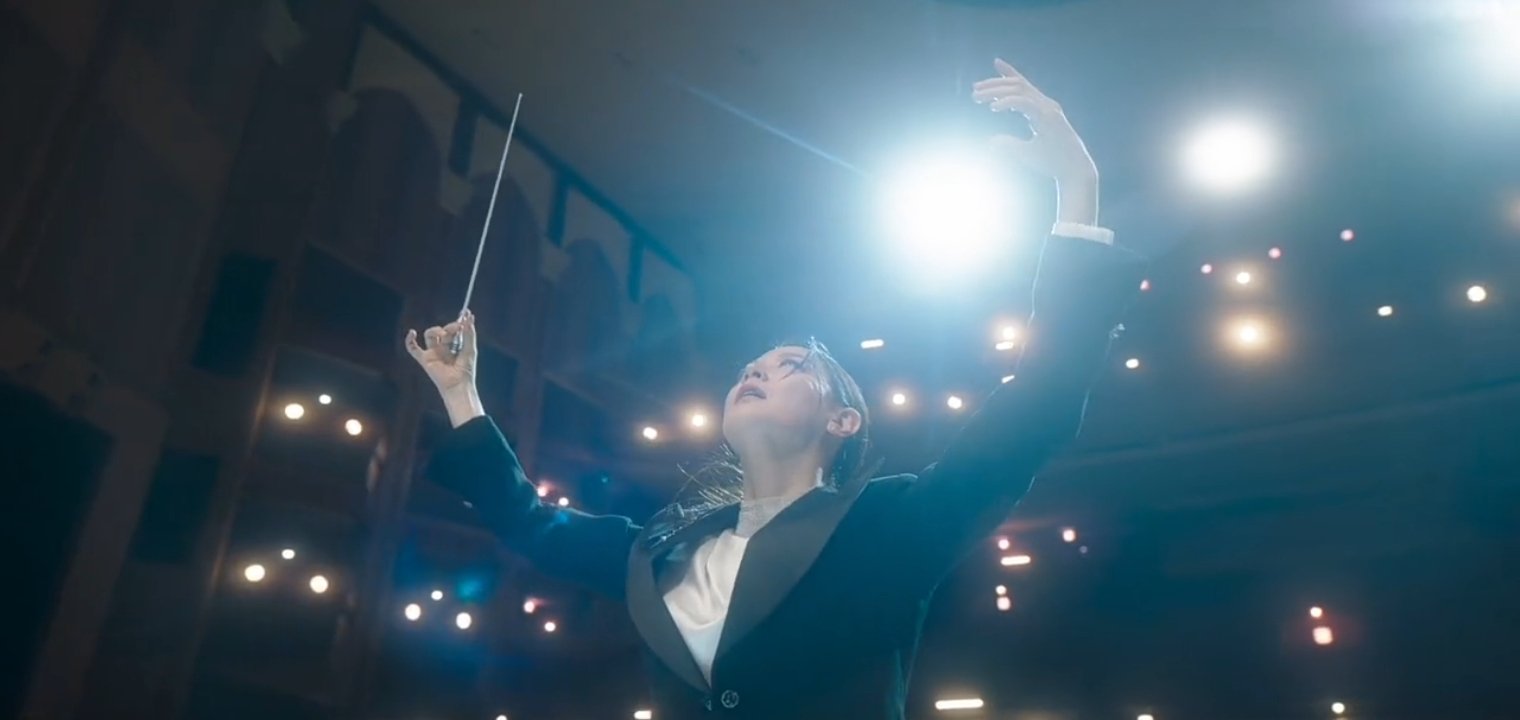
After titles like Tár (2022) and the Dutch film The Conductor (2018), Western female conductors continue to intrigue audiences as they strive to succeed in the last glass ceiling in music. But classical music isn’t restrained to the West, and South Korea’s orchestral world is now showcased in Maestra: Strings of Truth. A remake of the French television series Philharmonia, the series goes through the trials and tribulations Cha Se-eum goes through to establish her leadership in the conductor role back home, as well as the multiple mysteries that might have caused her to leave in the first place. While the show’s first two episodes slowly portray her backstory, Lee Young-ae holds the show on her shoulders, and grounds the drama with her stoic and charismatic presence. It’s a compelling drama, with such a compelling personality, and it’s scored with some of the best classical pieces in the world.

Like Flowers in Sand
Do we need to convince you about the spectacle of half naked, handsome, buff men wrestling? Like Flowers in Sand has plenty of that, with Jang Dong-yoon at the helm, but it’s more than just eye candy. It’s a warm, down-to-earth sports drama celebrating Korea’s traditional wrestling, set in the county that is known for ssireum. It has an intricate web of relationships that realistically depict the small town friend groups of childhood. And the cast is excellent, making each ordinary slice-of-life moment still feel compelling. Like Flowers in Sand may not have the crazy fantastical premises other K-dramas are known for, but it still feels unique with its straightforward passion of ssireum.
Flex x Cop
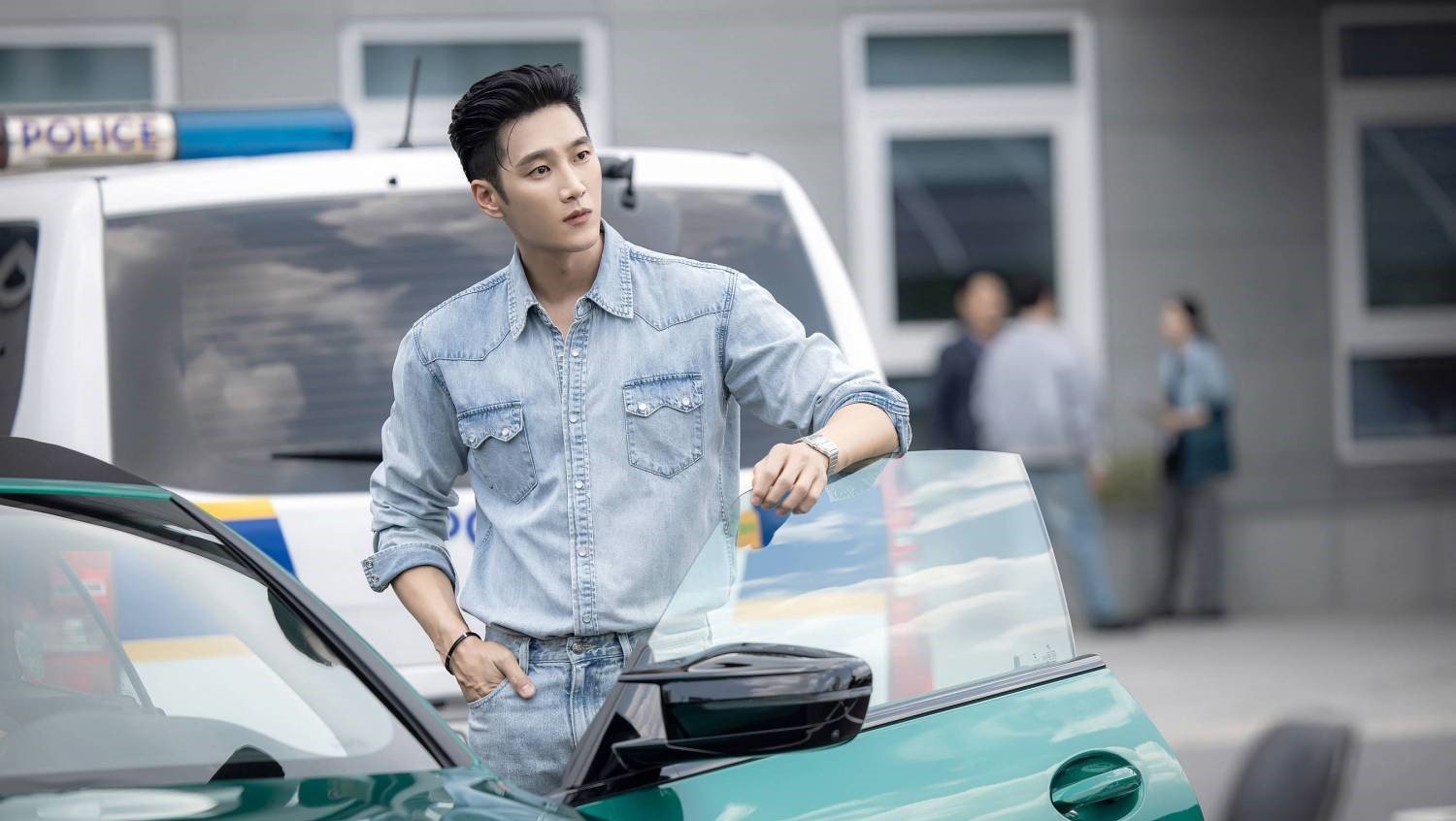
With plenty of familiar elements, Flex X Cop should feel unoriginal. After all, a rich heir that plays at being a cop to capture bad guys in response to his mother’s death? That’s practically Batman. But the show is more fun and breezy, with Ahn Bo-hyun as the charismatic Jin Yi-soo pulling out chaotic mischief that somehow doesn’t get him in trouble, paired with Park Ji-hyun in her first action role as a more stern, by-the-book detective Lee Kang-hyun. It’s an interesting buddy cop dynamic that leans more on lighthearted comedy than serious thriller, but the opening sequence hints at a more serious side, still full of action sequences expected from the genre. Flex X Cop may have plenty of familiar tropes, but the way it’s remixed feels novel and entertaining enough to watch.
I Saw the Devil (2010)
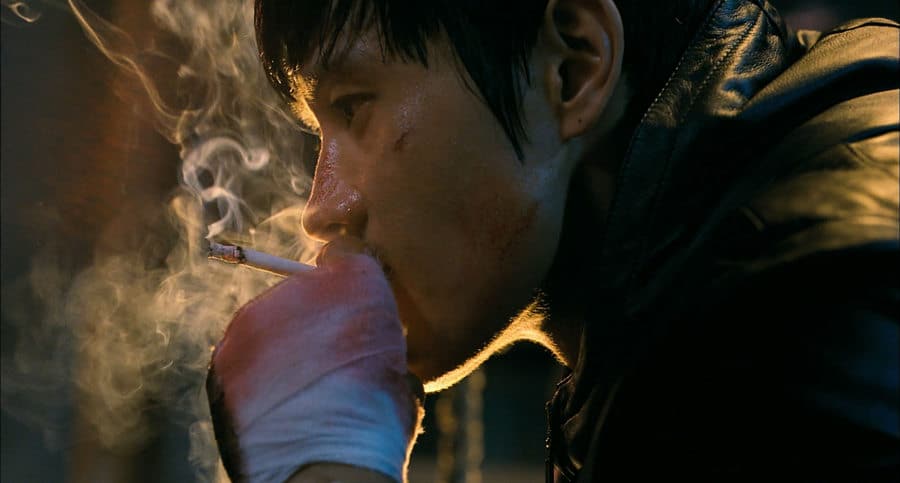
I Saw the Devil is a South Korean psychological thriller/horror film. IT IS NOT FOR THE FAINT OF HEART!!! It has a lot of blood and gore that could make even the strongest stomachs turn. A young woman is kidnapped from her car while waiting for a tow truck and the kidnapper murders her far from her car and scatters her body parts around. Her fiancé, a secret service agent of the National Intelligence Service, sets out to track down her murders and exact his revenge. If you’re looking for a thrill ride, look no further- but don’t say we didn’t warn you.
Juror 8 (2019)
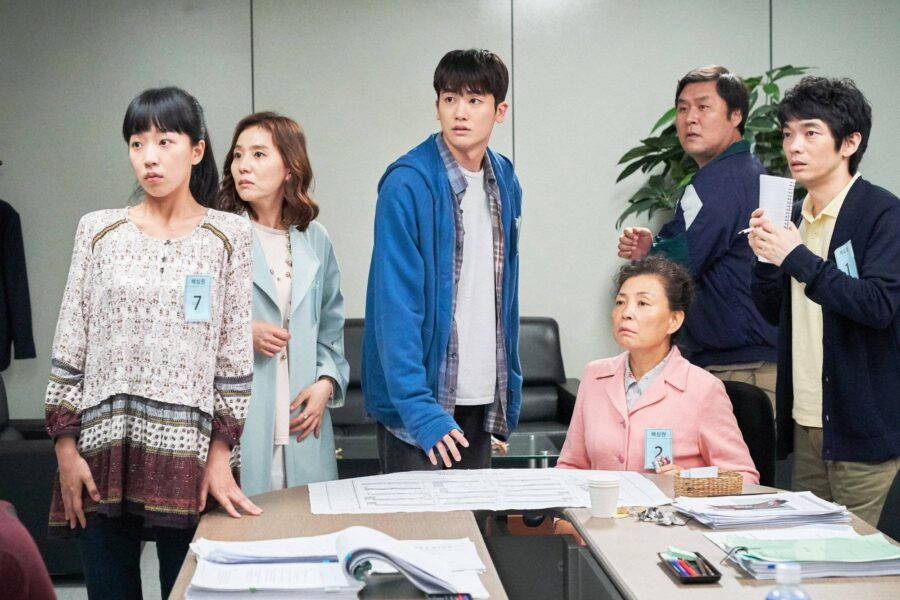
Based on the first jury trial in South Korea, Juror 8 tells the story of eight ordinary citizens with different backgrounds who are summoned to be the jurors of a case that’s believed to be a murder. These characters who have no background or knowledge in law find themselves able to decide someone’s fate. Unlike 12 Angry Men, Juror 8 delivers a lot of cunning and humorous dialogue between the characters. It’s a good mix between comedy and mystery.
My Name
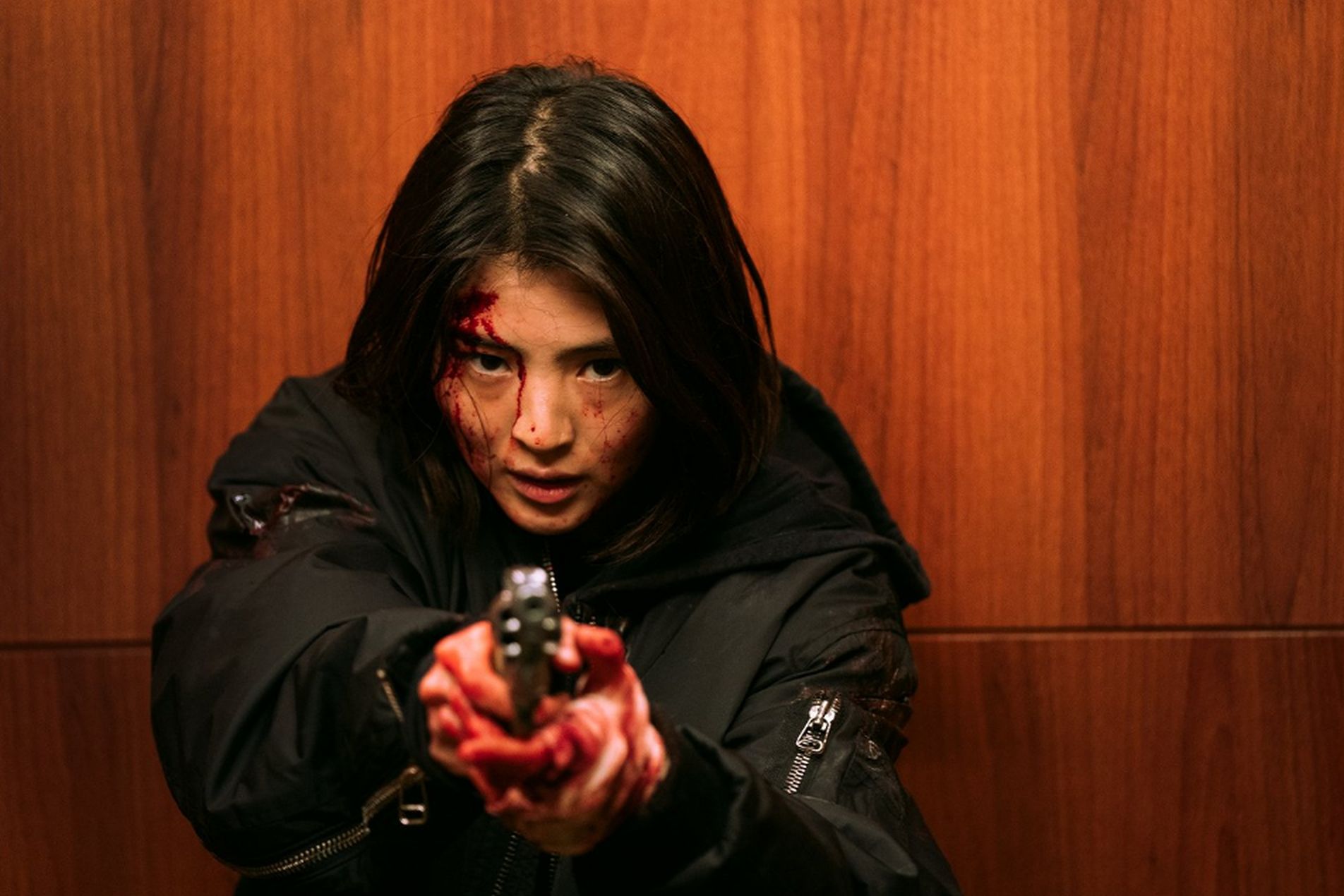
If there’s one thing South Korea has a lock on, it’s great revenge stories. This thrilling and intense series follows the journey of a determined woman turning to a powerful crime ring to help her seek revenge for her father’s death. With a fast-paced storyline and expertly executed action sequences, the show keeps you on the edge of your seat from start to finish within a neat eight episodes.
Supported by Han So-Hee’s strong performances, a tight script, and the unrelenting bloody fights, My Name delivers a satisfying blend of suspense and drama making it a must-watch for fans of crime thrillers.
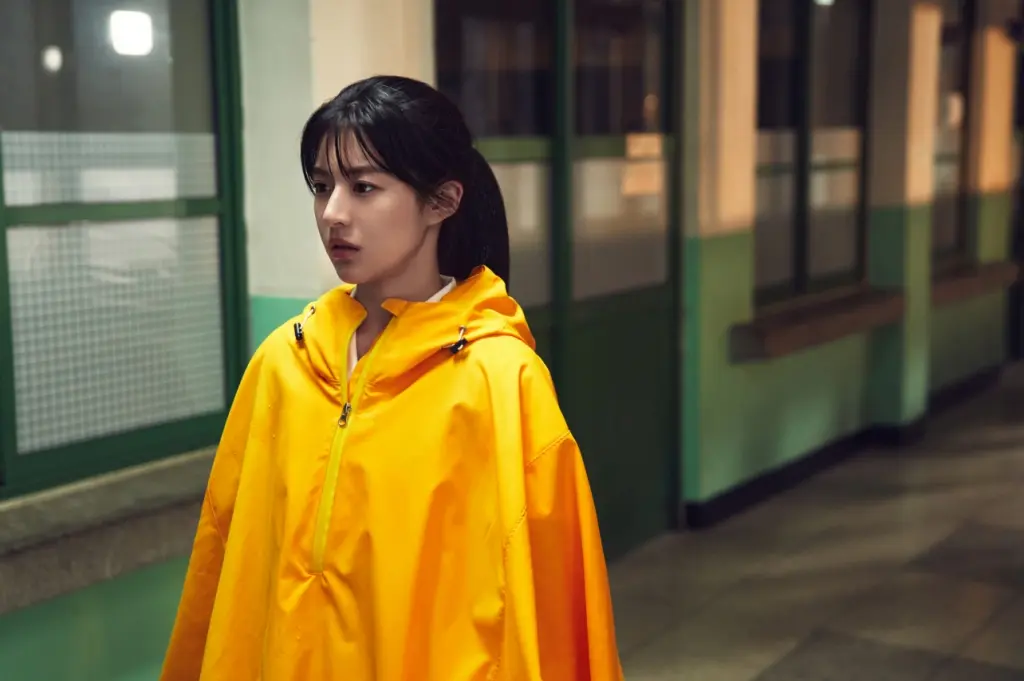
Moving
Based on a webtoon, Moving is for the fans of the ’06 series, Heroes. Initially, we follow a teen, Kim Bong-Seok, who has to be constantly tied down or weighed down to keep from spontaneously levitating. But the mystery and thrills immediately kick off when an assassin starts killing “retired” supers, and it becomes obvious that agencies, parents, and even teachers are aware of this. So far, the pacing allows for introductions, backstories, and action to breathe whilst quickly establishing connections between storylines to feed the intrigue. Hopefully, this carries through the entire 20-episode run and delivers a cohesive, high-action fantasy series.
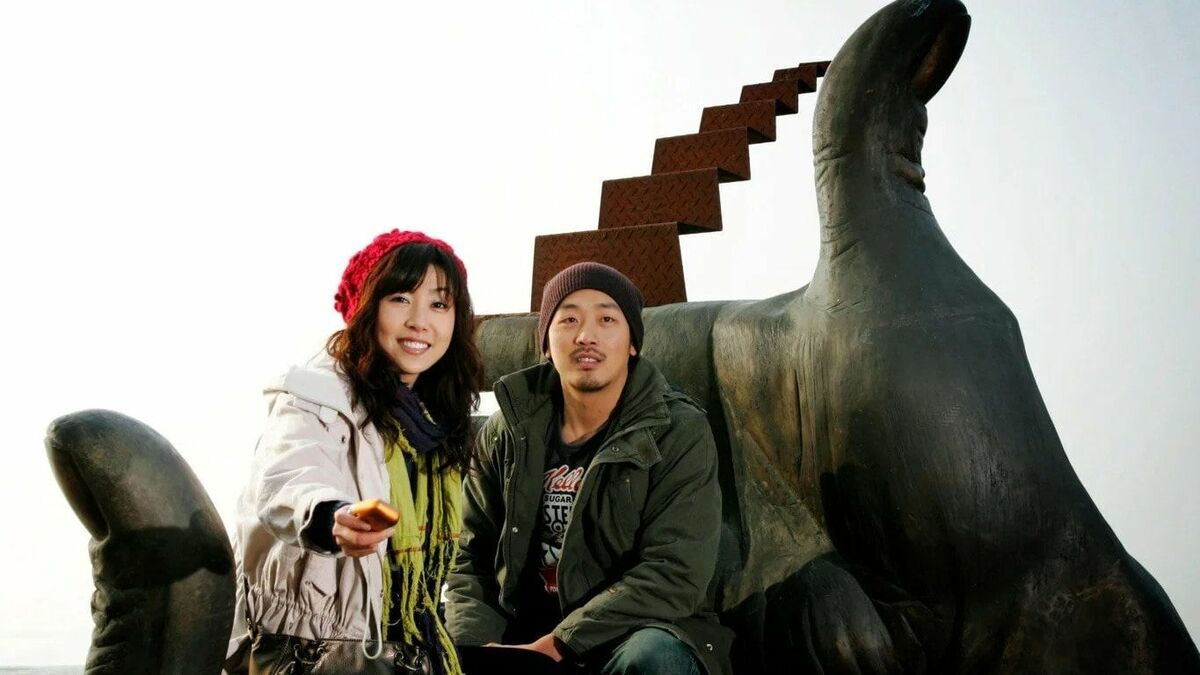
Time (2006)
Every relationship reaches a point where the excitement settles into a calmer state. Korean film Time is set at that point, but rather than the two lovers settling into comfort, they’re at odds instead– Ji-woo lets his eye roam for a bit of excitement, while Seh-hee anxiously accuses him for anything. To be honest, these two are seriously crazy. They should probably break up. But while the two push each other to increasingly toxic ends, this surprisingly talky romance drama from 3-Iron’s Kim Ki-duk holds some of his best dialogue, his signature use of symbols, as well as a critical, if a bit out there, examination to how disposable people have started to treat each other, themselves, and the human body in romantic relationships.
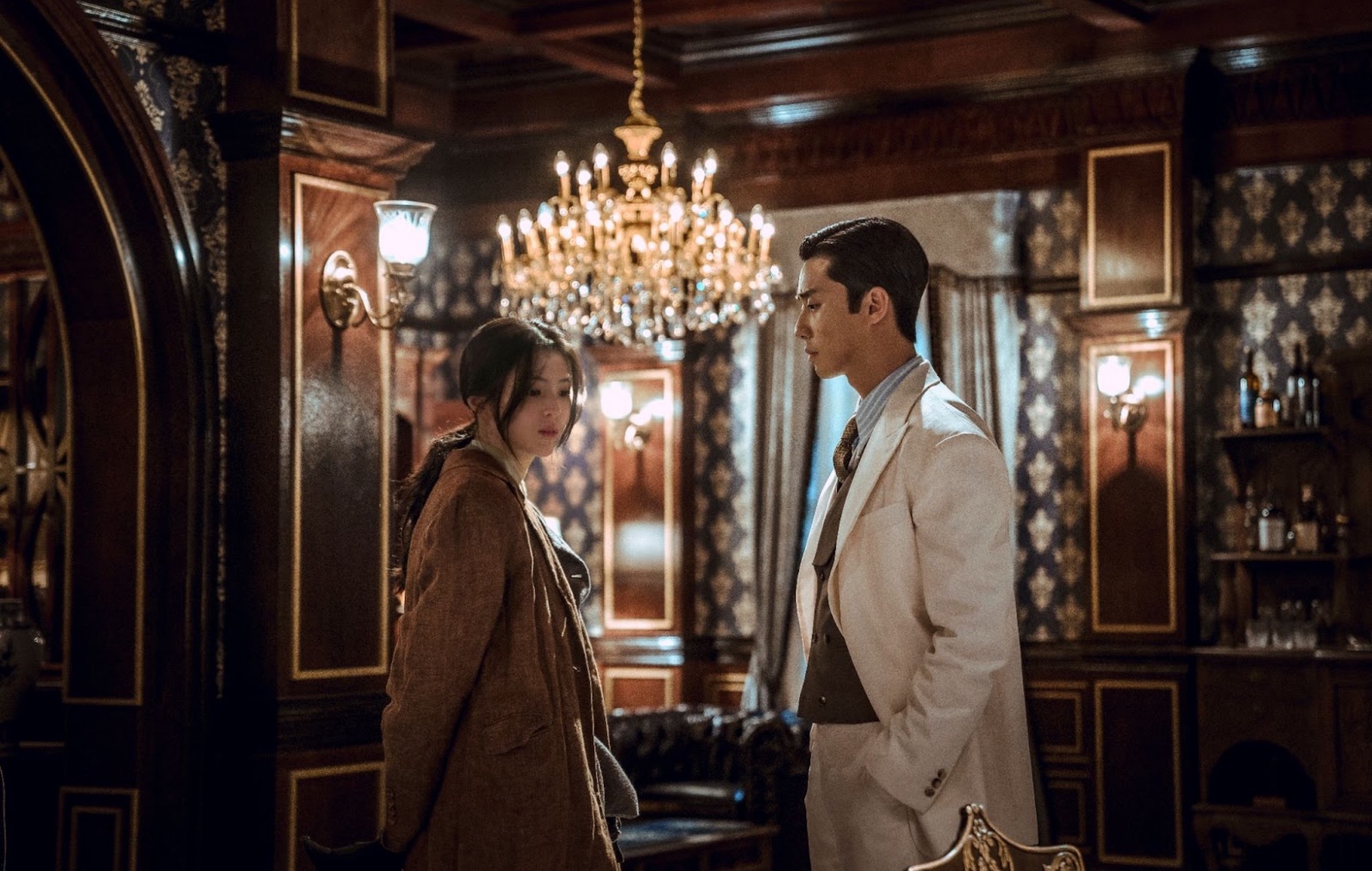
Gyeongseong Creature
More lush period piece than scary science fiction, Gyeongseong Creature promised a terrifying creature, but it starts slow, dedicating more of its time to its humans than immediately battling monsters. This helps establish the romance, especially as hardened private eye Yoon Chae-ok appeals to privileged pawn broker Jang Tae-sang’s sense of duty, as well as the historical context behind the story. In doing so, the show confronts the violence of the Japanese occupation of Korea through implication rather than directly recreating these horrors. It’s all the more satisfying when the action begins, as Chae-ok and Tae-sang shift their priorities from doing a job to actively undermining the evil hospital’s efforts. Gyeongseong Creature might not let its creature loose early, but its true horror lies not with the monster created, but with the abuses permitted by war.
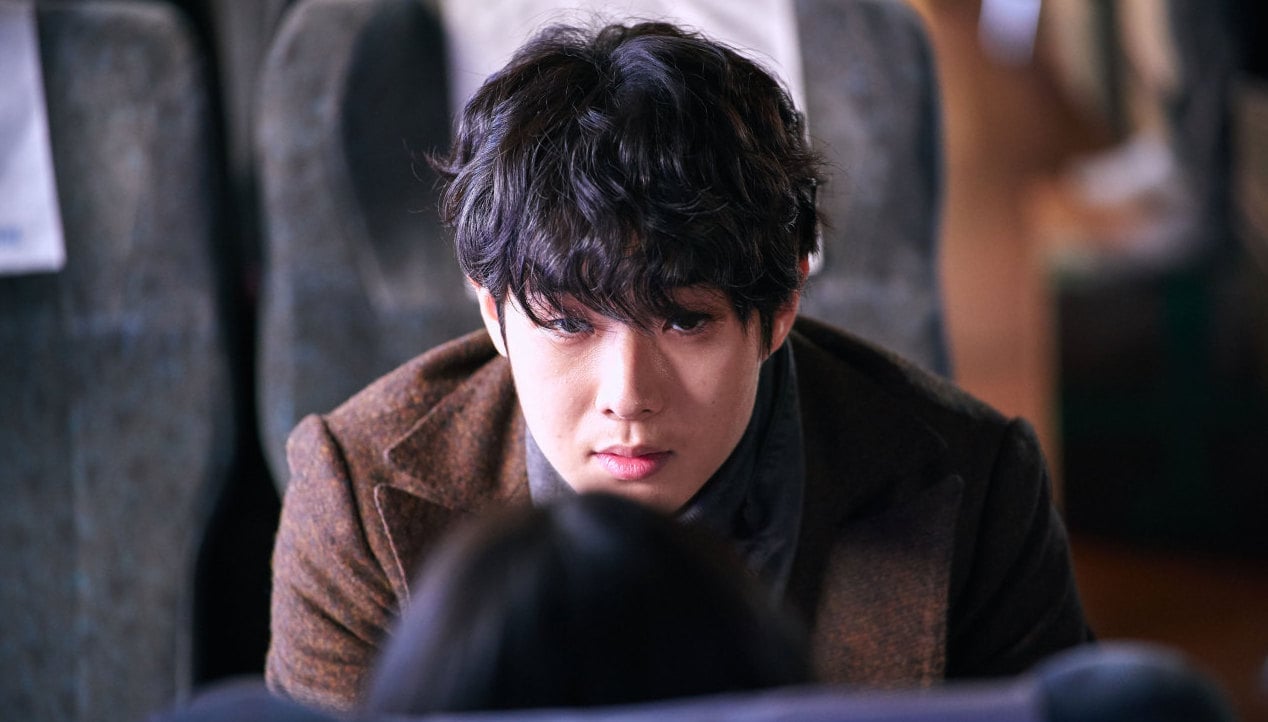
The Witch: Part 1 – The Subversion (2018)
The Witch hardly reinvents the thriller wheel. In fact, part of the fun in watching it is calling out the cliches. Cold-blooded villain? Check. Antihero who defies death? Check. Senseless, bloody killings for minutes on end? Check, check, check. The Witch has everything you’d expect from an action movie, and yet, the viewing experience is all the better for it.
By trimming all the unnecessary fat and zeroing in on the action, director Park Hoon-jung delivers a no-nonsense, no-holds-barred film that could hold a candle to the John Wick franchise. Like those films, the movements here are sharp and the gore relentless. The only difference is that The Witch is led by a teenage girl—seemingly flimsy but deliciously deranged, Kim-Dami is magnetic in her breakout role as the titular witch Ja-yoon. It’s also a bit like Stranger Things in that sense, but comparisons aside, The Witch stands out as a razor-edged entry into the genre.
A Shop for Killers
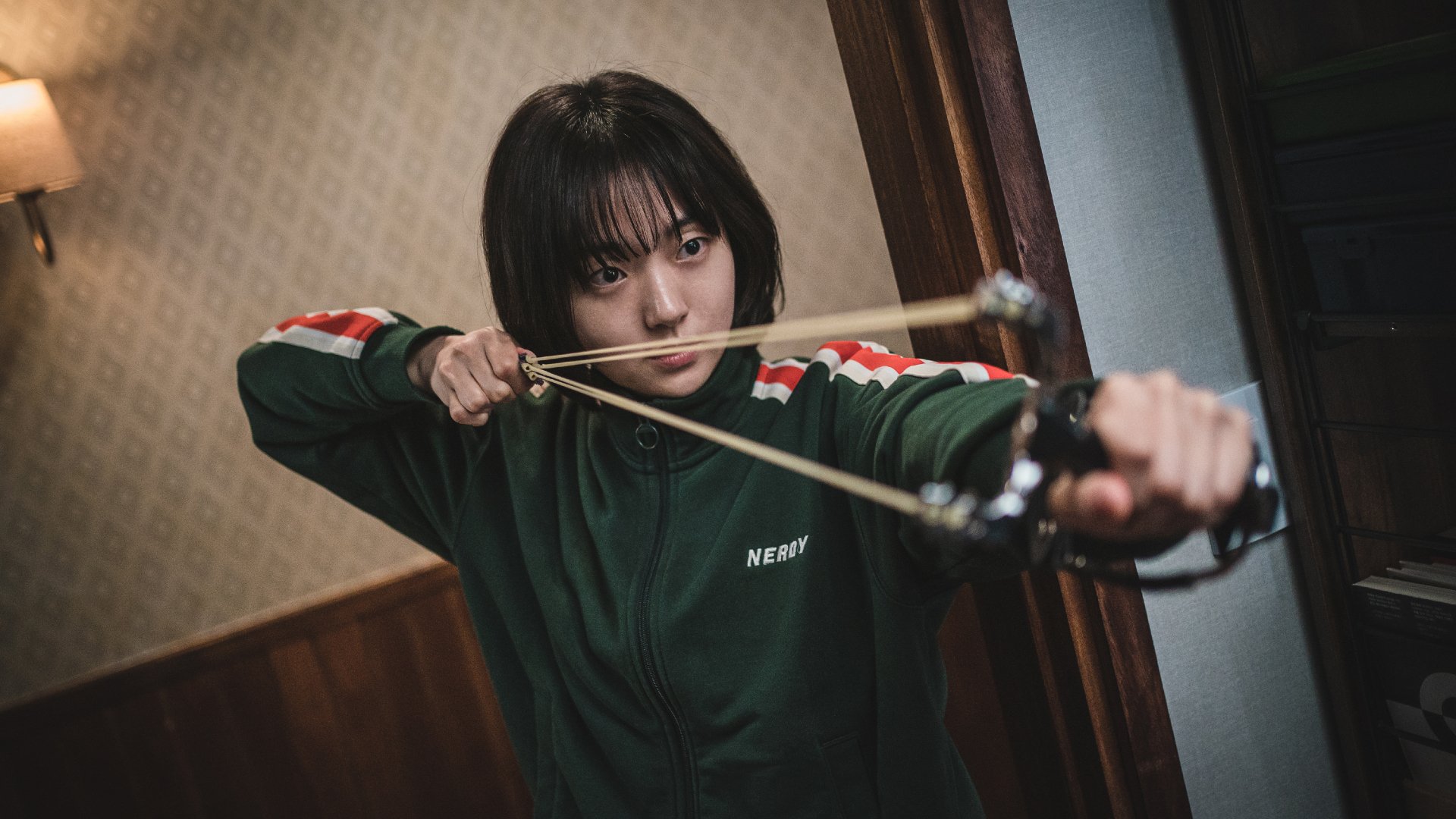
For better or for worse, we don’t know who our guardians really are, whether that be our parents or other older relatives. However, that usually means that we don’t get to know their dreams, not that they are involved with assassins, like the way Ji-an’s uncle is in A Shop for Killers. The action strikes hard and fast, starting the series off with a sniper attempt on Ji-an’s life, but luckily, the surprised girl can fight back, with the eccentric training that she didn’t anticipate she’ll need. While the time jumps can be a bit confusing, A Shop for Killers has a surprising mix of action and mystery that keeps things entertaining, even if it’s unclear for now how it’s a spin-off to The Killer’s Shopping List.
Beasts Clawing at Straws (2020)
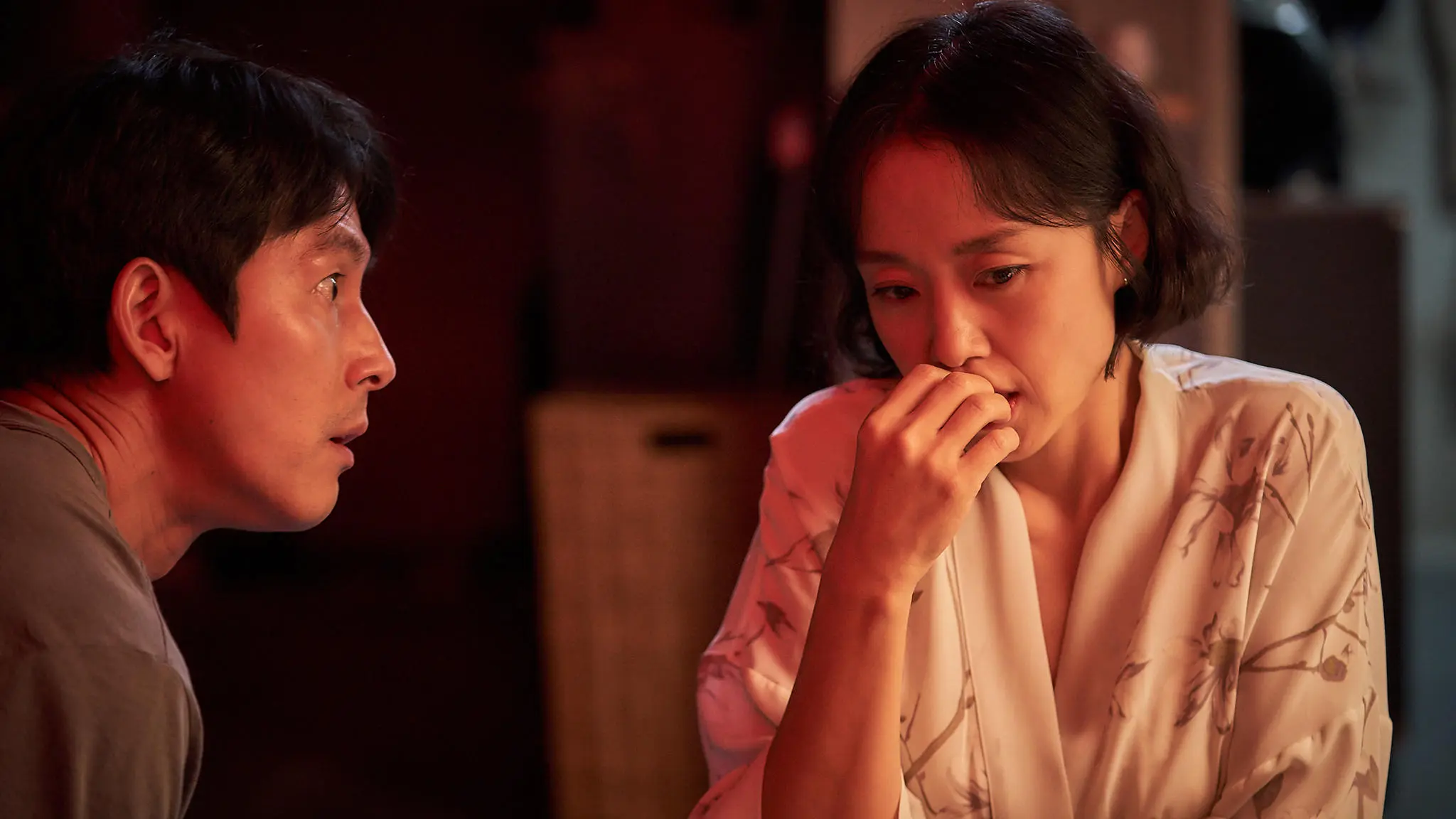
Beasts Clawing at Straws is so fun to watch. Most crime thriller fans would find the MacGuffin money, the dubious characters, and the nonlinear timeline familiar, but the way Kim Yong-hoon depicts the 2011 Japanese novel is pretty stylish and engaging. It takes a while to set up, though. As the film steadily introduces new plot threads, the first half can feel a bit confusing. However, by the midpoint, these threads all weave into a series of comedic pay-offs, bringing those who yearn for the cash to unexpectedly satisfying ends. While a bit uneven, Beasts Clawing at Straws is entertaining from start to finish.
Memories of Murder (2003)
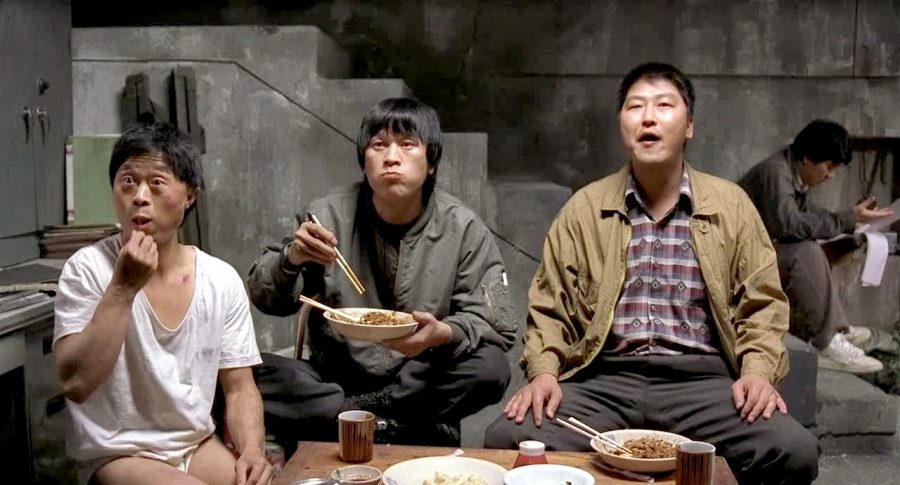
Boon Joon-Ho’s ‘Memories of murder’, which was recently re-released is not too dissimilar from many of the crime-dramas that have come out of South Korea over the past two decades. Two very different detectives have to come together to solve what is turning out to be a series of murders that are all linked. The movie is based on the true story of South Korea’s first ever recorded serial murderer, who raped and then killed young girls in the late 80’s. In the hands of probably the foremost South Korean director after Park Chan-Wook, this movie takes you through all ranges of emotions.
Captivating the King
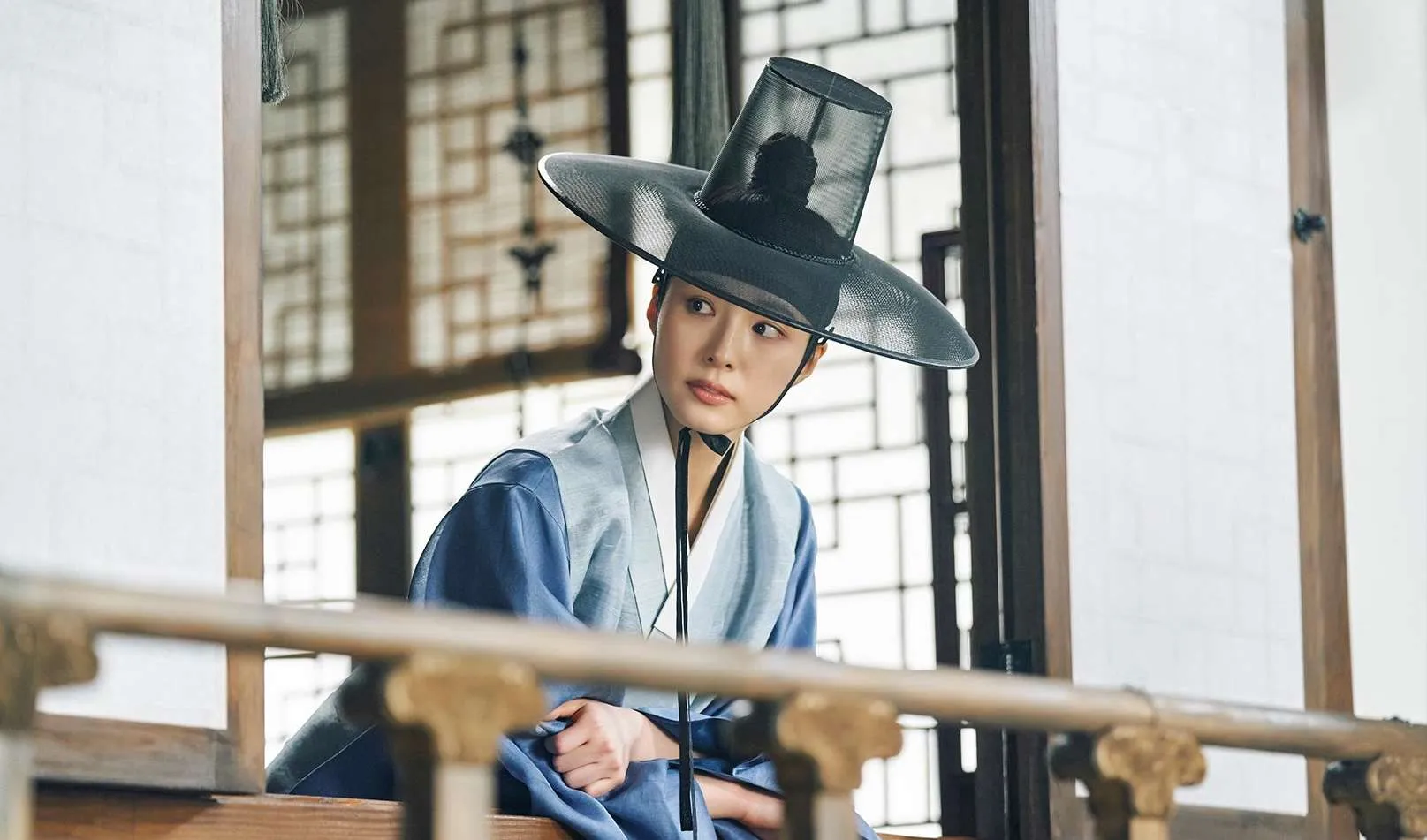
With political intrigue, deceit, and romance, Captivating the King has all the elements we’re familiar with in Korean sageuk romances. It’s easy to appreciate the impeccable production design and every time Jo Jung-suk pulls at the heartstrings through the Grand Prince Jinhan’s tears, but the series starts incredibly slowly. Apparently, before Hee-soo can captivate said king, the first few episodes must delve into every single detail that made the prince into a king. This does help set up the political landscape Yi In has to operate in, but it keeps its viewers waiting too long for the undercover love story implied by the premise.
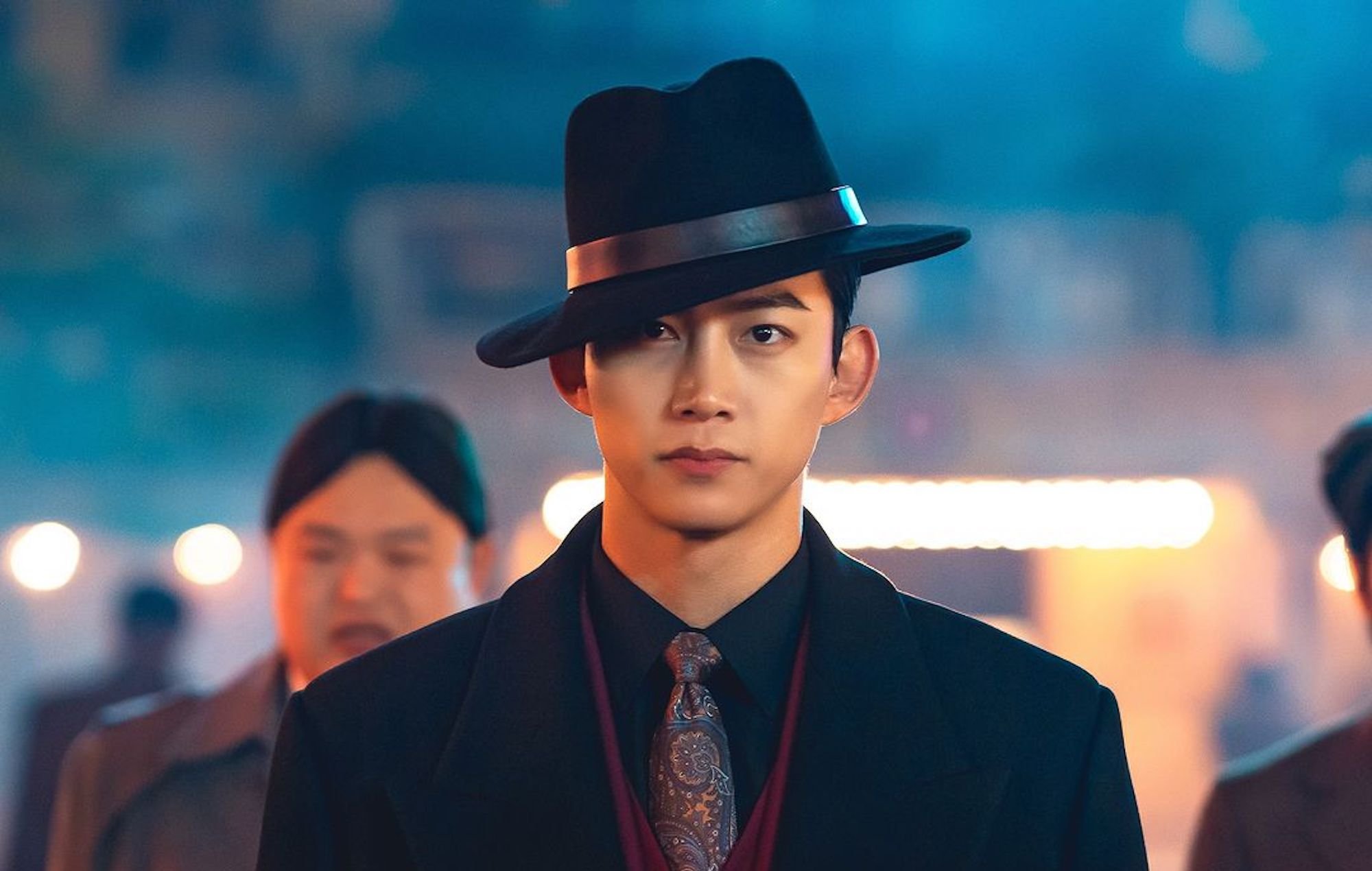
HeartBeat
A vampire story is a tale as old as time (I couldn’t resist), and adding a long-lost love to the narrative is the cherry on top of a potentially swoon-worthy supernatural romance. But despite the addition of elements like centuries-long sleep, talking cats, and a school nurse whose bad luck welcomes shenanigans every other second, there is only so much to expect with this basic premise, and the quest to become human is not a solid anchor to keep watching. Although if you’re after an effortless watch, then HeartBeat’s handsome lead, quirky sidekicks, and headstrong leading lady check all the boxes for an easy watch to fall into.
No titles match these filters.