
TV-14 Movies to Watch
You might assume that TV-14 rating automatically indicates a film is not for adults, but you’d be surprised at how many cinematic masterpieces can be enjoyed by the whole family, across generations. Here are the very best TV-14 shows and movies to stream now.
To access filters, visit our homepage.
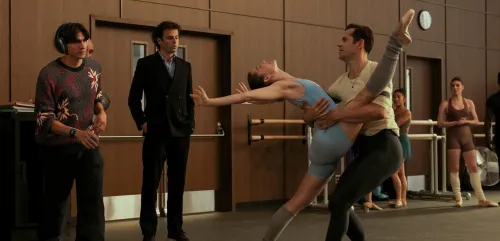
Étoile is a charming transatlantic series set in fictional ballet companies based in New York and Paris. The series alternates between the two cities and features a diverse array of players, including talented dancers, misunderstood choreographers, and the prickly businessmen who fund the entire endeavor. It sounds like a lot, but showrunner Amy Sherman-Palladino (Gilmore Girls, The Marvelous Mrs. Maisel) balances everything nimbly and turns in an easy watch that never feels jarring despite the constant swaps and switches.
From the creators of Scavengers Reign and Veep comes Common Side Effects, a show that’s at once quirkily funny and chillingly relevant. It’s about Marshall, a fungi expert who finds a mushroom that heals all wounds and illnesses. As a result, he becomes a target of big pharma, insurance companies, and even government agencies, all of whom, according to Marshall, insist on keeping the mushroom from the public so they can continue to profit off people’s sickness. It sounds silly at first, like the kind of fearmongering, fact-less posts you roll your eyes at when they hit your timeline. And the show is silly, but in a different way. It has the absurdity and quirks that make adult cartoons so delightful, yes, but as a condemnation of capitalist exploitation and greed? It can’t be any sharper, especially now that medical costs are skyrocketing and the public are starting to fight back.
You’d be forgiven for assuming Celtics City would be like most sports documentaries on TV—unremarkable and over-the-top. But in this case, Celtics City deserves to be over the top. The NBA team, perhaps more than any in the league, has such a rich history, filled with wins and losses, joys and failures, shame and impact, that it makes sense to tell their story in multiple episodes. It’s not indulgent or forced, it’s deserved. The first part alone is an expertly woven argument about how race and sports, at least in America, are inextricable. You can’t talk about the Boston Celtics without recognizing the incredible things Bill Russell has done for the team, and yet that’s what happened in the ‘50s. This smart discourse, along with the thrilling footage of past games and the exclusive interviews with Celtics members past and present make Celtics City stand out among the many, many sports docs out there.
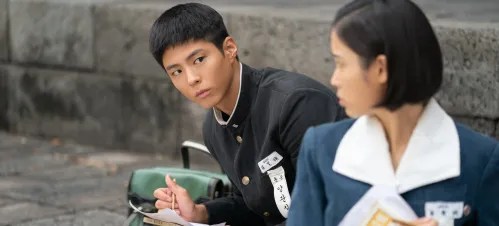
A more cynical viewer might be put off by the pity party that happens in the first hour of When Live Gives You Tangerines (although as far as K-dramas go, this one is pretty mild). There is plenty of crying, especially by the child actors who seem forced to do the act. But it’s worth sitting through; the events that follow are lovely and moving. Set in the countryside of post-war South Korea, the series follows a young couple as they elope and raise a family with little means. It gets cheesy at times but leads IU and Park Bo-gum nail their characters to the ground, always keeping them relatable, likable, and true to times. The immersive production design and the clever time jumps pull you in and keep you longing for the next episode.
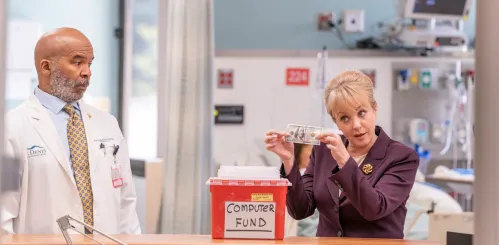
Is it possible to make a workplace comedy set in a hospital emergency room, of all places? St. Denis Medical proves that it is. Like The Office and Parks and Rec before it, St. Denis is a mockumentary that follows an eclectic ensemble who are well-meaning but not always professional, which gives way to funny scenes, pairings, and hijinks. Because of the show’s bleak setting, it risks jarring audiences with a mismatch in tone (there are literally people who are dying around them), but St. Denis is able to be both earnest and funny. The characters are all likable, but the show’s big beating heart is Alex (Allison Tolman), the designated straight-woman, the level-headed foil against her more absurd colleagues. More than anyone, she genuinely cares for the patients and her workmates’ well-being. Issues like understaffed hospitals, expensive healthcare, and medical bias are highlighted in humorous ways. And it works! Laughter is, after all, the best medicine.
Man on the Inside may be a detective show, but at its core, it’s a series about the beauty and pain of aging. It follows recently widowed Charles as he befriends the residents at a nursing home he’s secretly investigating for thievery. Despite himself, Charles opens up, which complicates the case but gives the story all of its heart. Not a lot of shows are willing to sift through the realities of old age, and even when they do they tend to focus (understandably) on the painful aspects of it–death, grief, sickness. Man on the Inside is a welcome reminder that there’s more to it too. There’s the freedom to be who you are, and family and friendships to strengthen. Man on the Inside won’t be the sharpest mystery you’ll see anytime soon, but it just might be one of the most poignant and heartwarming ones you’ll watch. It might also get you to call up an elderly loved one and check in on them, finally.
On the surface, The Makanai is a simple, slice-of-life show about food and friendship. While it is that, to be sure, it’s also a substantial drama that tackles questions about art vs. love, and love vs. companionship, and career vs. purpose. Under the gentle guidance of showrunner Hirokazu Kore-eda (Still Walking, Shoplifters, Broker), who generously allows up-and-coming directors to take the helm on certain episodes, The Makanai feels at once light and hefty, comforting and challenging. We’re seeing mundane events unfold before us as if we were bystanders, but we also understand that there is so much more happening than what meets the eye. A prolonged gaze, a lovingly prepped meal, an especially sharp wing-eye, all of these have much to say about the state of mind of these girls.
It’s a supremely gentle and culturally rich show with a tender heart; a truly great watch on all accounts.
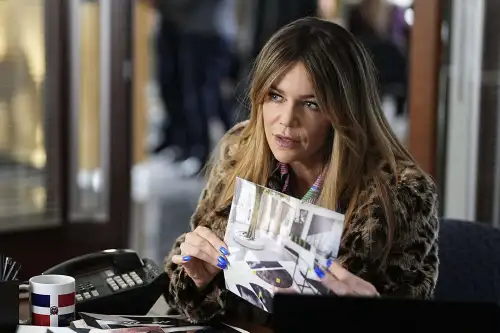
High Potential isn’t the smartest thing out there, despite Morgan’s impressive 160 IQ. It’s also not the quirkiest of its kind (hello, Elsbeth!). But it’s undeniably enjoyable, thanks in large part to Olson, who injects her character with so much wit, charm, and tenderness. Played wrong, Morgan could’ve been yet another annoying Sherlock-type, but in Olson’s capable hands, she’s anything but. It’s still too early to tell whether the surrounding characters will match her infectious energy, but I am seated and excited for more to come.
If you are a historian, a communist, a capitalist, a Russian or American citizen, you would likely already have opinions about the Cold War. But regardless of your knowledge on the topic, there’s no denying that Netflix docuseries Turning Point: The Bomb and the Cold War is such an ambitious documentary, dedicating a whopping 9 hours to explain the Cold War and its ramifications in such a comprehensive, well-paced way, trying to balance between various perspectives from all over the world. Of course, being from an American production company, it does slightly lean towards the American perspective, with some of the Netflix flair that you can see in their other documentaries. Nonetheless, The Bomb and the Cold War is a handy explainer to the history that still shapes many of today’s conflicts.
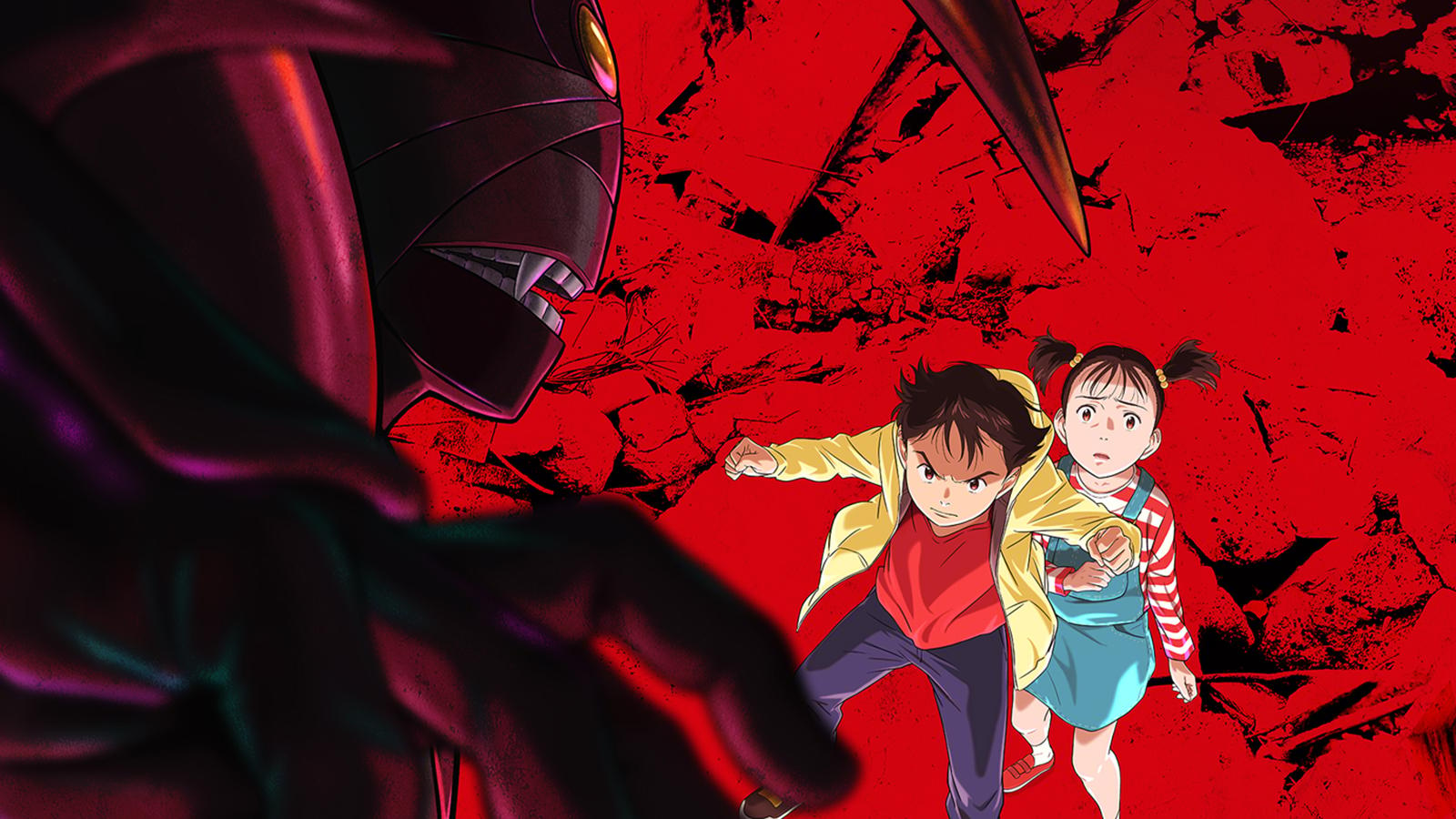
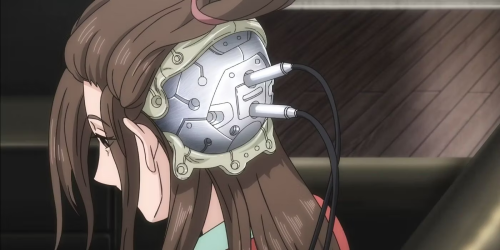
Reimagining a children’s classic as a mature serial killer mystery, PLUTO already had high expectations for its anime adaptation. The limited series adds an additional challenge, with only hour-long episodes dedicated to each of the series’ eight volumes, which follows not only Gesicht’s own investigation, but also in-depth stories of each of the remaining Great Robots. However, the anime, now showing on Netflix, is able to meet this challenge with its deep understanding of the source material. It’s not just a straightforward police procedural, or just futuristic dream of how AI and humans can co-exist. PLUTO is a robot series that strikes at the heart of what it means to be human.
In a TV age where dark comedies and slick satires are all the rage, The Completely Made-Up Adventures of Dick Turpin is refreshingly light, good-hearted fun. Its humor leans on the surreal, silly, and slapstick, but it doesn’t necessarily sacrifice smarts for a laugh. Here, the legendary robber is reimagined as a reluctant criminal who is more interested in knitting and doing his friends good, a rather sweet fool who unwittingly stands at the opposite end of toxic masculinity. There are jokes about equal pay and light commentaries on class inequality (Turpin and his so-called Essex Gang want to only rob the inordinately wealthy), and you’d think it was all too much, but the show achieves a confident, balanced tone that’s hard to question.
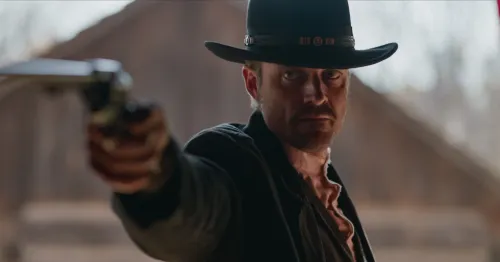
Wyatt Earp’s adventures in the Wild West are the stuff of legend. Indeed, plenty of Hollywood greats have tried to recreate—or at least, emulate—his mythology, from Jimmy Stewart and Henry Fonda to Kevin Costner and Val Kilmer. But maybe non-fiction is the way to go. That’s what I gathered from watching the deeply engaging six-part docudrama Wyatt Earp and the Cowboy War. The series blends well-acted dramatic performances with expert commentary from historians, and the cherry on top is that Ed Harris (The Man in Black from Westworld! Of course!) narrates with the kind of cool and character that makes you want to listen to him forever. But the key here is that balance between drama and documentary: it never feels too played up, thanks in large part to the actors’ lived-in performances (my favorite is Thomas Fitch), nor does it feel like a droning history lesson, even though we do end up learning so much more about Earp and the legendary shootout that occurred in O.K. Corral. It’s all edited so that you get different things, too, per episode. One serves as a riveting legal drama, another is more focused on the juicy love triangle Earp is involved in. All, however, are equally educational and exciting.
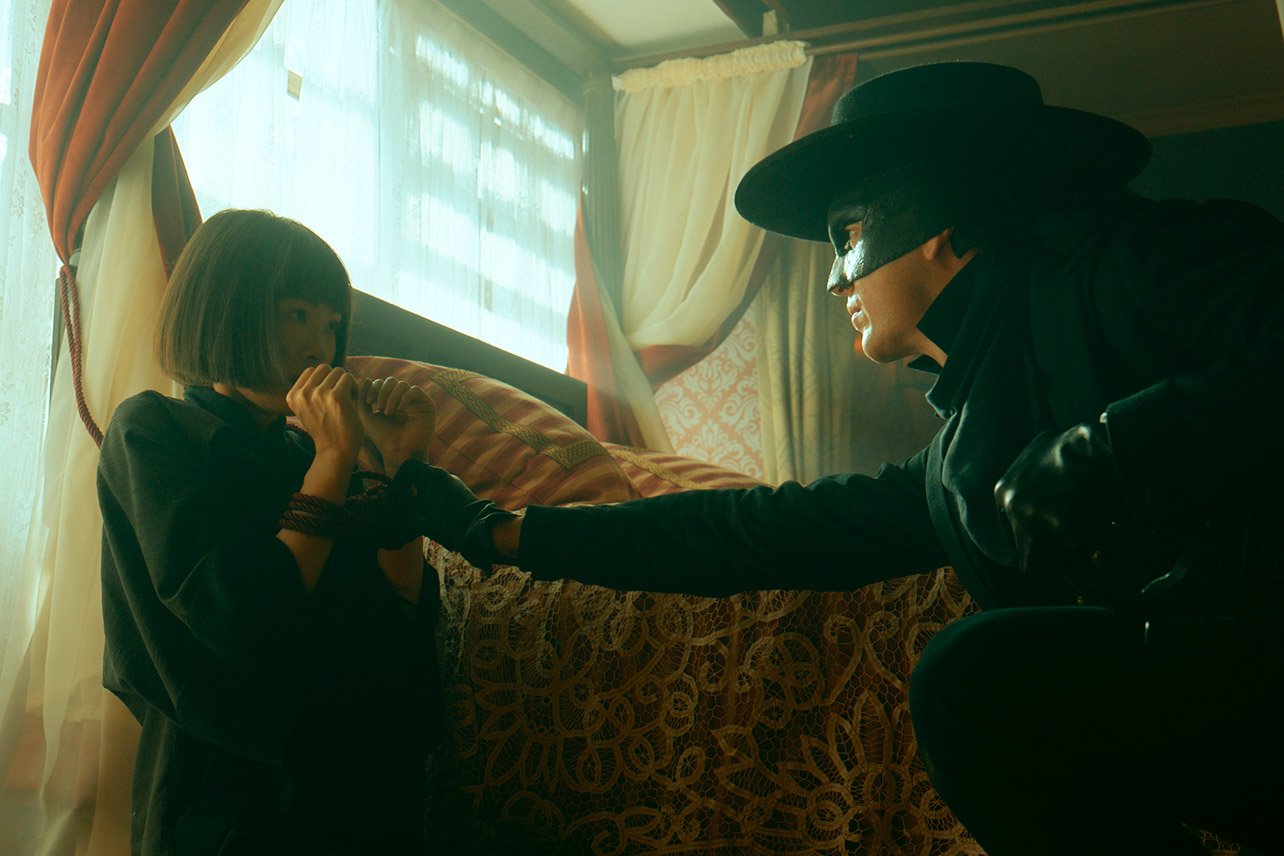
Remakes are a dime a dozen, but Prime Video’s Spanish reinterpretation of Zorro gives justice to the masked vigilante. With the sword fights, the vengeance, and the romance, the ten-episode series sticks close to the swashbuckler’s origin story, but explores certain nuances of the era that haven’t been a focus, until now. This Zorro is more involved with the people of Los Angeles, not just the Spanish colonial inhabitants, but also the Native Americans, and he fights against the injustice that they face. It makes for a more grounded adaptation than the ones previously, but Zorro still feels just as exciting in this rodeo.
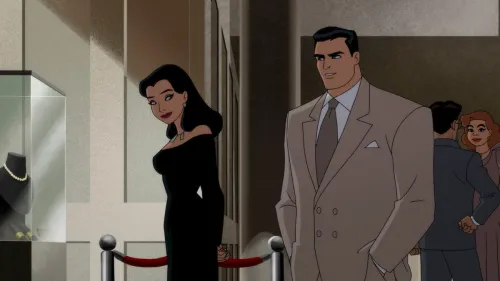
It’s easy to mistake stills of Batman: The Caped Crusader with Batman: The Animated Series, that iconic ‘90s series that many of us grew up watching. And while they are more or less helmed by the same showrunner, the newer adaptation is sleeker and cleaner, stripped of color and replaced with noir. It sounds ironic, but despite its Art Deco setting and near-monochrome design, The Caped Crusader feels refreshing to watch. It explores plenty of other villains besides the usual suspects, forgoes actual powers for skills and gadgetry, and uses plain but engaging dialogue to get its points across (no annoying snark here). This Batman goes back to his Detective Comics roots, in other words, and this show is like a police procedural that anyone of any age (and DC exposure) can enjoy.
It’s not news that child actors don’t have it easy in an industry that’s more interested in exploiting than protecting them. Theirs is a story of trauma and difficult adulthoods, but it’s also often told in a sensationalist way that dehumanizes them. “Child Actor Goes Rogue” continues to be a headline favorite in tabloids, but maybe all that is set to change with the release of Quiet on the Set. This four-part documentary is by no means revolutionary—in fact, it’s as straightforward as any true-crime series out there. But it importantly lets the now-grown-up victims (or their loved ones) tell their story on their own terms. The misdeeds covered here range from degradingly misogynistic behavior in the writers’ room to outright child pedophilia and rape. Though it sometimes feels like the directors could have handled these issues more delicately, instead of jamming them all in bite-sized episodes, you still come away from it knowing and wanting to do so much more.
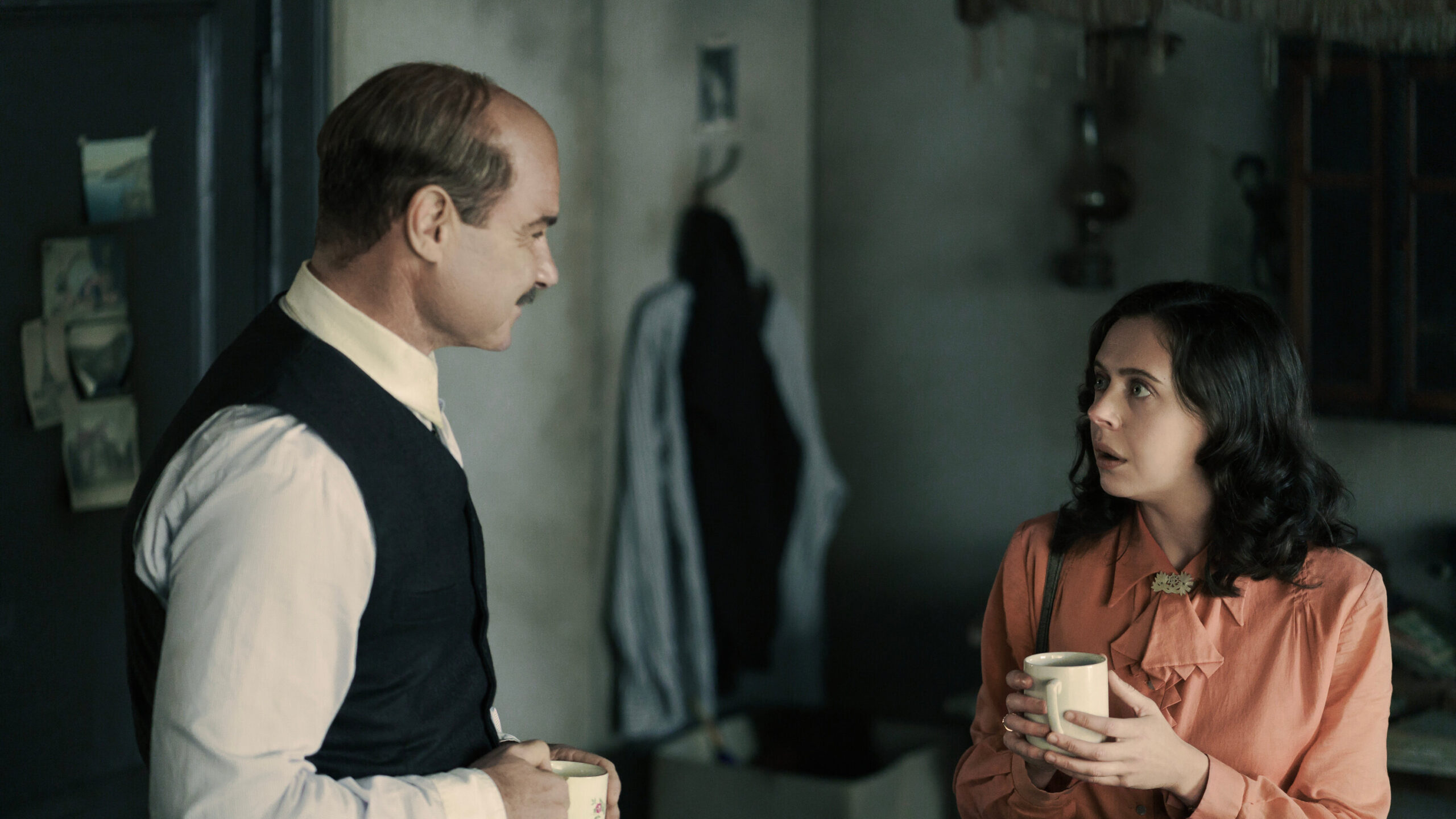
Produced by National Geographic, A Small Light is a ten-part miniseries that tells the incredible true story of Miep Gies (Bel Powley), the Dutch woman who bravely hid her Jewish friends from the Nazis during World War II. Among these friends is her kindly mentor Otto Frank (Liev Schreiber) and his daughter Anne (Billie Boullet), both of whom form a tight bond with Miep.
More than just re-adapting Anne Frank’s story to the screen, A Small Light further fleshes it out by introducing other characters in depth and giving surrounding heroes their due. In fact, it’s as much about courage as it is about survival as it highlights what it takes to lend a hand (and possibly lose it) when you don’t need to. It also helps that this noble message comes with a massive budget and excellent performers, elements that tie everything together in this high-quality series.
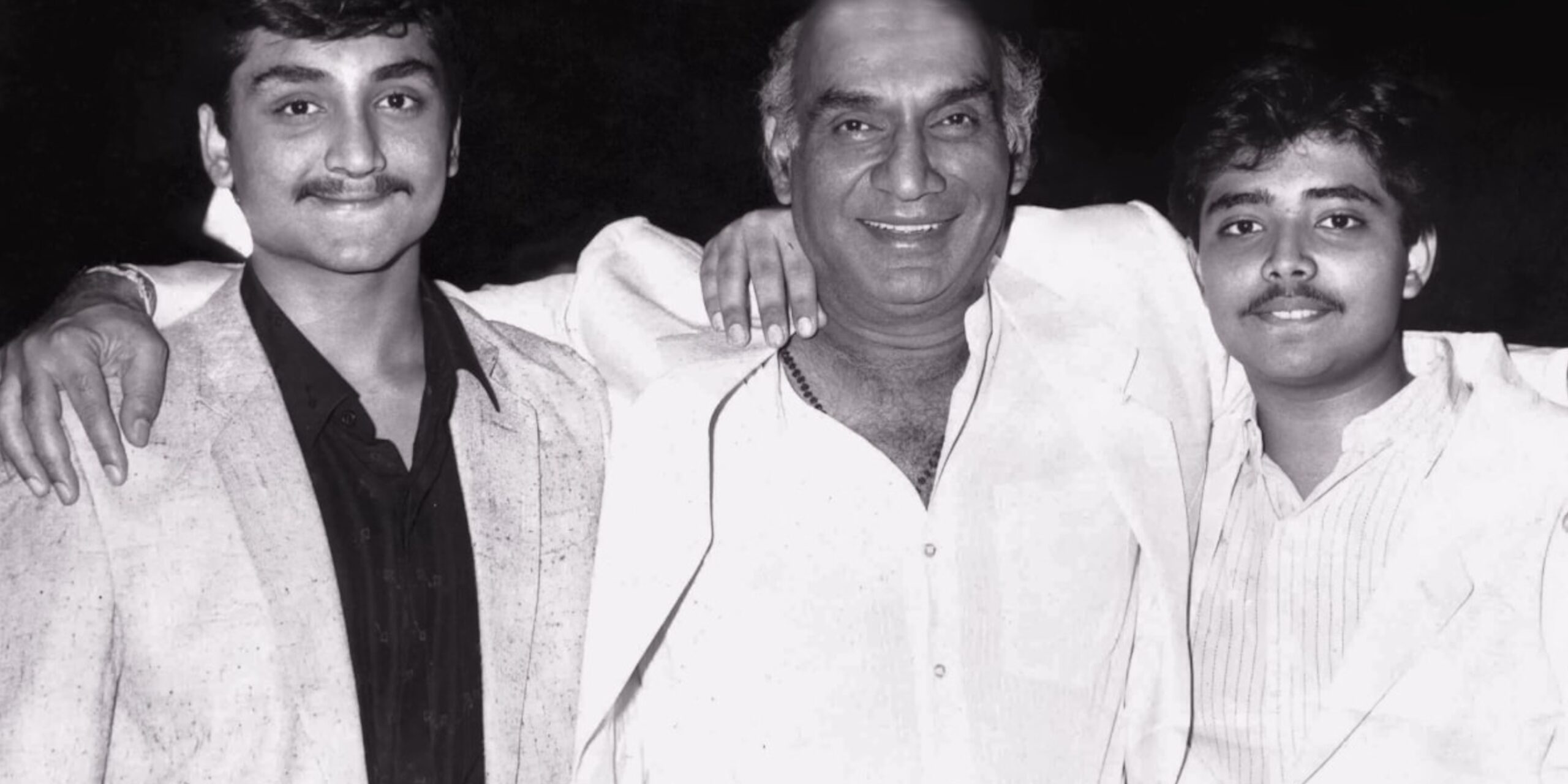
Bollywood is the biggest film industry in the world, in terms of output. After all, the Indian film industry churns out 700-800 films per year. Because of sheer output, there are plenty of excellent hidden gems from the South Asian country, some of which we try to cover here in A Good Movie to Watch. However, for a fairly comprehensive introduction to the industry, the English-language miniseries The Romantics is a great place to start. There’s no better filmmaker to take notes from other than Yash Raj Chopra, whose media conglomerate shifted the industry for the past 50 years, so the show tackles his legacy through archival footage and interviews from India’s current roster of film stars. Footage of his films alone are already a compelling watch, but director Smriti Mundra keeps an excellent balance between these films’ personal impact, as well as the corresponding political and film history in which his works were released to. It’s an excellent introduction to the colorful and rich film history of India.
There’s no room for glamour in this heartwrenching yet inspiring documentary of first-hand accounts from mothers who went above and beyond for their children. These days it is hard to escape fancy editing, theatrical reenactments, and law enforcement’s clinical recounts in true crime productions, but these four stories inject much-needed empathy for victims. In each episode, the mothers’ fight for justice and their children’s safety illuminates the strength of a community, the goodwill of strangers, and the perseverance of all (with or without the help of the law). Straightforward and respectful, these first-hand accounts will appeal to viewers wanting humane narratives and a few happy endings.
In a sea of self-serious legal dramas and police procedurals, The Good Wife spin-off Elsbeth stands out for its quirky and delightfully sunny approach. Like Columbo or (more recently) Poker Face before it, it reveals the killer right at the start. And since the hook is knowing how the crime is solved, not who does it, Elsbeth is the perfect guide to take us through the end. She’s giddy but intelligent, wide-eyed but perceptive. Though the rest of the cast’s acting is just network TV-good, Preston herself and the many guest stars are consistently stellar and a blast to watch. The writing and overall acting could be better, but it’s worth watching for Elsbeth’s magnetic presence.
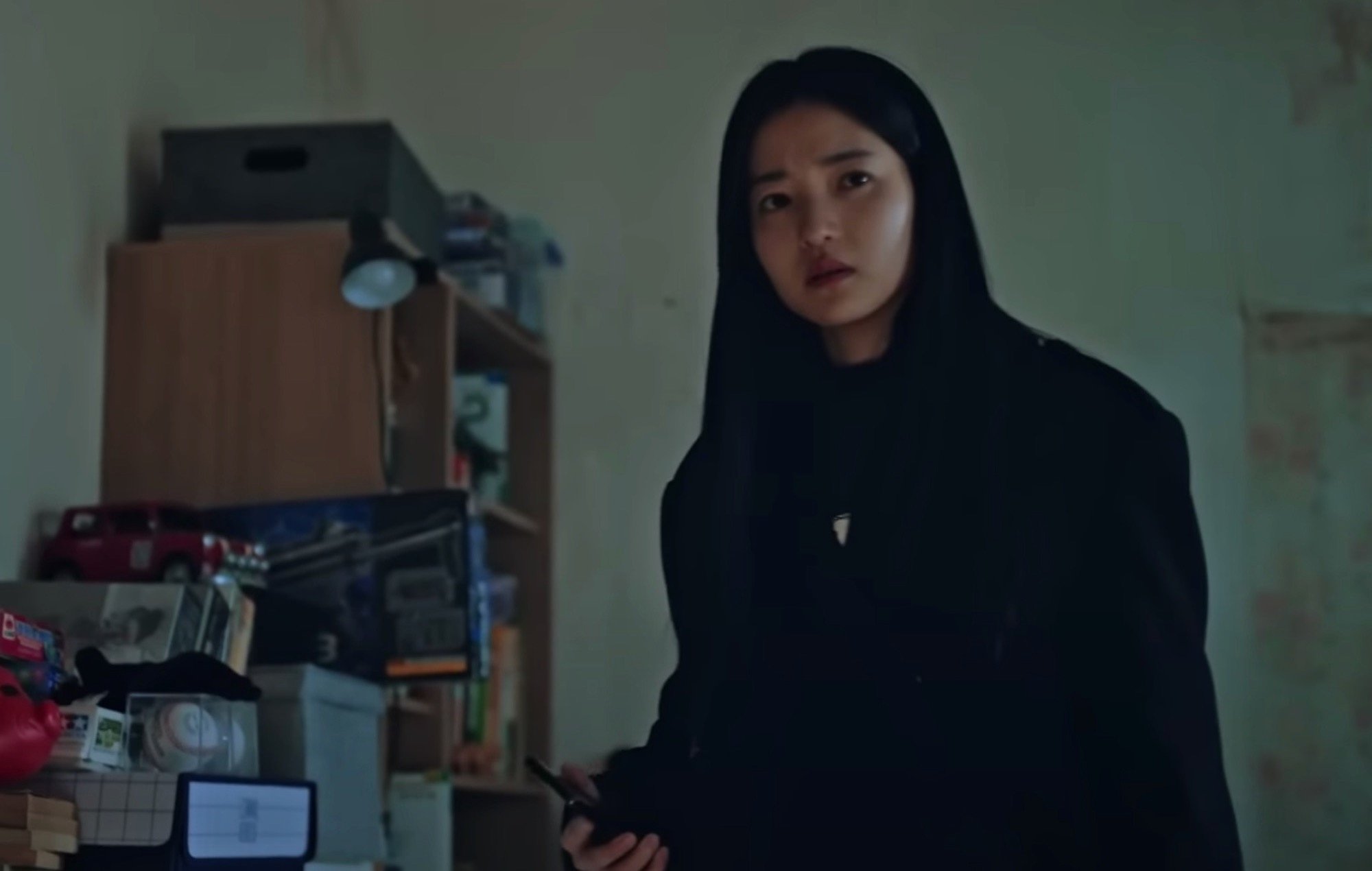
Mysterious and hair-raising, Revenant is a supernatural drama whose demonic possession deals with modern-day detectives and Korean folklore. This strange mix of genres makes the show’s premise slow to unfold, taking time to introduce the complex agents in each part. At front-and-center is working-class woman Gu San-yeong, who gets possessed by a demon. Kim Tae-ri’s expert acting makes both believable, simultaneously terrified and terrifying in equal measure. To be free, Gu accepts the help of folklore professor Yeom Hae-sang, who has been hunting down this demon after his mom’s death. With his mom’s death, as well as many others, being dismissed by the police as suicides, the show questions the reasons behind Korea’s high suicide rate. Acknowledging the struggles of Hell Joseon, Revenant suggests what Yeom advises: To listen, pay attention, and learn the reasons why they’re here.
My Lady Jane reimagines the titular nine-day queen, played by Bader, as a staunch feminist who has a lust for life and, well, men. She’s wise, vocal, and unapologetically sexual, and her demeanor is complemented by an irreverent script, modern pop songs, and fourth-wall-breaking meta-humor. In other words, it’s just like every other modern period drama that came before it, from Dickinson, The Great, and to some extent, Bridgerton. But unlike these shows, My Lady Jane fails to create a distinct atmosphere. If it was released five years ago, maybe it would’ve made a dent in the genre, but as proven by the aforementioned titles (and many more like them), My Lady Jane is trying to do something that’s already been achieved in better ways. That said, the show is still enjoyable, especially if you’re a fan of strong independent women™, magical creatures, raunchy humor, and revisionist history. Just don’t expect anything particularly new or inventive from it.
In a world acclimated to the technological advancements and integration of AI, Sudo Hikaru offers illegal medical procedures in the hopes of finding the people behind his mother’s stolen data. The Gene of AI takes an interestingly neutral tone towards the integration of humanoids among the population (akin to our current normal with social media and smartphones). Even as the question of ethics and legality weaves through everyday conversations, the idea of AI being inherently bad is never the conclusion. So far, the narrative follows a procedural format that feeds each new case/scenario back into Hikaru’s search.
With a small primary cast and a heavy hand on CGI (which feels deliberate given how the show discusses the human-technology relationship), the show has the potential to deliver a memorable narrative in the transhumanism genre.
Friday Night Plan resembles many a classic teen film (most notably, Ferris Bueller’s Day Off and Booksmart), but it also doubles as a thoughtful inquiry into the delicate bond between siblings who could not be more different from one another. Sid and his younger brother Adi (Amrith Jayan) have different ideas of what matters most in life, ideas that get tested when their mother’s car gets towed away during their night of fun. Sid thinks it’s only right to come clean and retrieve the car no matter what, but Adi believes this can all wait until tomorrow morning: tonight is Sid’s night to celebrate and finally connect with peers he’s shut off all his life. This tension comes as a surprise in what otherwise looks like an ordinary teen movie, but it’s also a welcome addition that helps Friday Night Plan stand out from the rest.
Do we need to convince you about the spectacle of half naked, handsome, buff men wrestling? Like Flowers in Sand has plenty of that, with Jang Dong-yoon at the helm, but it’s more than just eye candy. It’s a warm, down-to-earth sports drama celebrating Korea’s traditional wrestling, set in the county that is known for ssireum. It has an intricate web of relationships that realistically depict the small town friend groups of childhood. And the cast is excellent, making each ordinary slice-of-life moment still feel compelling. Like Flowers in Sand may not have the crazy fantastical premises other K-dramas are known for, but it still feels unique with its straightforward passion of ssireum.
Netflix is no stranger to adapting novels, nor to period dramas – Cigarette Girl is one of many, but it’s one from Indonesia that stands out due to its unique premise and excellent execution. Based on the novel by Ratih Kumala, the show is a slow-burn, smoldering period romance set amidst Indonesia’s kretek cigarette industry, booming in the 1960s, but it’s framed within the 2000s, where the man’s family uncovers his lost love before he dies. The alternating timelines keep the mystery fresh, as each new revelation uncovers what really happened between the two, as well as what would happen with the fate of their families. This intriguing structure, along with excellent writing, and stunning sets and costumes, make Cigarette Girl a compelling show to watch.
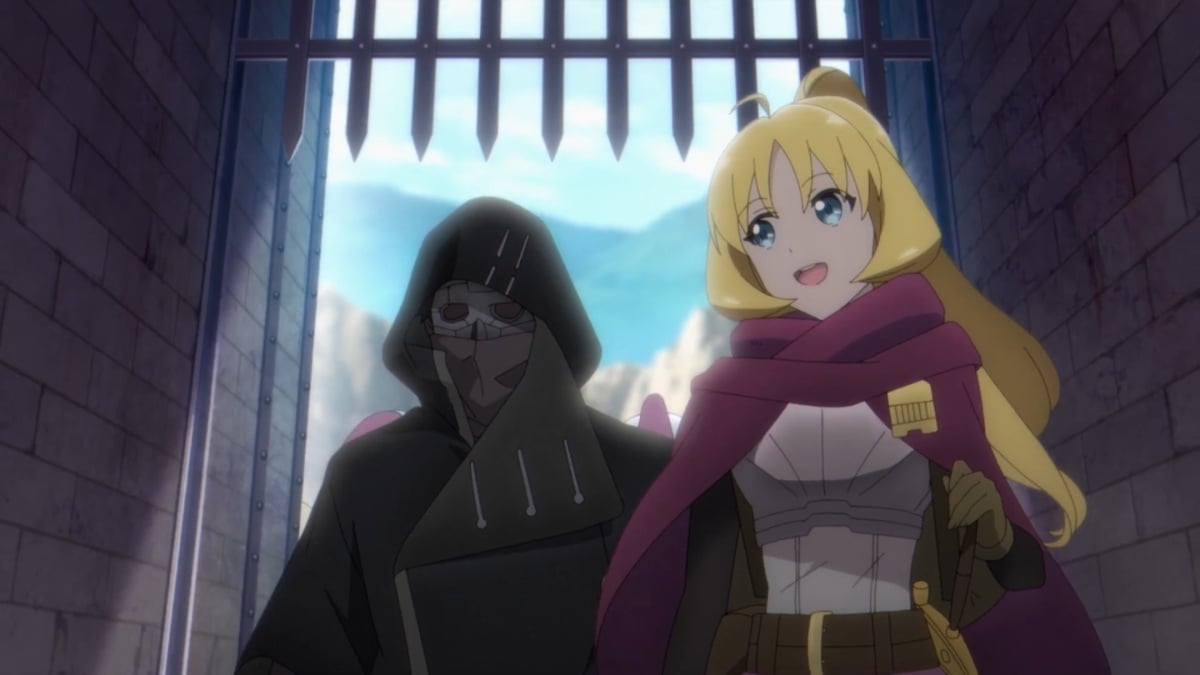
Usually, being swallowed up by a dragon means death. However, for Rentt Faina, The Unwanted Undead Adventurer, becoming a skeleton is just a little setback in achieving his dream of becoming an defender for the kingdom. That’s because in this world, dying doesn’t mean dying– it just means that he has to kill other monsters and absorb their spirit in order to evolve into more human forms, like ghouls and vampires. It’s a strange premise, and the first episode relies on internal monologues, because, well, he doesn’t have the muscles to speak, but it’s intriguing to see someone persevere despite having to start all over again. After obtaining the respect of novice adventurer Rina, the show plays out in a fairly entertaining way, with decent visuals, coherent storyline, and a more cautious protagonist we haven’t seen from previous shonen fantasy.
As the world becomes more globalized, it’s possible for people to form relationships with people across the world, from different countries and cultures. Crashing Eid portrays an international couple that are both Muslim, but come from different countries – Razan is from Saudi Arabia, and Sameer is born and raised in Britain, but his parents come from Pakistan – and this difference keeps their parents from agreeing to the marriage. This Romeo-Juliet romance is familiar, but Crashing Eid feels fresh with its excellent balance between humor and drama, and its commitment to sincerely depicting their respective cultures. It plays safe at certain moments, but the lighthearted show isn’t afraid to portray its challenges, and it neatly does so within just four episodes.
Between HBO’s The Rehearsal and Peacock’s Paul T. Goldman, it would seem that genre-bending reality-based shows are having a moment. Among the more lighthearted and enjoyable ones out there is Jury Duty, which follows a trial involving improvisational actors, save for one: Ronald Gladden, a friendly everyman who has yet to realize that everything around him, from the inane case to his oddball co-jurors, is fake. Every now and then though, thanks to the sheer ridiculousness of it all, Ronald looks like he’s at the cusp of figuring it out, but the guy (bless his soul) is just too damn nice to get there.
And that’s what makes Jury Duty so watchable. It finds a heart in the ever-hopeful Ronald who, as the appointed foreman, goes out of his way to help his fellow jurors. Whether that means reading a script with James Marsden (who plays a hilariously narcissistic version of himself here), building up nerdy genius Todd’s confidence, or even just encouraging ol’ Barbara to stay awake, he’s there every step of the way. More than just laugh at Ronald’s ignorance, we’re also asked to look at his capacity for caring for people, which makes Jury Duty not just funny and experimental, but unexpectedly endearing as well. If you’re looking for a show that’s both easy and eccentric, familiar and new, then you should put this on.
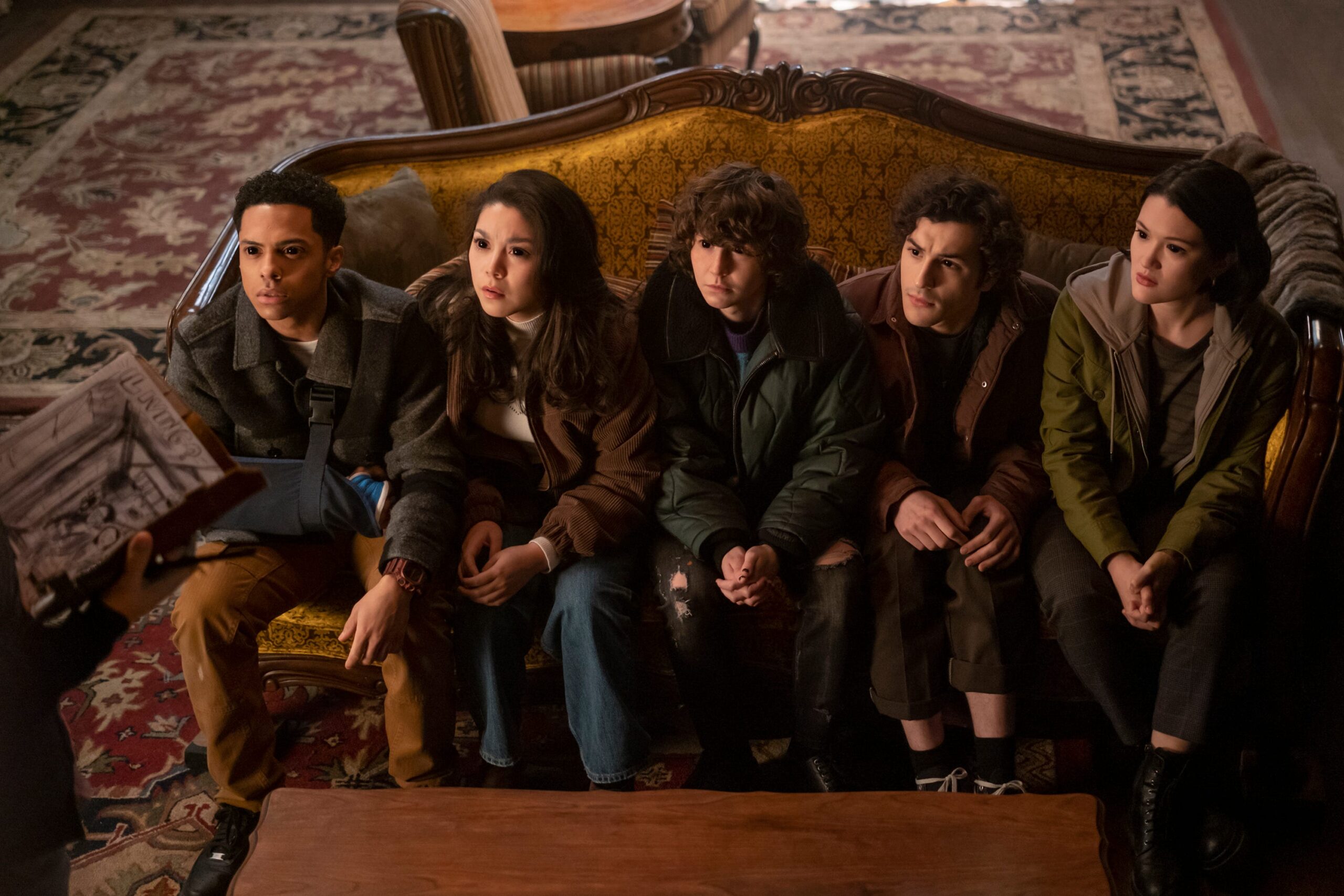
Based on the classic teen series by R. L. Stine, the latest adaptation of Goosebumps is now a modern-day TV series. However, it’s not an anthology like the show in the 90s, it’s a series set in one town, focused on a group of teenagers, dealing with various horror elements from the books. Each episode gets its title, as well as their supernatural MacGuffin, from the corresponding novellas, though with a modern twist, with some online trolling and posted pranks. Fans of the original 90s may find this format disappointing, but it’s still a fun and spooky ride, especially for younger viewers new to Goosebumps.
See You In My 19th Life is a stunning adaptation based on the latest webcomic from Lee Hye. Unlike other South Korean reincarnation shows, this one stays more grounded in everyday life. The memory of Ban Ji-eum’s (Shin Hye-sun) previous lives is the only fantasy element (so far!). The show is centered on Ban’s relationship with rich heir Moon Seo-ha (Ahn Bo-hyun), who she met in her 18th life, and the people around him. While this show has the trappings of a standard Korean fantasy romance, director Lee Na-jung and screenwriter Choi Young-lim skillfully mixes in history in order to fill in the blanks of Ban’s previous lives. At the same time, the show shifts between timelines seamlessly, only revealing information when needed. As such, See You In My 19th Life is a unique reincarnation story with insights on growth, connection, and love.
For the unfamiliar, isekai is the fantasy subgenre where a character is transported into a different world. Usually, this is just one transfer, with an everyday character being transferred to a more fantastical world. Doctor Elise isn’t just a reverse isekai– with a surgeon transported to medieval royalty– it also happens to be a double isekai– the titular doctor was initially royalty in the same country before her stint as a medical doctor. While we don’t get to see Elise’s growth as a surgeon, it’s refreshing to see an isekai anime celebrate the simple privileges of ordinary modern life, namely the medical knowledge that we take for granted, and the lack of absolute power that corrupts most characters. The ridiculously successful surgeries might be the ludicrous fantasy that drives Doctor Elise, but it’s lovely to see knowledge and power used for the common good, rather than the superiority complex common in isekaied protagonists.
Starting the series off with an electric guitar scored wedding, The Buccaneers seems, at first, a vapid cousin to the hit period series Bridgerton. The modern-day scoring, period-inaccurate hairstyles, and the sorority dynamic of the five female protagonists might feel too jarring for viewers looking for a more classical feel. There are certain moments at the start that needed more emotional resonance, like after Nan’s shoe fell into the cake. However, these jarring contrasts smooth over as the series progresses, as the show reveals its melancholy at society’s hypocritical, rigid expectations, but also its care and endearment for these girls’ friendships.
With most of early January 2024’s slate focused on fantasy, Metallic Rouge is a fairly decent cyberpunk refresher. With fantastic, mostly 2D animation, studio Bones’ 25th Anniversary project has spectacular mecha match-ups between government android Rouge Redstar versus various members of the excellently designed Immortal Nine, as well as humorous, expository banter from Rouge’s human partner Naomi Orthmann. But it’s the mystery that drives interest in the show, as Nean androids and humans share a world, but not the same status, and the origins of the artificial intelligence bots seem to link with a previous alien invasion that pushed humanity into further space exploration. It’s an interesting premise, and the structure is definitely unusual, but with Bones’ track record, we’re expecting that it’ll all come together by the end of Metallic Rouge.
In fantasy worlds, races with different lifespans are a given, but rarely does a work actually contemplate how these variations would affect relationships between them. Frieren: Beyond Journey’s End starts after a great war, at the moment of peace, and to the titular elf, her shared journey with the human Himmel and their party feels like a blip in her life, their ten years of friendship blurred amongst her thousand years… until Himmel dies, which shifts her perspective on mortality. Frieren won’t have that much extravaganza we’re used to in other fantasy shows, but the way Frieren tries to reconnect with her former comrades, and the way she remembers their memory through flashbacks, all become a gentle and moving meditation on purpose, meaning, and connection, all paired with outstanding art and some of the best worldbuilding we’ve seen in anime.
Given that this is a film review website, we do not have the medical expertise to determine the accuracy of cases presented in Brilliant Minds. There are certain cases that seem to be something formed from imagination, and the conflict does tread occasionally into melodramatic territory, especially when delving into the backstories. That being said, Brilliant Minds is quite unique– the cases may be unusual, but they do exist, and the way each case is incorporated into the emotional stakes for the ensemble cast is quite cohesive, even if it does bump into the familiar formulaic medical drama tropes. It’s not an easy balance, and the show does occasionally falter, but Brilliant Minds is not terrible, and it’s made entertaining with Zachary Quinto’s eccentric take on the genius doctor.
Amazon Prime’s Harlan Coben’s Shelter is the latest addition to the slew of supernatural teen-led mysteries that have come out in recent years. Like Netflix’s Lockwood & Co., Paramount’s School Spirits, and even Showtime’s Yellowjackets, Shelter is genuinely intriguing and surprisingly mature, making it watchable regardless of how old you are. The show’s TV-14 rating lets the teens in the series act their age (that is, both crude and childlike), which adds to the show’s authentic feel. It verges on being self-serious at times, which is funny when you hear them say things like “Octo Face got her” with a straight face, but those slips are forgivable. It doesn’t detract from the show’s compelling mystery and enjoyable performances.
Will Trent is a crime procedural that tackles a new mystery every few episodes. It doesn’t differ from other detective shows in that way, but what makes Will Trent interesting is that the intrigue of each case never takes away from the intrigue of the personal lives of the lead characters.
Will Trent, in particular, remains the biggest mystery in the series. Much like Sherlock Holmes or Monk before him, he’s troubled but kindhearted, gifted but hated by all. He’s one of the most awkward detectives you’ll meet, but what he lacks in social graces he more than makes up for in outstanding smarts. Unraveling Trent, his colleagues, and his subjects is a fun ride, one that makes the 40 minutes or so of watching well worth it.
Like some of his best roles, Bob Odenkirk plays the unlikeable but relatable lead in titular Lucky Hank. He’s a celebrated writer, but hasn’t written for years. He’s the head of the literary department, but works for an underfunded college in the middle of nowhere. He’s constantly judging other people’s lives while hating his own, no matter how good it seems to outsiders. In other words, he’s a smart fool who gets in the way of his own success and happiness, and with the right actor (which Odenkirk most certainly is), those types are always fun to watch. Bleak and dry, but fun nonetheless. And thankfully, despite what the title suggests, Lucky Hank isn’t a sole character study but a wonderfully packed ensemble dramedy. We’re just as privy to Hank’s life as we are to his academic colleagues, students, and family, who all speak to the realness of working in academic spaces.
If the rules to The Traitors sound familiar, it’s because they’re premised on the schoolyard game Mafia (or Werewolf), which itself is based on trickery and deceit. At first glance, it doesn’t seem like much, but once you raise the stakes to a quarter of a million dollars, as the show does, then it becomes a test of morality: how far are you willing to go to win some cash? And when it comes down to it, will you be able to choose between money and friends?
Mix this with typical reality drama, Survivor-like tournaments, and compelling backstories, then you have yourself an addictive watch, as entertaining as it is over the top. It’s not prestige TV, but it’s an enjoyable way to spend your time, especially if you’re a fan of competition shows.
Not fully a mystery and not entirely a thriller, yet on the cusp of both, the initial setup of Burn the House Down promises a definite answer and dismantles it in every episode. Sure that her mother was framed, Anzu infiltrates Makiko’s new lavish life to prove that the fire set to her home thirteen years ago was no accident. She knows the culprit but lacks evidence, but when she’s reacquainted with Makiko’s eldest son, his reclusive demeanour takes a sinister turn. The premise is straightforward, yet it’s hard to look away from Anzu skulking around as she finds remnants of her mother’s old life and sweet-talking the family that destroyed hers. Trying to piece together that fateful night isn’t simple but feels worth the unexpected detours three episodes in.
The series follows three perspectives: a government official, a Tokyo Electric Power Company employee, and a worker at the Fukushima Daiichi Nuclear Power Plant, each with their respective teams tackling the aftermath of the March 11, 2001 earthquake and tsunami. From the reporting updates to the public to the dedication of first responders, ‘The Days’ excels at piecing together the macro- and micro-decisions that went into saving the residents of Fukushima. The series deepens the narrative to be more than a mere recollection with its scenes of the families of the victims and the residents as they evacuate their homes. Its steady pace, emotional close-ups, and suspenseful score capture the harrowing atmosphere of Japan’s worst natural disaster.
Most media that plays on our hyper-usage of technology has a decidedly scary bent: think “screen-life” thrillers like Unfriended, Host, and Searching. But Still Up — which is not strictly a screen-life show, but relies heavily on FaceTime as a storytelling device — uses similar means for a romantic comedy end. Danny (Craig Roberts) and Lisa (Antonia Thomas) are friends with the same problem: they can’t sleep. For that reason, the show — the first three episodes watched for review, at least — takes place entirely at night. If that wasn’t enough of a constraint, Danny is also agoraphobic, so all of his scenes are set in his apartment (hence why the duo communicate through their phones).
It’s to Still Up’s credit that these limits on its setting don’t give us a sense of claustrophobia. The performances gel the conceits together, and the inventive writing makes something technically constrained feel paradoxically expansive by recognizing that strange spike of clarity and introspective energy that comes when the world gets quiet. Though some of its comedy skews a little too kooky in places, initial romantic rumblings build assuredly to suggest that one nocturnal revelation waiting to be had is that these two night owls might actually be each other’s soulmates hiding in plain sight.
It’s a new term at Kimberly Magic School, an academy with an 80% survival rate. Immediately we are introduced to the school’s magical compound and our two main leads, Oliver Horn and Nanao Hibiya. Nanao, in particular, sticks out in her samurai garb and nonchalance toward danger (and most social cues), which is saying something since this is already an odd world filled with talking plants, magical creatures, and a busty, threatening headmistress. Because it chooses worldbuilding over backstories, the fantasy series doesn’t seem as formulaic as it could be. But it does expertly set up the dangers the students will experience in the next seven years. It’s also interesting that the magical students rely on swords instead of the usual wands; the possibility of even deadlier fights later in the series makes it an easy draw.
I’ve always thought that The Beatles’ songmaking process would be something close to magical. But this documentary proves that it’s anything but—creating music, like any artistic endeavor, is like pulling teeth. It’s painful and raw, but once done, it can also feel like the biggest relief in the world. And Get Back, which Jackson described as a “documentary about a documentary” shows us just how raw it gets. There are scenes of what we know went down (but even then it feels chilling), like the tense arguments between Paul, John, George, and Ringo. But there are also scenes of what we know less of, buried as they are beneath media spectacle and drama—that of genuine brotherhood and goofing around, of tender merrymaking and skilled music-making. It’s no secret that there was a ton of frustration behind The Beatles’ breakup, but this revealing documentary confirms there was a ton of (if not more) love involved too.
From Me to You: Kimi ni Todoke is a high school romance drama. It’s sweet, it’s wholesome, and it’s comfortingly familiar. It leans more on its romance than its comedy. It doesn’t have high stakes fantasy or action-packed battles, but it captures the high school experience in such a lovely way. Of course, the show would likely reach its romantic happy ending, but what makes the show compelling isn’t just the thrill of connecting with a crush– it’s the inspiration for Sawako to open up, and enable her to connect and have friends. The live action adaptation may not fully capture everything from the original and it speeds through the plot, but it retains the parts that make it work, even for viewers totally unfamiliar with the story.
Part Mr. and Mrs. Smith and part Parasite, The Company You Keep follows conman Charlie (Milo Ventimiglia) and CIA agent Emma (Catherine Haena Kim) as they pursue a whirlwind romance while keeping their real identities from each other. Charlie pulls off heists with the help of his family, all of whom are part of his crime business, while making sure to target only the Big Bads (that is, wealthy criminals who have yet to be caught). It’s not long before Charlie and Emma cross paths as their true selves, but till then, the show makes sure it has a lot of fun with close encounters, hijinks, and elaborate capers filled with delightful disguises.
If you’re looking for an easy watch that has everything—romance, crime, drama, comedy—then this should be on your to-watch list.
Despite their rising popularity, K-dramas have sustained a reputation for being, at times, too sentimental for their own good. Extraordinary Attorney Woo is not exempt from that tendency, but when it does shoot for schmaltz, it makes sure to aim right at your heart. Thanks to clever twists and moving performances across the board, Extraordinary Attorney Woo is an excellently emotional series. Every romantic encounter will make you swoon, every courtroom scene will have you cheer, and every ending will leave you in tears.
Moreover, it’s not a show that simply happens to be about lawyers. It is a law procedural that deals with each new case with the utmost care. It’s smart and educational, with the proceedings and resolutions blending seamlessly into the characters’ own arcs.
There’s something for everyone in this series, and it’s sure to be an easy favorite for one reason or another.
Set in the seemingly idyllic town of Three Pines in Quebec, Canada, Three Pines the series follows Chief Inspector Armand Gamache (Alfred Molina) as he attempts to solve a string of murders and disappearances in the area. It’s a classic whodunnit that doesn’t try too hard to be twisty and complicated; instead, it lays out its clues neatly and cleverly without giving too much away, all while digging deep into local issues such as the institutional neglect of indigenous people.
There’s no shortage of mysteries and crime thrillers on TV at the moment, but what makes Three Pines stand out is its seemingly virtuous lead. “You look for good even in the worst of humanity, don’t you?” says one witness about Armand, but it will be interesting to find out just how far his well-meaning ways can go.
Modern dating can seem so frustrating, because it feels like there’s a set of nebulous, unwritten rules behind it, and every single player in the game has different levels of awareness and variations to each rule. Turn to Me Mukai-kun depicts this through the titular office worker, who happens to be out of the dating scene for ten years. As he tries to go back into the dating market, he’s well-meaning, but totally ignorant, so he stumbles at certain moments in his quest to cease his loneliness. It’s very relatable, and Eiji Akaso’s doe-eyed cluelessness makes Mukai seem more endearing than foolish. While there are certain moments that falter, and certain relationships that lack a spark, Turn to Me Mukai-kun is a lighthearted yet unpredictable dorama that might charm you into binge-watching the whole series.
With its unique viewpoint of World War II, Transatlantic places a slick, old Hollywood spin on the historical rescue network Emergency Rescue Committee (ERC). Like the novel it’s based on, the miniseries takes real-life ERC members and writes them into love triangles and affairs to keep interest in the team, occasionally name dropping the famous European intellectuals helped by the committee. The glossy treatment of their wartime efforts prove to be absolutely stunning, if a bit broad. While the show can occasionally feel spread thin over its multiple storylines, the series uses classic Hollywood charm to remind viewers of the multiple refugee crises all over the world, through the one crisis everyone can recognize.
Riches follows the spoiled children of an industry tycoon battling to secure their share of the family empire. In some ways, it’s Britain’s answer to Succession, but in many other ways, Riches is its own thing: riveting, penetrating, and authentic to the Black experience.
Riches can get soapy at times, but the high stakes and verbal spars are engrossing and addictive, especially if you’re one for juicy drama. And there’s weight to it too—the theatrics are backed by sharp commentary about things like gender and race since, unlike most succession shows, this one centers on a female CEO. Led by powerhouse actresses Deborah Ayorinde and Sarah Niles, Riches is a bold and highly entertaining watch.
Swagger could’ve easily been a generic sports drama about an ambitious prodigy who, against all odds and through sheer determination, makes it to the top. It is that, but it’s also so much more. Swagger offers biting commentary on race and economic realities, as well as heart-warming and relatable stories about family, love, and coming of age. It’s finely acted, with everyone from the kids and their parents to the coaches offering lived-in and realistic performances. The show is most reminiscent of the 2000 film Love & Basketball, which would make sense since the latter is directed by Swagger director Reggie Bythewood’s spouse, Gina Prince-Bythewood. Swagger and Love & Basketball have unique differences, of course, but both deeply understand and powerfully speak to the Black experience.
After the success of the 2017 series Strong Woman Do Bong-soon, it makes sense to try to recreate the same magic through a spin-off. Strong Girl Nam-soon has plenty of the same elements that made the original a success – the wacky humor, the love triangle with a cop and a CEO male leads, crimes to solve, and of course, the girl with superpowered strength. However, unlike the romcom approach of the original series, this spin-off is more of a family drama, as the titular strong girl gets lost in Mongolia at a young age – leading to the split of her parents, and the focus on that family dynamic. It still is able to balance the crime element too, with the family’s vigilantism. While the humor can sometimes feel forced, Strong Girl Nam-soon keeps what’s great with the original, but rewrites its plot points to have a more natural and understandable background.
When Blackpink’s Jisoo starred in her first lead role, it was surprising that she chose a story like Snowdrop. Sure, at the time, stories set in the 1980s were a hit in Korea, with dramas such as Reply 1988 and Youth of May that nostalgically recreated the aesthetics of the time, while also re-examining the loss and the pain under the dictatorship then. Snowdrop does the same, but it adds a more controversial twist– the love story isn’t between innocent bystanders caught in the fire, it’s formed between a South Korean student and a North Korean spy. Writer Yoo Hyun-mi and director Jo Hyun-tak take this interesting premise to chaotic, unpredictable scenes, and it’s a fun ride, at least until the secrets he holds and the politics inevitably brings their childhood to heartwrenching ends. Seolganghwa isn’t a perfect drama, but it’s a story that understands how muddled and confusing the era got, and how much the country should avoid a repeat of state interests acting at the expense of personal freedoms.
In Reboot, a famous sitcom from the early 2000s is revived for a modern audience. While members of the cast attempt to rekindle their fame, the writers behind the show stir up endless debates about what constitutes “funny” in an age of political correctness. The hijinks and meta-humor that arise from this are admirable, but what really makes Reboot tick is its obvious love for the sitcom format. Underneath all the jokes is a commitment to TV comedies; like the most typical of them, Reboot switches from laugh-out-loud hilarity to tender moments of joy and sorrow. The only difference is that Reboot benefits from being self-aware—it’s unafraid to make fun of itself and all the people and shows that came before it.


x1