TV-14 Movies to Watch (Page 2)
You might assume that TV-14 rating automatically indicates a film is not for adults, but you’d be surprised at how many cinematic masterpieces can be enjoyed by the whole family, across generations. Here are the very best TV-14 shows and movies to stream now.
To access filters, visit our homepage.
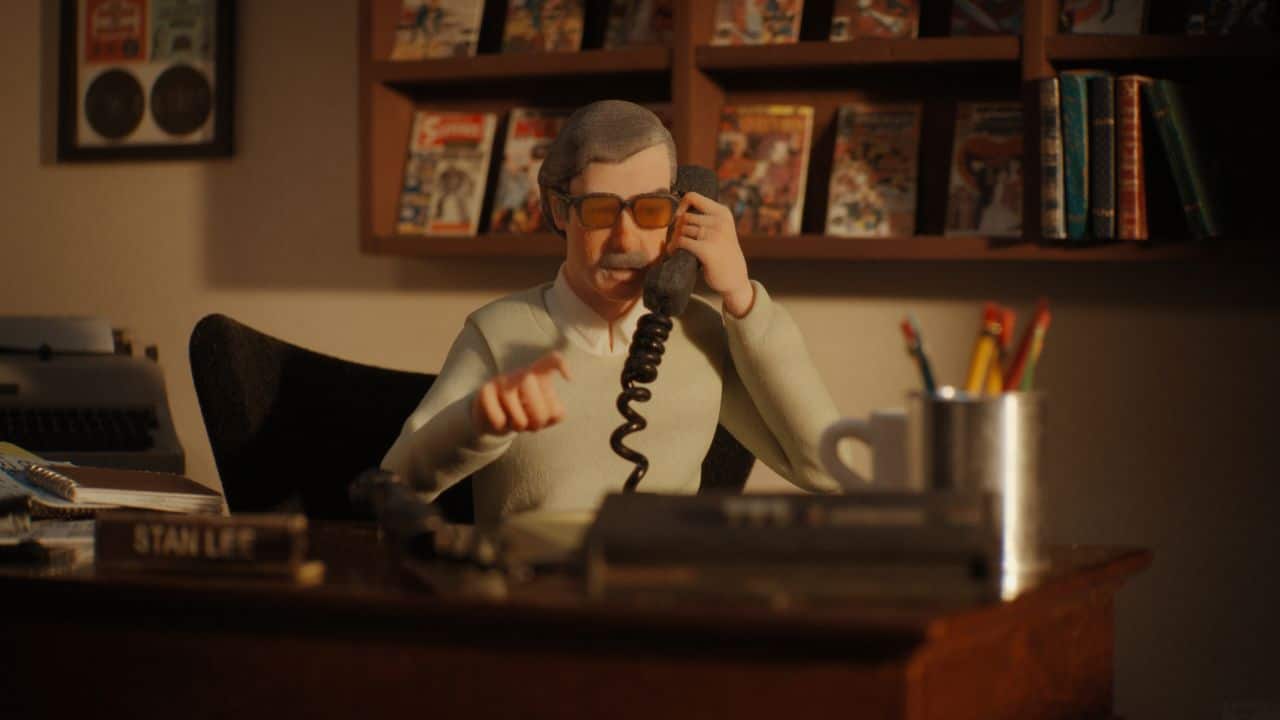
Stan Lee, the documentary, is a charming introduction to the iconic creator. He enthusiastically narrates his journey into comics – from lowly intern to famous publisher – giving a seemingly modest account of events. With his voice making most of the narrative, Lee’s voice reveals his creative process and mindset, detailing the day-to-day writing process and the Marvel method. However, the documentary isn’t Lee’s voice alone. Director David Gelb brings a charming approach to this documentary, as seen in his previous work, that helps turn his subject palatable, despite the disagreement displayed by other people. Overall, the film is an okay introduction, though the full story behind Lee’s most contentious events, deserves a documentary of its own.
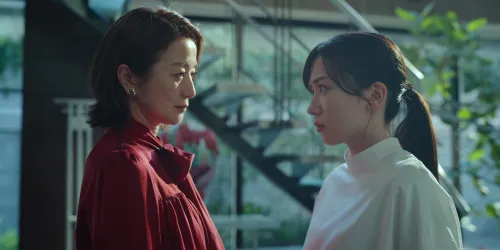
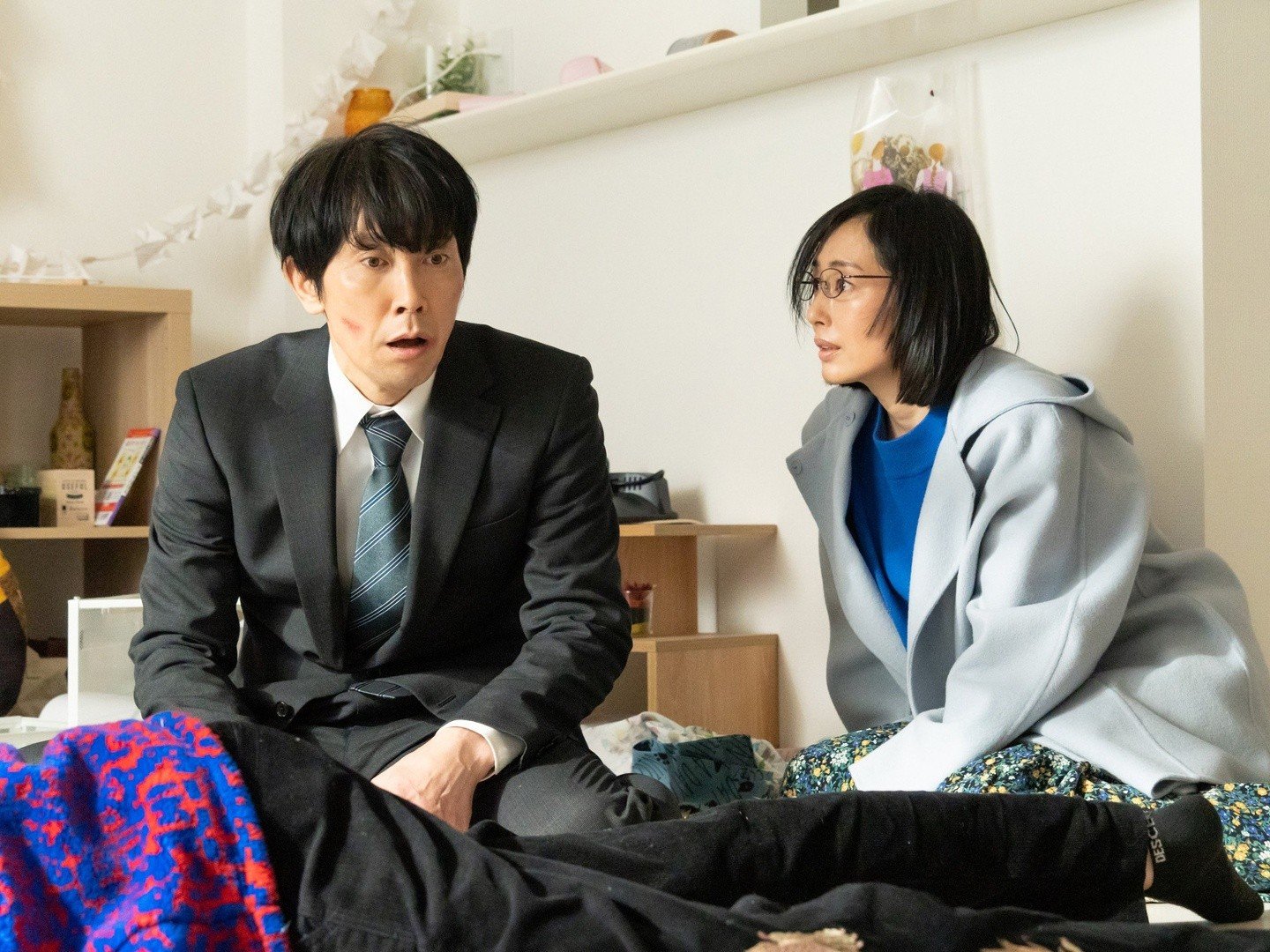
The love parents have for their child is powerful, but most parents normally don’t resort to murder for them. Of course, most families don’t actually need to, but like Tetsuo Tosu, they might if their daughter’s yakuza boyfriend plans to murder her first. My Home Hero depicts this scenario, slowly going into the potential sequence of events that could happen, realistically portrayed by Kuranosuke Sasaki, Tae Kimura, and Asuka Saito as the loving family. The family might be a bit cookie-cutter – we’ve seen similar characters in other series before – but they’re relatable enough to make My Home Hero a fairly decent, though generic, crime drama.
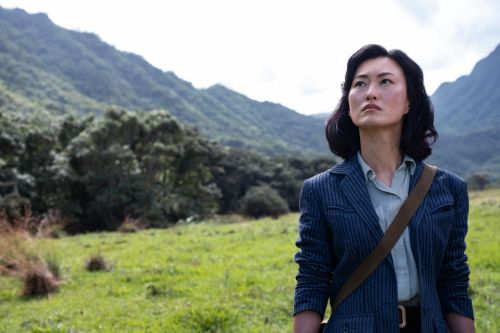
There are two timelines in Monarch, one set in a post-war world where trio Bill (Anders Holm), Shaw (Wyatt Russell), and Keiko (Mari Yamamoto) look for monsters, and another set in 2015, where trio Cate, Kentaro (Ren Watabe), and May (Kiersey Clemons) look for Cate and Kentaro’s missing father. Both timelines are action-packed and mystery-filled, eventually intertwining in a surprising but thrilling way. But for all that’s happening, Monarch is weirdly missing the monsters. Godzilla, along with other creatures old and new, rarely appear, though when they do, they make sure to put on a spectacle you can’t look away from. The show could use a lot more of these monsters, though there’s much to like in the human cast too—especially in Shaw, whose present self is played by Russell’s father, the iconic Kurt Russell. The decision to cast them in this role is more than inspired, it’s downright entertaining. Not only do they look alike, but they have the same mannerisms and charismatic flairs, though both actors make sure to inflect the character with their own specific charms. Seeing their interpretation of Shaw is reason enough to watch this series, but everything else is pretty epic too.
With teenage insomnia rates increasing worldwide, it’s a wonder how a story like this hasn’t been made until now. Insomniacs After School takes a charming approach to this issue– viewing it not as a reason to shame the youth over but just as an unfortunate circumstance that requires support. In this case, it’s heartwarming to see how support comes from the school community. While restarting the astronomy club may not be sound medical advice, it’s clear how valuable the school observatory is as a safe space for Nakami and Magari. It’s uplifting to see the school nurse, alumni, student council, and fellow classmates root for the club and their events. Most of all, it’s comforting to see Nakami and Magari help each other with their insomnia. Their shared comfort and support, along with the backdrop of Japan’s most photographable night skies, make this slow-burn romance anime incredible.
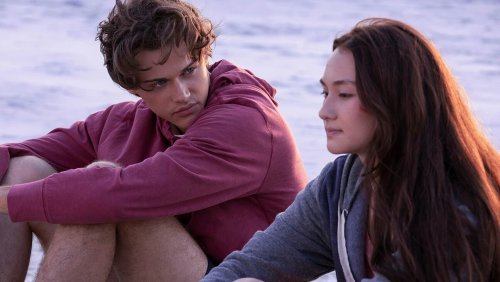
Stills and synopses of The Summer I Turned Pretty make it seem like typical teenage fluff. It isn’t. Sure, it starts off cheesy and predictable, but it quickly blossoms into something rich and earnest and far more significant than the sum of its parts. The love triangle is merely a jumping-off point to better understand these flawed characters and the people around them. Outside of Belly’s coming-of-age journey, there is her brother who encounters a rude awakening on race and class, and their mother who, fresh from a divorce, attempts to establish an identity of her own. Everyone has their own thing going on in this series, so it’s easy to feel invested in their fleshed-out failures and triumphs.
It also feels authentically young; the music sounds like it was curated by an actual teenager, while the performances are raw and believable, not stilted and forced as it often is with teen series. The Summer I Turned Pretty is familiar, but comfortingly so. Watch this if you’re yearning to re-live the magical, heartbreaking feeling of being young and in love for the first time.
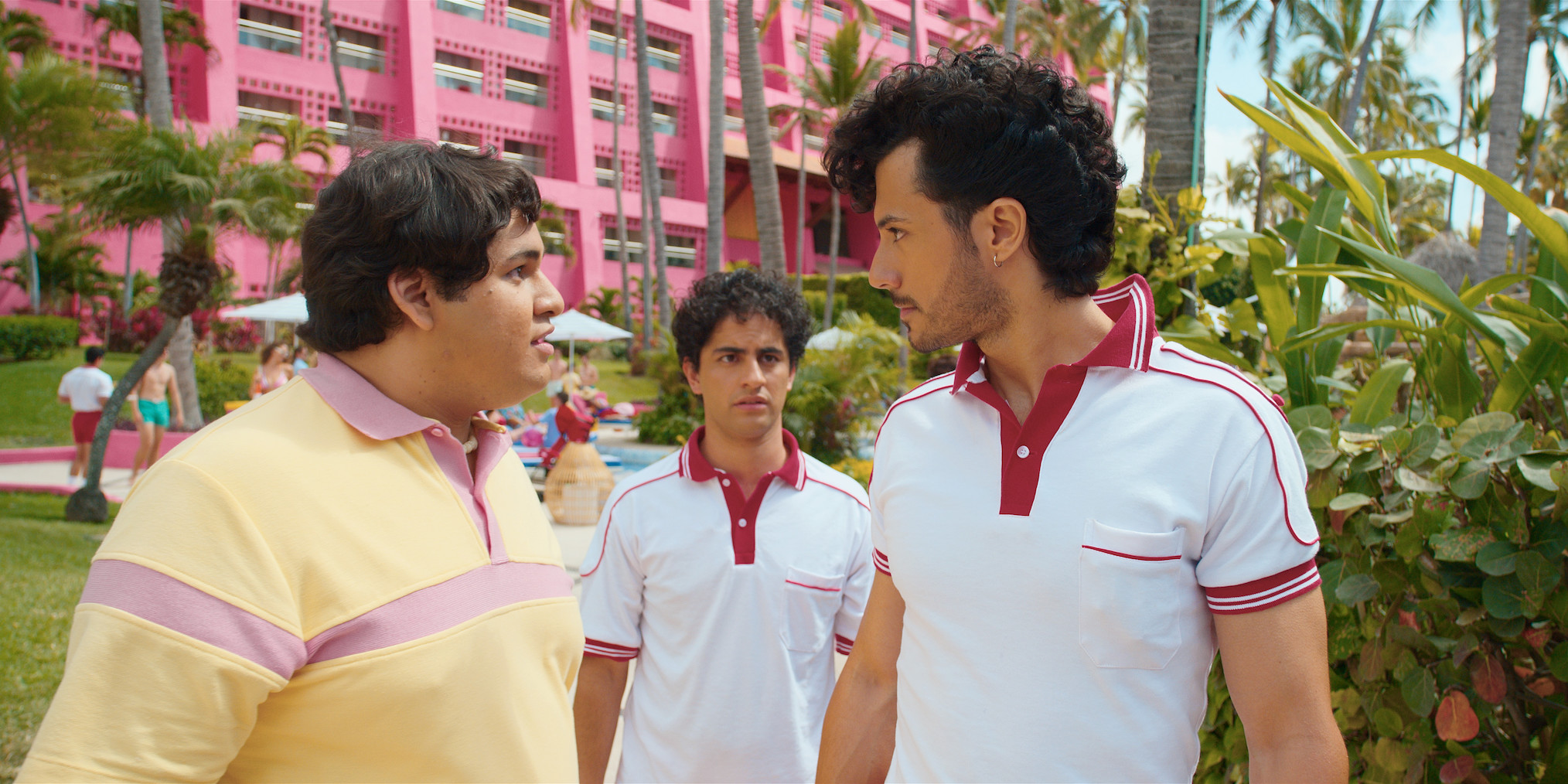
There is an art to making a comedy that can be enjoyed by all ages—a balance must be kept between mature and genial humor, serious and unserious matters—and it’s an art that Acapulco manages to execute with finesse. There’s something for everyone here, whether you’re a kid looking for a good story or an adult wishing to drive by memory lane.
The colors are vibrant, the characters are alive, and the plot, while familiar, is charming nonetheless. But perhaps the best thing about Acapulco is its call for viewers to be kind. It’s never explicit or preachy about it; it just comes naturally, by way of practice.
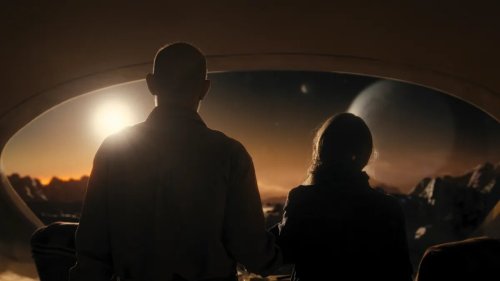
Night Sky has an intriguing premise—underground, an elderly couple visits a portal to another world, while aboveground they go through the trials and tribulations of marriage and old age. You would think that the sci-fi element would overpower everything else in this story, but on the contrary, it’s the slice-of-life chemistry between Franklin and Irene York (played by Oscar winners JK Simmons and Sissy Spacek, respectively) that truly grounds the out-of-this-world series. Watching them pull from impressive depths and deliver consistent performances compensates for the slower and confusing plot lines in the show. Tune in for the dazzling mystery below their shed, the titular night sky that reveals evolving puzzles, but stay for the performances—grounded, honest, and ever-so gripping.
Slaying monsters online is definitely more exciting than typing on a computer all day, but having to do so in real life might be a different story. The highly anticipated anime adaptation Solo Leveling depicts a world where those online adventures are a mundane but dangerous day-to-day gig for some people with unique abilities set in stone, but with a twist– every player doesn’t have the video game information, stats, and structured quests, except for the world’s weakest hunter Sung Jin-woo. It’s an intriguing world that brings up themes such as gamification and inherent talent versus acquired skill, and it’s one that’s matched with great animation, thrilling fight scenes, and gory deaths.
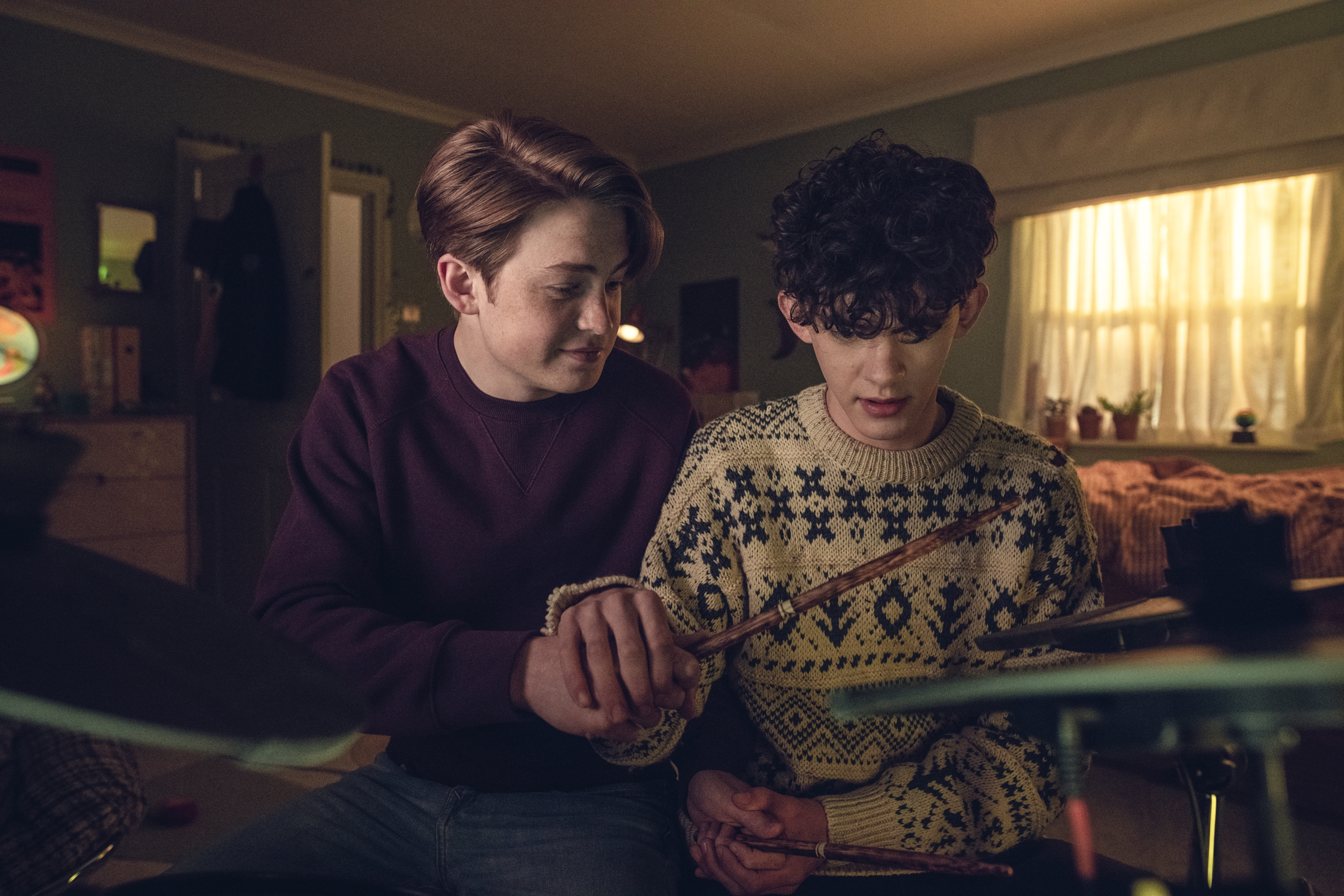
Life should be difficult for Charlie Spring, an openly gay student in an all-boys high school. And it is, to be sure—he’s mocked, ridiculed, and at times literally shoved to the sidelines. But Hearstopper doesn’t just dwell on misery; rather, it shows us the many colors, the multifaceted wonders, of Charlie’s life. His friends, family, and newfound crush, Nick, help keep him afloat in the murky waters of teenhood.
Like the show itself, Charlie and Nick are insistently sweet and charming, which can feel bold in a world that is driven by so much cynicism and hate. It’s this glowing sensitivity, coupled with the show’s inclusive characters and levelheaded insight, that make Hearstopper a heartwarmingly good watch.
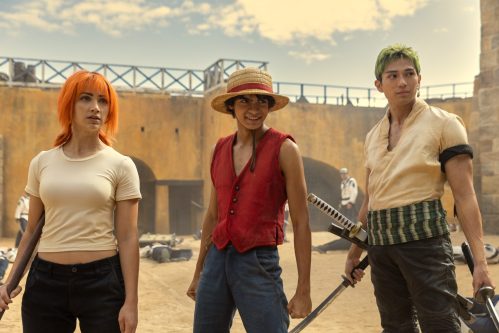
It comes on strong—as fantastical as a fantasy can get—but One Piece is a thoughtful and full-hearted adaptation that bides its time in building a big and bountiful world. The characters are bright and animated, easily matching the magical place they’re in. The action and adventure are thrilling, even though they’re occasionally hampered by some CGI snafus. And the story is epic; it stretches out to the ocean’s deepest depths, where we join Luffy in meeting all sorts of interesting characters. I admit, as a newcomer to One Piece, I did initially find the series a bit cartoonish for my taste, but I was eventually won over by its unapologetic epicness and theatrics. If I found it as delightful as it was, I’m sure fans will find even more to love.
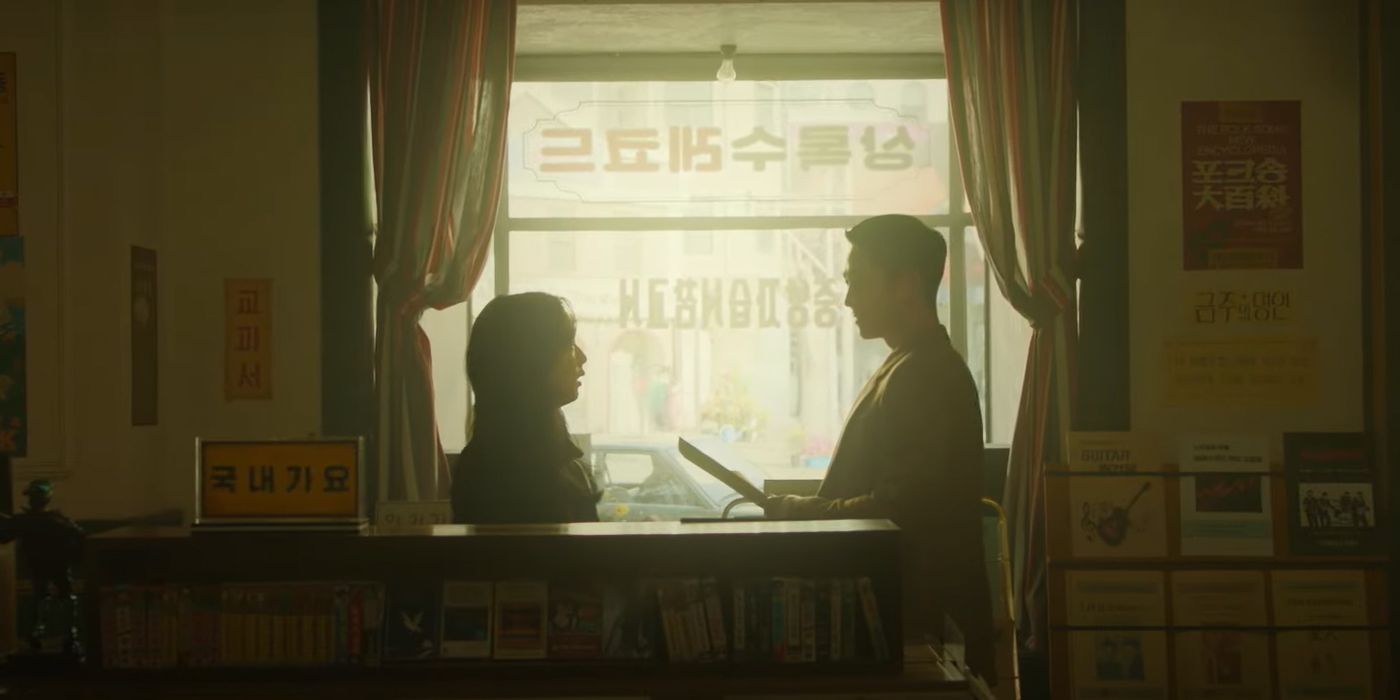
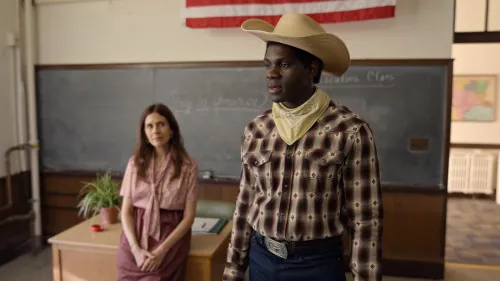
Based on Epic magazine’s column of the same name, Little America is an anthology series based on real-life immigrant stories. The episodes vary in plot, topic, and even era—they’re as diverse as the characters themselves—but they are all connected by one thing: the hope of achieving the American Dream. In one episode, an Iranian father sets out to build his family’s dream home in a bid to prevent his son from moving out. In another, a second-generation Korean-American struggles to find his calling, much to the dismay of his war-survivor parents (“What do you know about suffering?” the mother, played by Parasite’s Lee Jung-eun asks when her son complains about med school).
Co-created by Lee Eisenberg, Kumail Nanjiani, and Emily Gordon (The Big Sick) and directed by Sian Heder (CODA), Little America is a heartwarming collection of stories, as moving as it is urgent. It’s easy to miss this over splashier shows on TV, but trust that this one’s worth tuning into.
Trying is a realistic but charming take on couples venturing to build a life and stable future for themselves. Heavy themes are tackled here, like infertility, infidelity, and parenthood, but the immensely likable couple that is Nikki and Jase guide us through the murky ups and downs of them all. Their heart and humor aren’t just comforting to watch, they’re also inspiring in a TV age obsessed with heavy dramatics. Like Ted Lasso, Abbott Elementary, and other well-meaning shows like it, Trying is a bit of lighthearted fare that we’d do well to indulge in every now and then.
It’s easy to see With Love and mistake it for a Hallmark special; both are filled with pretty people who spend the holidays looking for love. But where Hallmark tends to be simple and sappy, With Love is refreshingly complex and earnest. The characters, mostly Latino and queer, rarely sugarcoat their problems and desires, even though each episode ends on a relatively sweet note.
In a joyous move, every one of them takes place during a different holiday too—Christmas, New Year, Valentine’s, Día de los Muertos. And every time, we delve deeper into the lives of our leads and witness the ways they take on universal problems with modern and diverse approaches. It’s breezy and at times raunchy, making it a fun companion for any holiday.
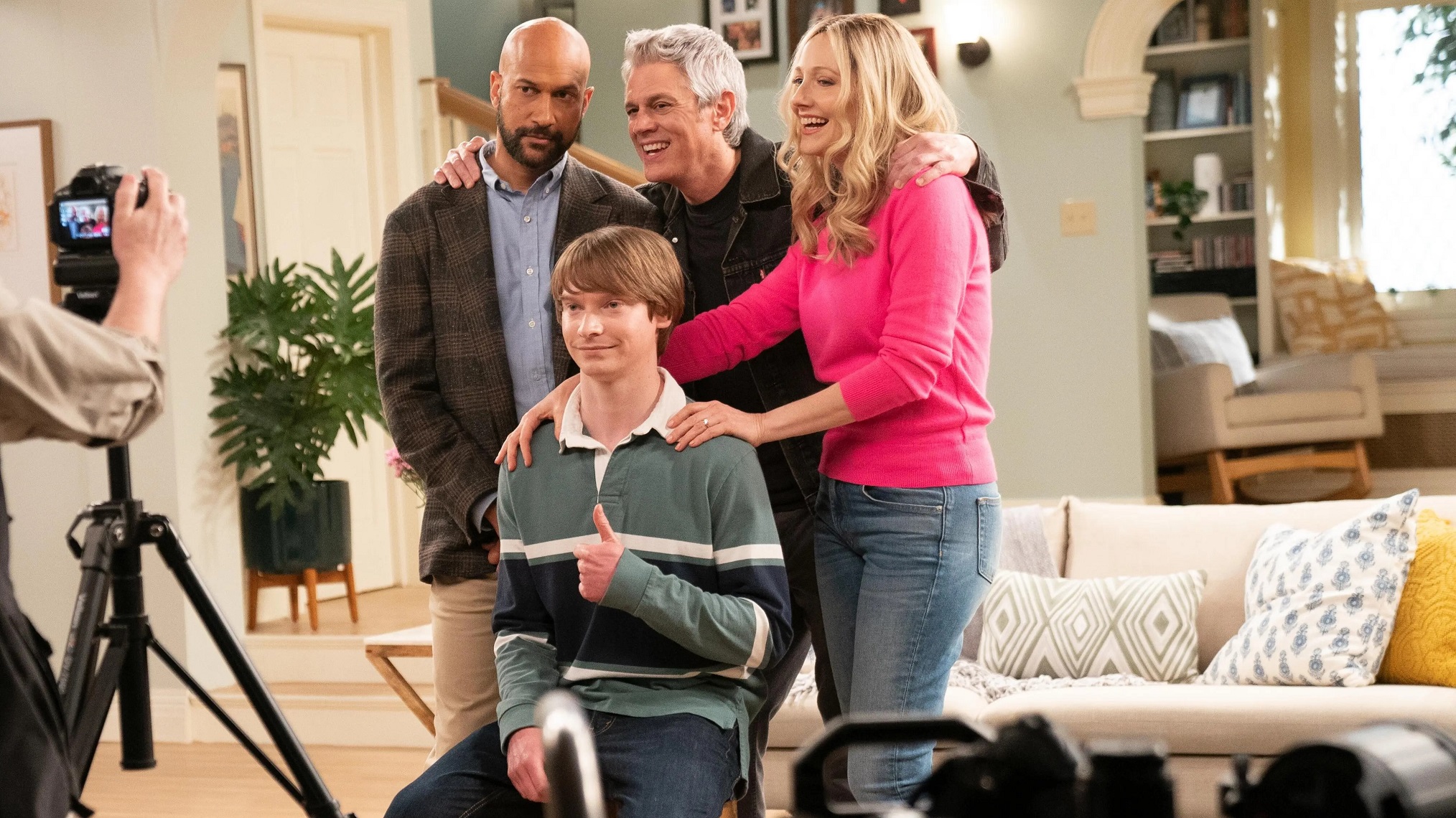
When long-term couple Melissa (Cecily Strong) and Josh (Keegan-Michael Key) sign up for a backpacking retreat to save their failing relationship, they find themselves instead in the magical town of Schmigadoon, where life is a vibrant, zany, 1940s musical and everyone—from the mayor to the carnie—sings their heart out. It’s all fun and games until Melissa and Josh learn they cannot leave Schmigadoon until they find true love. Shocked to know that they aren’t each other’s one true pair, they then journey to find the people they’re meant to be with before it’s too late.
From its borrowed Broadway casting (present are Kristin Chenoweth and Ariana DeBose) down to its perfectly choreographed performances, Schmigadoon! is a clear ode to musical theater, and its unabashed appreciation for the genre is truly hard to resist. Even the most musically averse will find something to love in the show. If the theatrics and eye-popping visuals don’t do it for you, then stay for the breezy six-episode run, the great lead chemistry, and the wry, exacting humor.
In the 1980s, McDonald’s gave away prizes (the top ones including sports cars, homes, and a million dollars) to whoever got one of their lucky stickers. In the early 2000s, the FBI realized that many of the winners either knew of or were related to each other, and so, a years-long, interstate, underground investigation was initiated. Cops posed as a production crew to draw out a confession. An Italian mafia family, one of the core ones from New York, is somehow involved. It’s the stuff of movies, and so McMillions’ six episodes are packed with intrigue, dramas, and tastefully cut cliffhangers. They’re drawn-out at times, but never boring. The show is kept lively by an upbeat pace, creative art direction, and most importantly, a cast of colorful characters. I dare you to think of anything more American than a multi-million fraud scheme that involves Monopoly, McDonald’s, and the mafia.
If you have the patience to get through its rocky first season, Star Trek: Lower Decks proves itself to be an adult animated series that’s deeply committed to getting significantly better with every season. What started as a sort of budget Rick and Morty riff with grating humor and stiff animation has turned into an effortlessly witty sci-fi show with plenty of life in the way it moves. It’s still mostly concerned with having silly little adventures at the end of the day, but what’s striking is how complete its adventures and sci-fi ideas are in the span of its 20- to 30-minute episodes.
And as it’s found its footing, Lower Decks has also gained the confidence to begin telling more overarching stories by its fourth season, with an even stronger focus on character. These kinds of animated comedies could easily avoid any profound development for its protagonists—and this show doesn’t exactly have the most deeply-written crew members in Trek history—but there’s real heart in how the lower decks crew reflect on the modesty of their stations and how they view themselves within a larger institution. If it doesn’t seem too groundbreaking, that’s part of the appeal too; smaller stories still deserve to be told.
Asif Kapadia, the genius of biopics who gave us Senna, is back with this documentary on an even bigger sports personality: Argentinian soccer player Diego Armando Maradona. Considered as possibly the best soccer player of all time, Maradona’s footage on the pitch is pure wizardry, and you’ll feel that way whether you are a soccer fan or not. But that’s not the focus of this documentary. What happens outside the pitch is more interesting: from Maradona’s modest beginnings to the passionate hatred (and love) that entire countries develop of him. And it doesn’t make his story less interesting that during his time in Naples he was affiliated with the mafia.
This is an excellent documentary that distills 500 hours of footage into 2, giving you all you need to know about a character who captured the imagination of a big part of the world for decades.
Misunderstood by some at the time of its original release, this three-episode adaptation of Dracula from the creators of BBC’s Sherlock goes from being a highly satisfying slice of horror to something totally unrecognizable—which is why it’s so rewarding to revisit today. Blessed with stellar production design, incredible practical effects, and brilliant performances from a depraved Claes Bang (as the titular vampire) and an impossibly heroic Dolly Wells (Sister Agatha), the miniseries may take many liberties with the source material, but it always builds toward greater themes. And while some problems remain, like its rushed and tonally jarring finale, how the show is ultimately able to explore the distrust that Dracula leaves in his wake, as well as the nature of Dracula as a legend in himself, is well worth the binge.
On-screen, we’ve seen downtrodden Cinderella-esque leads, we’ve seen humans transform into animals, and we’ve seen whole families cursed, but Fruits Basket takes all these plot devices and transforms them into something completely different. As Tohru Honda gets to learn about the mysterious Sohma family, and she and friends gets into fun and wacky hijinks with the curse, the series takes the legend of the Chinese zodiac as a unique and effortless means to discuss systemic, generational abuse and resulting trauma that can occur within a family. The classic shoujo manga was first adapted into anime in 2001, but we’re recommending the later 2019 adaptation, which goes more in depth and depicts the complete story.
This documentary from Ken Burns is a selection of stories from prisoners enrolled in a competitive college program. Many of the prisoners are in maximum-security facilities, some for serious crimes.
Seeing their difficult imprisonment conditions, the struggles they come from, and yet their incredible determination to excel in their education – it’s all such a humbling and emotional affair.
What if the Deep State was real and every conspiracy theory you laughed off was true? There is such a thing as Area 51, John F. Kennedy was killed by the CIA, and somewhere out there, Tupac Shakur is still alive. If you added even more ridiculous theories like reptile people existing underground and Avril Lavigne being a clone, then you’d have Inside Job, a bonkers adult animated sitcom that hails from some of the people behind Gravity Falls and Bojack Horseman.
Inside Job is crazy and creative, with each episode delving into a different “theory,” but it also has room for character introspection and development. Lizzy Caplan lends her voice to the lead Reagan Ridley, a scientist and manager who is ambitious but difficult, genius but always tired. The show does well to show her and her team’s growth in a show otherwise jam-packed with (admittedly hilarious) insanity.
Los Espookys is the name of a horror-loving group of friends, who, following their passion, provide gory services to those who seek them. Their clients range from fearmongering priests to greedy insurance claimants, all of whom demand the most bizarre out of the Los Espookys team. They’re a bit like the Scooby-Doo team in that sense, except instead of solving spooky crimes, they’re called in to initiate them.
It’s an absurd yet surprisingly sweet show that asks you to leave any self-serious viewing lens you might have at the door. Anything goes in this hazy, unnamed part of South America, and you would do well to let its boundless imagination carry you wherever it may lead, and its dry humor ground you on your feet.
Dickinson takes more than a few creative liberties in telling the story of one of America’s greatest poets, Emily Dickinson (played here by the effervescent Hailee Steinfeld). As soon as the first pop song blasts in the background, followed by more than a few expletives blurted by the characters, it becomes clear that the series is more interested in making Emily’s life story not just understandable to a new generation, but timeless and universal too; it’s a tale about freeing oneself from the constraints of gender and society, and how regardless of whether you succeed or not, it’s the attempts that keep us human.
The series is funny and tender and vivacious, kept afloat by its modern sensibility and desire to showcase a whole new side of Emily. Here, she’s a fighter, a (queer) lover, and an intellectual. But she’s also spoiled, narrowminded, and selfish—she is after all, still a growing girl. Dickinson succeeds on two counts: as an enlightening biopic, artistic license notwithstanding, and as an energizing coming-of-age series, complete with awkward epiphanies and inspiring character developments.
While most media outlets would rather talk about Taylor Swift’s love life and never-ending feuds, the fact remains that Swift is a dedicated artist. She’s a prolific songstress and an astute writer, and regardless of what you think of her, it’s always a treat to see someone with that much passion and talent delve deep into their craft.
This is precisely what she does in Folklore. Between cozy conversations with co-producers and rustic live sessions, Swift lets her guard down to reveal how she works on each song, from the backstory to the melody. The result is a mesmerizing documentary about how Swift spent the secluded year of 2020 working on a record that would go on to win Album of the Year at the Grammys.
While eschewing protocol is often rewarded in Hollywood films, in real life, this act can cost you your career, especially if you’re in the force like Detective Superintendent Steve Fulcher (Freeman). A Confession tells two stories, essentially, that of Fulcher’s legal entanglements after he successfully got a serial killer to confess without representation, and that of Sian and Becky, the slain victims in Fulcher’s case. Though the series is slow to start (it only picks up by the end of the second episode), it’s buoyed by fantastic performances and genuinely thought-provoking questions, the main one being, how far would you go to pursue justice?
Intricately constructed and unbearably suspenseful from beginning to end, the first season of The Promised Neverland is a masterclass in using the episodic structure of TV to maximize the effect of a mystery-driven thriller. By placing us firmly within the perspective of its child protagonists (who are, to be fair, incredibly smart and determined), every step towards freedom still feels like a shot in the dark, and every setback becomes increasingly more devastating. Even as the season hurtles towards its conclusion, it never becomes clear how much its characters will succeed, if at all. Intelligent editing and animation that goes from ominous to fully grotesque ensures that something always feels off or too good to be true, no matter what.
And it says a lot about the sheer quality of the first season that it’s still worth recommending despite a truly awful, rushed second season, which ignores its own themes and resorts to lazy animation just to get through the story faster. Viewed as a two-season series, The Promised Neverland can’t help but look disappointing, squandering an exhilarating first half with developments that lead nowhere. But even on its own, season one stands tall as a stunning achievement in anime—a self-contained story of selflessness and hope in the face of dehumanization and despair.
Warning: this workplace series takes everything you hate about corporate life and mirrors it back to you with alarming clarity. It takes place in a morally corrupt multinational called Hampton DeVille, and we mostly follow “junior executives in training” Matt and Jake in their daily goings-on in the office. Sometimes, they’re able to cope by sneaking a nap here or making watercooler jokes there—absurd imaginings and occasional protests also help allay their boredom—but for the most part, they’ve given up on the system and are just trudging through the everyday. While Matt optimistically hopes for a better life outside the cubicle, Jake cynically lets him (and us) know that “There no way not to waste your life.”
Like Office Space and Better Off Ted before it, Corporate is endlessly nihilistic, but unlike them, it doesn’t have a redemptive moment where the protagonists find a silver lining in their jobs. No, Corporate is as bleak as it gets. But buoyed by ridiculous hilarity, sharp social commentary, and the insane ability to perfectly describe corporate life, it remains highly watchable, like a dystopian tragicomedy inching closer and closer to real life.
The 400 billion (!) dollar industry of medical devices is director Kirby Dick’s latest fascination (Oscar winner Twist of Faith, Oscar nominated The Invisible War). This is one of those documentaries that will raise your awareness about a topic from 0 to I-should-do-something, as the number of victims and the negative impacts these devices are having are astounding. Of course, just like with any other careless American industries, greed, money, and lobbying are the culprits. This is an important watch that will probably come in very handy when you or a close one needs a medical device.
You don’t have to be familiar with the book series to appreciate this adaptation of The Wheel of Time, but you might need to be a fantasy fan to understand that sometimes it takes a while (like a season long) to build a world as detailed and expansive as this one. Once you give it that grace, The Wheel of Time becomes a satisfying watch. It’s utterly fascinating in its rules, lore, mystery, and language. It relies on that all-too-common Chosen One trope, sure, but it subverts it too and surprises by the time it reveals who among Moiraine’s team that person is. Though it never reaches GOT levels of grandeur (the CGI could be better), its ever-expanding world of characters and magic delight and enthrall.
This comedy is about a girl whose family moves to the U.S. on September 2001. She grows up to excel academically but, as she asks from the shrine in her room on her first day of sophomore year, she has yet to be cool. “I want to be invited to a party with hard drugs,” she prays, “not to do them, but just to say: no cocaine for me, thanks. I’m good.”
The show is narrated by tennis legend John McEnroe who was known for his explosive temper (played recently by Shia Laboeuf in Borg vs McEnroe). It’s a genius arc because Devi is a “hothead”, exactly like McEnroe. Instead of recoiling, Devi keeps boiling over, making for a fresh and original high-school comedy.
Mrs. Wilson is the stranger-than-fiction tale of how a British World War II agent got away with being married to multiple women simultaneously, all while keeping in contact with them and “never missing a child’s birthday.” The women, of course, were unaware of one another. It sounds like the premise of a true crime doc on Netflix, or perhaps a cheesy reenacted drama on the Lifetime channel. Instead, it’s the basis of a BBC three-parter that unfolds in elegant and compelling ways. In an inspired move, the series stars Ruth Wilson, who is the real-life granddaughter of the protagonist Alison Wilson. As she uncovers buried truth after buried truth, the more complex Wilson’s web of lies becomes, and the more eager we are to see how everyone reacts to one another. A smart script, sensitive treatment, and skilled performances elevate this from a story of mere (but relatable) marital woes to a story of passion and determination, with some pretty period details to boot.
In the early 1990s, Singaporean teens Sandi, Jasmine, and Sophie set out to make the country’s first indie movie. Incredibly, in between college, day jobs, and very limited funding, they manage to do just that with the help of their wise but mysterious mentor, Georges. Shirkers, as the project came to be called, seemed primed to revolutionize the burgeoning Singaporean film industry. It was ambitious and bonkers, unlike anything the country has seen before, and it lovingly contained tributes to the makers’ cinematic heroes (among them Wim Wenders and David Lynch). But before it could see the light of the day, before it could even be viewed and edited by the girls who conceptualized it, Shirkers’ raw footage was whisked away by Georges, who fled the country without a trace.
The potentially pioneering film was never to be seen again—that is, until 20 years later when it resurfaces in near-mint condition (sadly, the audio could not be recovered). Fascinated by the journey of the lost film and mystified by Georges’ motives, Sandi decides to remake Shirkers as a documentary. The result is an artistic and personal interrogation into what made their small beloved film possible, how its loss affected the people behind it, and how this all led to Shirkers, the documentary, which is a testament to how art always prevails in the end.
TV has never been as diverse as it’s been today, but despite the multitude of perspectives, nailing an authentic and enjoyable story that’s outside the realm of the classic white experience continues to be tricky. How do you relay very real dangers like gang violence and poverty without undermining universal teenage concerns like heartbreak and rejection?
Enter On My Block, a series that manages to stuff many things on its small plate without compromise. It’s funny and charming, but also smart and serious when it needs to be. Unlike a number of teen sitcoms before it, On My Block is in touch with the real world, and it’s unafraid to shove its characters into difficult situations at every and any moment—not just during special episodes. This authentic setup coupled with its very likable and well-drawn leads is sure to draw in viewers of all leanings.
Iceland is a country of vast lands but limited population – only about 300,000 people can call themselves Icelandic. On the other hand, 8 million people have connecting flights through Iceland every year.
In this setting of mass movement, a single mother dealing with poverty is offered a chance to turn things around – a job as a border agent. One of her first days, she comes across an asylum seeker on a connecting flight from Guinea Bissau to Canada, trying to cross with a fake passport.
Their stories don’t only intertwine as border agent and asylum seeker, but as two mothers. And Breathe Normally is about struggling with poverty both in Europe and coming from a place like Guinea Bissau. It’s a beautiful, plot-heavy statement on the importance of solidarity and of seeing the human behind the country of origin or race.
Is a TV adaptation necessary when we already have a novel and film version of Howards End? Probably not, but this four-parter from the BBC is beautiful and damning nonetheless. As in previous texts, the show follows two families of opposing ideologies—the Schlegels and the Wilcoxes—as they ponder on ideas of class and politics, ultimately becoming the thing they claim to despise. The Wilcoxes, conservatives, are more obviously judgemental, but it’s the liberal Schlegels who are more interesting to watch. They assuage their guilt and impose their supposed goodness by trying to help someone of the lower class, but the results are varied, if not downright tragic. Like most British period dramas, the costumes here are beautifully detailed and the speech wonderfully eloquent. But Howards End, appropriately, is less dramatic and sensual than the usual fare. As other critics have pointed out, this is a show about ideas and people above all, so if that’s your cup of tea, then this should come as an enjoyable, bingeable treat.
A poetic and peculiar movie from Senegal about a girl who is forced to marry a wealthy businessman instead of her love interest. The latter, a poor construction worker, embarks on a risky journey across the sea to Europe. The story takes a supernatural turn thereafter, one that is unlike anything seen before in stories around immigration, but one which makes sense. Still, the excellent acting and the long takes that immerse you in what life is like in Senegal, both in and out of the margins of society, are the reasons to watch here. Atlantics’ characters are believable and will capture your interest throughout the usual and unusual parts of the movie. They provide rare insight into narratives that most of us have never been exposed to.
When there’s lives at stake, and there’s no one around, you know who to call. Not Ghostbusters– you call an emergency hotline. It’s exactly the high risk, high stakes job that makes for an excellent police procedural, and it’s why Korean drama Voice is so compelling– the premise necessitates that the ensemble is given a few pieces of information, have to rise up to the emergency with an actual solution, and are forced to bicker depending on what their specialized knowledge tells them. And it’s so fun seeing the veteran detective and a genius rookie voice profiler butt heads because of it, with Jang Hyuk and Lee Ha-na crafting chemistry through biting words and the urgency of the situation at hand. While certain procedures seemed a bit clunky on screen, Voice nonetheless takes an interesting peek at the crime fighters at the end of the hotline and maximizes the potential conflict that stems from a unique ability.
This is a gorgeous Danish period drama that’s based on a famous story and book in Denmark called Lykke-Per (or Lucky Per) by Nobel Prize-winning author Henrik Pontoppidan.
Per, the son of an overbearing catholic priest, leaves his family house in the country side to seek a new life in Copenhagen. His passion about engineering was at the time contrary with the Christian faith, but manages to introduce him to the capital’s elite, and a chance at social ascension.
Lykke-Per and A Fortunate Man are about nature versus nurture. Per’s passion about engineering and renewable energy (back in the 1920s) is set against his need to emancipate and the pride that was instilled in him by his upbringing.
Three unassuming housewives team up with a violent street gang to make a little extra cash. What better TV show premise could you ask for?
Good Girls is the often hilarious, always thrilling show dubbed “Breaking Bad meets Thelma And Louise.” The three lead actresses are fun and have great chemistry together as they navigate a sometimes fast-paced show, and other times a family drama.
And that may be the only issue with this show, it doesn’t exactly pick a lane. However, if, like me, you don’t mind a little Detroit housewive drama mixed in with your thrilling scenes, you’ll have a great time.
Each episode of Abstract is a look into an art discipline through the lens of a selected contemporary pioneer. From illustration to footwear design, the show follows how the artists create and live, how they got started, etc. The documentary itself is really aesthetically pleasing, which kind of taps into your own creativity. The designers in the series are unknowingly well-known. Does that make sense? You will instantly recognise their work even though you’ve never heard of them before. A light, easy-going and inspirational documentary.
As the real-life British politician John Stonehouse who, among other things, served as a spy for Czechoslovakia and faked his own death, Matthew Macfadyen is incredibly funny. He owns the role of the bumbling fool, a master at inducing laughs and sympathy at the same time. And with Stonehouse, he has endless material. The man is narcissistic and power-hungry, but he also has a habit of biting off more than he can chew, so seeing him stumble in his lies is both funny and tragic to watch. If I can use another metaphor—watching Stonehouse is like watching a train power through despite falling off the rails. It’s a wreck to be sure, but one you can’t quite peel your eyes from.
Another great thing about Stonehouse? It only has three (concise but jam-packed) episodes. So if you’re looking for a one-day binge, this might just be it.
In their ninth drama collaboration, director Park Chan-hong and writer Kim Ji-woo partner again to deliver a murder mystery in Miraculous Brothers. The first few episodes juggle multiple plotlines between the novelist, the amnesiac boy he crashes into, and the serial murders, and at first, it seems unclear what links all of them. However, as the series successfully maintains its suspense for the two driving mysteries, it also makes it easy to root for the main characters – the superpowered empath and the reluctant writer – as they seek justice for crimes committed long before. The series shines best when the two become closer, and when the developing dynamic pushes Yuk Dong-joo closer to admitting the truth.
Prophet’s Prey is a documentary on the sect known as Fundamentalist Latter-Day Saints and its leader, Warren Jeffs. Claiming to have inherited a direct connection to God, Jeffs has used this pretext to control a closed society of thousands of individuals on a shockingly personal level, as well as marry dozens of underage girls and harvest the community’s financial resources on behalf of “the church.”
The subject is deftly handled by filmmaker Amy Berg (Deliver Us From Evil). Here she presents most of the story via interviews with the people whose tenacity was instrumental in exposing Jeffs. Woven throughout the film, too, is the haunting, disembodied voice of Jeffs himself, in recorded words to his followers, along with film footage of present-day FLDS communities. What emerges is the picture of a terrifying madman who still wields a disturbing amount of power over thousands of active congregants. Absolutely riveting.
Fans of sketch comedy, documentaries, and the always-hilarious duo of Bill Hader and Fred Armisen are in for a treat with Documentary Now!, a delightful miniseries that both satirizes and pays tribute to the non-fiction format. Each episode parodies a particular documentary and tone, bringing the comedians and their ever-revolving roster of guest stars to different eras, regions, costumes, accents, and more.
With SNL veterans Hader and Armisen at the helm, this mockumentary is sure to amuse and impress even the most stoic among us, if not for the show’s humor, then for its sharp attention to detail and endlessly creative references.
While live-action manga adaptations are known to have a bad rap, Netflix’s Trillion Game is quite entertaining. Striving to earn a million, maybe even a trillion dollars, is something that many people aspire to do, but the way Haru and the team do it is so unexpected. Ren Maguro keeps a great balance between Haru’s unpredictable yet charismatic nature, while Hayato Sano keeps the shyness of Gaku endearing. They go into the most random situations such as winning millions of yen in investments, going into a hacking tournament, and faking an AI. Is this really how aspiring trillionaires succeed? Maybe not, though they do teach some start-up strategies. But, it’s definitely still a fun ride as Haru bluffs his way into ballsy situations for Gaku to solve through computer engineering.
Influenced by classic episodic sitcoms but blazing its own trail with a (generally) more progressive outlook, Broad City stands as a particularly noteworthy example of a show that fully allows its female protagonists to be as messy and gross and fully in charge of their own failures as they should like to be. Though its default setting is to be silly and deeply unserious, the show still works as a more honest portrayal of life as a twentysomething New Yorker. Both Abbi and Ilana love their city and their community, but even they know that “growing up” and trying to earn a living is made up of an increasingly absurd series of endless tasks. Which is what makes their unbreakable friendship through it all so comforting to watch.
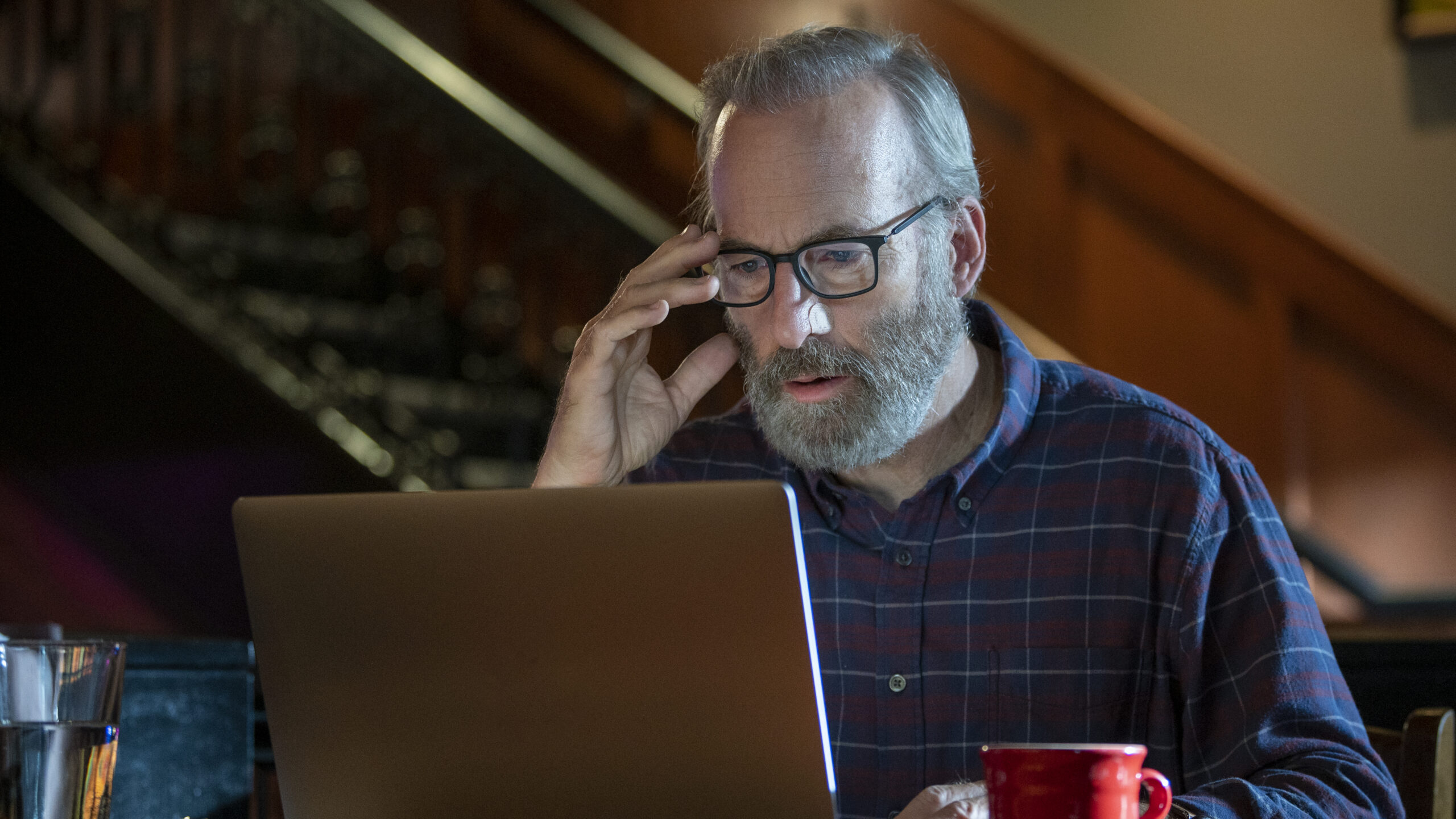
Some of the best novels of all time will probably take a few pages to introduce their premise, backstory, and key characters, and might demand some patience until the plot fully unfolds. This might be a hard sell in today’s world of short attention-spans, but some stories just need the time. Rectify is one of those stories. We meet Daniel Holden, played by Aden Young, after he is released from death-row prison after 19 years. While smart and thoughtful, Holden is obviously a damaged man, slightly out of synch with the world outside. His release affects his family very differently – some, like his sister, Agatha, had been fighting for his release since the day he was arrested. Others, like his brother-in-law, suspect he’s guilty of the crime he was accused of. Still others, like the fictional town’s sheriff, are bent on finding new evidence to lock him away again. So, in addition to awe-striking Southern landscapes, thought-provoking themes, subtle writing, you get a deep and detailed character-driven plot played by amazing actors. It might be too slow for some. This is not a who-dunnit or true-crime voyeurism. But you will be hard-pressed to find someone who isn’t enveloped by torrent of emotion when Daniel meets his mother and sister outside of a prison cell for the first time in nearly twenty years in the very first episode. And it really gets better and better with every season.
It’s a bit on the sensational side, but this Netflix documentary about a family torn apart by the medical industry is fascinating and empathetic enough to bring justice to its delicate subject matter. Director Henry Roosevelt takes care to use as many angles as possible in presenting the documentary’s central mystery —why is the hospital so insistent on separating Maya from her mother Beata?—while also leaving enough room for the audience to come to their own conclusions. I only wish they would probe into that question a bit more and get experts to hypothesize, for instance, what exactly would the hospital get out of allegedly lying and if it’s an occurrence that’s been happening in many places other than Florida. Painting it as a systemic problem might’ve given it more punch, though admittedly, it’s already stirring and powerful as it is.
Though it may seem like it at first, Lockwood & Co. is more than just Ghostbusters by way of YA fiction. For one, it is properly terrifying. The growls and screeches, the misshapen ghosts and the heartstopping jumpscares are all proof that the showrunners know what it takes to create an authentic horror series. The worldbuilding is also impressive; the show rightly doesn’t dump all its secrets in one go and instead reveals them slowly and naturally, which adds to its credibility.
In lesser hands, Lockwood & Co. might have ended up as cheesy child’s fare, but with a skilled cast and crew behind it, it proves to be stirring for audiences of any age. The impressive CGI and costume design give it a prestigious sheen (it’s not tacky, in other words), while the tender moments make it as relatable as any well-told teen drama.
Coming-of-age shows are not hard to come by these days. If anything, there might be too many, with a majority of them being hit-or-miss in terms of quality. But before all this, there was one show that tested the waters and bravely went where no teen show had gone: it was called My So-Called Life, and like anything ahead of its time, it was canceled almost from the get-go.
The show was one of the first to forgo happy endings and neat tie-ups in exchange for depicting the messy, complicated, and real. Fifteen-year-old Angela Chase (Claire Danes) was hardly likable, what with her bouts of angst and anger, but she was always relatable, and you could rely on her and the rest of the Three Rivers gang to deliver the unfiltered truth about teenhood. Even though the ’90s series didn’t attract enough eyeballs to warrant a second season, it’s now getting its due among modern audiences who recognize its influence in every disaffected young lead trying their best to navigate the confusing waters of youth.
Given that The Bold Type is largely set in the office of a women’s magazine a la Cosmopolitan and Teen Vogue, it’s easy to be blinded by its flashiness at first. Cliches aren’t hard to miss either, seeing as it is a show that follows three 20-something girlfriends making it big in New York City.
But this initial underestimation is the point. Right away, the show flips the script on hyper-feminine stories by also engaging in relevant political, racial, and feminist issues. It also takes journalism seriously and dives deep into the industry’s complexities. The biggest surprise (and delight) comes in the form of Jacqueline Carlyle (Melora Hardin) the editor-in-chief who despite all looks and appearances isn’t actually a Miranda Priestly-type but an actual mentor who is as tough and wise as she is compassionate and understanding. The series is subversive in this way, but it also manages to be entertaining and light on its feet—an impressive feat all on its own.
Leo Tolstoy’s most famous book, on which this was based, defies summarization but this powerful, sumptuous, and head-spinning BBC production might have done just that.
In 1805 St. Petersburg, the illegitimate son of the richest man in Russia (played by Paul Dano) finds himself at the center of his country’s downfall as it faces another Napoleonic invasion. As it follows several interconnected characters, romance intertwines with war, tragedy, and greed.
Directed by Tom Harper (Peaky Blinders), this series has it all: great acting, beautiful locations, and breath-taking action. It also stays true to the philosophical nature of the written material, capturing the glamour, deceit, and insanity of its time – as well as the sweeping scope of the original Tolstoy tome. This is TV of cinematic proportions!
The episodes of Midnight Diner are just as heartwarming and assorted as the dishes the restauranteur known only as Master prepares for his customers. Much like short stories, they each have their standalone arc and specific conflict, but they all share the same connection: they take place in this diner, which is open only from midnight until early morning, and they follow the lives of everyday Tokyo citizens. There’s a broadcaster who seeks the warmth of tan-men after a busy day of work, a has-been comedian who steals his rival comic’s corndog, and a realtor who orders pork cutlets to win over lovers. They are mundane and relatable stories told with gentleness and depth, and ingeniously, they all go back to the dish of the day served at Master’s diner. For his part, Master helps these characters figure out more than just their orders by doling out advice in his own stoic yet sage way.
It’s sort of like miso soup for the soul in that way; heartwarming and comforting, best served on a cold night.


x2
x1