10 Best Foreign Movies on Tubi Right Now
When you get free streaming, all in exchange for just a few ads, it can be a little hard to believe that Tubi would have a great selection. Yet, for some reason, their library, one of the largest among all streaming sites, is packed with rare, hidden gems that you can’t find anywhere else. And on top of these, these films aren’t just limited to American-made films, the selection includes great titles from all over the world. So if you’re willing to get over the subtitles and watch something out of your comfort zone, all for free, here’s the best foreign films on Tubi:
Jump to the top 10:
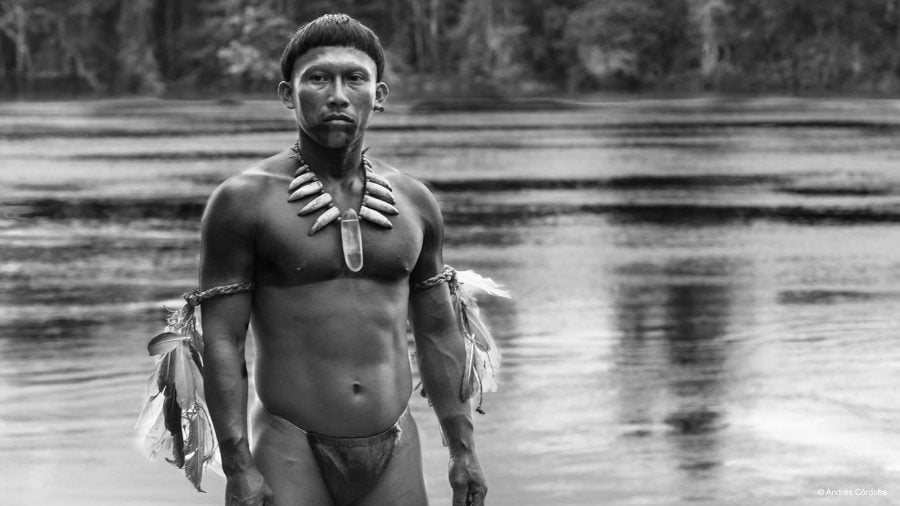
This movie is gentle and utterly chaotic, intimate and massive, beautiful and ugly… it tries to be so many things and somehow pulls it off. It tells two stories parallel in time, based on the real-life diaries of two European scientists who traveled through the Amazon in the early and mid-twentieth century. Their stories are some of the only of accounts of Amazonian tribes in written history. The main character and guide in the movie is a shaman who met them both. At times delicate to the point of almost being able to feel the water, at times utterly apocalyptic and grand… to watch this movie is to take a journey through belief systems, through film… and to be brought along by cinematography that is at times unbelievably and absurdly beautiful. Meditative, violent, jarring, peaceful, luminous, ambitious, artful, heavy handed, graceful… it’s really an incredible film.
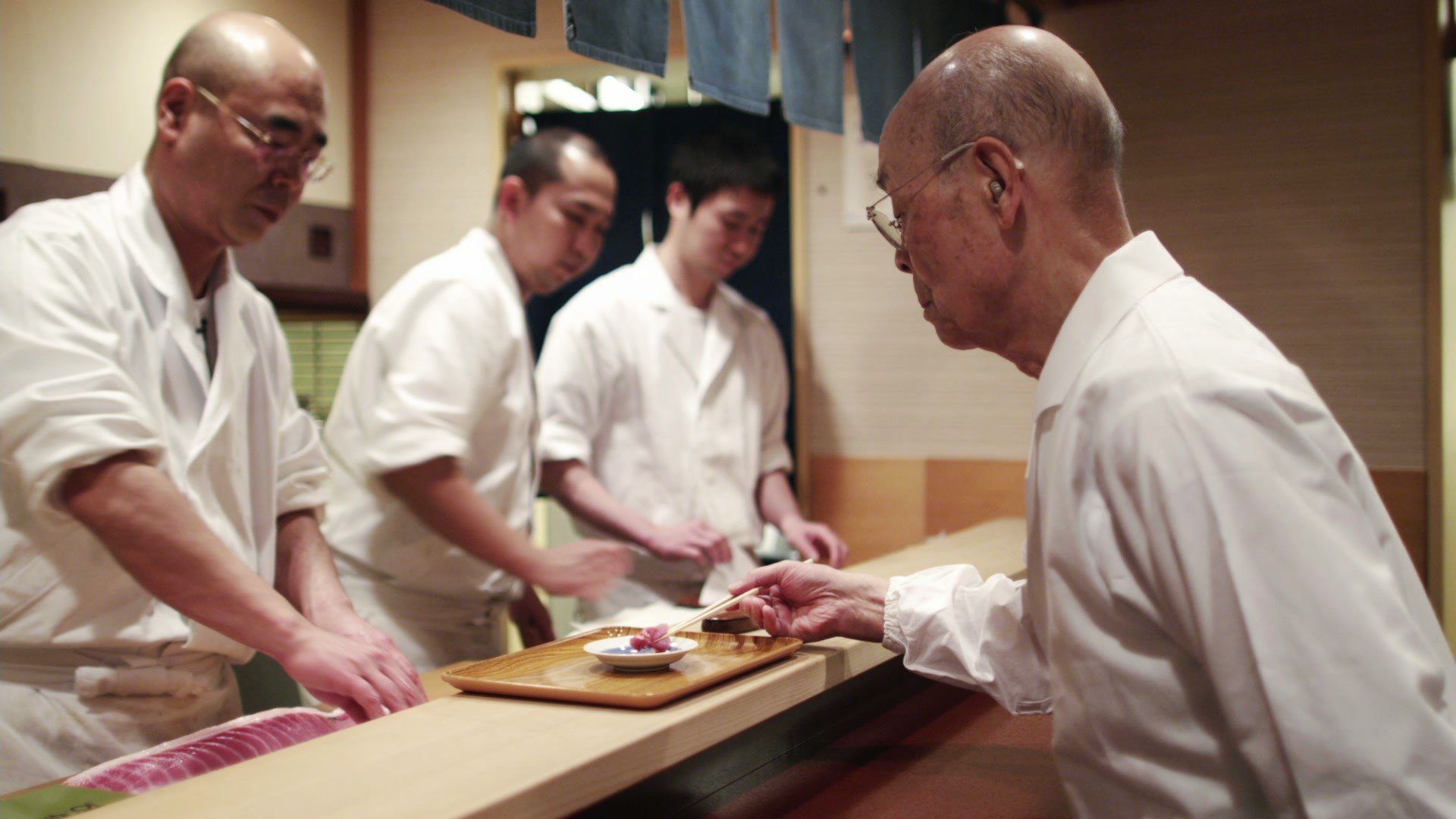
This surprising documentary follows Jiro, an 85 year old Japanese chef, his Michelin-starred restaurant in the Tokyo underground, and his eager sons. While ostensibly about sushi – and believe me, you’ll learn about sushi and see absolutely gorgeous images of the raw-fish creations – the film’s dramatic impetus is carried by the weight of tradition, the beauty of a labor of love, obsession, and the relationship between father and son. Truly a must-watch.
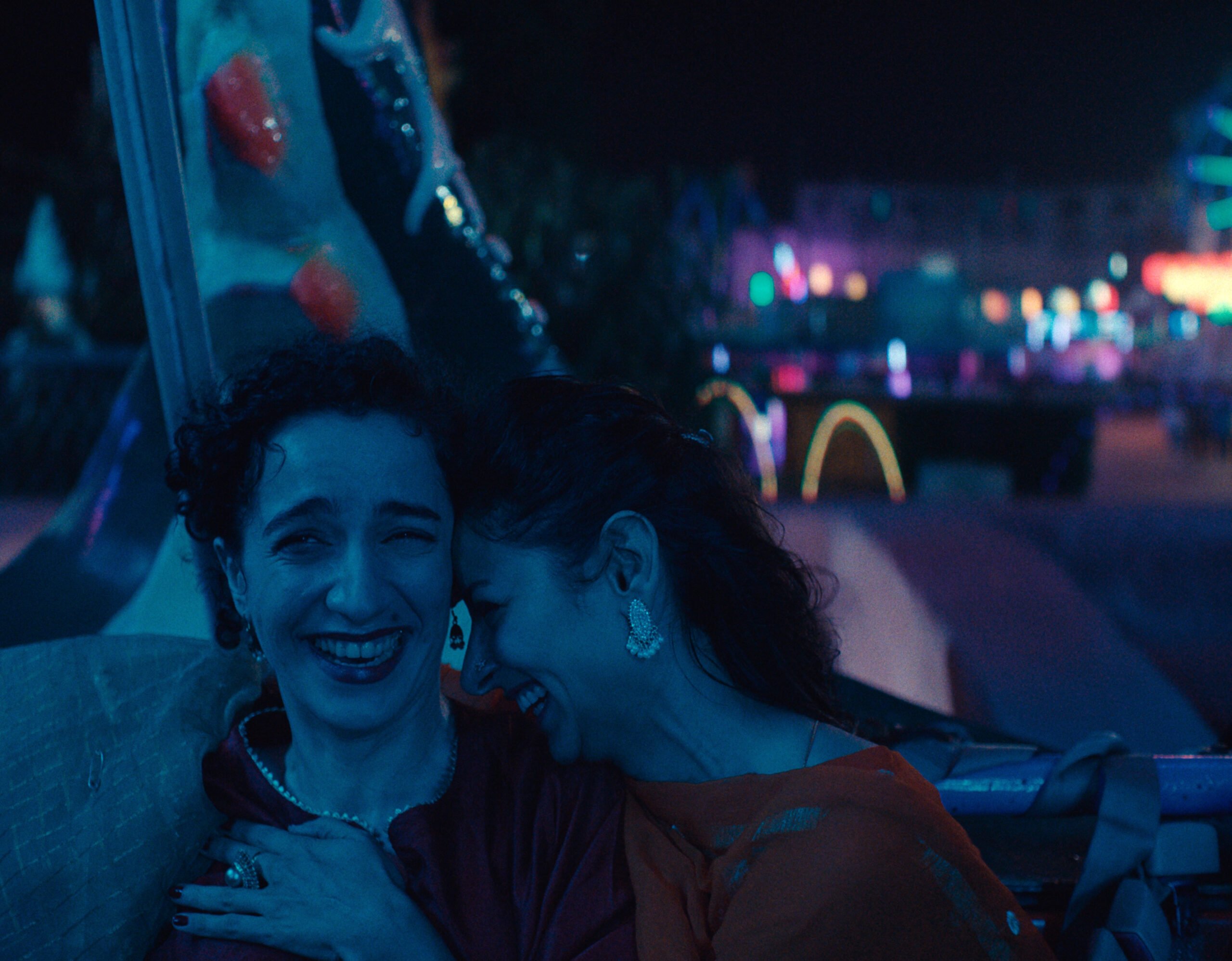
Joyland is groundbreaking on nearly all accounts. It’s the first Pakistani film to premiere at the Cannes Film Festival and to be shortlisted for an Oscar. Its forthright depiction of trans life and gender identity provoked the ire of local authorities, but it also inspired a nationwide movement (#ReleaseJoyland) that fought against censorship. It’s understandable, then, if the film is remembered for these disruptive achievements alone, but it should be noted that Joyland, as it is, is simply a stunning piece of cinema.
Every scene is beautifully blocked and vibrantly lit, like a painting come to life, and every one of them is rich with meaning; there’s not a second we’re not diving deeper into the wonderfully complex lives of these people, all of whom are exploring sexuality and independence as best they can in a restricted environment. And sure, Biba and Haider’s relationship takes center stage as it reveals the nuances of queer love, but Joyland just as deftly tackles toxic masculinity (and how it’s a specter that haunts Haider’s household), domestic labor (and how it largely goes unnoticed), and female solidarity (and how it can literally save a girl’s life). Heartbreaking and lovely, this a family saga in that it’s as much about Haider’s family as it is about him, and it’s a shame if it weren’t remembered as such.
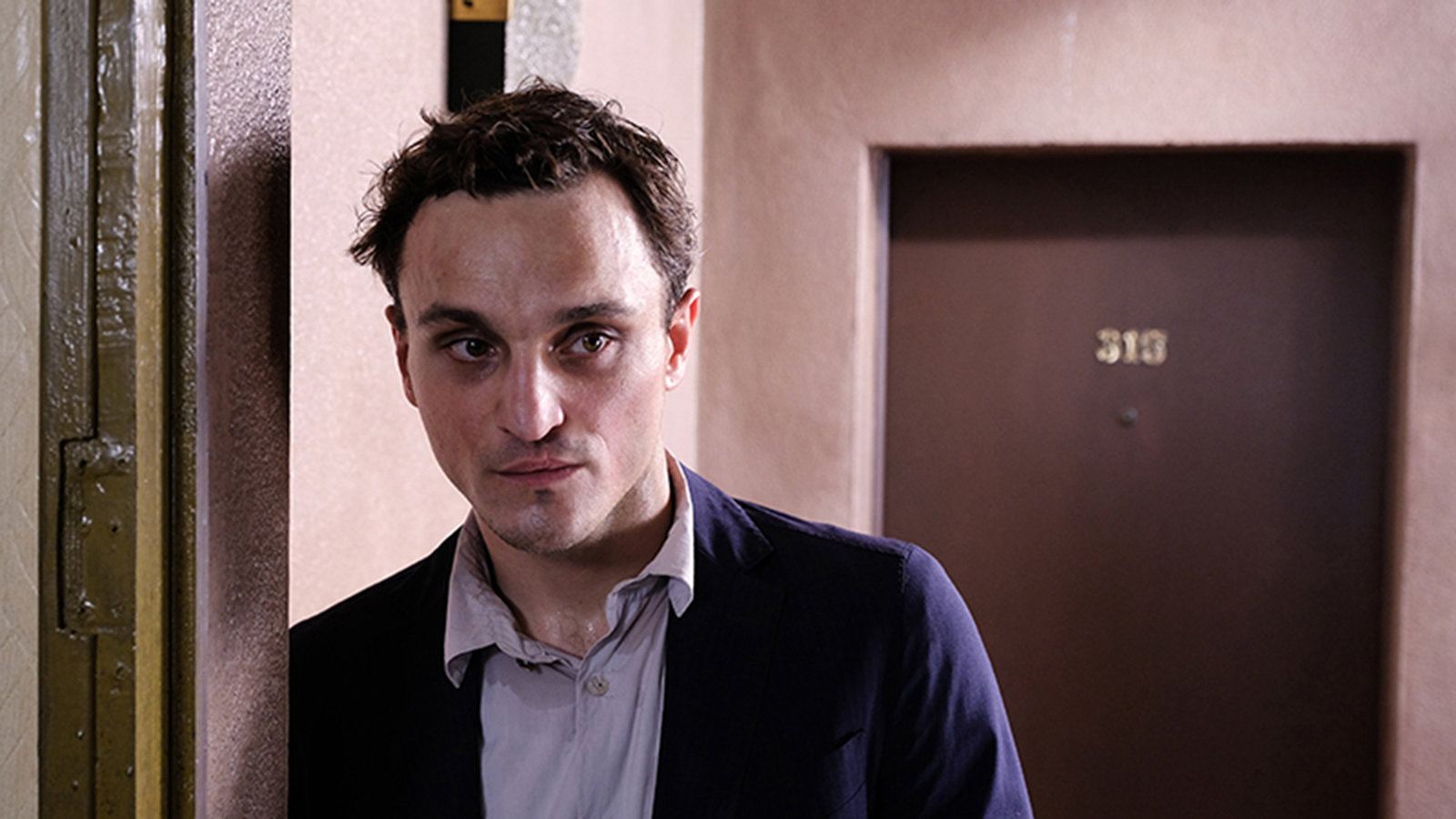
Transit is based on a WWII novel — though you wouldn’t be able to tell from first glance. While the characters talk of German fascists occupying France, anachronistic details (like modern technology and clothing) suggest we haven’t gone back in time at all. Director Christian Petzold isn’t trying to confuse us: by blurring the backdrop, he’s making the terror and the desperation of the story more immediate — removing the distance that might have prevented us from really feeling what happens.
The uncanny historical echo effect works as intended, because the parallels Transit subtly draws between the past and today are horribly clear. What’s more, the movie’s intentionally ambiguous framing suffuses the plot with an otherworldly sense of mystery, a quality that gradually intensifies as Georg (Franz Rogowski) desperately searches for a one-way ticket out of hellish bureaucratic limbo before he finds himself waylaid by that most mysterious emotion of all: love. Unshakably haunting and undeniably poignant, this is a movie that will live under your skin.
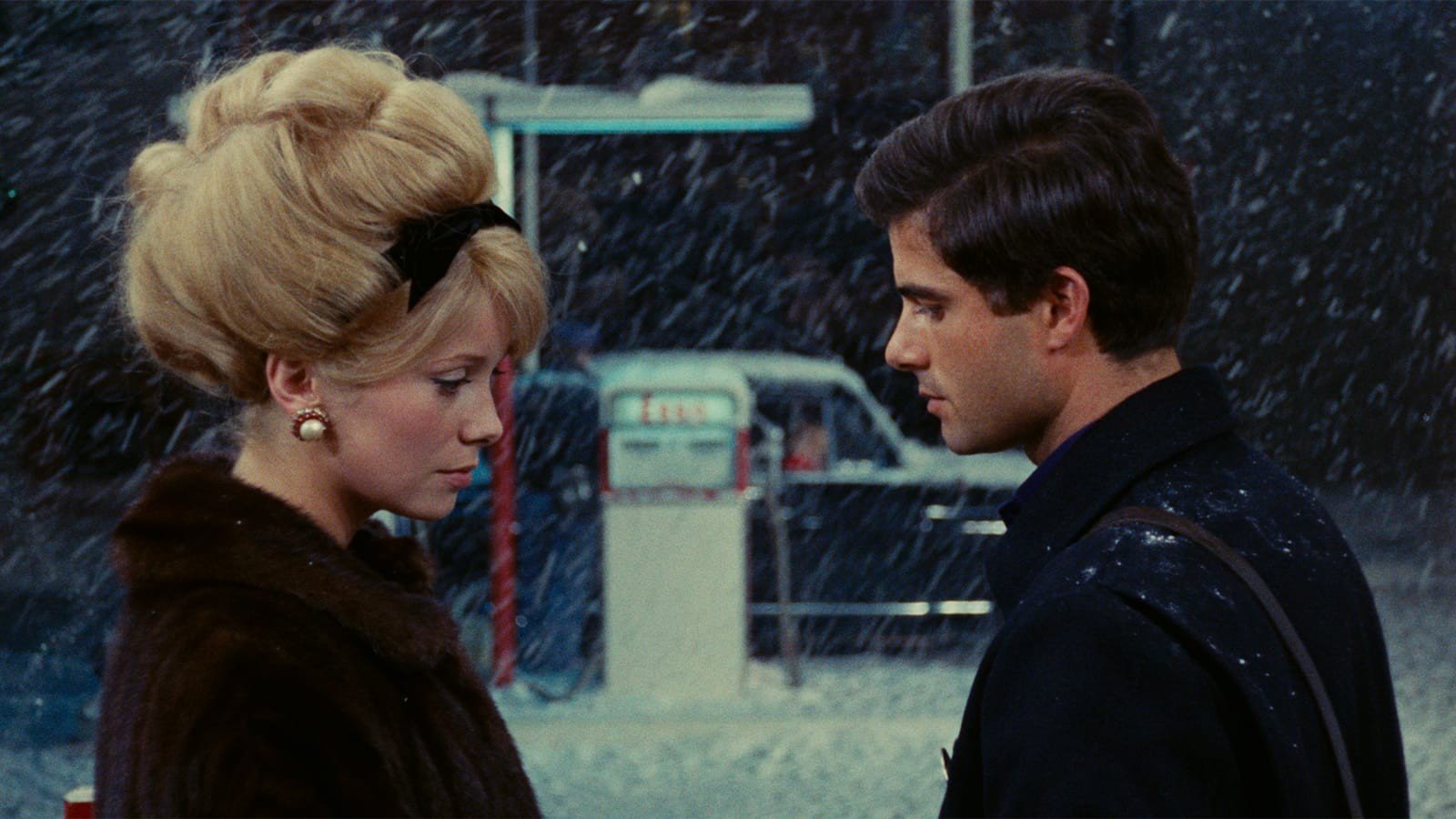
If we were to list down the best of the best movie musicals ever made, most of the titles would probably come from the Golden Age of Hollywood. But we’d be remiss to forget that just a few years later, all the way across the pond, came The Umbrellas of Cherbourg, a French romantic musical from Jacques Demy. It’s certainly in the running for the most gorgeous musical ever made, with the bold, dreamy colors, incredible camera work, stylish costumes, and two beautiful leads front and center, but what makes Cherbourg great is the lush composition made by Michel Legrand. With the sweeping violins and the tragic lyrics of Devant le Garage, to the catchy, jazzy Scène du Garage that starts off the film, Les Parapluies de Cherbourg brings together sublime visuals and sound into one of the greatest musicals ever made.
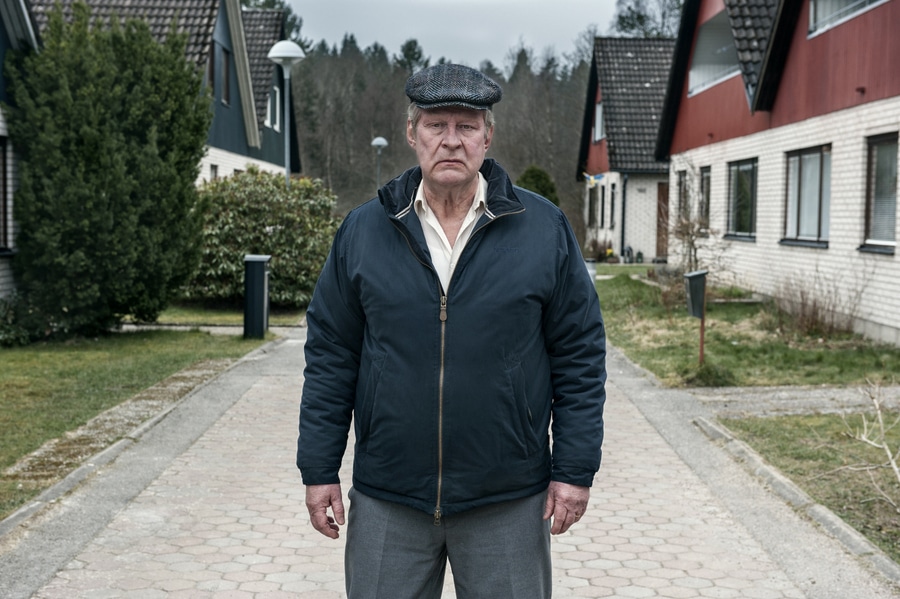
Based on Fredrick Backman’s 2012 best-selling book of the same name, this Swedish hit comedy-drama introduces us to Ove, an elderly man who feels like his life is over. After losing his wife, the short-fused retiree spends his days grumpily enforcing block association rules in his neighborhood. He is your typical unhappy, old neighbor, somebody you would try to avoid. One new family does not give up and befriends Ove, played by an impeccable Rolf Lassgård, despite his best intentions to put them off. As the plot unfolds, however, you learn more about the story behind the man, and, in classic walk-a-mile-in-his-shoes fashion, start to find him rather loveable. After all, nobody is born grumpy and cynical. Naturally, this is a sweet and sentimental film. But an amazing lead performance and a charming, darkly funny script rescue it from drifting too far off the shore. The result is a wholesome, fun, and thoughtful dramedy with a beautiful message.
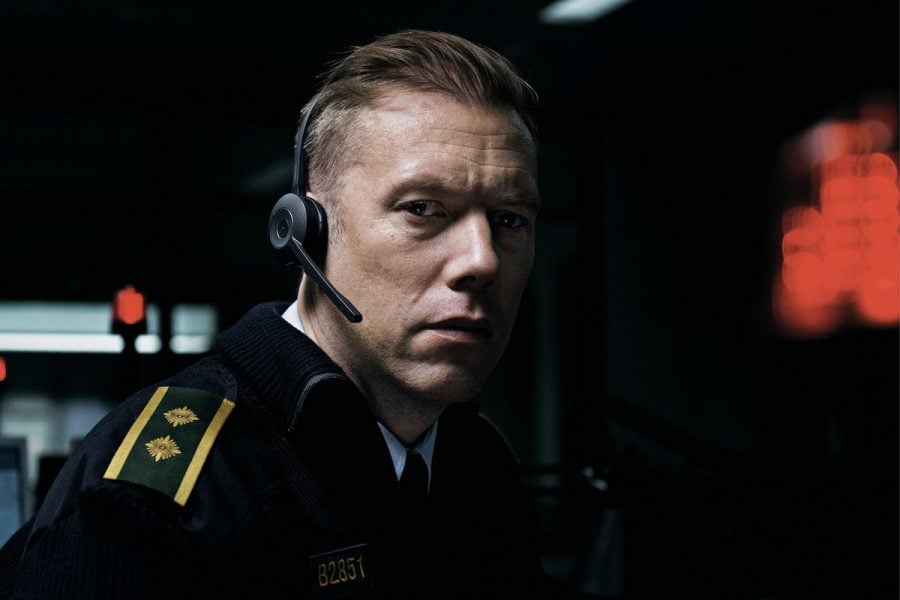
Before you press play on this movie, we highly recommend you take a few very deep breaths. This 2018 thriller is wound so tight, you will need the extra oxygen to get through it without fainting. In his directorial debut, Swedish-danish filmmaker Gustav Möller uses very little in terms of resources to create this breath-taking atmosphere. While The Guilty feels like it was made on a $100 million budget, all it physically brings to the table is one man in a dark room. It plays with our imagination instead of blinding it with special effects. Similarly, the plot is also short and sweet: a police officer is temporarily sent to do emergency dispatch, when he receives a call that turns an ordinary shift into a hell ride. This is all we are going to give away before you’ve completed your breathing exercises. The movie’s minimalist approach is held together by great acting from Jakob Cedergre, a screenplay to match, and incredible sound design. A real white-knuckle ride.
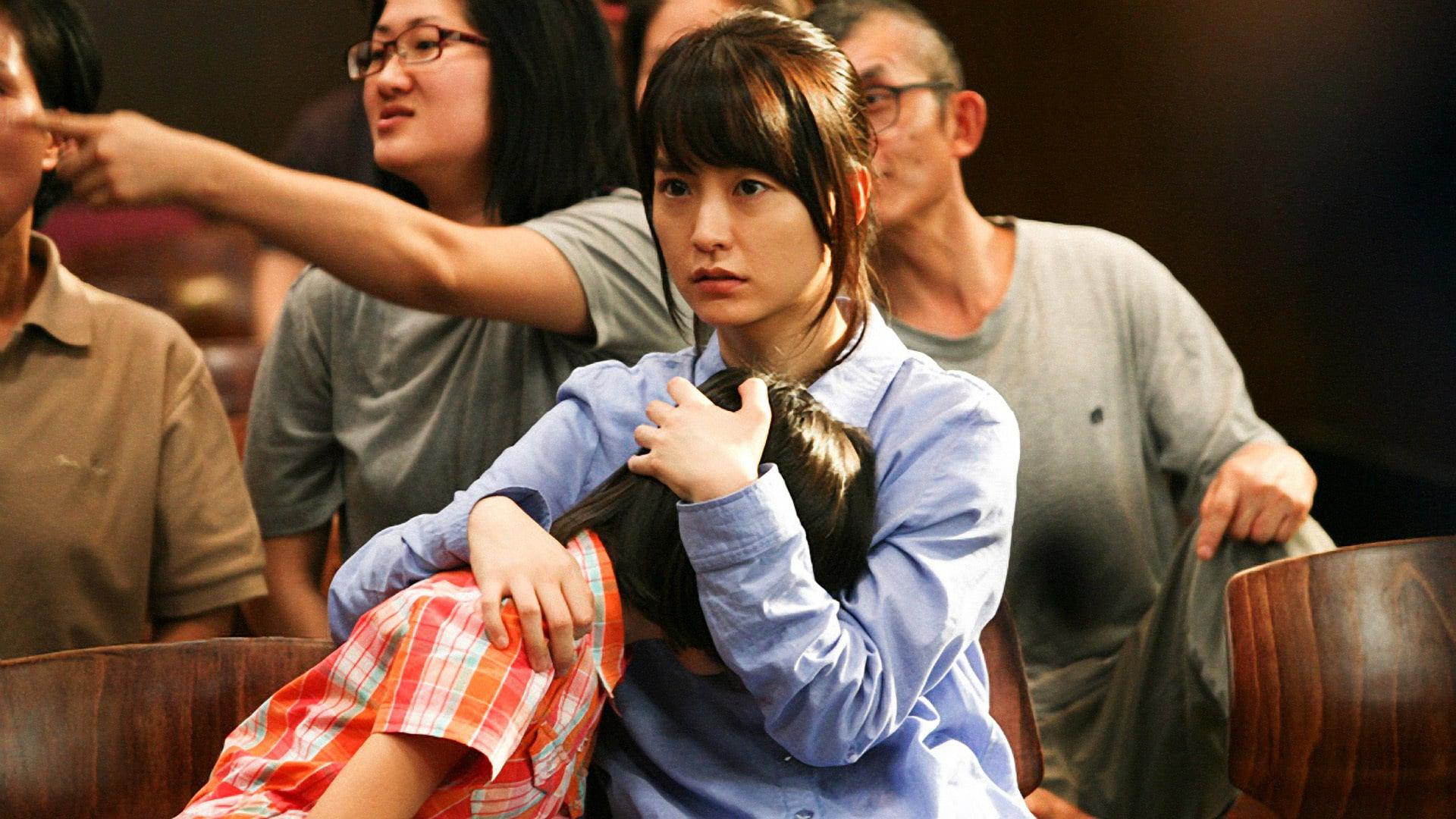
Abuse is bad and should be reported, full stop. But it’s not so easy to do so, when abusers stay in positions of power, and the people who are assigned to keep them in check are cowardly against them. Silenced depicts true crime novel The Crucible, which in turn, is based on a real life case of the Gwangju Inhwa School. Through the perspective of a new art teacher, Silenced systematically outlines how difficult it is to deliver justice, from the way the school administration bribed police and the education department, to the way the court didn’t even think to hire a deaf interpreter. It’s a horrific watch, but the intensity of the depiction was needed, given that this film’s release pushed South Korea’s government to change their laws and the actual school shut down within the same year.
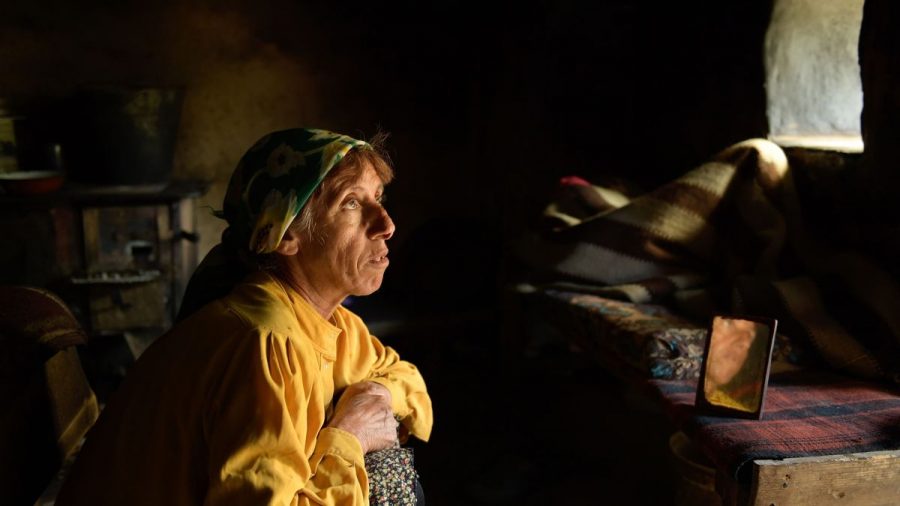
The first movie to be nominated for both the Documentary and Foreign-Language Oscar categories and the most awarded film of the 2019 Sundance Festival, Honeyland quietly accompanies the last wild beekeepers in Europe over three years. It portrays the lonely and primordial life of Muratova, which is centered around harvesting honey according to the rules of her ancient ancestors and caring for her ailing mother.
Originally planned as an environmental documentary, this film evolved into something completely different, as it often goes with immersive documentaries, when the Macedonian directors Tamara Kotevska and Ljubomir Stefanov met beekeeper Hatidže. The film takes another sudden turn when Muratova’s life is upended by a nomadic family settling next door, threatening her tradition, her way of life, and her natural environment.
This unbelievable cinematic journey is a feast for the eyes thanks to the amazing work done by cinematographer Samir Ljuma. However, despite the awe-inspiring imagery, Honeyland never imposes on its subject, creating an incredible intimacy with Hatidže’s life and her natural environment. Breathtaking!
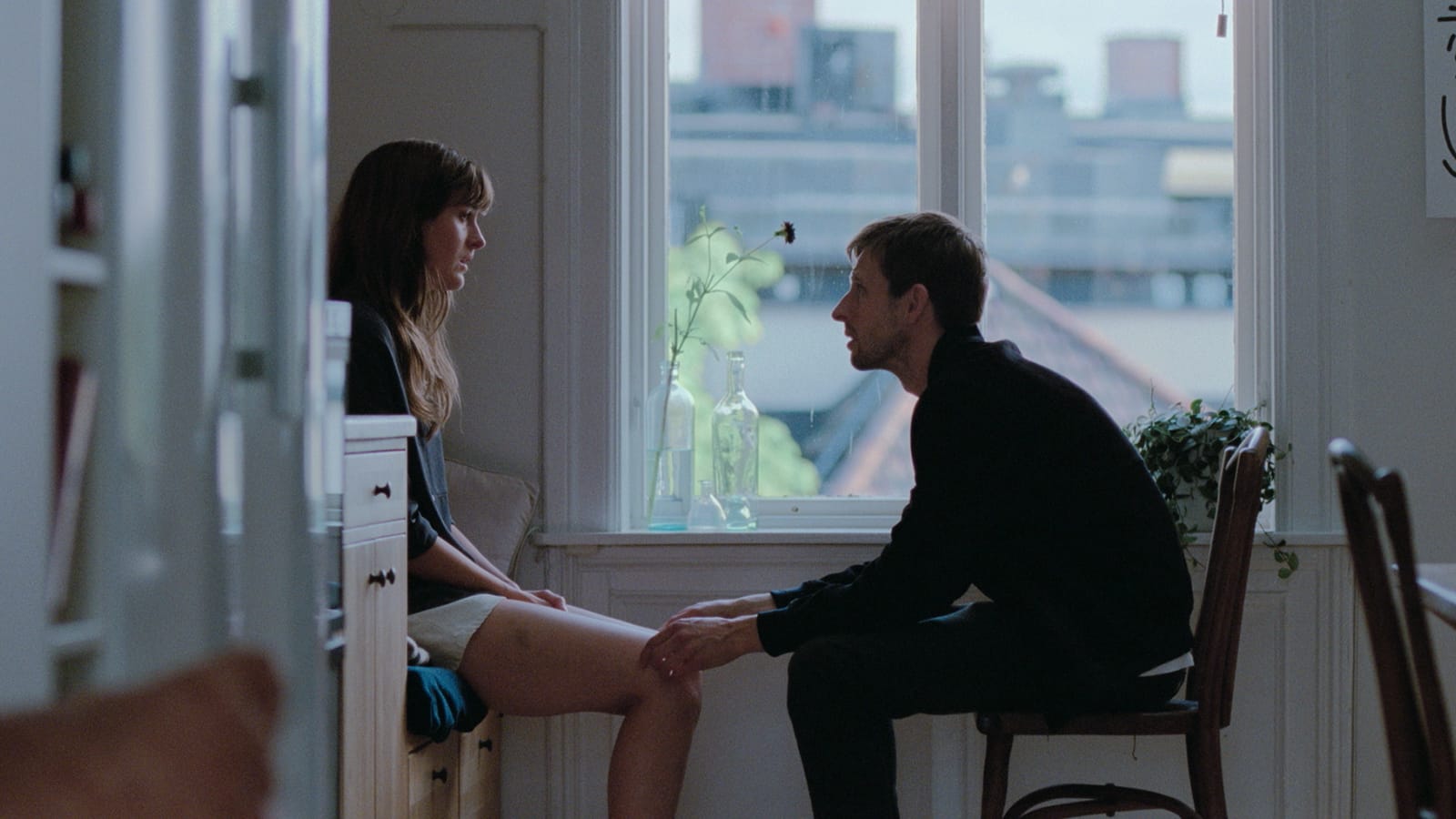
The film opens with Julie in her early twenties, longing to pursue a career in medical school. But after briefly testing the waters, she switches over to psychology, only to drop completely out of school and transform her hobby of photography into a professional career. This indecisiveness carries over in most aspects of her life, including and especially in romance, where impulse and desire drive her to run after what she believes to be love. The movie follows Julie as she navigates adulthood in modern Oslo—at once a specific yet universally relatable story about the growing pains of growing up.
With The Worst Person in the World, Joachim Trier scores again with another life-changing Norwegian drama about longing, love, grief, and finding your place in the world. His films can be quite sad but amidst all the drama, moments of happiness and hope are scattered throughout, as it is in real life.