
Isabella Endrinal: My Curated Picks on Streaming Services
Isabella Endrinal is a curator at A Good Movie to Watch. She’s now free from the corporate night shift. Previous articles have been published in outlets such as NANG Magazine. She’s currently catching up on some classic films… if she isn’t coping with the fact that the Haikyu anime will end soon.
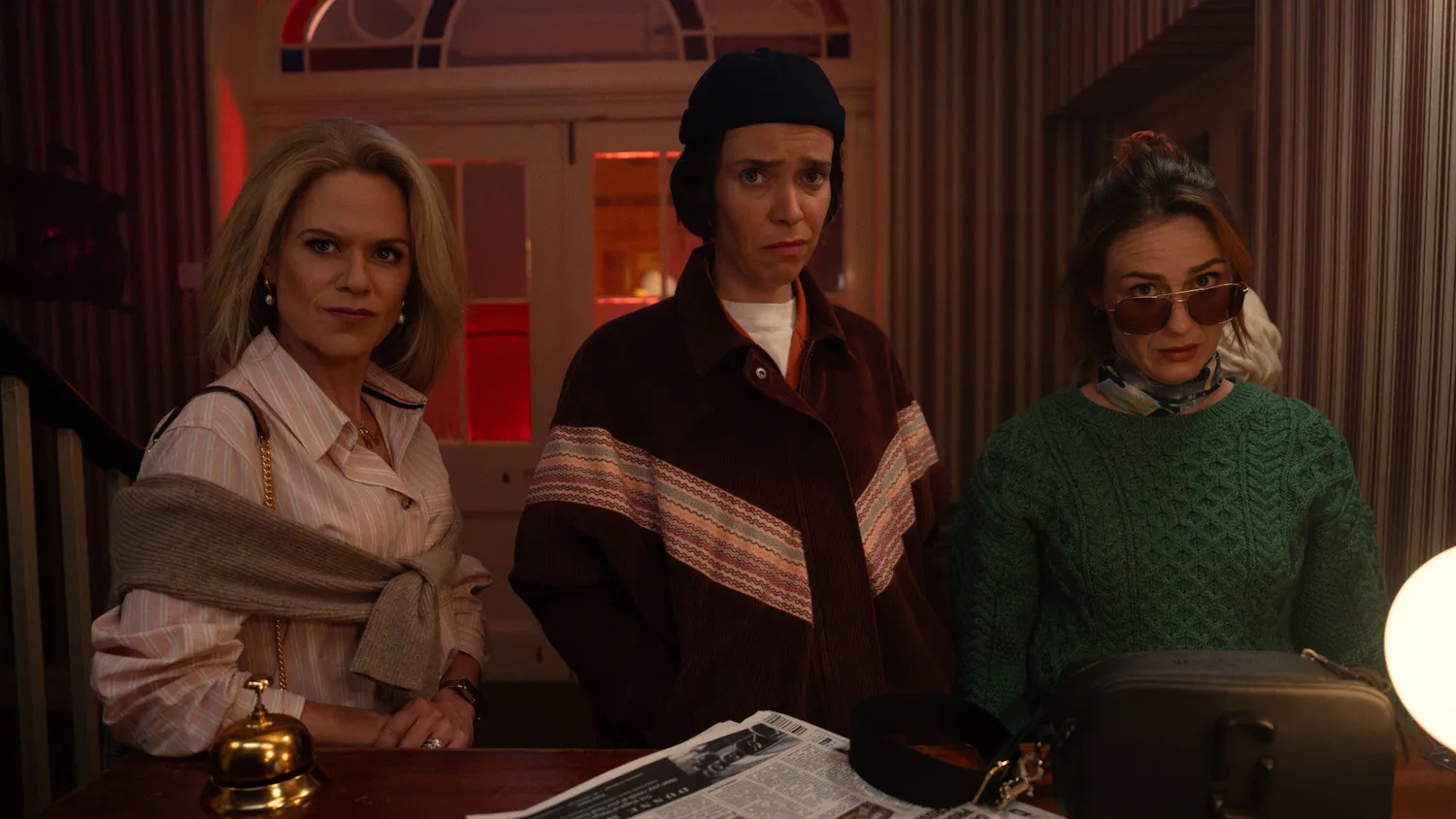
After losing a former friend, you would think that the three women in How to Get to Heaven from Belfast would be mourning, reminiscing about the past, and maybe go on a wholesome road trip that changes their lives for the better. Except, the show takes on a completely different approach. As the crime writer protagonist, of course, Saoirse brings her genre-savvy know-how to figure out the circumstances of Greta’s death. But there’s a bit of everything here– the somewhat supernatural vibe of every flashback she has, the mystery of whatever secret the four women share, and the chaotic shenanigans that these women get into as a result of being mentally stuck in their youth. How to Get to Heaven from Belfast isn’t quite Derry Girls, but writer-director Lisa McGee delivers the signature female friendships and distinctly Irish humor she’s best known for.
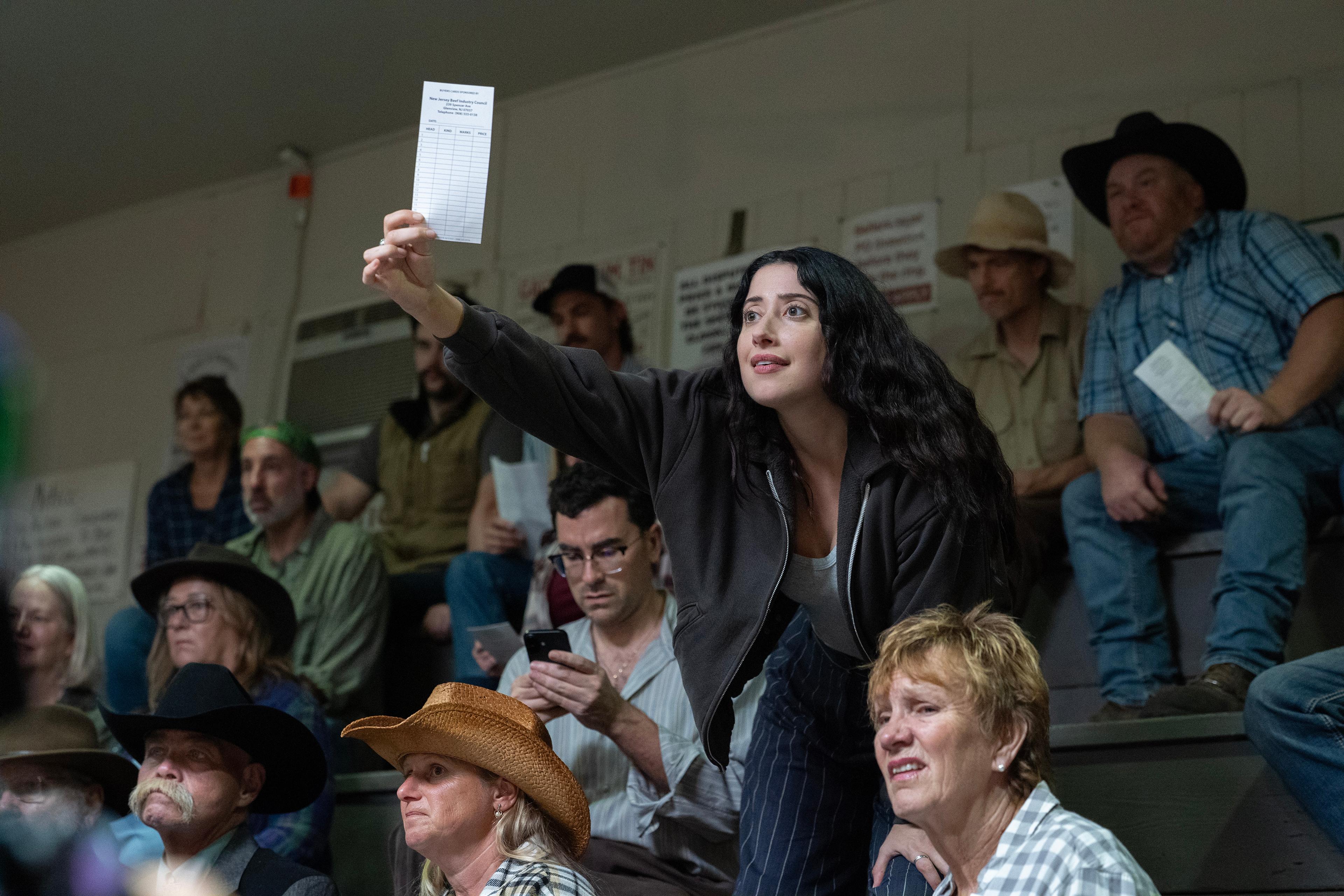
When a petty theft leads to a never-ending list of favors the leads have to fulfill for a gangster, this crime comedy series is certainly aptly named. It’s a pretty big mistake that could have been avoided, if only the protagonists weren’t so easily riled up. But it makes for a funny comedy of errors, as each new task brings more complications that Nicky and Morgan have to cover up in the clumsiest of ways. We’re waiting to see how it will blow up in their faces, especially with their mother’s upcoming mayoral campaign. Big Mistakes isn’t perfect, but it’s pretty fun seeing Dan Levy and Taylor Ortega try to handle everything that comes their way.
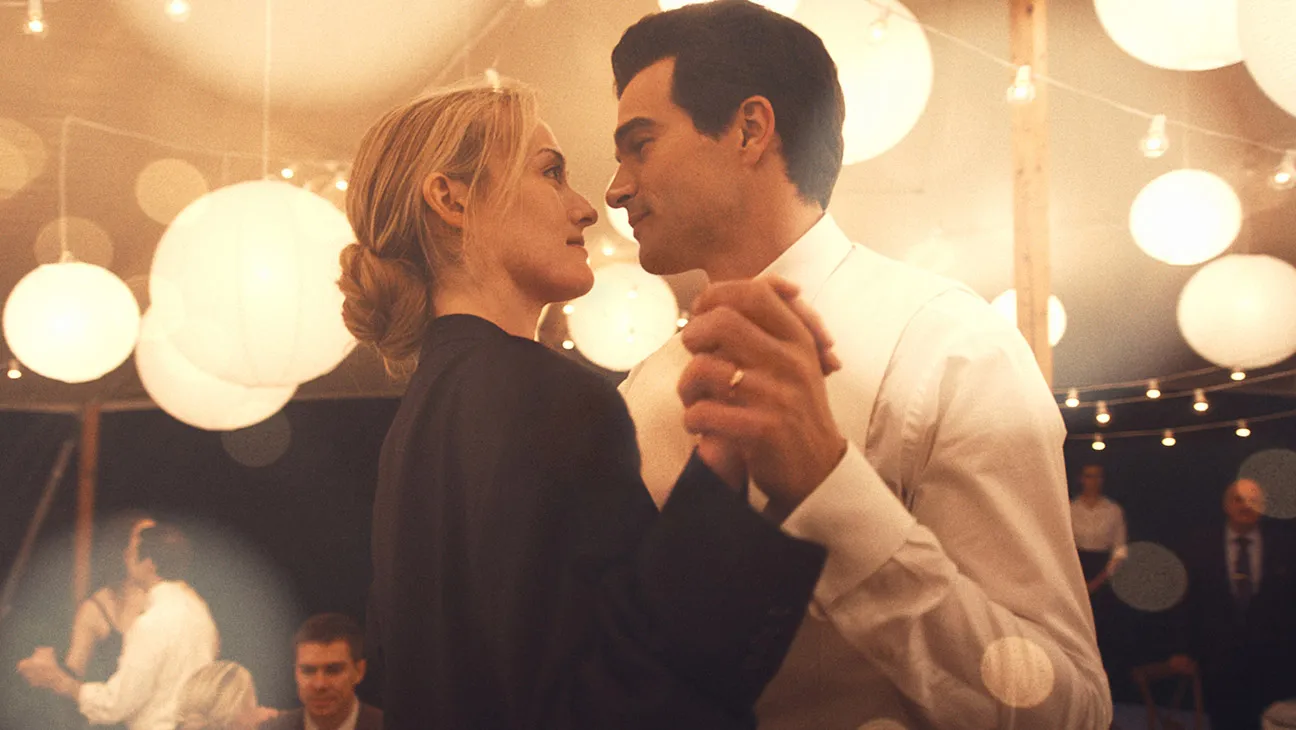
Let’s get this out of the way: Love Story isn’t an accurate retelling of the marriage between John F. Kennedy Jr. and Carolyn Bassette, just ask their living relatives about it. However, historical accuracy is not really the point. Much like the other franchises under American Story, Love Story feels more like a portrait of what America used to be– this time, through the closest thing the United States had to a royal marriage. Indulging in the 90s-00s nostalgia, this whirlwind romance takes on familiar themes of celebrity and public scrutiny with all the high-fashion glamor, a semblance of curated taste, and none of today’s social media clout chasing. It helps that Sarah Pidgeon and Paul Anthony Kelly look so good together, with their classic visages and old-school vibes. Love Story doesn’t present something new or true, but the show is nonetheless very watchable.

Because of the format, Margo’s Got Money Troubles doesn’t quite have the same laugh-out-loud humor as the original novel– televised series, after all, can’t run entirely on the sharp internal monologue that worked on the page. However, that doesn’t mean it should be written off entirely. It’s still pretty funny, but the series mostly shifts its focus on empathizing with Margo and the choices she’s pushed to make. Like her journey, the show takes a while to set things up, though once it does, her impulsive choice easily rolls into a series of plot-worthy consequences. Some of which are financially difficult, as hinted by the title. Sometimes, as in the case with her dad, it’s easy to see how the ensemble can grow and change, maybe even into something better. It helps that the main trio– Elle Fanning, Nick Offerman, and Michelle Pfeiffer– are absolutely charming as the center family.
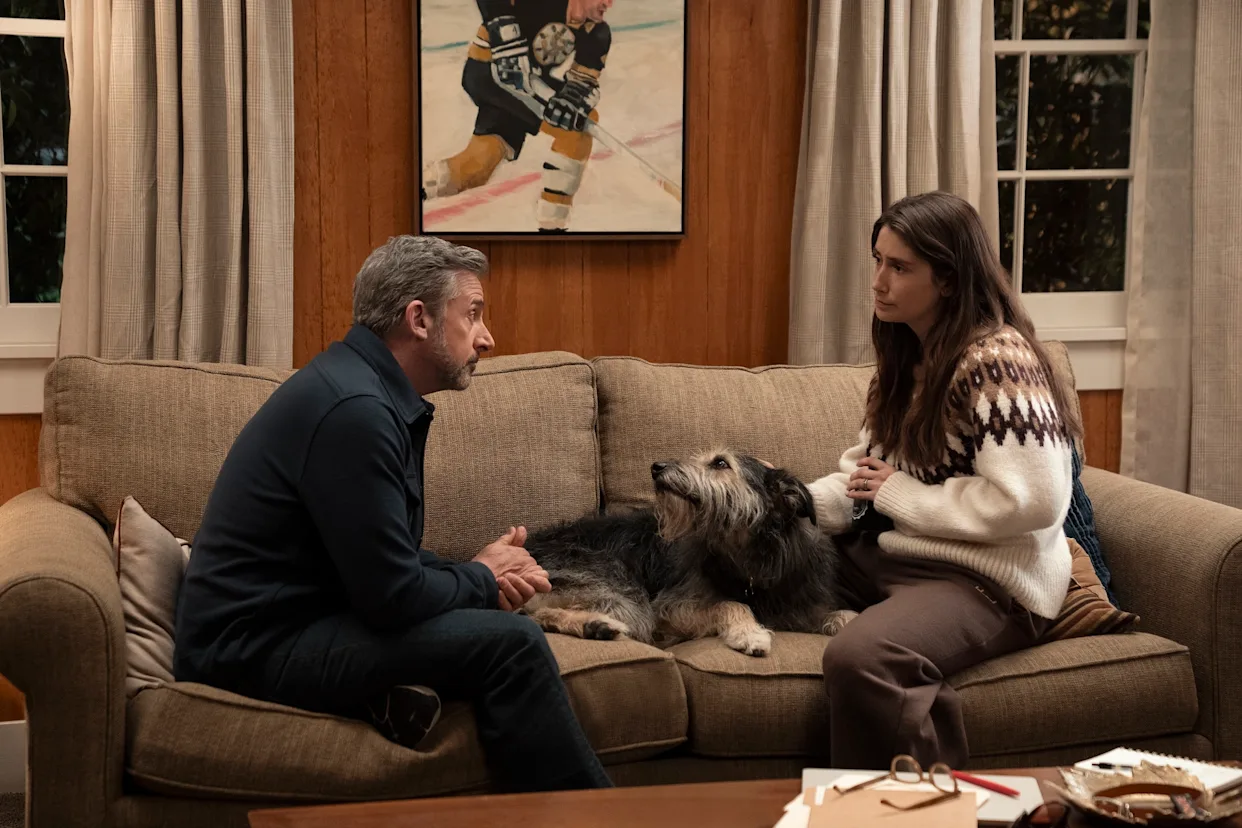
Rooster is drier than we expected from a show starring and co-produced by Steve Carrell, but the humor reflects the broader non-committance that has a hold over the 2020s. Instead of confidently pulling out the wit, jokes take on a well-meaning, unassuming manner. Meanwhile, most characters here refuse to speak and act straightforwardly about what they really want– or at least, their efforts in doing so are always perceived in the opposite way. In any case, Rooster is not going to knock you out of your seat. But it is going to poke fun at how desperately they pretend to be nonchalant, and the chaos that ensues as a result.
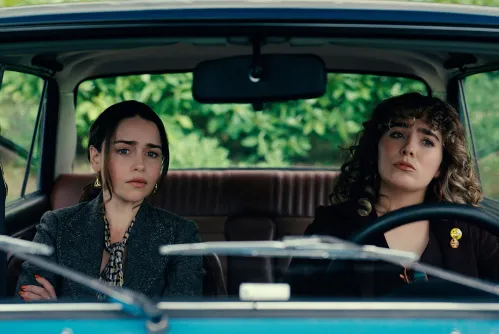
Ponies is a fun ride. Centered on two widows who lost their CIA husbands, the unexpected spy series puts their duo into some wacky hijinks as they try to figure it out at a time where one wrong move can launch a world war. That’s because it remembers the world just got out of one. It is set in the Cold War, after all. The show sets believable weight to the stakes the two women face by putting into perspective the kind of world these spies were working with. And so, with this strong sense of setting, Bea and Twila feel more like real people than the serious super spy or the adventurous James Bond-type. Combined with the surprising chemistry between Emilia Clarke and Haley Lu Richardson, breaking out of type, Ponies finds humor and fun in the uncertainty of the time.

Honestly, it’s a bit insulting to diminish a romance fan’s love for the genre simply due to good looks of the actors, at least in the first episode of Boyfriend on Demand. It does happen, for sure. There’s no doubt that it’s also the draw of this particular show– that is, seeing Jisoo from Blackpink team up with some of the most gorgeous actors currently working in the Korean drama industry, for her character’s virtual simulations. However, a little bit of patience, and Boyfriend on Demand goes beyond the looks, and into her character. As Jisoo’s Seo Mi-rae takes a spin on each trope, the show plays with each specific fantasy and figures out why a fan might indulge in them. Episode 3, in particular, delves into why Mi-rae gets sucked into the game, and the avoidance she relies on to protect herself from pain. Boyfriend on Demand sometimes struggles to hit the right tone (see above) and it hesitates to get in-depth into wider struggles, but ultimately it knows its own heart and delivers lighthearted entertainment.
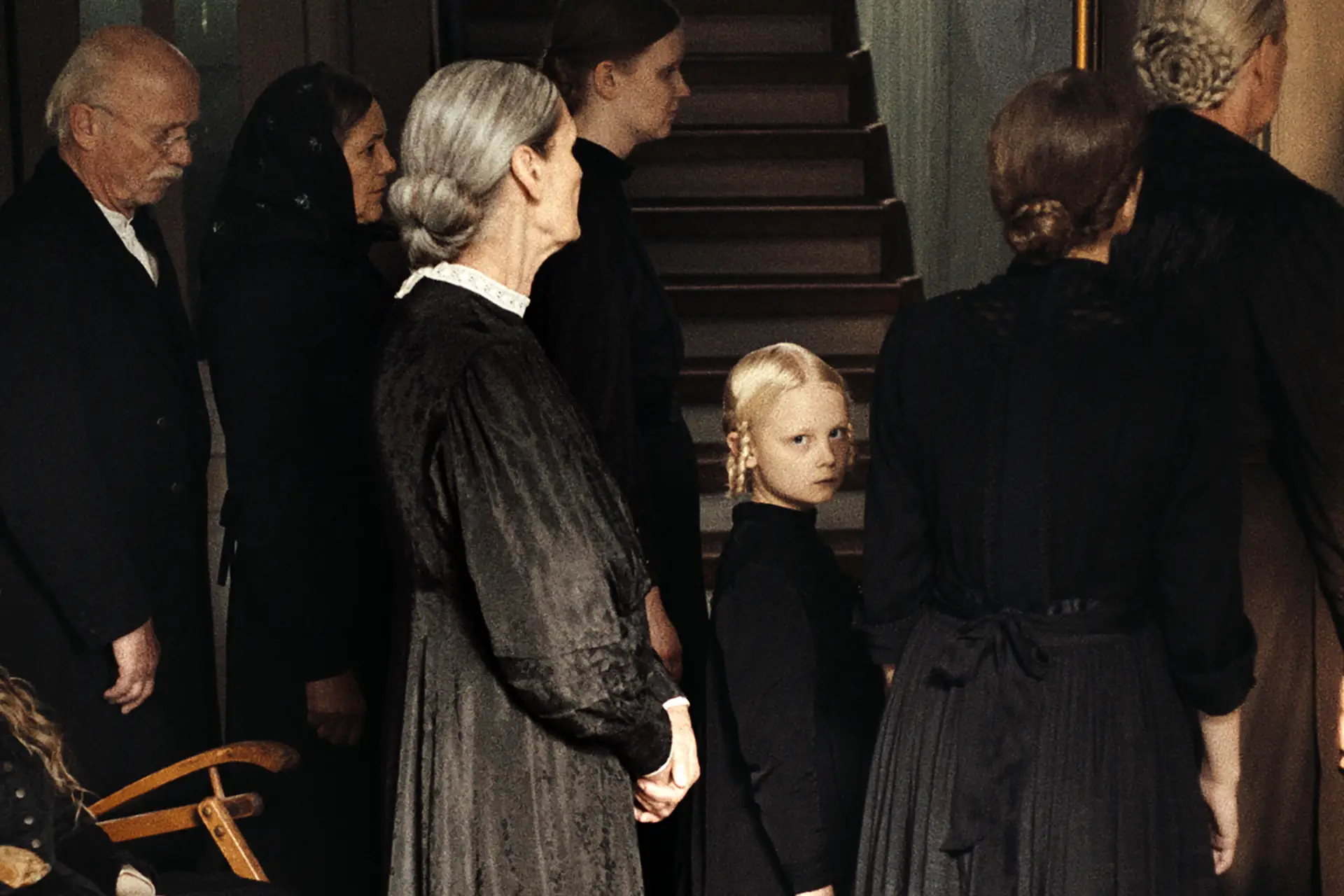
Previous depictions of provincial living tend to paint the pastoral experience as idyllic, simple, and much more innocent compared to their city counterparts. Sound of Falling does the opposite. While it still beautifully captures the German countryside, this drama also acknowledges its terrible secrets– the ways the family maintains itself, and sidebrushes death, at the expense of the women in the family. Cutting across time and circumstance, the haunting narrative sees the rhyme in each story. Unbeknownst to each four women, their pain echoes in similar ways, even if their particular histories differentiate their extent. Sound of Falling captures how the past never fully fades, only passing down like a curse recalled in folklore.
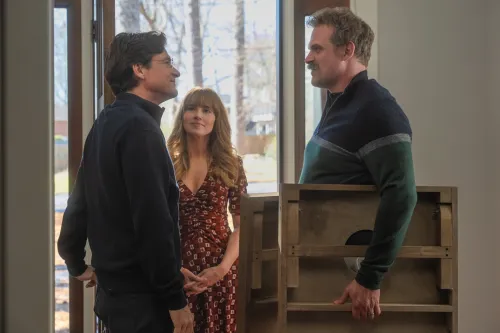
At first glance, DTF St. Louis seemed to be a nonchalant comedy that would poke fun at domestic dissatisfaction. David Harbour’s Floyd Smernitch meets Jason Bateman’s Clark Forrest, Floyd saves Clark from an injury, and it seemed like they would be buddies as they hang by the swings and talk about an app for affairs. That is, until Floyd turns up dead. It becomes a different story altogether. Those expecting a quick, snarky comedy might be taken aback, but the turnaround, non-linear narrative emphasizes how unsettling our expectations in sex and relationships can actually get. DTF St. Louis won’t be for everyone– you’ll see many who dropped it because of the slow burn– but it knows what we expect, and still keeps us guessing.
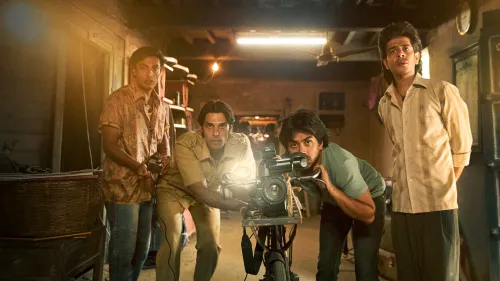
Based on the life of a real small town filmmaker, this coming-of-age film is a familiar underdog story. After their small movie theater shut down due to piracy, Nasir and his friends decide to create their own, in spite of not having the money or connections to do it. You can probably tell what happens next, given the numerous films about artists with humble beginnings. But despite the tropes, the rushed reconciliation, and not delving into some of the religious tension behind Nasir’s retirement, Superboys of Malegaon still feels refreshing, because it truly understands why the underdog is so compelling. With only their love for the craft to guide them, these boys capture the fun and wonder of making films in their own community, for their own community. Superboys of Malegaon truly listened to their story.

Young Sherlock isn’t quite accurate to the Andrew Lane book series or the original works from Arthur Conan Doyle. Here, the detective in question is college aged, rather than 14 or 60, a choice made surely to introduce a new ensemble of fresh-faced talent. And unlike its source material, there’s a larger mystery behind each episode’s case. We would say that these changes make the story better fit for television– Holmes at his unpolished youth has more freedom to mess up, so it certainly allows the cast and crew to have much more fun. And while some decisions feel distinctly out of time, Young Sherlock would be enjoyable enough for this generation.
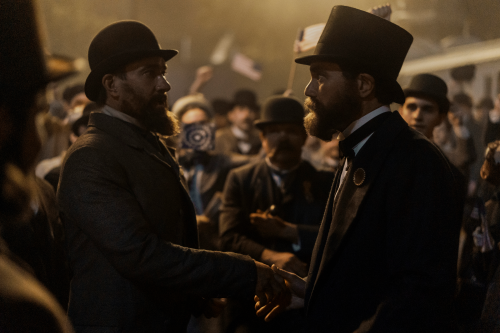
Out of all the presidents in American history, you’ll be hard pressed to remember James A. Garfield. That’s because the man barely made it past six months before he was assassinated. Perhaps it’s because of this that there aren’t many expectations for this historical limited series, other than period sets and costumes, which is done well. But Death by Lightning goes beyond just documenting the guy’s life, as well as the life of his murderer. Instead, the series delves into the ways both men focused on their legacy, for better or worse, pushing the wheel to bring the changes they have fought for, but also prematurely ending their potential impact on the nation. Death by Lightning is fascinating work, one that turns this forgotten president into an important warning for today’s changemakers.
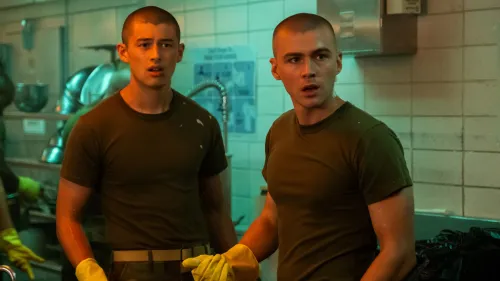
Inspired by The Pink Marine memoir, Boots expands on Greg Cope White’s story to widen its perspective from one recruit to a whole troop. It makes it a team effort, rather than a solo stint. With the different faces and the protagonist’s sexuality, this show updates the classic military show for this generation, but the change works mostly because of an interest in the whole ensemble, letting its relative newcomers play off each other and show off their strengths. And that’s in spite of the times this show was released in. It’s a shame that Netflix hasn’t greenlit this gem for a second season, considering that these guys prove their mettle in each of their performances. Boots has more ground to stomp on, if only certain companies had the same balls the creators here did.

John Candy: I Like Me takes a somewhat standard approach in remembering the titular comedian. The film pulls out old footage, brings together his loved ones, and they sing praises of what a good guy he was. Given his profession, there were also certain moments where the film explains some jokes, which kills some of the humor. However, it’s a testament to Candy that it doesn’t come across as totally boring, even for non-comedy buffs. Like looking through old photo albums, and rewatching an actor’s old work, John Candy: I Like Me genuinely likes the guy, celebrating the gentle soul and consummate performer that helped define his generation’s comedy.
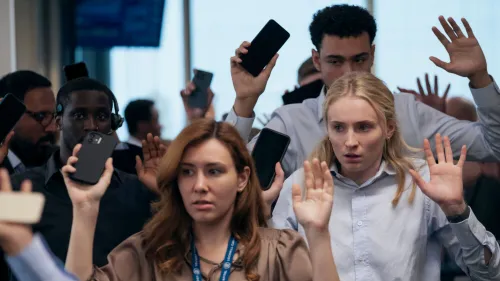
As financial systems update for the digital age, so do the related crimes. This crime thriller series starts out with a break-in, but after forcing office worker Zara Dunne to transfer the funds online, the robbery proves to be much more complex than a simple hit-and-run. It’s rather entertaining. The pressure put upon office workers Zara Dunne and Luke Selborn reflects the way technology has shifted risk, simultaneously presenting itself as more secure, yet can be tweaked with just a few clicks. Each new clue is presented quite masterfully, raising more questions and heightening the suspense. While some plot points might be predictable for fans of the genre, most of the twists work, thanks to the performances of Sophie Turner, Archie Madekwe, and Jacob Fortune-Lloyd.

Unlike the other documentaries depicting “Hollywood’s smartest dumb blonde”, My Mom Jayne takes on a different approach to Jayne Mansfield. Already the title tells you that it’s from the perspective of one of her children– namely, her youngest daughter Mariska Hargitay– so naturally, it takes a more respectful depiction than what’s been shown of her peers. Hargitay and her siblings present a different kind of retrospective, reassembling the remaining fragments with a more personal touch and an unexpected family mystery. My Mom Jayne is such an excellent portrait of Jayne Mansfield, one that opens surprising layers to the person behind the bombshell persona.

Depicting the horrifying cycle of abuse in the state’s prison system, The Alabama Solution is tough to watch. It was already hard to reckon with the related news reports, but what makes this documentary necessary is the way filmmakers Andrew Jarecki and Charlotte Kaufman teamed up with activists inside to get a deeper look into the prisons themselves. We mean this literally. A third of the footage comes straight from smuggled phones by the inmates, compiled for more than a decade, with much higher stakes than other works that employed guerilla filmmaking. Piecing together their footage with case reviews, news releases, and the state government’s wasteful, lackluster response, The Alabama Solution reveals the need for a better approach.

From Ground Zero doesn’t have the most number of shorts within an anthology film, though it comes pretty close with 22 segments, ranging from 3-6 minutes from different directors in Gaza. That’s a lot of shorts, with not a lot of time for each story. Most anthologies tend to be a set of three, but given the media suppression, the more, the better it gets at capturing life in the area. Every short balances the other in tone, style, and in approach. It’s harder to deny the truth it portrays, not with this many shorts, and this many eyes, on the ground.
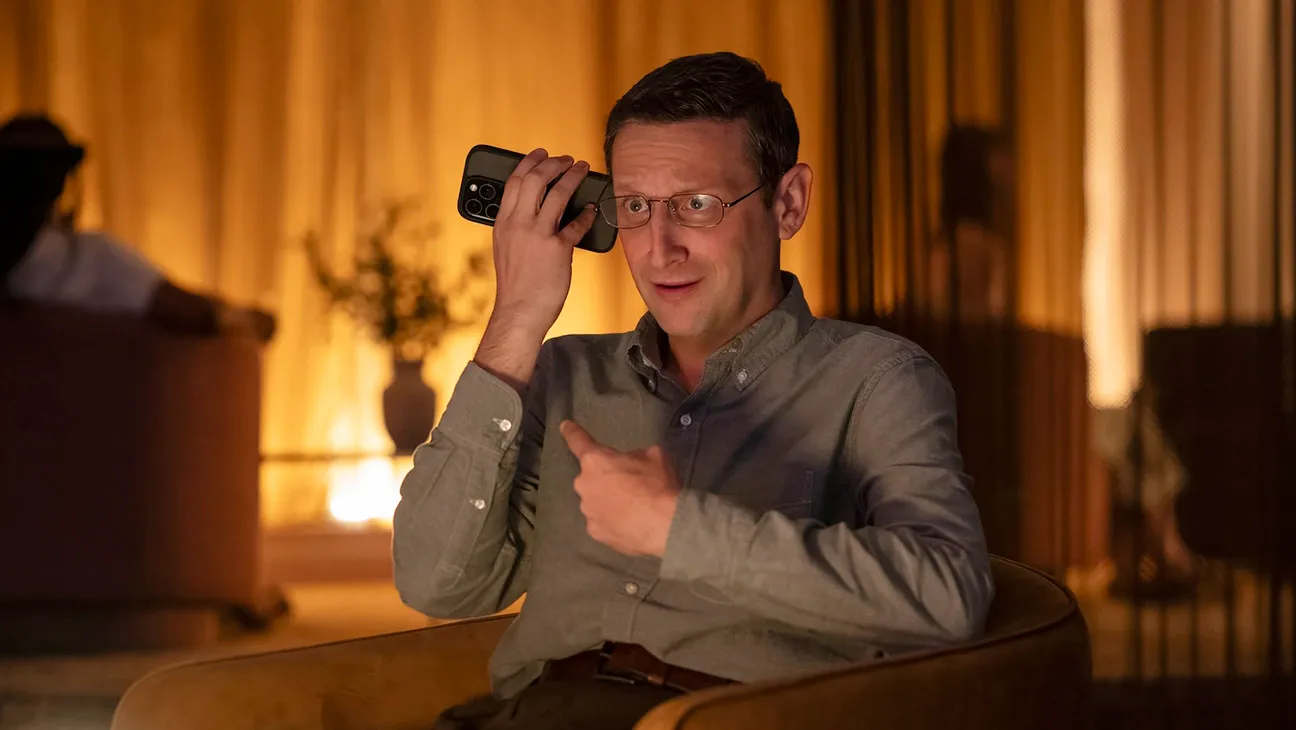
After being promoted as a project lead, Ron falls down due to his office chair breaking. At first he tries to joke it off, but the work piles on, the expectations get higher, and all he can do is call The Chair Company. It leads him to an unexpected conspiracy that could be a combination of normal corporate bureaucracy, unfortunate coincidence, and stress-induced hallucinations, but the resulting journey is hilarious, cleverly combining Tim Robinson’s cringe comedic talents with a unique brand of thrill. The Chair Company is entirely unexpected, and that is why it might be one of the most original series airing right now.
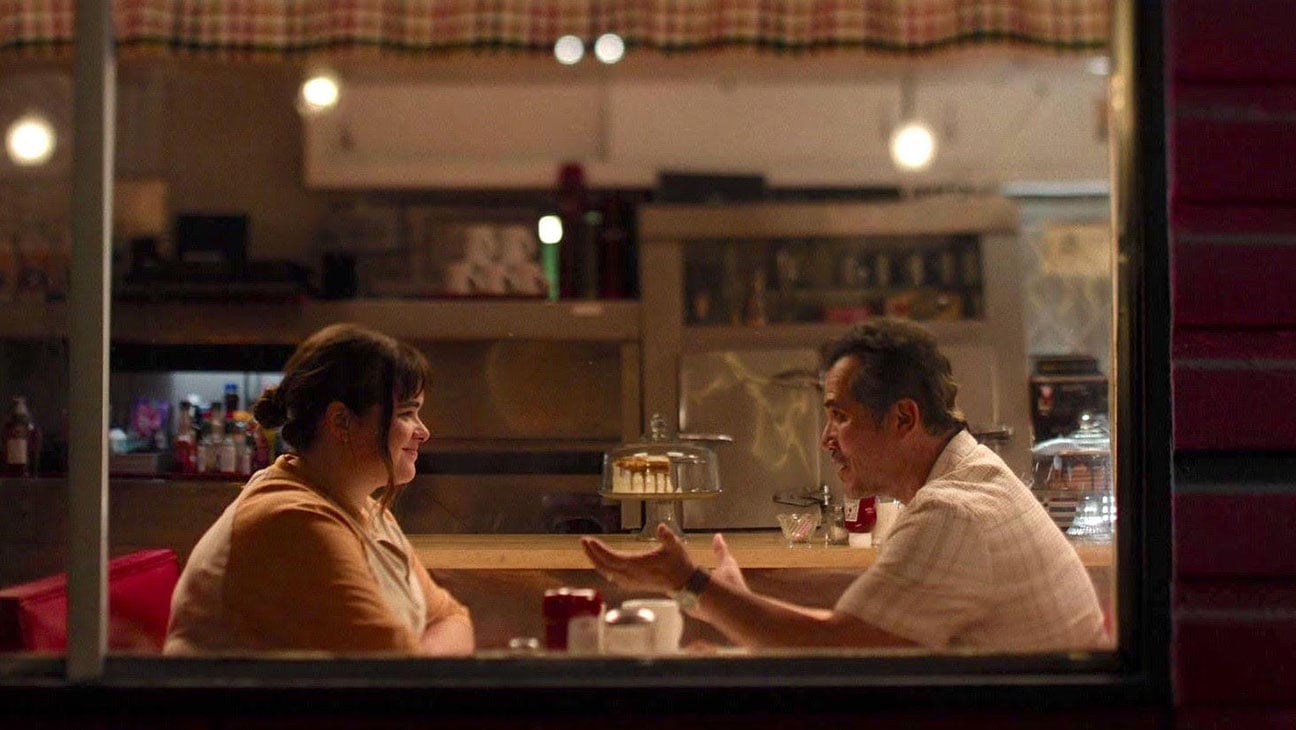
With the anonymity of the internet, it’s hard to trust that the stranger on the other side would be a good person. There’s catfishers and scammers and trolls, oh my! Once in a while, however, you do meet someone cool. Bob Trevino Likes It was inspired by a real life friendship writer-director Tracie Laymon had, and that lends to how personal the entire film feels. Bob and Lily feel real. It’s in part to how Laymon introduces their loneliness in a world that doesn’t treat them right, but the tender, pseudo-parental chemistry formed between Barbie Ferreira and John Leguizamo carries the writing in such a realistic way. The kindness that they share feels transformative, and it’s genuinely moving to see them work towards caring for themselves because of it.
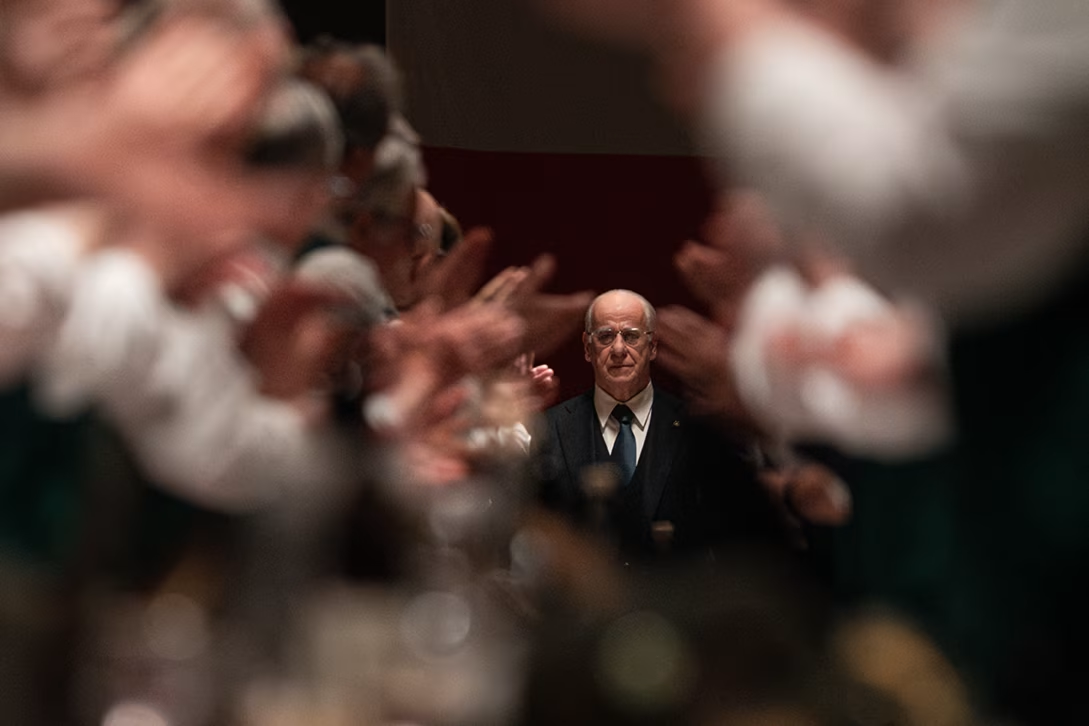
In his last few months as president, Mariano de Santis has a few loose ends to tie up. This includes the pardon of two murderers and the signing of a euthanasia bill into law. Both are important topics, yes, but La Grazia is more interested in how reluctant this fictional president is in finishing up his term. In lingering shots and moments of silent contemplation, director Paolo Sorrentino studies this man in his despair, honing into Toni Servillo’s every expression in the wider spaces we find him in. It’s clear that part of his hesitancy stems from his personal despair. De Santis is painted as a dutiful jurist, who has diligently pursued the spirit of the law, but his unresolved agony– the infidelity of his late wife– confounds him, pushes him to cling onto that injustice while blinding him to his children, his best friend, and other personal relationships. Where other films separate the personal and political, La Grazia understands how both bleed into each other, through crafting a unique existential crisis from the most important man in the country.
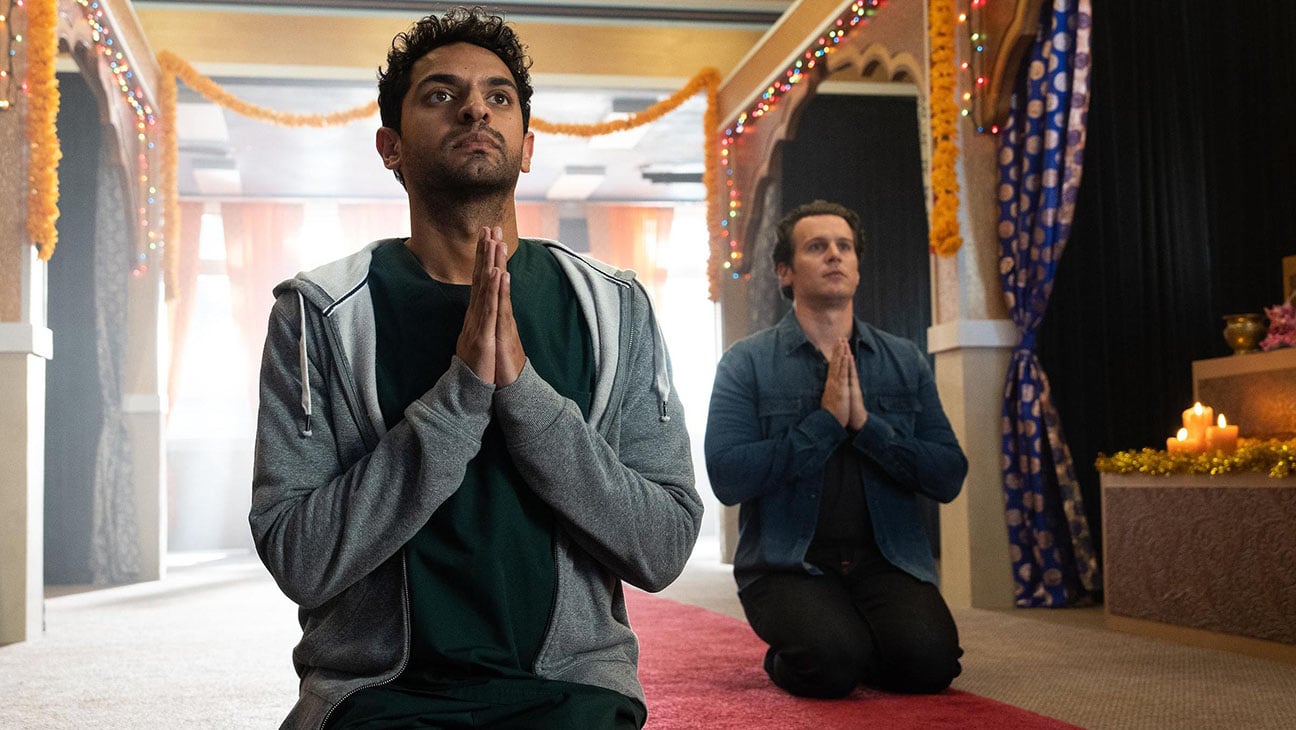
Sure, many of the tropes in this feel-good romcom would be familiar. Naveen, a shy Indian doctor, loves Jay, a white photographer, though of course, like in many gay and interracial romances, his family is reluctant to support them. However, writers Eric Randall and Madhuri Shekar take these tropes and weave them into something new. Like the oft-referenced Dilwale Dulhania Le Jayenge, A Nice Indian Boy sets out to resolve the conflict by emotional honesty not just expressed by its characters but also by the unabashed sincerity the filmmakers have for their story. A Nice Indian Boy remains funny and sweet all the way through, without sacrificing any respect for all of the characters.
 x8
x8

Come See Me in the Good Light takes a somewhat conventional approach in documenting poet Andrea Gibson’s battle against cancer, though that doesn’t mean it’s boring. It works because of the people this documentary follows. It won’t be surprising to hear that Gibson and their partner Megan Falley have the precise words to express this journey– They are poets, after all– but the way each conversation is arranged builds upon each other, easily capturing the context for some of Gibson’s works, as well as how their love transformed the both of them, in spite of all odds. Come See Me in the Good Light does exactly what it says in the title, transforming a familiar battle with illness into an uplifting inspiration of a life well lived.
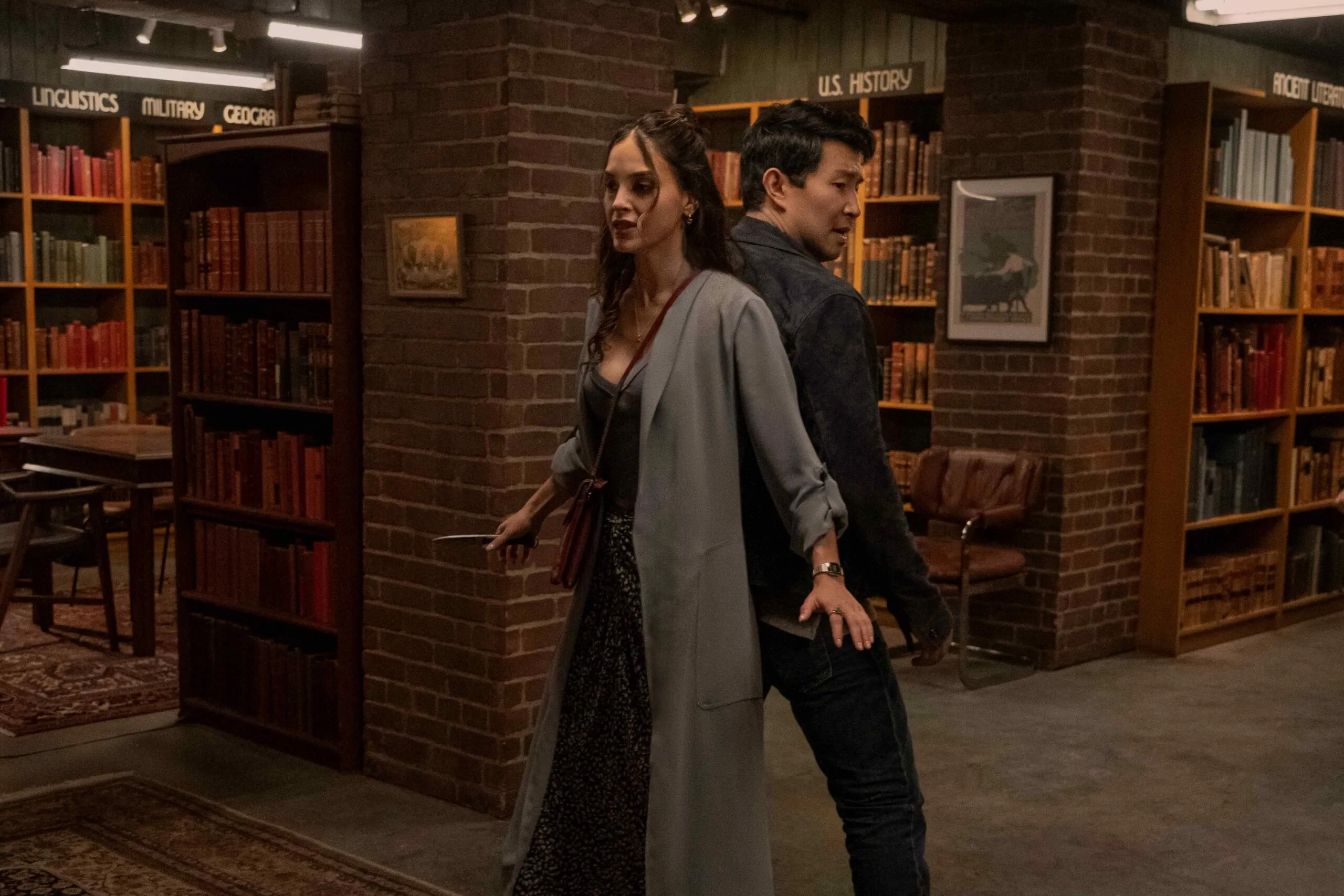
With the titular screening, the brain hacking, and the number of people Alexander Hale has to lie to, there’s a lot going for The Copenhagen Test. A whole lot. Some might even say too much– it takes more than an episode to introduce most of the elements at play, and on top of the being a regular spy, Hale has to reckon with the way everything he encounters are being witnessed by an unknown actor, as well as his higher ups in The Orphanage, due to nanobots accessing all of his senses. After a rough start introducing all this, however, this spy thriller series makes the most out of the premise, with the tech becoming the reason behind Simu Liu and Melissa Barrera’s excellent dynamic as well as refreshing many genre expectations along the way.

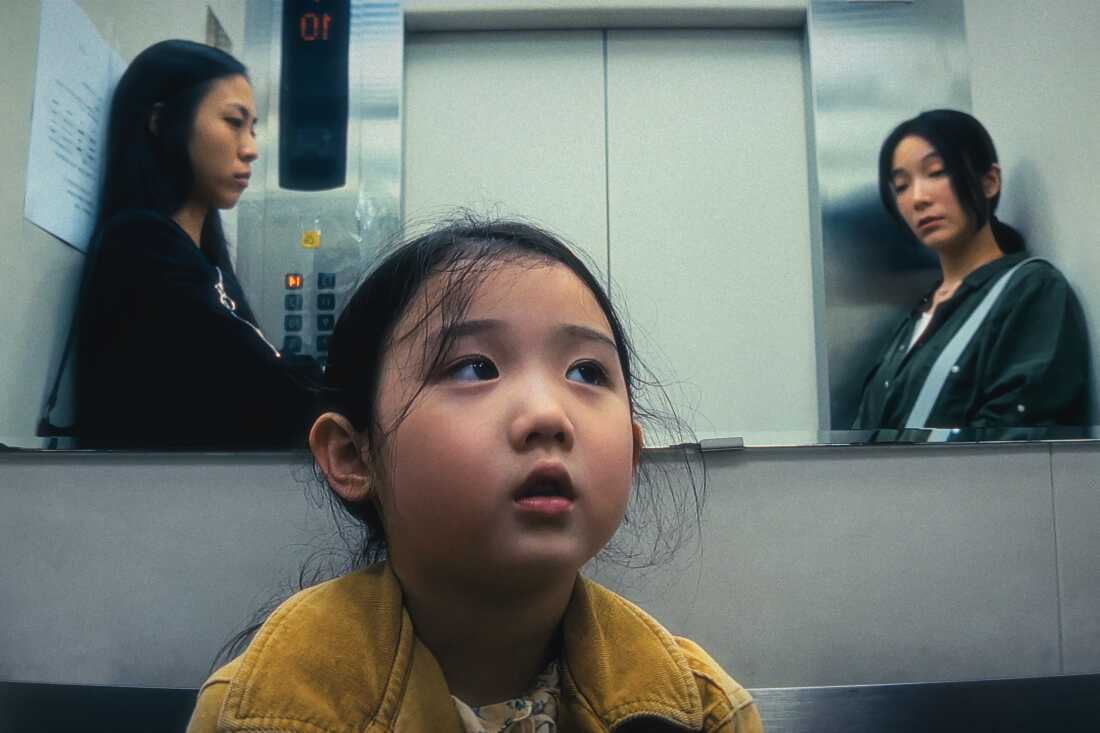
Left-Handed Girl is titled after I-Jing, the youngest daughter of the Ching family, whose left-handedness puts her at odds with her more traditional grandparents. That’s because left-handedness used to be associated with the devil. The idea is clearly outdated, but it hints at this family drama’s greater theme of being on the margin, of falling short of expectations placed by others. Of course, I-Jing’s left-handedness is easy to reconcile. The notion is considered outdated, and she’s portrayed by precocious newcomer Nina Ye. But what makes Left-Handed Girl so special is the way writer-director Shih-Ching Tsou deconstructs other expectations, such as Sho-Fen’s unfortunate marriage and the rebellion of her teenage daughter I-Ann. As the film unfolds, slowly revealing the fractures between them, Tsou subtly critiques how women carry the burden of saving face.

Twinless starts off something like one of those quirky indies in the 2010s about awkwardly navigating grief and sharing that with someone, unexpectedly. Roman meets Dennis in a support group like The Fault in Our Stars, though with a sibling dynamic a la The Skeleton Twins, filling the void of losing their other half. It’s wholesome, it’s cute, and Dylan O’ Brien and James Sweeney have an instant chemistry that makes their friendship easy to root for. But after the twenty minute mark, this comedy veers into an unexpected direction. For the sake of spoilers, we won’t elaborate, but Twinless cleverly twists what could have been a millennial mumblecore drama into a clever, provocative Gen Z dark comedy that isn’t afraid to go there. Twinless is truly one of its kind.
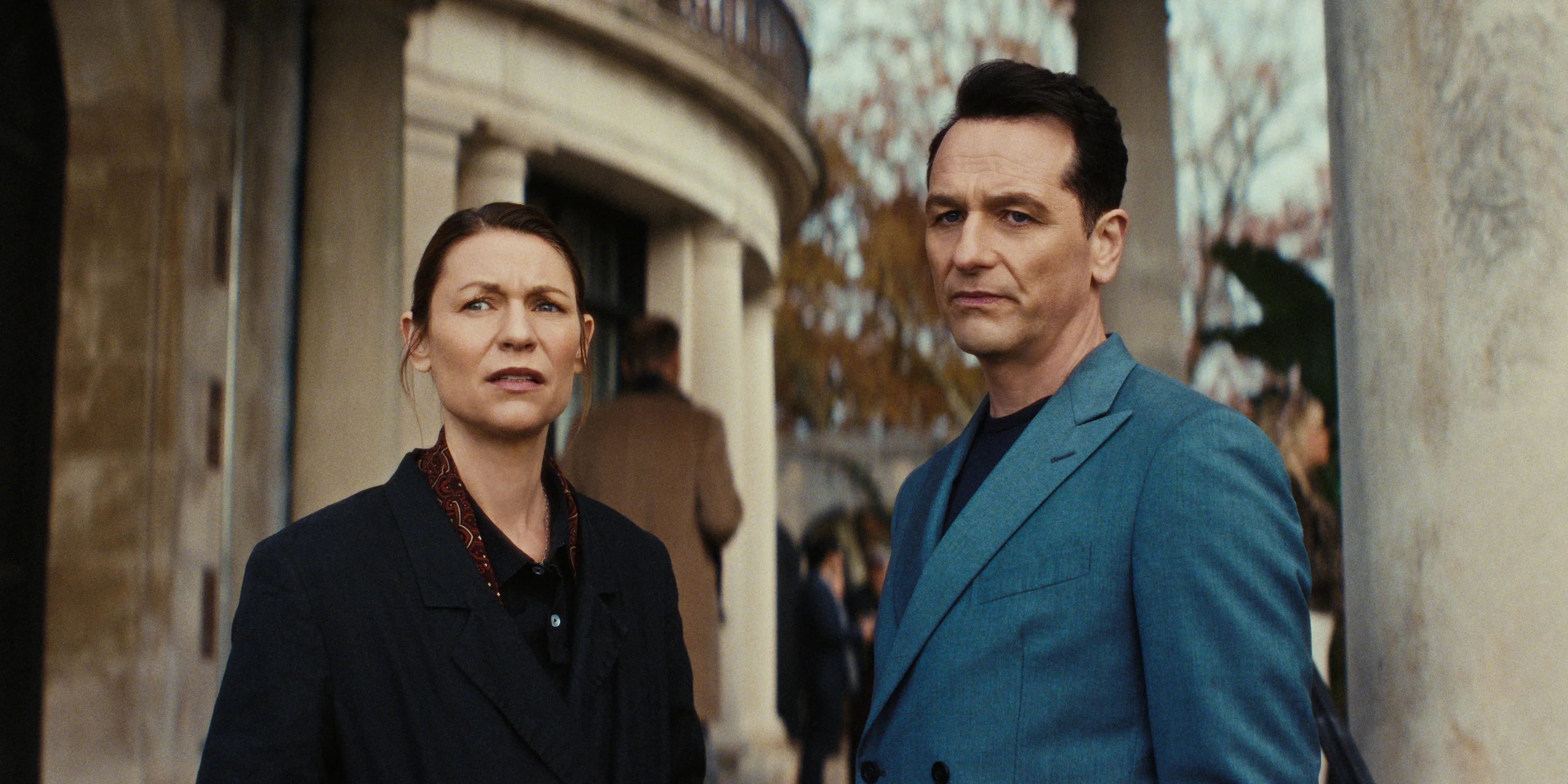
What makes crime thrillers exciting isn’t necessarily the crime itself– it’s when the leads meet their match. The Beast in Me finds grieving author Aggie Wiggs and real estate developer Nile Jarvis at odds over community property, but as they get to know each other, they both realize their shared “bloodlust”, their inability to let things go. While the dynamic isn’t unheard of, ultimately the series works because of it. Separately, Claire Danes and Matthew Rhys tap into their characters’ rage effectively, but when on-screen together, the unexpected cat-and-mouse chase transforms into something else, intensely focusing on what each of them will do next.
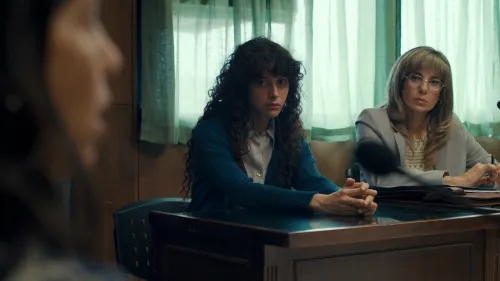
Given that this is based on a recent, real life case, and the defendant has chosen to remain behind the titular pseudonym, it makes sense why Belén doesn’t focus entirely on her. We don’t get to know much about the defendant other than the case reveals. That being said, what was given is already infuriating enough. Filmmaker Dolores Fonzi, who also stars as her lawyer Soledad Deza, gathers a compelling defense, starting everything off with the terror and confusion Belén’s hospital check-up turns into her arrest. It strengthens the somewhat standard legal proceedings that is to follow, but nonetheless effectively highlights the multiple ways Argentina’s institutions have failed Belén. But what makes Belén so compelling is the way it also celebrates the movement formed around her case. Belén strikes at the core of the injustice made, with the same determination that secured her freedom, and the rights of every woman in the nation.
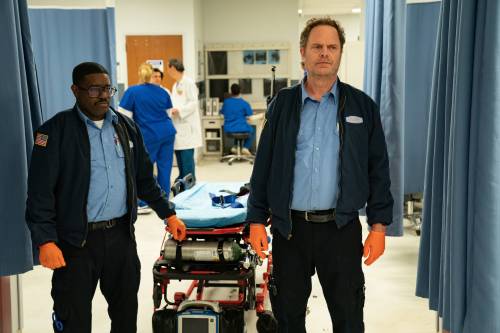
Code 3 is a comedy about a crazy night out, though the craziness doesn’t stem from drunkenness, drugs, or bad decisions– it comes from the way anything can happen in the shift of a paramedic. And we mean, anything. That means the needle stabbing and projectile vomiting occurs organically. But the crazy night that happens isn’t presented for comedy’s sake only. At the heart of the humor is the understanding of how thankless the job can get, and how much strain the healthcare system is handling even without a pandemic. Code 3 acknowledges their troubles and rightfully honors their work.

After decades of copyright disputes, The Eternaut finally makes its way on screen, right in time to echo certain worldwide events. Who knew that a comic seventy years ago would do this? Perhaps the comic needed the time for the technology to catch up, with the usually-sunny Buenos Aires transformed with incredible SFX into this cold and fatal place. Still, we would say it’s the characters that do the story justice. As Juan Salvo and his companions try to survive the elements, this series adaptation recognizes the same mystery and confusion that the world has recently gone through, evoking that same tension by holding back information and revealing unexpected twists at key moments. Of course, there are some key differences, with the deadly snow being the cause not to go outside, but The Eternaut reintroduces this classic sci-fi story at the right time, reminding the world to survive together.

Following his sophomore feature Cha Cha Real Smooth, writer-director Cooper Raiff made his way to television with family dramedy Hal & Harper. This miniseries focuses on the two titular siblings, Raiff and Lili Reinhart respectively, who grow up in co-dependent adults as a result of their neglect from their single father (played by Mark Ruffalo). As such, both their child and adult selves are portrayed by the same actors. It’s a unique move for a unique dynamic. There are some quirks he brings from film, like the abrupt cuts and sudden needle drops, that sometimes doesn’t make sense for the show format. Nonetheless, Raiff’s naturalistic style and the ensemble’s emotionally vulnerable performances help us root for their bonds, despite all the hurt between them.

Based on the 2011 novella of the same name, Train Dreams depicts the life of Robert Grainier in the first half of the 20th century. It’s a pretty ordinary life. Born without parents, and not quite sociable, Grainier lives a lonely existence, a loneliness that’s interrupted occasionally by talks with his fellow co-workers and the limited time he gets with his family. However, that doesn’t mean it’s boring. Joel Edgerton delivers one of his best performances that subtly depicts his inner world, while writer-director Clint Bentley pairs Grainier’s day-to-day with surreal dreams, feverish imaginings that captures Grainier’s deepest hopes for the people he’s lost. Train Dreams depicts an ordinary life with extraordinary sensitivity.

Admittedly, half the fun of Nouvelle Vague would only be understood by cinephiles, film history students, or anyone with a passion for the titular film movement. The naturalistic, black-and-white style mirrors the very style Jean-Luc Godard employs in Breathless, which is fitting for a film about the making of said movie, and considering his own oeuvre, it’s clearly a style director Richard Linklater is at home in. Still, even without the full context, there’s undeniably funny about the way Linklater depicts Godard behind the scenes. He’s presented as this baffling figure that does things simply because it’s different, which ironically echoes many artists’ biopics, but Nouvelle Vague pulls everything all together with a charm only Linklater could bring.
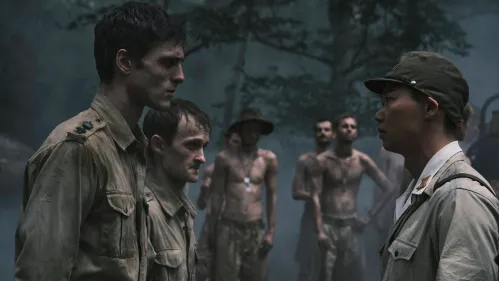
The Narrow Road to the Deep North is a limited series depicting World War II in the eyes of an Australian prisoner of war, but make no mistake, that’s not all it is. Oh, sure, a big chunk of it is set in the 40s. Jacob Elordi delivers an excellent performance as Dorrigo Evans, a sensitive, young army surgeon seeking the few pleasures the world would grant him just before the horrors he’ll face in his imprisonment in Burma. However, it’s the present day that grounds this sprawling period piece and makes this past all the more poignant. The incredible haunted portrayal by Ciarán Hinds proves how, despite all the success he’s gotten, there’s still something missing. The Narrow Road to the Deep North captures the weight of the life Evans has lost, one he’s never really gotten over and could never make it up for.

What is Souleymane’s Story? Right off the bat, that’s what everyone asks from Souleymane. It’s what his fellow immigrant asks, while he’s being coached to recite a completely different tale. It’s what his food delivery customers ask, when the app profile doesn’t match his details. And, in an outstanding sequence between newcomer Abou Sangaré and an inscrutably efficient Nina Meurisse, it’s what the OFPRA officer asks, in order for him to secure asylum. The motions of his struggles are familiar. Souleymane rushing all over the city is somewhat reminiscent of Take Out and Man Push Cart. However, the structure and framing highlights exactly why he needs control over that narrative. The story he tells– true or untrue, delivered with a practiced air or stuttering out his mouth– is the only thread he could hang onto for a better life.

Usually, time travellers journey back to the past. This indie comedy takes the other path instead, with one samurai travelling forward to the 2000s. Luckily, he’s transported to the most fitting place in the modern era– a film set for a period drama set in the same time he came from. This unexpected journey is rather entertaining. On one hand, it’s hilarious to see him stumble, trying to make sense of the new Japan he’s in. His appreciation for today’s modern-day conveniences highlights how freedom ordinary folk now experience. On the other hand, the film juxtaposes his predicament with national history and the jidaigeki genre, grounding the comedy with the sincere belief in Japan’s ability to transform. A Samurai in Time takes a pretty funny premise to an entirely surprising conclusion.
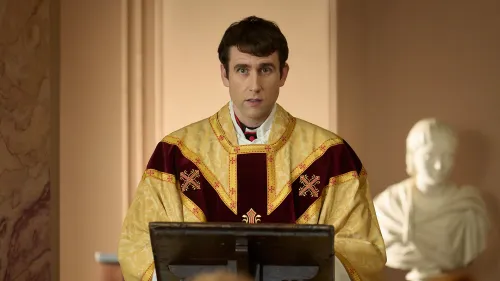
If I had a nickel for 2025 church-set murder mysteries solved by priests portrayed by handsome English actors, I’d have two nickels. Which isn’t much, but it’s weird that it happened twice. This show across the pond takes on a cozier, nostalgic vibe, though. Adapting the first part of the Canon Clement mystery series, this show has its priest protagonist free from suspicion, as a possible intended victim. As such, Clement doesn’t go on a crisis of faith that Wake Up Dead Man has, taking on a more affable buddy-cop situation with DS Neil Vanloo. If anything, Clement isn’t as much the focus here– it’s the community that we get to learn and grow alongside with. Nonetheless, like that later film, Murder Before Evensong contemplates the way faith has closed itself off and allowed their teachings to be the basis of prejudice.
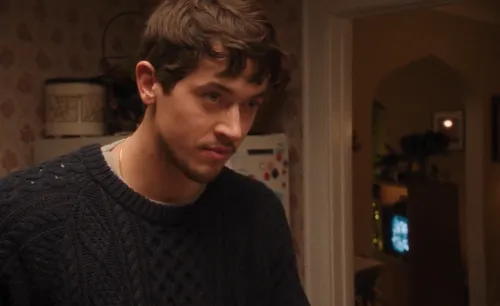
The strength of Plainclothes is the way it captures a memory. Fitting, for a film primarily set on New Year’s Eve. Memories of loved ones often replay during the holidays, and, when for some reason or another, the relationship got cut off, they replay like a supercut highlighting all of the possible reasons why it ended. So while it does take a while to settle into, writer-director Carmen Emmi’s mishmash of VHS footage, shots from a distance, and the nineties setting strengthens Lucas’ guilt over the police work he was assigned to as an undercover officer, the kind of cruelty widely accepted by most institutions of the time. Plainclothes remembers this pain, the tension, and the isolation that many have denied existed.
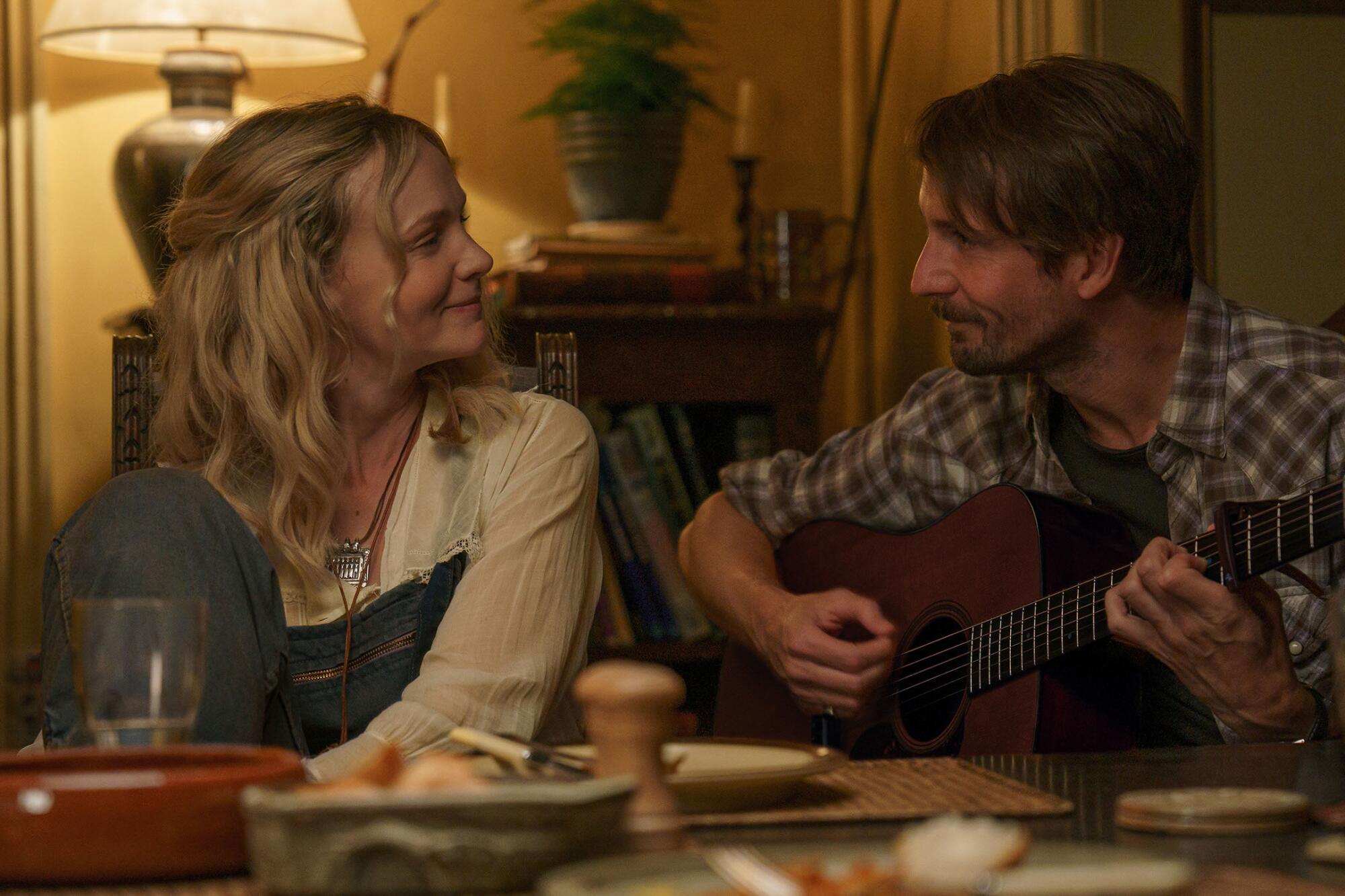
What would you do when you win the lottery? Most people would travel, buy a home, spend it on all the things you love, and maybe invest it somewhere. In The Ballad of Wallis Island, Charles Heath does this and uses the remaining pot to bring together the separated folk duo he loves. It makes for a kooky premise, but instead of forcing Herb and Nell back together, the film pushes them to reconsider their stances in love and life. It’s all played out in a surprisingly warm and peaceful way. The Ballad of Wallis Island is quite a charming film.
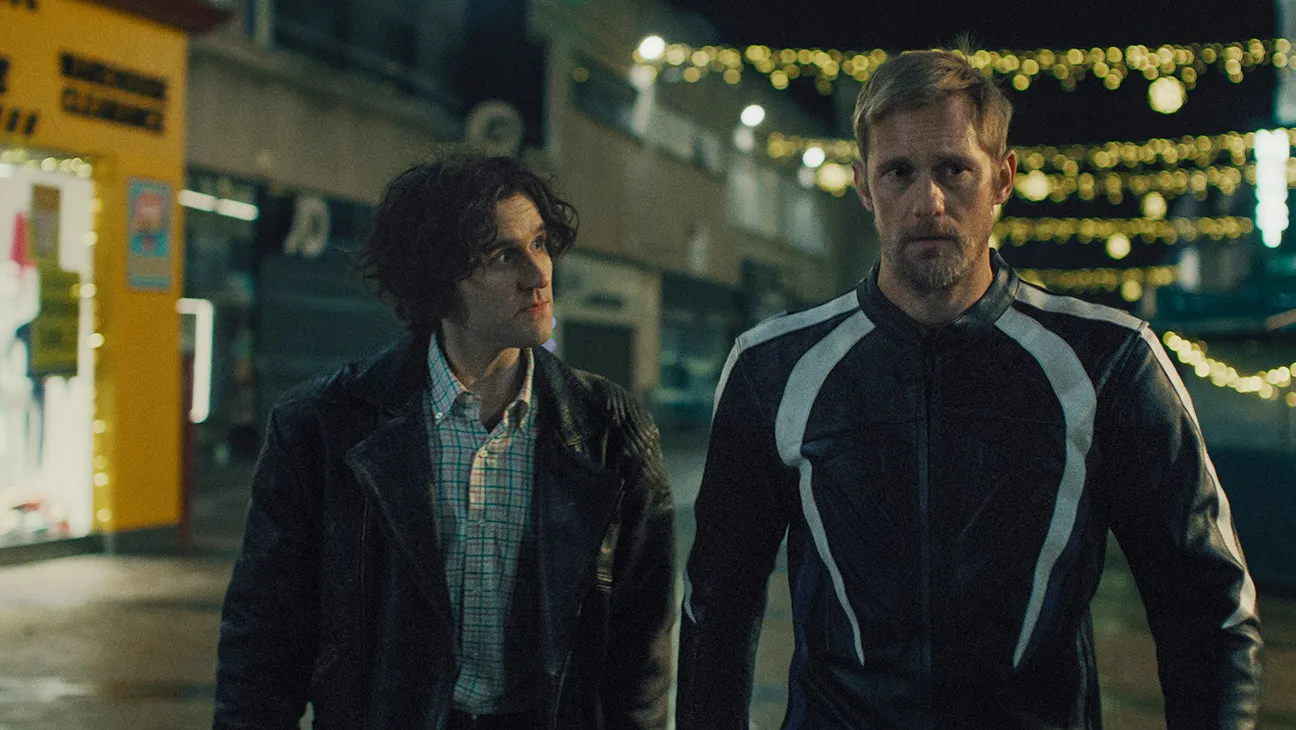
Given the other depictions of BDSM on film, we weren’t sure how Pillion would turn out. Much more so with a first-time feature director and two actors taking on their first leading gay roles. Thankfully, the way they portray this unconventional relationship is undeniably stellar. It’s non-judgemental, yes, but it’s not cloying; Sweet, while still fully recognizant of their incompatible desires; Humorous, though not at the community’s expense. Like Colin, Pillion takes on a wide-eyed curiosity towards a world whose few portrayals only focus on the salacious, and brings us to feel his yearning for more than what Ray is willing to give. Ray shouldn’t be your personal example of what a good dom should be and Colin was definitely unprepared for their dynamic, but Pillion ultimately works because of how freely it lets them explore their wants and change as a result.
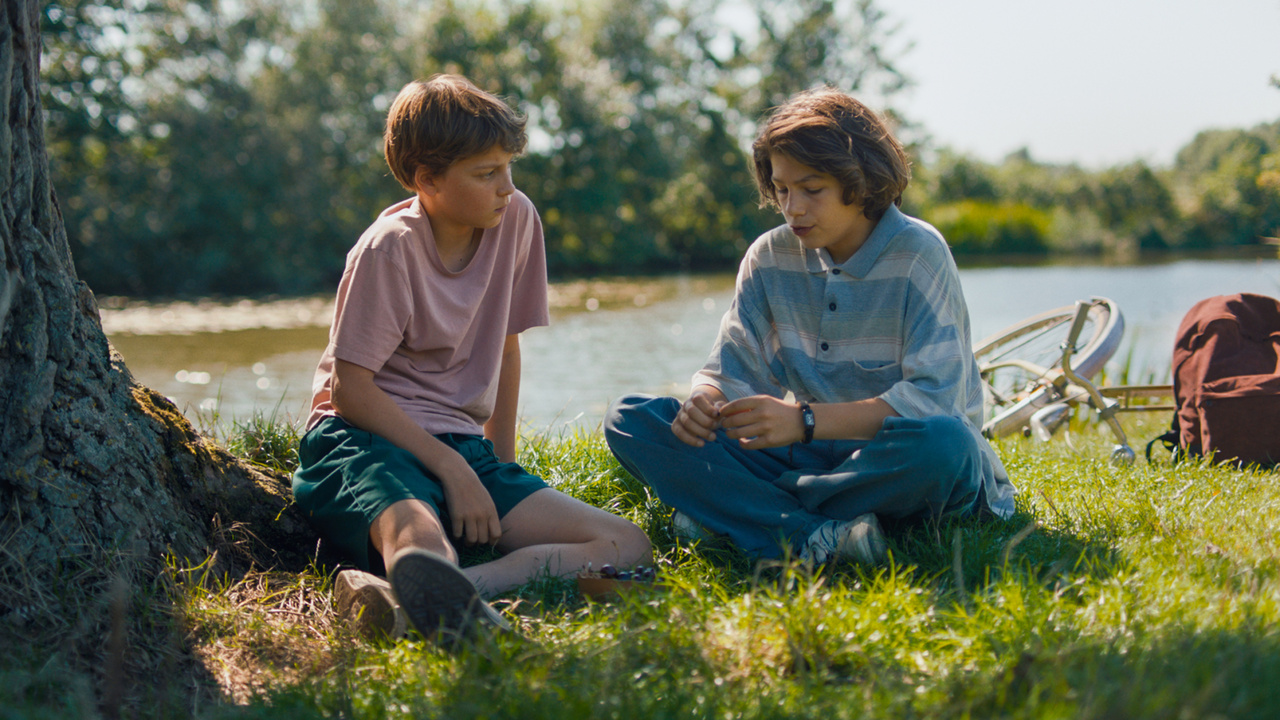
Because of the progress society has made, modern day gay romances don’t need to rely on tragedy for conflict. That’s because many of the societal barriers gay people used to face are now broken. But that doesn’t mean it’s now easy to come out and call it a day. In this Belgian-Dutch drama, Elias still has to figure out his own feelings, a struggle that any kid goes through when they have their first crush, same sex or otherwise. Young Hearts simply acknowledges that it’s normal, and shows to those still figuring it out that it’s all part of the process.
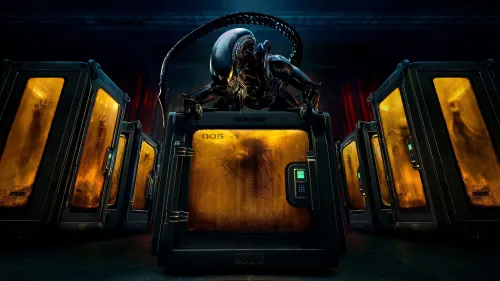
Alien has done it again. Another prequel installment, Alien: Earth gives another glimpse into the sci-fi vision that fans of the franchise would likely enjoy. This time around, it’s in show form. The extra runtime gives showrunner Noah Hawley more space to build the Alien universe, and he takes that time to flesh out fundamental story lore, like the human push to create cyborgs, synthetics (AI), and hybrids of the two. It’s an interesting decision that mirrors today’s concerns with AI, and there are moments that the show gets a bit uneven because of it. Ultimately, however, Hawley’s vision honors the original story in both style and themes.
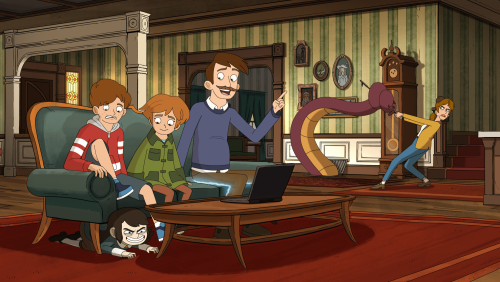
Why worry if your place is haunted, when it’s so difficult to even get one nowadays? These uncertain times make haunted houses somewhat passé, but Haunted Hotel proves there’s still some life left to the concept. It’s pretty funny. Rather than confronting their past, or uncovering unfinished business, the living owners of the Undervale Hotel are already desensitized to their fellow ghostly visitors, so the way Katherine wearily responds to the haunted shenanigans is hilarious. That being said, the jokes go beyond frustration for the hospitality business. It’s also a family business, with the living reckoning with their distance from the dead, especially between Katherine and her ghost brother Nathan. There are bits that feel a tad derivative, but Haunted Hotel provides a fairly pleasant stay, albeit with some demon summonings and exorcisms in between.
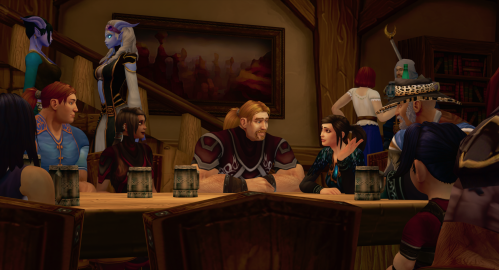
In the first twenty minutes, The Remarkable Life of Ibelin seemed to be quite unremarkable, with the usual way a biographical documentary would go, that is, loved ones waxing poetic about how great the dead person was in life. But the documentary takes this to introduce Ibelin the same way his parents discovered the online life Mats Steen lived. It’s a unique documentary, mixing in the usual home videos with the animated gameplay of the archived life Steen lived in Ibelin, but it’s grounded by, and somewhat co-created through the words Steen himself typed about his life as a disabled man, and the game history he shared with the community he formed online. The Remarkable Life of Ibelin ends up being quite a remarkable depiction of living online, that feels much more honest, human, and creative than the condescending or cautious narratives we’ve previously heard about the online world.
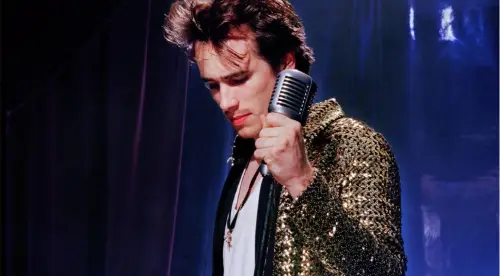
It’s Never Over, Jeff Buckley depicts the life of a musician whose time was cut too short. It’s a tale you might have heard before. He fell in love with the guitar at a young age, busked in small cafes and downtown bars, and won over fans and record labels to create one excellent album, but died just before stardom. This documentary depicts this somewhat conventionally. That being said, while it lacks in original approach, it captures the emotions well, understanding what moved Buckley to his craft. Tackling the loss of his father, music as his refuge, and his conflicted thoughts about fame, It’s Never Over unpacks the artist in a deeply personal way.
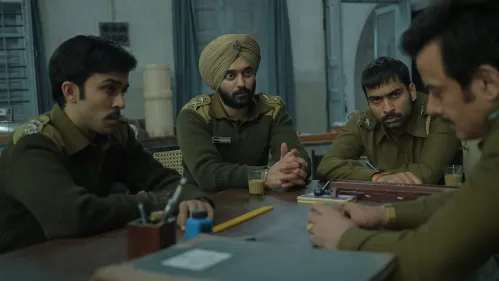
With the fresh-faced cast and the sleek camerawork, Black Warrant, at first, didn’t seem to be the gritty adaptation of the exposé outlining the systemic corruption of the Tihar Jail in the 1980s. But, aesthetic aside, that’s precisely what Black Warrant is. Opening to Zahan Kapoor as Sunil Gupta being interviewed for the job as jailer, the show takes him and the audience to the tour of the notorious prison, and it’s a gripping one not because of the usual prisoner shenanigans, but because of the way the officers themselves happen to be in on the drugs and alcohol trade inside– and they’re ready to pin it all on Gupta if things go down. Showrunner Vikramaditya Motwane pulls it all together with excellent performances from the cast, an eerie score, and the real life headlines of some of India’s notorious prisoners.
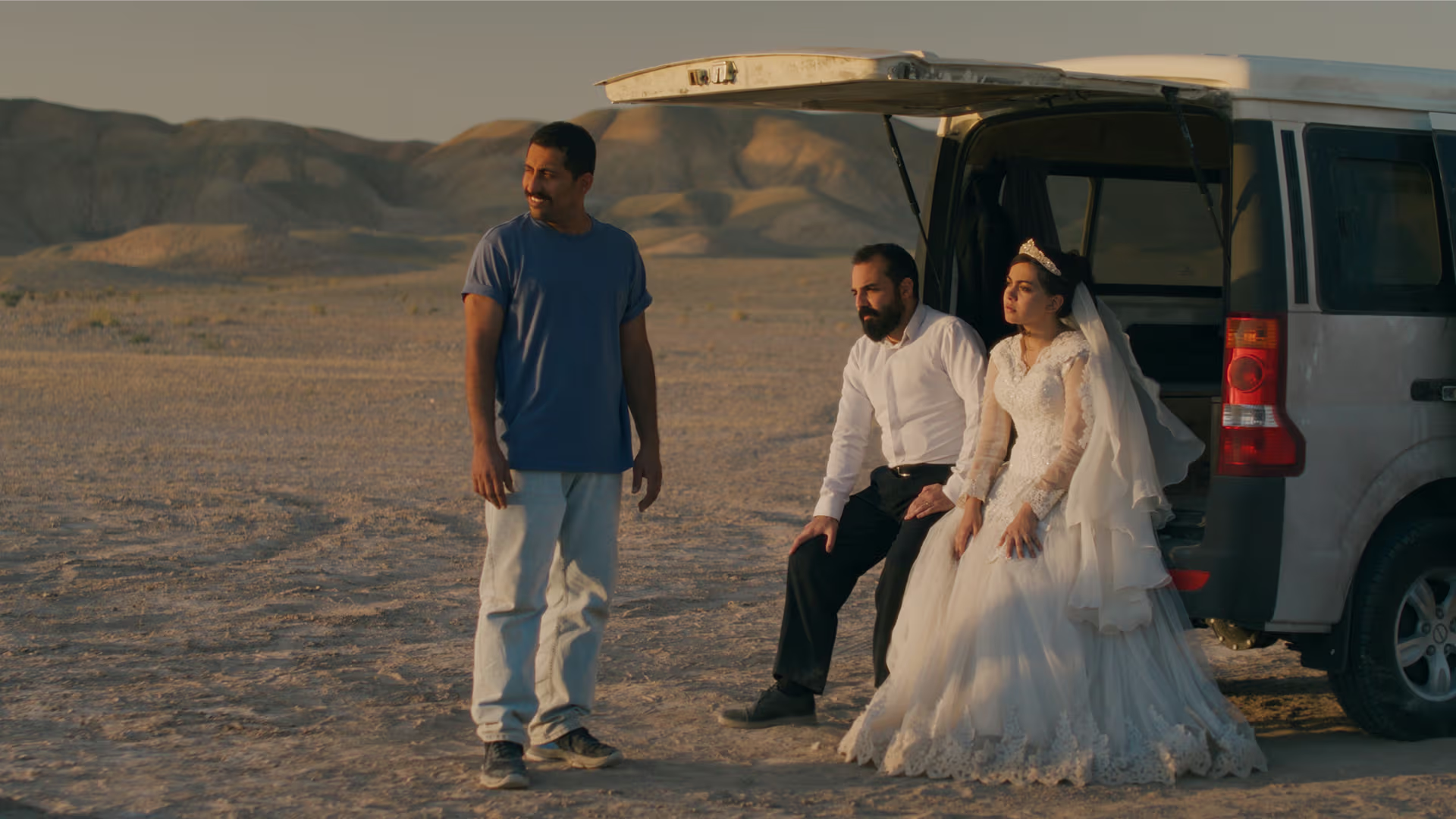
You can probably predict from the title that an accident starts this thriller but what happens after is totally unexpected. Of course, a car accident requires a visit to the auto mechanic, but in this film, this car check-up ends up becoming an unintended encounter with unexpected consequences. That’s because the mechanic recognizes the customer’s peg leg, the very same leg that he’s heard while being tortured in prison. Everything that happens, then, is a result of that past. Part of it is actually funny, with the tragicomedy poking fun at how totally unprepared Vahid is to enact his revenge, to the point he’s not even 100% sure he got the correct man. Still, however messy it gets, It Was Just An Accident never forgets the wrong that’s been done, and highlights the reparations Vahid and his fellow inmates should’ve gotten.
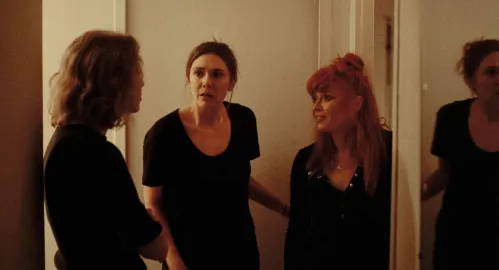
Not everybody holds a good relationship with their sisters, but ideally, we get to reunite and repair things in a good time. Unfortunately, for some families, the only time they reunite is due to a parent nearly dying. This is the case in His Three Daughters, where the three sisters meet after years living apart. It’s a common plotline, mostly depicted in the feel-good, family friendly variation, but writer-director Azazel Jacobs makes the three sisters distinct by taking the easy assumptions many people would make about them, and naturally push them to reveal the opposite. Carrie Coon, Natasha Lyonne, and Elizabeth Olsen form a great trio, delivering equally excellent performances under the same roof.
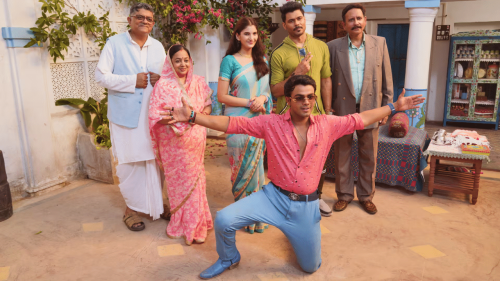
A town with no crime is a dream everywhere. It means safety, security, and trust for the residents within, so surely anyone would like to preserve that. That’s the case for the fictional town of Dhadakpur, the setting of Dupahiya. As the robbery happens, it understandably causes chaos in the town, but as the Jha family tries to solve the mystery, they also introduce us to the villagers– the humorous synchronicities that the town has, their simple but honest hopes and dreams, and the wit they have precisely because of their shared community– through various interconnected quests to preserve their individual, familial, and town’s reputations. It takes a while to all come together, but Dupahiya effortlessly weaves its threads through thoughtful writing and care for its characters.
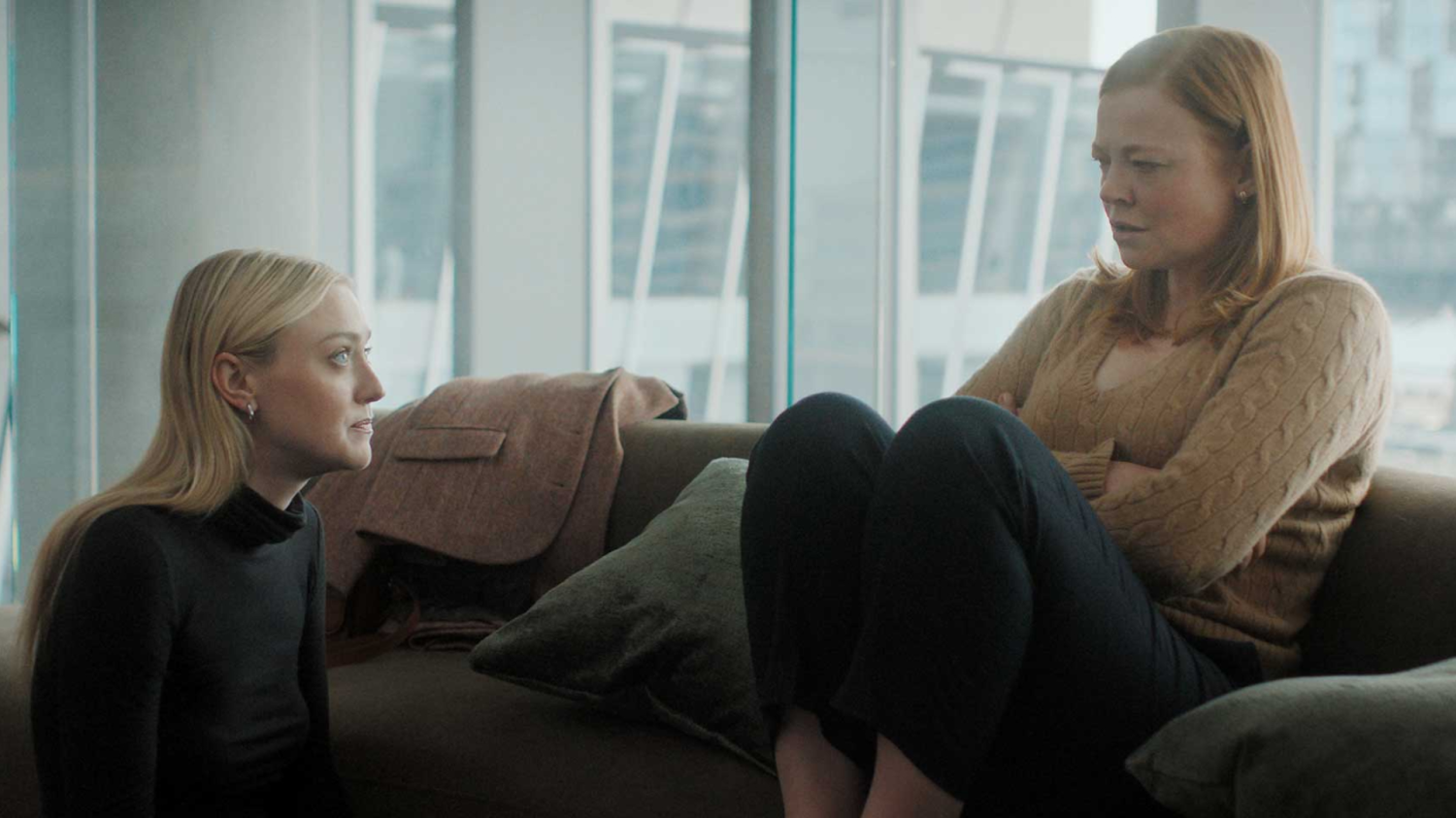
When a mix-up in the school pick-up line turns out to be a kidnapping, it’s the beginning of the nightmare for the whole Irvine family. Except, as this crime thriller investigates the case, most side-eye and imply that it’s All Her Fault. The blame rests on the mothers’ shoulders, but mainly because the burden of the mental load and all the logistics rest on the shoulders of Marissa Irvine and Jenny Kaminski for their respective families. While the crime itself unfolds to somewhat melodramatic motives, the series ultimately works because of the incredible performances. Sarah Snook and Dakota Fanning portray a compelling bond formed by the empathy they both grant each other, when the rest of the world wouldn’t.
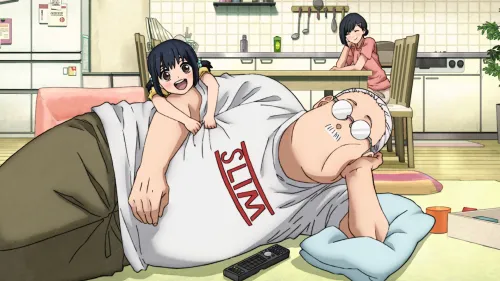
Hitmen are just cool. But rather than bring us the same fists and bullets that we usually see with these killers, Sakamoto of Sakamoto Days does his best to keep to his normal humdrum life, rather than jump back into the bloodshed. It’s an interesting twist to the gangster thriller. Rather than try to surpass any choreographed fights, or bring up the angst by killing everyone dear, the series humorously contrasts the over-the-top drama these assassins have over the straightforward ordinary life, which, as Shin realizes, is actually great. Sakamoto Days celebrates ordinary life as something worth protecting, and it’s pretty fun to see the crew do so.

With the gorgeous period costumes, the romance, and the familial dynamics, you would think that Like Water for Chocolate’s latest screen adaptation would be just the same as the film, albeit with a Bridgerton-esque style. To a certain extent, this is true, as the essence of the novel still remains intact and the production is greatly upgraded, however, the added runtime allows this latest adaptation to expand on the novel’s commentary on race and class, and how this played out within the Mexican revolution that was mostly glossed over in the film. Como Agua Para Chocolate captures the novel’s much more rich and layered flavors, in much more fulfilling and scrumptious ways.
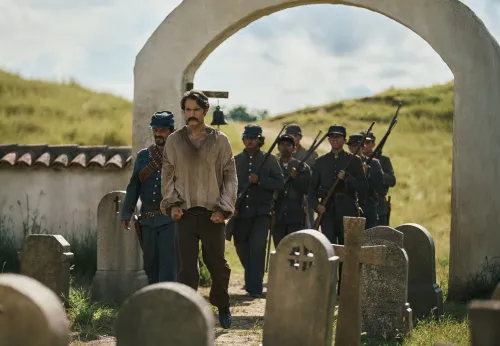
It’s a tall order to depict One Hundred Years of Solitude. Considered to be one of the world’s most important novels to read, expectations were high, the magic realism required a hefty budget, and the sprawling seven-generation plotline felt like it couldn’t fit within a feature film, or around 90-120 minutes. It’s because of this that author Gabriel García Márquez held out on selling the rights, and the family followed suit after his death. Luckily, more than half a century later, streaming television garnered enough prestige and profit to finally adapt the classic. Netflix thankfully stuck to the family’s wishes of having it filmed in Spanish, in Colombia, with Colombian actors, but it also expanded on the layered text in ways video can only do so– like fleshing out the story visually and aurally, having an omniscient narrator, and taking advantage of the medium through editing, direction, and excellent performances from the cast. Cien años de soledad doesn’t just work– it makes it so much easier to understand hype and the themes for people completely new to the text.
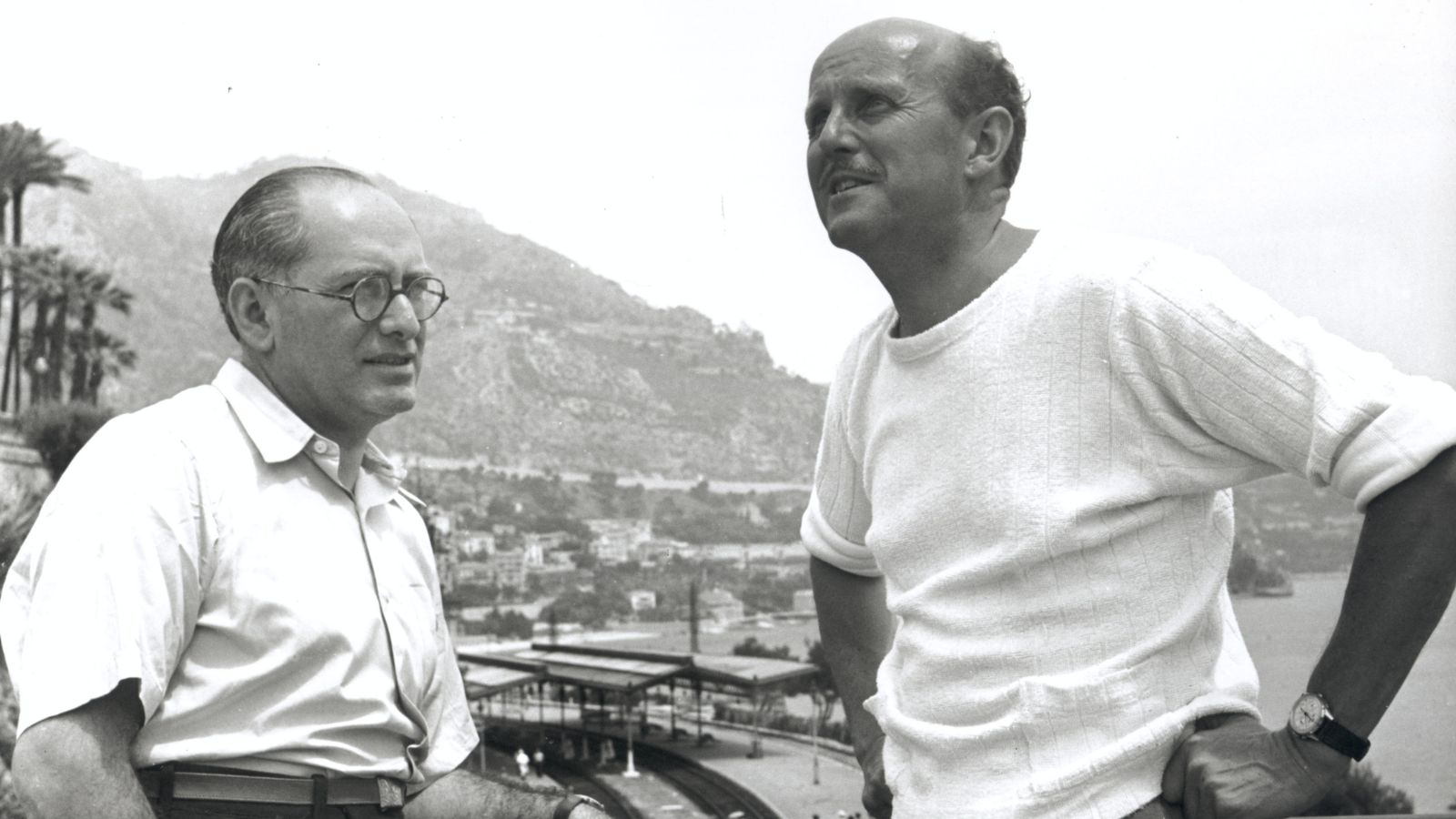
Is there anything more lovely than hearing Martin Scorsese talk about cinema? Maybe it’s just the film nerds in us– we are, after all, always on the hunt for A Good Movie to Watch– but it’s just wonderful to hear Scorsese talk about movies, especially from directors he loves and are inspired by. Made in England: The Films of Powell and Pressburger is about the influence of The Archers, and while it’s mostly a straightforward documentary, director David Hinton makes it something like a cohesive film course on the directors, with Scorsese as lecturer. Oftentimes letting the directors’ shots and music speak for themselves, with Scorsese adding needed context, it won’t be a surprise that Made In England would be a treat for film nerds, but it also would be a great introduction for casual viewers, or viewers that want to start watching classic films, like those of The Archers.
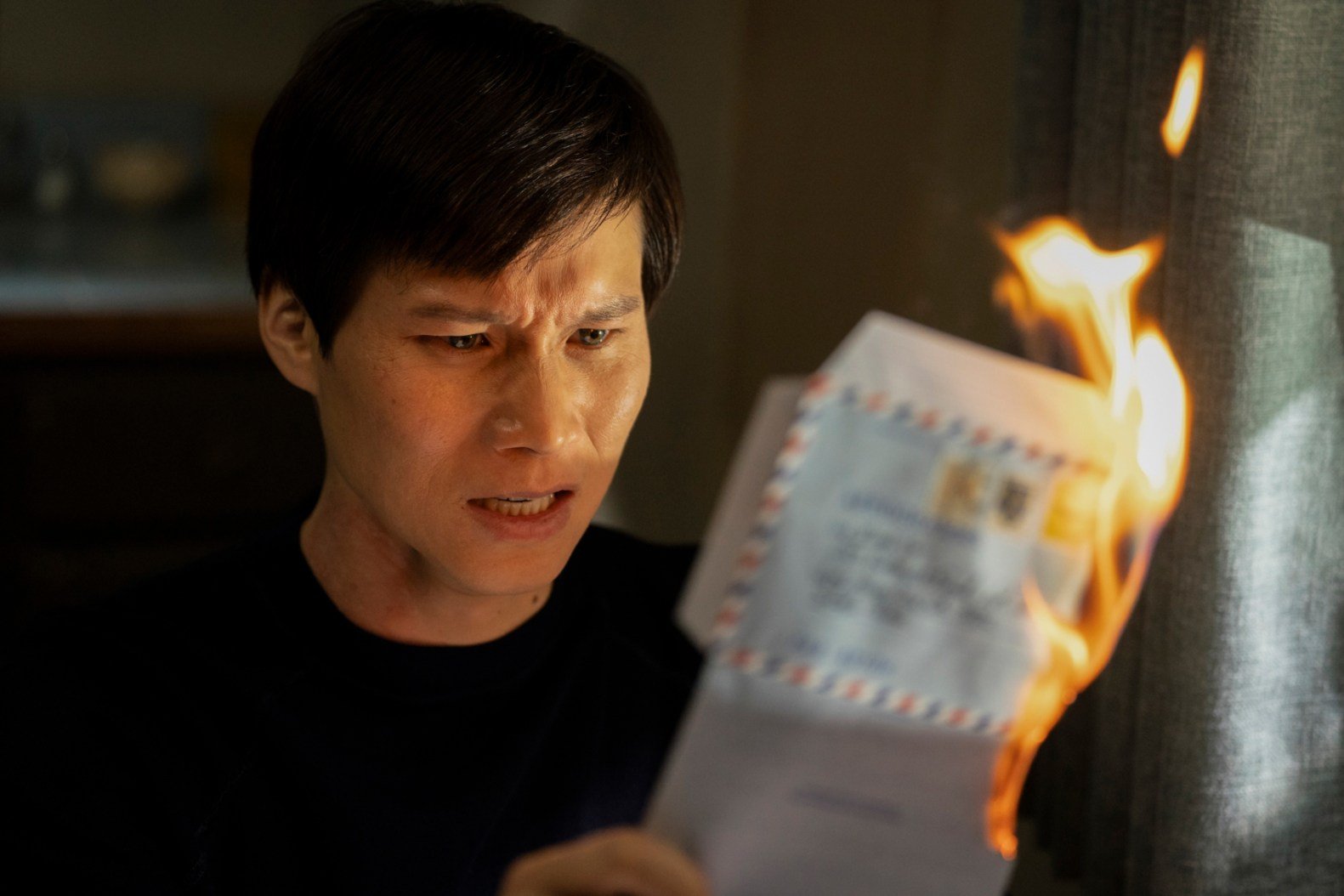
After the only war the Americans have lost, American post-Vietnam war portrayals tend to lean as patriotic revenge fantasies or romanticized disillusionment, but rarely do they portray the people caught in between. HBO’s The Sympathizer is an adaptation of the Pulitzer winning novel of the same name, and while it’s mainly an American production, Park Chan-wook and Robert Downey Jr.’s collaboration sticks to the Captain’s perspective, as the unnamed mole protagonist writes his confession years after from a jail in Vietnam. Chan-wook excellently mirrors his approach to Viet Thanh Nguyen’s agile storytelling, shifting time periods and languages the same way the Captain shifts perspectives, though Nguyen’s dry humor sometimes wavers when translated to the screen. Still, it’s certainly a well-crafted, ambitious depiction coming from a unique perspective.

While based on the Mononoke series, which is in turn, a spin-off of Ayakashi: Samurai Horror Tales, it might seem that Mononoke The Movie: The Phantom in the Rain would require some background reading for people new to the story. Thankfully, there’s no need to do homework for this beautifully designed masterpiece, as the Medicine Seller takes on a new case with every installment. 2024’s Phantom in the Rain (also known as Paper Umbrella) unfolds its world with ease, with doors opening and closing to a select few for a high-pressure, hierarchical imperial household. Immediately, the visuals are stunning, with traditional ukiyo ink and paper mixed with modern kaleidoscopic fill and movement, but even without the gorgeous art, the first Mononoke movie works with its eerie horror, intense sound design, and a compelling mystery driven by court intrigue and vengeful spirits.