The Best Movies & TV Released in The Past Year
This website is all about bringing you the best movies and shows to come out in the past ten years. But if you’re looking for even more contemporary entertainment, here are the best movies and shows to stream that have come out in the past 12 months.
To access filters, visit our homepage.











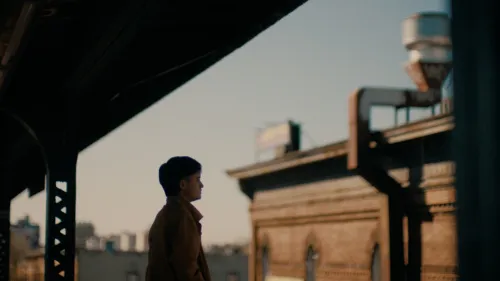
Just based off its title, Mutt is already a film that tackles a state of in-between, and perhaps what makes it already precious is how honest and personal it can get, while remaining a good fictional story. This striking debut took Chilean-Serbian filmmaker Vuk Lungulov-Klotz more than six years to make, at least from the initial stages of the script as he was working through his own transition, how that felt and how he dealt with it in life and art. That said, Mutt is a film that stands on its own feet, without the need for any such context: the script, the performances, the frantic pacing of it, they are all top-level stuff. A generous, open film that has its trans protagonist be who they are, whatever that may be, and gives as much insight as it allows for curiosity and empathy. If Mutt is educational in any way, it is through it’s apt storytelling and truthfulness that bleeds through the screen; its significance for trans cinema cannot be overstated, but it is also once of the most accomplished debuts of 2023.

In what is only his second feature, Greek director Christos Nikou crafts a singular universe that is orderly and enticing. The dystopian premise that you can now scientifically test for love may be bizarre, but it answers to one of the biggest anxieties humans share. That said, this particular world feels so close to ours today, that you want to dive right in it, weirdness and all. Even the topos of the love clinic, where couples get evaluated and take on exercises before they take the test is framed as a space for hope. There’s no underlying cynicism in Nikou’s film, which is perhaps the most surprising fact about it; on the contrary, longing—however painful it may be—abounds and seeps through the carefully composed images of shared doubt and suspect intimacy. Last, but not least, the chemistry shared by Buckley-Ahmed-White is nothing short of explosive.
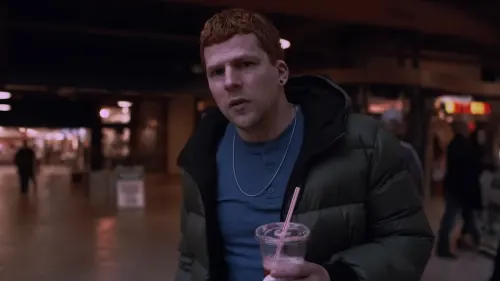
South African director John Trengove follows-up his debut The Wound with another take on masculinity, this time set in the States. Manodrome stars Jesse Eisenberg and Adrien Brody as a newbie and a veteran in a support group for men who have been emasculated by women and feminism. That’s right, this is a film about incel culture, but one you haven’t seen before. In tandem with Taxi Driver, Fight Club, or Joker, Manodrome represents a new era for the incel movie, as it confronts all the terror and aggression feeding into the community head on. Ralphie (Eisenberg) insists that his girlfriend Sal (Odessa Young) keeps their unplanned baby and deep down the rabbit hole he goes. Mental health struggles that have no outlet, worries, disappointment, alienation: all these facets of Ralphie’s character come to the fore and bring him to the Manodrome clan, where Dad Dan (Brody) promises two miracles—absolution and acceptance—in exchange for celibacy. Trengove’s sophomore feature is a blood-curdling psychological thriller that is not afraid to go to extremes (content warning!) to show that incels are not, in fact, a dorky online minority of youngsters, but a real wound in the body of our patriarchal world.
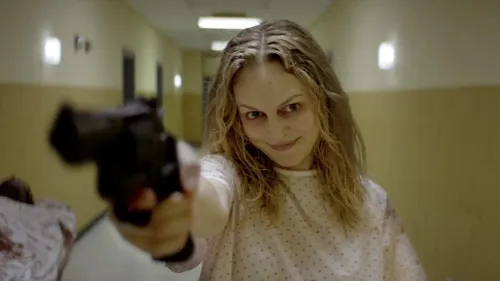
The director of one of the few esteemed horror sequels (Wrong Turn 2: Dead End) adapting H. P. Lovecraft? Yes please. Joe Lynch reimagines “The Thing on the Doorstep” with the tropes of 90s erotic films and a tribute to classic possession horror cinema, meriting all our admiration for his effort. Suitable Flesh (even the title is erotic!) is fun, daring, very dark, and very horny. Heather Graham (Boogie Nights) delivers a strong lead performance, but Judah Lewis’s (The Babysitter) sleazy Asa is what stands out here. Because of the horror’s nature, all the actors will have a go at playing a demonic version of their characters and it’s mostly good fun, but Lewis channels a certain scary nihilism that fits in very well with the film’s attitude towards sex and possession… Without revealing too much hereafter, I must say that the film takes the phrase “an out of body experience” to the next level, when relating it to sexual pleasure.
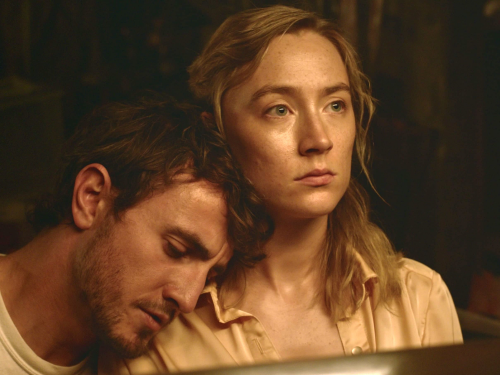
Director Garth Davis (who worked with Jane Campion on Top of the Lake) adapts Iain Reid’s novel Foe with little concern about realism and veracity. The psychologically dense event at the film’s centre—an impending separation of husband and wife—renders the whole world around them meaningless. Saoirse Ronan stars as the self-assured Henrietta (Hen) and Paul Mescal, as the belligerent Junior, two of the last remaining people in rural and farm areas. The year is 2065 and Earth is unrecognizable (peak Anthropocene) and life can be reduced to the impossibility of letting go. One fine day, a stranger comes to visit (Aaron Pierre), informing the couple that Junior has been drafted not to the military, but to a space colonization mission. A most curious triangle forms when Pierre’s character decides to stay in the family guest room: there is no telling where Foe will take you, but it will be a long, hard fall; either to the pits of despair or desire, ambivalence galore.
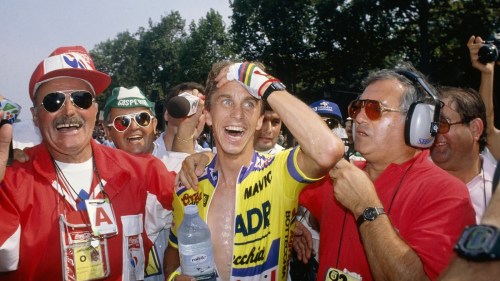
American cyclist Greg LeMond, who in 1986 won the Tour de France has been a legend in the sports world, but filmmaker Alex Holmes presents him to the wider audience with a brand-new inspirational documentary. The Last Rider is everything this kind of film can be—its hook is courage and hard work that pays off, its mode of storytelling is personal, intimate interviews, and its framework is a “modern hero” kind of narrative. By stringing together conversations with LeMond himself, his friends, family, and colleagues, Holmes tells a chronologically-sound, emotional version of a landmark career. For many, the 1986 or 1989 win wouldn’t mean much (unless you’re a sports fan or French), but the educational bits of The Last Rider make for good trivia material. If you need a courage boost, here’s the story of a professional cyclist, injuries, perseverance, and fame, to cheer you up.
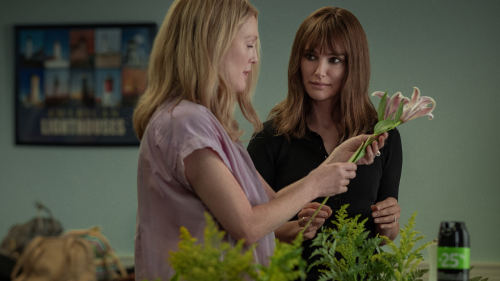
The colloquial phrase “May-December” refers to romantic partners with a large age gap, but leave it to Todd Haynes to craft a poetic and unsettling world out of this (slightly troubling) banality of life. His new film is loosely based on the real case of Mary Kay Letourneau, who in 1997 was convicted as a sex offender after being caught having a relationship with a minor, a student of hers, 12 years old (22 years her junior). May December begins twenty years after the tabloid scandal surrounding the marriage of Joe and Gracie has died down. Elizabeth, an actress, is conducting research in preparation to play Gracie in a film production, but she doesn’t know what to expect. Alongside her, we are welcomed into the family home, meet their teenage children, sit through their family dinners, marvelling at the levity and nonchalant atmosphere in the air. Something is missing, or at least that’s what Elizabeth suspects. A psychological drama-thriller-black comedy, May December is impossible to pin down. A profound film on human confusion, identities, and past traumas, it unites two of the best Hollywood stars, Julianne Moore and Natalie Portman, in a delightfully eerie play of doubling and revelations.
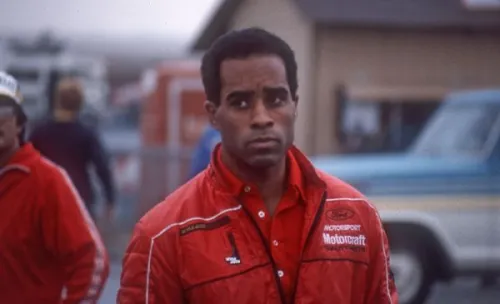
“They called me uppity. Uppity n*****. And I loved it”. That’s how this excellent documentary, about the first professional black racing driver Willy T. Ribbs, starts. It summarizes the strong personality of a champion who excelled in tracks that were filled with confederate flags.
The documentary explains the details of the difficulties that Ribbs went through in the 70s and 80s, but also the people who supported him and recognized his talent. It’s by no way a sad movie, on the contrary, even when Ribbs is talking about people spitting wherever he walks or about the death threats escalating, his unharmed determination is at the center of the story.
This is an inspiring documentary about a character who never got his worth in the history books. I was full of shivers by the first half-hour mark.

This groundbreaking documentary follows the USA Olympics sexual abuse case that made headlines in 2015. Through interviews with Olympians, their families, and investigative reporters, it’s also a documentary on the overall culture of abuse in gymnastics: sexual, physical, and emotional.
In one scene from the 1996 Olympics, gold medalist Kerri Strug has to run, vault, and land – all with a severe foot injury that was covered up by her coaches. She does this twice, limping between attempts and crawling off the mat on the second, crying. Meanwhile, her family, her coaches, the spectators – the World – is celebrating.
When she’s carried off, it’s Larry Nassar, the pedophile at the center of the documentary, who carries her.
Athlete A is groundbreaking exactly because it illustrates that the problem is not only with one doctor, or the 54 coaches who were also found guilty of sexual abuse, or the morally bankrupt leadership of USA Gymastics; it’s also about what went so wrong with society to see the abuse of young girls as cause for celebration.
 x1
x1
Bull is a gritty and haunting drama featuring a phenomenal performance by Rob Morgan as a bullfighter. In a poor Houston suburb, he plays an aging and lonely black man doing everything he can to survive. He brushes off unrelenting racism, rides even when it’s life-threatening and raises chickens to sell them. His next-door neighbor is a grandmother taking care of her daughter’s kids while the daughter is in jail. One day one of these grandaughters harms the chickens and vandalizes Abe’s house, prompting them to clash.
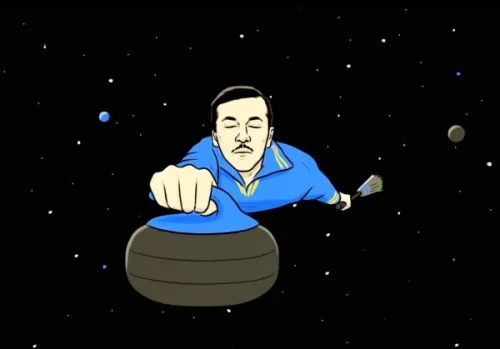
While this perspective on competitive sports is obviously unconventional, it makes perfect sense. Winners are boring. If you win, you win. The losers, however, have defeat to deal with. As the proverb goes, you learn little from victory, but a great deal from defeat. Director and creator of the show’s amazing animation, Mickey Duzyj, was inspired by a personal experience during a tennis tournament as a teenager. Each episode of this 2019 Netflix show tells a different story from a different sport. For starters, episode one looks at Michael Bentt, a world champion boxer who was forced into the sport by his abusive father. So, things do get dark, as could be expected, the storytelling is complex, but the message of Losers is as simple as it is wholesome. Like the characters and life stories it portrays, this show will pick you up when you are down!
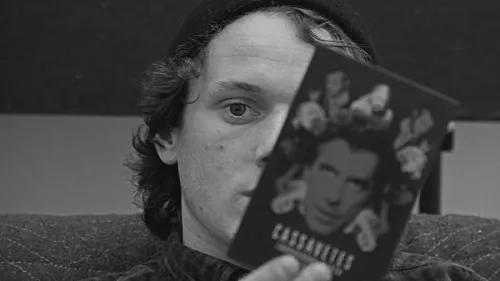
This movie narrated by Nicolas Cage is the incredible story of actor Anton Yelchin (Star Trek, Like Crazy): from being born to a Jewish Russian family in Leningrad to moving to the U.S. and ending with his sudden death at age 27. Anton, or Antosha as his loved ones called him, was a gifted kid: he was making his own movies at seven years old, taking highly sophisticated notes on Fellini movies, and picking up playing guitar in a short time. He took photographs that still show in exhibitions around the world. He led an extraordinary life, portrayed here, one that was cut way too short.

Two storylines take place in this Parisian animation: one of a Moroccan immigrant who works as a pizza delivery guy, and the other of his hand, somehow no longer part of his body, but also going on a trip around Paris.
The hand storyline is not gory by the way, except for one or two very quick scenes. Mostly, this is a film about loneliness and not being able to find your way back, both as an immigrant who misses how they were raised and as a hand who misses its body.
Sporting some of the most beautiful animation work this year, this movie premiered at Cannes where it became the first-ever animated film (and Netflix film) to win the Nespresso Grand Prize.

This emotional and moving story is about a mother of four who is forced into homelessness in Dublin. With her husband working in a demanding restaurant job, Rosie is left to take care of the children while trying to find anything resembling accommodation. She starts by seeking the help of the city council, but every facility she calls is full or refuses to welcome them.
As a viewer, the heartbreaking reality of the situation sinks in quickly: Rosie and her husband are priced out and there are too many people in their condition. Their car doesn’t fit them. But to her children, relatives, and school officials, Rosie keeps up appearances and doesn’t compromise on her overwhelming child care tasks.
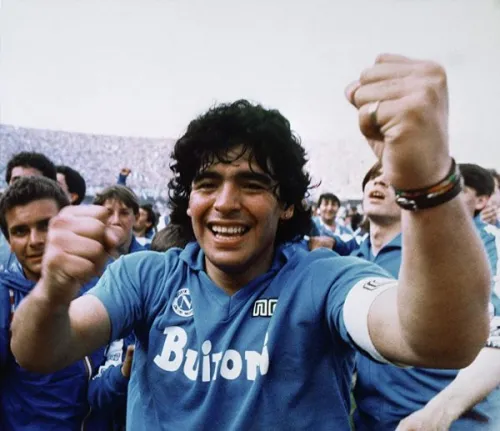
Asif Kapadia, the genius of biopics who gave us Senna, is back with this documentary on an even bigger sports personality: Argentinian soccer player Diego Armando Maradona. Considered as possibly the best soccer player of all time, Maradona’s footage on the pitch is pure wizardry, and you’ll feel that way whether you are a soccer fan or not. But that’s not the focus of this documentary. What happens outside the pitch is more interesting: from Maradona’s modest beginnings to the passionate hatred (and love) that entire countries develop of him. And it doesn’t make his story less interesting that during his time in Naples he was affiliated with the mafia.
This is an excellent documentary that distills 500 hours of footage into 2, giving you all you need to know about a character who captured the imagination of a big part of the world for decades.
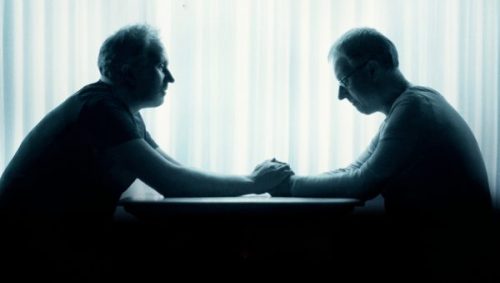
This documentary starts with Alex Lewis, who gets into a motorcycle accident and wakes up in the hospital not knowing who he is. He doesn’t remember anything (not even what a bicycle or a TV is, or who his mother or father are), but he remembers his twin brother, Marcus. When Alex gets back into his childhood home, he’s full of questions, and Marcus is full of answers. However, slowly, Marcus realizes his power to reshape Alex’s version of their past. Marcus leaves one important detail from Alex’s life that makes this documentary (as if it wasn’t already) such an insane story. I know I said it’s a sad movie, but it’s also fascinating and, ultimately, humanizing of the brothers’ experience.

Meet Rilakkuma, a relaxed teddy bear (which is indeed what his name translates to in Japanese), and Kaoru, a Japanese office worker in her mid-thirties, who lives with said bear as well as a smaller white bear named Korilakkuma and a yellow chick by the name of Kiiroitori. As whimsical as all this may sound, the show offers up endearing and humane life lessons to go with all the heart-warming cuteness as Kaoru navigates being single, her apartment building being demolished, and her job stressing her out. It combines charming stop-motion characters with great writing, adorable animation, and a beautifully quiet tone. You might be surprised at the profundity of a show that, at the surface, is about a Japanese girl with cuddly toy roommates. It’s hard to compare it to anything else!
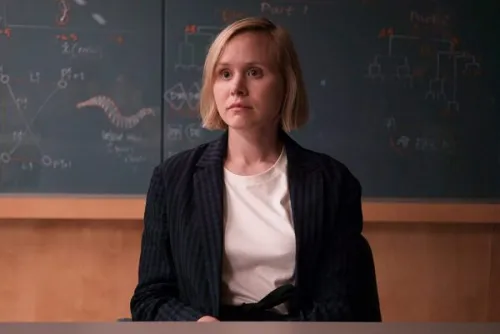
This mini-series by Alex Garland (28 Days Later writer and Ex Machina director) is about a tech company like Google that has a building that only select developers (devs) work in. Sergei is one of the lucky ones that get the call but he disappears after his first day. His girlfriend, who works for the same company, tries to find out what happened to him, first by uncovering well-kept dark secrets about that building. If you liked Mr. Robot or Ex Machina, you will love this. And a surprise bonus: Nick Offerman plays the CEO of the company, in a great serious role.
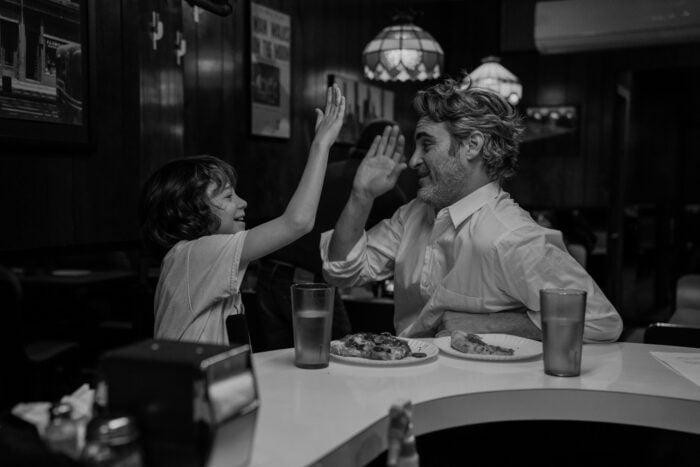
Mike Mills has always had an obsession with childhood and parenthood, often honing in on the beautiful, frustrating, and inevitable mess that comes with them. C’mon C’mon is no exception, but here, Mills blurs the lines between the two even more. Sometimes the kid acts more like an adult, and the adult more like a kid; sometimes the uncle acts as a surrogate mother, and the mother (unsurprisingly) takes on the role of an everywoman, attempting to be breadwinner, caretaker, and friend all at once.
C’mon C’mon has no allegiances; it simply shows us the dynamics between one family and mirrors what we already know about ours. Shot in black and white, grounded in simple conversations, and interwoven with moving essay excerpts and real interviews, C’mon C’mon feels at once personal and universal; a moving feat of a film.
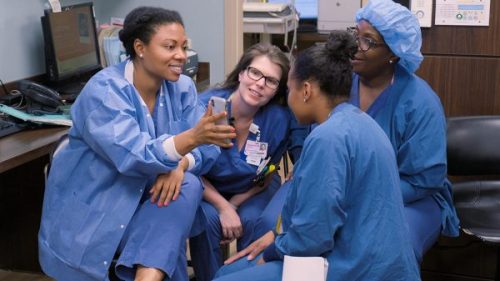
This docuseries is a straightforward account of what actually happens in emergency rooms and about people who dedicate their lives to this extremely demanding work.
Set in a New York hospital that has struggled in the past to compete with bigger establishments, it follows two brain surgeons, an OBGYN, and an ER physician.
If you like ER, Grey’s Anatomy, or anything similar, and want to know how it actually works – this is a great show. Hint: reality is light years away from how ERs are usually depicted.
Lenox Hill a tough watch that might not be for everyone — there are people diagnosed with horrible things and pretty much every single scene is highly emotional.
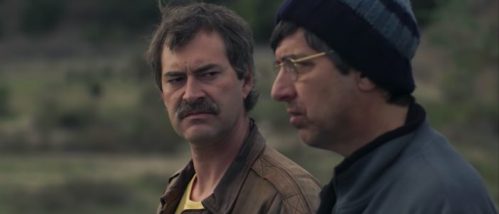
There are three big reasons to watch Paddleton. The first two are Ray Romano and Mark Duplass, who play the two neighbors at the center of the story. And the third is Alexandre Lehmann, the director, who also is responsible for Blue Jay (on Netflix as well).
These two misfit neighbors find themselves together when one of them is diagnosed with cancer. They embark on a trip to the nearest pharmacy (a six-hour drive) which turns into an adventure.
This premise gives Paddleton a lot to play on: it’s a comedy, but it’s also a drama about a fatal disease. It’s a bromance, but it’s about a fragile friendship. All these contradictions make Paddleton a great slice-of-life movie. And again, both actors are amazing. Watching it just for them is worth it.
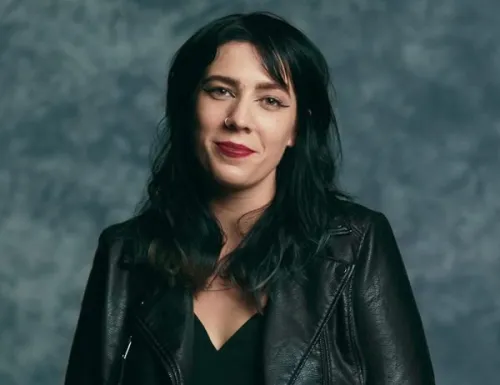
The question mark in the title represents the central idea of this fascinating documentary: what if worshipping Satan is the only way of ensuring religious freedom for everyone?
That’s what a group of young members known as The Satanic Temple believe, led by a determined and well-spoken Harvard graduate. They embark on a journey across the U.S. to challenge corrupt officials and the prevalence of religious biases in government agencies. They always request that their belief system (Satanism) is given the same favorable treatment as Christianity, effectively proving that authorities will really only accept a show of religion if it’s one religion: Christianity.
But their intoxicating energy comes with costs: divisions within the organization and growing pains. This documentary perfectly illustrates not only a misunderstood religion (in the documentary it’s referred to as “post-religion”) but the difficulties of establishing grassroots movements in general.
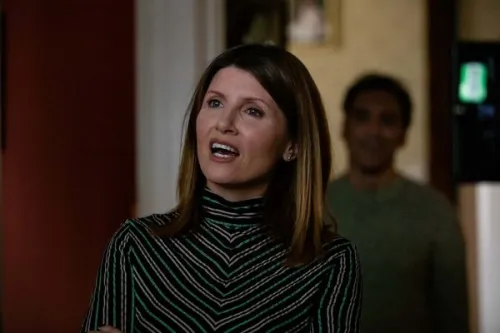
Two incredibly funny women are the stars of this authentic and heart-felt British comedy: writer, stand-up comedian, and main actress Aisling Bea, and the amazing Sharon Horgan (Catastrophe), who also co-produced the show. Irish teacher Áine (Bea) lives in London, yes, like Sharon Horgan’s character in Catastrophe, and works as an English-as-a-foreign-language teacher, but instead of getting knocked up by an American, she suffers a nervous breakdown and goes to rehab. When Áine checks out, she has to re-navigate all the aspects of real life that brought her to rehab in the first place. She does so with her sister Shona (Horgan) at her side. This is very clever and honest comedy about mental health, recovery, and loneliness, and about creating meaningful connections with the people around you. In true Bea and Horgan style, though, the humor is dark and will make you flinch and laugh at the same time. The chemistry between them is incredible!
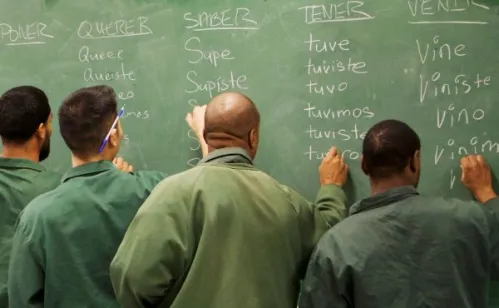
This documentary from Ken Burns is a selection of stories from prisoners enrolled in a competitive college program. Many of the prisoners are in maximum-security facilities, some for serious crimes.
Seeing their difficult imprisonment conditions, the struggles they come from, and yet their incredible determination to excel in their education – it’s all such a humbling and emotional affair.
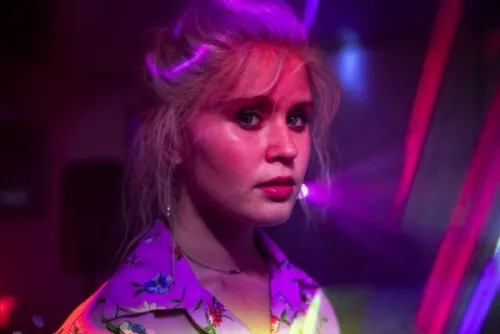
This artistic Australian coming-of-age drama stars Eliza Scanlen (Little Women, Sharp Objects) as Milla, a teen from a dysfunctional family. The father is a psychologist and the mother suffers from depression, so he medicates her under the table. Meanwhile, Milla, a 16 year old, starts dating a charismatic almost-homeless 24 year old drug dealer. Unusual circumstances make the family tolerate the relationship in this story where every character feels like the main one.
If you’re looking for something different, you will love Babyteeth. Something happens to Milla in the 10 minute mark that descriptions and reviews online all mention – but is definitely a spoiler. Just know that it’s not all romance and coming-of-age, there is slow-burning darkness to this movie.
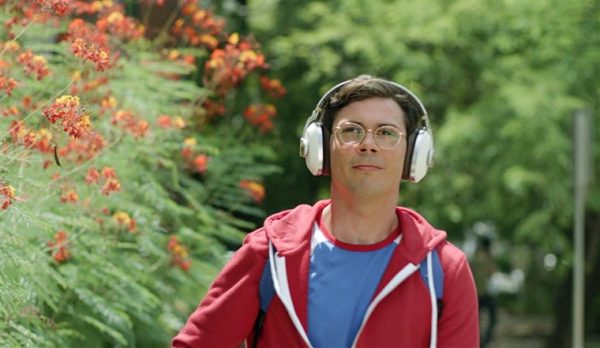
Clocking just 15 minutes per episode, Special is like a candy bar. It’s quick to consume but sweet as sugar. This new Netflix Original is set around a gay man with cerebral palsy, a disability that affects his body coordination but not his brain. As Ryan puts it in the first episode, it’s a disability that doesn’t make him normal but also is not severe enough for him to be part of the “cool disabled crew”. Ryan decides to turn his life around by pretending his disability is due to a car accident. People around him, especially at the exploitative millennial magazine “eggwoke” where he is an intern, start treating him differently. The car accident story provides a more accessible framework for them to understand his condition. It’s hard to believe a TV show can come out today and still manage to be so different from the rest, but Special does it. In other words, and I’m sorry to be this cheeky; Special is special.
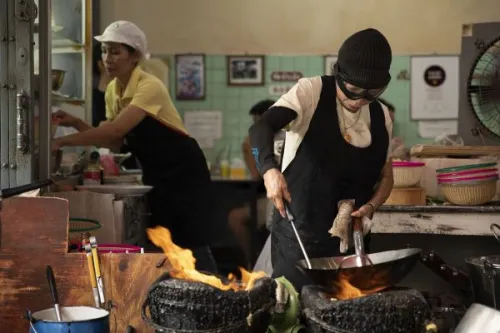
When I learned about Street Food the first time, I was reluctant to sit through yet another Netflix cooking show. They’ve made so many that when I want to bring up an episode with a friend I forget if I saw it in Ugly Delicious, Chef’s Table, Salt Fat Acid Heat or others. I can’t say that Street Food is a different format. It uses the same slow-motion takes of food, the same close-ups on chefs and the same style of interviews. Here is the thing though. Street Food might be similar to other Netflix cooking shows, but it’s also better than them in almost every way. Much better. It’s only 30 minutes long per episode, so it doesn’t indulge in egos or stray into unrelated stories. It doesn’t showcase kitchens where only the rich eat, like Chef’s Table often does, but stalls that are accessible to everyone. And in the best way, it connects the story of the food makers to the food. The show is mostly about middle-aged to senior women, and people who do not make that much money. It’s not about glamorous young chefs. It’s about food stripped away from any marketing or showbiz. Real cooking, real chefs, real diners. In its unpretentious nature, Street Food feels euphoric.
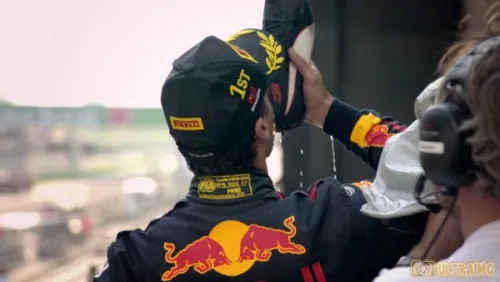
There are only 20 seats in Formula 1 each year, meaning that drivers are not only racing to win but to be kept on the roster. With the big stars, Ferrari and Mercedes, habitually shrouded in secrecy, Formula 1: Drive to Survive focuses more on the back of the grid. Lewis Hamilton, the five-time world champion, is rarely seen, for example, giving more room for other stories to unfold, including that of Günther Steiner, the Italian team principal of the Haas Formula One Team. That is not to say there are no big reveals. Even if you think Formula 1 is a decadent, testosterone-driven sports for rich Europeans, Drive to Survive might be welcome crash course into what makes this sport so appealing for many and might also have the potential to change your mind. If not, it is still a very well-made, slick, and engaging docuseries that will have enthusiasts and newcomers thoroughly entertained.
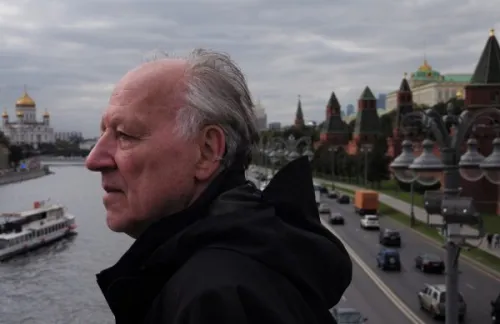
This informative documentary about the former president of the Soviet Union Mikhail Gorbachev is set against modern-day interviews with him that span 6 months. Sitting opposite of him is the Gorbachev equivalent in filmmaking: Werner Herzog. The prolific director asks interesting questions and narrates events that illustrate Gorbachev’s forgotten importance: ending the cold war, a push for denuclearization and avoiding bloodshed during the fall of the Soviet Block. The fact that Gorbachev is loved by so many, including Herzog – who at some point actually says “I love you” – might be the only problem with this documentary. It’s a great reminder of why people loved the Soviet leader, a phenomenon otherwise known as “Gorbymania”, but it does very little in portraying him in a critical light.
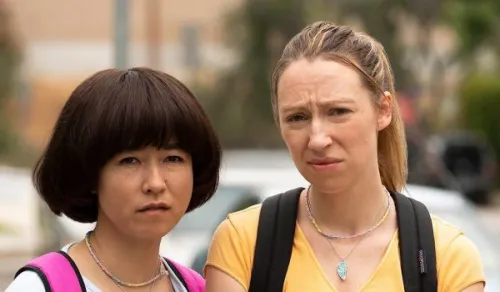
Co-created and co-produced by an amazing duo, Maya Erskine and Anna Konkle, who play fictional versions of their 13-year-old selves among a bunch of actual adolescents, Hulu’s PEN15 is a painfully funny teen sitcom about two friends going through middle-school together. With meticulous detail, it is set in the 2000s, including the discmen, the khakis, and the AOL dial-up sounds, but you certainly don’t have to be 30+ to enjoy the masturbation, boys, overall awkwardness, and other superbly spun teen comedy tropes. Erskine and Konkle’s middle-school experience was obviously all about being the lesser cool kids and they embody this to the fullest. It’s hilarious and cringey, sometimes gross, but also insightful. A lot of fun!

This 140-minute Brazilian drama is an epic and touching tale of two sisters torn apart. In 1950s Rio de Janeiro, Eurídice, 18, and Guida, 20, are inseparable, but their dreams soon take them away from each other, from their conservative family, and from Brazil.
After they are separated, each one of them believes the other is achieving her dreams when often the opposite was happening. Family betrayal, silence, and a suffocating social climate shatter the aspiration of the sisters but also highlight their strength.
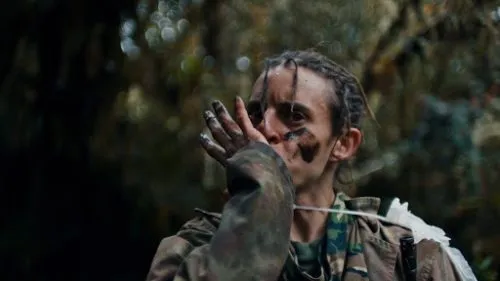
This crazy adventure thriller was Colombia’s nomination for the 2020 Oscars. “Monos” translates to monkeys, the nom de guerre of a group of teenagers holding an American hostage in an isolated bunker. Other than the occasional visit from their supervisor, they’re left to their devices, forming relationships, smoking weed, drinking, and eating psychedelic mushrooms. One day, on top of the hostage, they’re also trusted with a milk cow, named Shakira. A party goes wrong and one of the Monos accidentally kills Shakira, triggering a series of events that sends them deep into the jungle, and deep into despair.
Monos is not an action movie, it’s more of a character study. It was loosely based on The Lord of the Flies.

This is an thrilling BBC/Netflix show and a Yakuza drama that takes place between Tokyo and London. About half of the dialogue is in Japanese and the other half is in English.
Yakuza families are no longer at peace when a boss’s nephew is assassinated in London. Trying to bring the culprit in without interference from the British police, a Tokyo detective is sent to the UK to try to find him.
There is an undeniable appeal to seeing the world of yakuza unfold, but the show’s title, which translates to Duty/Shame is a reference to the detective’s own personal conflict: the suspected murderer he’s looking for is his brother. Ouu.
 x1
x1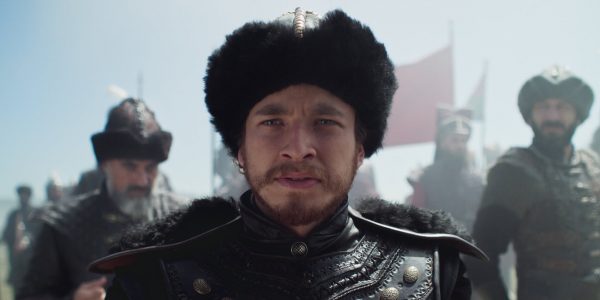
This historical show with immaculate production value is about the fall of Constantinople in 1453. It’s fully in English, despite being a Turkish production, featuring a mix of entertaining interviews and dramatic reenactment. The way it’s narrated is reminiscent of History Channel documentaries (with frequent recaps), which is unfortunate. Still, the story and the production compensate well enough. The young 21-year-old Ottoman Sultan Mehmet risks everything in pursuit of Constantinople, a city twelve armies, including his father’s, have failed to take. This moment is pivotal for so many reasons: it marked the end of the Roman empire, it turned the Ottomans from local power to a global one, and the use of advanced military techniques (such as a new generation of cannons) changed warfare forever. But knowing that Mehmet will enter Constantinople (now Istanbul) changes nothing to the appeal of this show. The question is not will he win, but at what cost, and how.
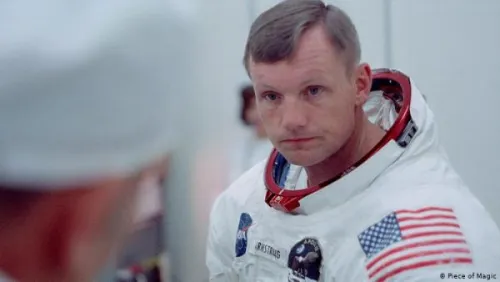
What makes Apollo 11 stand out is its sharp minimalist approach, allowing the archival footage of the mission to the moon to speak for itself. It’s stunning to think that at one point or another we had collectively seen a bulk of the footage in this film, and yet somehow let it lay dormant until the moon landing had been reduced to black and white stills in our collective imaginations. Not only does this film reinvigorate the moon landing with the power that it once held, but it does so in a way that is more thrilling than anything the Marvel CGI wizards could muster. The vibrant score adds a layer of ferocious tension, while the breakneck pace gives the feel of a rollercoaster ride. If there is any fault to find here, it is most definitely with the film’s MAGA style yearning for a time and place that never existed. Spare us the teary-eyed patriotism and the clips of Nixon, a disgraceful criminal, and vile racist, yammering on about the world becoming one. Nevertheless, this is a fantastic example of why most biopics should just be documentaries and why the fanatical fear of spoilers is a tad silly. Spoiler alert: they land on the moon.
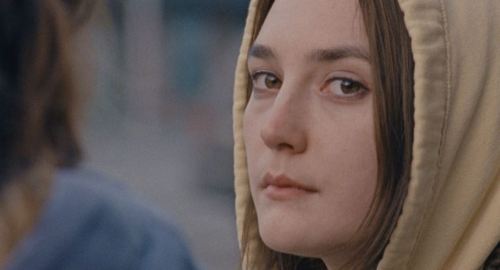
This difficult movie is about a seventeen-year-old from the U.S. underclass who has to deal with an unplanned pregnancy. Autumn is creative, reserved, and quiet, but those are not qualities that her environment in rural Pennsylvania seems to value. On the opposite, she is surrounded by threats, including disturbing step-father and boss characters.
Dangers escalate as Autumn decides to travel to New York to have an abortion. Never Rarely Sometimes Always is about unplanned pregnancies as much as it is about just how dangerous it is to be a teenage girl living in America.
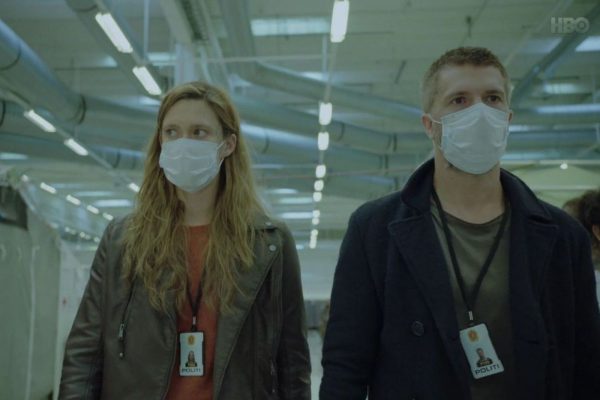
The first Norwegian series made by HBO is a crazy and fun detective thriller. People from three different centuries start washing up at our time in the Oslo bay: from the Stone Age, the Viking Age, and the 19th century. Before you know it, downtown Oslo is full of people drying up hunted animals and camping in the gardens of official buildings. And seven years later, one woman, from the Viking Age, becomes the first modern-day “multi-temporal” cop. Together with a modern-day detective, they try to solve new crimes which involve people from different time periods.
If all of this sounds silly, don’t worry: Beforeigners pulls it all off. All the multi-century premise does is bring originality to the otherwise over-exploited buddy-cop show genre. It hits the perfect balance between familiar and different.
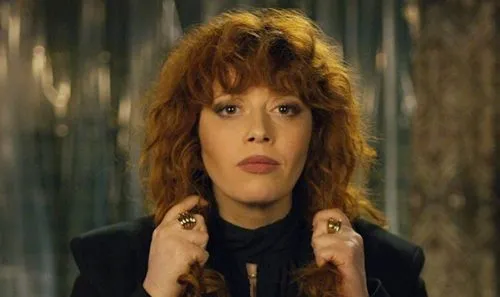
Nadia is a game developer and proud aging hipster living in New York. Her story starts at her thirty-sixth birthday party looking at herself in the bathroom mirror. On her way out, she finds a friend who hands her a joint laced with cocaine, “that’s how the Israelis do it” her friend says.
Nadia hooks up with a guy and they stop at a bodega on the way back to her place. So far everything seems normal (in a New York-hipster kind of way). But on her way out of the bodega, she is hit by a car and dies. The story restarts, at the same birthday party, staring at herself in the mirror.
Russian Doll can be summarized in what Nadia screams later that night: “the universe is trying to f*ck with me, and I refuse to engage”. Her strong personality and the events that happen to her allow the show to explore themes of vulnerability, trauma, and even life and death. Russian Doll repeats almost every episode, but its originality and plot twists make it more refreshing with every repeat.
This rhythm takes some quick getting used to, but the moment you do you will not be able to look away. Natasha Lyonne from Orange is the New Black is masterful at playing Nadia. She co-created the show with Amy Poehler and Sleeping With Other People director, Leslye Headland. She packs a lot of the originality and character that possibly makes Russian Doll the most fun and original show you will watch in 2019.
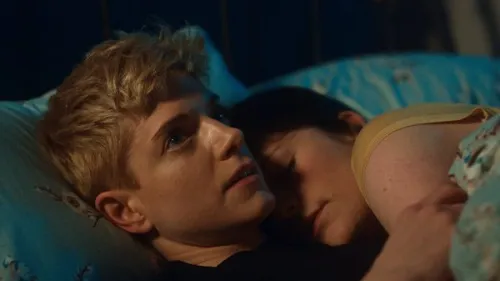
Lisa Kudrow and many other recognizable faces star in this sweet British comedy that feels like a Fleabag take on LGBTQ+ love.
Mae (played by Canadian comedian Mae Martin) is a stand-up comic in London who starts dating a fan, George (Charlotte Ritchie). Up to that point, George had only dated men.
Martin also co-wrote and co-created the show, with Skins’ Joe Hampson, making Feel Good a semi-autobiographical show.
Mae the character is self-destructive, but also funny and sharp. George is lost and unpredictable. Following them as they navigate their new relationship is sometimes funny, more times heartbreaking, but always charming.
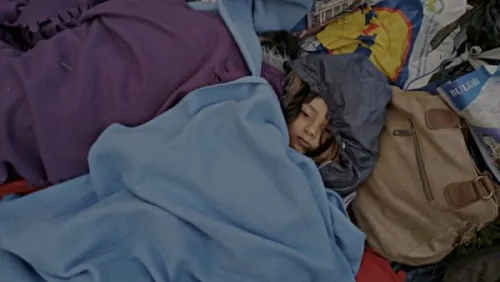
Hassan Fazili and Nargis Fazili are two filmmakers who, faced with death threats, escape their home in Afghanistan and start a journey to Europe that millions of others have taken over the past few years. But unlike most others, the Fazilis filmed everything on their way.
The result is not only a portrayal of the dangers they go through but it’s also about less obvious and possibly more common aspects of the refugee experience. It’s about the wait in refugee centers (that can last many years), the anticipation and also what it means to do all of this with children. Because watch out for the little Fazilis, who travel with their parents, for they will steal your heart.
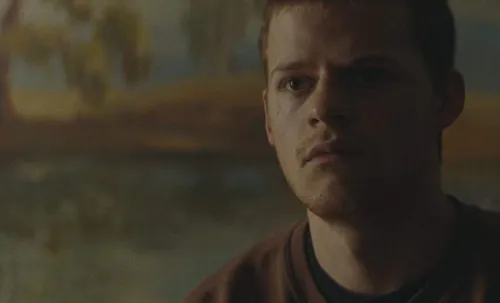
There is so much power to this story based actor Shia Laboeuf’s life. As a kid, he lived with his father on the road during the filming of Even Stevens and other star-making roles. His dad was a war veteran who goes to bikers’ AA meetings and who had a brief acting career himself. He was full of anger that made Laboeuf later suffer from PTSD, but which he was able to perceive in a fascinating way.
Putting Laboeuf’s fame aside, this is an incredible movie on emotionally abusive parent-child relationships. It’s a universal story. With Shia Laboeuf as his father and Lucas Hedges as current-day Laboeuf.
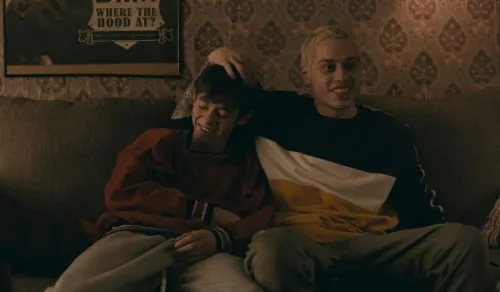
This low-stakes coming-of-age movie stars SNL’s Pete Davidson as Zeke, an aimless college dropout. His best friend, Monroe, is still in high school and is much younger and more innocent. Monroe doesn’t realize that he has a very biased outlook on life through Zeke, as he starts drug dealing, partying, and dating according to rules that are not his own.
Big Time Adolescence tries to be a statement on destructive friendships but doesn’t fully succeed. Its true value is that it’s a movie that you can turn your brain off to, and those rarely come with statements.
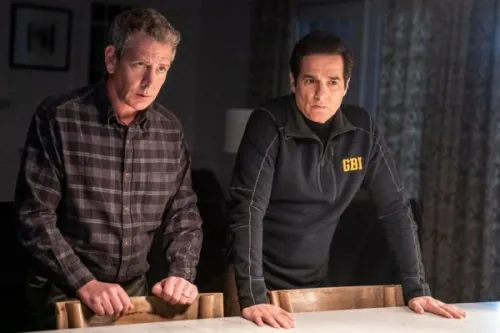
This creepy miniseries stars Jason Bateman, Bill Camp, and Ben Mendelsohn. Based on the Stephen King novel of the same name, it follows an investigation into the horrific murder of a child where all evidence leads to the local baseball coach, Terry Maitland (Bateman). However, Terry’s demeanor and his shock when the police come to arrest him raise questions about whether he actually committed the crime. It’s a grim and slow-burning story with immaculate acting although it suffers from the thing it aspires the most to: the (not entirely satisfying) book. Created by The Wire writer Richard Price.
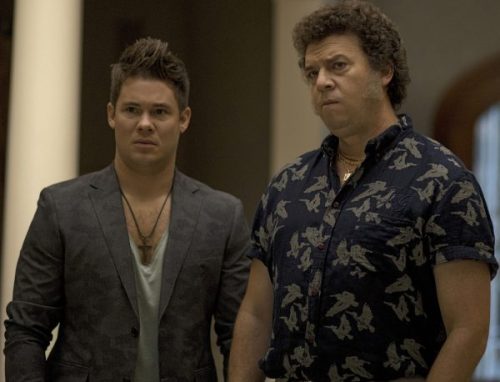
This comedy created by and starring Danny McBride is about a dysfunctional family of superstar televangelists. He plays the eldest son who gets blackmailed with a video from one of his not-so-virtuous nights. Watch it for easy laughs, especially if you’re used to McBride’s brand of humor, but maybe skip it if not. Also with John Goodman and Adam DeVine.

This is Breaking Bad meets The Social Network. Based on a true story that took place in Leipzig, Germany in 2015, this show is about Moritz, a high-schooler who starts Europe’s biggest drug market online. He initially does this to impress his ex-girlfriend, who had just come back from the States with new drug experiences.
The transformation of a nerd into a drug kingpin is fascinating. But because it is based on a true story, there is an important nuance to that transformation. Moritz is rarely portrayed as a hero, and his creepy side is always present. This makes for an interesting and exciting plot-heavy show.
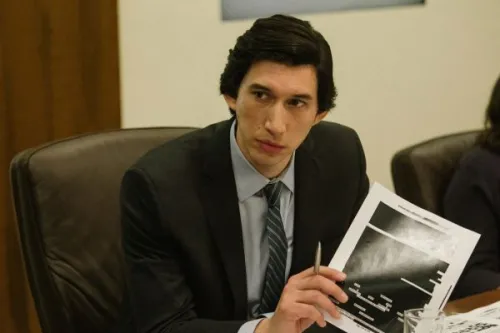
Adam Driver, Annette Bening, and Jon Hamm are among the many recognizable faces of this star-packed political drama.
Driver, pictured above in his ‘I’m goofy but I will save the world’ signature stare ????, plays Daniel J. Jones, an investigator working with the Senate. He is assigned to write a report (“the” report) about the CIA torture program post 9/11.
If you so much as liked Vice, the hit movie from earlier this year, you will love The Report. It covers similar grounds: incompetency, unclear intentions, confusion, etc; but in a way that is more to-the-point (which might make it feel dry to some). It also helps in understanding or getting a refresher on, how the Senate works and how organizations like the CIA interact with (bully) other branches of government.
I would almost go as far as to say that if you are a U.S. citizen, watching this movie, with its many goofy Adam Driver moments, is your civic duty.
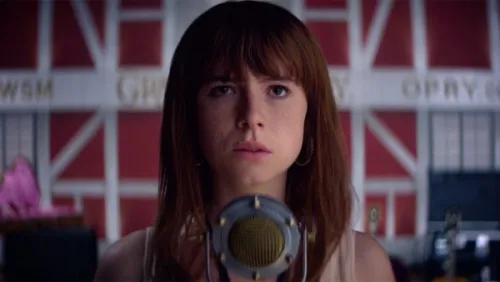
A simple movie about a Scottish country singer with a dream to go to Nashville, U.S.A and reach stardom. It starts with her leaving prison to return to her mom’s house, where her kid was being raised in her absence. Heavy stuff, but this girl is determined to let nothing get in the way of realizing her dreams. Will she make it? At what cost? Wild Rose answers those questions with a warm script that’s designed to make you feel good without completely misleading you. Think of it as a more grounded A Star is Born.

This Mexican movie set between Queens, New York, and Monterrey, Mexico is a stunning and profound work of art.
Ulises is the leader of a street dancing group that loves Cumbia, an Afro-Colombian style of music. Dancing is an alternative to being sucked in into gang life, which Ulises and his bandmates have ties to.
Ulises is good, and his town starts noticing. But just when his community is flourishing and his dancing is becoming famous, a wrong-time/wrong-place situation has a gang force him to leave everything behind and immigrate to the U.S. He suddenly finds himself lonely and living a life of undocumented existence.
But that is not the progression of I’m no Longer Here, which intertwines scenes of Ulises thriving in Monterrey and alone in New York. The difference is stark and depressing, but the camerawork and great performances are a constant source of cinematic brilliance.