Movies & TV Released in The 2010s
The 2010s was an epic decade for cinema, featuring genre-bending movies and shows. Find the best ones to stream right now.
To access filters, visit our homepage.











The Royal Hotel sees Hanna (Julia Garner) and Liv (Jessica Henwick) resorting to take up a dire live-in job behind the bar in a remote desert part of Western Australia. Although they’re warned that they’d “have to be okay with a little male attention” in the outcast mining town, their financial precarity overrides the potential fear. Curiously enough, the fiction film is based on a real story, already told in the 2016 documentary Hotel Coolgardie by Pete Gleeson, but The Assistant director Kitty Green pulls no punches when representing how suffocating it must feel to be encircled by such unmediated male aggression. The brawls, the spilled beer, the c-word as a greeting all form the unnerving paraphernalia of life then and there. For Australian independent film devotees, there is actor Toby Wallace, who reprises his bad boy role from Babyteeth, and he’s joined by the ranks of Herbert Nordrum (The Worst Person in the World) and an utterly terrifying Hugo Weaving (The Matrix).
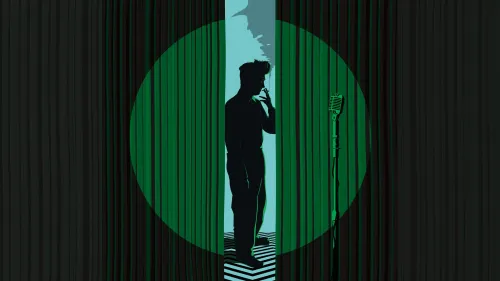
Swiss filmmaker Alexandre O. Philippe gave us the free-flowing fandom doc The People vs. George Lucas in 2010 and hasn’t stopped obsessing over his favorite filmmakers ever since. Can you blame him? Dedicating years of your life to research of the the weird Lynch-verse is a mammoth task, especially since the kernel of his new doc can be found in a single line uttered by the director. At a Q&A in 2001, he said:”There is not a day that goes by that I don’t think about The Wizard of Oz,” and that was reason enough to conceive of the 1939 Technicolor film as a lens to read Lynch’s whole filmography through. Philippe is dedicated beyond measure, which is both an advantage and a disadvantage for the whimsical exploration of such a fascinating body of work deserves complete devotion. Perhaps even bordering on obsession. A wildcard documentary for the Lynchheads, Lynch/Oz includes not only excerpts from shorts, features, and TV he made, but also clips from various appearances. Plus, the six chapters feature different filmmakers and critics who imbue the film with their own interpretation of the enigma that Lynchian cinema is.
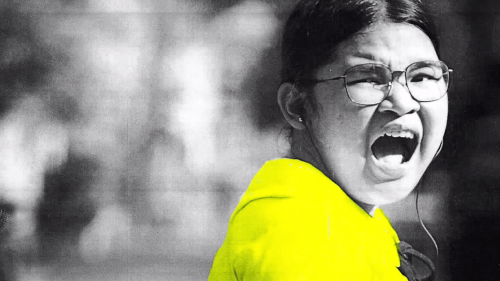
In Letterboxd, Cleaners was once the highest rated film of 2021, and was once in the list of the top 250 narrative features overall before the rating system changed in 2023. To viewers outside the Philippines, this might have been mind-boggling, especially since the film wasn’t yet released internationally the year it premiered, but it shot up the ranks for a reason. The coming-of-age anthology just looks so different, being filmed live, then xeroxed and highlighted, frame by frame, just like print-outs for school. The unique approach evokes a sense of nostalgia in high contrast print and blurred movement, and it’s matched with the classic Filipino coming-of-age moments that has rarely been seen before.
 x1
x1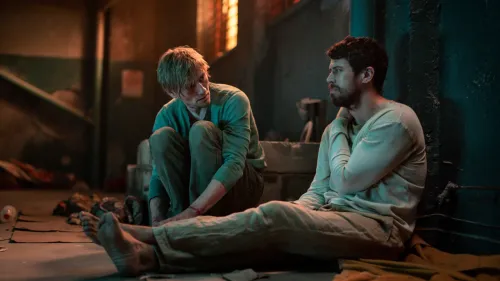
The real life situation behind this harrowing drama is quite extraordinary, so adapting Daniel Rye’s captivity straightforwardly would already intrigue viewers into watching it. However, Held for Ransom does more than depict his torture. Alternating between his captivity and the fundraising efforts back home, the film examines the way they have all responded to the unimaginable, the horrible experience that they have gone through because of extremism. The imprisonment sets the stakes, but the humanity held onto by the hostages, the fierce love of Daniel’s family that would bring him home, and the human cost of non-negotiation pushes this story into somewhere new.
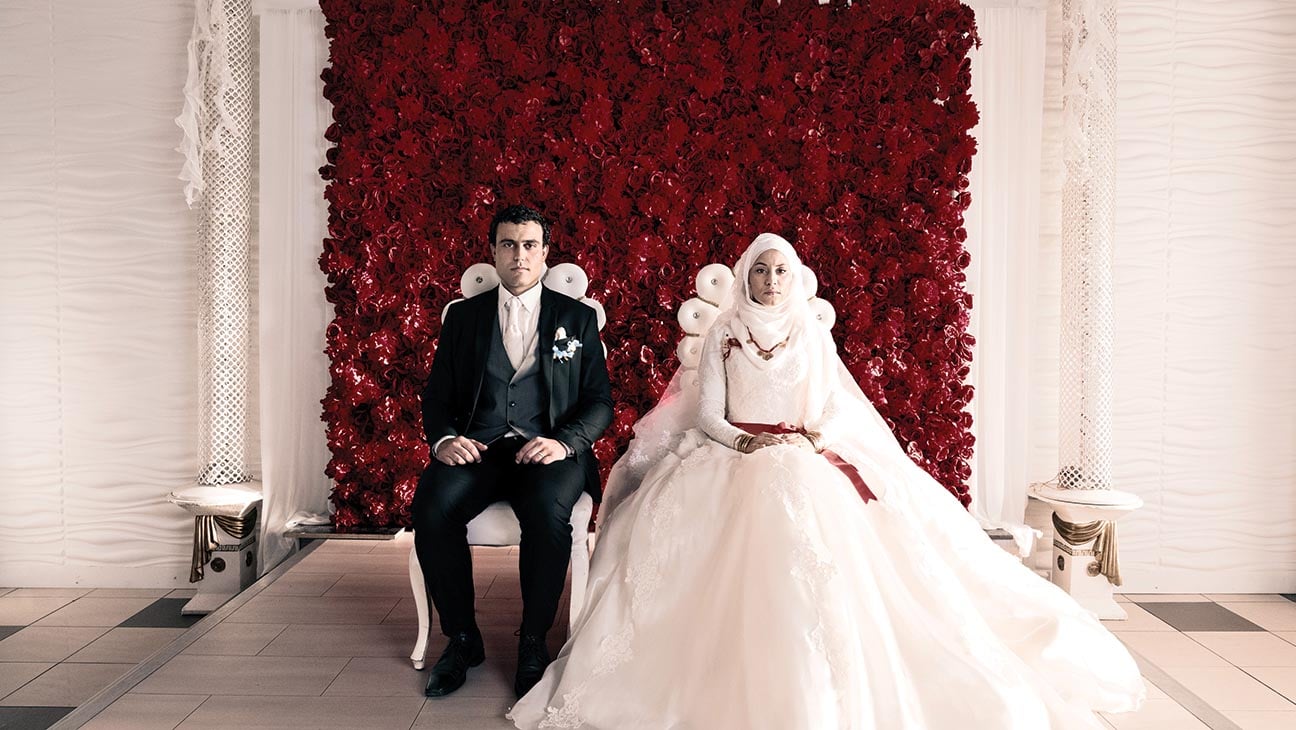
Dramatizing the murder of Hatun “Aynur” Sürücü, A Regular Woman frames her story from her dispassionate narration after she’s passed. This results in a harrowing tale. Knowing her death before she returns home paints every single moment with her family in fury, as they pin every frustration and blame on Aynur for numerous reasons, the biggest is due to not aligning to their ideal of a Muslim wife. It also highlights the failures the German government committed in addressing this issue, the same failures that they could repeat if nothing has changed since her death. A Regular Woman is harrowing, not just because Aynur’s tale is true, but because it acknowledges right on the bat how it can happen again.

Also known as Just 6.5 or Six and a Half per Meters, this police procedural follows the hunt for a drug kingpin named Naser Khakzad. Fast-paced action sets up the investigation off to a thrilling start, and it’s exhilarating to see Samad, the lead cop, get closer and closer to this elusive pusher. However, what grounds the action is the way it seamlessly integrates the societal reality of drugs in Iran, a country with capital punishment for dealers that hasn’t been helpful to stem the nation’s addiction. This understanding provides the springboard for Samad and Naser’s dynamic, making these two take a different path from the ever familiar drug narrative that we’ve seen in other crime thrillers.

While this perspective on competitive sports is obviously unconventional, it makes perfect sense. Winners are boring. If you win, you win. The losers, however, have defeat to deal with. As the proverb goes, you learn little from victory, but a great deal from defeat. Director and creator of the show’s amazing animation, Mickey Duzyj, was inspired by a personal experience during a tennis tournament as a teenager. Each episode of this 2019 Netflix show tells a different story from a different sport. For starters, episode one looks at Michael Bentt, a world champion boxer who was forced into the sport by his abusive father. So, things do get dark, as could be expected, the storytelling is complex, but the message of Losers is as simple as it is wholesome. Like the characters and life stories it portrays, this show will pick you up when you are down!
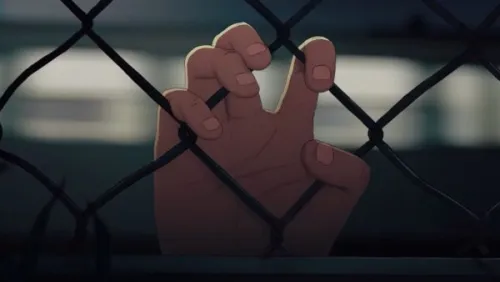
Two storylines take place in this Parisian animation: one of a Moroccan immigrant who works as a pizza delivery guy, and the other of his hand, somehow no longer part of his body, but also going on a trip around Paris.
The hand storyline is not gory by the way, except for one or two very quick scenes. Mostly, this is a film about loneliness and not being able to find your way back, both as an immigrant who misses how they were raised and as a hand who misses its body.
Sporting some of the most beautiful animation work this year, this movie premiered at Cannes where it became the first-ever animated film (and Netflix film) to win the Nespresso Grand Prize.
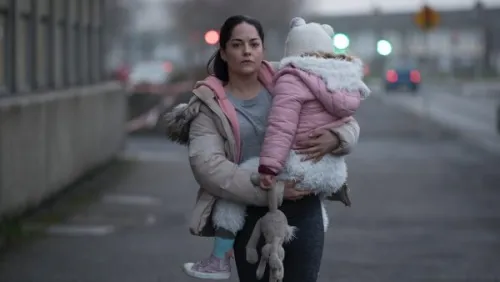
This emotional and moving story is about a mother of four who is forced into homelessness in Dublin. With her husband working in a demanding restaurant job, Rosie is left to take care of the children while trying to find anything resembling accommodation. She starts by seeking the help of the city council, but every facility she calls is full or refuses to welcome them.
As a viewer, the heartbreaking reality of the situation sinks in quickly: Rosie and her husband are priced out and there are too many people in their condition. Their car doesn’t fit them. But to her children, relatives, and school officials, Rosie keeps up appearances and doesn’t compromise on her overwhelming child care tasks.
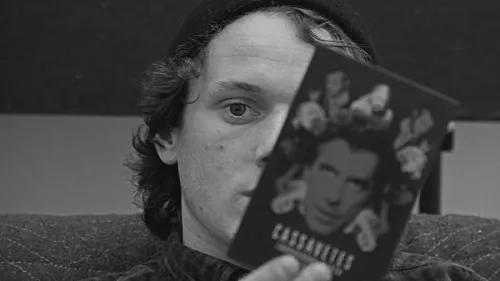
This movie narrated by Nicolas Cage is the incredible story of actor Anton Yelchin (Star Trek, Like Crazy): from being born to a Jewish Russian family in Leningrad to moving to the U.S. and ending with his sudden death at age 27. Anton, or Antosha as his loved ones called him, was a gifted kid: he was making his own movies at seven years old, taking highly sophisticated notes on Fellini movies, and picking up playing guitar in a short time. He took photographs that still show in exhibitions around the world. He led an extraordinary life, portrayed here, one that was cut way too short.
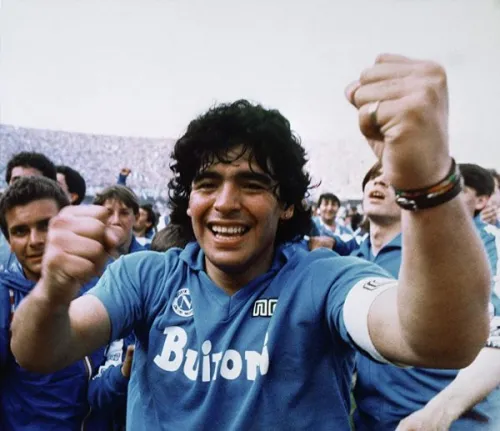
Asif Kapadia, the genius of biopics who gave us Senna, is back with this documentary on an even bigger sports personality: Argentinian soccer player Diego Armando Maradona. Considered as possibly the best soccer player of all time, Maradona’s footage on the pitch is pure wizardry, and you’ll feel that way whether you are a soccer fan or not. But that’s not the focus of this documentary. What happens outside the pitch is more interesting: from Maradona’s modest beginnings to the passionate hatred (and love) that entire countries develop of him. And it doesn’t make his story less interesting that during his time in Naples he was affiliated with the mafia.
This is an excellent documentary that distills 500 hours of footage into 2, giving you all you need to know about a character who captured the imagination of a big part of the world for decades.
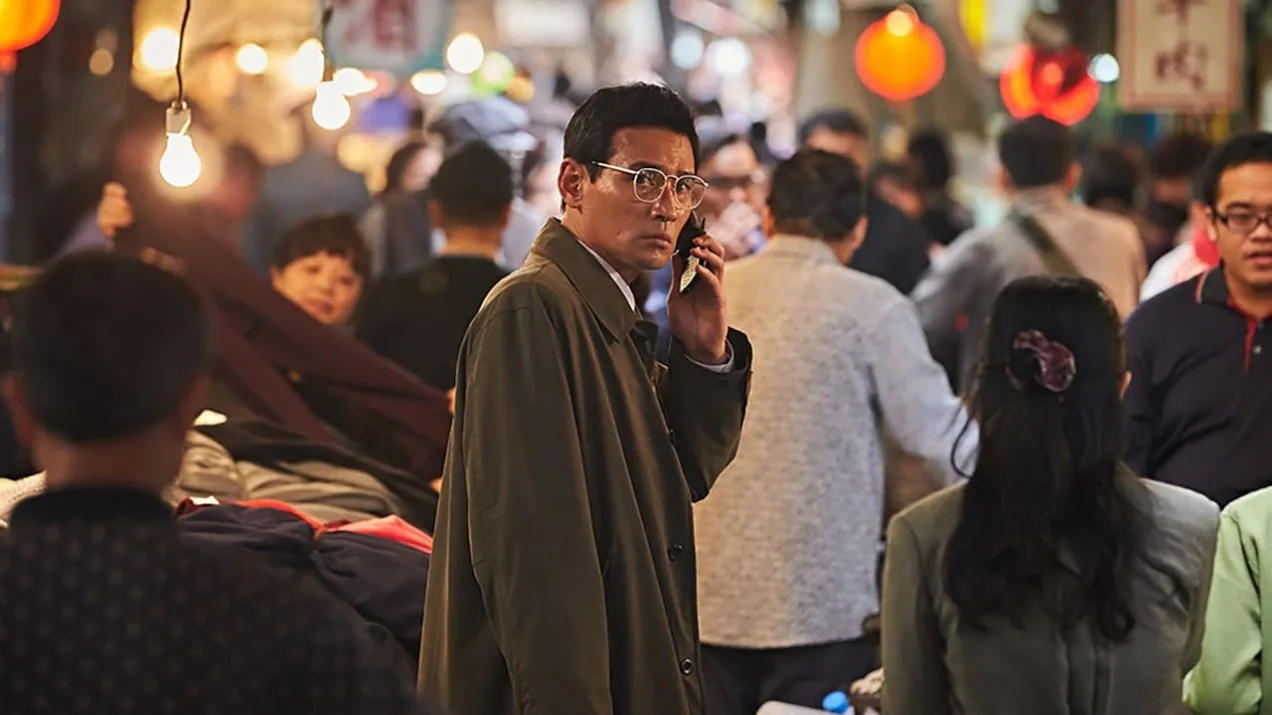
Usually, spies in movies tend to be exaggerated for action-packed spectacles, but on occasion, they’re inspired by the real deal. The Spy Gone North is one such instance. Of course, in sticking to the facts, this period piece takes on the feel of a political thriller more than an action flick. The first half, in particular, speeds through a lot of information that viewers without much context of this 90s operation may get very confused. However, the film balances these facts with a steady build-up of each person of interest. While the details may escape some, the characters are easily remembered, with the ensemble fully locked into the tangled web of cover stories, covert surveillance, and national interests. The Spy Gone North keeps the thrill of the mission through tight-knit plotting and understanding of the stakes.
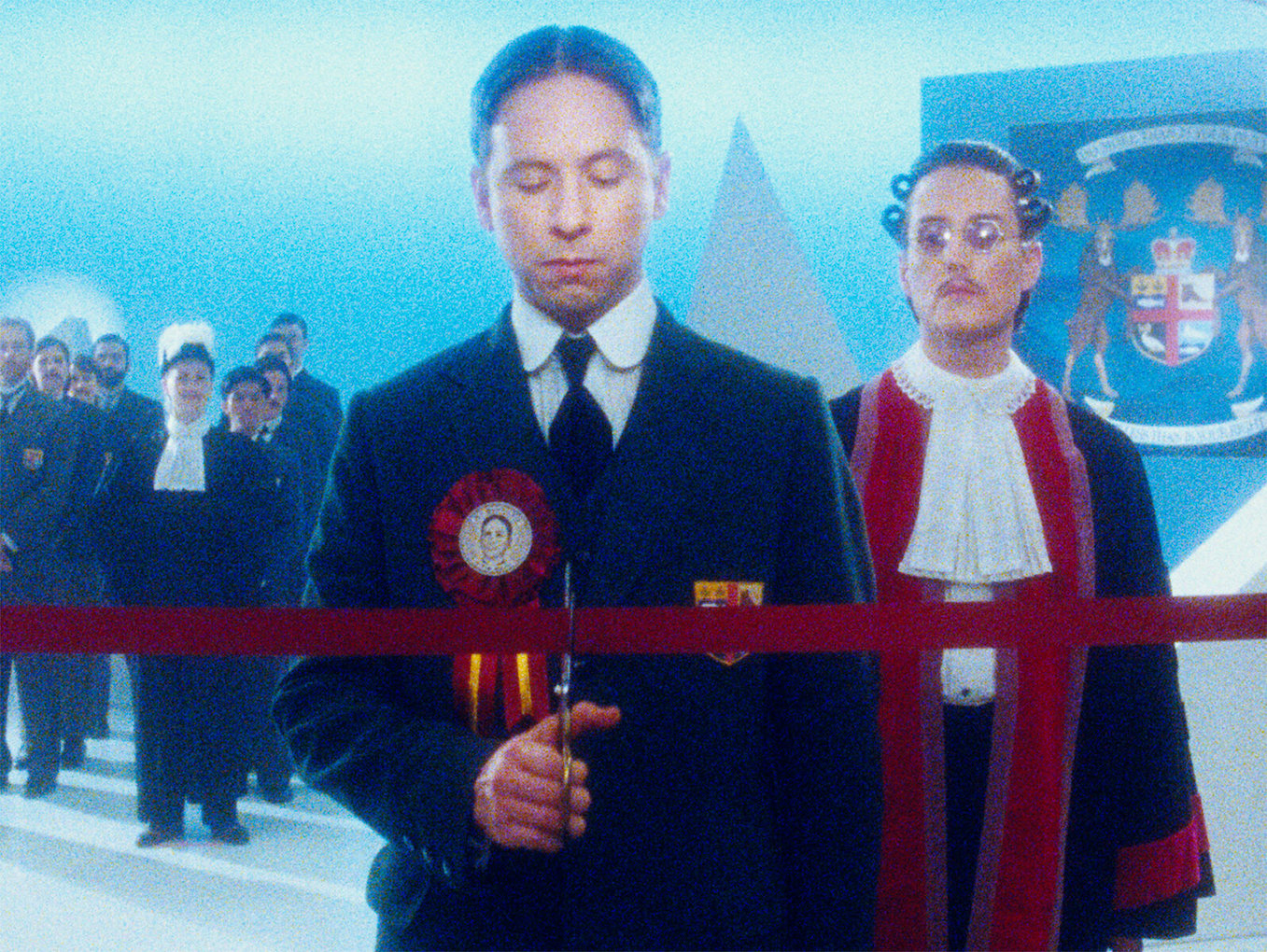
A truly bizarre comedy that shoots far beyond the boundaries of what should probably be considered good taste, The Twentieth Century stands as one of the strangest movies ever made based on a historical figure. Adapted from the real Mackenzie King’s (Canada’s longest-serving prime minister) diaries, the film replaces any traces of reality with psychological projection and almost nonsensical stoner humor. It functions as a satire of the way Canadian society is often depicted as polite (when, according to writer/director Matthew Rankin, it’s anything but) and as a portrait of how even the most powerful politicians are just little boys seeking approval and indulging in fetishes to compensate for the love they can never receive.

Due to the possibility of death, Buoyancy cannot be made as a documentary. This film, after all, sheds light on today’s real life slavery. But that doesn’t mean it’s no less true. The script was written based on interviews with real life survivors, who, of course, would rather not be filmed due to their safety. The characters were written to closely reflect them, which was why, even though the studio is Australian, they casted Thai and Cambodian actors, and wrote the dialogue in their respective languages. And the story that writer-director Rodd Rathjen created, gradually escalates the terror Chakra faces on the whims of a cruel captain, with each new experience slowly scrapping off the innocence that was supposed to be protected. Buoyancy is not a documentary, but it works as a necessary exposé of slavery in Southeast Asian seas because of Rathjen sticking true to the sadly real life atrocity.
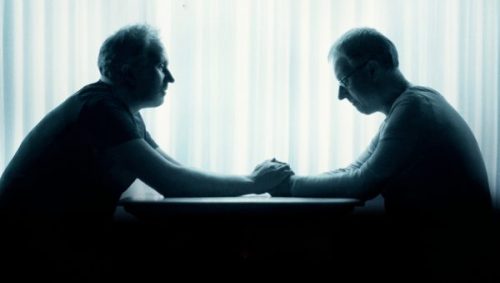
This documentary starts with Alex Lewis, who gets into a motorcycle accident and wakes up in the hospital not knowing who he is. He doesn’t remember anything (not even what a bicycle or a TV is, or who his mother or father are), but he remembers his twin brother, Marcus. When Alex gets back into his childhood home, he’s full of questions, and Marcus is full of answers. However, slowly, Marcus realizes his power to reshape Alex’s version of their past. Marcus leaves one important detail from Alex’s life that makes this documentary (as if it wasn’t already) such an insane story. I know I said it’s a sad movie, but it’s also fascinating and, ultimately, humanizing of the brothers’ experience.
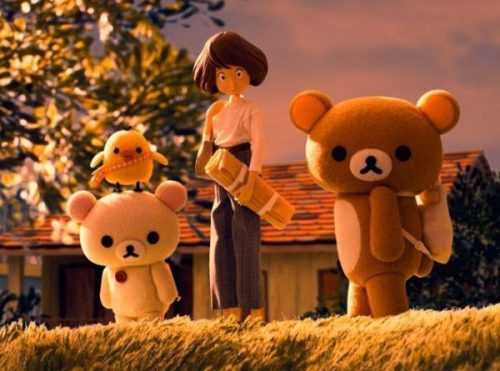
Meet Rilakkuma, a relaxed teddy bear (which is indeed what his name translates to in Japanese), and Kaoru, a Japanese office worker in her mid-thirties, who lives with said bear as well as a smaller white bear named Korilakkuma and a yellow chick by the name of Kiiroitori. As whimsical as all this may sound, the show offers up endearing and humane life lessons to go with all the heart-warming cuteness as Kaoru navigates being single, her apartment building being demolished, and her job stressing her out. It combines charming stop-motion characters with great writing, adorable animation, and a beautifully quiet tone. You might be surprised at the profundity of a show that, at the surface, is about a Japanese girl with cuddly toy roommates. It’s hard to compare it to anything else!
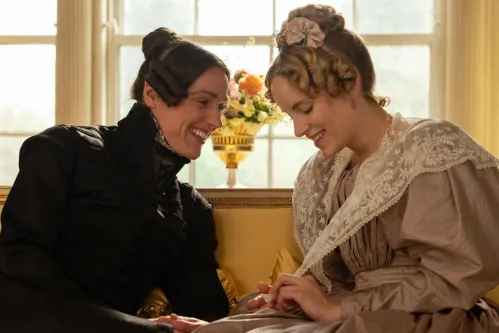
A quick look at Anne Lister’s Wikipedia page will let you know that the English landowner lived a full life. She dutifully attended to her tenants, traveled widely, wrote frequently, and loved oh so deeply. With Gentleman Jack, a nickname Lister received during her lifetime, Director Sally Wainwright (Happy Valley) gives her story justice by telling it with sufficient skill and sensitivity. Wainwright isn’t afraid to explore her voracious sexual appetite, her intellectual rigor, and her at-times questionable stance on land tenure. Wainwright’s decision to make the show as much about Lister as the servants and tenants is reminiscent of dramas like Downton Abbey, which give us a fuller picture of life back in the 1800s. Though it can sometimes make the show tonally discordant (is this a lesbian erotica, a day in the life period piece, or a family drama?) it ultimately adds to the richness of the story.
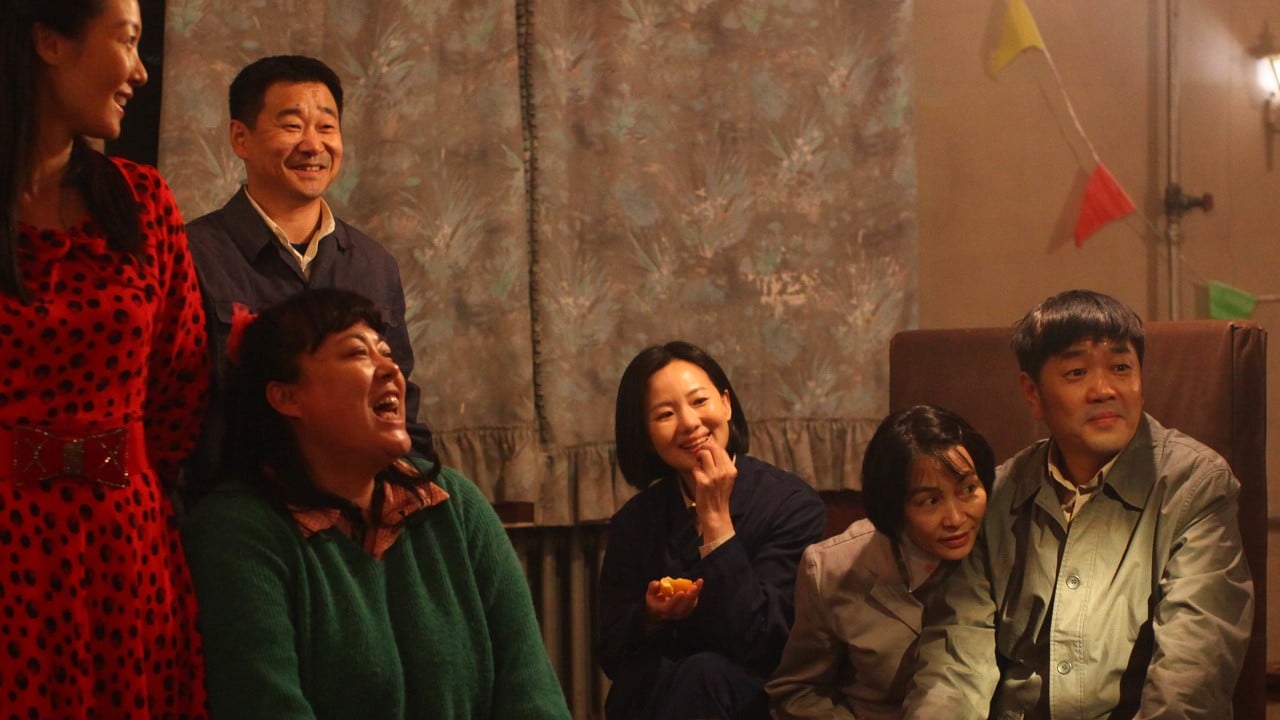
China implemented the one-child policy in the 1980s in order to curb the population growth, ending it by 2015 due to the shifting dependency ratio. So Long, My Son depicts two families while the policy was implemented, alternating between past and present to depict how the fickle finger of fate changed their destinies in a single tragedy. It’s intimate and heart-wrenching, and the thirty years haven’t been enough to soothe the guilt, fear, and pain that struck them. Clocking in at three hours, the film may not be a quick and easy watch, but So Long, My Son is the rare depiction of how China’s rapid changes personally affected its people, for better or worse.
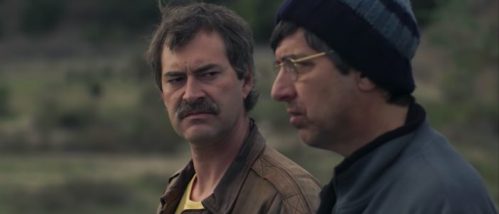
There are three big reasons to watch Paddleton. The first two are Ray Romano and Mark Duplass, who play the two neighbors at the center of the story. And the third is Alexandre Lehmann, the director, who also is responsible for Blue Jay (on Netflix as well).
These two misfit neighbors find themselves together when one of them is diagnosed with cancer. They embark on a trip to the nearest pharmacy (a six-hour drive) which turns into an adventure.
This premise gives Paddleton a lot to play on: it’s a comedy, but it’s also a drama about a fatal disease. It’s a bromance, but it’s about a fragile friendship. All these contradictions make Paddleton a great slice-of-life movie. And again, both actors are amazing. Watching it just for them is worth it.
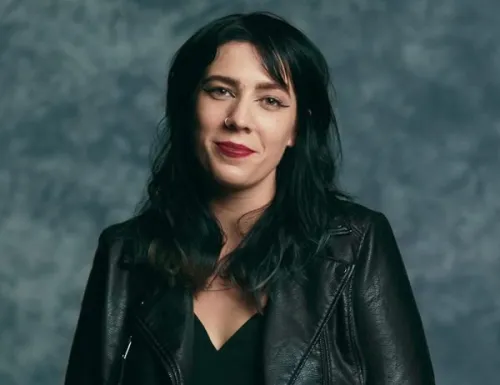
The question mark in the title represents the central idea of this fascinating documentary: what if worshipping Satan is the only way of ensuring religious freedom for everyone?
That’s what a group of young members known as The Satanic Temple believe, led by a determined and well-spoken Harvard graduate. They embark on a journey across the U.S. to challenge corrupt officials and the prevalence of religious biases in government agencies. They always request that their belief system (Satanism) is given the same favorable treatment as Christianity, effectively proving that authorities will really only accept a show of religion if it’s one religion: Christianity.
But their intoxicating energy comes with costs: divisions within the organization and growing pains. This documentary perfectly illustrates not only a misunderstood religion (in the documentary it’s referred to as “post-religion”) but the difficulties of establishing grassroots movements in general.
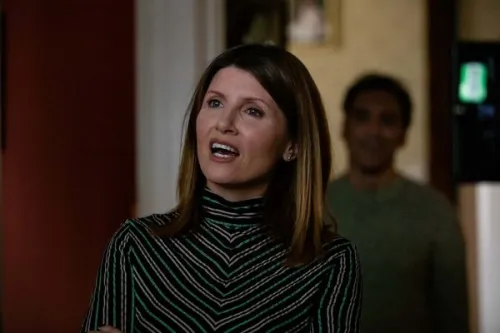
Two incredibly funny women are the stars of this authentic and heart-felt British comedy: writer, stand-up comedian, and main actress Aisling Bea, and the amazing Sharon Horgan (Catastrophe), who also co-produced the show. Irish teacher Áine (Bea) lives in London, yes, like Sharon Horgan’s character in Catastrophe, and works as an English-as-a-foreign-language teacher, but instead of getting knocked up by an American, she suffers a nervous breakdown and goes to rehab. When Áine checks out, she has to re-navigate all the aspects of real life that brought her to rehab in the first place. She does so with her sister Shona (Horgan) at her side. This is very clever and honest comedy about mental health, recovery, and loneliness, and about creating meaningful connections with the people around you. In true Bea and Horgan style, though, the humor is dark and will make you flinch and laugh at the same time. The chemistry between them is incredible!
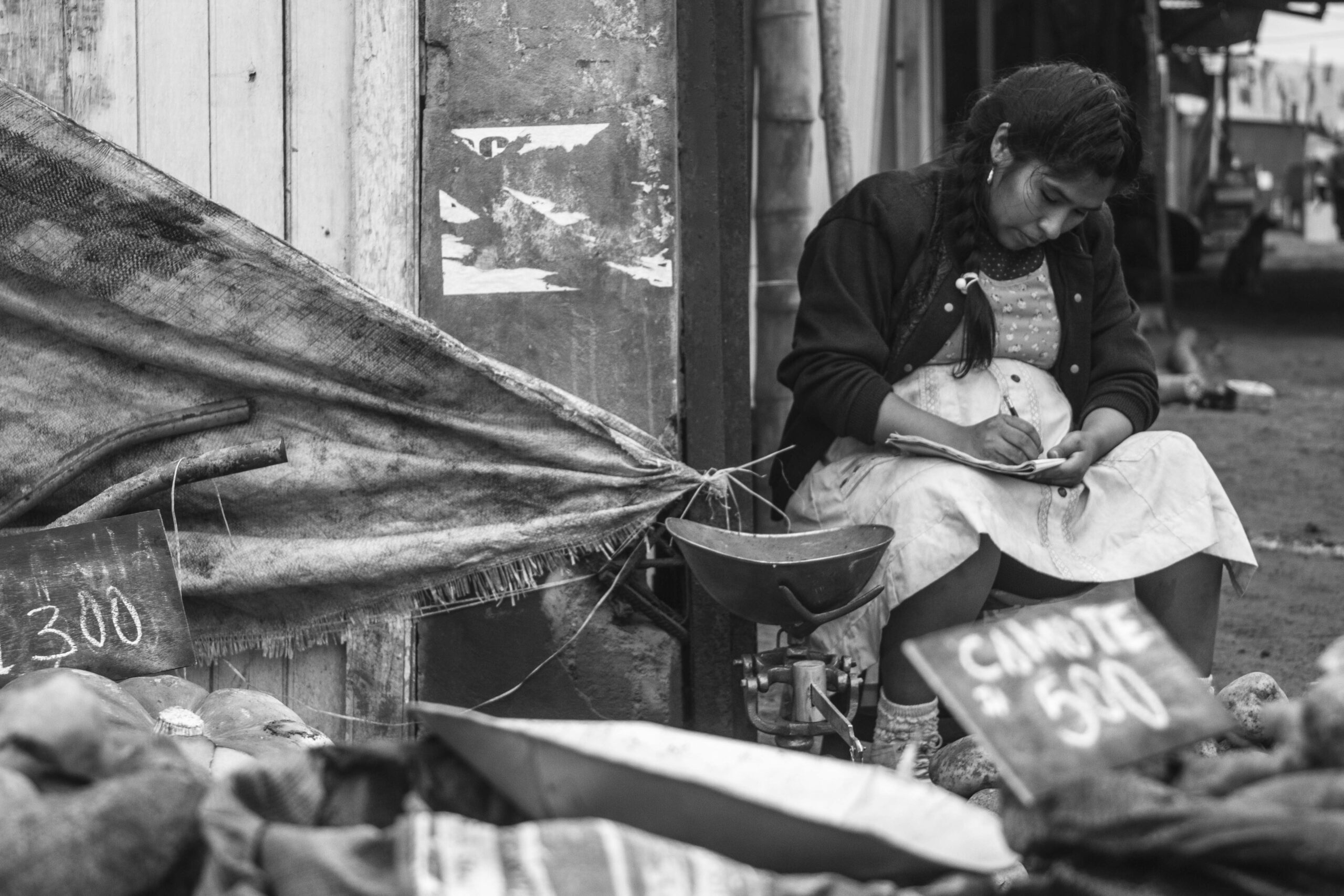
At times of political strife, how can one seek justice? Song Without a Name could have presented its case in a straightforward biopic. Inspired by her journalist father’s story, writer-director Melina León could have presented a hard-hitting docudrama that celebrated the smart journalists who brought the traffickers to justice. However, León doesn’t do that. She focuses instead on Georgina, the indigenous mother who lost her child. Her journey is beautifully shot in vignetted black-and-white, but the images and the lullabies she sings are striking, haunting reminders of what was lost, even as the traffickers get imprisoned. Song Without a Name remembers how this injustice was only half resolved.

On-screen, we’ve seen downtrodden Cinderella-esque leads, we’ve seen humans transform into animals, and we’ve seen whole families cursed, but Fruits Basket takes all these plot devices and transforms them into something completely different. As Tohru Honda gets to learn about the mysterious Sohma family, and she and friends gets into fun and wacky hijinks with the curse, the series takes the legend of the Chinese zodiac as a unique and effortless means to discuss systemic, generational abuse and resulting trauma that can occur within a family. The classic shoujo manga was first adapted into anime in 2001, but we’re recommending the later 2019 adaptation, which goes more in depth and depicts the complete story.

Given today’s access to cameras, it’s so easy to peek into the lives of other people. Sometimes those peeks seem much more exciting than our entire lives, but as most people know by now, what we see on screen can be so different to what’s really happening. Rather than social media, however, the two broke nobodies in The Great Buddha+ get their entertainment from the dashboard camera of their rich and famous boss, Kevin, though the recordings eventually reveal a darker side to the artist-philanthropist business owner. Alternating from their black-and-white lives to their boss’ colorful one, this dark comedy satirizes that gap between classes, the ones being watched and the ones who could only watch, with the narrator, and sometimes the characters, helpfully explaining on occasion what you’re seeing on screen. The Great Buddha+ gleefully mocks its ensemble, while still being cognizant of the real injustices they face.
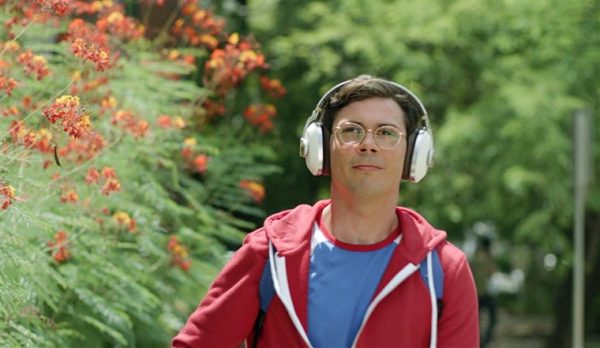
Clocking just 15 minutes per episode, Special is like a candy bar. It’s quick to consume but sweet as sugar. This new Netflix Original is set around a gay man with cerebral palsy, a disability that affects his body coordination but not his brain. As Ryan puts it in the first episode, it’s a disability that doesn’t make him normal but also is not severe enough for him to be part of the “cool disabled crew”. Ryan decides to turn his life around by pretending his disability is due to a car accident. People around him, especially at the exploitative millennial magazine “eggwoke” where he is an intern, start treating him differently. The car accident story provides a more accessible framework for them to understand his condition. It’s hard to believe a TV show can come out today and still manage to be so different from the rest, but Special does it. In other words, and I’m sorry to be this cheeky; Special is special.
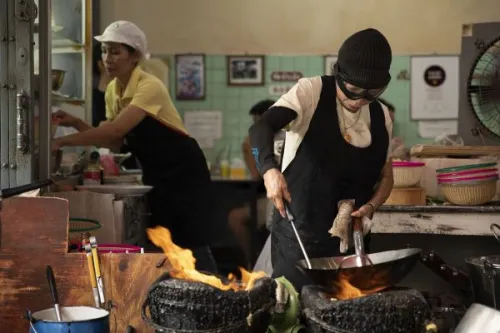
When I learned about Street Food the first time, I was reluctant to sit through yet another Netflix cooking show. They’ve made so many that when I want to bring up an episode with a friend I forget if I saw it in Ugly Delicious, Chef’s Table, Salt Fat Acid Heat or others. I can’t say that Street Food is a different format. It uses the same slow-motion takes of food, the same close-ups on chefs and the same style of interviews. Here is the thing though. Street Food might be similar to other Netflix cooking shows, but it’s also better than them in almost every way. Much better. It’s only 30 minutes long per episode, so it doesn’t indulge in egos or stray into unrelated stories. It doesn’t showcase kitchens where only the rich eat, like Chef’s Table often does, but stalls that are accessible to everyone. And in the best way, it connects the story of the food makers to the food. The show is mostly about middle-aged to senior women, and people who do not make that much money. It’s not about glamorous young chefs. It’s about food stripped away from any marketing or showbiz. Real cooking, real chefs, real diners. In its unpretentious nature, Street Food feels euphoric.
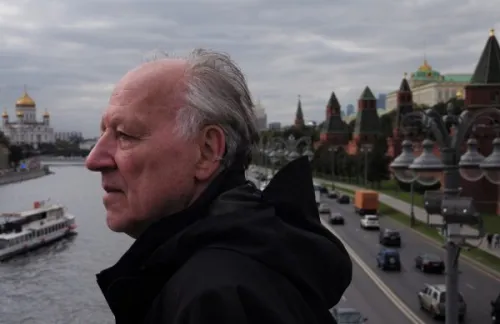
This informative documentary about the former president of the Soviet Union Mikhail Gorbachev is set against modern-day interviews with him that span 6 months. Sitting opposite of him is the Gorbachev equivalent in filmmaking: Werner Herzog. The prolific director asks interesting questions and narrates events that illustrate Gorbachev’s forgotten importance: ending the cold war, a push for denuclearization and avoiding bloodshed during the fall of the Soviet Block. The fact that Gorbachev is loved by so many, including Herzog – who at some point actually says “I love you” – might be the only problem with this documentary. It’s a great reminder of why people loved the Soviet leader, a phenomenon otherwise known as “Gorbymania”, but it does very little in portraying him in a critical light.
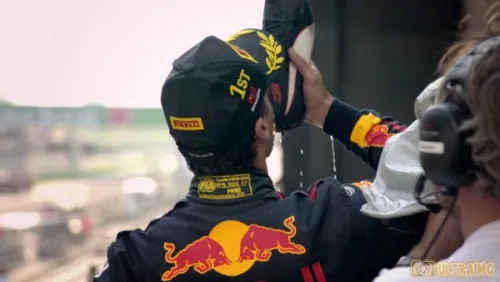
There are only 20 seats in Formula 1 each year, meaning that drivers are not only racing to win but to be kept on the roster. With the big stars, Ferrari and Mercedes, habitually shrouded in secrecy, Formula 1: Drive to Survive focuses more on the back of the grid. Lewis Hamilton, the five-time world champion, is rarely seen, for example, giving more room for other stories to unfold, including that of Günther Steiner, the Italian team principal of the Haas Formula One Team. That is not to say there are no big reveals. Even if you think Formula 1 is a decadent, testosterone-driven sports for rich Europeans, Drive to Survive might be welcome crash course into what makes this sport so appealing for many and might also have the potential to change your mind. If not, it is still a very well-made, slick, and engaging docuseries that will have enthusiasts and newcomers thoroughly entertained.
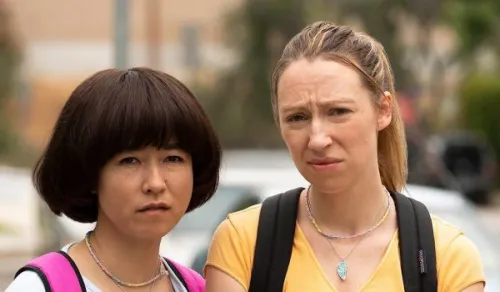
Co-created and co-produced by an amazing duo, Maya Erskine and Anna Konkle, who play fictional versions of their 13-year-old selves among a bunch of actual adolescents, Hulu’s PEN15 is a painfully funny teen sitcom about two friends going through middle-school together. With meticulous detail, it is set in the 2000s, including the discmen, the khakis, and the AOL dial-up sounds, but you certainly don’t have to be 30+ to enjoy the masturbation, boys, overall awkwardness, and other superbly spun teen comedy tropes. Erskine and Konkle’s middle-school experience was obviously all about being the lesser cool kids and they embody this to the fullest. It’s hilarious and cringey, sometimes gross, but also insightful. A lot of fun!

At the first few moments, Song Lang seemed to be something akin to Farewell My Concubine– the film takes a snapshot of a communist Asian country in a different time, through the lens of a regional opera form with painted faces, elaborate costumes, and captivating tunes. But there’s more to Song Lang than this. Tragedy isn’t prophesized through songs of an already existing opera (in fact, the film features all new tunes), but instead, it occurs because Dung, the loan shark, didn’t reflect on the past early enough for him to reclaim the art form his family once loved, a concern shared with cải lương as a declining genre. Song Lang is a moving drama, but it’s also a nostalgic time capsule of 1980s Saigon and cải lương as a whole.
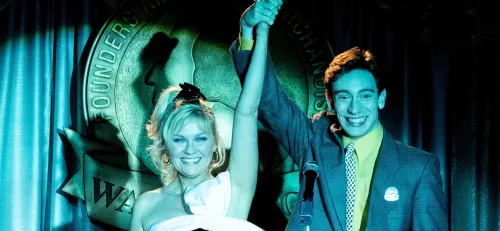
The American Dream thrives on people who work hard and dream big, even though success is almost never guaranteed. On Becoming a God in Central Florida points this out by brilliantly exposing how capitalist institutions exploit the desperation and naivete of those in need. There is, inevitably, a darkness to the story it tells, even though Krystal tries her best to outwit a system rigged against her. But showrunner Esta Spalding tells it with a campiness and magical weirdness that seems fitting for a show based in sun-soaked Florida. There is no shortage of incredible performances too from reliable veterans like Dunst and Skarsgård to relative newcomers like Théodore Pellerin, who plays the pyramid scheme FAM’s blind devotee. Not only does he hold his own, but his blind (and funny!) fanaticism often steals the show.

This 140-minute Brazilian drama is an epic and touching tale of two sisters torn apart. In 1950s Rio de Janeiro, Eurídice, 18, and Guida, 20, are inseparable, but their dreams soon take them away from each other, from their conservative family, and from Brazil.
After they are separated, each one of them believes the other is achieving her dreams when often the opposite was happening. Family betrayal, silence, and a suffocating social climate shatter the aspiration of the sisters but also highlight their strength.
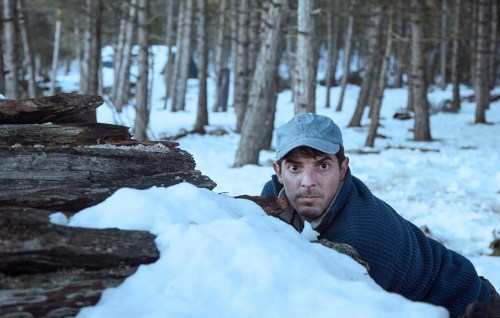
The four chapters of Only the Animals could make separate films on their own, but the combination that forms this non-linear crime thriller creates a uniquely layered murder mystery. Based on the novel of the same name, the film is centered on the disappearance of the wealthy Evelyne Ducat. Her disappearance affects the characters named in each chapter title, though the alternate timelines tease the means, method, and motivation. Starting from the one living closest to the snowy mountains she was last seen in, all the way to the sunny Côte d’Ivoire, all their lives interlock in unexpected ways, chief of which is the same loneliness that moves them to the foolish actions they take. Only the Animals balance all their stories with tight-rope suspense.
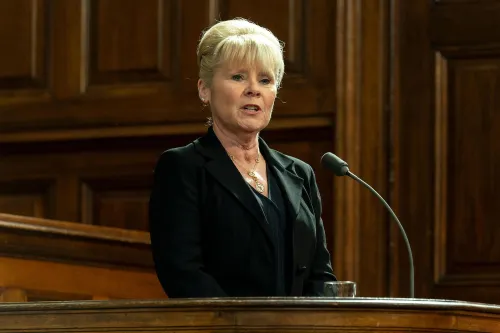
While eschewing protocol is often rewarded in Hollywood films, in real life, this act can cost you your career, especially if you’re in the force like Detective Superintendent Steve Fulcher (Freeman). A Confession tells two stories, essentially, that of Fulcher’s legal entanglements after he successfully got a serial killer to confess without representation, and that of Sian and Becky, the slain victims in Fulcher’s case. Though the series is slow to start (it only picks up by the end of the second episode), it’s buoyed by fantastic performances and genuinely thought-provoking questions, the main one being, how far would you go to pursue justice?
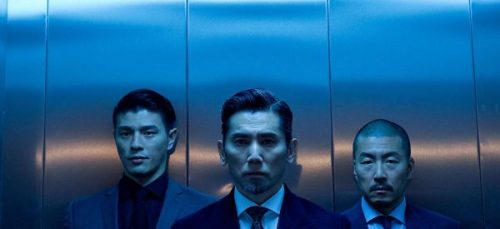
This is an thrilling BBC/Netflix show and a Yakuza drama that takes place between Tokyo and London. About half of the dialogue is in Japanese and the other half is in English.
Yakuza families are no longer at peace when a boss’s nephew is assassinated in London. Trying to bring the culprit in without interference from the British police, a Tokyo detective is sent to the UK to try to find him.
There is an undeniable appeal to seeing the world of yakuza unfold, but the show’s title, which translates to Duty/Shame is a reference to the detective’s own personal conflict: the suspected murderer he’s looking for is his brother. Ouu.
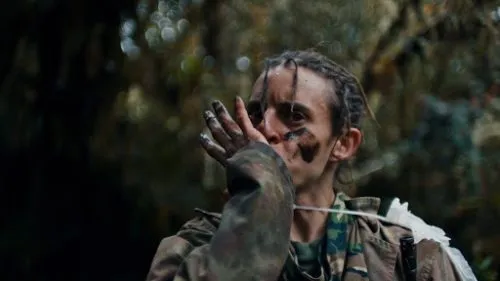
This crazy adventure thriller was Colombia’s nomination for the 2020 Oscars. “Monos” translates to monkeys, the nom de guerre of a group of teenagers holding an American hostage in an isolated bunker. Other than the occasional visit from their supervisor, they’re left to their devices, forming relationships, smoking weed, drinking, and eating psychedelic mushrooms. One day, on top of the hostage, they’re also trusted with a milk cow, named Shakira. A party goes wrong and one of the Monos accidentally kills Shakira, triggering a series of events that sends them deep into the jungle, and deep into despair.
Monos is not an action movie, it’s more of a character study. It was loosely based on The Lord of the Flies.
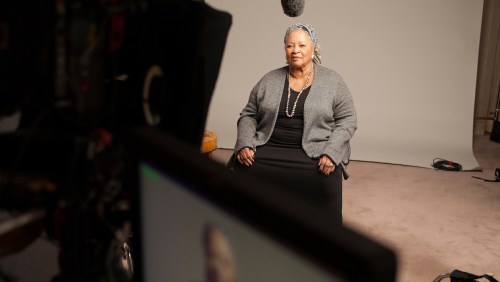
When Toni Morrison taught at Princeton, she told her students, “Don’t write about your little life. Create something.” This documentary follows her instruction by being more than a simple biography. Apart from telling the story of her rich, fully-lived life, The Pieces I Am doubles as an artful and educational history lesson about the unique African-American experience. It’s dotted with beautiful artworks and insightful anecdotes shared by Morrison’s colleagues from the various schools and publishing houses she worked at. But most important of all, Morrison gets to narrate the film in her own beautiful, poetic words and, in the process, reveals different facets of herself. There’s Morrison the teacher, editor, writer, and mother, but also: the delightful baker, the supportive friend, the party enjoyer, the critical philosopher. The Pieces I Am is a great collection of many things, a moving collage that pieces together the most interesting parts about the beloved writer in question.
 x1
x1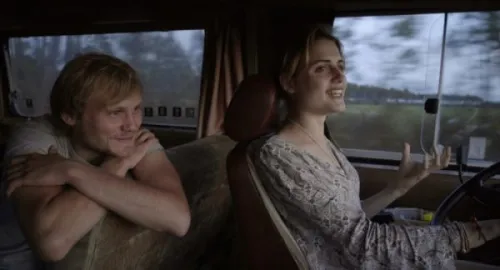
A sweet and romantic German movie about two Berliners who meet randomly and go on a road trip to the south of Europe. It might seem like a silly premise but it’s actually a philosophical movie, one that feels very realistic. The two characters debate human nature, politics, relationships, etc; almost throughout their trip. And they’re played by excellent newcomers who ooze charisma and make the question of what will happen between them incredibly thrilling.
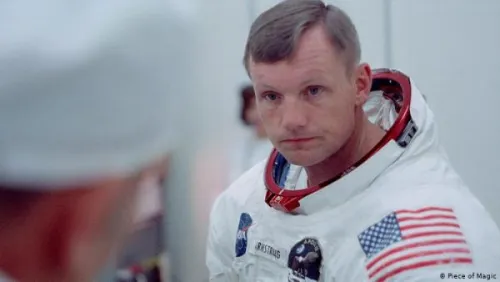
What makes Apollo 11 stand out is its sharp minimalist approach, allowing the archival footage of the mission to the moon to speak for itself. It’s stunning to think that at one point or another we had collectively seen a bulk of the footage in this film, and yet somehow let it lay dormant until the moon landing had been reduced to black and white stills in our collective imaginations. Not only does this film reinvigorate the moon landing with the power that it once held, but it does so in a way that is more thrilling than anything the Marvel CGI wizards could muster. The vibrant score adds a layer of ferocious tension, while the breakneck pace gives the feel of a rollercoaster ride. If there is any fault to find here, it is most definitely with the film’s MAGA style yearning for a time and place that never existed. Spare us the teary-eyed patriotism and the clips of Nixon, a disgraceful criminal, and vile racist, yammering on about the world becoming one. Nevertheless, this is a fantastic example of why most biopics should just be documentaries and why the fanatical fear of spoilers is a tad silly. Spoiler alert: they land on the moon.
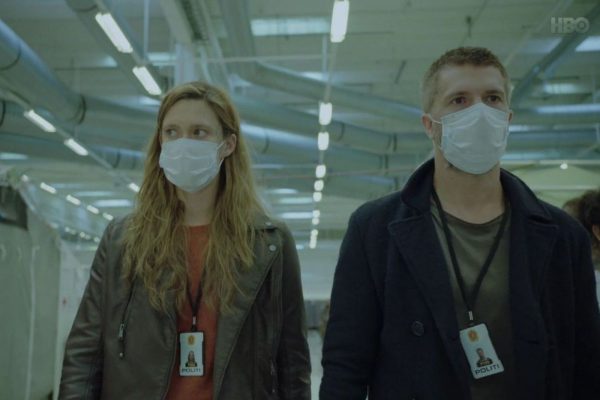
The first Norwegian series made by HBO is a crazy and fun detective thriller. People from three different centuries start washing up at our time in the Oslo bay: from the Stone Age, the Viking Age, and the 19th century. Before you know it, downtown Oslo is full of people drying up hunted animals and camping in the gardens of official buildings. And seven years later, one woman, from the Viking Age, becomes the first modern-day “multi-temporal” cop. Together with a modern-day detective, they try to solve new crimes which involve people from different time periods.
If all of this sounds silly, don’t worry: Beforeigners pulls it all off. All the multi-century premise does is bring originality to the otherwise over-exploited buddy-cop show genre. It hits the perfect balance between familiar and different.

Nadia is a game developer and proud aging hipster living in New York. Her story starts at her thirty-sixth birthday party looking at herself in the bathroom mirror. On her way out, she finds a friend who hands her a joint laced with cocaine, “that’s how the Israelis do it” her friend says.
Nadia hooks up with a guy and they stop at a bodega on the way back to her place. So far everything seems normal (in a New York-hipster kind of way). But on her way out of the bodega, she is hit by a car and dies. The story restarts, at the same birthday party, staring at herself in the mirror.
Russian Doll can be summarized in what Nadia screams later that night: “the universe is trying to f*ck with me, and I refuse to engage”. Her strong personality and the events that happen to her allow the show to explore themes of vulnerability, trauma, and even life and death. Russian Doll repeats almost every episode, but its originality and plot twists make it more refreshing with every repeat.
This rhythm takes some quick getting used to, but the moment you do you will not be able to look away. Natasha Lyonne from Orange is the New Black is masterful at playing Nadia. She co-created the show with Amy Poehler and Sleeping With Other People director, Leslye Headland. She packs a lot of the originality and character that possibly makes Russian Doll the most fun and original show you will watch in 2019.
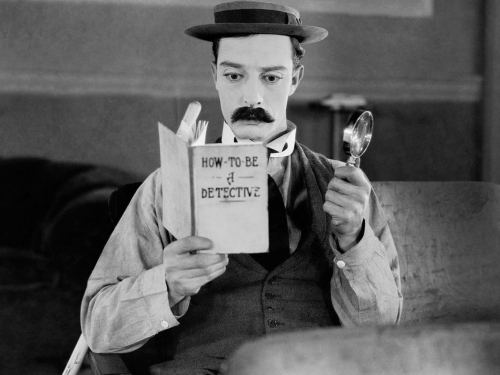
In his last film, American Serb film historian Peter Bogdanovich celebrates silver screen legend Buster Keaton. The subject alone is compelling to watch. It would be easy to pull clips from Keaton’s works, dig through the headlines, pull in some celebrity interviews, and call it a day. However, in Bogdanovich’s hands, this documentary handles Keaton with respect. Instead of focusing on the scandals, Bogdanovich focuses on Keaton’s brilliant work. Instead of reciting facts, Bogdanovich highlights how his bits influenced film today. Excellent editing – cuts, structure, and scoring – helps us glide through Keaton’s work. The film truly understands Keaton’s life and exactly why he’s brilliant. Comprehensive yet very focused, this documentary honestly feels better than film school.
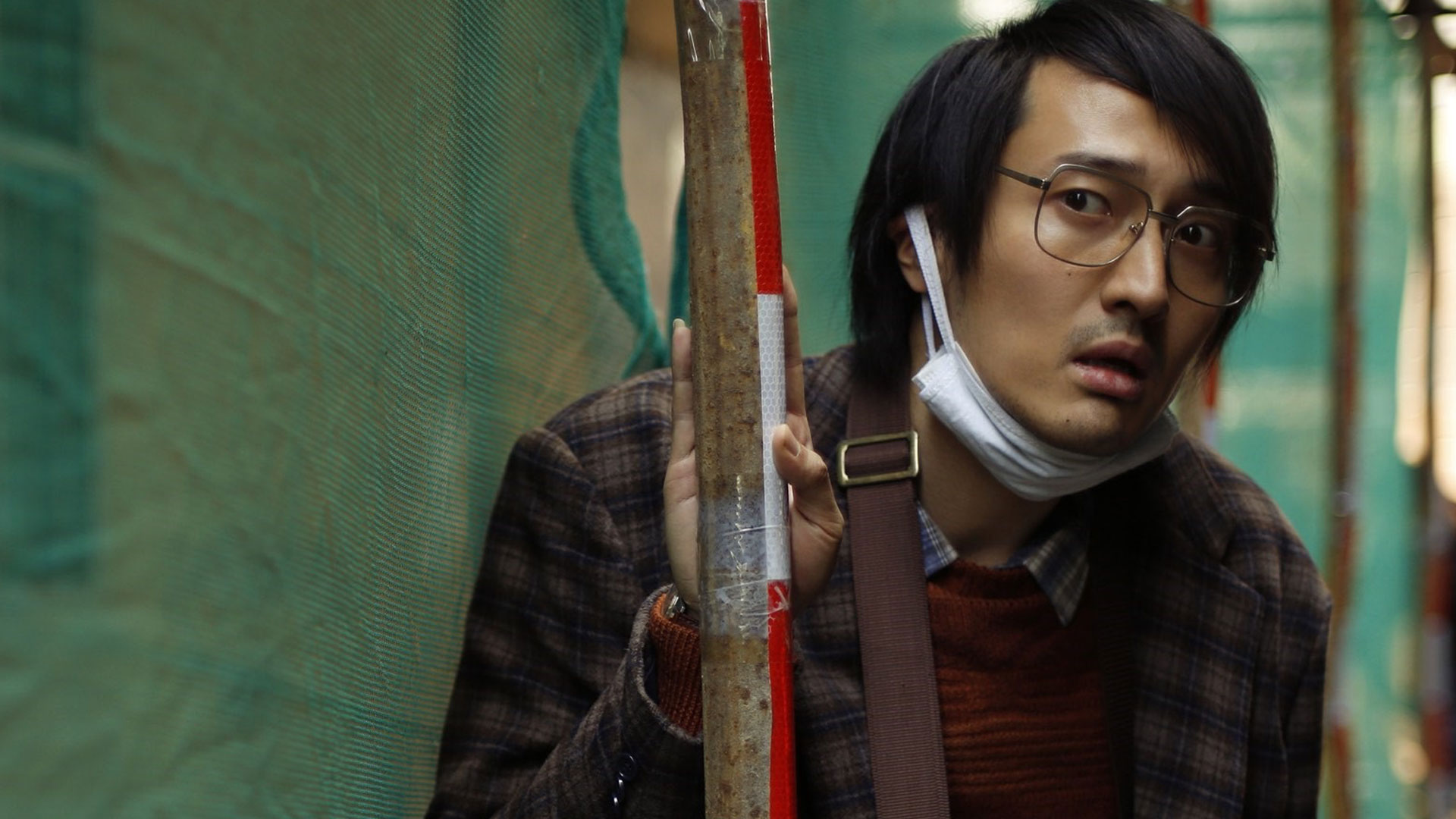
Robin Hood might be a centuries old folk hero, but his reincarnations seem to pop up in real life, including the true story behind Dying to Survive. Alternatively translated as I’m Not A Medicine God, the modern day Chinese iteration is initially less concerned over the common good and more concerned with money. It makes for a much more humorous take, as the ordinary peddler bribes, smuggles, and asserts his desire for profit, but it also sets up the real desperation created by a medical drug industry that hopes to incentivize research and protect consumers, but inadvertently blocks the very people that needs said drugs. Dying to Survive might focus more on the smuggler than critiquing this conundrum, but nonetheless it understands the real recurring tragedy that modern life can’t seem to completely solve.
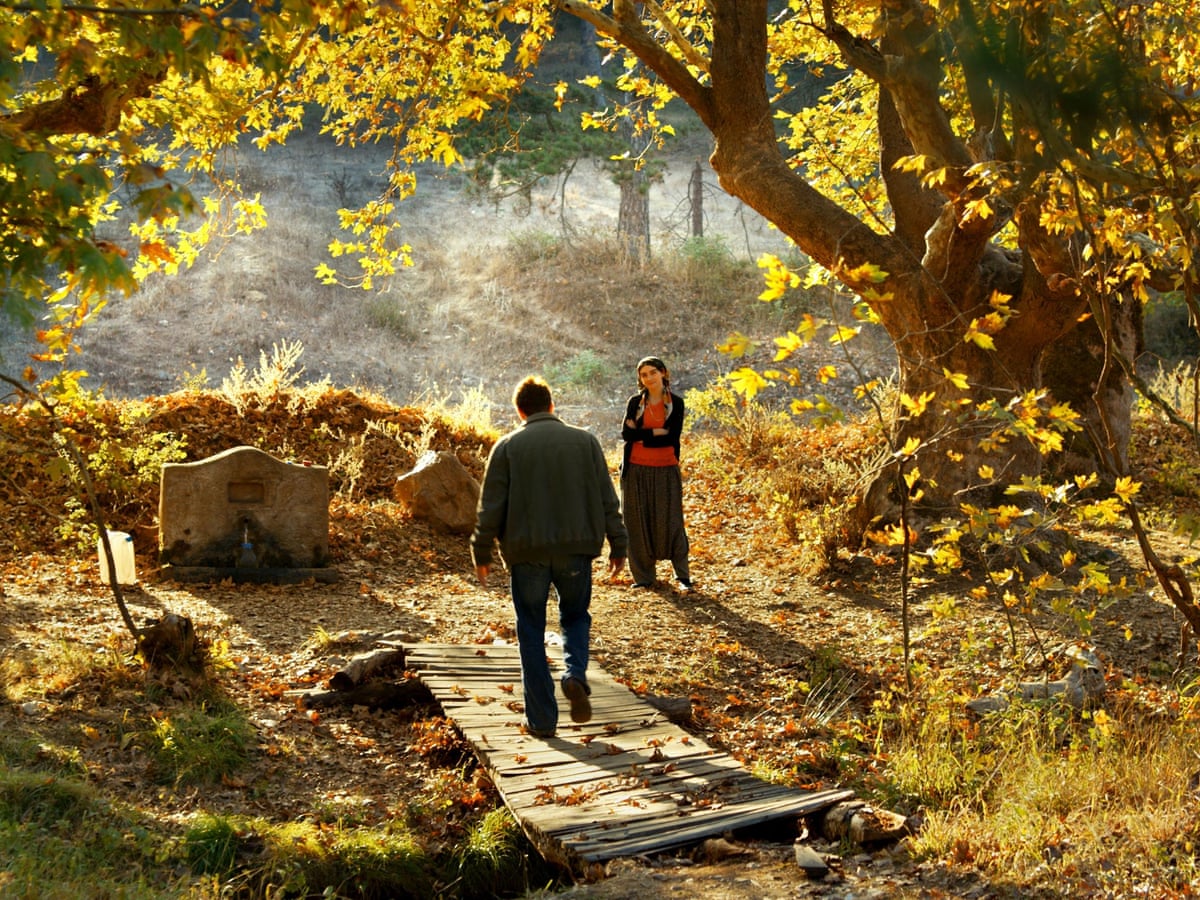
The Wild Pear Tree is somewhat like a novel made into a movie– It’s long, it’s philosophical, and it’s mostly composed of conversations a young protagonist has in order to figure out the best way to live. At first glance, the plot can seem rather mundane. But there’s a subtle anger that drives the film, as Sinan tries to make sense of the arbitrary nature of modern society, but can’t seem to find any answers that satisfy him, due to being at a different place with everyone around him, or simply because he just doesn’t know better. Most people would likely understand one or both sides each talk presents. Depending on where you’re at in life, some or more of these conversations may resonate with you, but there’s no denying that writer-director Nuri Bilge Ceylan crafted his characters well, feeling as real and as personal as the people he grew up with in his hometown.
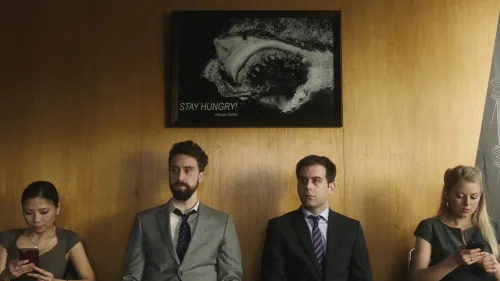
Warning: this workplace series takes everything you hate about corporate life and mirrors it back to you with alarming clarity. It takes place in a morally corrupt multinational called Hampton DeVille, and we mostly follow “junior executives in training” Matt and Jake in their daily goings-on in the office. Sometimes, they’re able to cope by sneaking a nap here or making watercooler jokes there—absurd imaginings and occasional protests also help allay their boredom—but for the most part, they’ve given up on the system and are just trudging through the everyday. While Matt optimistically hopes for a better life outside the cubicle, Jake cynically lets him (and us) know that “There no way not to waste your life.”
Like Office Space and Better Off Ted before it, Corporate is endlessly nihilistic, but unlike them, it doesn’t have a redemptive moment where the protagonists find a silver lining in their jobs. No, Corporate is as bleak as it gets. But buoyed by ridiculous hilarity, sharp social commentary, and the insane ability to perfectly describe corporate life, it remains highly watchable, like a dystopian tragicomedy inching closer and closer to real life.
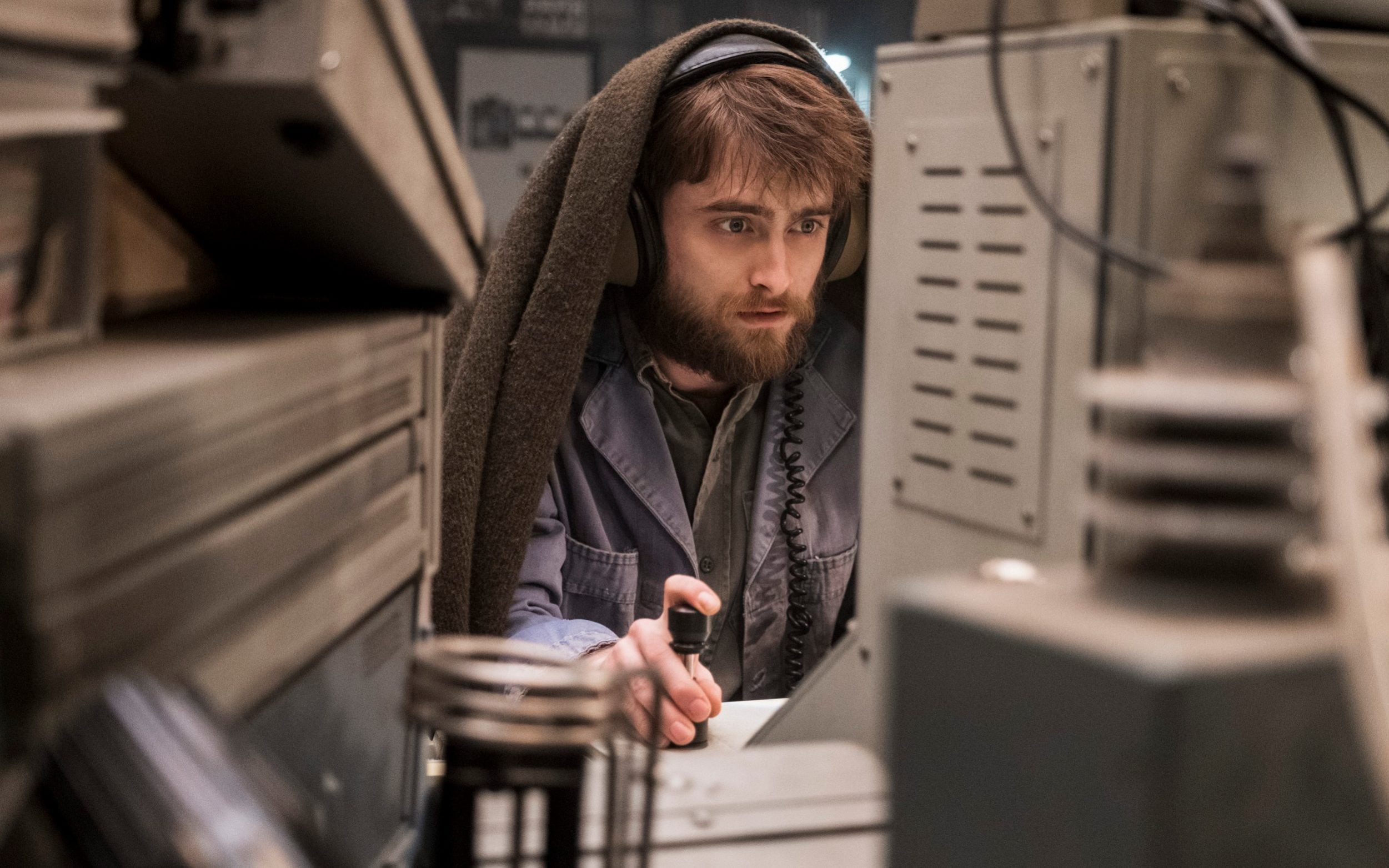
What does corporate heaven, the Dark Ages, the Oregon Trail, and a post-apocalyptic world have in common? Nothing, except that they are all settings for each season of Miracle Workers. The eccentric comedy anthology series plays out somewhat like a set of extended Saturday Night Live skits, with one of its youngest writers Simon Rich running the show, but the absurd humor works as Rich juxtaposes today’s modern behavior in these novel settings each season. It’s quirky and light on its feet, focusing on silly situations, but through these short episodes, Miracle Workers do create miracles in the way Daniel Radcliffe, Steve Buscemi, and Geraldine Viswanathan’s characters resolve to make a meaningful change, despite terrible circumstances. It’s not as in-depth and profound as The Good Place, but it’s funny and surprisingly witty, dealing with ideas about what’s good and how to get the will to do it.
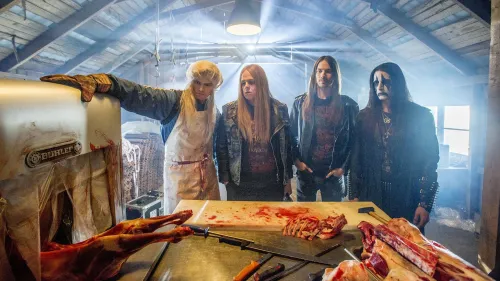
Heavy Trip is a comedy about a heavy metal band, but unlike many mainstream portrayals, it doesn’t dismiss the genre and its fans as overly aggressive, overly serious, or satanic. Instead, these misfits are endearingly goofy. While they growl over their frustrations, they’re totally sincere about their passion, willing to headbang even in the places they earn their living. So when they finally get a chance of a lifetime, it’s so easy to root for their success in spite of all the things that go wrong (maybe even because of all the ridiculous incidents that happen). While it won’t be the smoothest watch for non-metal fans, Hevi Reissu is a crowdpleaser. Just make sure to prepare your ears.