Movies to Watch From Australia (Page 2)
To access filters, visit our homepage.











Despite a name that sounds like a cheap horror flick from the 80’s, Chopper is in fact an ‘autobiographical’ account of Australian robber, kidnapper and all round crazy bastard Mark ‘Chopper’ Read. But don’t think this will be some bog-standard, by-the-numbers, ‘crime doesn’t pay’ movie of the week, instead this film revels in gleeful pitch-black humor, wonderfully shot but not gratuitous, scenes of cold violence and a wonderful lead actor, Eric Bana, (in the role that got his foot firmly through the Hollywood door) who dominates every single frame he is in. At a lean 90 minutes long, you have no excuse not to watch this wonderful gem of a film.
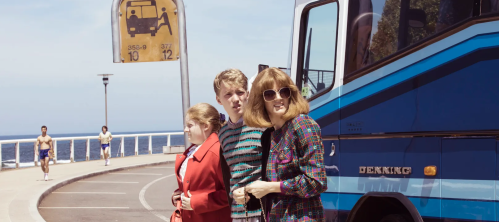
Frayed is one of those shows whose simple premise is made special by a strong script and even stronger performances. The humor is Australian dry, but it’s punctuated by surprisingly sweet moments that make you root for the growth of its complicated characters. The show is elevated, too, by its wonderfully detailed and realized setting: 1980s Australia, except it’s not Home and Away or any of the wealthy suburbias we’ve come to know via Aussie soaps, but a real place, Kendall’s hometown Newcastle, that is in the midst of an industrial recession and population diversification. As a whole, Frayed might seem like just another streaming dramedy, but there’s a lot to love here if you stick around.
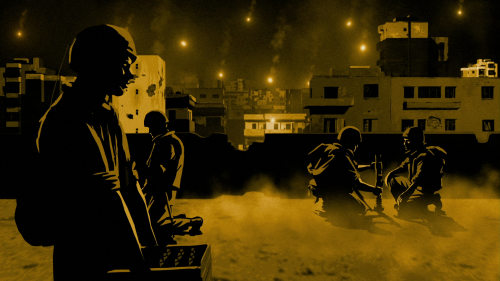
In Waltz with Bashir, director Ari Folman grapples with the trauma and dehumanization of war by examining the role he played in the 1982 Invasion of Lebanon. But his memories are fractured, so in an attempt to piece them back together, he visits his comrades and has them recall the events for him. The result is both poignant and painful, a horrific tell-all of what happens on both sides of the battleground. The film is a documentary, chillingly honest and straightforward, but it’s also an animation gem that continues the legacy that Persepolis started and Flee continues. By combining the harshness of war with the lightness of animation, all three films effectively deliver their anti-war message with a much-needed human and personal touch.
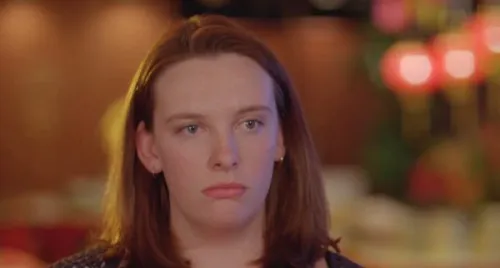
Muriel is a young social outcast who spends her time obsessively planning a dream wedding without ever having been on a date. Her life is flipped upside down when she steals $15,000 from the family business to go on a tropical getaway. This brilliant comedy is memorable as much for Toni Collete’s breakout role as it is for its snarky subversion of rom-com tropes.
Muriel’s Wedding arrived in a wave of bright and brash Australian comedies of the early 90s like Priscilla Queen of the Desert and Strictly Ballroom. And like these counterparts, its heightened reality gives way to a surprising and heartbreaking emotional core. Director PJ Hogan would go on to direct My Best Friend’s Wedding – a fun but watered-down imitation of the surprising storytelling that made this a cult classic.
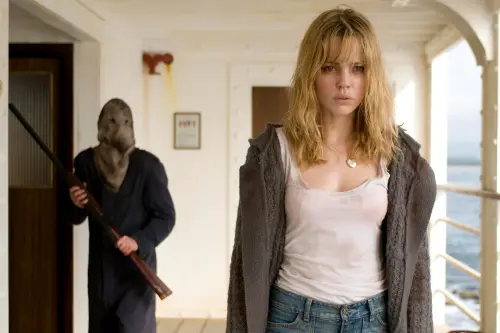
A woman joins some acquaintances on a sailing trip only to get caught in a storm. They are rescued by a seemingly empty cruise ship and struggle to make sense of the mysteries that unfold. Definitely one of those “The less you know the better” type of films. If you like well-written creepy thrillers with a nice amount of gore, you will most likely enjoy this.
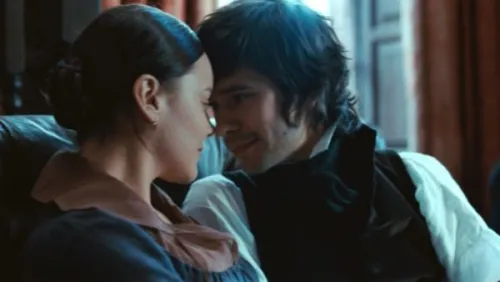
Jane Campion’s biographical drama about the poet John Keats derives its name from one of the latter’s greatest love sonnets: Bright star, would I were stedfast as thou art… / Still, still to hear her tender-taken breath/ And so live ever—or else swoon to death.
Keats remains one of the most celebrated and adored Romantic poets. His writing challenged the poetic form, and revered the world for what it is at its best: wondrous, surprising, sublime. Ben Whishaw’s portrayal of Keats is rightfully distant, as we encounter the poet’s incredible aloofness through the perspective of interested suitor Fanny Brawne (Abbie Cornish). Brawne’s relationship with Keats was short but intense, providing great artistic inspiration and devastating devotion. Campion perfectly captures their fleeting relationship in this deft, crushing drama.

As far as heroic biopics go, One Life is fairly standard, if not a bit forgettable. The film’s monotonous pace and less-than-compelling drama don’t quite match the extraordinary real-life feats of the British stockbroker who helped transport hundreds of Jewish children from Nazi-occupied Prague into Britain. The beats are familiar, the dialogue even more so. But there is one saving grace here, and that’s Anthony Hopkins, who plays the stockbroker in question, Nicky Winton, with such believable grace. Hopkins effortlessly relays the heavy guilt of his character, and when he finally breaks down by the film’s climax, you can’t help but cry with him. Everything else about the film, including the flashbacks to young Nicky, played by Johnny Flynn, could be stronger, but as it stands, One Life serves as an effective enough reminder to stand up for what’s right and be proud of that act, no matter how seemingly small or singular.
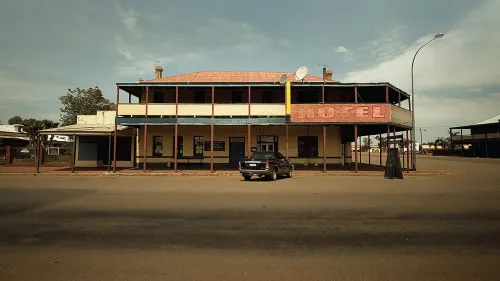
A plot straight out of a horror film: two young, but penniless foreigners find themselves stuck in a town ruled by miners and their drinking habits. This is the real story of Lina and Steph (surnames withheld), twenty-something women who have just been robbed out of their credit cards and cash in Bali. Their around-the-world trip takes them to Australia, by way of an agency that offers seasonal work, room, and board. The cost is small: you have to be “okay with a little male attention” in this particular place. A mining town called Coolgardie becomes synonymous with hell for the two women as seen through Pete Gleeson’s camera that’s inobtrustive, distant, “a-fly-on-the-wall”. Precisely that distance makes exacerbates the ick factor when watching the documentary today, even if its content is not judgemental. Because of how easily the camera blends in to the surroundings, we’re left to wonder exactly how deep racism and sexism run in that particular microcosmos. After all, according to the manager, customers “grow a new leg” when “fresh meat” comes to town.
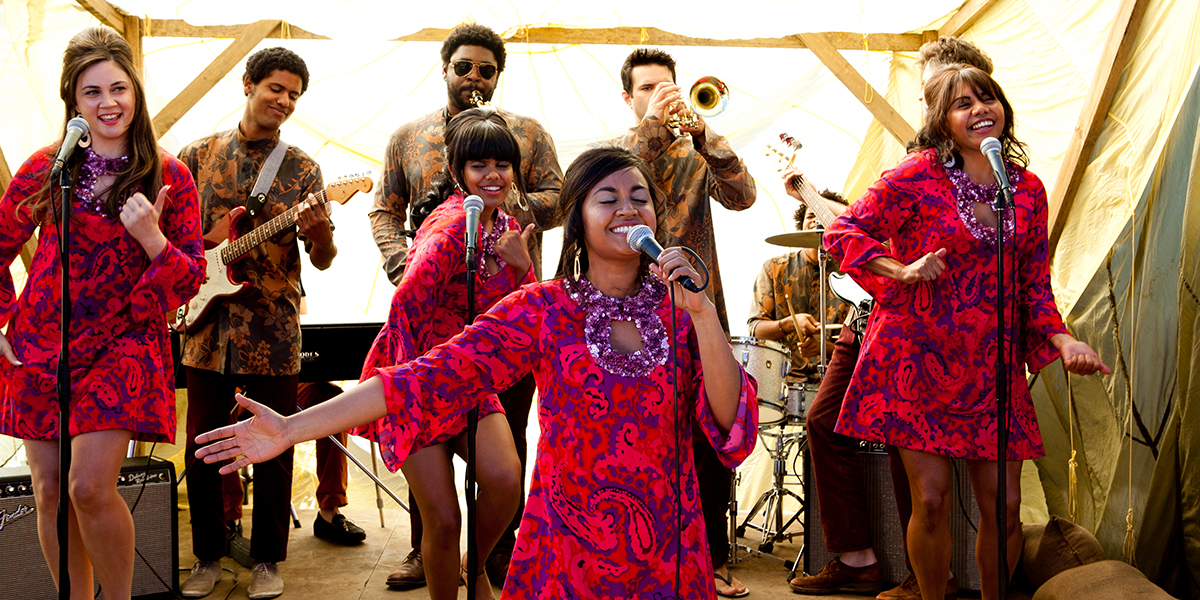
Is Australia’s The Sapphires better than America’s Dreamgirls? Well, in terms of the films about these girl groups, it’s a bit of a challenge to compare considering historical inaccuracy. Nevertheless, writer Tony Briggs tells his family’s story with finesse, taking the real life narrative to tell us a surprisingly multilayered story of Aboriginal Australia in the 70s, of singers inspired by soul across the Pacific, and of a family torn apart by forced adoptions and state-sanctioned separation of white-passing mixed-race children. There are times when it stumbles into the usual biopic traps, and some of the inaccuracies do detract focus from the central ladies, but The Sapphires still works with its sweet, wholehearted characters, and the way they present their songs.
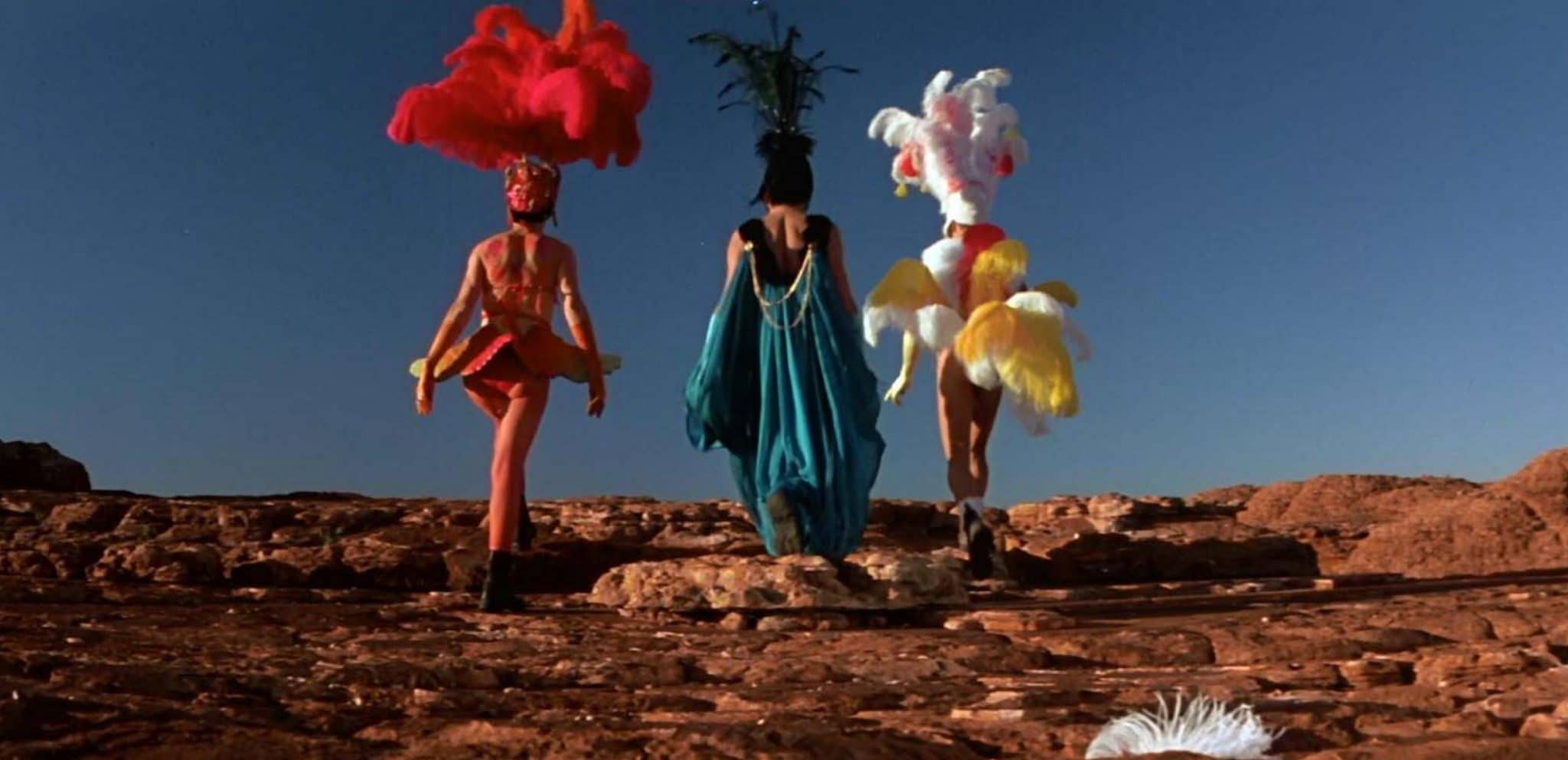
Cheerfully outrageous yet heartwarmingly tender, the Adventures of Priscilla, Queen of the Desert was ahead of its time, daring to dive into drag and transexuality, when the rest of the world was still coming around to accepting homosexuality. On the bus which the title is named after, two drag queens and a trans woman have a road trip, that does have some difficult moments, when they drive through intolerant towns, but overall, becomes quite lovely, as the three forge a bond through drag, witty, sarcastic quips and sharing vulnerable moments. While all three leads are portrayed by cis men, and the role of Bob’s Filipino wife feels slightly stereotypical, overall, The Adventures of Priscilla is a grand ol’ time, a joyful film about finding family in a world where tolerance wasn’t a guarantee.
 x7
x7
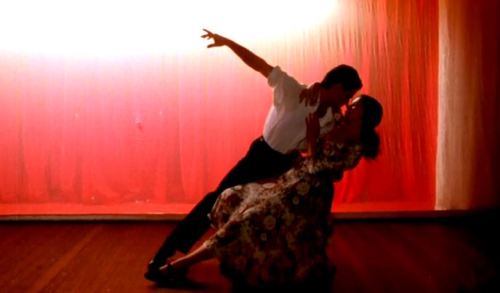
Strictly Ballroom is an energetic, fun and hilarious movie. Baz Lurhman does an incredible job telling the story of a rebellious young dancer who just wants to dance his own steps in the face of conformity. When he finds an inexperienced yet determined dance partner it’s the beginning of an unexpected love story like no other. This movie isn’t like the usual rom-com, it has colour, vitality and passion. It’s a Moulin Rouge but with even more character, and the work that put Lurhman on the map for everyone.
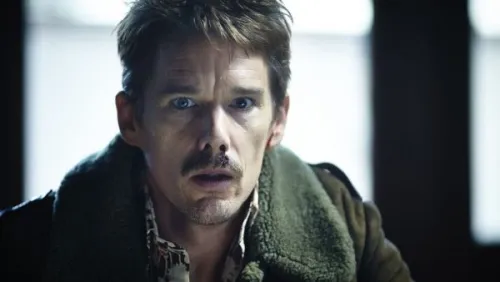
One of the most original time-travel thrillers since 12 Monkeys. A brilliant subversion of the Time Paradox trope, with enough plot twists to keep you entertained until well after the movie is finished. Predestination is an amazing movie with great performances from Ethan Hawke and Sarah Snook. It’s a movie that will feel like Inception, when it comes to messing with your mind and barely anyone has heard of it. It is highly underrated and unknown, sadly.
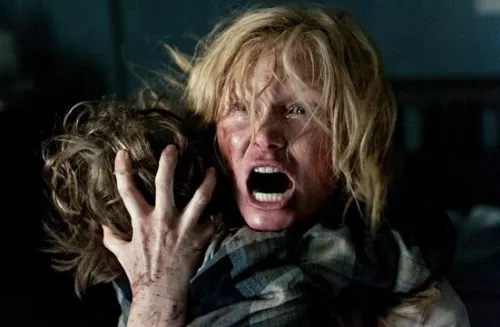
In an age where recent horror films mostly use the jump-scare as a crutch to make their CGI-spawned (not to mention generic) creatures seem scary, The Babadook portrays real scares, relatable characters and a moving story. Jennifer Kent (director and writer) sets this on the backdrop of heavily Lars von Trier-inspired cinematography, elevating The Babadook from a shot at an amazing horror to a resemblance of an art house film. The unease felt during this film only increases as it creeps towards its conclusion. Whenever the Babadook (the monster of the film) is seen lurking in the peripherals of the camera, appearing in television sets and the shadows to create a sense of omnipresence that disturbs the viewer on a deeper, more primal level than that of so many recent horror films could even hope to reach. It leaves the audience with the sensation that they are being lowered onto a lit candle, spine-first. In short; the seamless acting, the beautiful shots, the slow-burning terror together creates a masterpiece that strides past any horror film of the past decade (maybe even further) and stands toe-to-toe with the greats without even breaking a sweat.

Ricky Stanicky has all the ingredients of a zany romp: an insane premise, a cast of well-oiled comedians, and most notably, a veteran of the game, Peter Farrelly (Dumb and Dumber, There’s Something About Mary), at the helm of it all. And yet Ricky Stanicky falls unbelievably flat. For starters, there is zero chemistry between the trio who we’re supposed to believe are lifelong friends. And despite his Rolodex of disguises, John Cena is a one-trick pony here who can’t carry this film on his own. The joke is that he’s big and scary but can act pretty soft, but it gets tiring eventually. If I were you, I’d save myself some time and watch this SNL skit where Emma Stone plays a serious actress hoping to make her big break in a porn video instead. It captures the essence of what Ricky Stanicky wants to be, but the difference is, it’s actually funny.
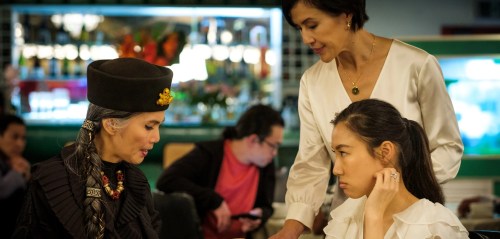
Five Blind Dates is a squeaky clean, hopelessly boring film pretending to be a raunchy romcom. Despite Lia (Shuang Hu) going on five (or four, really) dates, she doesn’t find real chemistry with any one of them. There’s no heat, no passion, no inane fun to be had, or reckless experimentation. It’s clear that what she’s after isn’t really love but a partner who accepts her traditional whims, which I guess counts as a happy ending if this were airing on Hallmark or any other wholesome TV channel. But it isn’t, and instead of embracing its true form—that is, family drama—it instead postures as a modern and exciting romcom, even though it contains zero spice.
To be fair, the film has its funny moments, and I do think the first date’s premise, while played for laughs, has the potential to spark an interesting discussion about our generation’s willingness to sacrifice intimacy for financial security. But the film doesn’t really go there, nor anywhere, and remains as stale and safe as can be.
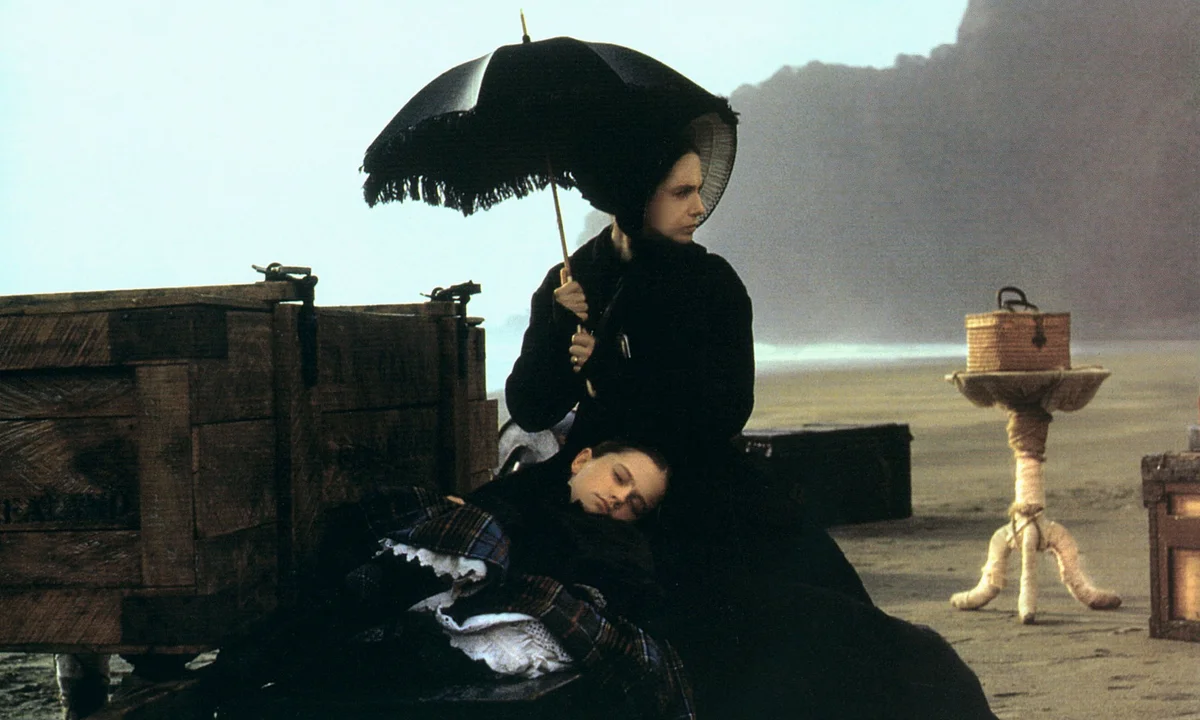
Plenty of films celebrate this popular instrument, but rarely have we seen it in a story like The Piano. For some of the characters, it’s the thing that makes music, or nice decor, or simply extremely heavy luggage. For Scottish immigrant Ada McGrath, however, it’s the one thing that allows her to express herself directly, without requiring her daughter’s sign language translation or her neighbor George Baine’s translation to the Maori crew. The additional hurdle is then the bridge to love. Writer-director Jane Campion cleverly pairs the sound and visual of Ada’s playing with the intimacy that the music forges.






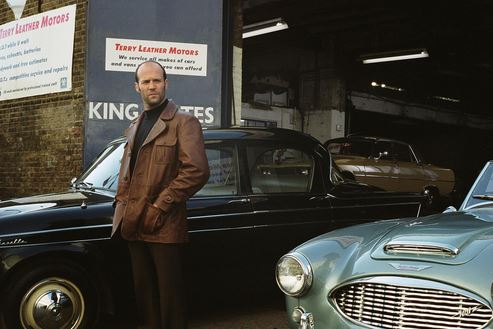
A thrilling and fun film about a British working class bunch who find themselves in confrontation with the rich and powerful. This happens when their once-in -a-lifetime job lands them not on ly the expected money and jewelry, but documents with big secrets. The phrase “the good version of Jason Statham” applies not only to the actor but to the whole film – as it is enjoyable like all similar heist movies but adds that sadly forgotten thing called character. If you liked The Italian Job, The Town, or even films like Argo; you will love The Bank Job.





While best known for his American action thrillers in the early 2000s, writer-director Lee Tamahori returned to his roots in 2016 with the critically acclaimed Māori-centric 1950s historical drama Mahana. Tamahori continues to explore his people’s stories with The Convert. Set right before Britain colonized New Zealand, the film explores the dynamics between the white settlers and the differing Māori tribes, with much more accuracy and sympathy than older films towards the indigenous community, culture, and characters. It’s shot quite beautifully, with stunning landscapes and decent fight scenes, and the performances, especially that of Guy Pearce, make the film watchable. That being said, the film still mostly stems from the white Thomas Munro, whose perspective mostly comes about by passive observation rather than active participation in the story.
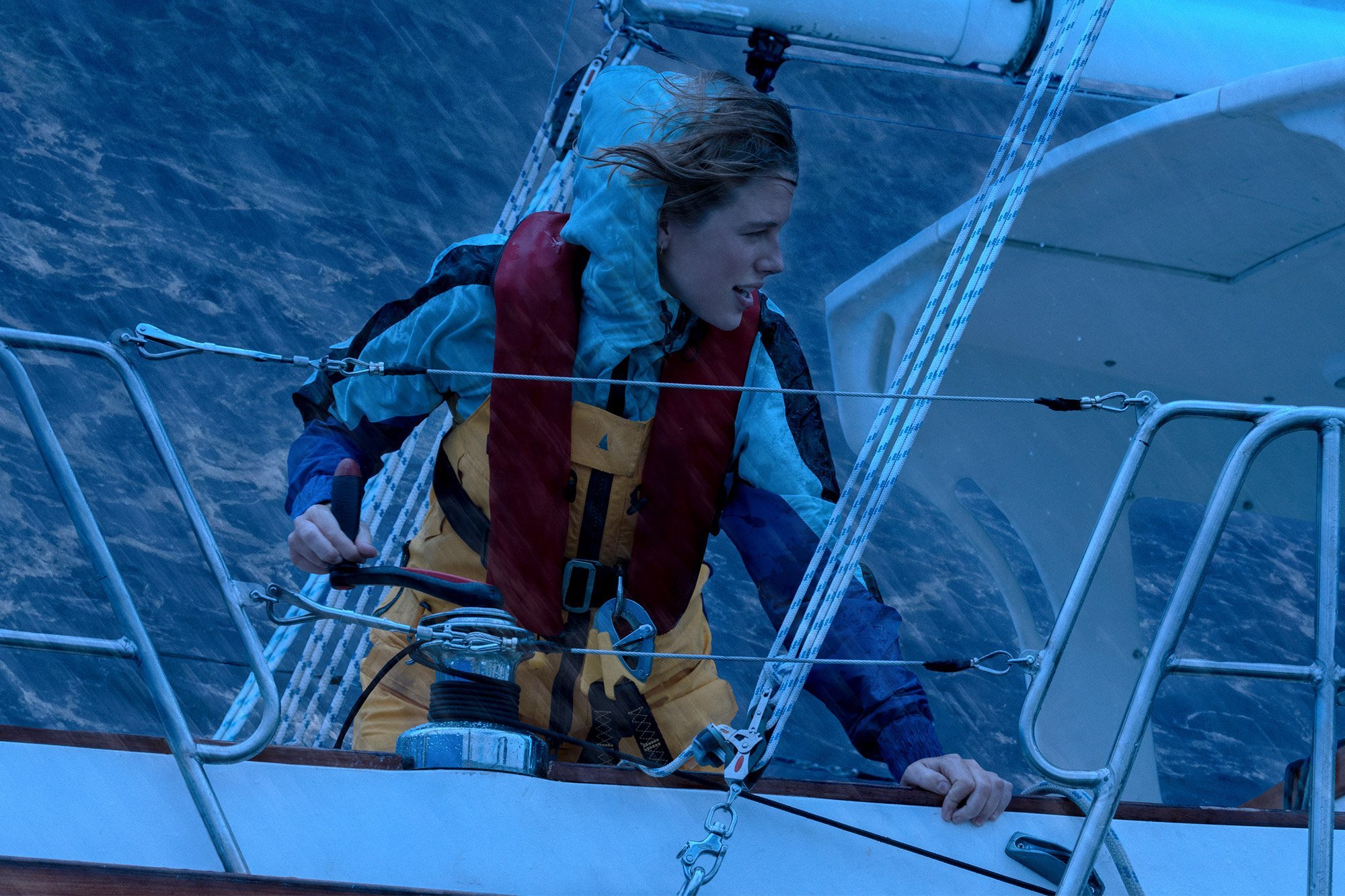
Lighthearted, inspirational, and warm, True Spirit is the real life story of how the young Jessica Watson circumnavigated the world. Through YouTube-esque vlogs and scribbled out title cards, the film follows the real-life journey, alternating between the sailor with the situation back home, as her mentor and family keep track of her current progress. Inspired by the book, the film fairly sticks to the facts written in her travelogue, but True Spirit mostly plays out the same way a Disney Channel Original Movie would, with its young protagonist setting out for a whimsical adventure, just for the sake of it. It makes for a beautiful film with stunning views and heartwarming messages about perseverance, but it’s more an easy cruise than a daring adventure, as it plays out without any courage in its approach.





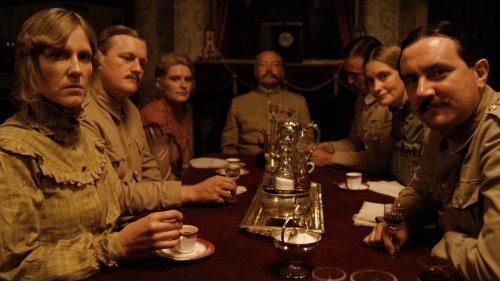
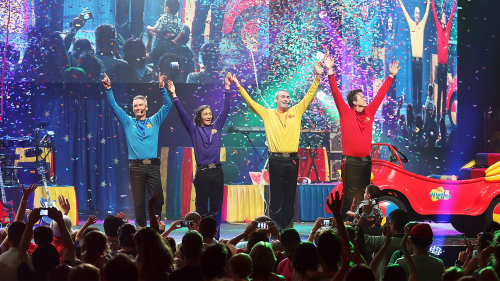
While this documentary may not provide the level of insight or as cohesive a narrative as other films from recent years about children’s entertainment, Hot Potato benefits from the sheer charm and approachability of The Wiggles themselves. It’s inspiring to see these men and women be perfectly ordinary people who just patiently put in the work to get to where they are today. The film doesn’t necessarily find a central idea or philosophy behind The Wiggles’ music, but their creativity and enthusiasm for performing manages to turn the simplest things (like fruit salad) into a celebration of life. The documentary isn’t particularly good at balancing its tones, especially when it deals with the struggles that various Wiggles have faced in their personal lives, but it remains likable and wholesome all the same.