The Best Movies to Watch From Brazil
To access filters, visit our homepage.
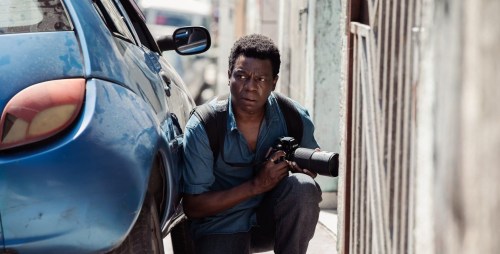
City of God: The Fight Rages On is a traditional sequel. It takes place years after the events of the first movie and follows some of the same characters—mainly Rocket, who is starting to doubt his calling as a photographer. “I was selling innocent blood for shit salary,” he says as we see him take part in the media exploitation of mostly Black deaths in the city. The series’ social commentary is its strongest point. It remains sharp and poignant, this time focusing as much on capital-powered unethical journalism as on political corruption and state-sanctioned violence. It’s also just as vibrant and mesmerizing as ever, capturing the diversity and passion that electrifies the city. But the series also repeats its plot, only this time it’s more cynical because we no longer see things unfold through Rocket and his friends’ then-naive eyes. The teens in this series seem equally hardened, so it’s a shame to lose that freewheeling spirit that made the film feel so compelling. Still, the series is worth watching if not for the same twists and dizzying style, then for the thoughtful social criticism it offers.
Invisible Victim may not be all that different from the plethora of true crime documentaries available on Netflix and other streaming platforms, but it is worth watching if only to see how misogyny continues to be rampant at best and deadly at worst. Despite being beaten, kidnapped, drugged, and eventually murdered by the superstar footballer Bruno, Eliza Samudio was still largely framed as the perpetrator in the public’s eye because she was deemed a slut. “She died because she was money hungry,” one fan said on social media. A reporter, meanwhile, asked Bruno, “How are you handling all the embarrassment coming your way?” as if the real crime was Eliza tainting Bruno’s glowing career, instead of Bruno ending her short life. The documentary succeeds in arousing the viewer’s anger, though it doesn’t offer anything particularly new to a well-known case apart from Eliza’s never-before-seen messages to her friend, which revealed her fearlessness and defiance up until her untimely end.
Like people, places have things that change and things that remain the same. Most of us keep our thoughts about our hometowns to wistful conversations and the recesses of our memory, but Brazilian director Kleber Mendonça Filho instead captures Recife in Pictures of Ghosts. It’s a meandering tour, shifting from topic to topic, place to place with not that much structure, but through the journey, Kleber shares so much of himself (his home, his film sets, the theaters he formed his taste in), and Brazilian society, combining archived clips, personal memories, and even a ghostly mystery into one interesting map of Recife.
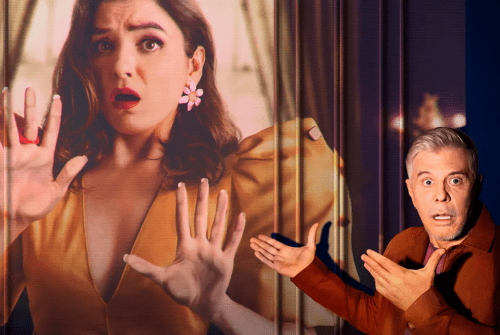
The less you try to think about the absurd fantasy premise of this satire on Brazilian telenovelas, the better. Based on the first three episodes watched for this review, Soap Opera (or Novela in Portuguese) doesn’t provide an airtight idea of how things work when screenwriter Isabel is sucked into a TV—meaning any sense of urgency or narrative stakes don’t feel terribly high. But still, countless possibilities open up the longer that Isabel remains in her own creation. Here she can take full creative control (literally) of how she wants herself and others to be perceived, but Lauro, the producer who’s placed his own name on the marquee, also gets to scheme on how best to continue exploiting the success Isabel is inadvertently bringing him. The result is something uniquely funny, creatively designed, and compulsively watchable.
Released without fanfare outside of its home country, The Superfantastic Story of Balão is an intriguing documentary about the iconic Brazilian children’s group Turma do Balão Mágico. Through three episodes, four of its members share the story of the band, starting with their backgrounds all the way to the aftermath of their break up. In addition to the performers, other family members, producers, and certain personalities also lend their thoughts on the band’s success. The contrast between each interviewee’s accounts, with the performers’ differing from the producers’, and with the members’ varied accounts, is an interesting one, as it reveals how their different priorities shifted their experiences. While it would have been lovely to hear more of the music they performed, especially for viewers new to the band, it’s clear that the documentary was mostly made with the fans in mind.
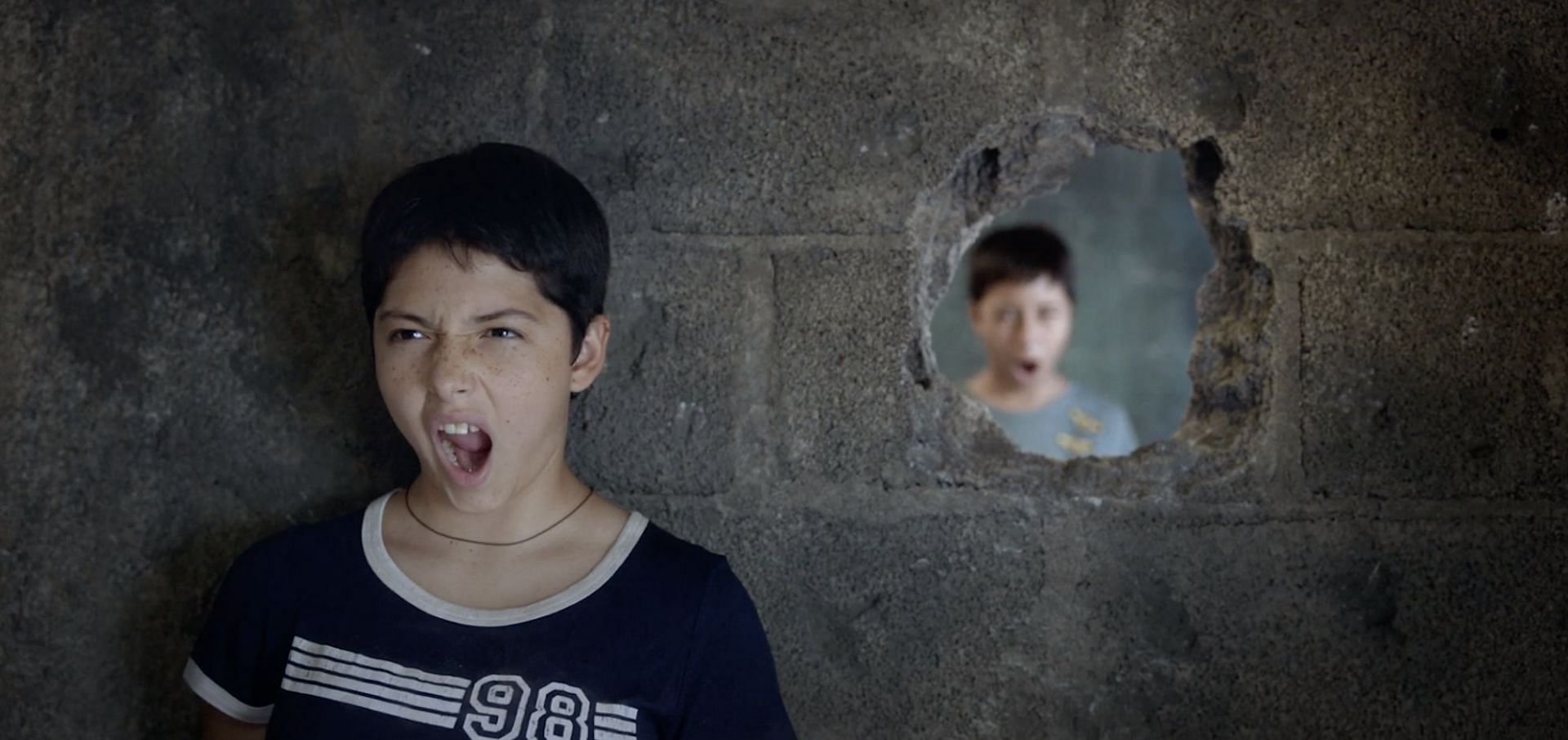
A young woman’s coming-of-age threatens to topple the uneasy hierarchy of her family in this striking debut from Croatian director Antoneta Alamat Kusijanović. The trigger for Julija’s (Gracija Filipović) angsty rebellion is the arrival of her parents’ enigmatic wealthy friend, Javi (Cliff Curtis), whom her controlling father Ante (Leon Lučev) is hoping to squeeze a juicy investment out of. Part of hot-headed Ante’s strategy involves playing on Javi’s still-simmering feelings for Ante’s wife Nela (Danica Čurčić) — a dicey game to play when you have a temper like his. It’s also a very manipulative one, and the film lives in the atmosphere of claustrophobia that comes with being a woman in Ante’s life. Though her mother seems resigned to acceptance, Julija yearns for liberation, and it’s her burgeoning awareness of her own power as a woman that fires this drive for freedom. With its stunning Adriatic setting and haunting underwater sequences — the family are keen spearfishers — Murina is a film of natural beauty and human ugliness, a slow burn of a psychological drama that uses volatile teenage emotions as its incendiary fuel.
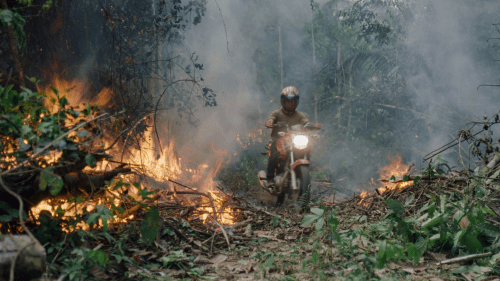
Surprisingly dramatic for a documentary but without exoticizing its central characters for a privileged audience, The Territory is that rare film that rightfully portrays indigenous peoples as living firmly in the present. In their continuing struggle to protect their land and culture, the Uru-eu-wau-wau people of the Amazon may be vulnerable, but they aren’t helpless. They’re organized, have access to technology, and know exactly how they want to represent themselves—armed with bows and arrows and defending what’s theirs in beautiful, thrilling footage. In this way, even as The Territory ultimately touches on issues that have affected all of Brazil, namely the destructive effects of Jair Bolsonaro’s presidency, it still feels like a documentary co-authored by these indigenous people themselves.
Prayers for the Stolen takes more time to observe life in its rural town, than to showcase the action and violence inflicted by the cartels that pass by. It’s a needed perspective. This move drives home how long these cartels were left unaddressed, as the women of the town have gotten used to the danger and were unable to leave for whole generations. It makes clear how their lives have been interrupted, limited, and held hostage at the whims of whichever group takes over the village. But it also allows writer-director Tatiana Huezo to help us witness the love and tenderness Ana holds for her mom and friends. Prayers for the Stolen is tough to watch because of the safety they lack, but it’s also a beautiful tribute to the relationships they’ve forged despite that.
Today’s child pop stars have a lot on their plate. On top of the already strenuous touring schedule, they have to deal with the fact that every move they make can be recorded, saved, and spread online just to cause their own downfall. Brazilian popstar Luisa Sonza grew up with the spotlight, and at the ripe old age of 25, has gone through two messy break-ups, a nude leak, and a racist controversy, all while creating two of her most captivating albums so far. If I Were Luisa Sonza portrays her at her most vulnerable– through the creating process, and the team meetings, and the doctor visits– but also at her most defiant, as she turns her scandals into art. The resulting intimate documentary might just be one part of her life, as she declares, but it’s just the precise viewpoint from this generation’s artists that is needed to question what it means to be a young artist in this day and age.
A house isn’t just a building– it’s a space where one can be one’s self, where one can have control over one’s space. Of course, houses can differ between social classes, as the rich often hire househelp, while those less fortunate manage their own, or might not even have one. Their Stories draws its drama from this disparity, as the rich Isabel and Rosa lose control of their assets and have to move to the house where working class Marta and Jasmim live. It’s an interesting dynamic, a twisted mix of gratitude and resentment forged between former employer and employee, and all four leads portray this with the nuance and complexity that it requires. A Historía Delas might literally be hard to search on Hulu, but it’s an interesting story, one that feels unique and real enough to follow.
This docuseries follows six couples from Japan, the U.S., Spain, Brazil, and India, as they share their stories of a lifelong partnership.
It might sound like any other Netflix Original, but there are no twists or turns, and it never feels forced or aimed at a trend. Instead, it’s a mirror of the peacefulness that the couples have built together: a tender and simple existence that’s impossible not to aspire to.
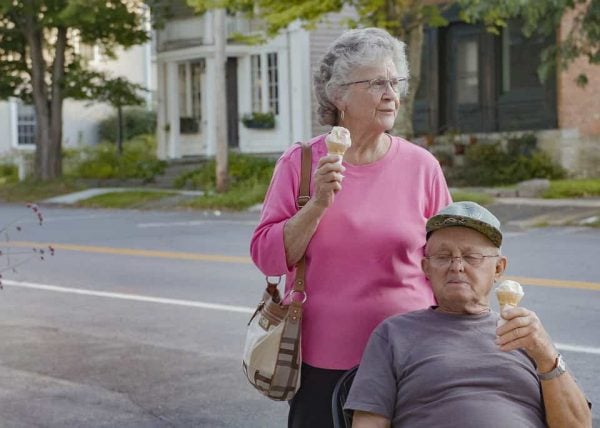
The first episode follows a couple in Vermont who maintained the last farm in their area until passing it on to their son. Once high-school sweethearts, Ginger and David went on to have six children, and stay married for 60 years.
This life of quiet doesn’t necessarily mean an easy life, especially as the two have to pick between expenses like affording care or getting their grandchildren birthday gifts. Their biggest concern at this point is making it easy for their children after their passing, which carries its own weight.
Bright, chaotic, and surprisingly funny, Wake Up Carlo seems like one of those kid’s shows that could make adults laugh. The show first starts in an idyllic, nature-filled island that feels like a feverish acid trip complete with a talking mountain, but this strange setting gets replaced with rectangular blocky buildings, an influencer-esque dictator, and unethical memory wiping of small joys common people have lost. Through every neon colored frame, Carlo and his friends go through familiar absurdities with the fast paced jibber-jabber, but it still keeps it PG enough that kids could enjoy. While some of the jabs might be too kooky for some viewers, Wake Up Carlo is a reminder for adults to remember childhood’s simplicities, while it pokes fun at the ever complex world we’ve created.
When crime happens at the border between two countries, it’s usually not big enough to earn the attention of two police departments. Criminal Code starts off with a literal bang, with around 50 participants bombing a security firm for a robbery. As the Paraguay and Brazilian police departments find new revelations, including the robbery’s link with a prison breakout, amongst other crimes, both sides want the glory of solving a case this big. However, Benicio just wants justice for his fallen partner, who got caught in the clash in the breakout. It’s not new – the written cases were inspired by actual real-life crimes – but it’s executed well, the whole plot unfolding piece by piece as more evidence presents itself. It’s no wonder this story was chosen to be the first Brazilian police series on Netflix.
Through its main couple, Private Desert depicts two sides dealing with masculine repression. The first side shown is Daniel’s, who was born and raised in a military family, but who doesn’t meet the same standards his father met because of this dishonorable dismissal. But what’s interesting about Private Desert is its second side, that of Sara’s. Her ghosting Daniel becomes the impetus for him to finally embrace his vulnerability, but the film’s reveal to Sara’s perspective delivers serious stakes that thankfully opens up Daniel to the desires he didn’t know he had. Admittedly, the script is rather uneven, focusing more on Daniel’s development, but it’s rather refreshing to see someone like Sara so sure with her wants despite the societal pressures. Private Desert captures how healing this love can be through breathtaking, simmering emotion.
For many coming-of-age stories, there’s the dream of growing up, getting out of your comfort zone, and finding purpose, success, or maybe, just the simple case to earn enough money for a better life. It’s this dream that makes 7 Prisoners such a harrowing coming-of-age drama. The plot feels reminiscent of something Charles Dickens would have written, but writer-director Alexandre Moratto focuses more on the characters with the lever in their respective trolley problems, which male lead Christian Malheiros takes with such a dynamic performance, and which Moratto takes to a more depressing end. 7 Prisoners is much more bleak compared to many coming-of-age stories, but it’s one that works as a necessary exposé of a real life social issue that the world should have solved long long before.
Director Crystal Moselle based Skate Kitchen on NYC’s eponymous crew of young female skateboarders, who actually play fictionalized versions of themselves here. That real-life casting lends the film a documentary-esque quality: the girls’ bantering chemistry and die-hard loyalty feel warmly authentic, and the movie would be well worth a watch just to bask in this vibe alone.
The Skate Kitchen girls are an eclectic bunch, but what’s so refreshing — and therapeutic — about the film is that they’re also deeply, instinctively empathetic. These misfits don’t just tolerate but celebrate one another’s uniqueness and respect their differing boundaries (the way the girls and the movie treat shyness as a feature rather than a flaw to be resolved is particularly moving). What’s more, in its own low-key way, Skate Kitchen is an inspirational watch for its portrait of young women building the sanctuary they need themselves — not just in a largely male subculture but on a broader canvas, too. Rather than skulk anxiously on the sidelines, the girls use skating to carve out a space of their own in New York, a way to make the big, scary city feel warm and intimate. Amidst all the steezy ollies and clean rail grinds, these might just be the greatest tricks they pull off.
This 140-minute Brazilian drama is an epic and touching tale of two sisters torn apart. In 1950s Rio de Janeiro, Eurídice, 18, and Guida, 20, are inseparable, but their dreams soon take them away from each other, from their conservative family, and from Brazil.
After they are separated, each one of them believes the other is achieving her dreams when often the opposite was happening. Family betrayal, silence, and a suffocating social climate shatter the aspiration of the sisters but also highlight their strength.
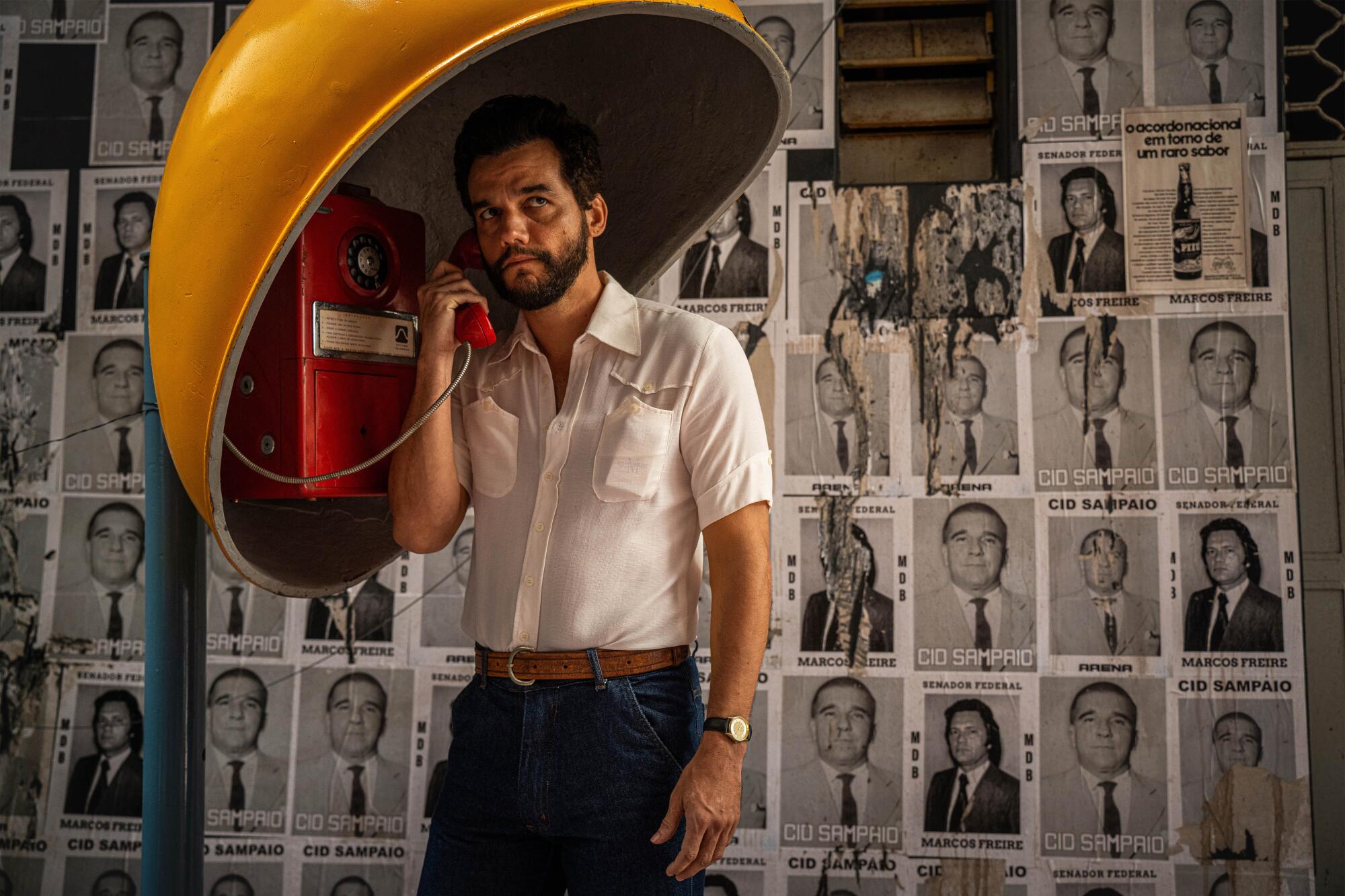
From 1964-1985, Brazil was under a military dictatorship. If you’re looking for films about this period of time, you can check out 2024 Oscar winner I’m Still Here, which poignantly depicted the memoir in a straightforward manner. But if you’re looking for another approach, you should check out this political thriller. The Secret Agent takes on a more exhilarating spin, with the main character Armando right in the action. Narcos’ Wagner Moura delivers an excellent performance of a former professor who isn’t actually an agent, but is somewhat forced to act like one, with his role to forge his passport and to find information on his missing mom. And as he tries to flee the country, his story echoes the genres of the time, with slow, intense zoom-ins that remind us of Cold War spy paranoia albeit more sunny, and a series of tiger shark attacks that reminds us of thrillers like Jaws (1975). It’s this approach that makes The Secret Agent an exciting and original take on this tense time period.
When there’s something to deal with, the best thing to do is to hire a professional to handle it, and to get out of their way. For the residents in Neighboring Sounds, that means replacing the town’s night watchman with a new private security firm after two robberies. However, this isn’t an easy solution for this town. With the new firm coming to town, director Kleber Mendonça Filho brings us to witness how the residents grow uneasy, never quite resolving past pains in this present-time panic. Unfolding slowly but surely, this portrait of the country hints at those pains through a deft weave of its multiple storylines.
This fiery coming-of-age drama has an unlikely origin story: director Jonas Carpignano was first introduced to the sprawling Roma clan that makes up most of the movie’s cast when one of them stole his car while he shot another film. The charismatic Amato family made such an impression on him that he decided to center a movie around their real lives, naming it for the insular neighborhood they live in on the outskirts of a Southern Italian town.
The Amatos are part of a much-maligned ethnic minority, but not the only one in the film. The Ciambra pokes at the idea of solidarity between the Amatos and local African migrants: while his elders are quick to reject the idea, plucky 14-year-old Pio (Pio Amato) flits across these invisible borders and bonds with Ayiva (Koudous Seihon). But Pio is desperate to win the respect of the men in his family, who might then allow him to take part in their criminal exploits — a crisis point The Ciambra chronicles with raw emotion. This is a movie whose grit and bleakness often recall the uncompromising gaze of neo-realist classics, as a child is heartbreakingly forced to declare his allegiances in the dog-eat-dog world his elders can’t imagine an alternative to.
This Brazilian drama is about a loving mother of four, Irene, who has to deal with the upcoming departure of her eldest son. This news triggers Irene’s anxiety, who is trying to finish her high-school diploma as well as building a home for her kids.
Loveling is about being relentless in one’s pursuit of improving their situation, about empty-nesters syndrome, and the ups and downs of family life in general.
The worst has happened in A Wolf at the Door. With Sylvia finding out that her child was picked up from school by an unknown stranger, it’s up to her to figure out what has happened. Already, the premise is terrifying. Writer-director Fernando Coimbra starts this mystery through the police interrogations, with the camera focused on possible suspects. He follows them with flashbacks, with each new sequence shifting the way each character gets perceived. Crime thriller aficionados would likely predict the perpetrator with an early reveal of an important clue, but the story that unfolds into unexpectedly dark ends. It’s a chilling way to depict this true-to-life story.
Mars One is a tender, wholesome drama that centers on The Martins, a family of four living on the fringes of a major Brazilian city. Their lower-middle-class status puts them in an odd position—they’re settled enough to have big dreams and occasionally lead lavish lives (the mother and the daughter like to party) but they barely have the means to pursue that kind of lifestyle. As a result, they’re always searching and wanting, aiming high but almost always falling flat on the ground.
There is no actual plot in Mars One. Instead, it studies its characters in a leisurely and almost offhand manner. The approach is so naturalistic, you’ll almost forget you’re watching a movie. But it’s still gorgeously shot and staged, Brazil being an inevitably striking background. At once gentle and vibrant, this big-hearted film is a must for those who are suckers for well-made family dramas.
This incredibly creative and unique movie is set in a fictional small town in the Brazilian Backcountry. It has a realistic first half but things quickly get crazy.
Even in that realistic half, you can clearly tell that something is off about the town of Bacurau. An accident involving a truck carrying coffins turns into an impromptu coffin shop. A dam was built to divert water from people. The village doctor seems to be the least sane person in the village. It’s all wrong.
Bacurau is funny, it’s politically charged, it’s thrilling, and it’s sweet, all at once. It’s that one in a thousand weird movies that actually works, and will inevitably become a classic.
Children’s television isn’t likely going to be controversial, daring, or particularly groundbreaking, but certain shows acknowledge that they can impact the way their audience views the world. Luz: The Light of the Heart has a familiar Disney-esque plot of a child going on an adventure to learn more about her roots, but through that basic formula, the first Brazilian Netflix kid series takes the opportunity to respectfully portray the indigenous Kaingang community in their plot, who takes care of and is more knowledgeable about the natural land, and whose teachings may be acknowledged if Luz, potential land heiress, manages to find out the truth. There are some of the standard childish shenanigans, like privileged boarding school drama that occurs when Luz enters the school, but overall, Luz: The Light of the Heart isn’t a bad choice if you’re looking for something to watch with children.
Something about falling in love in an exotic place makes it feel much more romantic, leading to plenty of classic black and white films centered on the idea, with a visual language and a set of aesthetics meticulously enacted in 2012’s Tabu. These classic films, however, rarely contemplate the actual reality behind these films– the reason that made these romantic trips possible in the first place. Tabu subtly critiques this indulgent imagination, with the silent memory melodramatically portrayed and narrated by the white lovers, but with the African natives and their homes and landscapes depicted naturally. Writer-director Miguel Gomes remixes classic cinema techniques to paint and reframe the lovers’ myopic memory, in such a striking fashion.
From the Oscar-nominated cinematographer of City of God, this is a Brazilian Netflix TV show that I can only describe as a smarter Hunger Games. In a dystopian society, the majority of the planet’s population lives in extreme poverty while a select 3% (hence the title) live in a heaven-like world called “The Offshore”. Every year, the 20-year-olds of the planet get a chance to join the 3% in a selection process that for the first time might harbor moles. With an intriguing first episode that shares just enough to keep you informed but engaged, it’s easy to want to binge-watch the whole first season of 3% in one sitting.
Love is Strange is an even-handed drama about a Ben and George (John Lithgow and Alfred Molina), a loving couple who marry after 39 years of companionship, only to face a series of unexpected consequences of their decision. George is fired from his position as a music teacher, they’re forced to sell their home, and they find themselves living separately with various friends and relatives. The story revolves largely around their time apart, as they struggle in their separation while creating unintended commotion in the lives of their hosts. It’s a warm, wryly amusing and ultimately very touching film about the bonds of love and dedication. It may seem slow at times, but to watch it through to the end will lead you to realize how truly special it is.
Val is a housekeeper for a wealthy family in São Paulo. She is close with every family member, and acts as the title would suggest – as a second mother, but there are clear reminders of her status. One is the sheer amount of work she has to do, from cooking to cleaning and responding to random demands.
Val’s estranged daughter visits her, a bright kid who is on her way to university. This brings out more of the maid/employer dynamics: if Val is “family”, why would she and her daughter have to sleep in a small cramped room when the guest room is empty?
Questions like these threaten the family’s balance and the uneasy existence that millions around the world have as housekeepers.
It’s a great and well-thought-out drama, one that would make the perfect centerpiece for a movie night or a movie club pick.
Realistic, intimate, and compelling, Elena is a movie that makes you think a lot after you finish watching it. It is an inherently Russian movie, however there is something about how the story is told that makes it a universal family drama. A woman from a modest background to which she still has a lot of attachement is married to an old wealthy business man. Upon learning that the man might write her off his will, she feels pushed to get her hands dirty to honor her responsibilities towards her original family. The question of right and wrong when faced with extreme situations is at the heart of this aesthetically slow-burning family drama.
If you’ve never heard of Sonia Braga, you’re in for a ride with this movie. She is, in my opinion, one of the best actresses alive today. In Aquarius, she stars as a 65-year-old trying to keep the home in which she pledged to die. In a quiet, yet stoically powerful performance, she reminds us that identity often intersects with the spaces in which we live.
Over 100 hours of footage were shot for this documentary chronicling the fraught journey that thousands make to reach the US-Mexico border — but, watching the 93 minutes that made the cut, you get a sense that this is the story that was meant to be told. Editor Sofia Machado whittled down reams of footage into this gently conveyed single account of one woman’s journey. Twenty-nine at the time of filming, Lilian and her four children fled a violent husband and bleak prospects in Guatemala, setting out as part of a migrants’ caravan undertaking the 4000km-long journey separating them from the brighter future they hope is waiting for them in the US.
She meets exploitation, xenophobia, and other perils on the route (not least The Beast, the dangerous freight train she and her kids must hop to reach safety). Remarkably, though, there’s much solidarity and generosity to be found on the way, too, as Lilian and her kids forge moving family-like bonds with fellow migrants. What’s more, as the documentary unfolds, quiet revelations emerge, making it clear that Lilian is also looking for a type of liberation that many on the road already have — a dream that this documentary suggests might blessedly be closer than she originally envisioned.
Given its incredibly slow pace, Found Memories is not for everyone. With the same company shared for years until near retirement, it takes a long while for this sleepy town to wake up, and it only happens when a new character enters the town. However, for viewers who are patient enough, the film contemplates how easy it is to get lulled into routine. It can be boring. It can be a way that keeps one stuck in life. But it can be beautiful. As Rita learns their rhythms from baker Madalena, and Madalena gets to know her, Found Memories reflects on life and death, in a visually poetic way.
Women are rarely depicted in prison for a serious drama– usually, it mostly happens in exploitation films. So when Lion’s Den was released in Cannes, it’s no wonder that it garnered attention, even to the point of being submitted as Argentina’s entry for the Oscars. It’s really mostly a realistic depiction of how an incarcerated mother raised her child, as per Argentine law, they remain together for only four years. However, it’s because of sticking to that fact that the law ends up becoming a time limit that helps drive the story forward. It’s a simple approach, but writer-director Pablo Trapero sticks to this straightforward style, and it ultimately works because of Martina Gusmán’s star-making performance. It’s tough to watch, with the assault, strip searches, and riots, but Leonera is a much more empathetic depiction that’s sadly rare to see.
This is a slightly weird and not so slightly quirky movie to be avoided by anyone with a low tolerance to the weird or quirky. Greta Gerwig (Lady Bird, Frances Ha) and Noah Baumbach (The Squid and the Whale, also Frances Ha) write the story, while Gerwig plays a lead role. Two girls, one a New Yorker and the other having just arrived in New York for a writing program, get in touch because their parents will marry. The writer is fascinated by the personality of the New Yorker and follows her everywhere to understand her more, and eventually write about her. Mistress America is their journey through friendship and through New York. Stick around the first 40 minutes or so, because the second half of this 82-minute movie is hilarious.
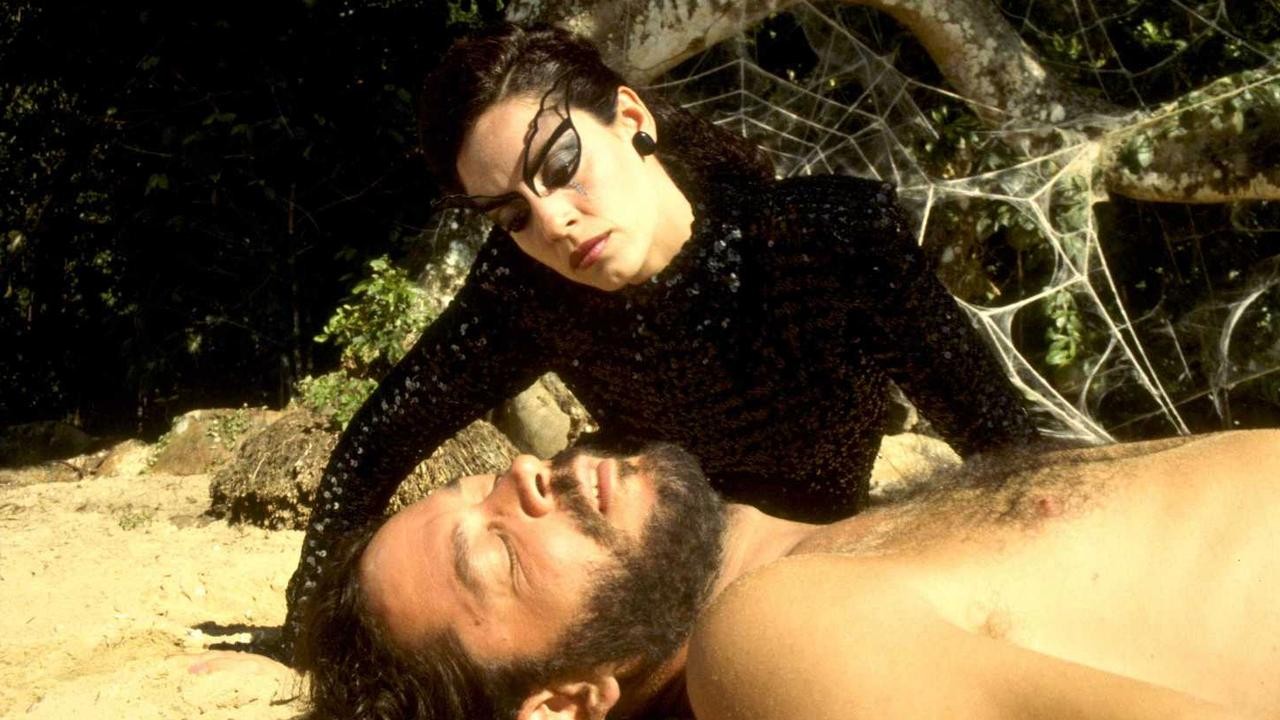
Sometimes, all you need to make a good movie is to get two vastly different characters and force them to stay together. It’s probably why Kiss of the Spider Woman was made in the first place– the novel dumps hardened, self-sacrificial activist Valentin and flamboyant gay man Molina in a jail cell. But rather than depict Molina and Valentin just talking, the film visually recreates the stories they tell to each other as films-within-a-film. Molina’s fictional love stories are given all the glamor and drama of classic 60s romances, and Valentin’s life story depicted with a straightforward, gritty realism that matches the hard experiences he had. So as they tell their stories and challenge each other with their respective approaches to life, director Héctor Babenco ensures that as the two finally feel heard by each other, the audience, too, can easily empathize with the perspectives they take. It also ensures that the plot twist holds a strong punch. Though its escapist approach may suggest otherwise, Kiss of the Spider Woman realistically explores the way storytelling has always meant freedom.
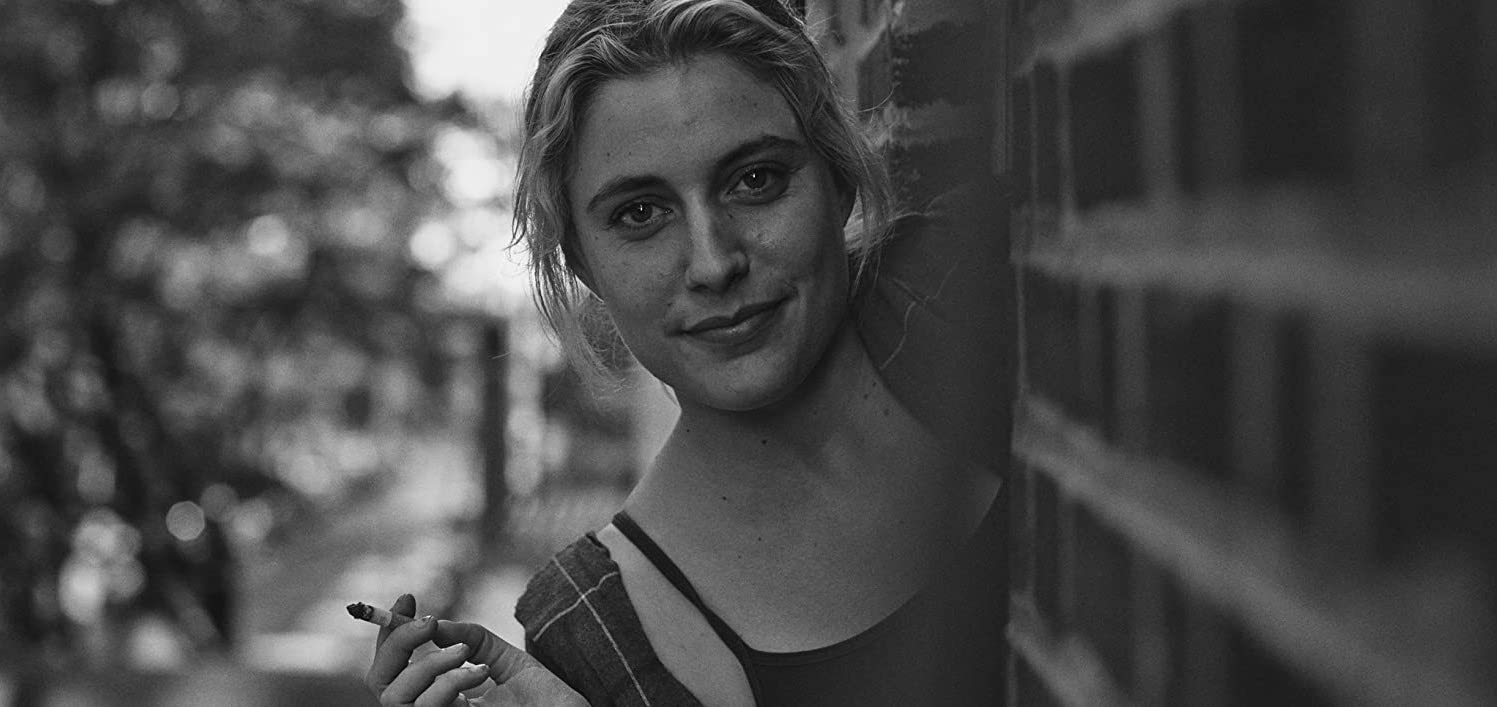
Frances (Greta Gerwig) lives in New York – but not the glamorous NYC of Woody Allen movies. Taking place primarily in the gritty and rapidly gentrifying North Brooklyn, the black and white film paints a picture of an extended adolescence. Focusing on the goofy and carefree Frances, who loses her boyfriend, her best friend and her dream of being a dancer. She moves in with two guys, both of whom are more successful than her, and becomes even more determined to fulfil her goals, impractical as they may be. Fans of HBO’s Girls and other odes to not being a “real person” yet will love this film.
This true story of a white-supremacist and the civil rights unit that tried to stop his group was so gripping.
You might recognize the title from the Oscars ceremony, as a shorter version of Skin (same director but different actors) won the Academy Award for Best Short Film.
The longer movie provides much more time for the characters to develop, and room for more of a commentary on the current political situation in the U.S.
Fun fact: see that scary man in the picture? That’s Billy Elliot star Jamie Bell who went through a transformation for the role, including always wearing a device to pull his ears closer to his head because they were “too cute”.
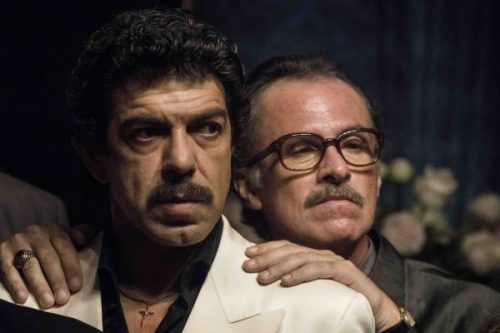
This slow Italian drama tells the true story of Mafia boss Tommaso Buscetta, who became the highest-profile Mafia informant at the time of his arrest in the 1980s.
Tommaso, while supervising a criminal network in Sicily, moved to Rio de Janeiro in Brazil to attempt a more legal and quieter life. His role catches up with him and he is quickly arrested.
As a biopic, it rarely depicts violence or glorifies organized crime. Instead, it attempts to document the life of a Mafia boss more realistically: a life of always looking over one’s shoulder and of constant loss. Eventually, the movie focuses on what it would take for a man like Tommaso to flip, and what that would cost him.
The Mafia topic might feel overdone, but watching this, it’s startling to realize how few thorough character studies have come out in film.
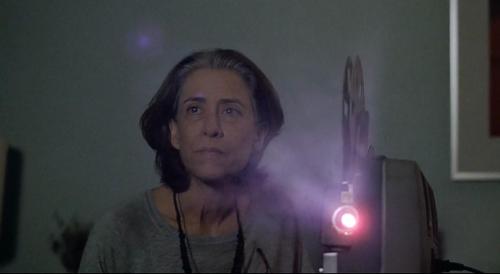
At the height of a military dictatorship in Brazil, forced disappearances were an unfortunately common occurrence. It was the government’s brutal way of weeding out perceived enemies, even though, more often than not, their accusations were baseless. I’m Still Here tells the true story of one such victim, Ruebens Paiva, but through the eyes of the wife he left behind. And so while it is crucially a political movie, I’m Still Here is also a heart wrenching tale of grief and resilience. It subverts expectations, too, by never being overly dramatic. Fernanda Torres commands her character, Eunice Paiva, with dignity and restraint. Though she barely voices it out, you can see the pain in her expressive eyes and her tensed muscles, in her strained voice and her determination to keep her five children afloat. Things happen matter-of-factly in the film, which adds to the sadness of the reality. Life doesn’t owe us explanations, and it can remain mysterious till the bitter end. Like Eunice, sometimes the best we can do is to hold on to what we know is true, and to never forget.
Robert Pattinson and Willem Dafoe are the only two actors starring in this eccentric movie, and they deliver such grand performances that it feels like another actor would have been one too many.
They star as lighthouse keepers in the 19th century, left on an island to interact only with each other and their rock. It’s a fascinating premise of how these men, left on their own, deal with boredom, loneliness, and being annoyed with one another.
Incredible performances, an interesting aspect ratio, and perhaps excessive weirdness, make this movie unforgettable.
Filmmaker Petra Costa tells the story of moving to New York from Brazil to follow her dream, the same one her mother once followed, of becoming an actress.
She carries memories of a third person who made the same move, a sister called Elena. Elena left her when she was seven-years-old, and after intermittent calls and messages, disappeared.
This documentary is a tale of three women: of their feelings separation, longing, and ambition. It’s made to be a visual poem of their story.
In this raw, psychedelic drama, an American drug dealer living in Tokyo with his sister is killed at a night club. His spirit continues to float above the city and past, present, and future are woven together to complete the tale of his life. Taking a page from the Tibetan book of the dead, the film aims to explore one answer to life’s most epic question: What happens when we die? Definitely not for the faint of heart, there is drug use, gore, and challenging themes throughout the movie. Its unique cinematography also captures Tokyo quite well.
Let’s fight! I’m not a fan of “Into the wild” okay okay, calm down… Maybe we can fix this. Maybe we could watch “The Motorcycle Diaries” together. Watching this heartwarming movie, you will get the travel bug. I got it and I never got rid of it. I even want to go on a motorcycle tour through South America although I would have never dreamed of getting on a motorbike. Have fun with it. Oh and… this film is about the young Che Guevara and his friend Alberto Granado by the way.
There’s a novel idea at the center of World’s First Christmas, but the film’s unfortunately takes it through the least interesting route available. There’s a rich opportunity here to unpack what the holiday season really means to people, or to poke fun at how this occasion for togetherness and celebration has been co-opted by corporations trying to make a buck. But the film never gets there, running through a series of occasionally funny scenarios only to end up becoming an unconvincing advertisement for Christmas as a consumer holiday. The main gag here is that everyone has been left miserable by the absence of Christmas, which is an idea that falls apart immediately once you start asking even the simplest questions about it.
Between Overhaul’s frequently nonsensical blend of truck racing and vehicular heists, and its focus on found families, the comparisons to the Fast & Furious series are undeniable. This also means that this Brazilian blockbuster is also much less engaging than it thinks it is; the stakes don’t feel particularly urgent, and the near indifference of the rest of the world to all this criminal activity means these characters may as well be fantasy heroes. It does, however, have more significantly more color to it than its Hollywood role model, thanks to the gorgeous vistas of Brazil and the unique physical attributes of the big rigs the main characters drive. All things considered, it’s pretty novel to have these high-speed chases through more cumbersome vehicles—less flashiness, more brute power.
With plenty of films disavowing romance, sometimes, at the end of the day, you just want to curl up in bed to a cheesy romcom that earnestly believes in the power of true love. Wedding Games is one such romcom coming from Brazil, where the two lovers try to make their destination beach wedding perfect, despite multiple logistical mishaps along the way. It’s a totally generic wedding day story. It’s lighthearted fluff that doesn’t dive deep and contains all the familiar plot twists and comedic shenanigans, but it looks good and it’s done well. Wedding Games might not be particularly groundbreaking, but it’s not bad.
Likes for Sale, or Compro Likes in Portuguese, is as quirky and lighthearted as you’d expect from a half-hour sitcom. Its main premise, that of creating a fake persona in the age of online disinformation, also poses interesting questions. How ethical is it to buy likes to boost your career? And if you’re as desperate and rundown as Wagner, does the end justify the means? The ways in which Wagner and his team of frustrated artists navigate these dilemmas are what make the show relatable and interesting, but they’re also what make it frustrating at times. Some of their resolutions are questionable, and when they do tackle weighty matters, they seem too flippant to warrant serious thought. And the cast—as ebullient as they are—aren’t always convincing or charming enough to win you over. It’s admirable for the series to tackle such a novel concept (I’ve only ever seen it in the 2022 film Not Okay), but it looks like it’s something that needs to be lived in more to be fully fleshed out.


x1
x7