
Movies to Watch From France
To access filters, visit our homepage.












From Ground Zero doesn’t have the most number of shorts within an anthology film, though it comes pretty close with 22 segments, ranging from 3-6 minutes from different directors in Gaza. That’s a lot of shorts, with not a lot of time for each story. Most anthologies tend to be a set of three, but given the media suppression, the more, the better it gets at capturing life in the area. Every short balances the other in tone, style, and in approach. It’s harder to deny the truth it portrays, not with this many shorts, and this many eyes, on the ground.
 x8
x8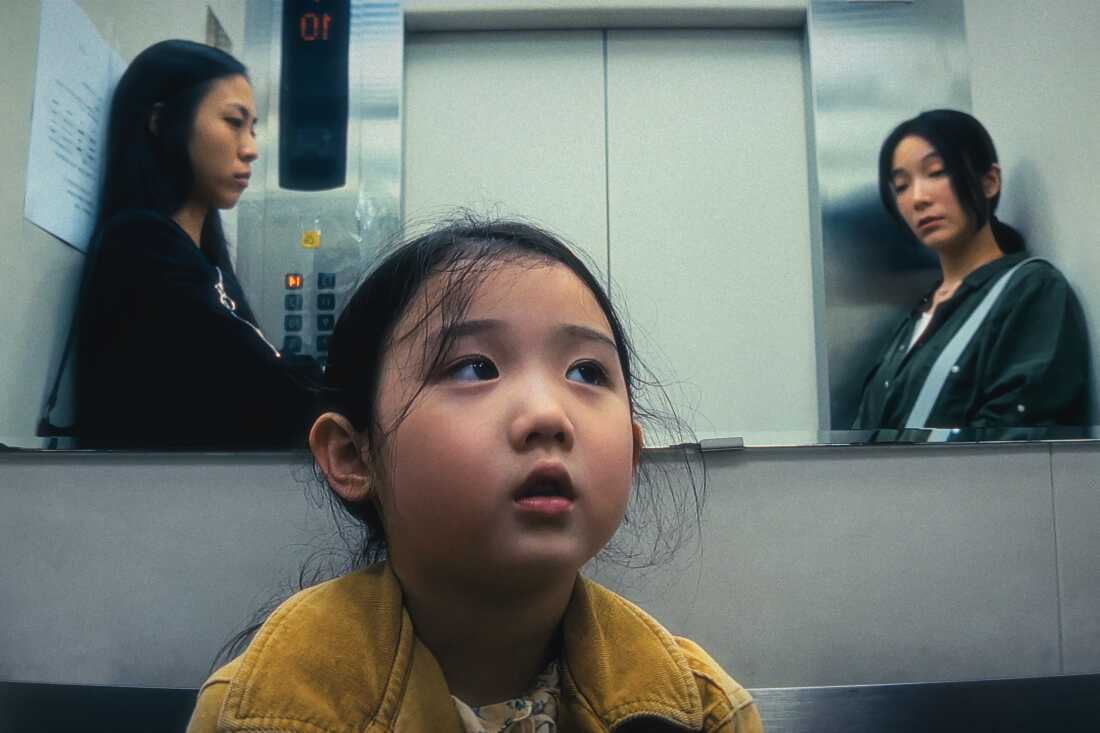
Left-Handed Girl is titled after I-Jing, the youngest daughter of the Ching family, whose left-handedness puts her at odds with her more traditional grandparents. That’s because left-handedness used to be associated with the devil. The idea is clearly outdated, but it hints at this family drama’s greater theme of being on the margin, of falling short of expectations placed by others. Of course, I-Jing’s left-handedness is easy to reconcile. The notion is considered outdated, and she’s portrayed by precocious newcomer Nina Ye. But what makes Left-Handed Girl so special is the way writer-director Shih-Ching Tsou deconstructs other expectations, such as Sho-Fen’s unfortunate marriage and the rebellion of her teenage daughter I-Ann. As the film unfolds, slowly revealing the fractures between them, Tsou subtly critiques how women carry the burden of saving face.

In Sorry, Baby, an unspeakable act of cruelty disrupts Agnes’ ambitious rise to the top. Despite being a literature professor, she struggles to find the words to describe what happened to her. Likewise, the audience isn’t made privy to the details of the incident and relies only on what Agnes chooses to show. It’s a far cry from the sensationalist way trauma is often depicted in films. In place of sexy or valiant acts of revenge, Sorry, Baby focuses on the slow, circular, and confusing process of healing. It hides more than it shows, which, oddly, says more about the reality of assault than most post #MeToo films. Sorry, Baby is an unassuming film, but its honest writing, poetic cinematography, and rich expressions pack a powerful punch.

Admittedly, half the fun of Nouvelle Vague would only be understood by cinephiles, film history students, or anyone with a passion for the titular film movement. The naturalistic, black-and-white style mirrors the very style Jean-Luc Godard employs in Breathless, which is fitting for a film about the making of said movie, and considering his own oeuvre, it’s clearly a style director Richard Linklater is at home in. Still, even without the full context, there’s undeniably funny about the way Linklater depicts Godard behind the scenes. He’s presented as this baffling figure that does things simply because it’s different, which ironically echoes many artists’ biopics, but Nouvelle Vague pulls everything all together with a charm only Linklater could bring.
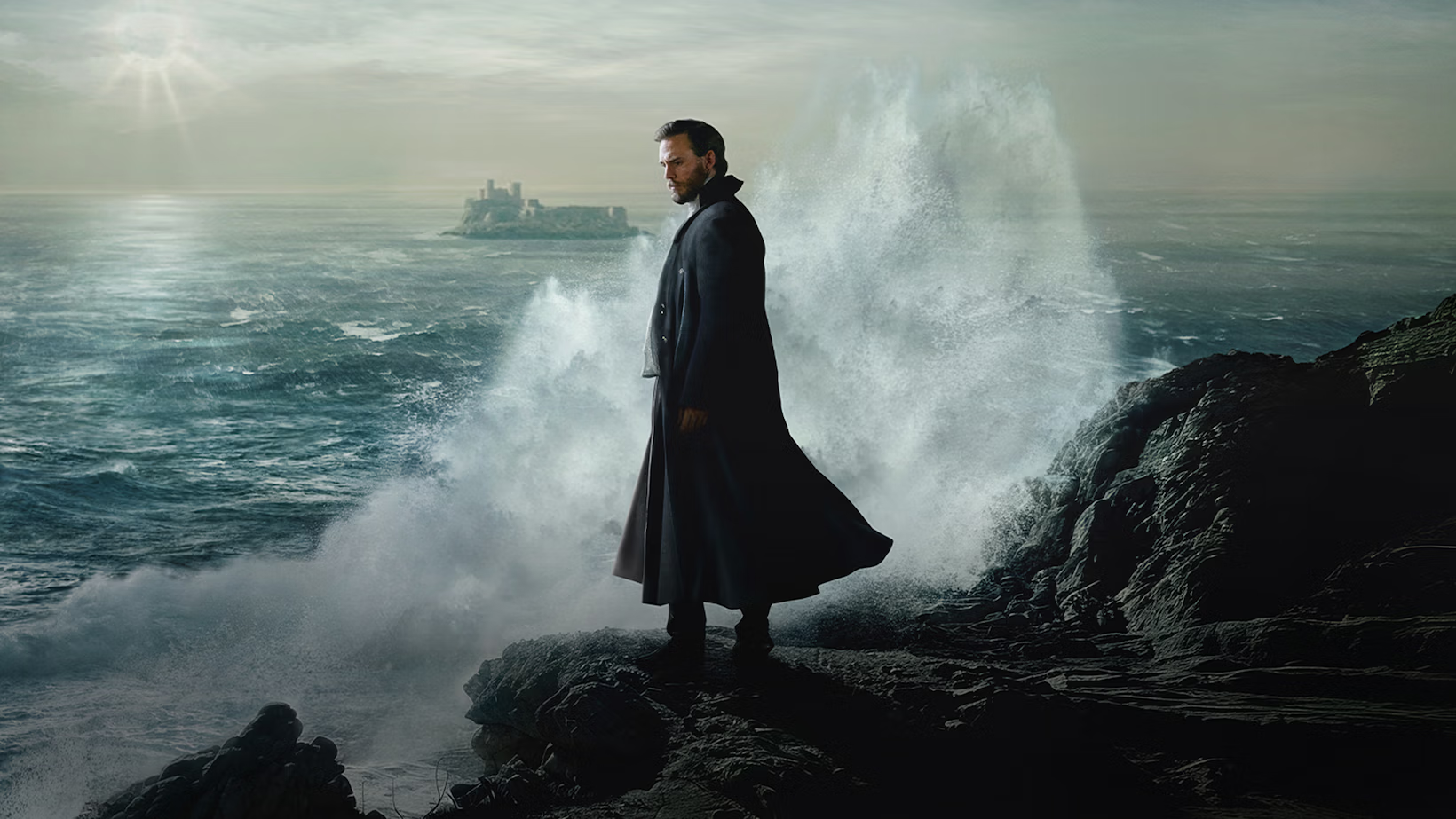
With a movie adaptation released earlier in the same year, this miniseries version of the classic French novel was overlooked. It makes sense– the movie came directly from the native country and three hours is easier to watch than eight. However, The Count of Monte Cristo is a story that spans decades and countries, making the miniseries format much more fitting to adapt over a thousand pages. Instead of speeding through the novel, this series gets to linger in many of the important moments, with excellent performances from across the entire continent to expand on the entire ensemble. This is not to dismiss the French submission to the Academy Award. If anything, it’s nice to have options. We recommend this one if you’re not a French speaker, and if you prefer more detail from book-to-screen adaptations.
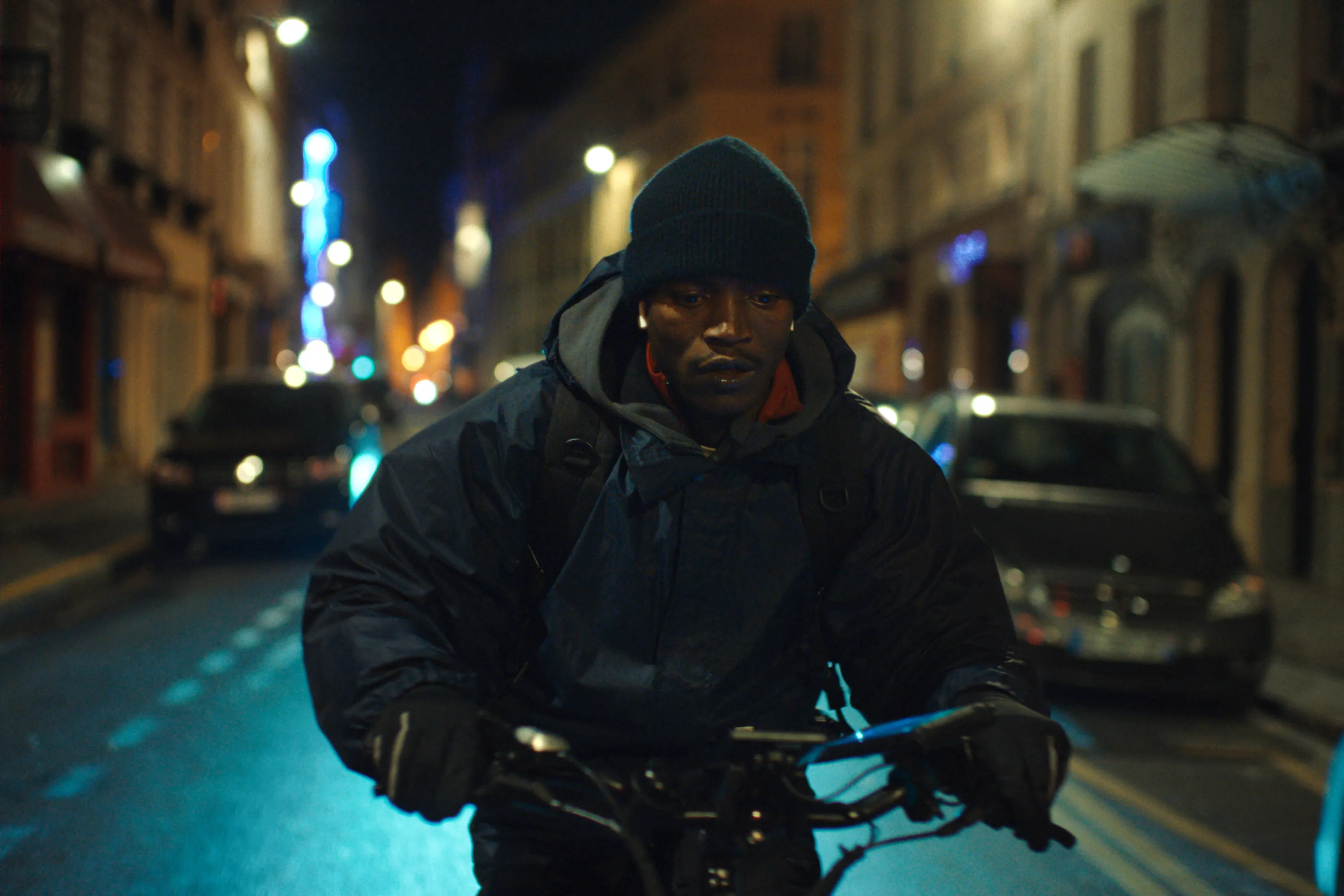
What is Souleymane’s Story? Right off the bat, that’s what everyone asks from Souleymane. It’s what his fellow immigrant asks, while he’s being coached to recite a completely different tale. It’s what his food delivery customers ask, when the app profile doesn’t match his details. And, in an outstanding sequence between newcomer Abou Sangaré and an inscrutably efficient Nina Meurisse, it’s what the OFPRA officer asks, in order for him to secure asylum. The motions of his struggles are familiar. Souleymane rushing all over the city is somewhat reminiscent of Take Out and Man Push Cart. However, the structure and framing highlights exactly why he needs control over that narrative. The story he tells– true or untrue, delivered with a practiced air or stuttering out his mouth– is the only thread he could hang onto for a better life.
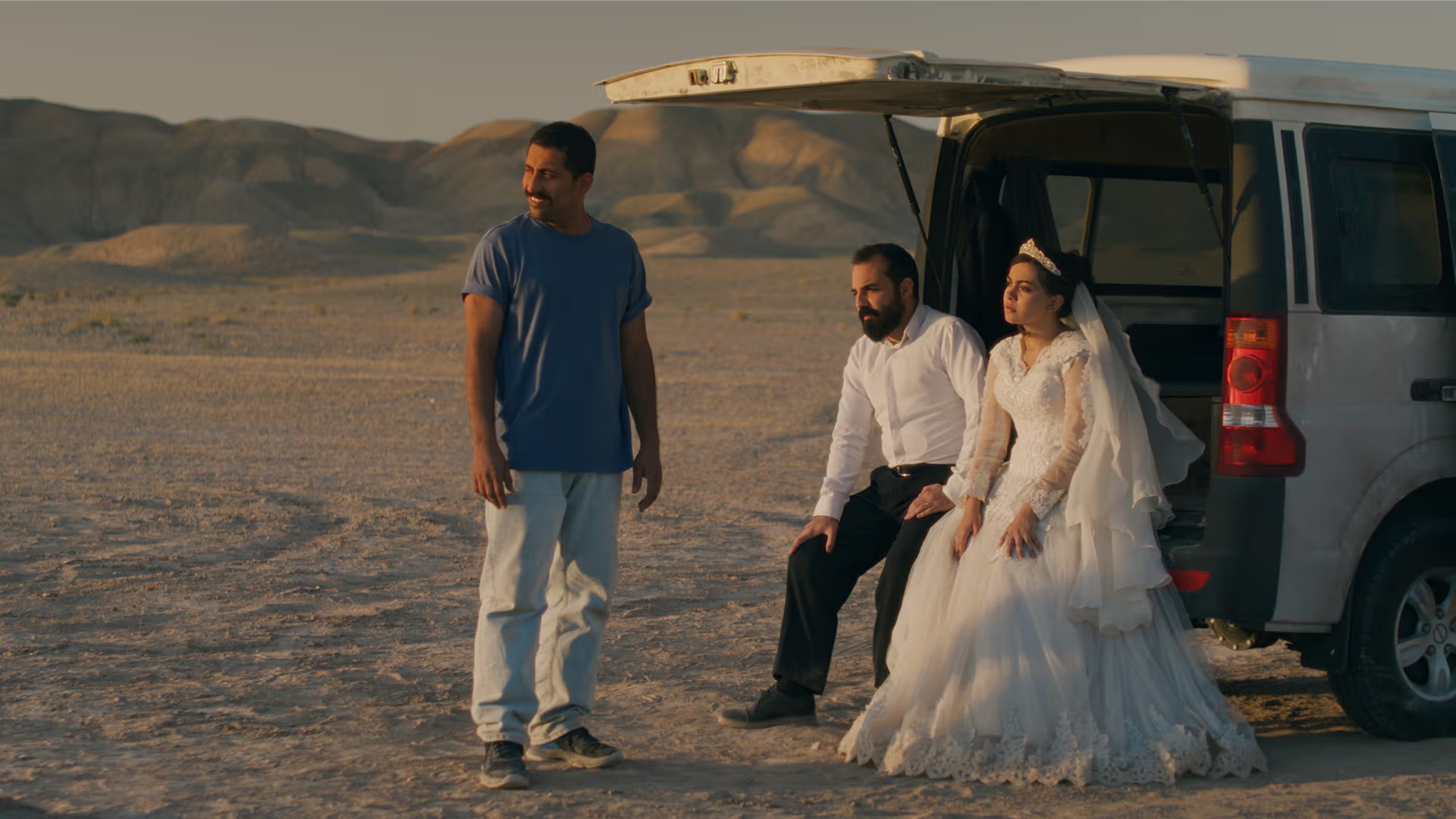
You can probably predict from the title that an accident starts this thriller but what happens after is totally unexpected. Of course, a car accident requires a visit to the auto mechanic, but in this film, this car check-up ends up becoming an unintended encounter with unexpected consequences. That’s because the mechanic recognizes the customer’s peg leg, the very same leg that he’s heard while being tortured in prison. Everything that happens, then, is a result of that past. Part of it is actually funny, with the tragicomedy poking fun at how totally unprepared Vahid is to enact his revenge, to the point he’s not even 100% sure he got the correct man. Still, however messy it gets, It Was Just An Accident never forgets the wrong that’s been done, and highlights the reparations Vahid and his fellow inmates should’ve gotten.
 x1
x1
Amidst the chaos that occurred when South Sudan split from the nation, a man is shot dead. To make up for the family’s loss, Northern ex-singer Mona hires his South Sudanese widow as her househelp, a widow unaware of her husband’s true fate, without an actual body. This widow is who Goodbye Julia is named after. Through this personal wrong, writer-director Mohamed Kordofani reckons with the religious and racial tensions that led to the division, a conflict that continues to displace millions of Sudanese to this day. While the ending pulls its punches, the film still works through the emotional tension and the compelling bond formed between actual singer Eiman Yousif and acting newcomer Siran Riak. Goodbye Julia depicts their sorrow with a graceful touch.
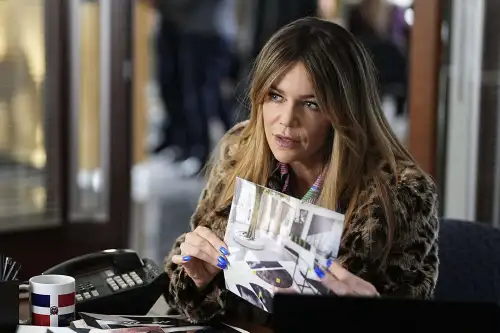
High Potential isn’t the smartest thing out there, despite Morgan’s impressive 160 IQ. It’s also not the quirkiest of its kind (hello, Elsbeth!). But it’s undeniably enjoyable, thanks in large part to Olson, who injects her character with so much wit, charm, and tenderness. Played wrong, Morgan could’ve been yet another annoying Sherlock-type, but in Olson’s capable hands, she’s anything but. It’s still too early to tell whether the surrounding characters will match her infectious energy, but I am seated and excited for more to come.
All We Imagine as Light is a political film that has many smart and moving things to say about the loneliness of migrating from the country to the city, the double standards women face on the daily, and the ever-widening gap between the rich and poor. But thanks to director Payal Kapadia’s deft hands, these weighty themes don’t hit you like a brick in the face. Intertwined in the rich inner lives of the two Malayali nurses and the Marathi cook who lead the film, they come off as subtle and poetic, like everything else about the film. There’s a quiet power at work here, and it will entrance you till the end.

Partially due to the surviving Norse myths, as well as certain modernized cinematic depictions, most people think of the Norse gods as fairly benevolent, if a bit violent, entities. With Zack Synder at the helm, it’s unsurprising that he would take an edgier approach to the Twilight of the Gods, but this time, it works well, transforming these arbitrarily powerful beings as the villains they would actually be, at least in the perspective of the humans trampled by their thoughtlessness. It’s beautifully depicted, with lovely character designs and great voice performances, and it’s an interesting depiction of a mythology not often depicted.
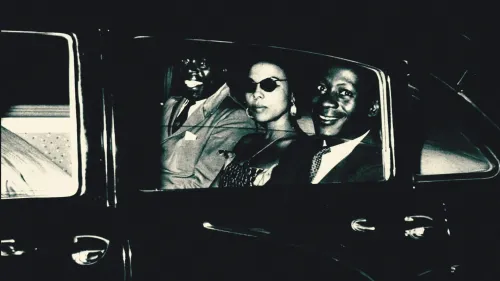
In the 1950s and 60s, as Congo freed itself from Western rule, it also played a vital role in the Cold War and worldwide emancipation of colonized countries. The documentary unearths this often-forgotten part of history in an unconventional manner. Instead of using talking heads and chronologically going through past events, it uses activist musicians Abbey Lincoln and Max Roach as a starting point. It borrows their language—jazz—to tell their story. The result is mesmerizing. Many things are happening all at once; there’s the quick flash of images, the jarring cut from archival footage to live performances; and the bold text on screen, which serves as our narrator in a way. There are excerpts from newspapers as well as poets, diplomats as well as musicians. Then there’s the music, of course, whose fast-paced and unpredictable beats match the anger mounting in the film. Soundtrack to a Coup is strong, inventive, and further proof that there are more ways than one to teach history.
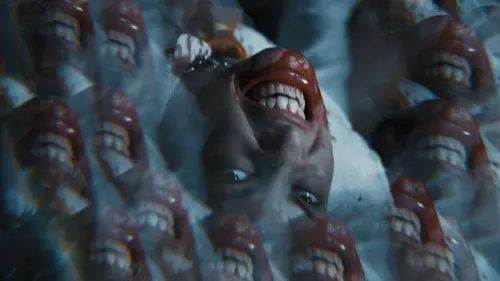
There’s a degree of removal in Perpetrator which some viewers may find jarring: most visibly, in the performances, whose heightened sensitivity can seem unlikely for a horror film. That said, director Jennifer Reeder’s main conceit here is to entertain and make you think, and she doesn’t want you to get too comfortable. In the central concept of “Forevering,” a family curse spell that Jonny goes through, Reeder vests her character with metamorphic potential, and with that, ignites hope for a future that is better for women and for horror cinema as a whole. But the film is not overly intellectual. It’s rather intuitive in its world-building and celebrates horror’s final girl trope in a well-deserved way. A little gore, some slasher tropes, LGBTQ+ themes, and strong central characters make it a perfect pre-Halloween treat.
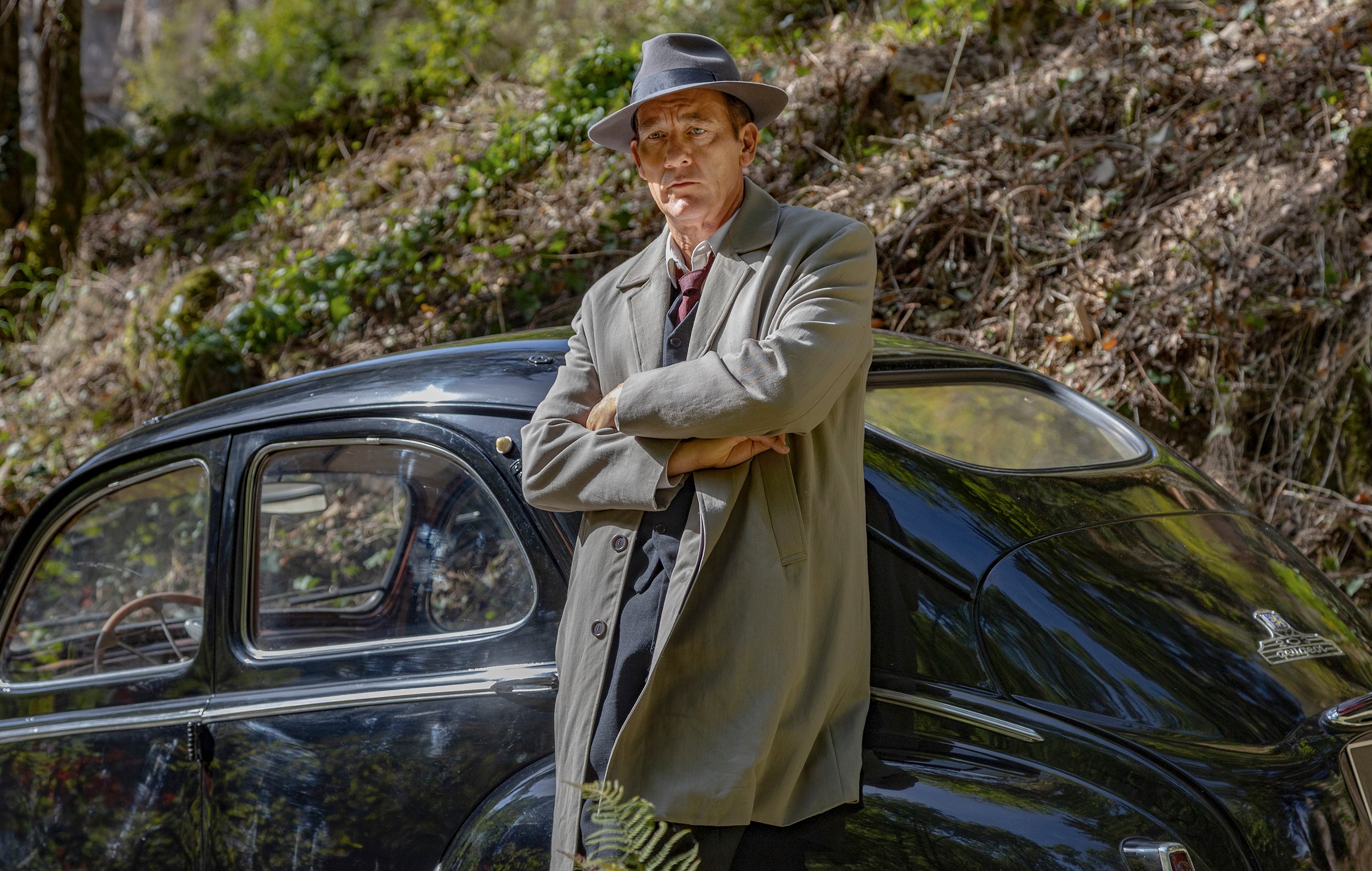
It takes Monsieur Spade some time to settle into its skin. The first few hours are dedicated to introducing as many side characters and backstories as possible, and though this could have been more elegantly executed, it eventually pays off. The main mystery, once you get to it, is layered and complex, and watching Spade physically and verbally spar with Philippe is its own kind of reward. Their curt but cutting dialogue harkens back to past noirs, and it’s a delight to see that tradition live on in the genre.
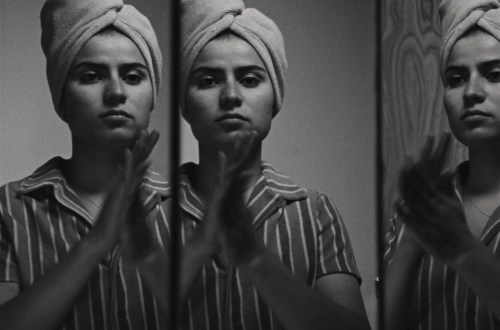
Aptly for a film partly set in a fortune cookie factory, Fremont deals with luck — specifically, the other side of good luck: survivor’s guilt. Donya (played by real-life Afghan refugee Anaita Wali Zada) is a former translator for the US Army who fled her home city of Kabul on an emergency evacuation flight when the Taliban took over in 2021. Now living a safe, if drab, existence in the titular Californian town, insomniac Donya struggles to embrace her freedom, tormented by the knowledge that she lost some of her old colleagues to reprisal attacks and that her loved ones are still living under repressive rule in Afghanistan.
As Donya shuttles between her little apartment in Fremont, her job writing cryptic one-liners for a fortune cookie factory in San Francisco, and appointments with her eccentric psychiatrist (Gregg Turkington), Fremont balances a moving study of her melancholy with deadpan humor. Despite its black-and-white cinematography and tight Academy ratio, this is no austere drama, but an endlessly warm and understated portrait of someone rediscovering themselves and all of life’s unexpected moments of connection, like chance romantic encounters and sudden tears at karaoke.

With a title like this, it was expected that Do Not Expect Too Much from the End of the World would be critical of today’s current circumstances, but the film takes a more startling approach. Radu Jude’s longest narrative feature is a day in the life of a disgruntled, underpaid production assistant, and as she drives between interviewees injured from work accidents, the film alternates between the black-and-white, terribly mundane reality, her Tiktok-filtered satirical rants as Bobiță, and an old colored film of a Romania decades past. It’s a cynical depiction of how vulgar it is to be alive today, but it’s also more honest as Jude refuses to cling to the past.
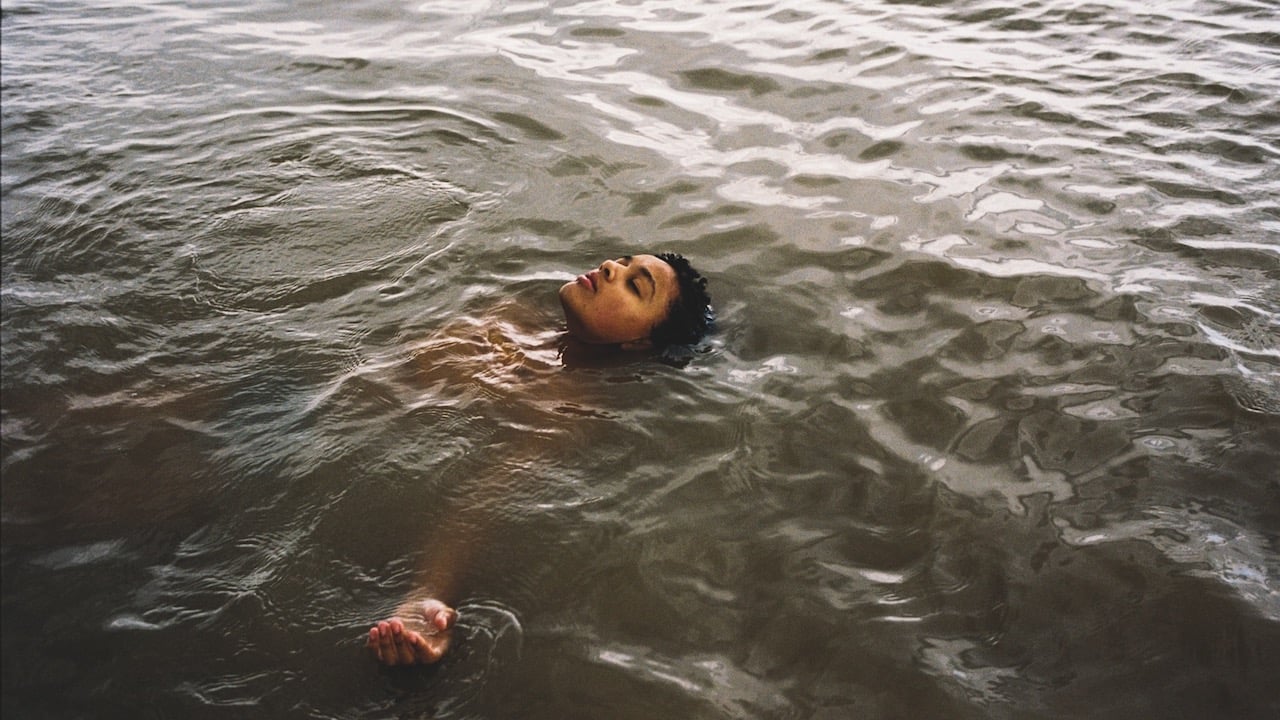
Given the genre being centered on a child protagonist, many coming-of-age stories sideline parents in the narrative, sometimes to the point they’re not mentioned at all. So when Andrea Arnold returned to fiction filmmaking with coming-of-age story Bird, it was surprising to see how true it delves into parenthood, albeit from the eyes of the teenager being parented. Maybe it shouldn’t have been a surprise, considering Barry Keoghan, fresh off of Saltburn, was casted as the protagonist’s single dad, but Arnold structures the entire story to fit in different stages of parenthood in a rundown town, through the strong way she characterizes the people Bailey gets to know in her journey and through the brilliant incorporation of magic in a not-so-magical place. The parents here may not be perfect, but Bird takes flight precisely because of the film’s empathy and understanding.

Becoming Karl Lagerfeld gets many things right—the fashion is spectacular, the drama is gripping, and the details feel true to the time. It’s never over-the-top and cartoonish, which seems to be a problem in most other biopics. But for all it has going for it, Brühl is the real star of the show. He seems to operate on a level beyond his peers where he’s no longer acting but simply inhibiting. Lagerfeld is a distant and wealthy designer, unavailable even to those closest to him, but Brühl manages to ground him with deeply relatable traits, like bitter jealousy, crushing loneliness, and unapologetic ambition. He doesn’t need a big scene or wordy dialogue to get these across, either, just a flicker of the eyes will do the trick. The only downside to the show is the occasional uneven tone. It’s as if the directors were unsure how to maximize the wealth of material they have on hand, so they crammed and juggled as much as they could into six episodes. Still, if you’re a fan of period pieces, powerfully subtle performances, and luxury fashion, then you’re in for a treat.
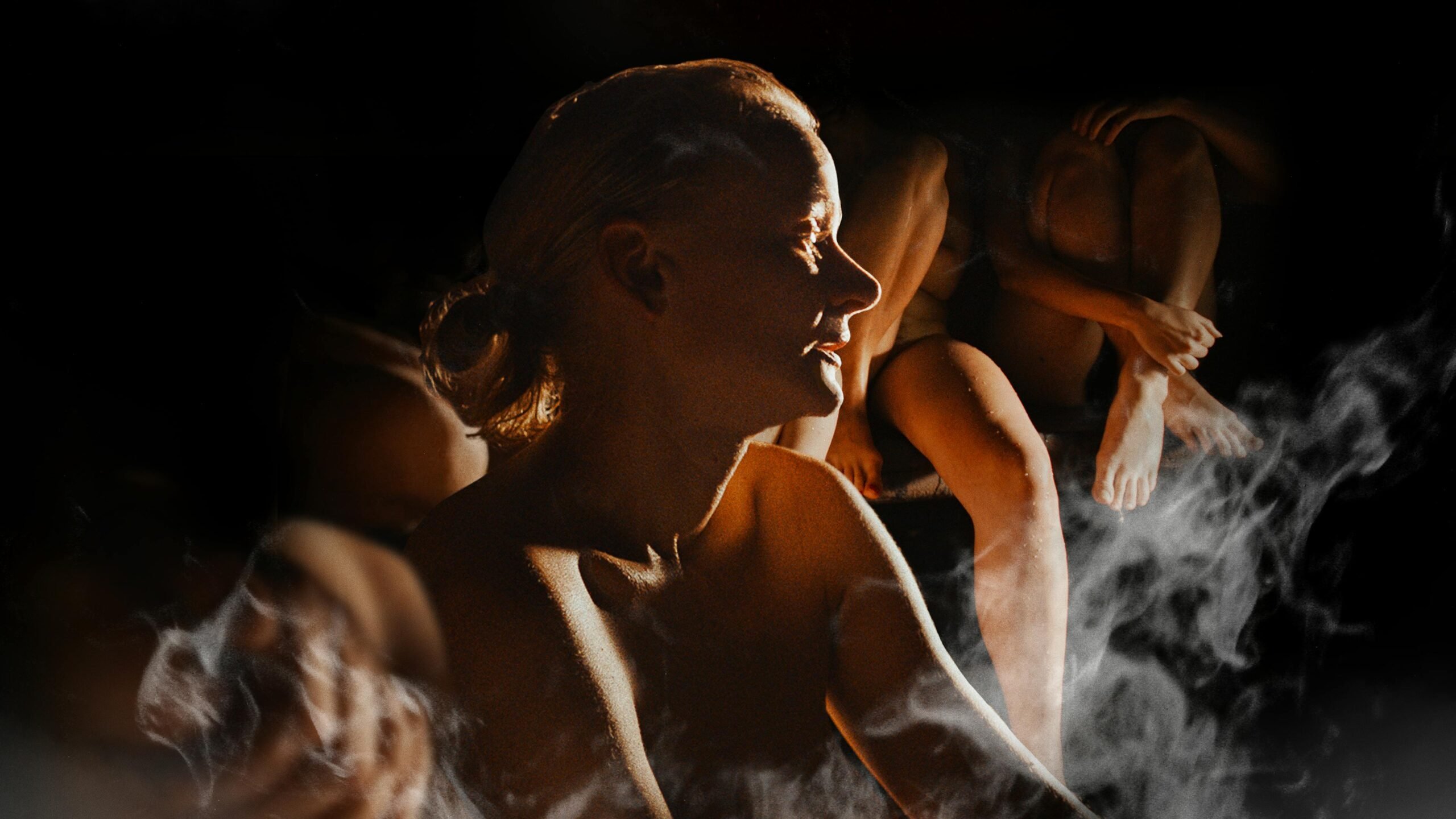
Nakedness has been demonized or at least, has been considered inappropriate outside of certain situations. One such situation is the sauna, as the steam and high heat is considered therapeutic, especially in colder regions. In her directorial debut, Anna Hints documents the Estonian smoke sauna, not just as a cultural tradition, but as a sanctuary for women to bare their bodies and their troubles. The women are, of course, naked, but the sauna’s smoke and darkness obscures and keeps identities hidden, focusing on their stories and allowing a glimpse of women’s bodies at their most natural, without the sexualization often placed with the male gaze. Smoke Sauna Sisterhood is a refreshing take, one where plenty of women can finally see themselves in.
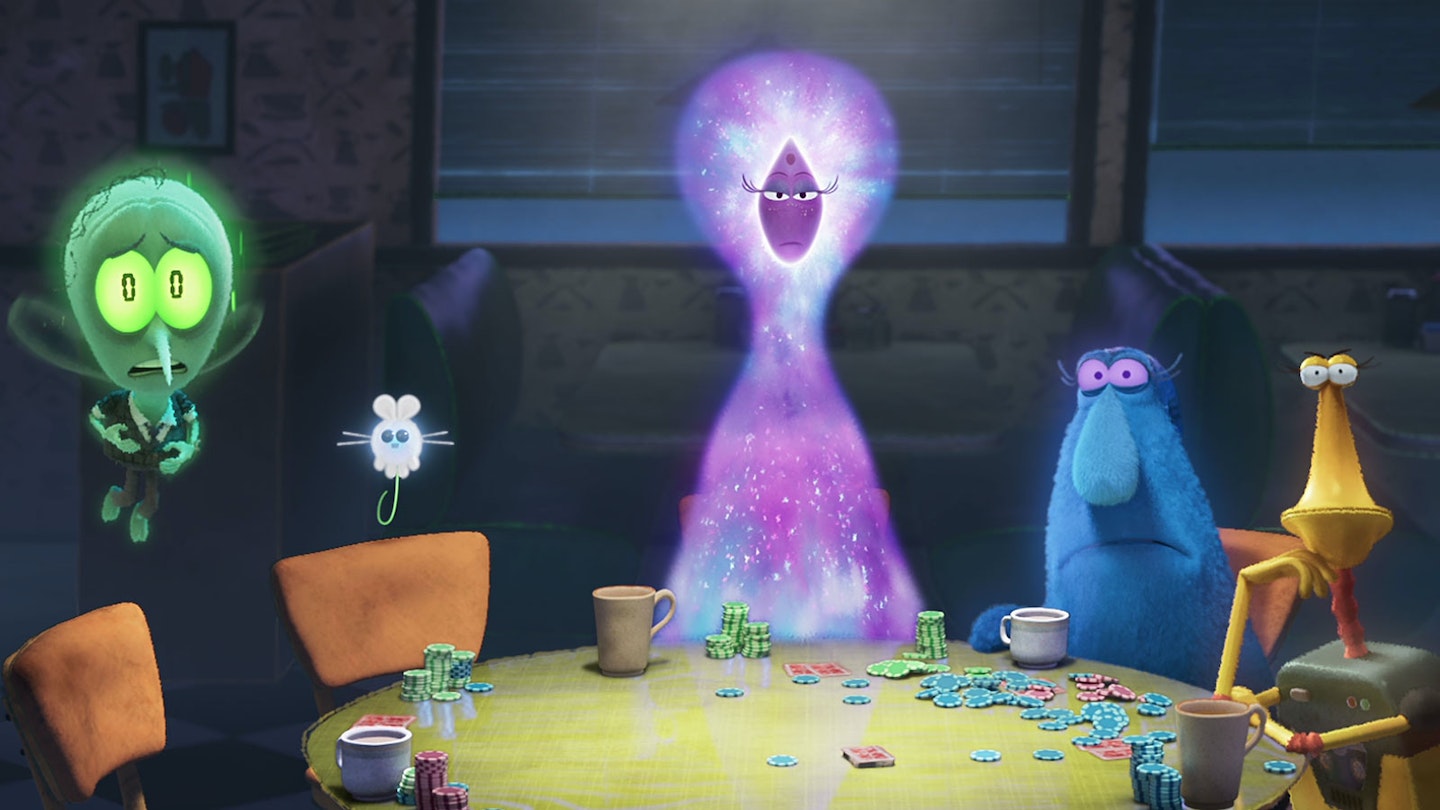
Going to sleep is something we do every day, though, when we were kids, it certainly wasn’t easy. With family-friendly source material and a new (and adorable!) sleepytime ensemble, Orion and the Dark plays with this fact of childhood, but screenwriter Charlie Kaufman transforms it into something more as the title characters journey into literal midnight dreams, tell stories-within-stories, and return back home with a poetic repetition. It still has some of his existential despair– after all, the overly imaginative Orion literally contemplates the possibility of death through his many, many anxieties– but it doesn’t just play with the classic childhood fear. Kaufman transforms the bedtime story, and the act of storytelling itself, as co-creation and connection between generations of filmmakers and viewers, with this film’s surprisingly layered writing.
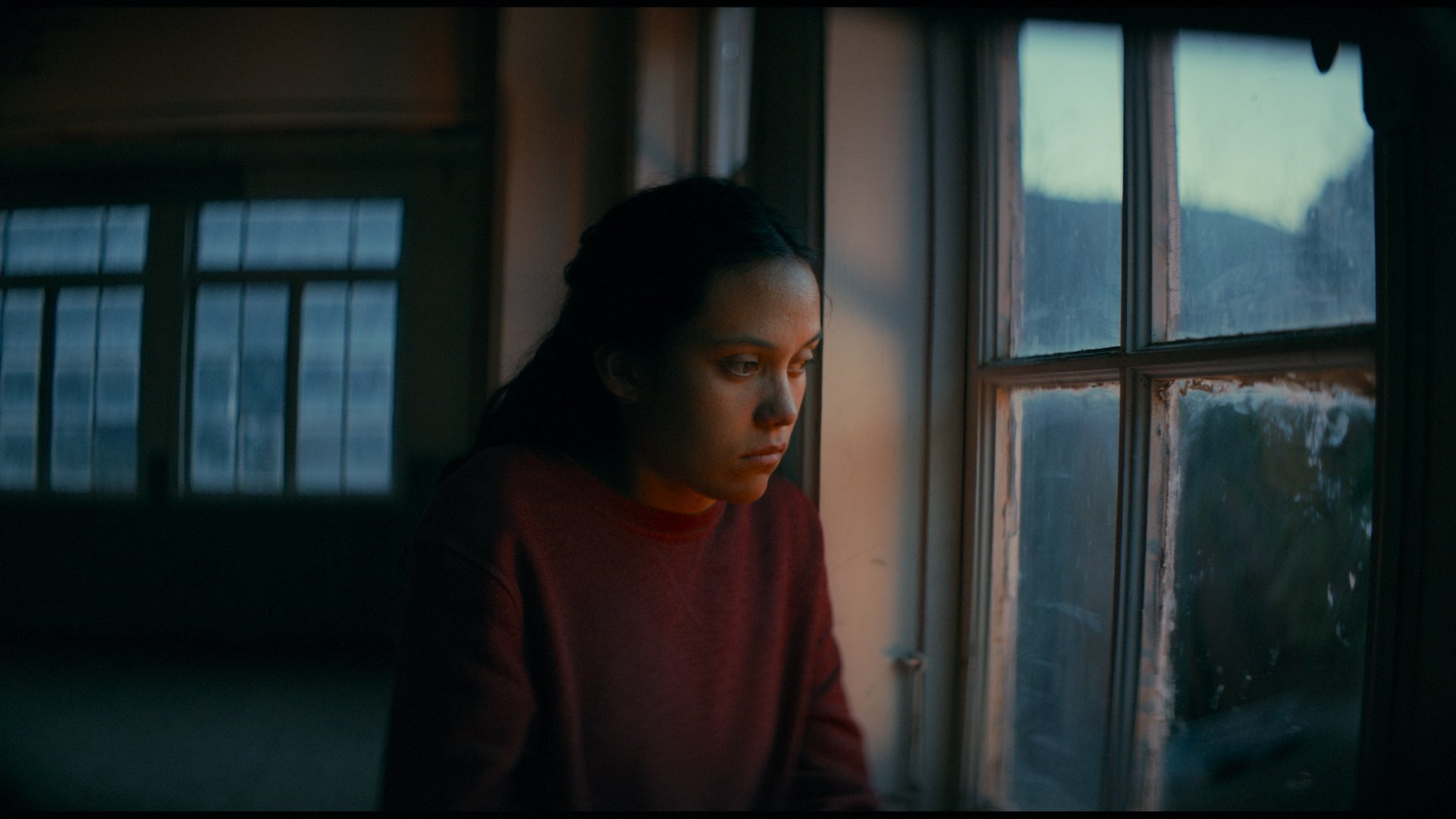
Inspired by the Spiniak case, Blanquita reimagines the infamous scandal through mirrored interrogations and disorienting viewpoints. Blanquita rewrites the original witness, whose fictional variant, in turn, rewrites the abuse faced by victims as her own. She is transformed from a clueless liar, into someone still a liar, but one that did so when every other possible witness has been discarded for being unreliable, for being too traumatized to go through the judicial process unflinchingly. The film takes on a provocative subject matter, at a time when real life sexual abuse allegations are treated with the same scrutiny Blanca faces. However, Blanquita does so in a way that gives its complexities the weight it deserves. It’s a fascinating thriller, a quandary that tests the idea of ends justifying the means… But it’s one that’s disturbing, given the consequences to each crime.

Teenagers forced to grow up quickly and spend their prime years wiling away at garment factories sounds like a grim reality, and it is, but in Youth (Spring), Chinese documentarist Wang Bing captures more than just the inherent tragedy of young labor. Here, they build friendships, find love, discover an affinity for their craft, stand up for themselves against exploitative bosses, and look for ways to have fun. Even if it’s just as simple as eating street food, spending the night at an internet cafe, or finding nice clothes, we’re with them in every way. Though it’s never explicitly political, the documentary makes you think about the conditions that put the kids there in the first place, such as our insatiable need for cheap and trendy clothes, governments turning a blind eye to child labor, and a skewed system that favors these above people’s—especially young people’s—well-being and welfare.
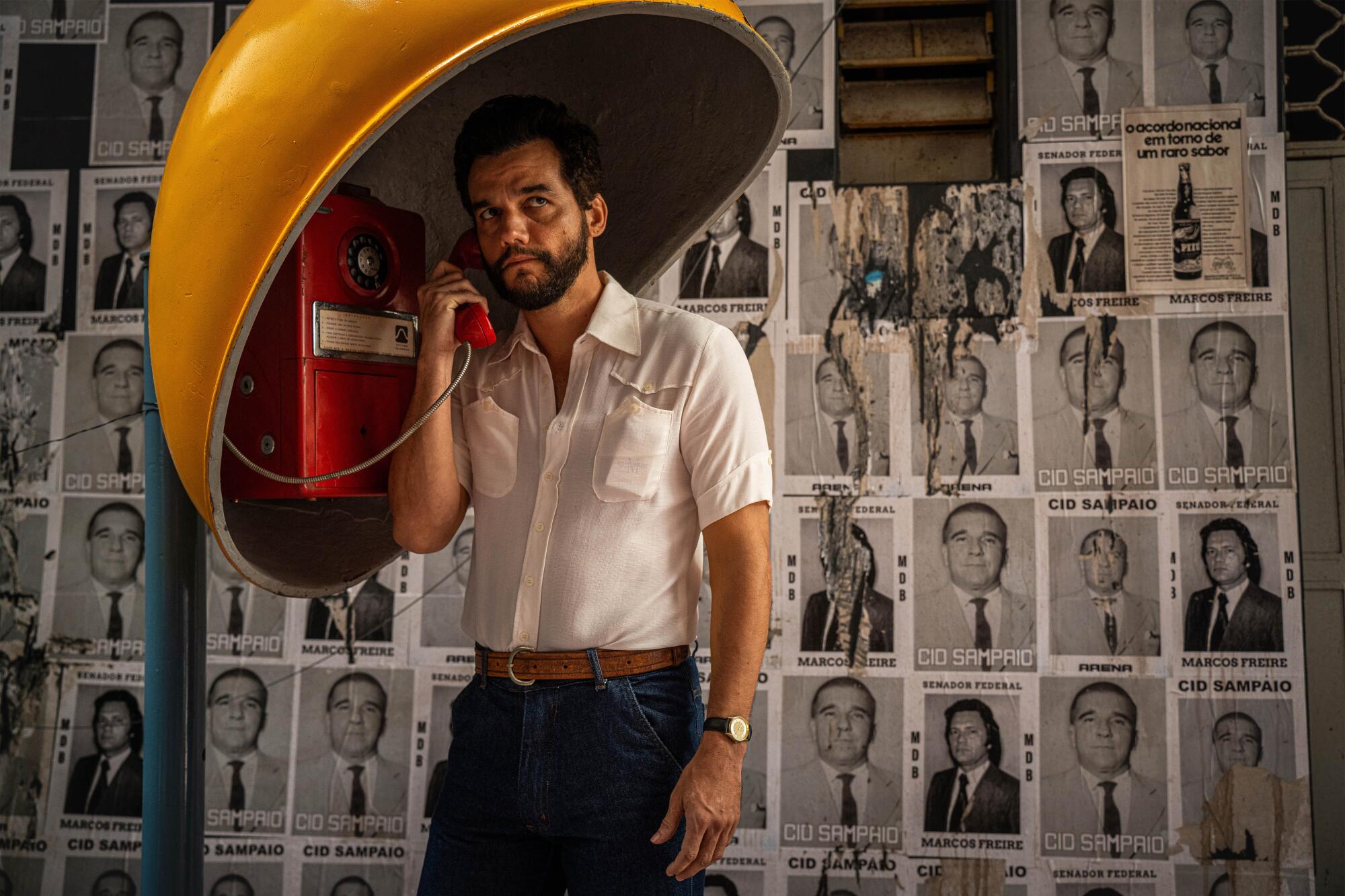
From 1964-1985, Brazil was under a military dictatorship. If you’re looking for films about this period of time, you can check out 2024 Oscar winner I’m Still Here, which poignantly depicted the memoir in a straightforward manner. But if you’re looking for another approach, you should check out this political thriller. The Secret Agent takes on a more exhilarating spin, with the main character Armando right in the action. Narcos’ Wagner Moura delivers an excellent performance of a former professor who isn’t actually an agent, but is somewhat forced to act like one, with his role to forge his passport and to find information on his missing mom. And as he tries to flee the country, his story echoes the genres of the time, with slow, intense zoom-ins that remind us of Cold War spy paranoia albeit more sunny, and a series of tiger shark attacks that reminds us of thrillers like Jaws (1975). It’s this approach that makes The Secret Agent an exciting and original take on this tense time period.
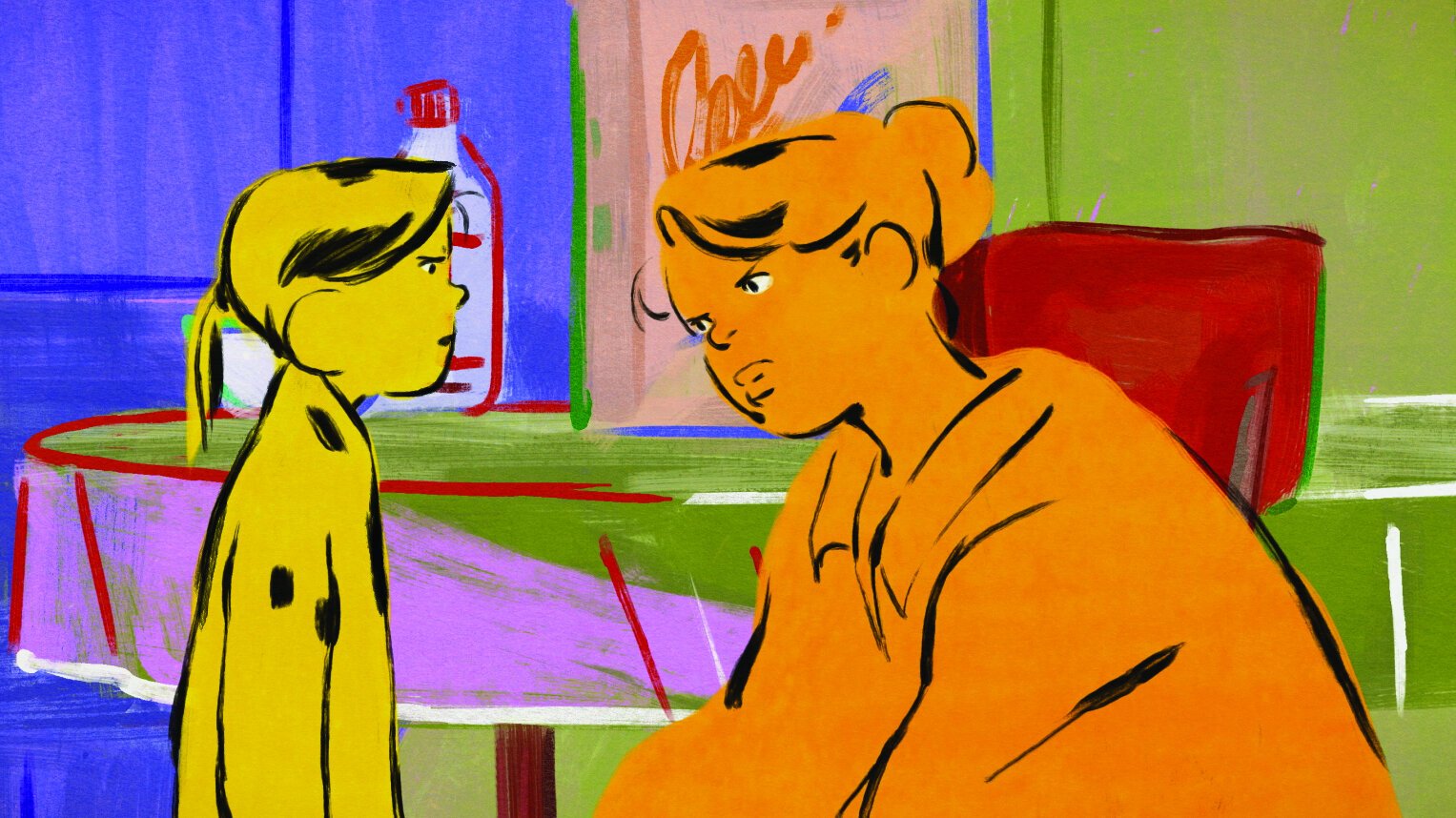
While the market for animation is mostly dominated by American 3D and Japanese anime, once in a while, a film outside the two industries comes up with an entirely new style of its own, with the design inspired by their respective countries. European animation has garnered some interest with Loving Vincent, but Chicken with Linda! takes it further, taking a more vibrant than impressionistic approach to its art. Somewhat like a neon-colored Fauvist Madeline, the film proceeds with a series of hijinks that wouldn’t be out of place in a children’s storybook, but it charmingly captures the mother-daughter relationship healed through the power of homemade food. It’s sweet and chaotic, much like childhood and the art movement that inspired the film, and it’s undeniably human. Chicken with Linda! is an unexpected delight for both kids and adults.

The Outrun, which follows Rona as she struggles to acknowledge and eventually overcome her alcoholism, is understandably in shambles. It’s non-linear (our only cues are her hair color) and occasionally fractured to show just how messed up Rona’s headspace is. These decisions may or may not feel necessary to the viewer, but what centers the film and makes it nonetheless worthwhile is Ronan’s performance. She is convincing and compelling as an addict—no overacting here or disrespectful flairs, just a simple performance carried by the weight of her eyes, the pain of gestures, and the occasional creak in her voice. It’s not always clear what’s happening in The Outrun despite its simple plot, but it is always watchable thanks to Ronan’s magnificent turn.
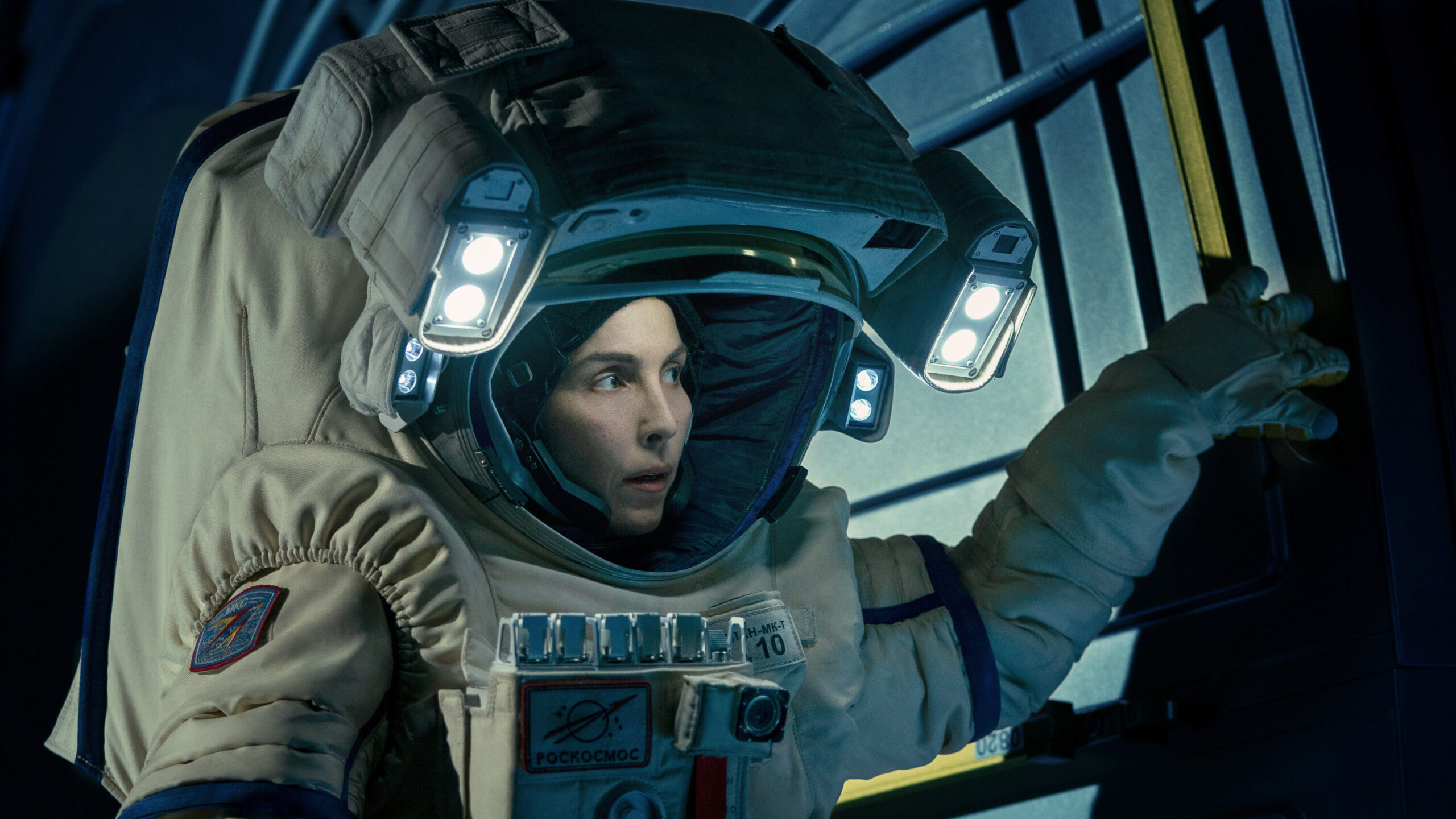
A lot goes on in Constellation, Apple TV+’s latest addition to its growing collection of sci-fi shows. It begins as a survival space thriller, then it evolves into a conspiracy mystery with hints of supernatural horror, all while being a family drama centered on the elusive mother-daughter bond. For all that hoopla, however, Constellation moves at a very languid place. It can also get very confusing very fast as it attempts to be all the abovementioned things and juggle multiple possibilities (relating to quantum physics, mind you) at the same time. To quote series creator Peter Harness’ other credited show, Doctor Who, it’s all very wibbly wobbly timey wimey. If you’re one to dive into a sci-fi story’s heady and complex world, however, then Constellation comes highly recommended.

The gorgeous grain of Falcon Lake’s lush 16mm cinematography instantly gives it an air of nostalgia, as if the movie is an intimate reflection on a precious formative summer. That effect is confirmed over the film’s runtime: it takes place from the perspective of Bastien (Joseph Engel), a 13-year-old French boy whose family is being hosted at a Quebec lake cabin by their friend and her 16-year-old daughter Chloe (Sara Montpetit). The woodland setting could be idyllic or eerie, a duality brought explicitly to the fore by Chloe, whose interests lean towards the macabre.
It’s not long before Bastien becomes smitten with the assured older girl, and it’s their dynamic that gives Falcon Lake its profoundly captivating effect. Though the movie’s gothic undertones do give it a troubling air of tension, the way they come to the surface in its ending feels a little inharmonious to the delicate human drama that the teens have built up until then. Both actors turn in performances so extraordinarily nuanced and naturalistic that Falcon Lake doesn’t need that twist — it already stands as a deeply affecting coming-of-age portrait, one in which tenderness and betrayal are raw new pleasures and pains to be discovered.
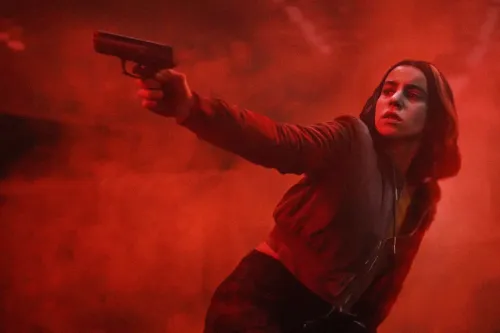
Like John Wick before it, Furies follows a vengeful and near-invincible (albeit rookie) assassin as she infiltrates the criminal underworld and avenges a murdered loved one. There are other similarities too, like the lofty codenames and the intricately choreographed action sequences, but otherwise, Furies is its own solid thing. Owing to its format, it has more melodrama and plot twists, and has a lot more room to flesh out its main character, Lyna. It’s also more of a team effort than a solo show since, as the name suggests, Furies is more of a team, a family even. It can get cliche at times, and my main gripe is that Lyna gets too good at her combat skills too fast, but if you can overlook those details, then Furies is wholly enjoyable: gritty, stylish, fast-paced, and most importantly, action-packed.
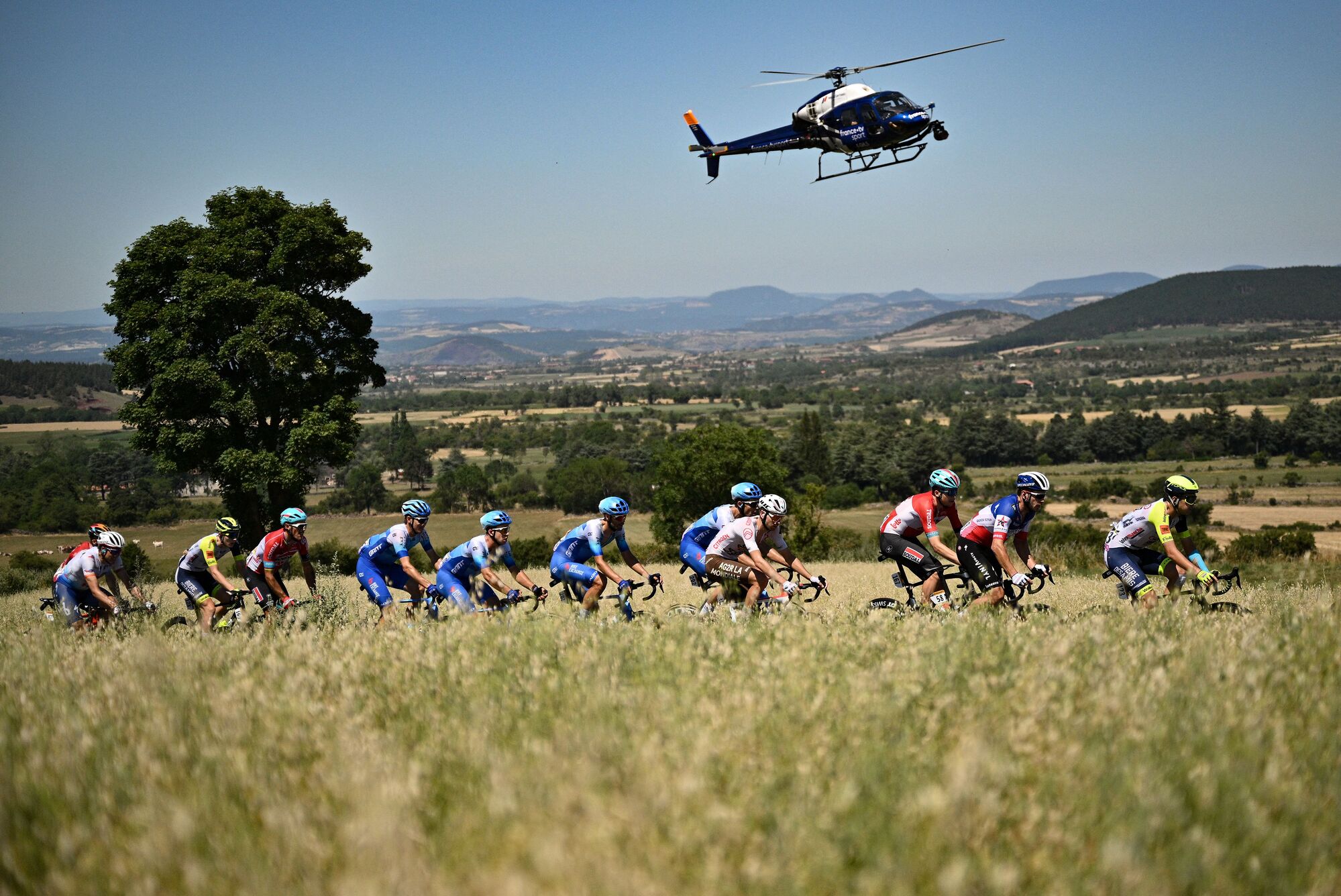
Tour de France: Unchained is an intense sports docuseries depicting the ins and outs of the prominent cycling race. While cycling is an individual activity, Tour de France is structured to be a team sport — usually comprising around 20 teams with eight riders each. The first season depicts the 2022 run from Copenhagen to Champs-Élysées, the comeback after the pandemic, with players looking to defeat two-time defending champion Tadej Pogačar (UAE Team Emirates). If you’re up to date with cycling news, you’ll know how this one ends. However, it’s still a worthwhile watch, as the show goes behind the scenes to witness the team dynamics, the severe falls, and the steep challenges. With this in mind, Tour de France is very watchable, especially for fans of the sport.
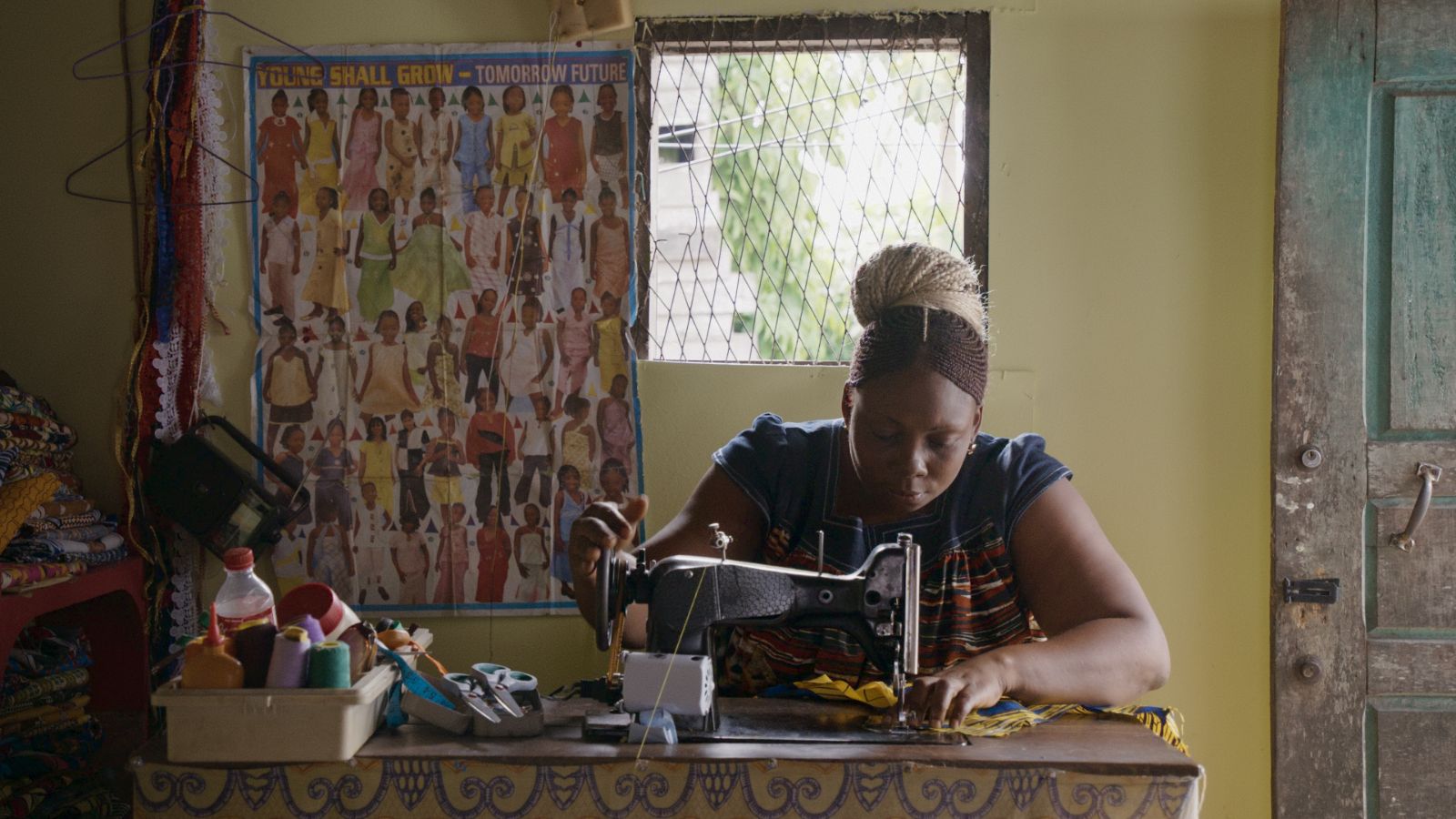
If given the outline of this film, it might be easy to just call it poverty porn. But there’s a genuineness to Mambar Pierrette that keeps this film from sliding into melodrama, a certain subtlety that captures the everyday life in Douala, Cameroon. Filmmaker Rosine Mbakam, who made her start through documentary films, brings her naturalistic style here, placing the titular seamstress front and center as she responds to each and every difficulty that comes her way. And as the flood comes, and so too her troubles, Pierrette Aboheu Njeuthat shines with a subtle charisma, a performance full of dignity for the titular single mother that carved out a life through her craft. Mambar Pierrette might have a familiar neo-realist story, but it’s done well due to its excellent balance.

Silver Dollar Road isn’t a new story– it’s one of many that comes as a consequence of systematic Black land loss that continues to happen to this day. Director Raoul Peck tells it in a new way, completely focusing on the Reels family and hearing their story entirely, from the initial confusion to two of the homeowners’ incarceration, and remembering the good old days when they used to enjoy the land. The land dispute has escalated to years of harassment, imprisonment, and being taken advantage of from opportunistic legal counsel. While it could have benefitted from from detailed legal proceedings, Silver Dollar Road still powerfully depicts an intimate family story that outlines the systemic racism enabling Black land loss today.

In the multilingual Drops of God, French author Camille and Japanese sommelier Issei battle for a wine expert’s multi-billion-dollar inheritance. Camille may be the expert’s daughter, gifted with an incredible sense of smell and taste, but Issei is the so-called “spiritual son,” the protégé who filled in Camille’s shoes upon her abrupt departure from her father’s life. Whoever wins a series of wine-related tests gets to keep the expert’s estate and continue his legacy.
Based on the Japanese manga of the same, Drops of God is strangely but enjoyably competitive as it plunges you deep into the complex world of wine—through intense competitions, we get a closer look at the drink’s many layers, long history, and even its cultural connotations. This nice blend of knowledge and rivalry makes it a thrilling watch, but the show also has an unexpected but welcome family element to it that softens the edge a bit and gives it a sweet aftertaste. If you were ever looking for a smart but heartfelt show about wining and dining, this is it.
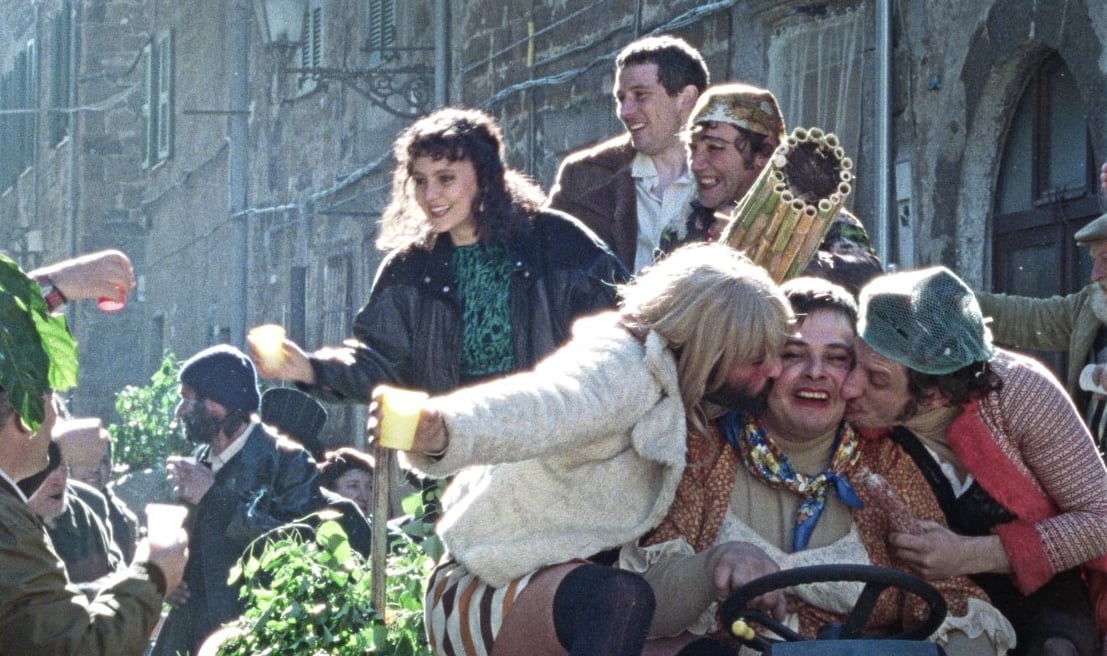
La Chimera is often meandering. Scenes flitter about and move at different paces, resembling dreams more than they do reality, but they’re hardly trivial. Just the opposite, they enchant you with their beauty and confront you with deep, existential questions that haunt you long after the film’s run. You won’t find obvious answers here though, and you might even leave more perplexed than when you began. But that is the beauty of a film like La Chimera, it cracks you open to different realms and possibilities.
Ashkal takes an audaciously hybrid approach to genre: it’s part-noir, part-supernatural thriller, and full political allegory. The investigation at the center of this slow-burn Tunisian police procedural is a gripping one, as burnt naked bodies keep turning up in abandoned construction sites in Tunis with no trace of a struggle or even a combustible on them. In post-revolution Tunisia, the deaths are an uncomfortable reminder of recent history: it was a young Tunisian man’s self-immolation that sparked the Arab Spring, after all.
The revolution’s complicated legacy looms over the film, as we watch the country’s Truth and Dignity Commission begin its work of uncovering the former government’s corruption and abuses. Ashkal’s two protagonists — the young Fatma (Fatma Oussaifi) and her more seasoned police partner Batal (Mohamed Grayaa) — find themselves on opposite sides of that political divide, he having been implicated in the abuses of power that are now being investigated by Fatma’s father. There are fascinating elements at play here, and the results of Ashkal’s ambitious genre experiment are mostly inspired. Much of the film’s energies are spent on building a paranoid atmosphere — efforts that can, at times, frustratingly slacken the tension — but its fantastical touches tauten things up enough to make it a haunting political commentary in the end.

Given the controversial subject matter, there’s something remarkably placid about the way About Dry Grasses proceeds. Amidst the snowy white steppes of Eastern Anatolia, writer-director Nuri Bilge Ceylan slowly lets the plot unfold through multiple conversations, where an accusation of inappropriate contact leads to a he-said, she-said investigation, all centered around a misanthropic protagonist Samet. By focusing the entire film on Samet, Ceylan takes the time to understand this difficult, exhausting character in a detached manner, with the camera oftentimes taking in the whole lived-in, rundown places where Samet lives and works in. It’s an interesting perspective, depicting the ways everyone’s fumbling around, trying to create boxes to understand one’s place in the world, but it’s not an easy one to explore. About Dry Grasses dares to do so, anyway.
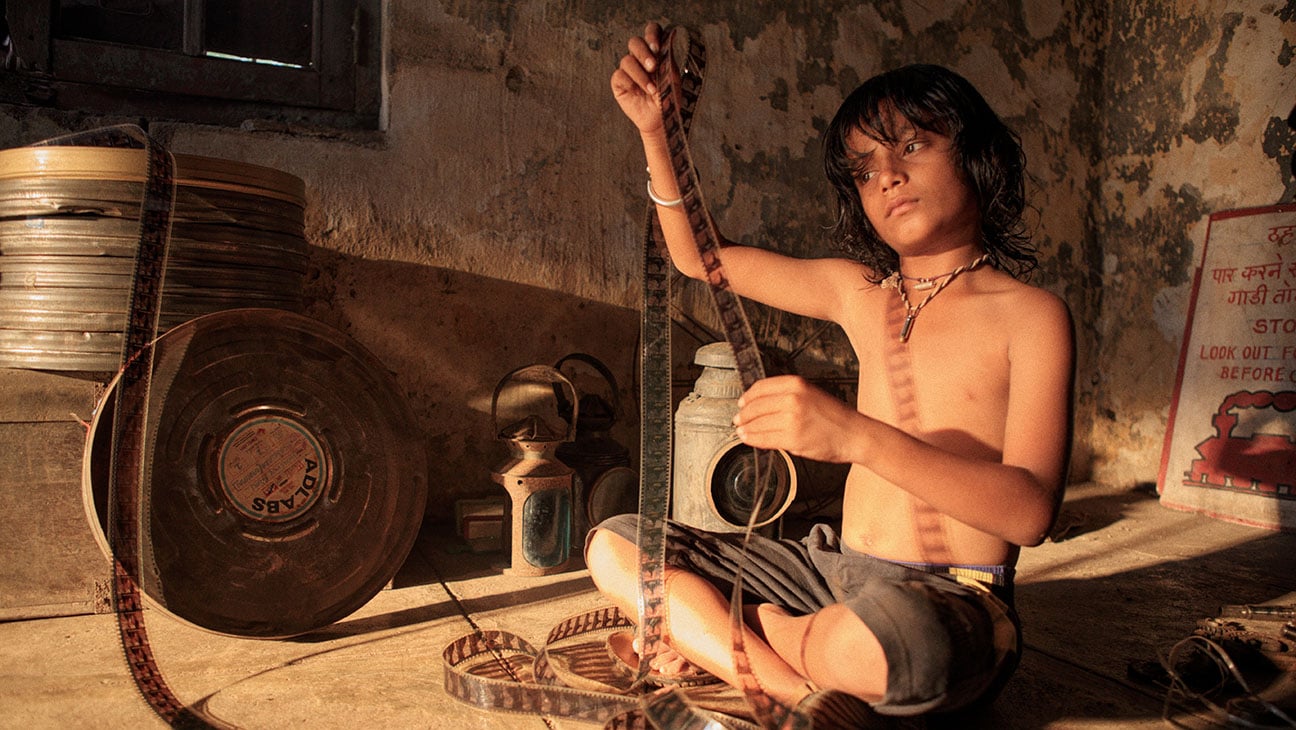
Like many coming-of-age films about films, it’s easy to assume that Last Film Show would be a derivative of all-time film classic Cinema Paradiso. Both films from opposite corners of the world, separated by more than three decades, do share that awe of cinema from a projection booth. However, unlike Paradiso, the awe of Last Film Show is also tempered by the rural poverty its young protagonist faces. Samay learns projection from a film booth, and learns community is formed through the screen, but he also learns it through snatching the few reels that passes through their village, manually experimenting with scrap material, and recreating the same light and shadows through its fundamentals. These scenes are precocious because of the children, but it makes for a more interesting take, because Samay’s journey proves that cinema truly is worth saving, even without the money. It’s undeniably awe-inducing with Pan Nalin’s stunning shots and semi-autobiographical story.
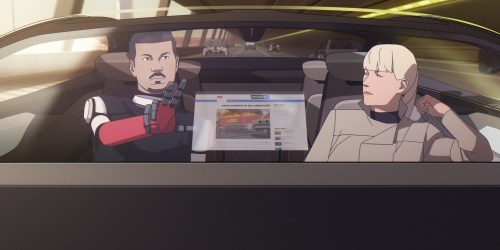
The premise of Mars Express may not be novel, especially when films like Blade Runner have already gracefully explored the philosophical ramifications of the human-tech conflict. But the French animated movie’s richly built world, (digitally) hand-drawn characters, genuinely gripping action, and far-reaching ideas about space make it a refreshing watch. The plot is taut and tight, too, peppered with twists and grounded by character depth. It may look simple at first glance, predictable even, but by the end, you’ll be over the moon by the film’s imagination and ambition.
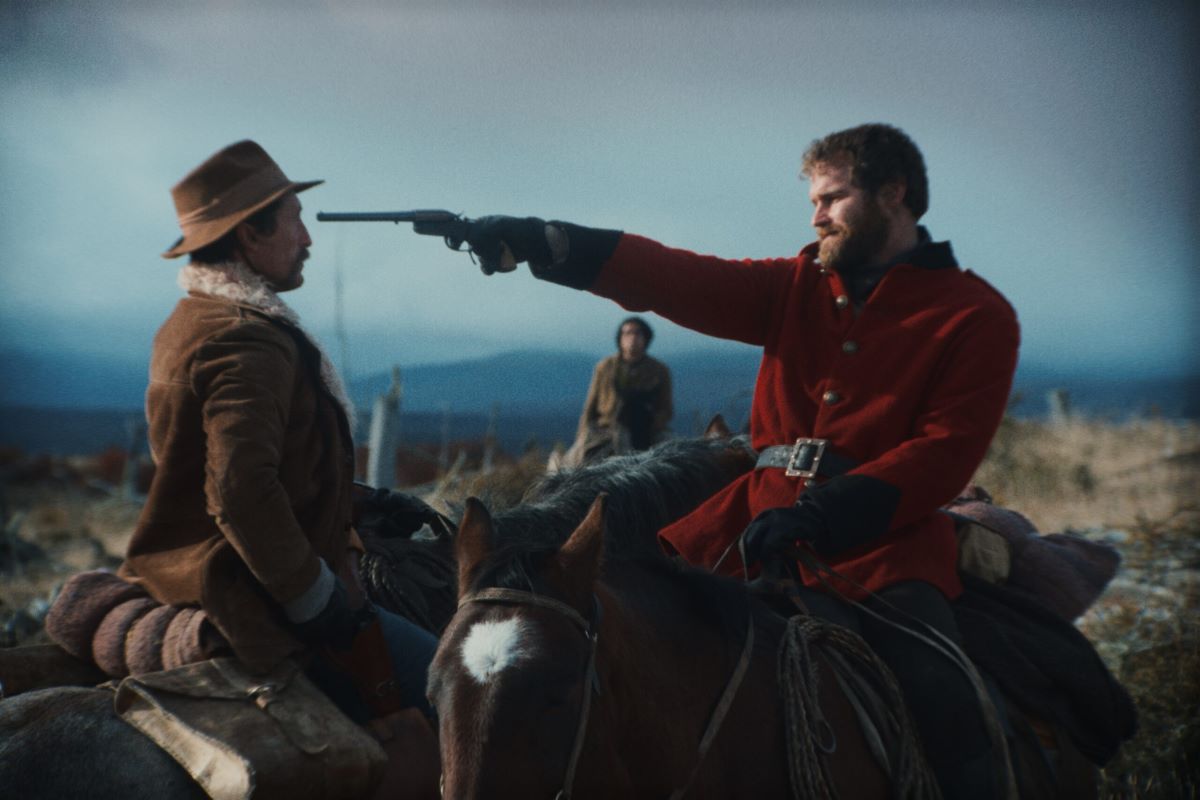
Horse riding. Gunslinging. Revenge and protection. These are notable elements in a Western, Spaghetti or otherwise. But rarely do these movies contemplate the indigenous tribes that originally lived in these desert towns, right before they were chased away and killed by white colonizers. Writer-director Felipe Gálvez Haberle takes these elements to showcase a new perspective in The Settlers, with mestizo Chilean sharpshooter Segundo forced to inflict atrocities onto his fellow native Chileans by the orders of a wealthy Spanish landowner, a British officer, and an American mercenary. The landscapes captured are sublime, the portraits are vignetted, but what’s most striking is the way Gálvez mixes in cinematic Western film style with real life colonial history, dramatic conflict with historical detail on a rarely discussed genocide.
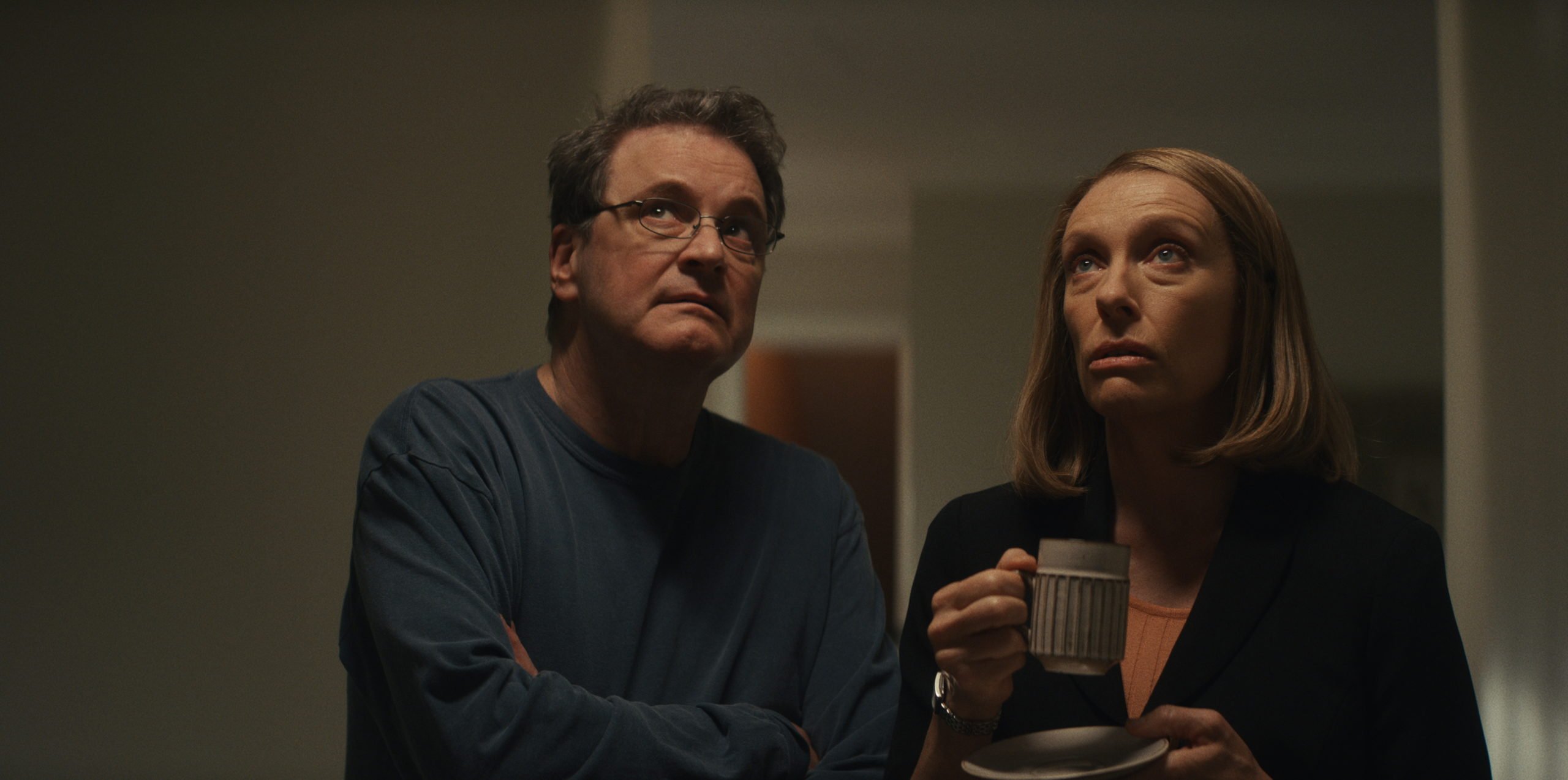
The bizarre case of Kathleen Peterson’s death, which has yet to be fully resolved to this day, has been the subject of many a media article. The press covered it relentlessly when it all started in 2001, then a critically-acclaimed documentary was released in 2004. This was followed up with a sequel in 2018, and now more than 20 years after the deed, a dramatization has come out in the form of a miniseries. You’d be forgiven for thinking the latter couldn’t possibly have anything new to offer, but you would also be wrong. In fact, the series is a masterclass in storytelling. Led by an a-list cast (of which Colin Firth is the absolute standout) and told with such layered depth, The Staircase is a must-watch not just for true crime but for film and TV fans everywhere.
Utilizing time jumps and crafty transitions, The Staircase isn’t set at one particular time, which is fitting considering the trial lasted for 16 years. It also isn’t centered on just the mystery or the family, but instead is just as interested in the making of the 2004 documentary that introduced (and humanized) the case to an even wider sect of people. If you’re looking for a neat ending or some form of satisfying retribution, you won’t find it here. But you will be getting an engrossing meditation on truth and its elusiveness
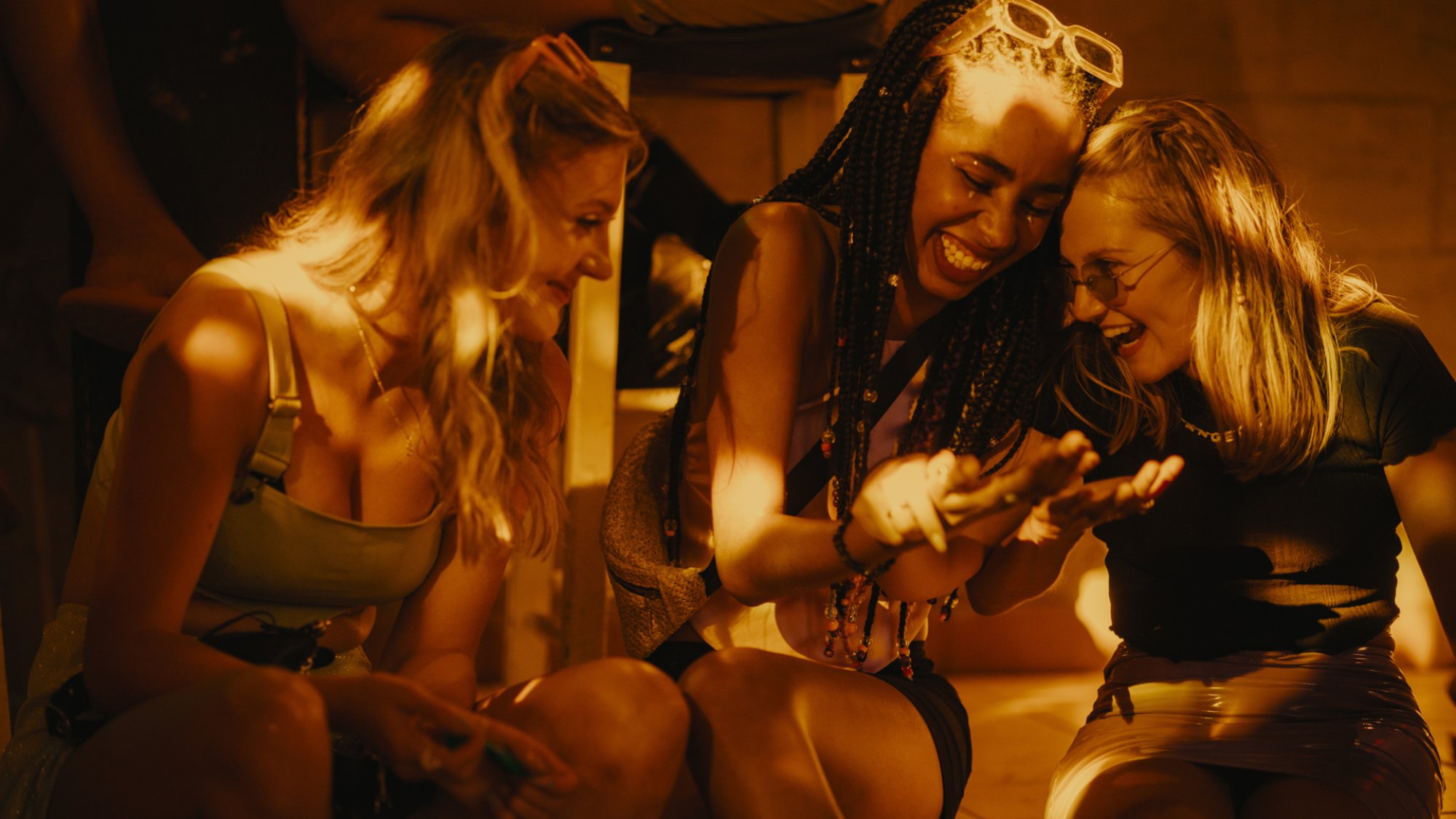
While named as a “how-to”, How to Have Sex is less of an instruction manual, and more of a collection of summer break moments presented as is. At the start, when Tara, Em, and Skye run to the freezing ocean water, the film seemed like it would have all the nostalgic coming-of-age moments that they would remember forever. But as the film progresses, and the girls meet other teenagers at the resort, there’s an eerie, foreboding feel that starts to build up, with every beer bottle, with every whisper, and with every insinuation Tara receives. And rather than preach about consent, writer-director Molly Manning Walker makes them fumble around without the concept of it, the same way teens tend to do, making it much more potent than a cautionary tale.
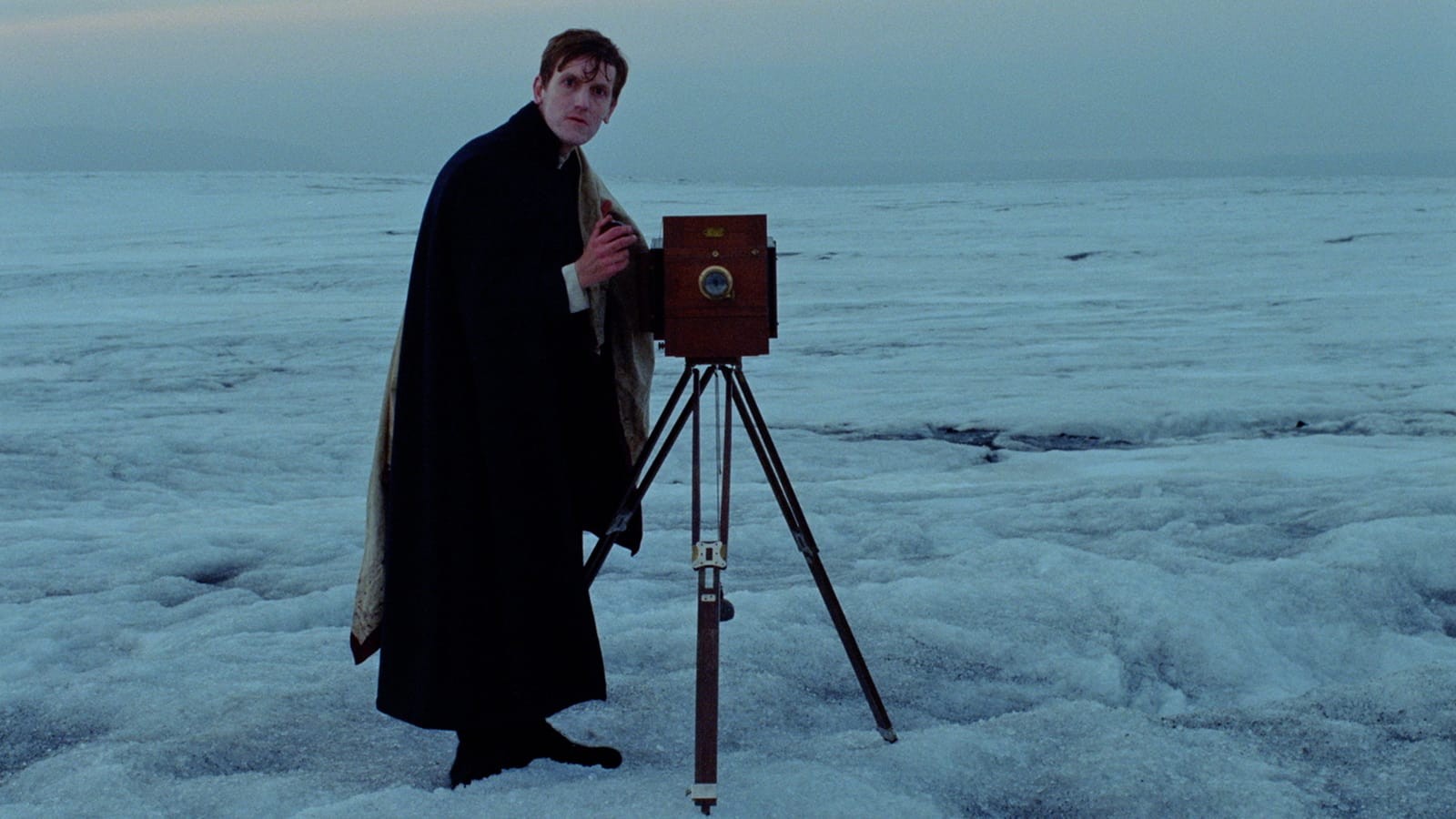
On the one hand, Godland is a film about nature’s unforgiving beauty. Like the photographs the priest Lucas (Elliott Crosset Hove) takes, these quietly superb scenes speak for themselves. The Earth moves in mysterious and harsh ways, and we are but mere specks, organic matter to be folded in and absorbed, in the grand scheme of things. It would’ve worked with just this message alone, but Godland also treads on political ground. Through Lucas, who is Danish, and his travel guide Ragnar (Ingvar Sigurdsson), who is Icelandic, we sense a palpable tension that electrifies the film with a colonial strain. There are layers to their deep aversion (and dependence) on one another, and director Hlynur Pálmason does well to pair this with imagery that is just complex, profound, and packed with meaning.
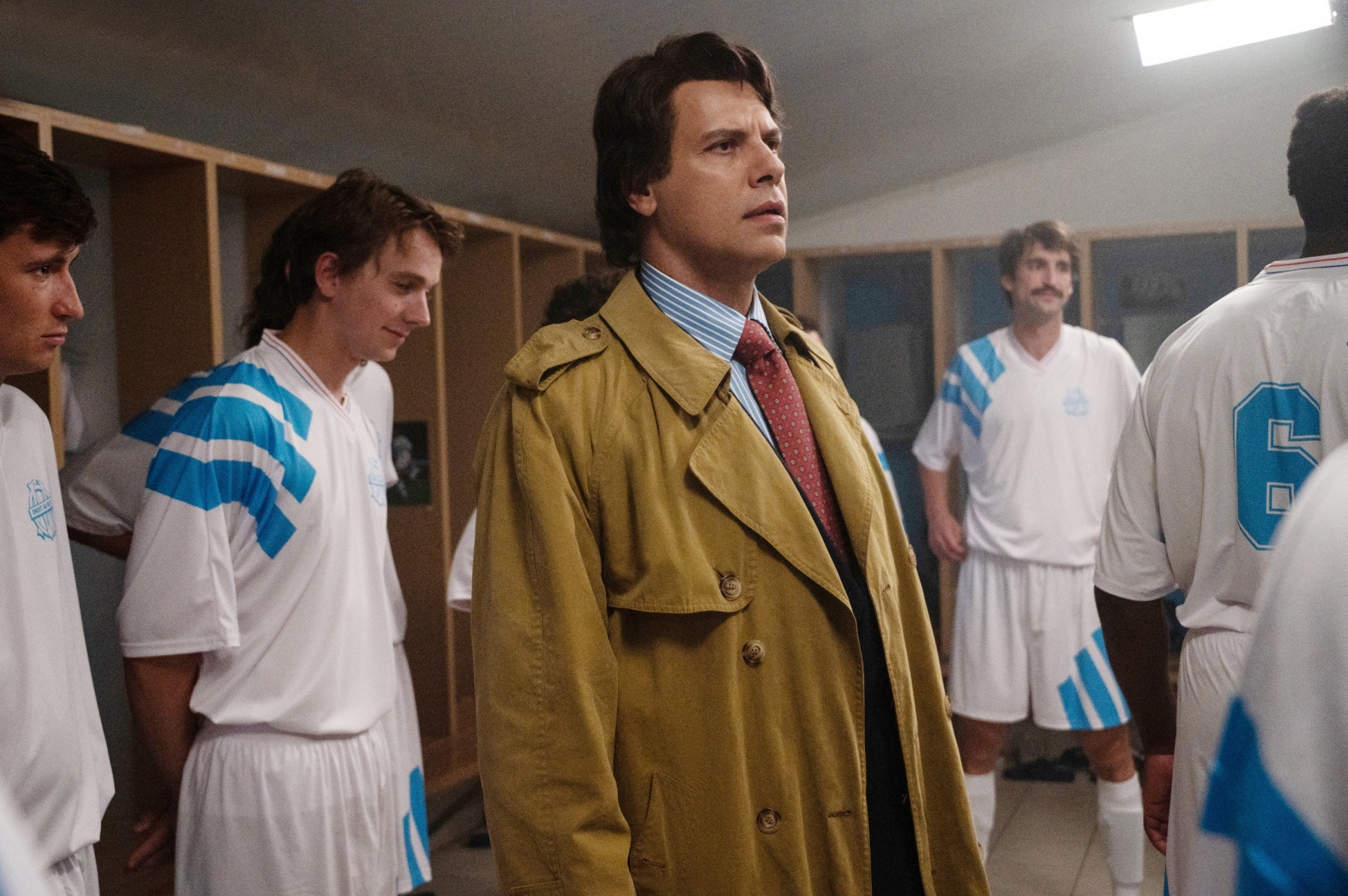
The real-life Tapie may be more or less interesting than the Tapie Laurent Lafitte brings to life in Class Act, but that doesn’t really matter. The series introduces the French tycoon as if he were a completely new character, which is helpful to those of us going in the series blind. There is drama, there is scandal, and since Tapie is so tied to French life, there is also history. But more than anything else, there is business. Tapie is by no means perfect, but he is a smart businessman, and Class Act’s sharp and strong writing brilliantly conveys the addictive highs and soul-crushing lows of commerce. Narrative cliches are inevitable, but that doesn’t make this well-crafted series any less enjoyable.
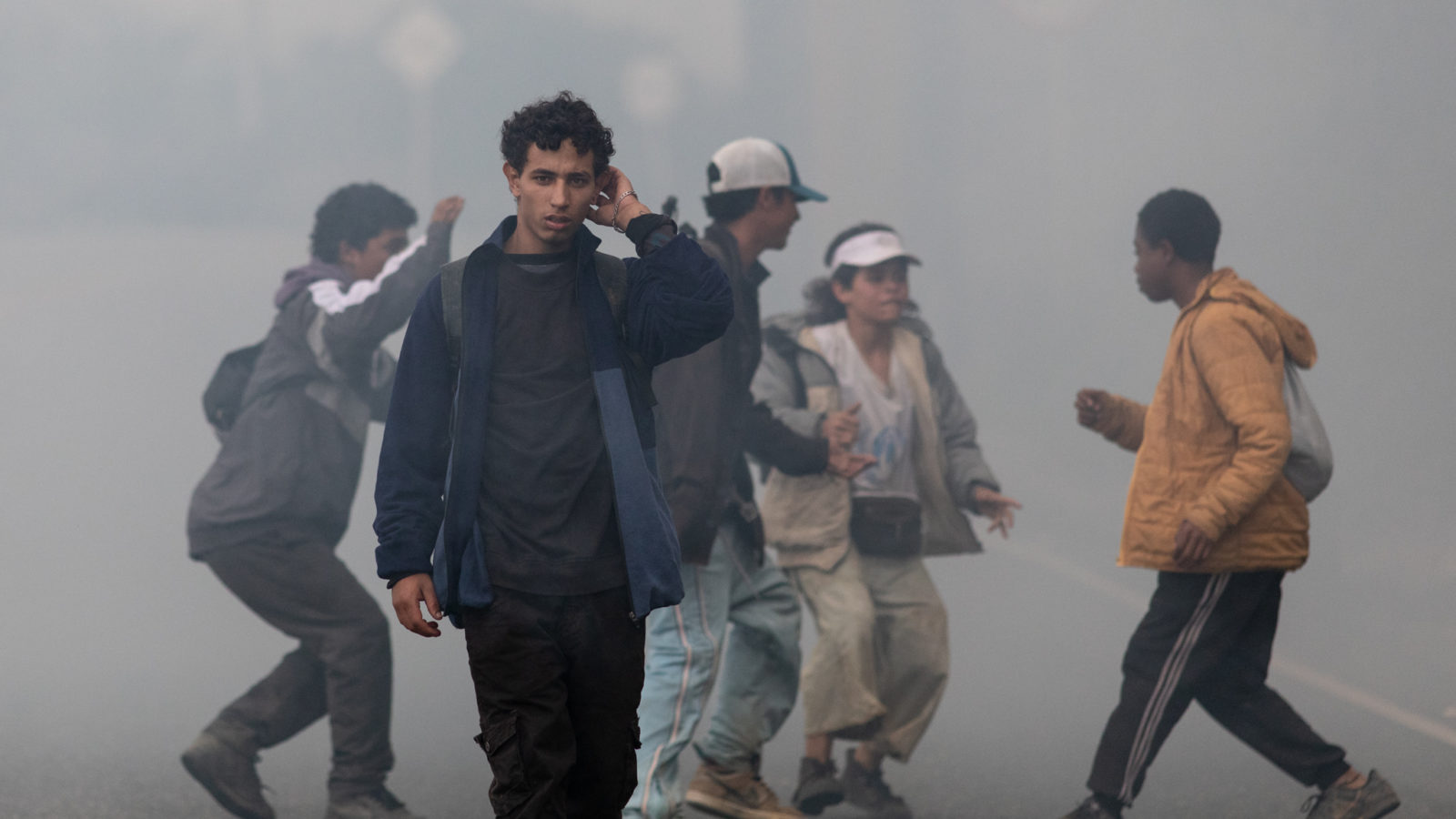
The Kings of the World is a surreal coming-of-age movie that follows Rá, Culebro, Sere, Winny, and Nano, street kids who are on their way to claim land that’s rightfully theirs. Their one goal is to finally make a home after living without one for so long, but they’re hindered by the inevitable tragedies that befall kids of their kind: impoverished, alone, and abandoned.
The title is ironic, but it also hints at their state of mind: these boys are unstoppable, rabble-rousers who live like there’s no tomorrow. They tear down private property and invade inns not out of spite, necessarily, but out of a knowledge that whatever they do they’re gonna be put down anyway, so they might as well live without rules.
Tackling powerful themes like land restitution and youth neglect, The Kings of the World is one of the most agonizing movies you’ll ever see. It’s also Colombia’s official Best Foreign Language Film entry in the 2022 Academy Awards.

Sometimes, especially when you’ve gone without it for so long, you would do anything for a shred of respect. LaRoy, Texas depicts exactly that, with a store owner Ray being so unwilling to stand up for himself that his wife cheats on him with his brother, who steals from the family business. It’s a terrible situation to be in, of course, but it’s played out in a dry, comedic way, as detective-wannabe Skip pokes on the wound when trying his best to solve the case, and as each surprise reveals how terribly incompetent the small town deals with things. While it doesn’t quite compare to the neo-Westerns of Coen brothers it’s inspired by, LaRoy, Texas is both fun and tragic, and a promising debut for writer-director Shane Atkinson.

Continuing on the 2021 film, which in turn, was the prequel to the Belgian-Dutch series Undercover, Ferry: the Series now delves into the titular mob boss’ start of his ecstasy empire. While the drug lord was suitably menacing in Undercover, Bouman in his beginnings is broke, trying to create bigger deals that would allow him to continue sustaining his small-scale drug pushing, and personally bumping with the cops in some botched buyings. As the future kingpin deals with day-to-day mishaps, there’s an old-school, lightly comedic tone as Bouman tries to gain the same respect he’ll get in Undercover. It makes for a goofier and less serious side on the all-too-familiar organized crime plotlines, and makes it a fun series to watch.

Other People’s Children wrestles with some very tricky life experiences: bonding with a partner’s child in the agonizing knowledge that that attachment is entirely contingent on the fate of your romantic relationship; being a woman of a certain age and wanting a child but becoming keenly aware of the ticking of your body clock. For all the sharp points of pain the movie zones in on, though, there is remarkable cheerfulness in it, too. Writer-director Rebecca Zlotowski captures a wide spectrum of mood here, fusing lighthearted laughs and swooning romance with bitter disappointments and grief in a way that feels organic to life itself. The buoyant moments don’t undermine the sincere, intelligent consideration given to Rachel’s (Virginie Efira) perspective as a woman navigating a situation for which there are no real rules, and vice versa — because the film considers her as a whole from the outset. Neither reducing Rachel to her childlessness nor ignoring its emotional impact on her, this is a deeply empathetic movie that never questions the completeness of its protagonist’s life.
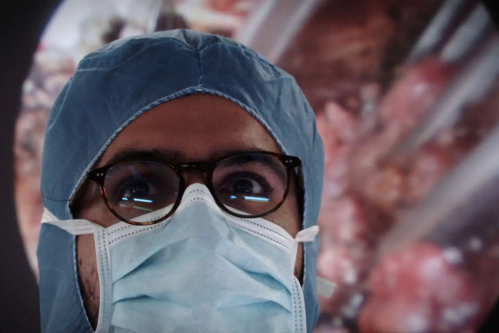
While primarily a showcase of endoscopic footage of various surgeries in different hospitals throughout Paris—which should already be enough to either make you queasy or inspire introspection into the fragility of our lives—this singular, experimental documentary places all this bloodshed in the context of the mundanity of the medical profession. Much of the film is taken up by muted conversation from the surgeons and footage of elderly patients wandering around, creating an even more surreal look into the lack of support these hospitals receive. It’s far more abstract than it is educational, but its commitment to getting its hands dirty makes it an unforgettable experience.

Stories about cults have fascinated viewers because of how absurd their ideas can get… And how easy these ideas can lure in lost and broken people. Plenty of these cults tend to stick with ideas that sound similar with the world’s major religions, but not many claim to be able to clone humans. Raël: The Alien Prophet plays out like the regular cult playbook, with a regular man suddenly amassing riches, power, and fame through charisma, and abusing his followers to obtain more, but the show keeps the viewers’ interest by primarily focusing on what sets the movement apart: the aliens and the human cloning.

Undeniably breathtaking animation meets uncomplicated narratives and breathes life into this 10-episode speculative anthology. These rich stories take the sci-fi genre and unfurl a multitude of possibilities for a futuristic Africa. Although the episodes are short, there are more hits than misses as the focus on succinct stories creates a net positive viewing experience. Kizazi Moto: Generation Fire boasts an explosive variety of animation styles that make simple yet heartfelt stories shine. The transition from high-action vibrant stories like Mkhuzi: The Spirit Racer to the dark, terrifying visuals of Surf Sangoma in the first half displays the amazing talent of Africa’s filmmakers.
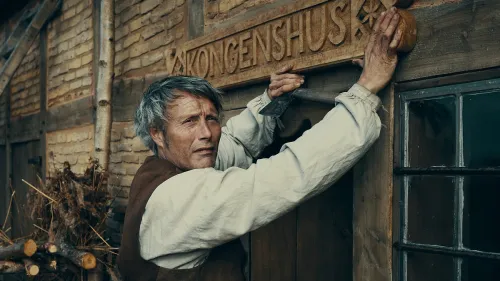
In The Promised Land, director Nikolaj Arcel (A Royal Affair) and Mads Mikkelsen reunite to create another intense, enjoyable drama based on true historical events. Mikkelsen is reliably gripping as Captain Ludwig Kahlen, but it’s his back-and-forths with the diabolical landowner Frederik Schinkel (Simon Bennebjerg) that are the standout scenes here. And though The Promised Land resembles modern Westerns in its macho standoffs and sweeping backdrops, it has a surprising and satisfying feminist bent to it. It’s a historical epic that doubles as a revenge thriller and succeeds in both cases.
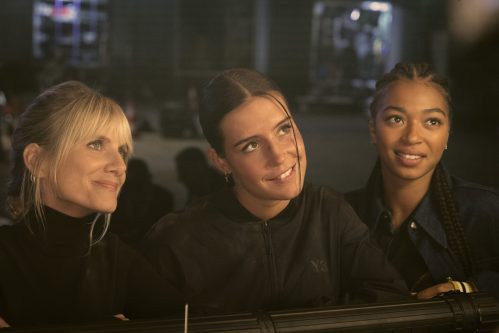
An all-female action comedy that doesn’t get self-serious about the way it’s subverting the genre — Wingwomen feels like a breath of fresh air. It wisely grasps that plot isn’t paramount for a movie like this, and so it joyously dunks on cerebral scenarios with its unabashedly silly story convolutions, like when its professional thieves take a brief pause from their momentous One Last Job™️ to sail to Italy and exact bloody, flamenco-delivered revenge on the gangsters who killed their beloved rabbit. Exotic Mediterranean location-hopping isn’t the only way Wingwomen milks Netflix’s finance department for all it can get, either: director-star Mélanie Laurent also packs in all manner of stunts, from spectacular base-jumping sequences to dramatic drone shootouts.
For all its breezy style, though, there is real heart here, and not the kind that feels crafted by an algorithm. It’s true that a late twist unwisely uses the movie’s embrace of implausibility for emotional ends, but otherwise, the relationship between its professional thieves — ostensibly platonic but very much coded otherwise (a la Bend It Like Beckham) — has surprisingly sincere warmth. Thanks to the cast’s natural chemistry and characters that feel human despite the ridiculous plot, Wingwomen is much more moving than you might believe possible for a Netflix action-comedy.
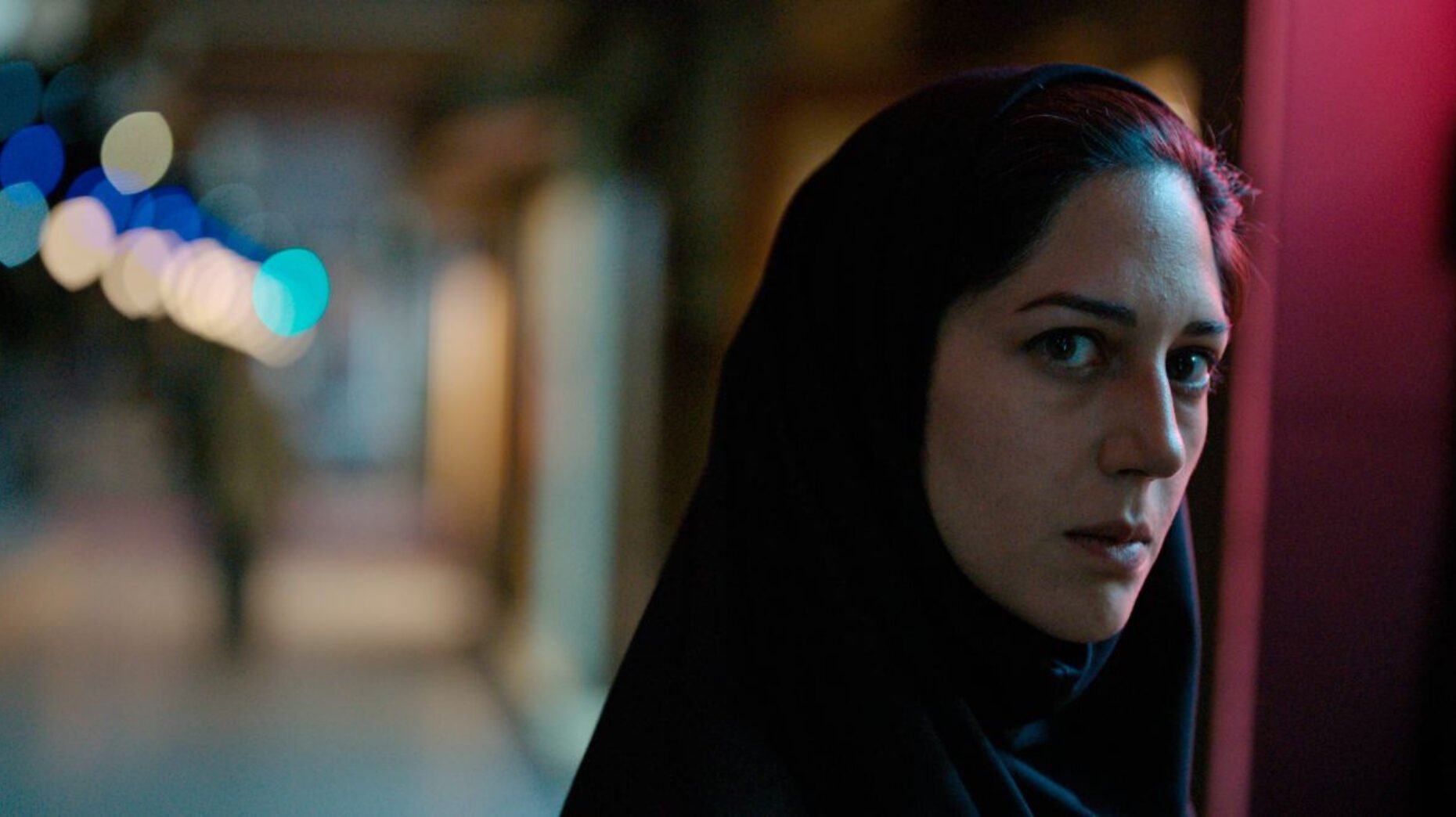
As a crime thriller, Holy Spider is taut and terrifying, a modern noir that manages to unnerve despite the familiar moves it employs. The cat and mouse chase between serial killer and investigative reporter, for instance, is a classic tale, but that doesn’t make Holy Spider any less gripping. The film benefits from artful camerawork, considered acting (as the daring journalist Rahimi, Zar Amir Ebrahimi nabbed the Best Actress award at Cannes), and most of all a nuanced take on the situation in Iran.
Despite having a clear stance against violence and corruption, nothing in Holy Spider is black and white. Contradictions abound, and even when presented with brief moments of justice, we’re left scratching our heads looking for more. Such is the case when the system, and not just an individual, is the true pest.
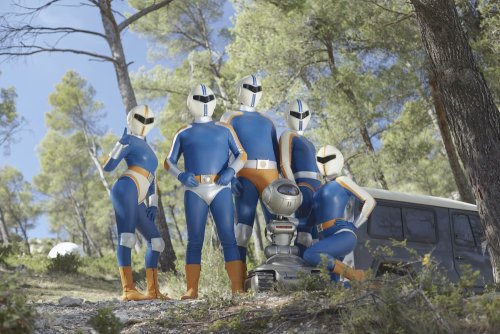
At 80 minutes, Smoking Causes Coughing is another slice of perfectly paced absurdist fun from Quentin Dupieux, the zany mind behind Rubber (in which a car tire turns serial killer) and Deerskin, the tale of a motorcycle jacket that wants to rule the world. This time around, the protagonists aren’t inanimate objects: they’re Tobacco Force, a Power Rangers-style band of lightly idiotic superheroes who harness the toxic power of cigarettes to defeat Earth’s enemies, and are each named after one of their harmful components (Benzene, Nicotine, Mercury, Ammonia, and Methanol). They’re led by Chief Didier, a rat who inexplicably dribbles green goo — and, even more inexplicably, casts an intense erotic spell over Tobacco Force’s female members.
Smoking Causes Coughing leans deliriously, hilariously far into its absurdist premise. Citing a lack of “group cohesion,” Chief Didier sends the Force to the woods on a team-building retreat. While they swap “scary” stories over a campfire, however, a reptilian galactic supervillain plots to put Earth “out of its misery” because it’s a “sick planet” (can’t really argue with that). Full of insane plot twists and without a tired trope in sight, Smoking Causes Coughing never approaches the realm of predictability — no small achievement in this era of superhero fatigue.
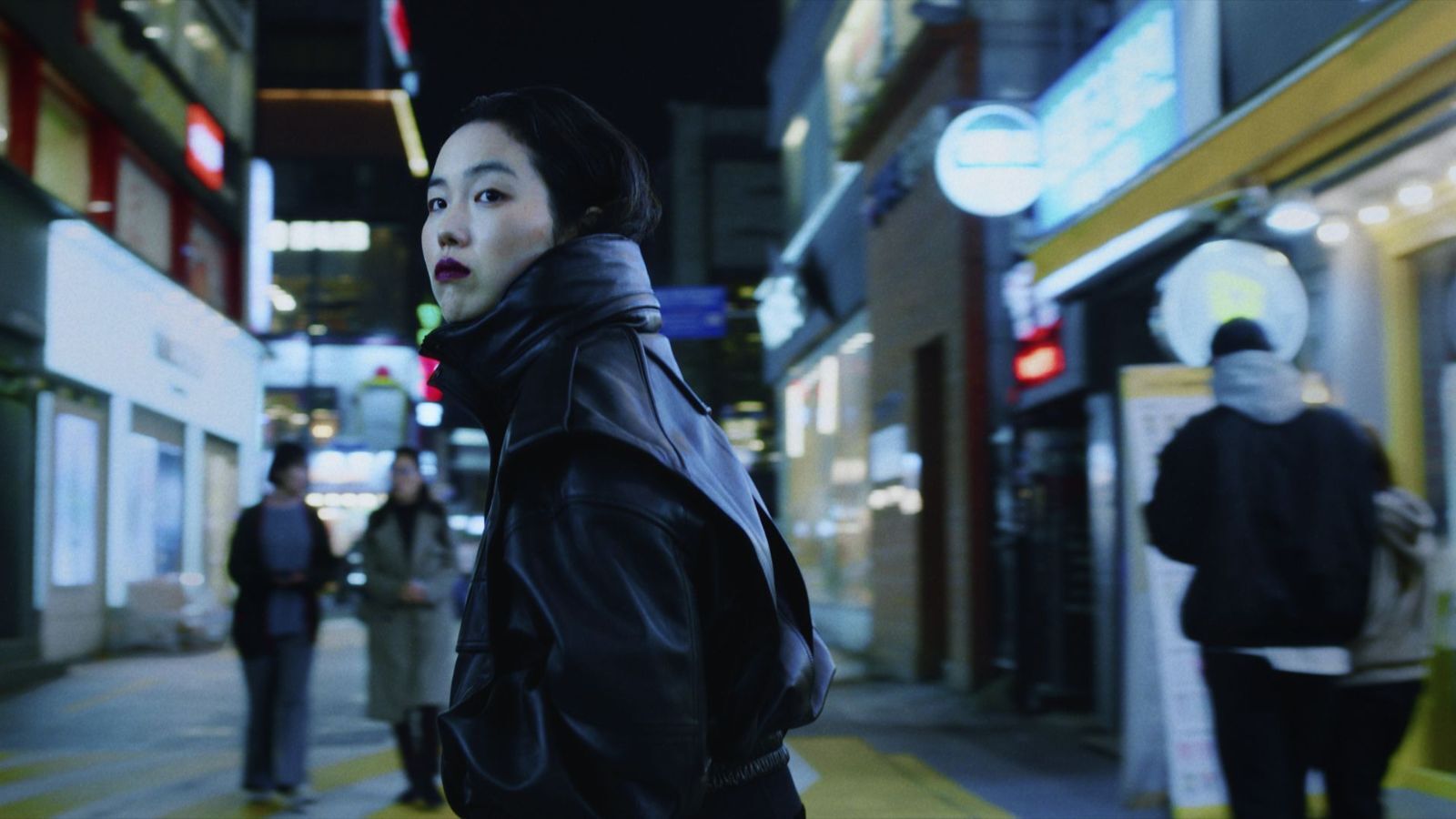
In both documentaries and films, adoptees meeting their biological parents for the first time is an event often painted in a sweet light. Never mind the child’s mixed feelings about it or the tragic reality that caused the split in the first place—it’s a reunion between family members, so it must be unequivocally special. In Return to Seoul, director Davy Chou doesn’t just debunk that myth, he subverts it by making the adoptee, Freddie, as unapologetically complex and emotionally enigmatic as possible. She resists affection but wallows in loneliness. She craves reinvention but stays in the same place for years. She’s in constant motion while being absolutely stuck in life. In other words, she’s a realistic embodiment of a person struggling to find some semblance of home. Chou displays an intimate understanding of the foreign experience, and he couples it with captivating cinematography, a rousing soundtrack, and fantastic performances across the board to make a daring, inventive, and thoroughly exciting film.