The Best Not Rated Movies to Watch (Page 2)
Find the best movies rated Not Rated, as per MPAA rating standards. These recommendations are at the same time acclaimed by critics and highly-rated by users.
To access filters, visit our homepage.
Maron, the character, and in many ways, a past version of himself, is a recovering alcoholic who abuses coffee in the constant state of chase after a buzz. He is divorced, bitter, yet weirdly kind – and always trying to be a better version of himself and failing. He does so in a type of Curb-your-Enthusiasm-style. Based on his trademark monologues, the series is about his attempt at human relationships, both romantic and other, after a bad history that spans from a negligent, self-centered mother to bad eating habits and self-shame. Saying Maron features a slew of guest stars may almost be an understatement. In addition to some consummate actors like Ron Perlman or Elliot Gould, Maron’s list of guests is like a who’s who of contemporary American comedy: Pete Holmes, Johnny Knoxville, Bill Burr, David Cross, Whitney Cummings, Adam Scott, Sarah Silverman Joey Diaz, Conan O’Brien, Anthony Jeselnik. Note that this is only a fraction of the full list. For anyone who enjoys Marc Maron’s comedy, this is a special treat. Casual viewers will also enjoy the sophisticated humor, sharp script, and Maron’s cranky delivery.
At the height of the 1997 Asian financial crisis, a small Singaporean family scrambles to keep their middle-class status afloat. The parents shave their expenses and work extra-long hours, but their busyness causes them to neglect their misbehaved son. When his misdemeanors prove to be too much, the mother is forced to hire a stay-at-home nanny, and her presence (along with other external pressures) brings about a change in the house. Suddenly, everyone becomes a bit more aware of their limitations and potential, and from this, a shared empathy grows. In other hands, this story might come off as bare and forgettable, but under first-time-feature director Anthony Chen’s helm, Ilo Ilo comes to life in rich detail, thoughtful shots, and captivatingly natural performances. Despite its many heartbreaking scenes, the film rarely dwells in sentiment, and it’s this restraint that makes Ilo Ilo all the more gripping to watch.
Think of Dix pour cent, or Call My Agent!, as it was so horribly translated, as a smart French version of Mark Wahlberg’s Entourage or, as the director once quipped, Desperate Housewives with actors and their agents. Ten percent (dix pour cent) is the fee that said French agents receive as compensation from the actor’s fee. It chronicles the life of an aspiring talent agent at a French casting agency. New to Paris, she lands her dream job, but now has to deal with a variety of very stressed-out, capricious characters on both sides of the bargain. It is one of those shows that finds hilarity in the fact that nobody actually talks to each other over sometimes simple issues. On the actor’s side, many of the appearing A-listers star as themselves. The countless cameos include the likes of Jean Reno, Monica Belucci, and Charlotte Gainsbourg. It’s basically a soap opera but so well-written and complex, you might refrain from binging it too hard just to make it last longer.
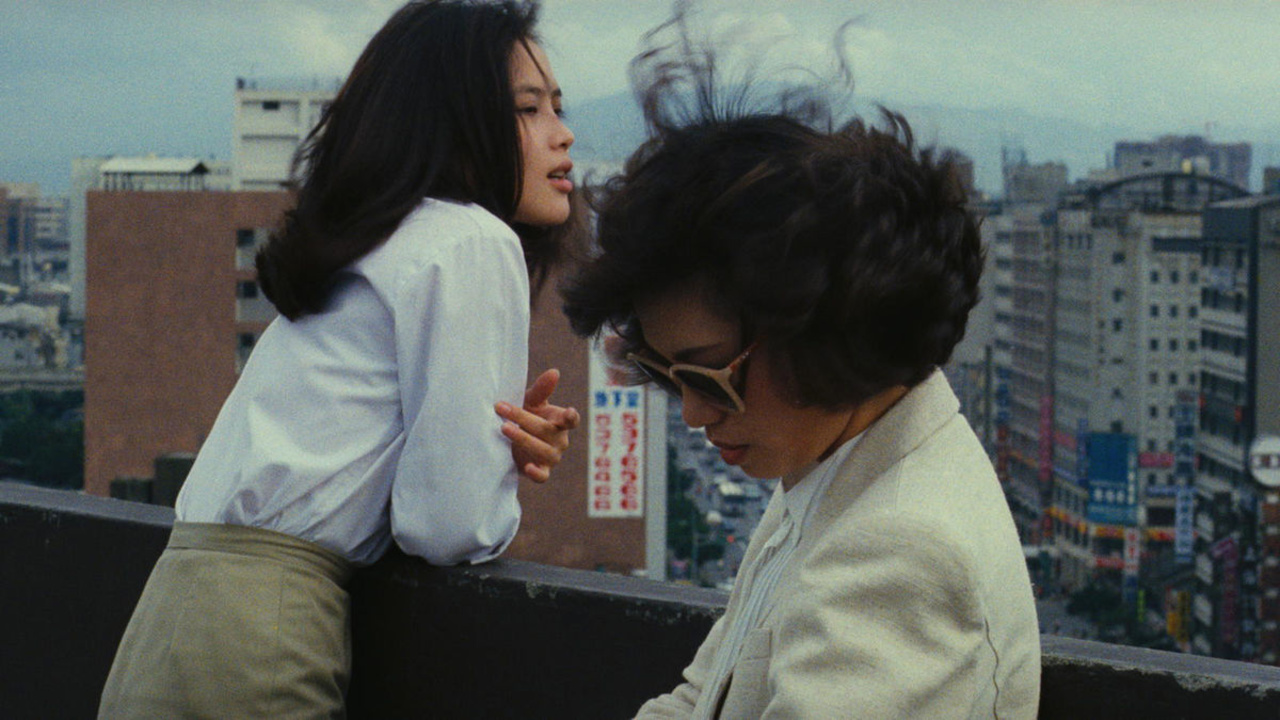
Slow and almost silent, Edward Yang’s second feature film pins us down in a fast-moving city. In 1980s Taipei, Chin and Lung are childhood sweethearts who try to build a life together, but differences between their wants threaten to pull them apart. Chin bravely adapts to the changes she faces—moving house, shifting jobs, etc.—while Lung misses his promising baseball career and prioritizes familial debt. Through their relationship, the film captures the anxieties of a generation pulled between new Western consumerism and old Asian familial obligations. Watching the two lovers feels like being lost in a cold urban city, unable to move and not knowing where to go.
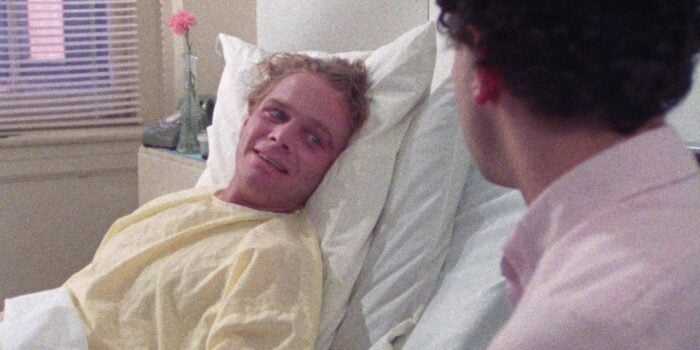
Robert lies dying in hospital, an activist still raging against the lack of financial support and mainstream acknowledgment of the AIDS crisis. David volunteers to be his “buddy” while he’s bedbound, keeping him company and conversing. He’s less bothered by how the world treats homosexuality and AIDS, and although he commits to sticking by Robert, he’s doubtful of the need for his protests.
The film is firmly on Robert’s side, giving him space to shout and show frustration. What’s more, Buddies never treats sex as dirty or dangerous, allowing it to be something in which gay people find joy and solace, refusing to cast it as shameful. By the end of the decade, Geoff Edholm, who played Robert, and director Arthur J. Bressan Jr. had both lost their lives to the pandemic. It’s a snapshot of hospital rooms across the world, which were often hidden from sight, as a community was left to fend for itself, unsupported. David comes to understand.
A Spanish 500 Days of Summer mixed with a more urban and up to date You’ve Got Mail. I liked this film a lot. I connected with both the main characters in the film. Their feelings of loneliness on the inside, yet, still going on with their day to day all while being mixed with their phobias, longings, quarks, and vulnerabilities. This movie works, it works on every level. Beautifully shot and beautifully written. Watching this will not be a waste of your time.
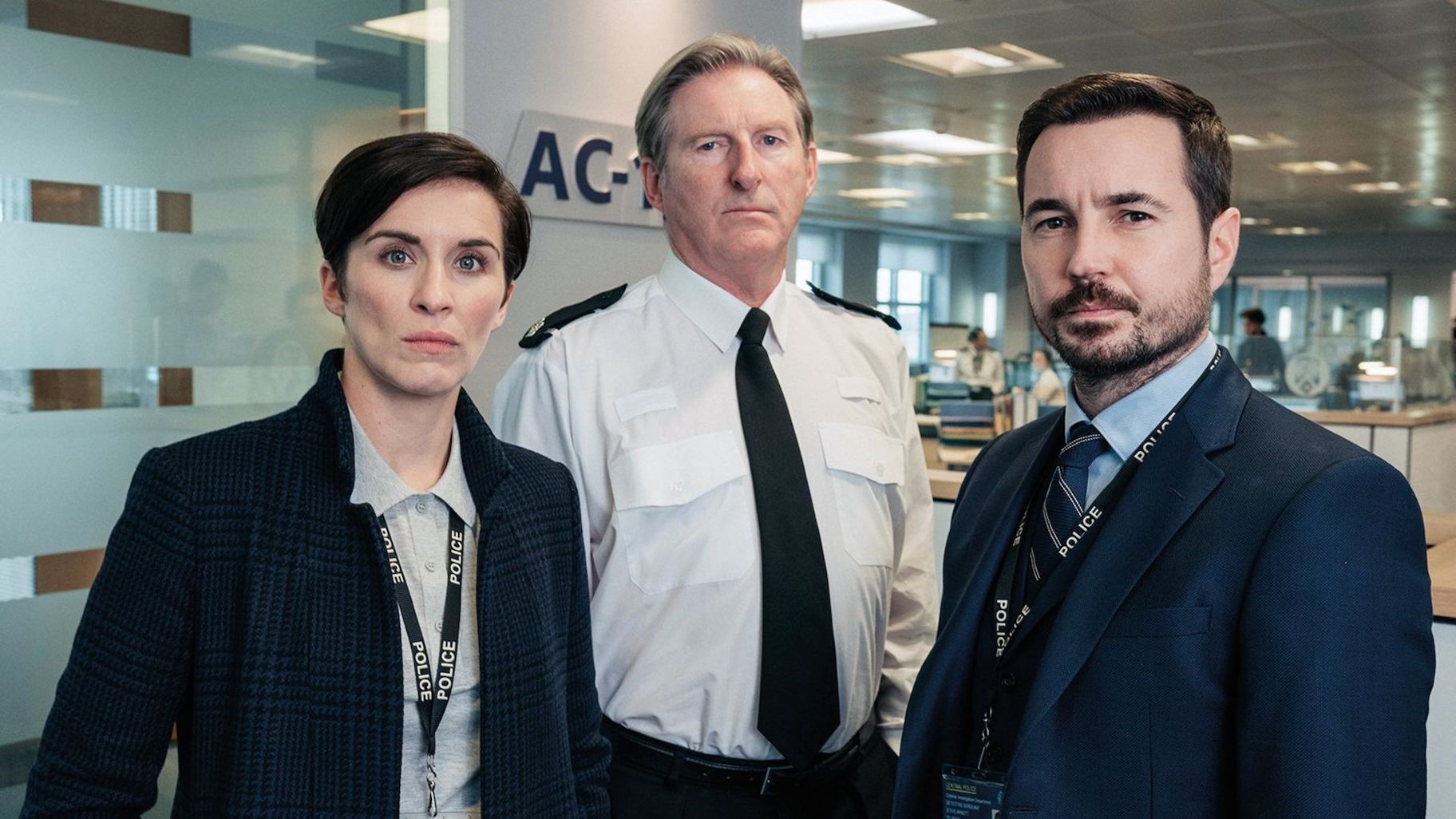
Though it may be self-serious nearly to the point of parody, Line of Duty is that rare hard-boiled police show that actually works because of its commitment to being cold and clinical. As each season focuses on a new case of corruption within the police, it chooses not to focus on character but on packing as much meticulous detail as possible into its investigations. The result is a slower paced drama that may take some getting used to, but it’s one whose every additional clue or revelation makes the nature of this modern police work feel that much more draining to the soul—a great change of tone from the heroic police shows we tend to see on TV.
The Central Park Five is a harrowing documentation of the unseen narrative surrounding the 1989 Central Park Jogger case. Five men – four black and one of Hispanic descent – have been wrongly accused, tried, and convicted for the assault, rape, and sodomy of female jogger Trisha Meili the night of April 19. No (DNA) evidence was found implicating the involvement of any of the kids to the crime and no one could identify them, but because the crime was sensationalized by the masses and the authorities were put under pressure by the media to pin a name on the case, they settled with coercing a confession out of the juveniles. This is a telling of their tale years on.
The first season of this abrasive crime drama has four episodes, expect to watch them all in one take. The second season became even bigger than the first after being endorsed by none other than Drake, who pushed for it to go on after it was cancelled. Set amidst the drug-dealing, cut-throat gangs of Hackney, East London, and Jamaica, Top Boy revolves around the two drug lords Sully and Dushane, played by Kane Robinson aka grime rapper Kano and Ashley Walters. This is not a cliched, poorly acted gangster flick though, but a vividly shot, intricately written, and authentic drama with amazing characters. Striving for a certain realism and authenticity, it is also unsettingly violent. But in its realism, it trusts mature viewers to see things like they are and to live through the tough decisions people in underserved communities have to make every day. Think The Wire with a gritty UK vibe. If that appeals to you, Top Boy is for you!
Whores’ Glory leads us through the hidden world of prostitution in three different countries. The lack of narration is an excellent choice here—all too often, it’s easy to accept preconceived notions about this type of work. Instead, what leads us through the film are words from the sex workers themselves and their clientele. In some ways, these words reveal their differences. The workers pray, worry about money, and share their troubles with each other, but it’s their employers and clientele who reveal their misogyny. Overall, while the Western soundtrack and glamorizing shots can be distracting, it’s clear that the film gives respect to sex workers and prioritizes their perspective.
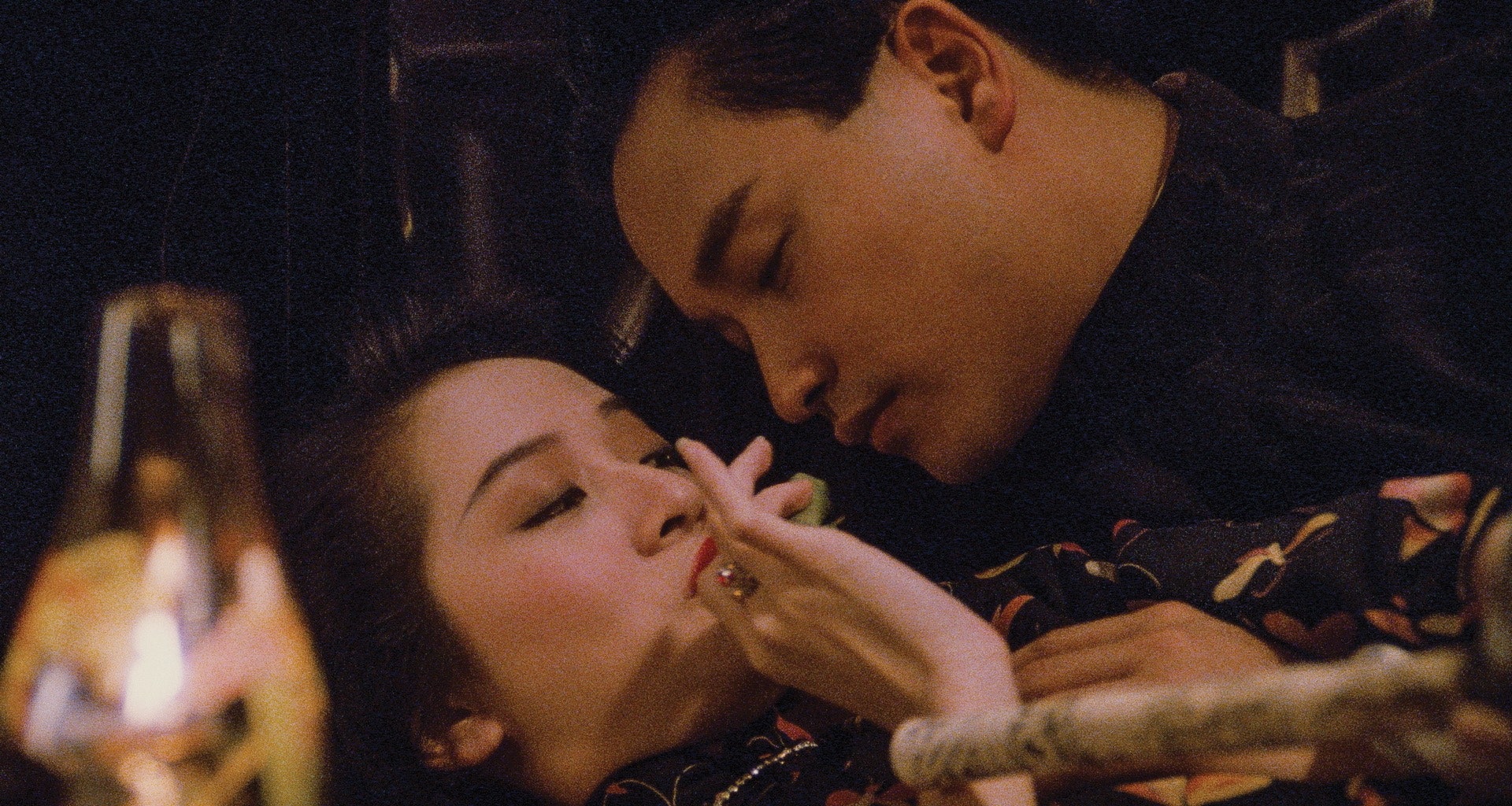
Forlorn longing envelops Days of Being Wild, where the act of dreaming is as valuable as its actual fulfillment. “You’ll see me tonight in your dreams,” Yuddy tells Su Li-zhen on their first meeting, and indeed, this line of dialogue sets the film’s main contradiction: would you rather trap yourself in the trance-like beauty of dreams or face the unpleasant possibilities of reality? Wong Kar-wai’s characters each have their own answers, with varying subplots intersecting through the consequences of their decisions. In the end, happiness comes in unexpected ways, granted only to those brave enough to wake up and dream again.
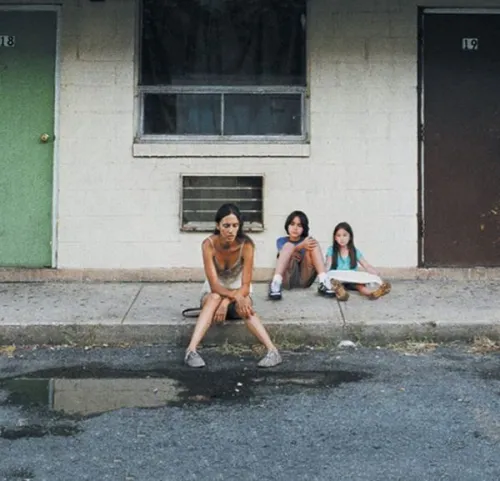
A mother and her two children move from Colombia to Queens, New York to join the father. Once there, he abandons them and moves to Miami.
With no family to fall back on, barely speaking English, an inexistent social welfare system and two little kids who require care; the mother quickly runs out of options. At first, she tries to sell empanadas in the street, then tries to become a temporary worker, but a mixture of obstacles keeps getting in the way.
Entre Nos is about the precariousness of the immigrant experience: about how quickly things can go wrong. But it’s also about how survival instincts and motherly love can stand in the face of complete desperation.
Aggressive, grungy, and rebellious, writer-director Fruit Chan’s debut film captures teen nihilism amidst abandonment in uncertain times. Immediately, the first look of this film is reminiscent of Wong Kar Wai with its use of character narration, hazy green scenes, and over-exposed film. However, Chan pairs these aesthetic techniques with the storyline of a revenge film mixed with an us-against-the-world mentality. While the protagonists Autumn Moon (Sam Lee), Ping (Neiky Yim Hui-Chi), and Sylvester (Wenders Li) start the film with teenage concerns like dealing with wet dreams, dating, and bullying, it’s clear that they go through them aimlessly, without the guidance of their fathers, almost as if with no hope at all due to their specific circumstances. In Chan’s hands, how every kid reacts to each change feels like an outburst against the adults in their life, and of the life outside of the film. It’s as if the words “fuck you” were made into a movie.
A Swedish film about a world-famous conductor who suddenly interrupts his career to return alone to his childhood village in Norrland. It doesn’t take long before he is asked to come and listen to the fragment of a church choir, which practices every Thursday in the parish hall. “Just come along and give a little bit of good advice”. He can’t say no, and from that moment, nothing in the village is the same again. The choir develops and grows. He makes both friends and enemies. And he finds love. It’s a wonderful movie about faith, values, and the exploration of one’s spirit.
Not to be confused with a similarly titled Japanese film, Memoir of a Murderer is an intense mindbender of a thriller. Like a cross between Memento (2000) and Seven (1995), the film follows a serial killer with Alzheimer’s, who starts to question his memory when a series of killings occur in the small town he lives in. The non-linear narrative helps recreate the sense of disorientation and confusion the lead experiences, racketing up the suspense, and pushing the audience to keep guessing each time the film goes through each of its twists and turns. This unique storytelling was why it’s one of the many films that popularized South Korean thrillers, becoming the first film in the country to get two million tickets sold.
From countries like Finland to North Korea, this amazing documentary explores the most fascinating active volcanoes on our planet. But as it unfolds you realize that Into the Inferno is a movie as much about volcanoes as it is about the people obsessed with them. And who can be called obsessive more than the film’s own director, Werner Herzog, who, with such an explosive career had to eventually make a film about volcanos (bad pun intended). Beautiful scenery, interesting interviews, and Werner’s majestic delivery all make Into the Inferno both an interesting and satisfying documentary.
The Centre Will Not Hold explores the life of the famous Joan Didion – professional observer and cultural spectator. The film gives only a small window into the complexity of her mind and the space in which she processes and understands the world, which stems from her capacity to sit above everything that is happening around her and just observe. From writing for Vogue, to war journalism, to her famous novels – from watching a child do acid, to reporting on the first gulf war – Didion is as prolific as she is insightful and majestic in her writing. Throughout the documentary she gives her first hand perspectives on love, relationships, motherhood, and grief – beautifully articulating it as “a place we do not know unless we’ve been there.” A beautiful woman, and an incredible film.
Before The Rain is a very intriguing and unique film, to say the least. Its cyclical narrative structure may not be for everyone, it will puzzle most, leaving some in wonder while others fume at the illogicality of it all.
While the film’s general production values have not aged very well, its intercut story of war and romance is a timeless one, makes this film one that is essential viewing for all international cinema lovers, and serves as a great introduction to Macedonian cinema as a whole.
A hilarious British sitcom about 24-year-old Tracey Gorden, a shop assistant living in a housing estate in London with unusual friends and an even more unusual family.
A bit messed up by a very religious upbringing, she navigates adulthood and trying to untangle herself from the unexciting life her neighbourhood offers (mainly by trying to lose her virginity).
Michaela Coel wrote and created the show and plays Tracey. Her expressive facial expressions and fantastic ability to convey her character make for an incredibly original show. Taking originality as a factor, this is possibly the best sitcom on Netflix right now.
When A Better Tomorrow was released, its producers expected a box office bomb. It was more melodramatic than most action films prior, and the cast was not well known then. Instead, this gangster flick became a surprise box office hit. The reasons it was expected to fail were also the very reasons it succeeded, as loyalty and brotherhood solidified and made the characters’ motivations compelling. And all these lofty ideas were paired with a striking soundtrack, and stunning images like Chow Yun-Fat lighting his cigarette off of burning cash. A Better Tomorrow proved to be the future of Hong Kong cinema, setting the stage for gun fu and more emotionally-driven action sequences.
This is the first film directed by actor Macon Blair (so good in both Blue Ruin and Green Room), and while it is shaggy and tonally all over the place, there is a lot to recommend here. First off, I’m a huge fan of the (underrated) Melanie Lynskey, so I was primed to like this movie from the get-go. After Ruth’s (Lynskey) home is broken into, she seeks revenge against the perpetrators with help from her martial arts obsessed neighbor Tony (Elijah Wood, sporting an impressive rat-tail). What starts out as an empowering journey for Ruth & Tony quickly teeters into dangerous and increasingly violent territory. This movie is probably not for everyone, but if you’re a fan of 90s indie films and don’t mind some violence mixed in with your dark humor, then you will enjoy this small, well-acted film.
At first glance, Dil Chahta Hai is an ordinary ensemble romcom. There’s some guys, there’s some girls, and they fall in love in their own special way as befitting the general archetype of protagonists we’ve seen in other romcoms. But to the film’s credit, it’s made pretty well. Many viewers can appreciate the catchy songs, the charismatic leads, and the spectacular way writer-director Farhan Akhtar stages each number, but what makes his debut work is how in tune it was with modern Indian youth, and the way it grounds all three love stories through the friendship of three young men fresh out of college. Dil Chahta Hai balances its romantic drama with the support of friends, similar to how relationships work in real life.
Ask yourself how many Palestinian movies you have seen before. You will want to give this smart and twisty Academy Award nominee by Golden Globe winning director Hany Abu-Assad a chance to change your answer. Omar, a Palestinian baker, climbs the West Bank Wall to see his lover, Nadia, whom he wants to marry. When Israeli soldiers catch and humiliate him, he gets implicated in the shooting of an Israeli soldier, and eventually gets arrested and faces an extremely lengthy sentence. Later, his captors’ motives and his own get tangled up in politics, friendship, trust, and love. Omar is a highly realistic, compelling crime drama you don’t want to miss.
The Siege of Jadotville is a different kind of war movie. It doesn’t recount famous battles or portray renowned heroes – instead, it’s about heroes and events that went completely unnoticed. Namely, the Irish 35 Battalion ‘A’ Company – a group of youngsters who are sent out on a U.N mission to the Congo. What was supposed to be a simple positioning quickly becomes one of the most sought-after locations and the battalion of 150 ‘war-virgins” find themselves up against 3000 mercenaries led by experienced French commandants. And what a tribute this film is: it’s well-paced, powerfully shot, and the acting, led by Jamie Dornan on one side and Guillaume Canet on the other, is absolutely perfect.
“As fragile as she was strong, as vulnerable as she was dynamic, she was African royalty. How does royalty stomp around in the mud and still walk with grace?”. What Happened, Miss Simone? will surprise you no matter how much you thought you knew about the soul singer – not only in its exploration of Nina Simone’s personal life and complexities, but by being both a personal and political documentary. As you discover an original singer with talents that reach all the way to performance art, you will also learn about a Civil Rights activist’s journey and an unstable woman’s struggle. The documentary is not about answering the question of what happened, Miss Simone? – it’s an exploration of why that question is so important.
Realistic, intimate, and compelling, Elena is a movie that makes you think a lot after you finish watching it. It is an inherently Russian movie, however there is something about how the story is told that makes it a universal family drama. A woman from a modest background to which she still has a lot of attachement is married to an old wealthy business man. Upon learning that the man might write her off his will, she feels pushed to get her hands dirty to honor her responsibilities towards her original family. The question of right and wrong when faced with extreme situations is at the heart of this aesthetically slow-burning family drama.
A Ken Loach type of vibe drives The Selfish Giant to be an interesting mix between anger, desperation, and the beauty and humor often found in tough circumstances (think I, Daniel Blake but with kids as main characters). This sort of contemporary fable tells the story of two friends who skip school and hustle for work from a local scrap-dealer. As they get more and more involved with him and his entourage, the grim realities of what once seemed a way out start to cast a shadow over their lives. The script is based on a short story by Oscar Wilde, it’s a beautiful, ultimately sad portrayal of the British underclass.
If you’ve never heard of Sonia Braga, you’re in for a ride with this movie. She is, in my opinion, one of the best actresses alive today. In Aquarius, she stars as a 65-year-old trying to keep the home in which she pledged to die. In a quiet, yet stoically powerful performance, she reminds us that identity often intersects with the spaces in which we live.
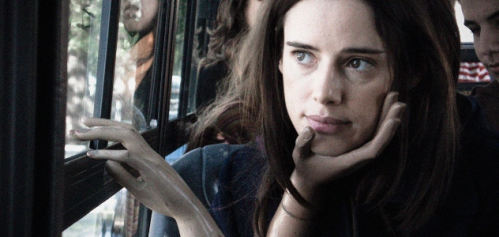
Nicole is 22, just out of college, and adrift during her first summer as an “adult.” Tu Dors Nicole (“You’re Sleeping Nicole”) is a French-Canadian take on the late coming-of-age story. Nicole spends most of the summer is her small, sleepy Quebec town lounging around her parents house (they are gone for the summer), occasionally working at the local thrift store, trying to sleep (she’s developed insomnia), and wandering aimlessly around town and the Quebec countryside with her best friend Veronique. The two are joined at the hip (as evidenced by how their bikes are always locked-up together) but the arrival of Nicole’s brother and his bandmates threatens to upend the lifelong relationship between the two; because of this waning friendship Tu Dors has earned comparisons to films like Ghost World and Frances Ha which examine the complexities of young female friendships, particularly when one’s identity is in flux. The film was shot on gorgeous Black & White 35mm film , adding to it’s floating dream-like quality, and boasts a sweet and droll sense of humor. There are occasional touches of the surreal as well — my favorite running gag being the presence of the pre-pubescent Martin, a small boy whose voice has prematurely developed (the voice that comes out of his mouth sounds like that of a world weary 45-year-old) who attempts to woo Nicole with poetic insights such as, “the heart has no age.” This film is a true hidden gem.
This dark French comedy is set in a neglected building in a working-class neighborhood. The elevator breaks and every tenant agrees to pay to fix it, except for the person who lives on the first floor. The neighbors go through with the reparations without the first-floor tenant, on the condition he never uses the elevator. Everything is fine until an incident puts him in a wheelchair.
Vivian Maier was a French-American photographer whose art, like many of the greats, only gained widespread success after her death. Most of her life was spent working as a maid for families in Chicago. Her masterpieces were only introduced to the world when the director of this documentary purchased a box of her negatives. This movie is about him trying to put together the pieces and retrace her life by interviewing the people that knew her. Right from the beginning of this documentary her photos will have you in awe. They gave me chills and made me feel exactly what I needed to feel to understand each photo. Cue Vivian’s unexpected dark side along with really messed up backstory, I was completely absorbed. Interviews, along with Vivian’s own photos and home videos show the complexity and mystery of the artist.
This fun drama is about a 90-year-old who’s still searching for answers to life’s existential questions. Lucky smokes, drinks, and is pretty angry (a not-so-chill atheist); but he’s still around.
Harry Dean Stanton, in what feels like an extension to his character Lucky, passed away a year after the film premiered in 2017. This was the last role of the legendary Alien and The Godfather actor.
Vague statement alert: Burning is not a movie that you “get”; it’s a movie you experience.
Based on a short story by Murakami, it’s dark and bleak in a way that comes out more in the atmosphere of the movie rather than what happens in the story.
Working in the capital Seoul, a young guy from a poor town near the North Korean border runs into a girl from his village. As he starts falling for her, she makes an unlikely acquaintance with one of Seoul’s wealthy youth (played by Korean-American actor Steven Yeun, pictured above.)
This new character is mysterious in a way that’s all-too-common in South Korea: young people who have access to money no one knows where it came from, and who are difficult to predict or go against.
Two worlds clash, poor and rich, in a movie that’s really three movies combined into one – a character-study, a romance, and a revenge thriller.
A wonderful homage to the woman, actress, and mother based largely on her own archives and interviews with her four children. Bergman was an avid photographer, filmographer and letter writer. What emerges is a loving portrait of an adventurous, driven, complex, and loving woman. Not to be missed.
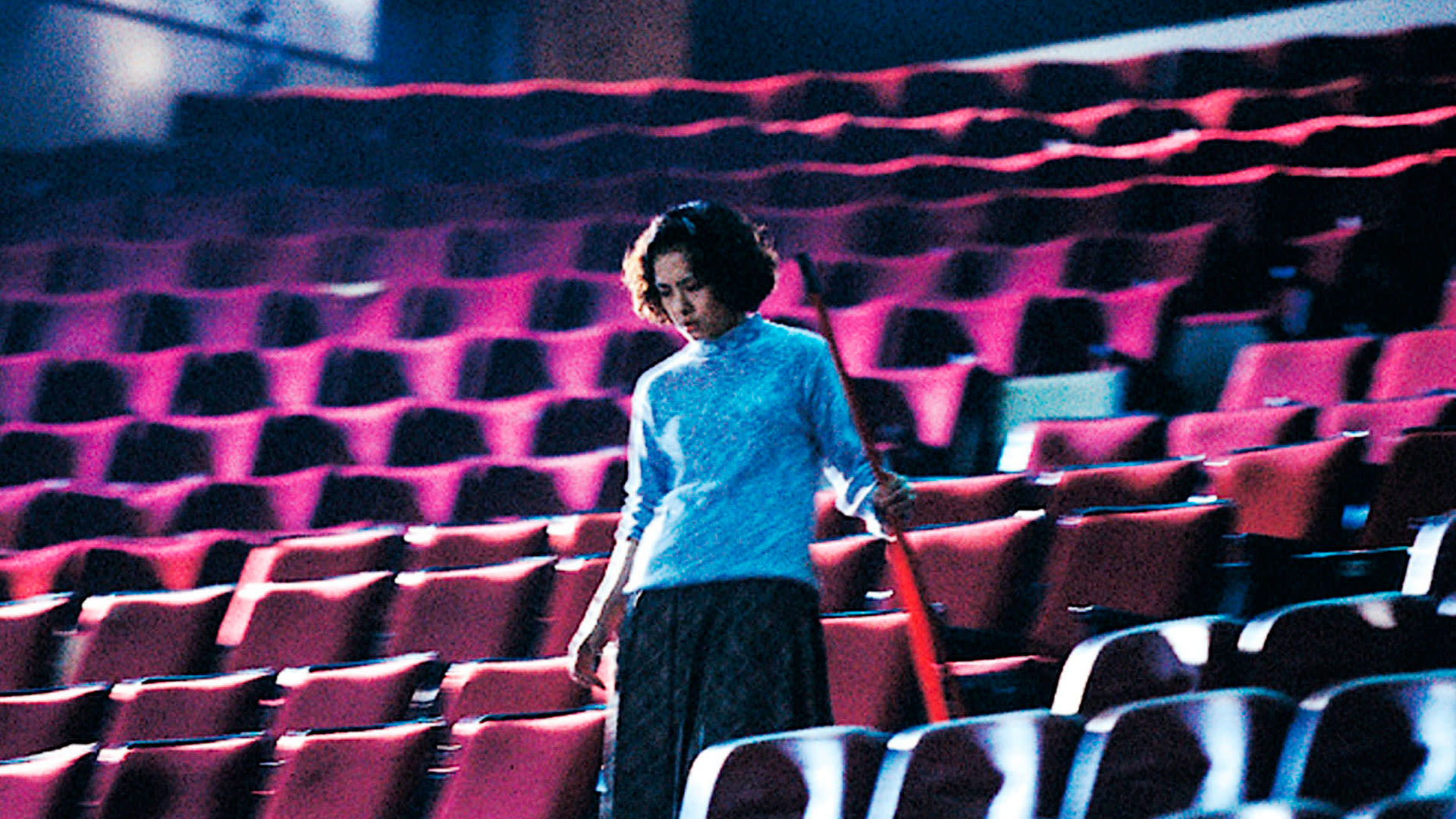
Warm, enchanting, poetic and delicate, this is an almost silent film about a poor Vietnamese girl who goes to work for a well-off family in Saigon. The film follows her experiences as she grows but is also very focused on the nature around her, and the beautiful little details of this nature, which the young girl seems attuned to and curious about. The feelings in the film come more from the excellent visuals rather than the plot itself.
Much like the 1976 horror classic Carrie, Thelma centers on a young telekinetic woman whose religious upbringing and sexual repression give way to unpredictable moments of fury and rage. When she meets the cool, charismatic Anja, she falls in love immediately, but the wave of emotions that overwhelm her threaten to destabilize not just their budding romance, but other relationships and lives as well.
Thelma recalls Carrie in other ways too, most notably in the way it uses supernatural elements to allude to female fury and lust, but it also stands on its own as a singular piece of work; the mesmerizing transitions, the slow-burn pace, and the undercurrent of melancholia are all known trademarks of director Joachim Trier. This layering of old and new makes Thelma an intriguing watch, at once recognizable and wholly original.
Polytechnique directed by Denis Villeneuve, is a dramatization of the 1989 Montreal massacre of multiple female engineering students. This film focuses on a male student navigating the massacre for the majority of the film’s run time. The performances and minimal dialogue in this film certainly make this an unnerving film to watch. Littered with the screams of the actors portraying the engineering students, this could be mistaken as a gaudy horror film. However, this is far from a fictionalized horror.
This Villeneuve classic is undoubtedly one of the most emotionally brutal films of the 2000s, yet I appreciate the honesty of the storytelling. Polytechnique encourages its audience to ask itself if it truly understands the truth of misogyny.
A coming-of-age comedy about David, a 20 year old assistant tennis pro at a country club in 1985’s New Jersey. As with most people his age, David (Craig Roberts) struggles with making important life choices; his parents want him to pursue a career he’s not interested in, he starts falling in love with a girl when he’s in a relationship with another, and so on. Yet David’s story is not the only one driving the show; The excellent cast of side characters all struggle with their own dilemmas: His parents are getting bored of their relationship, his ex is doubting her imminent marriage, and his pothead friend is in love with a lifeguard he thinks is too good-looking for him. However, Red Oaks never strays from being a comedy first and an excellent show for a chill binge.
A truly timely and difficult documentary, Deliver Us From Evil follows an interviewed confession of a Catholic pedophile. In addition, the film shows his victims, their coping strategies and lives as well as the extreme lengths the Catholic Church went to to cover up and enable the systemic rape of children. While often times hard to watch, this film shines a light into the dark corners of human behavior, forgiveness, sin and faith in a way that is both confronting and relatable.
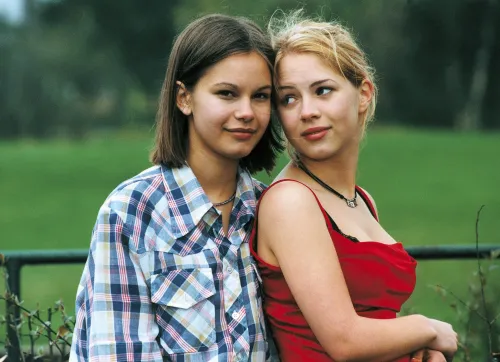
We Are the Best! is one movie that may be overlooked largely by viewers, though it perfectly captures counterculture, and relates to the misfit young and old. The movie is an adaptation of Moodysson’s wife Coco’s graphic novel “Never Goodnight”. Set in Stockholm, Sweden in 1982, Klara (Mira Grosin) and her best friend Bobo (Mira Barkhammar) are junior high teenage girls who believe in their heart that punk rock is alive and well. With both of their home lives not so pleasant, the girls spend their time at the local youth center while taking up the time slot in the band room to get revenge on the local metal band. That’s when they find themselves starting a punk band without even knowing how to play an instrument. We Are the Best! is a fun and deeply sincere exploration of adventure, friendship, love, and betrayal in adolescence.
With his outstanding record of resisting the Nazis, Max Manus seems like a pretty cool guy. The well-travelled soldier volunteered for his country when he could have stayed an ocean away, and he helped organize the resistance against the Germans when he could have just kept his head down. It’s no wonder that he was commemorated in the biopic Max Manus: Man of War. However, like many biopics, Man of War focused more on the historical accuracy instead of crafting a narrative that coherently depicts his core beliefs and character development. His incredible exploits are still entertaining. It’s amazing to see the dangerous work he pulled off in the name of his country. Max Manus: Man of War is one of many World War II biopics, but it nonetheless celebrates an underrated hero that fought in a rarely acknowledged warfront.
This Danish movie is about a failed 38-year-old bodybuilder who lives with his mom and has never left Denmark. In an expected move, and while telling his mom he’s going to Germany, he travels to Thailand in hopes of finding love.
It might at first seem like a disastrous storyline (of sex tourism), but that part of the movie is almost accidental. Teddy Bear is actually a sweet and likable story of a man who wants to break away from his domineering mother, and a journey of someone who starts growing up later in life.
Summer Hours centers on three siblings tasked with sorting the valuable pieces their mother left behind. Frédéric (Charles Berling), the eldest, has different ideas about inheritance than his overseas siblings. Will their beloved house stay or go? Will the art? The furniture? Can they afford to keep all these for sentimental reasons or would it be wiser to sell them? They go back and forth on these questions, rarely agreeing but always keeping in mind the life these seemingly inanimate objects occupy, as well as the memories they evoke, which are beyond priceless.
Summer Hours resists melodrama, opting instead for the simple power of restraint—of unspoken words and charged glances. And the result is a quietly affecting movie that basks in the details to paint a wonderful, overall picture of home and family.
As about as good as documentaries come, this is a truly entrancing narrative on famed Serbian artist Marina Abramović as she prepares for her titular 2010 retrospective at the Museum of Modern Art. Equal parts personal history, exposition of her artistic persona and presentation of her ultimate performance: a 736-hour piece where she ensconced herself silently in a chair and allowed museum-goers to sit before her, one at a time. An ostensibly peculiar concept made enchanting and invigorating by supreme cinematography and editing, not to mention the presence of the artist herself – a sensual and fascinating individual. Made me wish desperately that I had waited all those hours to sit before her.
A Franco-Gaelic animated film nominated for an Academy Award, the Secret of Kells certainly isn’t your average Disney fare. Set in 8th century Ireland, it is beautifully animated, taking cues from ancient illuminated manuscripts and Gaelic folk art. Featuring a plot heavily inspired by Irish mythology, it tells the story of the Viking invasion of Ireland and the creation of the Book of Kells, an Irish national treasure. The world of the film pulses with the lush greenery of the island, populated by fairies, giants, magic and mystery.
An earnest, simple documentary with an equally as simple premise: four friends travel to Guatemala for 8 weeks and try to live on one dollar a day each. What starts as an experiment for them quickly becomes an illustration of levels of poverty some of us will luckily never experience. More than 1.1 billion people (almost four times the population of the U.S.) do live on less than one dollar a day, and this film is a journey into their world. Other than making you realize the luxury you live in, this film will leave you wanting to do more for your fellow humans.
Terrace House is the perfect show to binge on a lazy day, it will make you feel intimate not only with its cast, but also with the Japanese culture and lifestyle. The premise here is nothing that hasn’t been done before, and usually very terribly: Six strangers -three boys and three girls in their twenties – are given a beautiful home to live in for several months in Tokyo. We get to observe their interactions and the slow building of their friendships. What sets it apart from others in its genre is that it’s wholly unscripted and nothing is forced. The cast are normal people whose lives don’t revolve around the show: they have jobs, they’re free to come and leave the house whenever they want, they can travel, sleep all day, or date people not on the show. You might think this makes for bad TV, but it really doesn’t: Terrace House is really well-made and it knows how to make mundane life interesting and engaging. To round it up another cast of established japanese entertainers appear on interludes each episode to share their opinions on the happenings inside the house and to offer some comedic insight.
Mélanie Laurent both directed and wrote this, her fifth movie.
She offers an impressive display of deft film-making and honest, insightful storytelling. Charlie is a teenage high school student, there’s seemingly nothing unusual about her. When Sarah, a Nigerian girl, joins her school, they quickly form a transformative friendship.
Breathe sometimes veers to darkness, which helps to make its portrayal of the bond between two teenagers genuine, and unexpectedly fun.
The body of a footballer from Togo is found in a small Belgian village. Suicide is suspected, but things don’t quite add up. Recordings of Skype sessions with his family show him happy, excited and looking forward to sending money back to them.
The seemingly quaint town where the incident takes places sees its secrets uncovered by a detective from Brussels. The farm where the body was found harbors Nazi symbols, 100-year-old weapons, and um.. a dominatrix.
If you liked Broadchurch or Happy Valley, you will love The Break. It’s a true hidden gem that sports a production value rivaling the biggest U.S. hits. A good reward for anyone willing to turn on the subtitles (or the dub).
A Werewolf Boy is basically Edward Scissorhands and Beauty and the Beast with wolf transformations and K-drama cinematography. As such, the fantasy romance can be quite predictable. But this doesn’t mean that A Werewolf Boy is a bad movie. The film subtly contemplates the sorrow of having left one’s home country, as Kim Sun-yi has lived her adult life abroad. There’s also no coincidence that it’s set after the Korean War, with Chul-soo speculated to be one of the many orphans left behind by the military. Thus, the lycanthrope element stands in place for what made these kids stand out from society. So even as the film plays familiar moments, the tropes fit its unique themes, bundling up certain issues in Korea with universal coming-of-age concerns. A Werewolf Boy won’t be for everyone, but it’s bound to charm YA fantasy romance fans with its tear-jerking ending.
This original comedy-drama is about a young man on the autism spectrum called Luke. Propelled by a scandalous grandpa with no filters, Luke decides that what he needs in his life is to lose his virginity.
His dysfunctional family setting, which includes a mother who left him and a neurotic step-mother, makes his search more difficult but more also pressing. Luke decides he first has to get a job, and with a world that doesn’t expect much from him, his unbreakable determination is a joy to watch.
Though it starts off somewhat slow, I was delightfully surprised at how much I loved this movie. A 28-year-old man ventures through Europe with a buddy, ending in Copenhagen, where he hopes to contact the last of his family. There he enlists a local girl to help him. An interesting relationship unfolds as they take a captivating journey through Copenhagen in search of William’s grandfather. The tag line of the movie is “When the girl of your dreams is half your age, it’s time to grow up” and William really does have to grow up when he’s faced with his own personal tumult.
The girl is played by Frederikke Dahl Hansen, who gives an exceptional natural performance, which adds even more to the abundance of charm in this film.


x1
x12