
100 Best Movies on Fubo Right Now
Fubo might be known for its live sports programming, but there’s a lot to choose from in the field of on-demand movies. From modern classics to more recent hits, the titles on offer may be limited but they sure cover a lot. To get you started, here are some of the best movies streaming right now on Fubo.
Jump to the top 10:

Despite how the title sounds like, the horror of Bedevilled isn’t a devil, a demon, or a spirit. It isn’t even the way childhood friend Bok-nam snaps, taking up a scythe and going on a murderous rampage to kill all the people that wronged her. No, the actual horror of Bedevilled is that everyday people like bank employee Hae-won would hesitate to do what’s right. Reading that sentence can sound cheesy, but writer-director Jang Cheol-soo structures the film, and her visit to Modo, in a gradually escalating manner. When Hae-won first lands, the mean gossip seems ordinary, but the film takes these ordinary, if overcritical, words, and delves into the subtext, especially the darker implications that makes the film difficult to watch. The film does understand Hae-won’s hesitancy– the scenes do acknowledge that reporting could mean retaliation, and the score consistently meets that very fear. But Bedevilled also understands that, if hesitancy allows abuse to be left unchecked, the very same violence that Hae-won was (and many people are) avoiding will inevitably escalate.
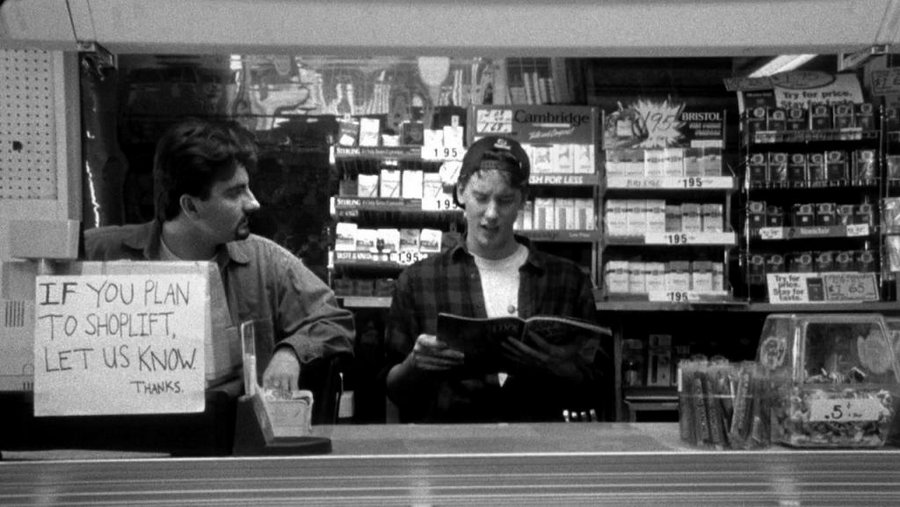
What is a good low-budget film? A film stripped to the intelligence of its makers and the talents of its actors. Clerks is that and more. Filmed in black-and-white and at the convenience store where its director Kevin Smith worked in real life, it’s a hilarious slice-of-life story about two slackers working in minimum wage jobs and their customers added to the news of an ex-girlfriend passing away. It would be a must-watch because of how unique it is, and how it pulls of everything it reaches for, but it’s also hilarious, and a very touching effort.

The Last Man on the Moon is a documentary about astronaut Eugene Cernan, Commander of the Apollo 17 lunar landing mission in 1972. Chronicled by Cernan himself as he reminisces on his life, the film follows his early career with the Navy, his recruitment and training as an astronaut, and his participation in 3 trips to space: Gemini 9A, Apollo 10 and eventually Apollo 17—the last of NASA’s six expeditions to the Moon. Cern also delves heartfully into his loss of friends as well as his regretfulness for missing out on so much family time while away. It’s a poignant and inspiring account, with Cern providing a fine lesson in the confidence and diligence in takes to pursue and accomplish one’s dreams
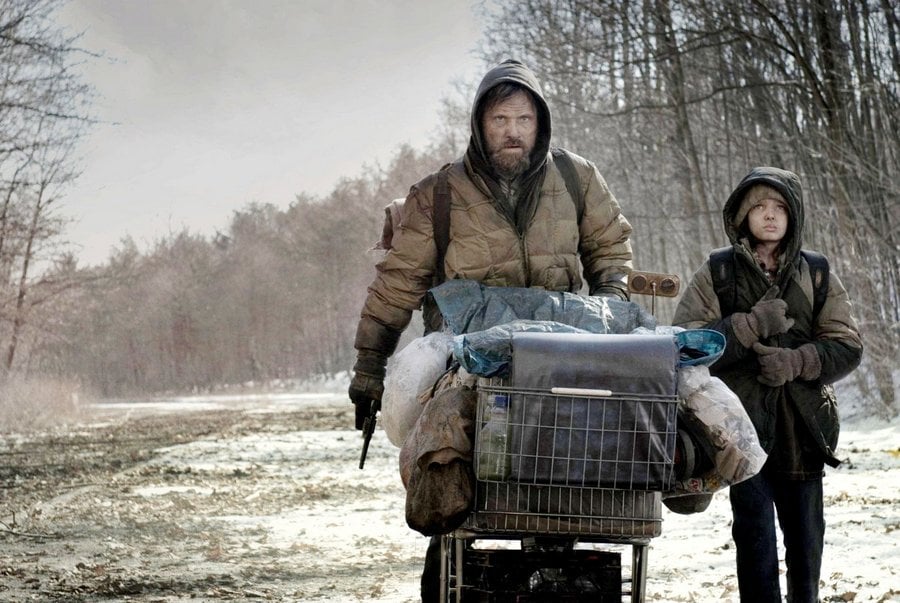
A Cormac McCarthy novel adaptation (like No Country for Old Men), The Road is an apocalypse movie set in a ‘scorched Earth’ rendition of the world. It follows a father (played by Viggo Mortensen) and his son as they battle to survive everyday life. Throughout the movie, the son’s trust in his father grows and shrinks depending on choices the father makes, as he attempts to protect his son from cannibals, bandits, and the threat of starvation. The gritty realism this movie presents sets it apart from many other more theatrical releases, with the setting of a charred world illustrating a rather depressing new reality. A very down to earth and heartfelt story. Definitely worth the watch if you’re willing to feel like you’ve been punched in the gut.

The film for which Kristen Stewart became the first American actress to win the César Award. The Twilight star turned indie prodigy plays next to another award favorite, Juliette Binoche, as her assistant. When rehearsing for the play that launched her career many years earlier, Binoche’s character, Maria, blurs the line between fiction and reality, her old age and her assistant’s young demeanor, and the romance story portrayed in the play and her own life. The movie itself is stylized as a play, adding another interesting layer of artistic creativity to the complex plot line. A film for film lovers.
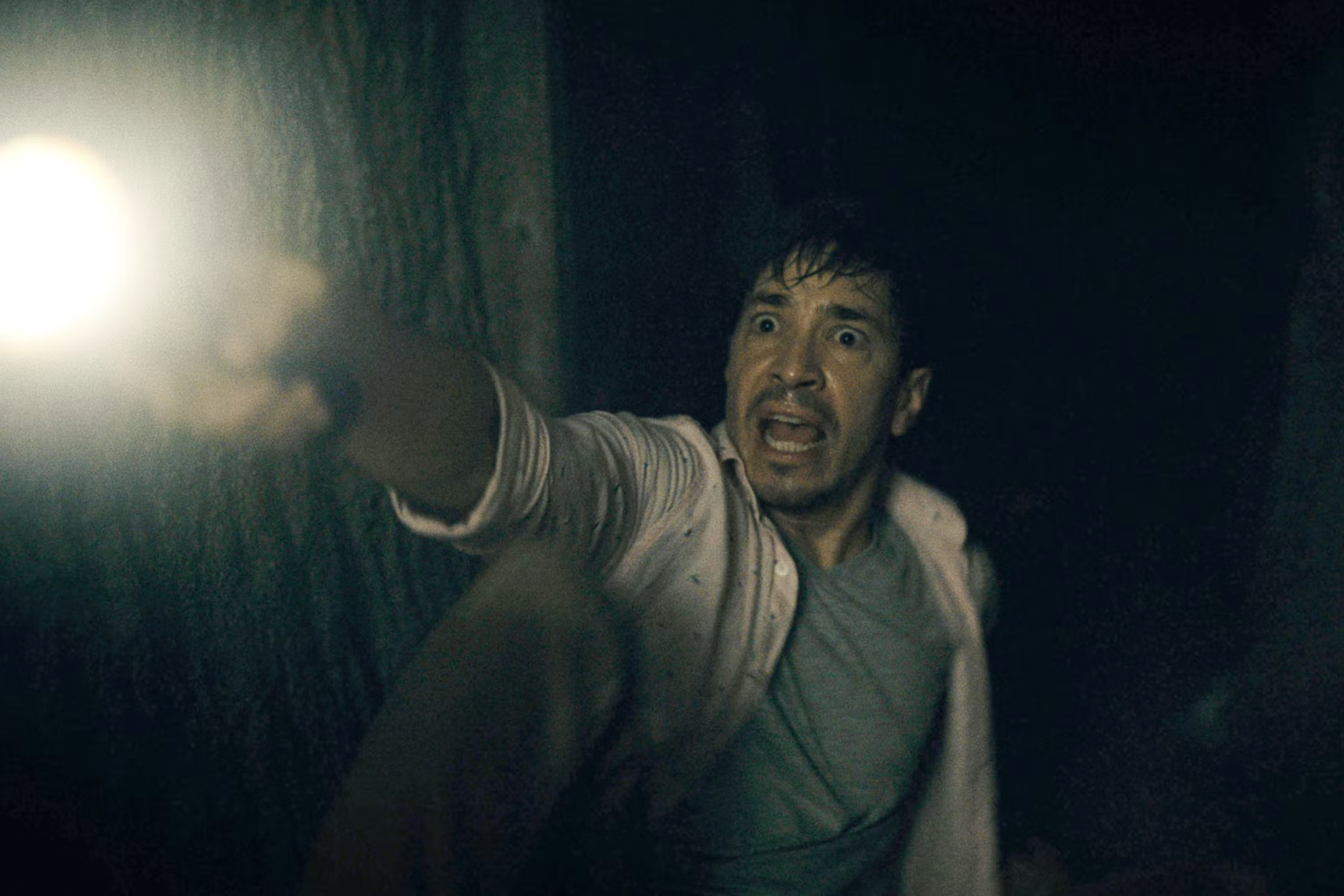
Rarely do we get horror movies that are as dedicated to toying with audience expectations as Barbarian. Even rarer is a horror movie that pays so much attention to setting, and how men and women approach and interact with physical spaces in different ways. It’s a film that’s ultimately about entitlement—except it’s delivered to us with jet-black humor and manic energy, shifting from romantic to ridiculous to raving mad. But with instantly charming performances from Georgina Campbell and Bill Skarsgård—and Justin Long doing a brilliant job playing an absolute jerk—Barbarian never leaves you grasping in the dark, even if it leads you deeper into hell.
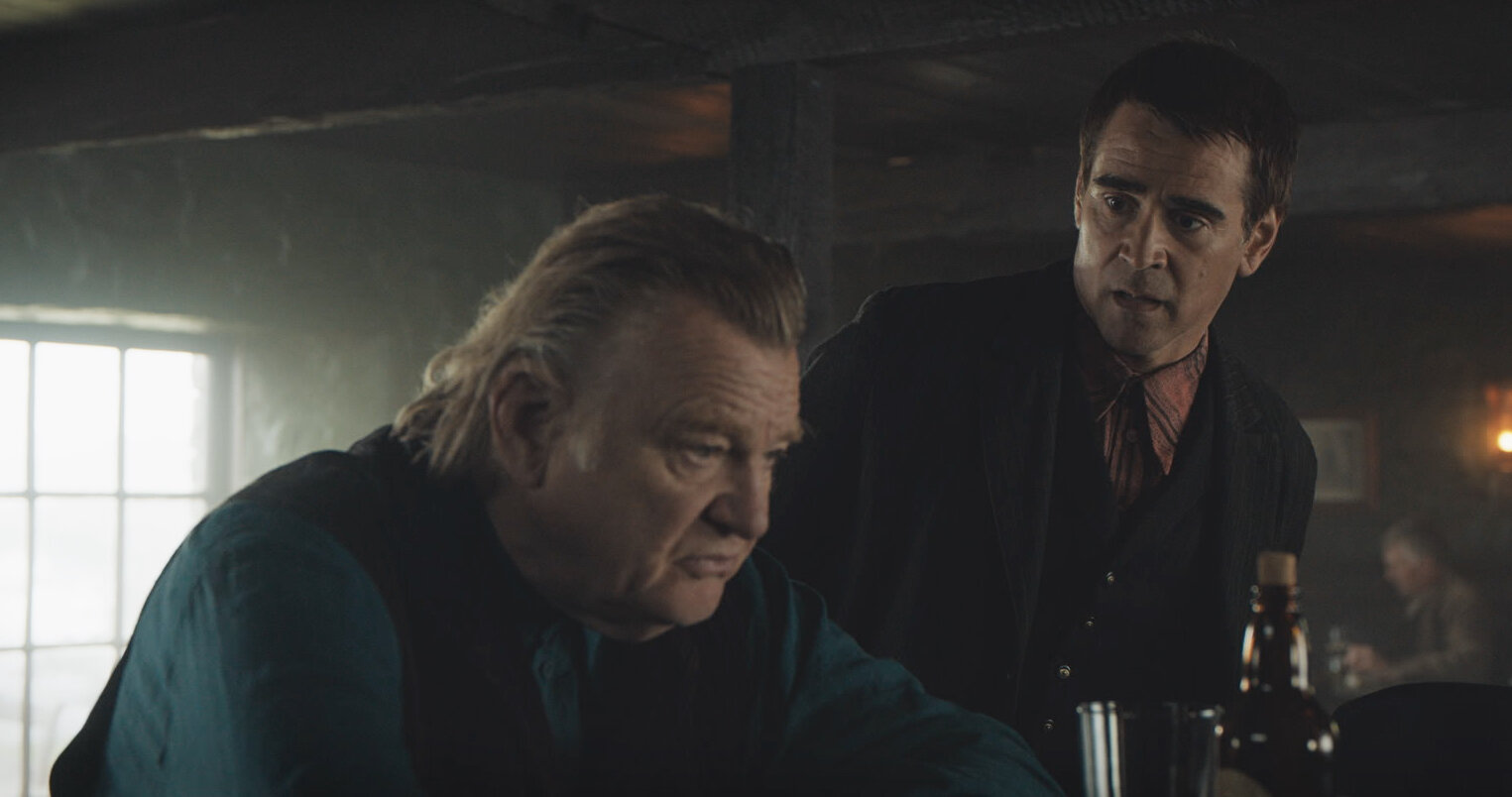
The Banshees of Inisherin is an Irish dark comedy film that begins with the breakup of longtime friends Pádraic (Colin Farrell) and Colm (Brendan Gleeson). Averse to the sudden split, Pádraic tries to repair their relationship, but instead of achieving goodwill, he inadvertently sets off even more unrest in their little town of Inisherin. Set in 1923 against the backdrop of the Irish Civil War, the film doubles as a fable about the consequences of war.
The last time Farrell and Gleeson were together was in the expert thriller In Bruges, and their reunion in The Banshees of Inisherin shows how powerful and chemistry-filled their pairing is. Theirs is a knockout turn, but it’s also far from the only good thing in the movie. Packed with gorgeously lush images of rural Ireland, strong performances from an all-Irish cast, and a whipsmart script from writer-director Martin McDonagh, The Banshees of Inisherin is an impactful watch that will give you lots to unpack long after the credits roll.

British director Adrian Lyne (9 1/2 Weeks) is famous for his uncompromising treatment of seedy eroticism and charged stories. Fatal Attraction is a staple of the erotic thriller genre and with good reason, it’s steamy and very 1980s in the best possible way. Like a good vintage, it has the whiff of old times, but with the pleasure of a spectacle that belongs to the past. That’s the lens through which you can view the story of a deranged mistress who won’t stop at anything to ruin your life and marriage, and still savour some sanity in the 21st century. Seen from a slightly removed perspective, the film becomes a stylized variation on conservative AIDS panic and a provocation to conservative heteronormativity. It has to be said that not all of the film has aged well, especially the gender politics at play. But if you can soothe yourself with a revisionist reading, it pairs well with Paul Verhoeven’s Basic Instinct: the things Michael Douglas’s characters do for (extramarital) thrills…

Organized crime and drug dealing has been a topic of many a film, sometimes even glamorizing the whole endeavor, but rarely do these depictions acknowledge the weight it can do to a culture, particularly indigenous cultures. Birds of Passage is a film about drug dealers, but it’s a much more distinct take, tackling Colombia’s reputation for the drug trade through the lens of an indigenous group that hasn’t been totally colonized, that still keeps its language, rituals, and legends, but is still pushed to the brink due to far more lucrative reasons. It does take fairly familiar plot points, but Birds of Passages transforms the narco crime drama with a different direction.

Continuing her fight to tell the world the truth about her sexual assault case, journalist Shiori Ito released Black Box Diaries. Like her book, it’s a powerful documentary. Filmed with actual CCTV evidence, with some witness accounts, and with recordings she made while investigating her case, Ito’s first foray into film is personal, vulnerable, and intimate, going through the events as it naturally unfolds. While it is depressing to witness the ways investigators, lawyers, politicians and other people have failed her, Black Box Diaries immediately reveals Ito’s resolve for the truth, and how taxing the toll was for survivors that chose to take the same path.
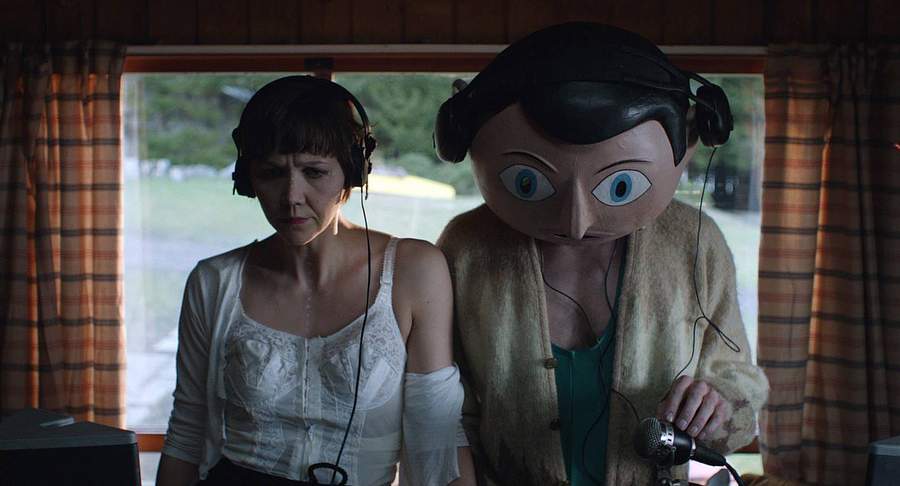
A really weird and also heartwarming movie about Frank, the leader and singer/songwriter of a crazy band. He really grows on you with his big head. If you like movies with that funky edge (like Scott Pilgrim) this is especially something for you! Either way and regardless of your preferences, you’ll find Frank to be a sweet, sincere, likable and clever comedy.
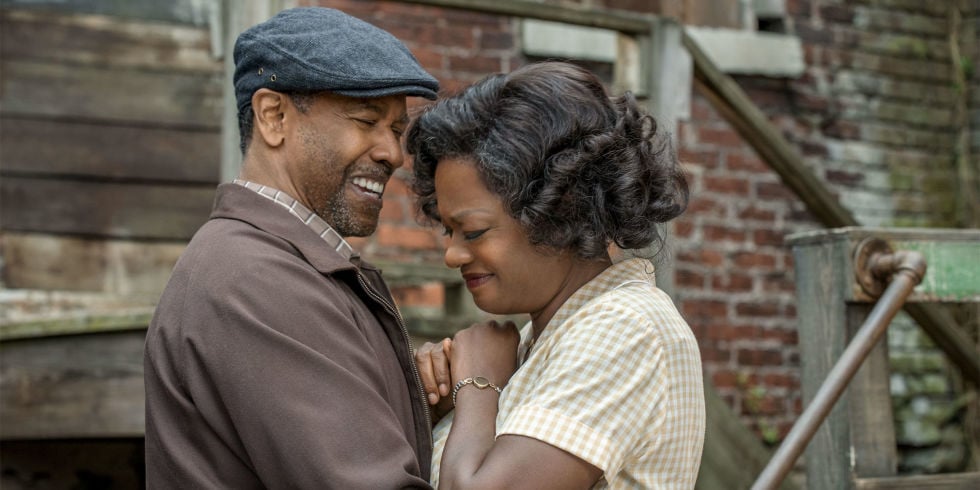
There is a chance we will be known as the generation that perfected mixing the two mediums of movie and theater. Think Hateful 8, Horace & Pete, Wild Tales, and Fences! A movie not only packed with Broadway talent, it’s also based on a Pulitzer-winning play by August Wilson. The play element is both strong and visible, the movie is dialogue packed, and takes place almost exclusively in the characters’ house, not to mention most of the events happen within the span of a few days. The movie element comes through beautiful aesthetics and rich scenery, as well as some of Hollywood’s best talent: Denzel Washington (who is also the director) and Viola Davis. They had both actually won Tony Awards for their performances reviving the play back in 2010. Denzel is a black garbage collector who was once a promising baseball player and a victim of racial discrimination. His psyche is as rich as it is determined and he is used to taking out his deep-rooted feelings of anger on his loved ones. His wife (Davis), his son, and his friends are the targets of this hurt and anger, but they also have a lot to deal with on their own. A beautiful if maybe slow play-movie. Do not watch it expecting “things to happen”, but watch it to be mesmerized by the acting, the writing, and the underlying tensions it addresses.

Us and Them follows two former lovers who reminisce and reassess their decade-long relationship over one night. They both seem to be in better places, certainly financially if anything else, but their shared wistfulness for the past threatens to prove otherwise.
The film was an immediate hit when it was first released in China, and it’s easy to see why. With just the right balance of realism, romance, and comedy, the movie makes for a simple but deeply moving and involving watch. You can’t help but root for the exes to get back together, even though you know as well as they do how minimal the chances of that happening are.

Leo and Remi are close. They play, eat, and sleep together, and in between those moments, they share every thought they have with each other, no matter how big or small. Theirs is a precious friendship, as pure and as intimate as can be, but all that changes when they begin middle school. Subject to heteronormative norms and preteen mockery, their friendship starts to crack as Leo and Remi’s different definitions of manhood emerge.
Subtle but evocative, quiet but deeply powerful, Close takes a closer look at boyhood and male friendships—how they’re lived, defined, and seen. Plenty of questions go unanswered in this film, but if you’re comfortable with simply empathizing with the characters rather than knowing every answer, then Close comes highly recommended.
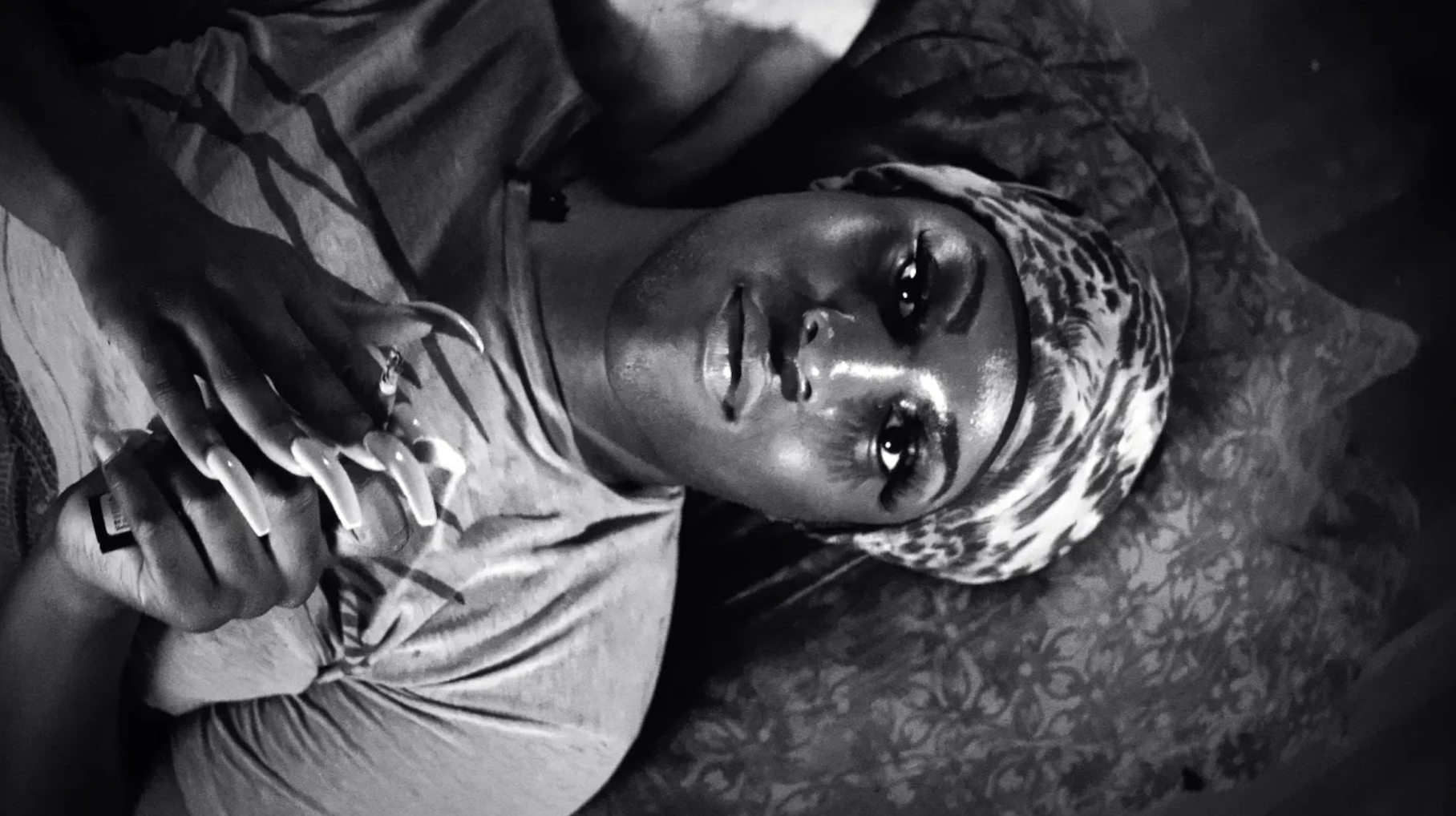
The idea of representation in movies is often limited to superficial gestures of putting on screen people who look a certain way. Kokomo City is a reminder of cinema’s possibilities when one really tries to queer filmmaking itself, with genuine queer voices driving a production. This documentary is messy and incredibly playful in its style—in ways that might read to some as lacking cohesiveness, or as tonally inconsistent. But the way director D. Smith is able to capture the dynamic energy of a series of conversations makes these powerful, funny, tragic anecdotes and dialogues feel truly grounded in people’s everyday experiences, and makes the plea for protection of trans lives all the more urgent.
Throughout Kokomo City, this collection of individuals goes off on various tangents that never become difficult to follow. They speak about the nature of sex work, hidden desires felt by traditionally masculine male clients, and various degrees of acceptance within the Black community. And between these statements alternating from impassioned to emotional to humorously candid, Smith injects cheeky cutaway footage, layers text on screen, and plays an eclectic rotation of music throughout. It’s about as real and as three-dimensional as these trans lives have ever been shown on screen.

The film that catapulted Kevin Costner to fame, No Way Out, is based on a novel by Kenneth Fearing, “The Big Clock”, and is also preceded by a film adaptation of it, around 40 years prior. Director Roger Donaldson found himself in charge of a film, haunted by the Cold War and spy thriller tropes, but already aligning itself with the late 80s erotic thriller. In a way, No Way Back is a symbol of this transitional period, but by retaining the classic noir vibe (deception, fleeing, yearning), it becomes a tribute to the past. In the film’s own past, a love triangle is taking shape in a rather unconventional way: layered with all three of the aforementioned dispositions. Two men want the same women, but their relationship is further complicated by professional hierarchies and the quest to own the past they both shared with Susan.
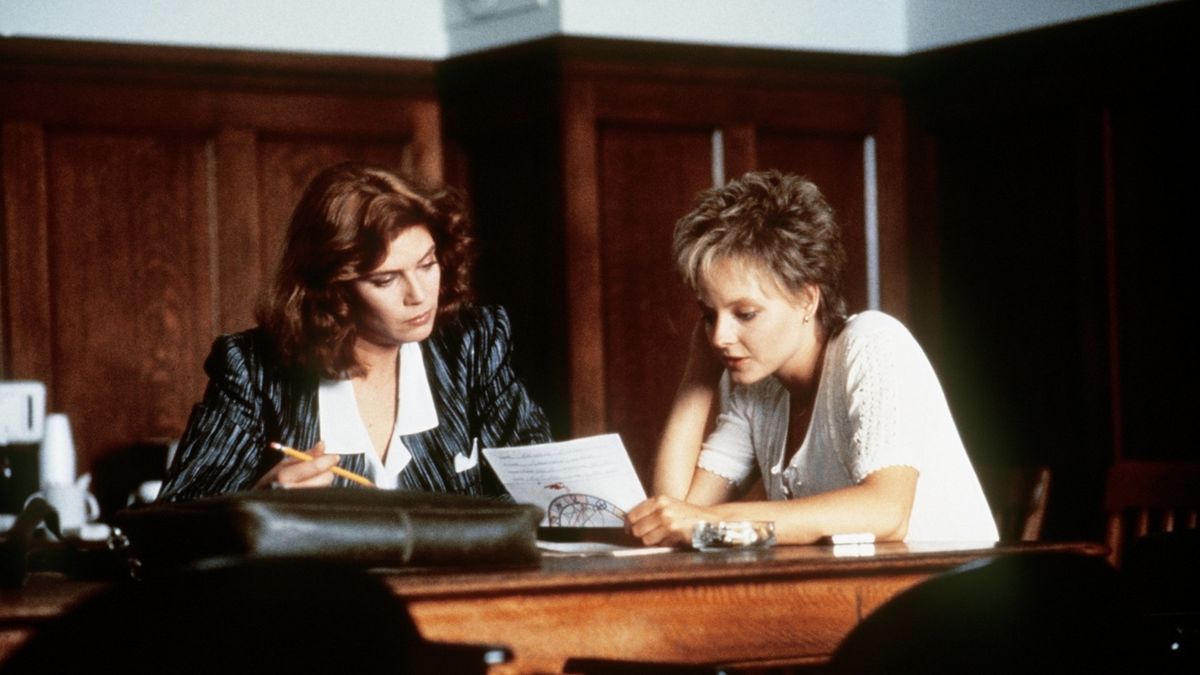
An arguably tough watch, The Accused fluctuates between crime and courtroom drama, eschewing any kind of sentimentality in its storytelling. No place for pity where trauma reigns: the fact that the film is based on a real case of as gang rape means little in a world were that’s still a daily occurrence. The Accused knows it well and invests its two protagonist with all the anger in the world, hoping the justice system will be on the right side of history at once: that of women. Two amazing leads set the bar very high: Jodie Foster and Kelly McGillis who plays prosecutor Kathryn Murphy. Together, they make a powerful duo of heated performances that embody the contradictions of being a woman under patriarchy.
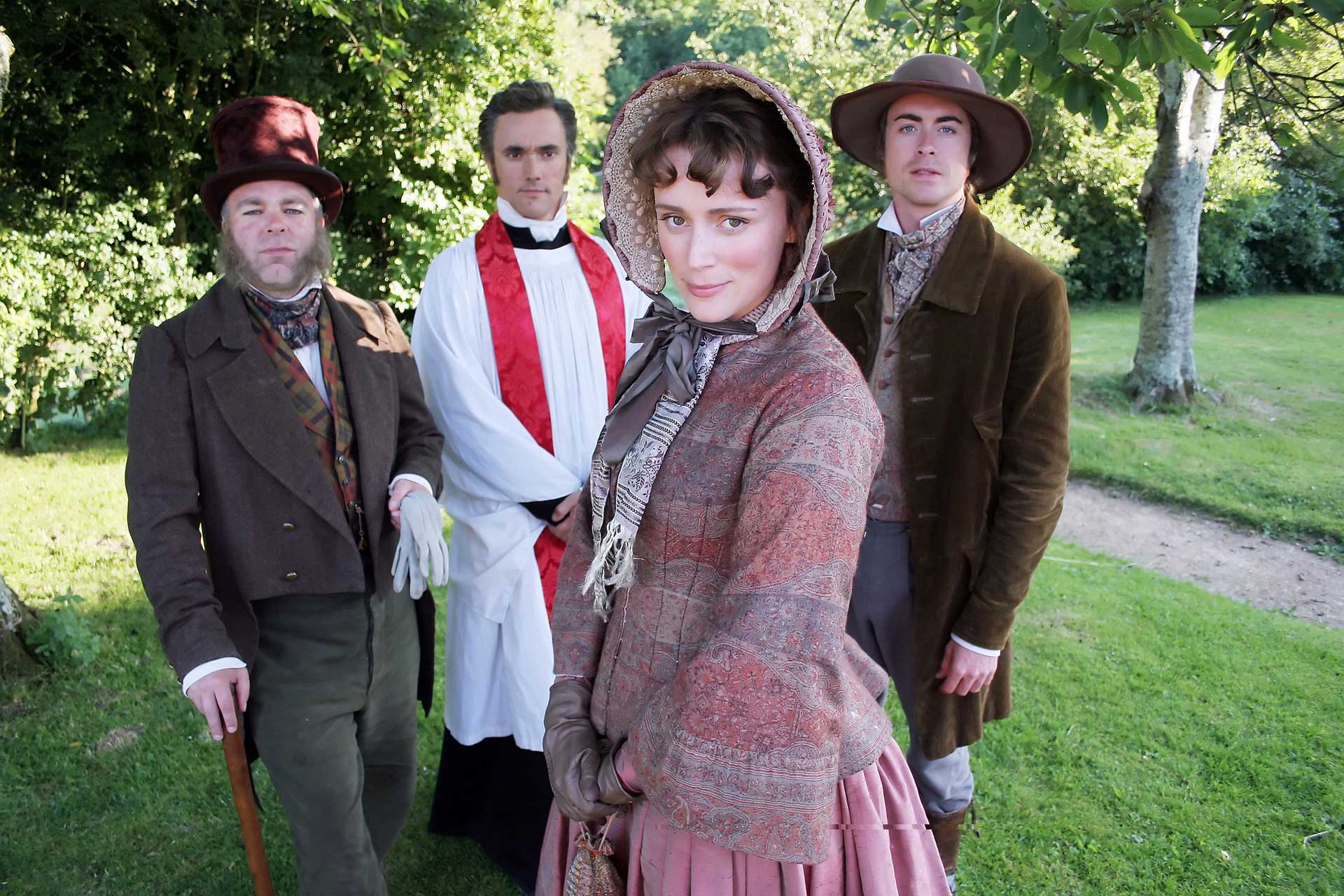
2005 was a banner year for British period dramas, apparently: first, there was Joe Wright’s Pride & Prejudice (still arguably the genre’s crowning achievement), and then came Under the Greenwood Tree, a delightful made-for-Christmas-TV romance loosely based on the eponymous Thomas Hardy novel. Anyone familiar with the author’s typically tragedy-tinged stories — think Tess of the D’Urbervilles and Far From the Madding Crowd — will find themselves surprised by the light, pleasant tone of this one, in which the closest anyone gets to violent revenge is sabotaging a church organ by pouring a flagon of cider into it.
The romance here is threefold: when Keeley Hawes’ spinster schoolteacher Fancy Day (genuinely her name) arrives in an English village, she ignites a rivalry between wealthy farmer Shiner (Steve Pemberton), haughty clergyman Parson Maybold (Ben Miles), and James Murray’s die-hard romantic Dick Dewy (again: the names in this are a choice). The trio’s simultaneous attempted courting of Fancy doubles as both the entertaining will-she-won’t-she stuff of romantic dramas and a conduit through which the movie explores the class dynamics in England during the 19th century. It’s this deft intertwining of satisfying romantic period drama tropes with genuine reflection on the historical period itself — all while remaining lighthearted — that makes this underseen adaptation worth watching.
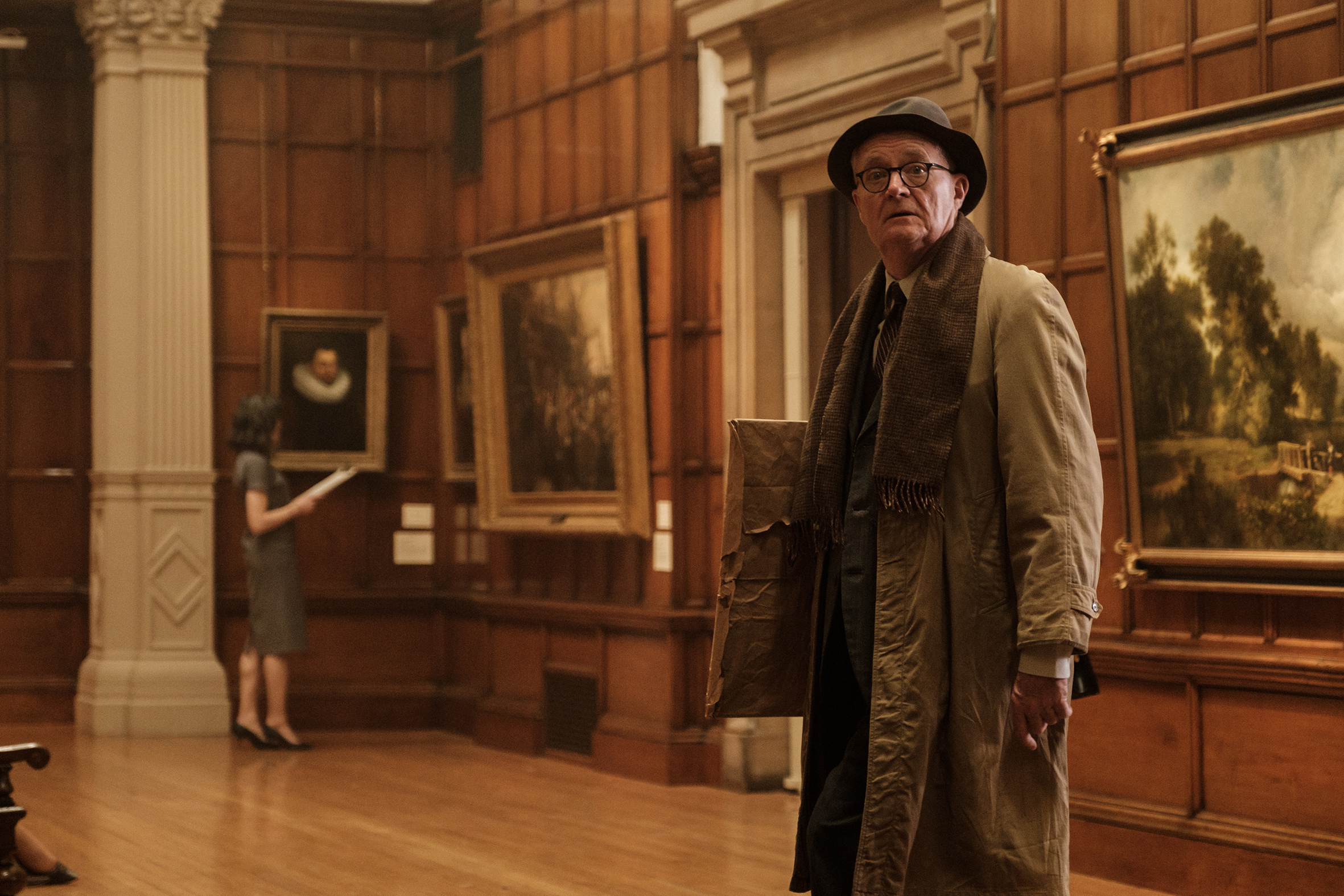
In 1961, Francisco de Goya’s portrait of the Duke of Wellington was stolen from London’s National Gallery, but the theft was no slick heist pulled off by international art thieves. No, the improbable culprit was (the improbably named) Kempton Bunton, a retired bus driver and aspiring playwright who pinched the painting — which the gallery had recently acquired for £140,000 of UK taxpayers’ money — as a Robin Hood-esque “attempt to pick the pockets of those who love art more than charity.” The principled Bunton (played here by Jim Broadbent) was, at the time, waging a one-man campaign to convince the government to grant pensioners and veterans free TV licenses, and the Goya theft was his way of publicizing those efforts. It was an eccentric plan, but Broadbent leans fully into his status as a UK national treasure here, making oddball Bunton a deeply sympathetic and warm figure because of (not despite) those quirks. Thanks to his performance — and the note-perfect direction of the late, great Roger Michell — a quirky footnote of history becomes a sweet, unexpectedly moving story about solidarity and the power of the underdog.
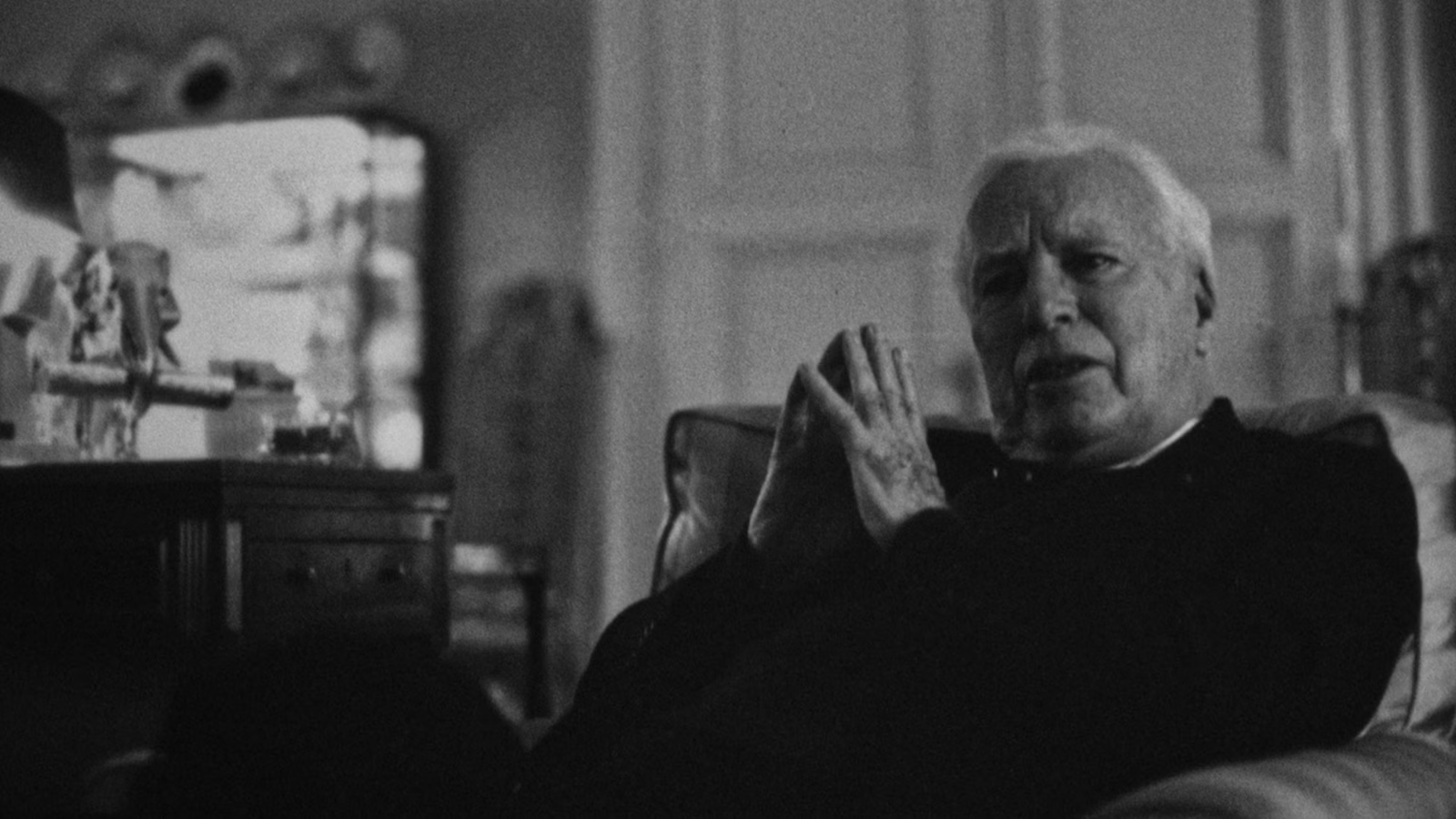
Charlie Chaplin has been called the most famous person of all time, soaring into global renown way before mass media and the internet made it all too easy, but only a few accounts have tried to paint a complete picture of the man behind the clipped mustache and bowler hat. This documentary by James Spinney and Peter Middleton comes very close, mainly because all sides of Chaplin’s complicated history are heard. The directors show grace to his stressed-out co-stars and groomed wives, especially poor Lita Chaplin, so we come out of the film learning how far from perfect Chaplin was. That’s what sets this documentary apart from all the Chaplin biographies out there: it strikes a very fine balance between celebrating the objective breakthroughs the actor has accomplished and criticizing the consequences of his less-than-ethical actions. This is a real person after all, not some beloved caricature. It helps that the animation and script are utterly delightful, and that narrator Pearl Mackie has the soothing and graceful voice of a patient educator.
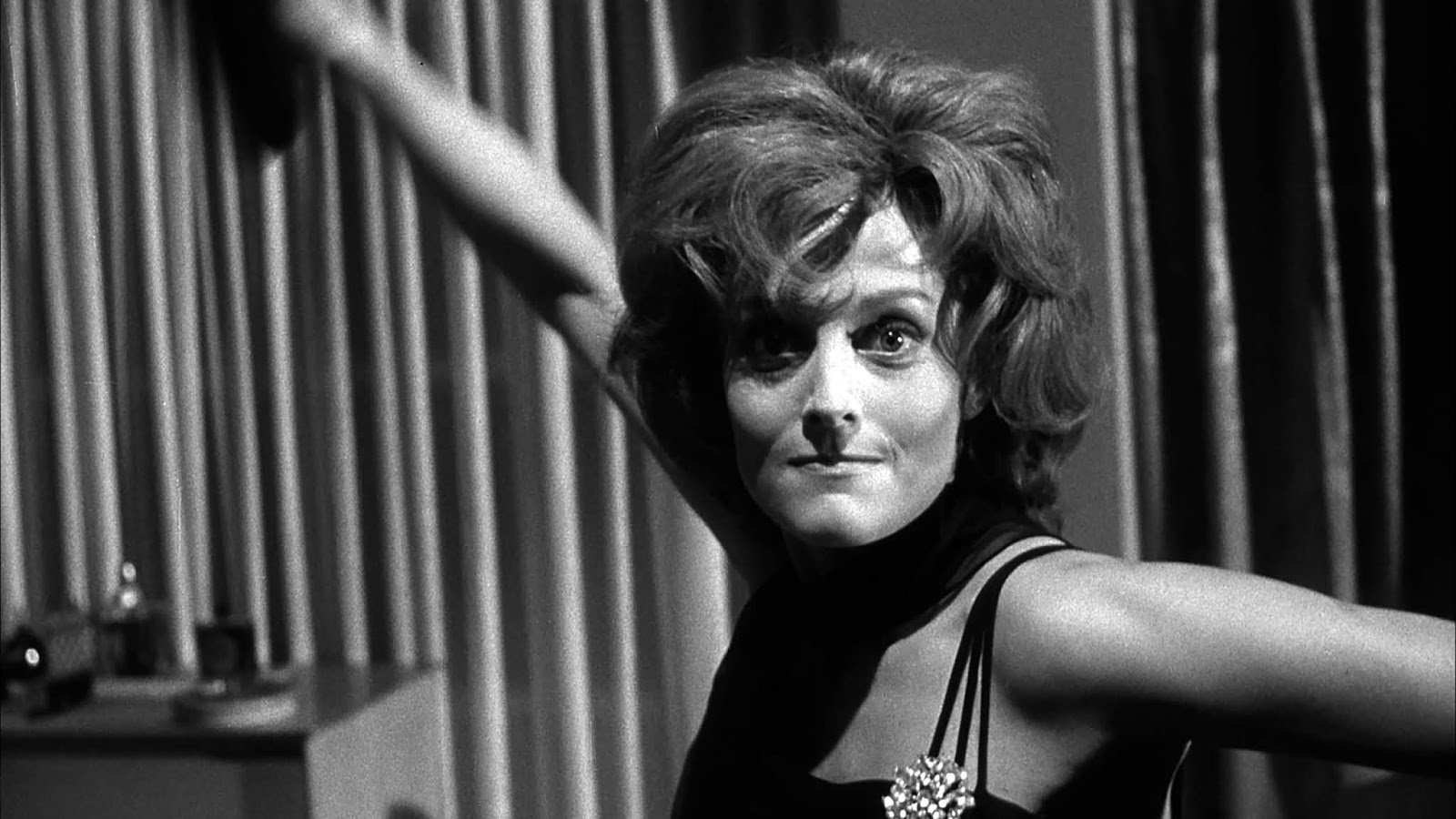
Despite the title and the premise, The Naked Kiss is actually less raunchy than it sounds. Sure, it does have themes that seem more explicit than what’s expected from older classic films, but writer-director Samuel Fuller considers these themes with the weight it deserves, directly challenging the way the men of the town would scorn Kelly’s wares at the same time they’re taking a taste, and at the same time they’re willing to look away from the unpleasant truths lurking in the suburbs because of money. With memorable shots and a surprising song number halfway, The Naked Kiss plays with expectations for an earnest belief in change.
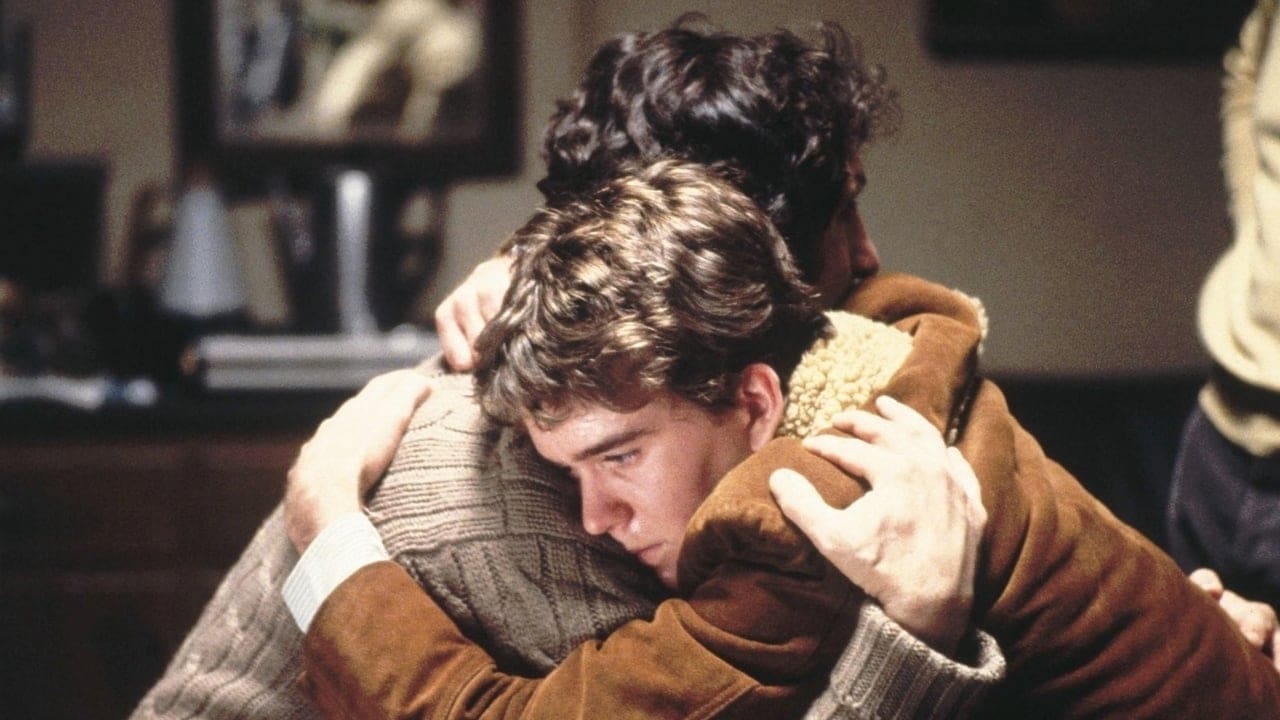
Based on the 1976 novel of the same name, Ordinary People is an emotionally wrought film about a family on the brink of collapse. Upon the tragic death of eldest son Buck, the youngest and now only son Conrad (Hutton) reluctantly enters psychiatric care while his mother, Beth (Mary Tyler Moore), tries to force things back to the way they were with overwhelming positivity. Keeping things together as best he can is the father Calvin (Donald Sutherland), who is battling demons of his own. Before films like Good Will Hunting and shows like 13 Reasons Why made tropes like “caring therapist” and “angsty teen” into the cliches they are now, it was films like Ordinary People that broke barriers and dared to put up a mirror to our stark realities. Things like grief and depression, as well as strained parenthood and unhappy families, were taboo back day in the day, so it was somewhat of a miracle that Ordinary People didn’t just talk about them openly, but started a discourse surrounding them that continues to this day.
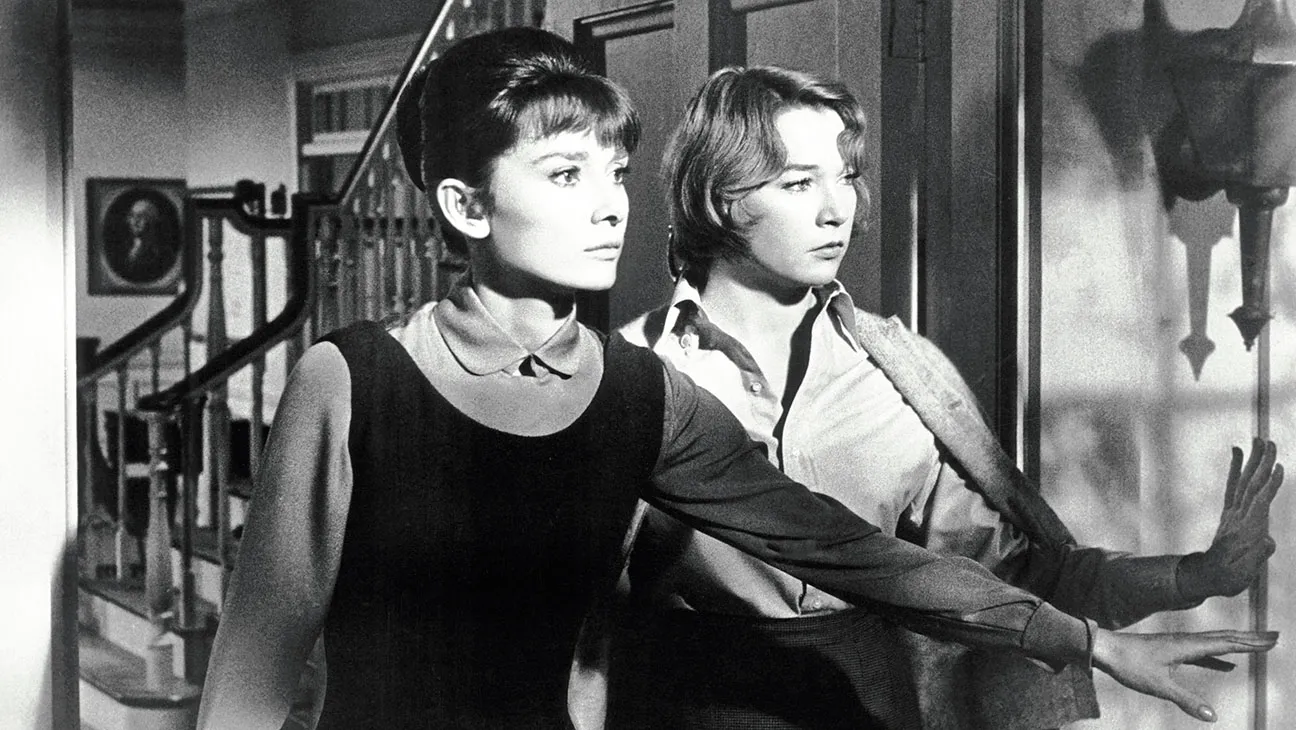
The Children’s Hour was one of the few sympathetic depictions of a lesbian character at a time when same-sex relationships were illegal. That being said, the film doesn’t really focus on forming a couple. It’s also about how destructive the rumor mill can be, but really, the film is mostly an indictment of how terrible society treated queerness back then, ending people’s livelihoods, reputations, safety, and yes, even their lives all in the name of propriety. Director William Wyler adapts this play with the gravity it deserves, through shots that frame the dynamics between every performance and a camera that scrutinizes its casts’ faces. Audrey Hepburn and Shirley MacLaine delivered their anguish through excellent performances.
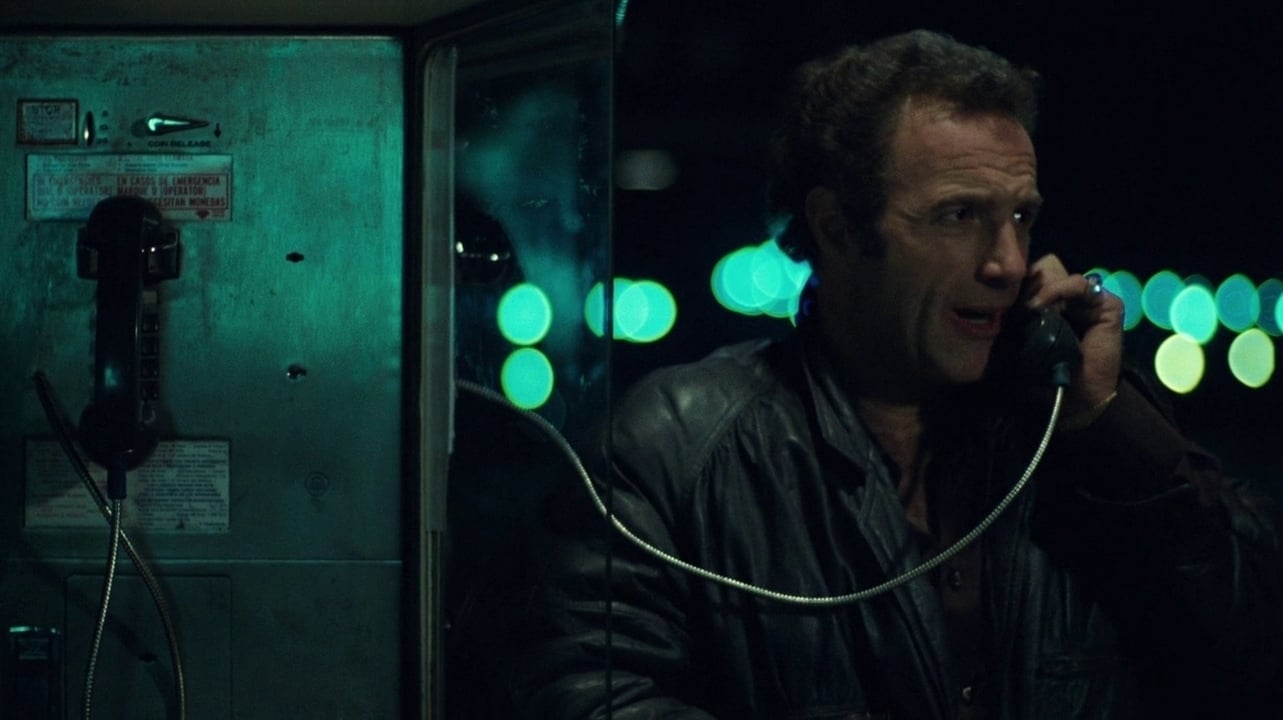
We take it for granted now, but Michael Mann’s feature debut Thief was one of the first crime thrillers that took style and substance very seriously—so much so that its neon-lit, rain-soaked, slightly tilted shots continue to be markers of the genre. Thief is visually and sonically stunning, but the titular criminal, Frank, is most remarkable. Caan plays him with such heart, you have to wonder if he’s gone through the same things. Here’s a guy who was handed a tough hand. Violence is the only life he’s known, but he aspires for a better one, filled with a nice home, a happy family, and financial security. His means may be illegal, but our ends are the same: we all just want a comfortable life. How Frank pursues it with such ferocity is thrilling and tragic to watch.

Before the Devil Knows You’re Dead is Sidney Lumet’s last film, and in many ways, it distills what the director explored in his prolific body of work: What is justice? And does everyone deserve it? Shot digitally at a time when the concept was still quite new, Before the Devil moves fast and takes us uncomfortably close to the lives of three desperate men: cash-strapped Hank (Hawke), corrupt Andy (Seymour-Hoffman), and vengeful Charles (Finney). The same tragic events unfold through their perspectives, but in any case, we get to see what drives them to do such horrid things. Are we suppose to sympathize with them? It’s a question that will nag you long after the credits roll.

This mortifying stop-motion fairy-tale is inspired by the very real horrors of Chile’s Colonia Dignidad: a cult colony turned torture camp under the Pinochet regime. Presented as colony propaganda, the tale tells the story of Maria, a girl who runs away from the safety of the colony into the forest and takes refuge in a house with two pigs. What transpires is a gut-wrenching allegory for the rise of fascism, colonialism, and white supremacy.
The staggering animation which seamlessly shifts mediums from paper mâché to painted walls is a bewildering sight to witness. But it’s the synthesis of this boundary-pushing art and the underlying horrors it depicts, that make this stand as an unmissable cinematic event.

Kristen Stewart stars as Melinda, a girl entering the gauntlet of freshman year in high school who is also carrying a heavy secret: after suffering an assault over the summer at a party, she has become determined to speak as little as possible. Melinda’s subjective experience is presented without mediation, melodrama nor moralism, but rather as life through her eyes: teachers are puff-chested bullies; parents are mumbling, ephemeral strangers; whispering girls are talking about her, all the time. It is a realistic portrait of the inner life and experience of a young woman whose sudden introversion, academic decline, and loss of social connections appear to go completely unnoticed, while she struggles to process and unburden herself of the weight of trauma. It’s an empathetic story well-served by Stewart’s understated performance and the film’s quiet pace.

Nothing Compares weaves a poignant story about one of the most misunderstood artists of our time, Sinéad O’Connor. The iconoclast first made waves in the ’80s with her catchy music, but she quickly reclaimed the reins of her own fame and used her platform to champion marginalized causes, long before pop stars were expected to do so.
The documentary zeroes in on this part of O’Connor’s life: what prompted her to music and how she used it as a tool of activism. The answers are multi-faceted and handled here with extreme grace. Like the many from her generation, O’Connor struggled with religion and abuse, such was the Catholic Church’s hold on Ireland at the time time.
The film contextualizes her once-shocking moments and reveals how they were all grounded on things she cared about. It’s a beautiful piece of work that reassesses and redeems a wronged artist who was ahead of her time.

If Steven Spielberg had just decided to do a straightforward cover version of West Side Story, it still would have been a wonder of music, movement, and color. But more than the lush camerawork and impassioned performances from Rachel Zegler, Mike Faist, and Oscar winner Ariana DeBose, this adaptation is most memorable for its renewed focus on the senselessness of its central turf war. Here, New York City exercises absolute power over the Jets and the Sharks, rendering all this gang violence as a futile attempt to hold on to outdated values in the face of economic desolation. Spielberg might not be able to do much about the story’s weaker Romeo and Juliet-inspired parts, but he still finds a way to let this often ridiculed tragic romance serve a greater purpose.
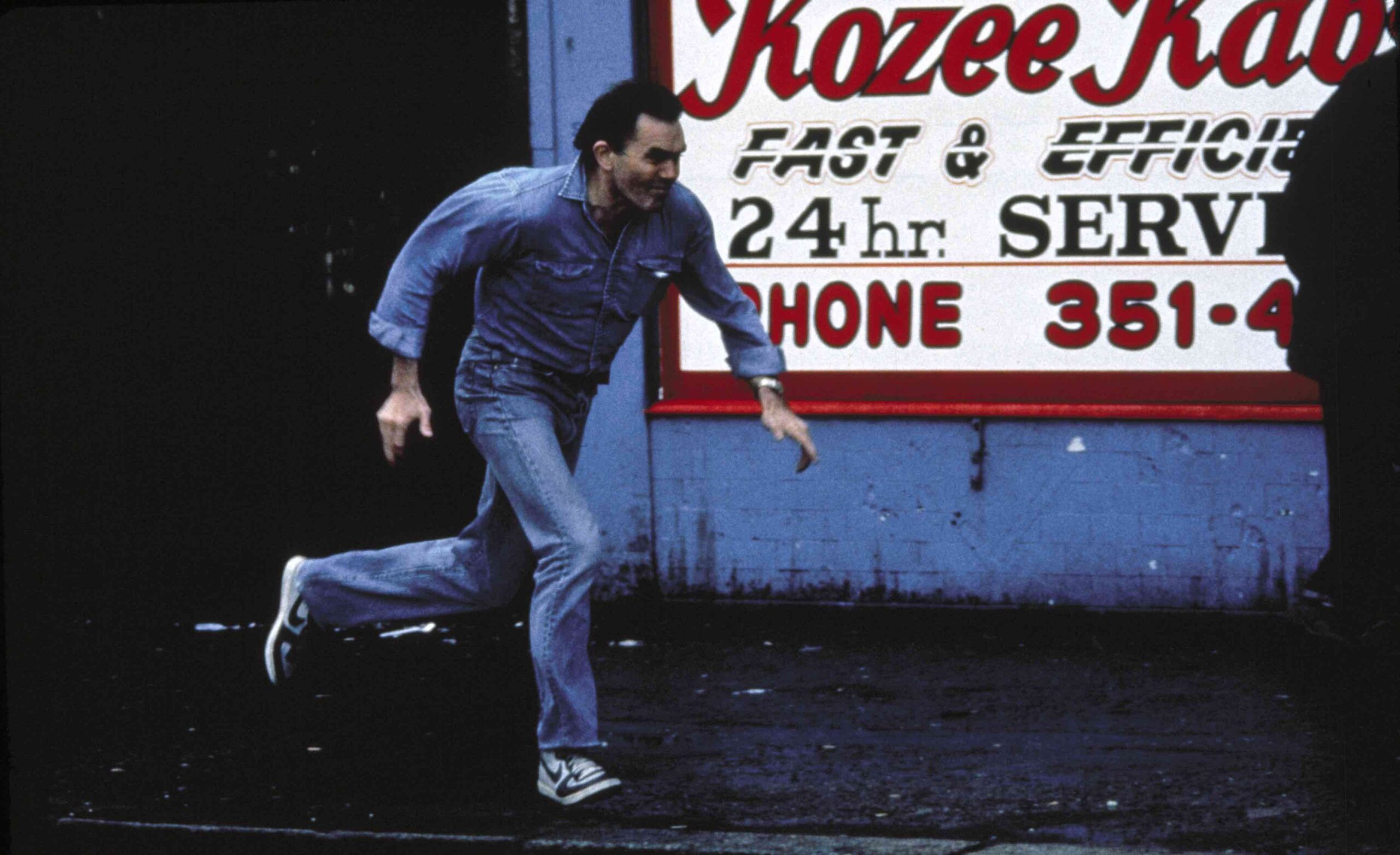
In Ken Loach’s conspiracy thriller, an American human rights activist (Frances McDormand) and a no-nonsense UK police officer (Brian Cox) work tirelessly to uncover the truth behind a suspicious death — but this is no rousing triumph of good over evil, only a bitter pill about corruption and complicity. Human rights lawyer Paul (Brad Dourif) and girlfriend Ingrid (McDormand) are in Troubles-era Belfast wrapping up their report into the UK government’s shoot-to-kill policy when Paul is shot dead by mysterious assailants while on his way to speak to an informant. Police investigator Kerrigan (Cox) is flown in from England to look into the death; Cox plays him as a stickler for the rules and fierce agent of justice, inspired by a real-life official who was abruptly suspended from the police before he could deliver his findings into the UK government’s alleged death squad in Northern Ireland.
But the network of high-level corruption that Kerrigan and Ingrid uncover poses a direct challenge to those values, ultimately forcing him to choose between revealing the conspiracy — and risk destroying his life — or concealing the truth and betraying his ethics. A fascinating look at the slippery slope to complicity, this is a gripping, unabashedly ideological conspiracy thriller blending Hollywood polish with gritty reality.
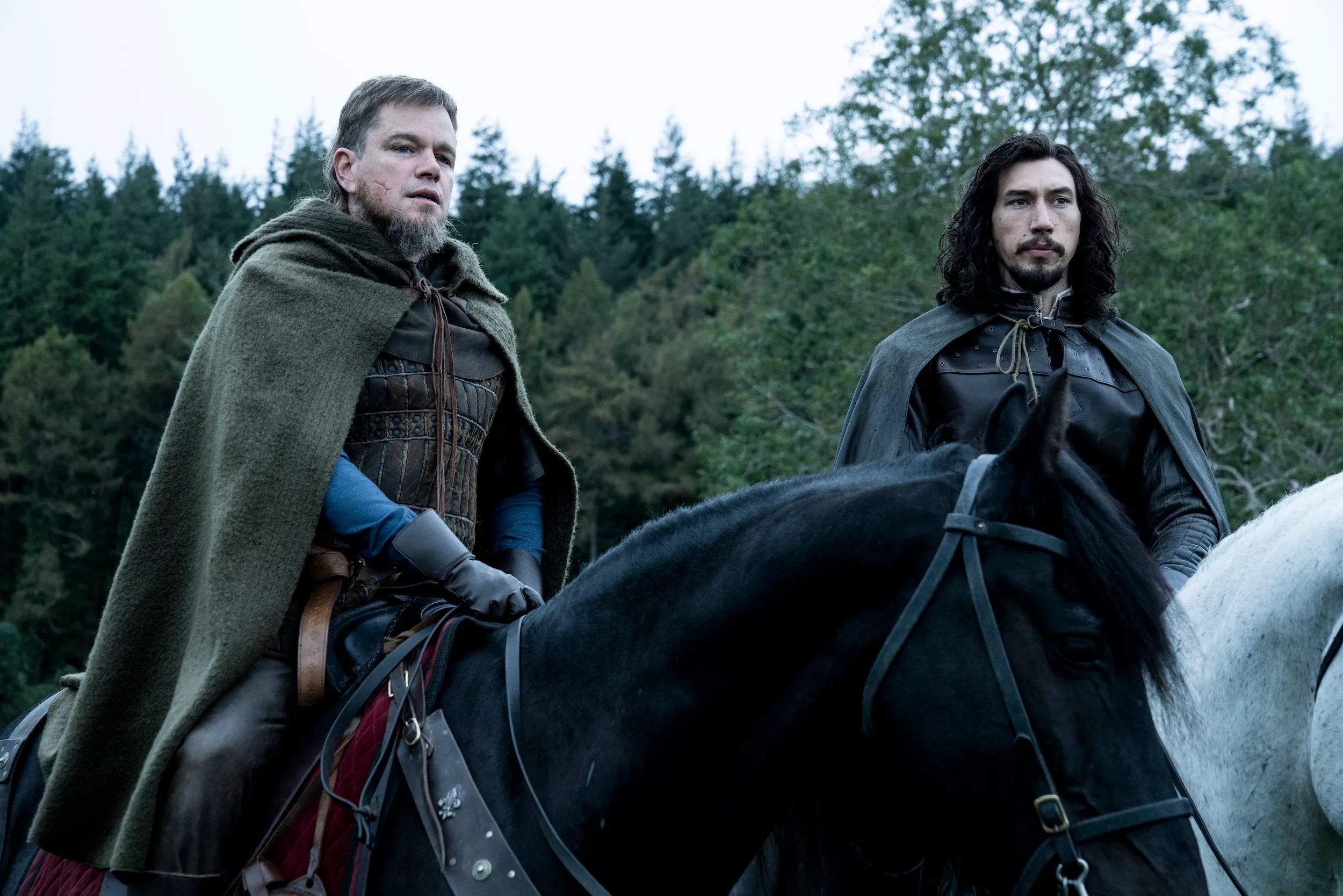
The Last Duel propped high expectations as the Closing Film at the 2021 Venice Film Festival, but its theatrical release later that year proved to be a flop. Ridley Scott blamed it on millennials, but both critics and streaming audiences have been much more favorable than moviegoers. As a film, it’s a rather monumental project: quite a dark period piece set in Medieval France, dealing with harsh and offensive themes. Or better said, it deals with ethics and morality through these harsh and offensive themes. There are many ways where this could have gotten wrong—and it’s evident from the labels that have been circulating from the very beginning, that Scott has made his “MeToo” movie—but the truth is much more nuanced. From Eric Jager’s 2004 book to a script co-written by Ben Affleck, Matt Damon, and (most importantly) the astute Nicole Holofcener, The Last Duel is really the best of both worlds: action-packed and devoted to the right side of history.
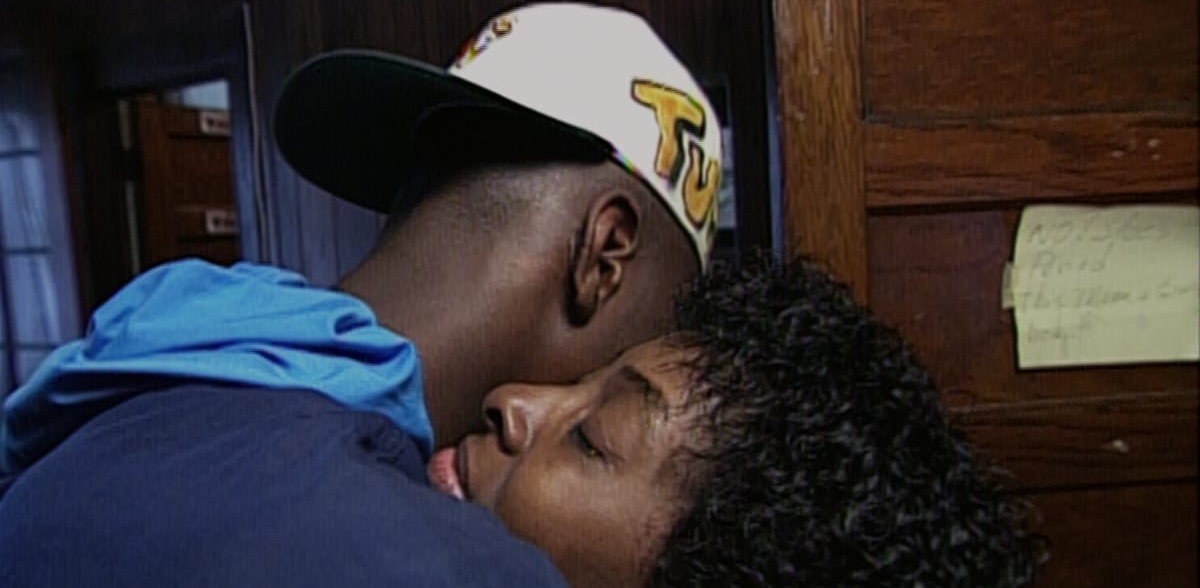
Don’t be fooled—despite being a three-hour documentary, Hoop Dreams is just as thrilling, heartbreaking, and cinematic as any sports film out there. Unlike them, however, Hoop Dreams is less of an uplifting feel-good story than it is an honest and sobering look at how the education system has failed Black communities. It’s not a complete downer, though, since we follow two hardworking and inspiring boys committed to lifting their families from poverty. While more privileged players can afford to treat basketball as a hobby, to Arthur and William, basketball is a lifeline, a rare chance to enjoy better opportunities and give their families a better life. Imagine carrying that on your shoulders while training, studying, looking for colleges, and surviving teenhood. It’s a lot, but director Steve James weaves it all beautifully. James divides the chapter into freshman, sophomore, junior, and senior years, following Arthur and William as they start on the same footing, diverge and live parallel lives (one in private school, the other in public), and eventually meet again during their final years in school. Their journeys are riveting, not least because we also get to know their families, friends, hopes, and dreams. This is riveting cinema, as socially conscious as it is competitively thrilling.
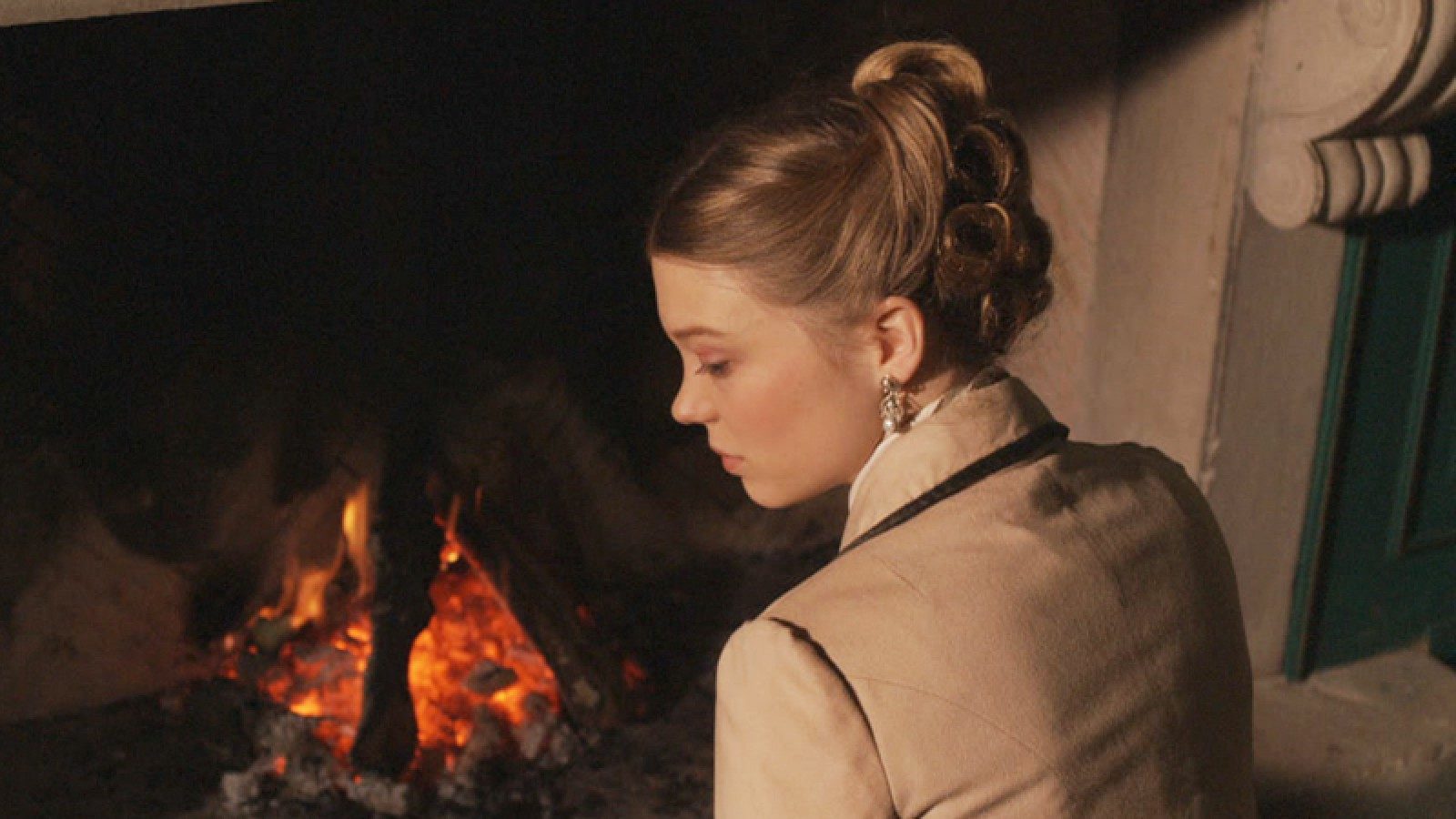
For better or worse, there is a lot that has been decided about your life even before you were born– the circumstances of your childhood are a direct reflection of the choices your parents made, as well as their parents, and their parents before them. This idea made for an intriguing Portuguese novel, which was later adapted into the sprawling 272-minute Mysteries of Lisbon. Chilean filmmaker Raúl Ruiz renders the plot into an intricate mystery, slowly and steadily unravelling its secrets in multiple layers, coincidences, and synchronities in love, war, trauma, and betrayal. The lengthy runtime might be daunting for some viewers, but once immersed, it’s so easy to be mesmerized by Ruiz’s stunning shots, the narratives shared by the characters, and the memories that they find themselves lost in. Mistérios de Lisboa was a daunting novel to adapt because of the multinarrative tale, but Ruiz translates the narrative into a surreal masterpiece to behold.
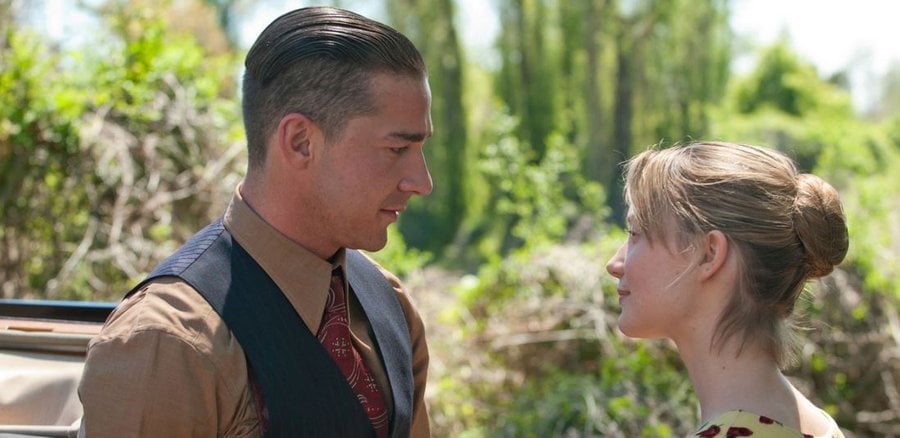
Tom Hardy, Guy Pearce, Gary Oldman, Jessica Chastain, and Shia Laboeuf (the good Shia Laboeuf) all star in this true-story-based gangster tale. As a result, Lawless is cliché-free, fast, and violent – yet it doesn’t take itself too seriously. Bootlegging Bondurant brothers live according to different rules, yet run a successful business during the prohibition era. When new authorities try to shut them down violently, each one of them has a way of dealing with it. The story runs very smoothly, and added to the perfect performances and great staging, Lawless becomes very entertaining, and a true pleasure to watch.
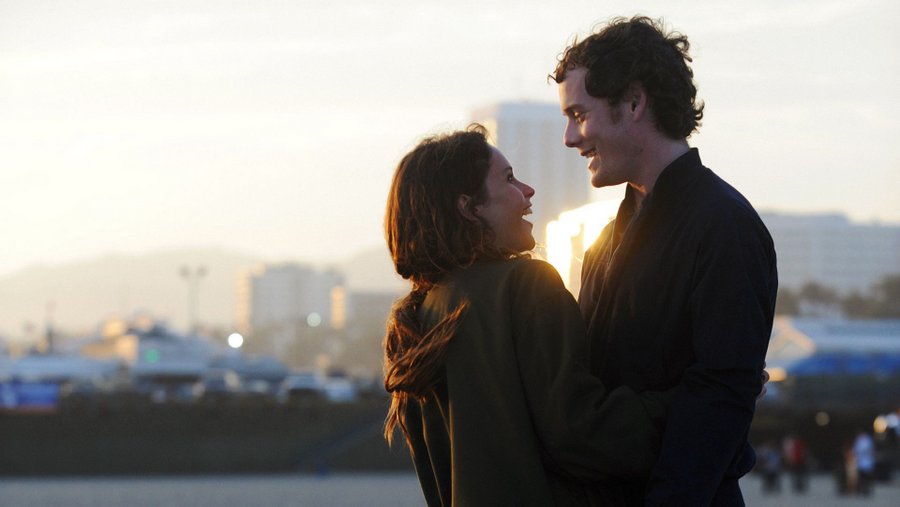
See, low budget films do work! Like Crazy schools other romantic films on what they should all be: cute and sweet but also frustrating and nerve-wracking. Felicity Jones is absolutely fantastic here, she stars as a British girl who falls in love with an American, Jacob, while in college. On a whim, she overstays her visa to be with him, and then return to England to face the consequences. The intimacy this film explores really distinguishes it from others and makes for an authentic experience, as it is based on its writer/director’s own 8-year long-distance relationship. A great option if you’re in the mood for the type of suspense that pulls at your heartstrings.

Based on the book by John Le Carre, this slow-burning thriller tells the story of a half-Chechen, half-Russian immigrant suspected of terrorism, who is suddenly spotted in a big German city trying to get his hands on money that was left to him. Gunter (played by Philip Seymour Hoffman) is the head of an international counter-terrorism unit created after 9/11 to spot threats like these early on. Whether this man is a terrorist or not, what he is doing in Germany, how he fits in the grand scheme of things, and whether Gunter will succeed in his efforts – all of these are questions you will be begging to find answers for. Witty, supremely acted, and with a very provocative story line, A Most Wanted Man is perfect if you’re in the mood for a sharp thriller.
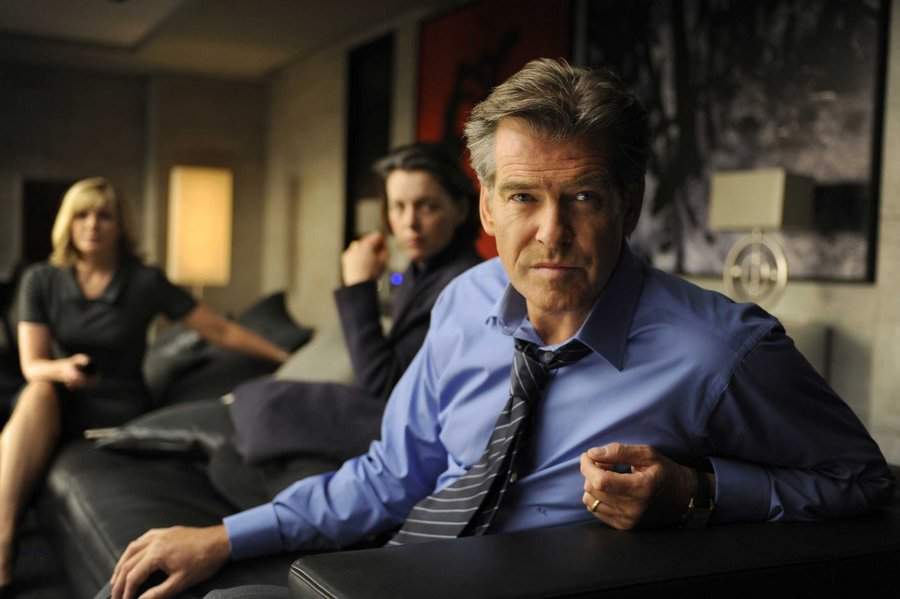
Craving mystery? This is the film for you. A writer (Ewan McGregor) is given the lucrative task of bringing to life the memoirs of Adam Lang, the former British Prime Minister. Lang, now retired in an island in America, was once one of the world’s most influential politicians. When a scandal erupts about him, which reveals details about his approach to the relationship between America and Britain, the ghost writer finds himself in the possession of highly sensitive material and dealing with many interested parties.
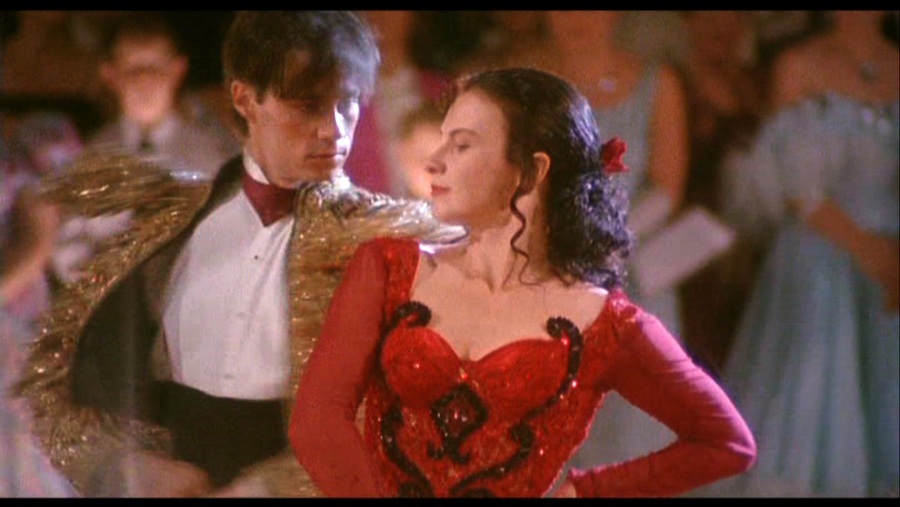
Strictly Ballroom is an energetic, fun and hilarious movie. Baz Lurhman does an incredible job telling the story of a rebellious young dancer who just wants to dance his own steps in the face of conformity. When he finds an inexperienced yet determined dance partner it’s the beginning of an unexpected love story like no other. This movie isn’t like the usual rom-com, it has colour, vitality and passion. It’s a Moulin Rouge but with even more character, and the work that put Lurhman on the map for everyone.
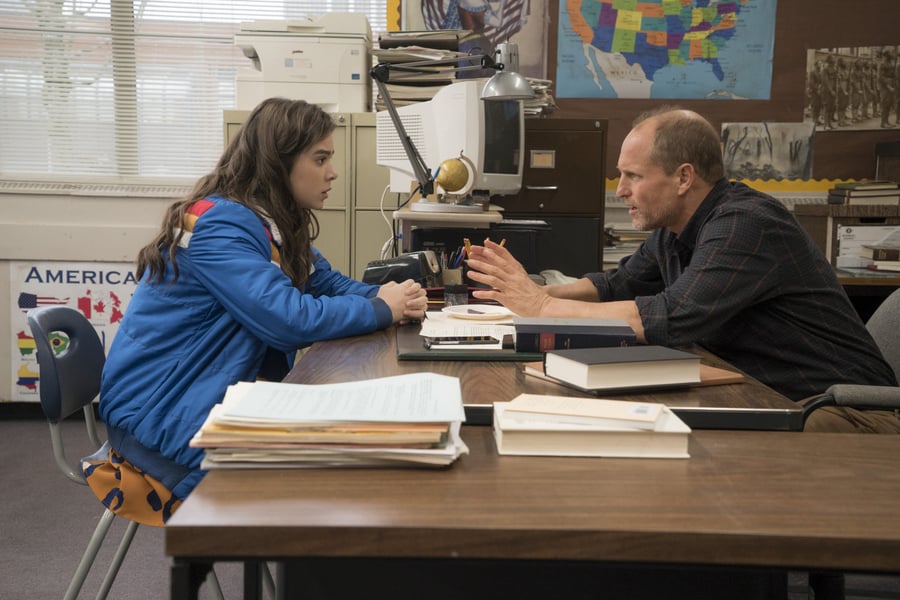
A wonderful, witty teen comedy—possibly the best the genre has known in a long time! In a powerhouse performance, Hailee Steinfeld plays Nadine, a high school junior at peak angst and awkwardness. Her roller coaster journey through family, friends, lovers, or lack thereof, gives her that all-too-common impression for people her age that life is unbearable. Things get more complicated when Nadine’s dad passes and her only friend hooks up with an unexpected person. Her temperament and humor will help her see past her demons to understand what’s important in life, putting you in privileged spectator mode to this highly smart and exciting coming-of-age story.
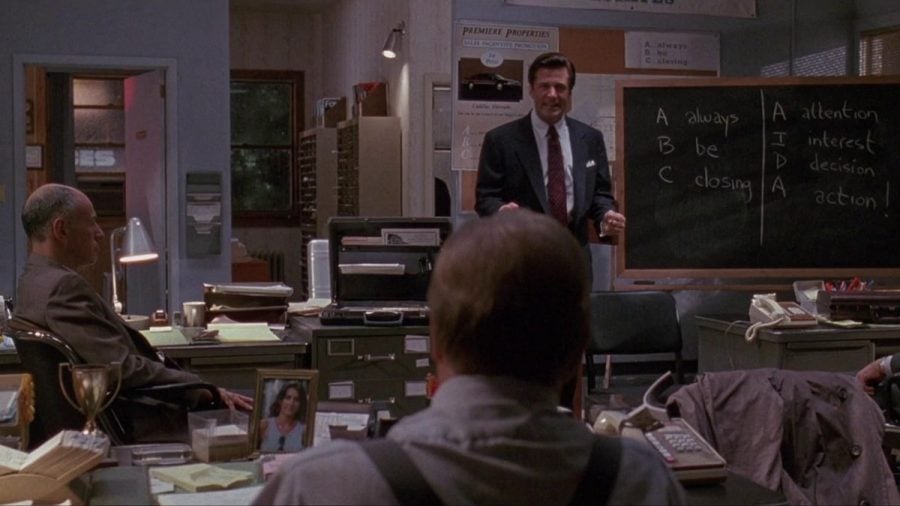
Al Pacino and Alec Baldwin are part of the ensemble cast that is one of two things that make this movie so great. The second is dialogue, profane, harsh, yet hilarious dialogue. A motivational agent (Baldwin) is sent to a real estate agency with the goal of improving sales. His approach is simple: everyone but the top two salesmen will be fired within one week. All of them are provided with prospective clients, most of which have no interest in buying real estate.The amazing script is adapted from a Pulitzer Prize and Tony award winning play by David Mamet. If you’ve never seen it, drop everything and go watch it, and if you’ve already seen it, you should go watch it again.
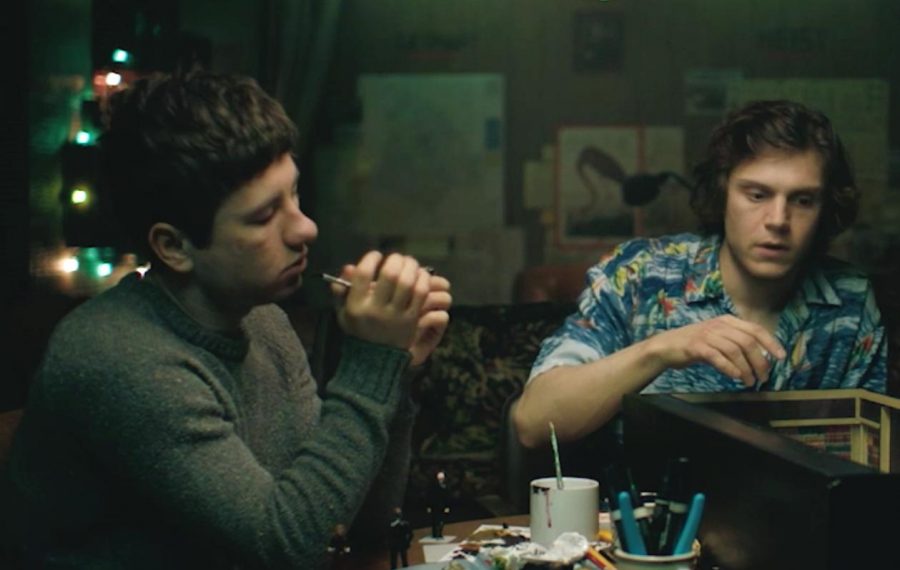
This crazy heist movie is told in a very original way. Because it’s based on a true story, the movie (with actors and a story) is sometimes interrupted by the people it’s about. The opening scene even reads: “this movie is not based on a true story, it is a true story”. Two friends decide to rob their local library from rare books worth millions. They’re driven by money but also by wanting something different than their monotonous everyday lives in Kentucky. The need for a change is a big theme in this movie, but the story and the way it’s told never cease to be breathtakingly thrilling. American Animals stars amazing actors like Barry Keoghan (Dunkirk), Evan Peters (Kick-Ass), and many more; but perhaps equally as notable is the director: Bart Layton, who is fresh from his amazing 2012 sleeper-hit The Imposter.

Three half-Puerto-Rican, half-white boys grow up in suburban New York in this personal movie shot on stunning 16mm film.
This movie follows the boys, often literally with the camera behind their backs, as their parents’ relationship goes through turmoil. The kids are often left unattended and have to fend for themselves. The beauty of We the Animals is illustrating how they grow-up swinging between the angry character of their father and the protective nature of their mother.
This is one of the best movies I’ve seen in a long time, and I think I loved it so much because I was able to relate and feel for the main character (one of the boys). I really hope you will too.
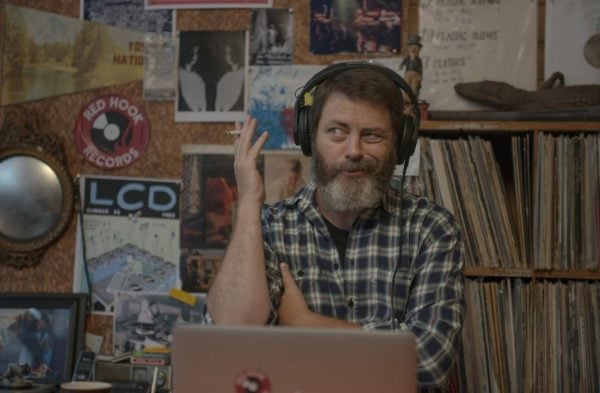
A sweet feel-good movie starring Nick Offerman as a dad who has to deal with his only daughter leaving for college and his record store struggling. The daughter is played by Kiersey Clemons who you might recognize from the show Easy. And Ted Danson has a great role too. This is a relatable and heartwarming movie, one of the best the so-called “indie” genre has known in a long time.
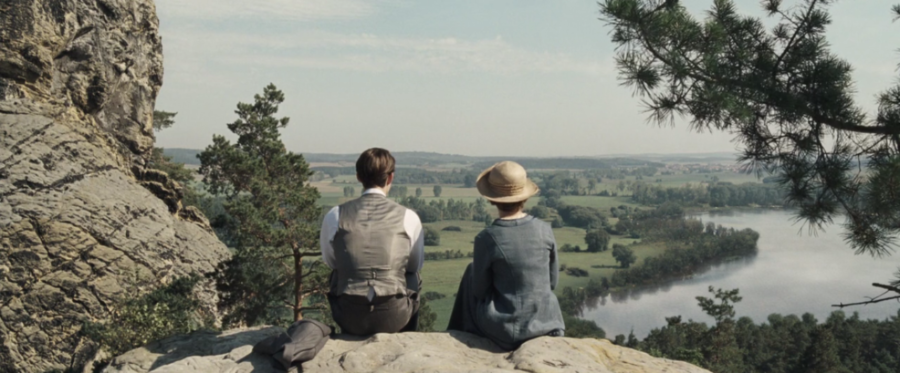
It’s always fun to watch something that makes you second guess each move, that shifts seamlessly from one thing to another. Frantz is that kind of film, and as the deceptively simple premise unfolds—a widow befriends her late husband’s friend—you’re never really sure if what you’re watching is a romance, a mystery, or a sly combination of both.
It helps that Frantz is also more than just a period piece, packed as it is with tiny but thoughtful details. When it is filled with color, for example, it does so in the muted palette of 1900s portraits, making each shot look like a picture come to life. When it talks about love, it goes beyond heterosexual norms and hints at something more potent and, at times, political. And when it takes a swing at melodrama, its actors ground the moment with enough restraint and reserve so that it never teeters on excess. All this results in a well-executed, gripping, and overall lovely film to watch.
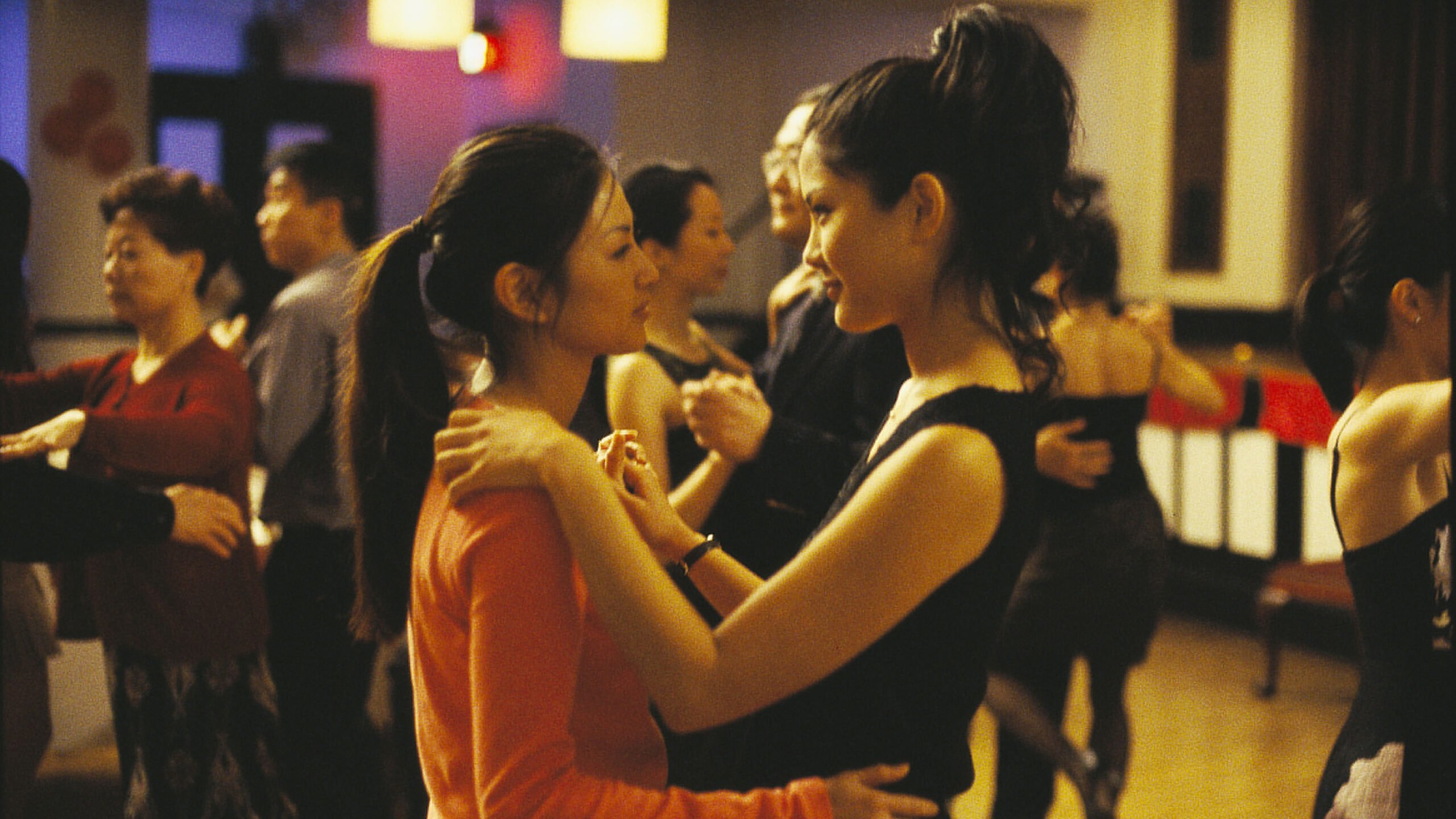
Before the late 2010s push for more Asian American and lesbian cinema, there were movies already making strides toward better representation. One of the first to achieve this was Saving Face. Despite this film being the first feature for writer-director Alice Wu and actress Lynn Chen, and the first lead role for Michelle Krusiec, the three women lead the film with ease. Wu’s clear mastery of rom-com and family drama tropes directs us through some predictable moves, but with unpredictable twists. Krusiec and Chen’s Wil and Vivian are easy to root for with their striking chemistry, but at the heart of this film is Wil’s relationship with her mom Hwei-Lan (Joan Chen). Their dynamic—expressed through passive-aggression, bilingual bickering, and their need for the other’s honesty—turns this easygoing rom-com into a light yet cathartic family drama.
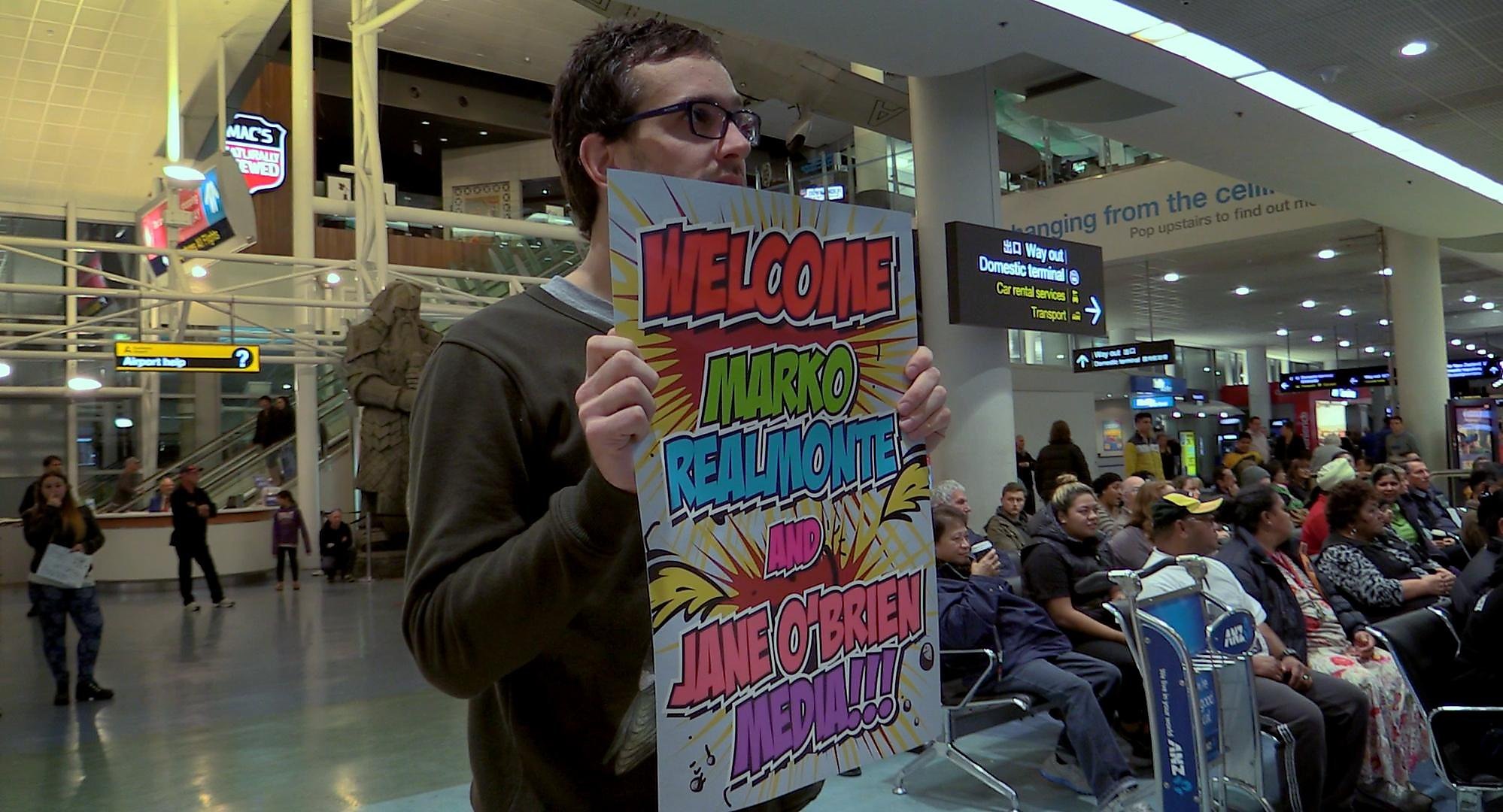
There’s more than a touch of Louis Theroux to this engrossing documentary — fronted by New Zealander pop-culture journalist David Farrier — about an innocuous-seeming Internet phenomenon: the actually-sinister subculture of “competitive endurance tickling”, in which young men undergo “tickle torture” for money on camera. When Farrier unassumingly requests an interview with an American producer of tickle content, it kickstarts a bizarre campaign of harassment and opens up a rabbit hole of unbelievable twists and turns. The wild places this documentary goes are best left as unspoiled as possible, but it’s no spoiler to say this emerges from its seemingly lighthearted premise as a deeply unnerving story about money, power, sex, and shame in the Internet age.
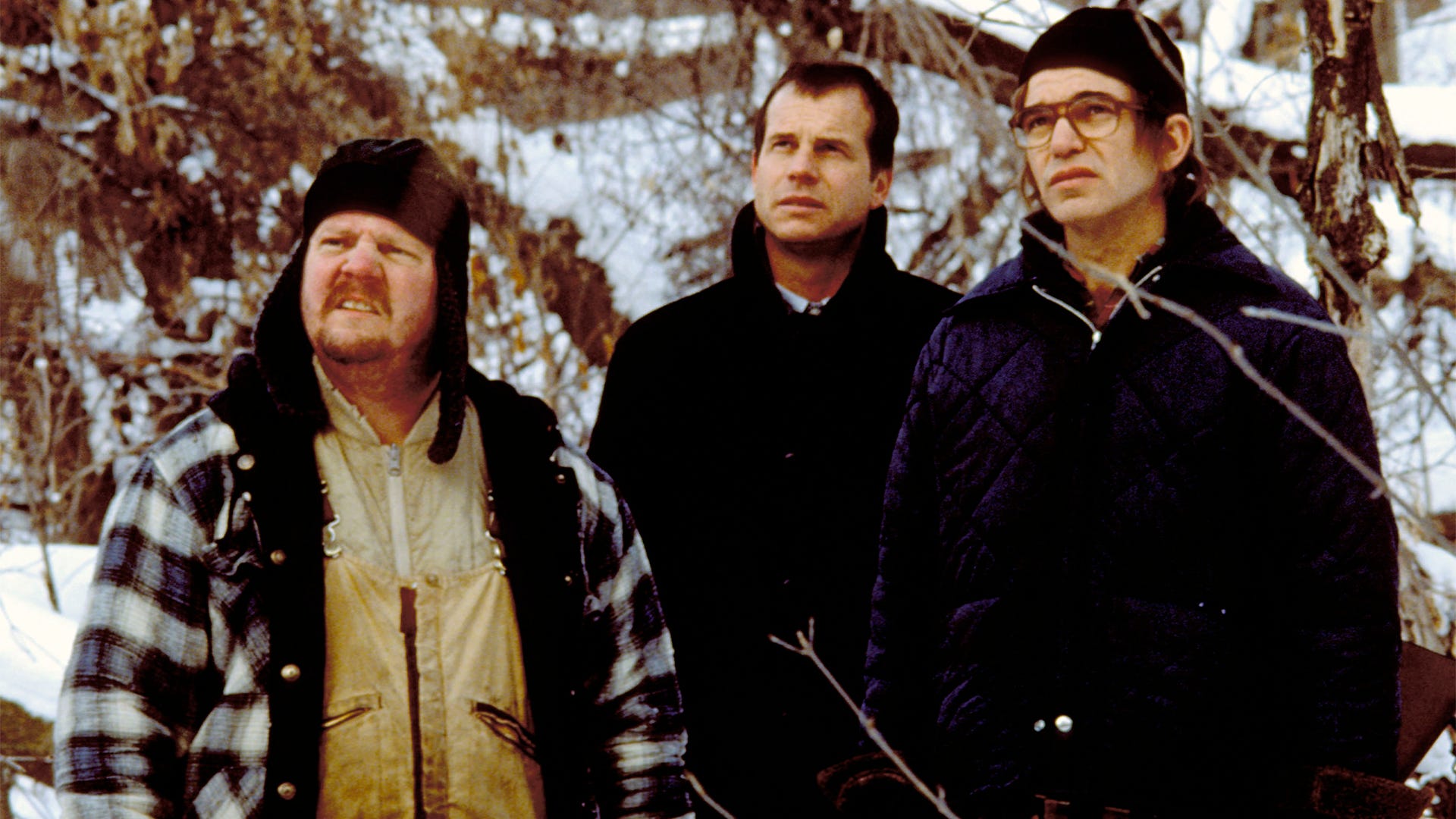
A Simple Plan, directed by Sam Raimi (The Evil Dead, Spider-Man) is a psychological thriller that follows two brothers and a friend who stumble upon $4 million in a crashed airplane. Initially agreeing to return the money once winter is over, they start to argue among themselves and get paranoid about being found out, eventually resorting to lies, deceit, and murder. The film, which stars Bill Paxton (Aliens) and Billy Bob Thornton (Fargo, Landman) as brothers, twists into horrifying turns, each one revealing a dark truth about what humans can do when shoved into desperate circumstances. Thorton was rightfully nominated for an Oscar for his role as the weak-link brother, while writer Scott B. Smith was nominated for an Oscar for adapting his novel of the same name for this film’s script.
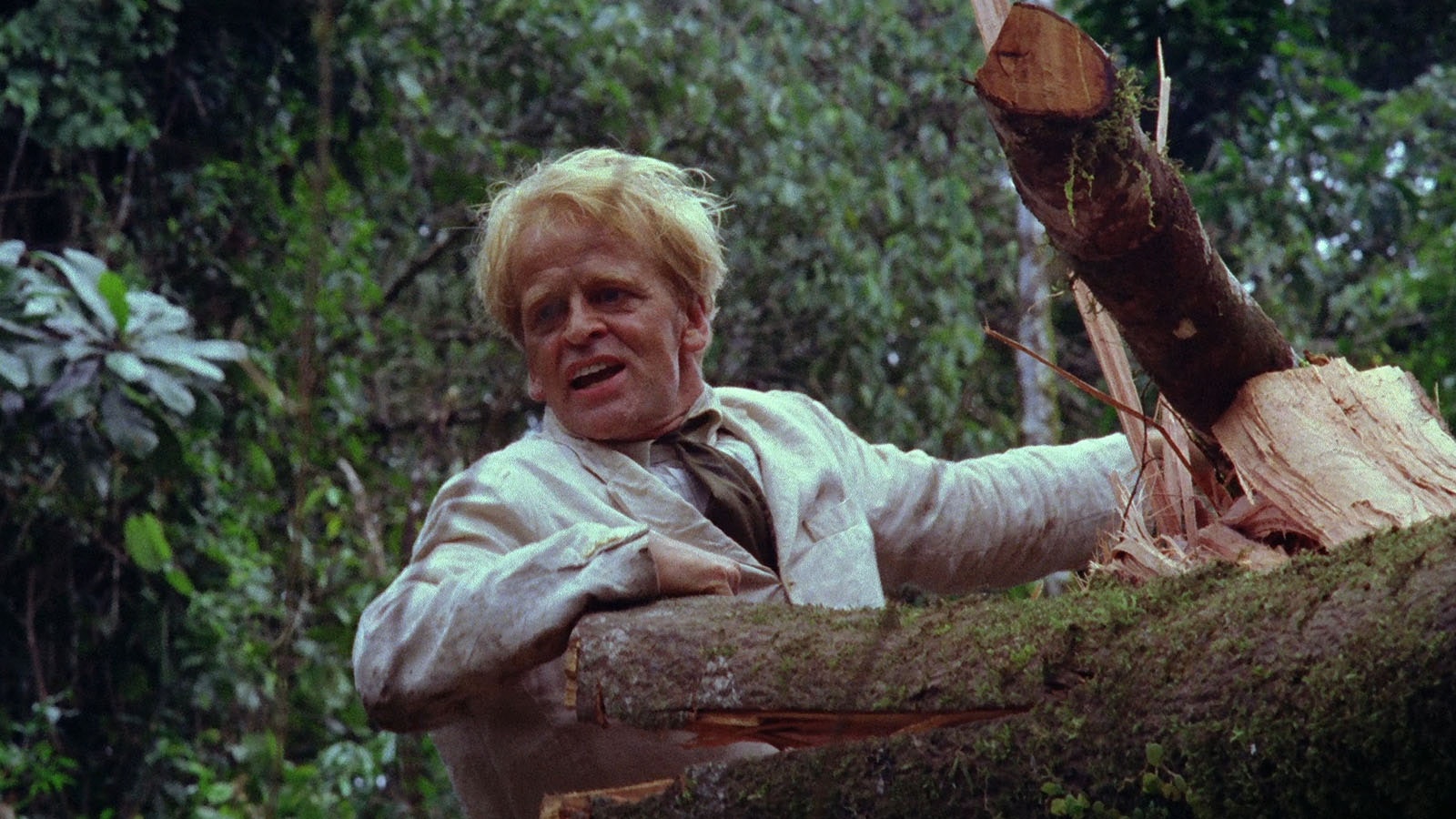
There are plenty of films about dreamers, but none as wild and wacky as Fitzcarraldo. The film follows the titular opera-loving foreigner, who’s obsessed with creating an opera house in the middle of a jungle, and tries to get the funding for it throug the rubber business. It’s a pretty wacky premise, and a pretty wacky tale, but it’s the perfect film to challenge famed eccentric auteur Werner Herzog, who got a 320-ton steam boat hauled into the Amazon, had multiple recasts due to illness, and had conflict with leading man Klaus Kinski so tense that assassination was offered by one of the extras, among other troubles. Strangeness aside, Fitzcarraldo proved to be an audacious, operatic epic, garnering numerous nominations for the Palme d’Or, Golden Globes, and the BAFTAs.
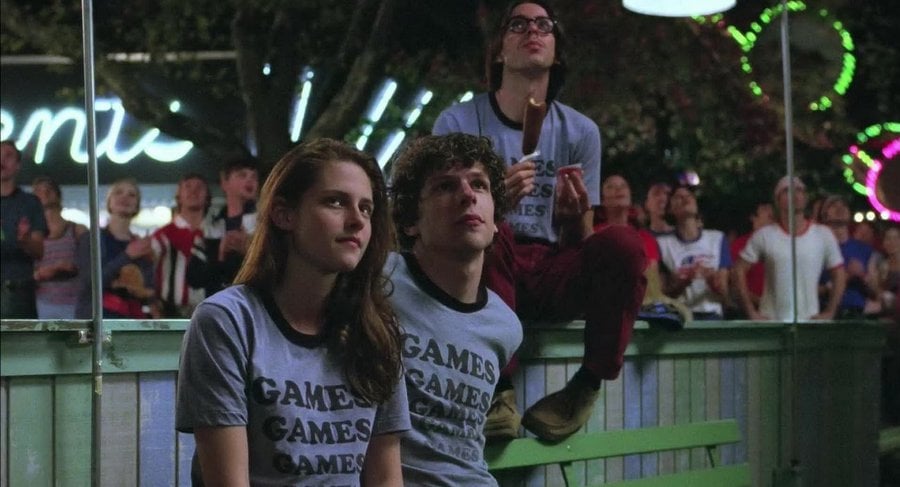
Adventureland is a retro-tinged movie about teens in Pittsburgh working at a run down amusement park during the summer of 1987. It is marketed as similar to Superbad, when in fact the only thing they have in common is the Director. Adventureland is funny, but it is more sweet, tender, and intimate. Touching on themes of unrequited love, returning home, and small-town love, the film stars Jesse Eisenberg, Kristen Stewart, and the always-delightful-duo of Bill Hader and Kristen Wiig. In addition, the film’s soundtrack is a joyous blast from the past, running the gamut of all your favorite 1980’s synth-happy love songs. It is a movie that anyone can really relate to, no matter when they were born, and an amazing watch.
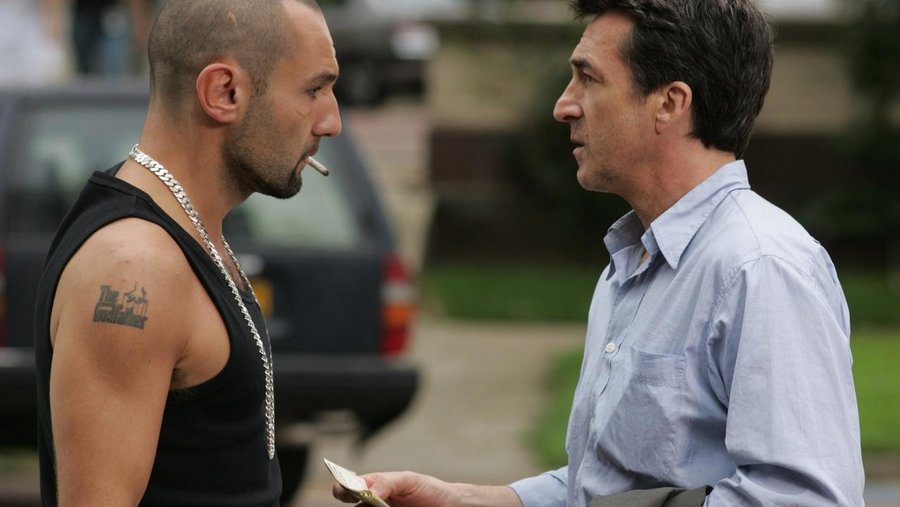
Francois Cluzet, who you may remember from The Intouchable, plays a man whose wife is killed and is accused of murdering her. To make matters even more confusing, signs that his wife is actually still alive surface. This well thought out thriller is at all times the furthest thing from boring and has, among other great components, well crafted chase scenes as the protagonist looks for 8 years of unanswered questions.
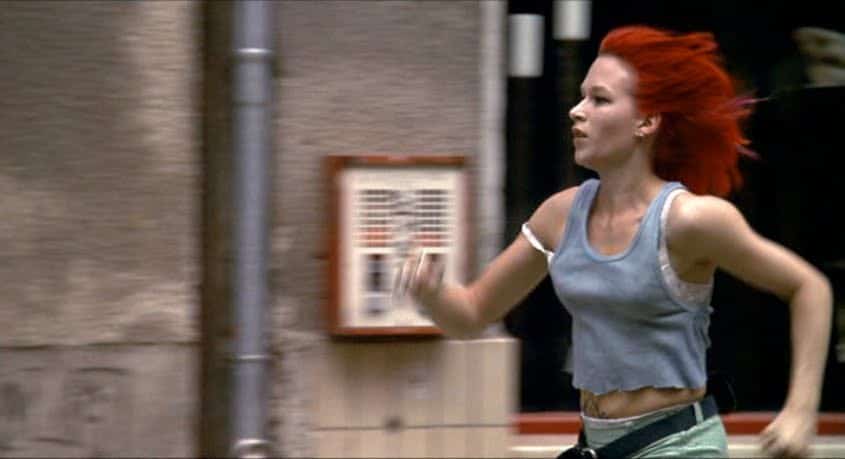
An offbeat film with a more than decent amount of suspense. To that it adds really good music and unexpected animation, to make for a very audacious, interesting and mostly fun film. It uses all this to show how life can change in a twist and how it can be influenced by weird connections of otherwise unrelated events.

A popular chef loses his job and respect after a bad review. He ends up with a food truck and tries to show the world he still has his creative side, while at the same time trying to fix his broken family. Chef is a heartwarming feel-good movie, after you finish it you will want to cook, love your family, travel, and spread the love. One of my favorite movies, I see myself happily watching it again numerous times.

This is Kristen Stewart’s proof that she is more than a lip-biting, vampire-loving teenager. Reactive and emotive, she will not disappoint you here. Rather, expect an electrifying and exceptional performance. Paired with Payman Moaadi, they both make of this work an emotionally poignant movie that questions the notion of freedom in the unlikeliest of places: Guantanamo Bay.

A sincere portrayal of the gritty British working class life through the coming-of-age story of a girl who loves rap music and dancing to it. It features a stunning and powerful performance from newcomer Katie Jarvis who had no acting experience whatsoever, and who was cast in the street after she was spotted fighting. She plays Mia, a 15 year old teenager whose world changes drastically when her mother’s new boyfriend (played by Michael Fassbender) turns his eyes to her. Don’t watch this movie if you are looking for a no-brainer, definitely do watch it if you are interested in films that realistically portray others’ lives and let you into them.
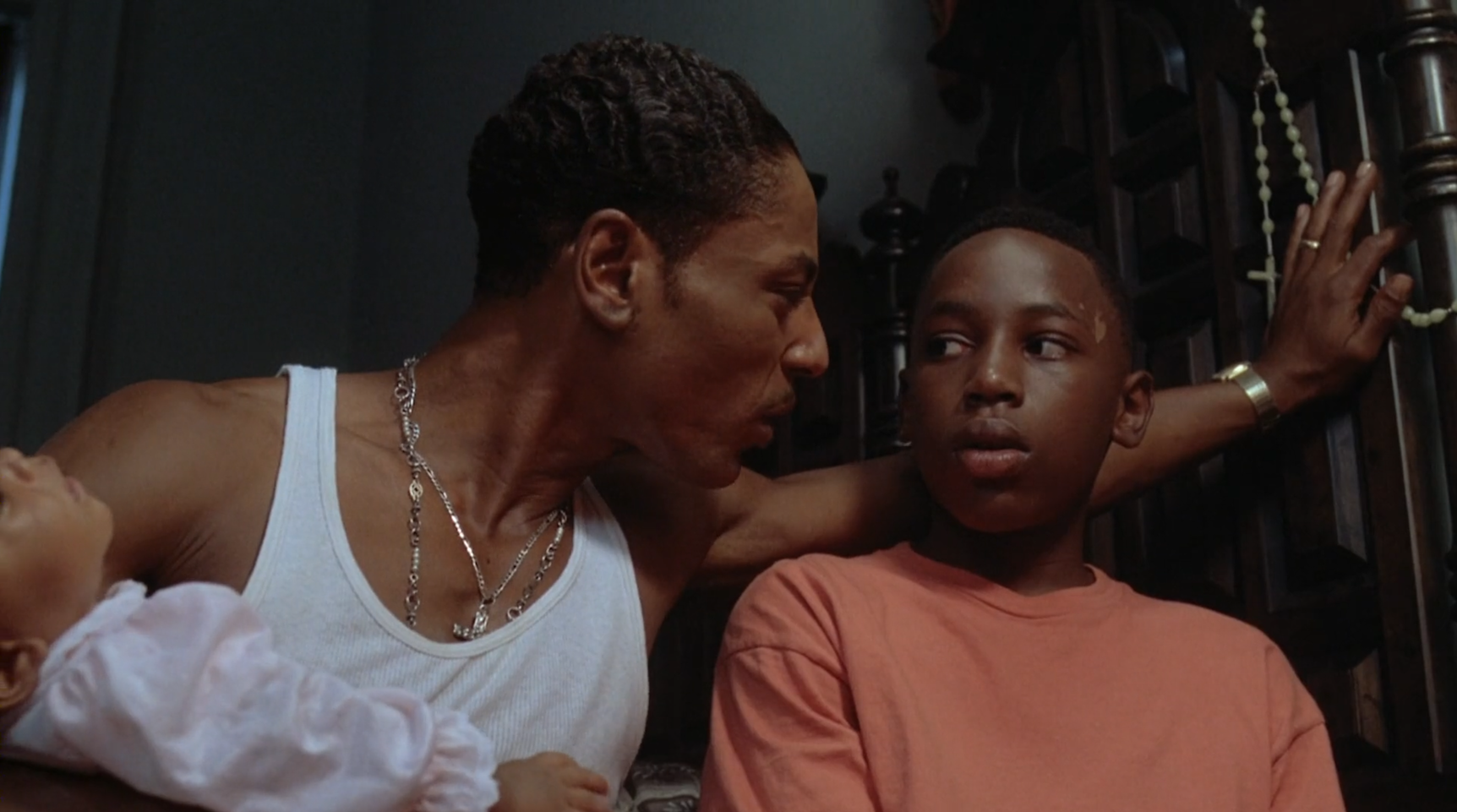
Filmed with a perfect blend of realism and embellished style, Fresh is a coming-of-age story set in the poverty of the New York City projects, wherein the protagonist “grows up” only by learning to become dangerous and losing his sense of self. There’s no satisfaction in watching 12-year-old Michael (or “Fresh,” as he’s called) use his supposed innocence as a tool to manipulate his way to a safer position. The system continues to reign supreme and Fresh only buries himself into a deeper hole. Boaz Yakin’s direction is direct and expressive, the city stirring to vibrant life in every scene, and the tremendous performances from Giancarlo Esposito and a then-teenage Sean Nelson drive home the tragedy with full force.
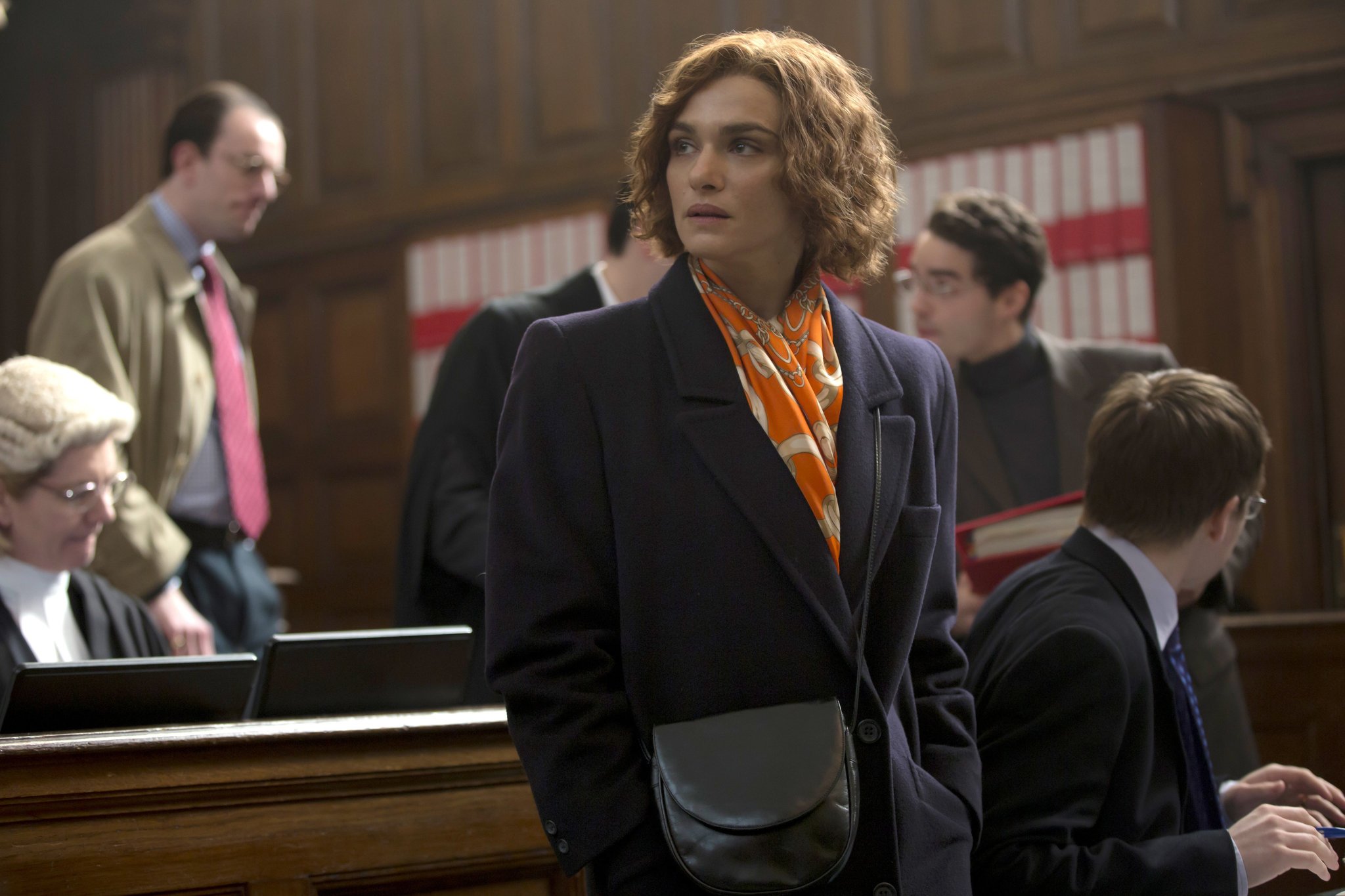
Here’s a based-on-a-true-story courtroom drama that transcends the limits of its genre by virtue of an incisive and unexpectedly prescient script. Twenty years before 2016 sent us hurtling through the looking glass and into a post-truth era, the idea that you could deny the facts as you pleased teetered terrifyingly on the brink of legitimacy when author David Irving (a suitably odious Timothy Spall) brought a UK libel suit against Deborah Lipstadt (Rachel Weisz), an academic whom he claimed had defamed him for calling him exactly what he was: a Holocaust denier.
The case was complicated by the fact that, at the time, the UK placed the burden of proof on the defendant — in other words, Lipstadt’s hotshot legal team needed to prove that the Holocaust happened and that Irving had wilfully misrepresented evidence demonstrating this. Denial captures that terrifying farcicality and the defense’s cleverly counterintuitive strategy: not allowing Lipstadt or Holocaust survivors to speak. If that sounds unsatisfying — this is the rare courtroom drama with no grandstanding speech from the protagonist — that’s the point, something the film’s title cleverly alludes to. Perhaps unexpectedly, Denial’s relevance has ballooned since its release, a fact that might hobble its hopeful ending but that only makes the rest all the more powerful.
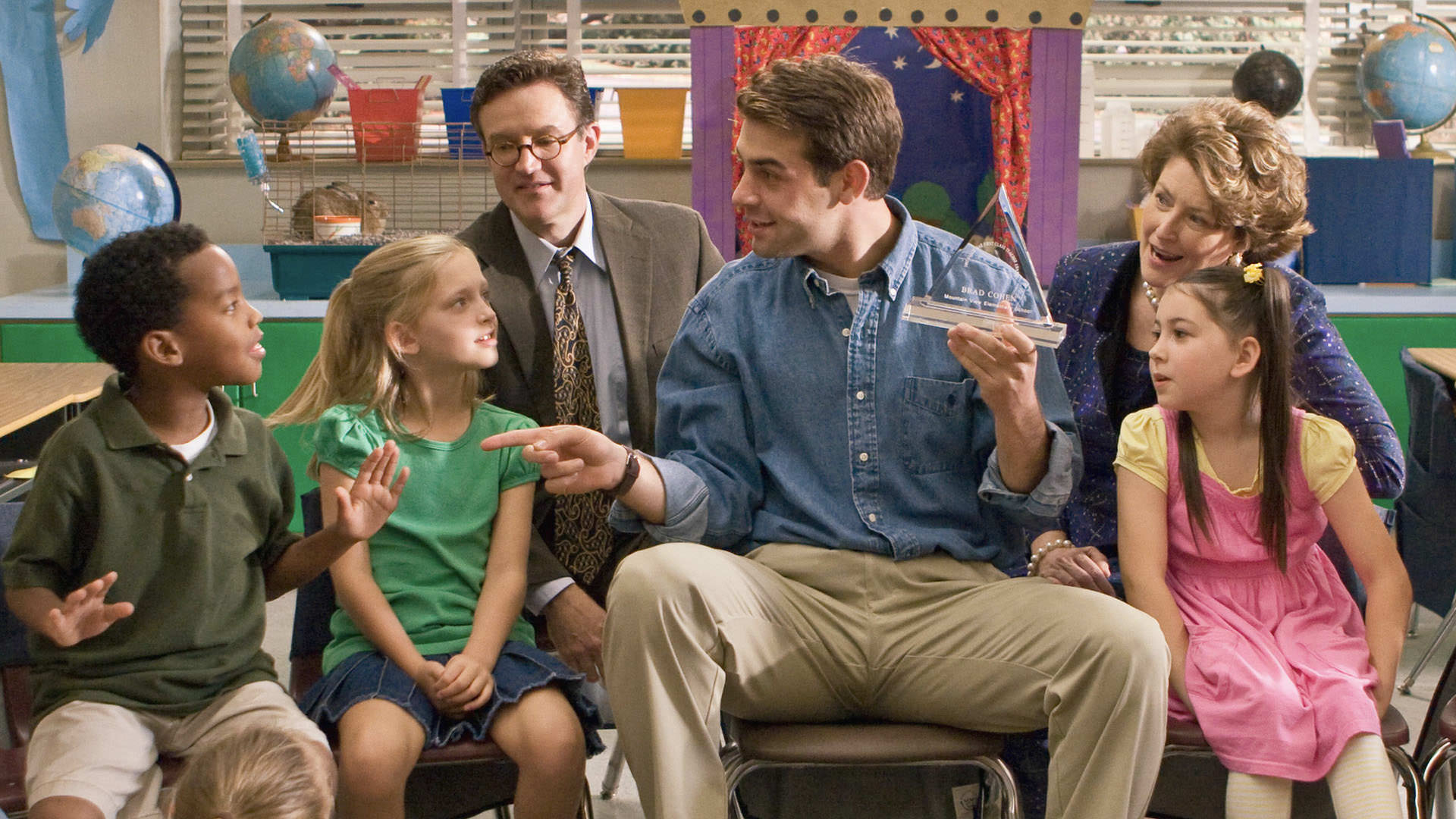
Front of the Class tells the true story of Brad Cohen (James Wolk), a teacher with Tourette Syndrome hoping to complete his masters. Brad battles through his disability while also learning to accept it and even inspire his young students, friends, and family along the way. As Hallmark movies goes, Front of the Class follows familiar beats and occasionally gets too sappy, but all is forgiven thanks to Wolk’s generous and sensitive performance. He carries the film by balancing pain with passion, and his dedication to succeed and have others accept him is nothing less than inspiring. It’s not as gritty as the other disability films, but it is one you can watch easily with the family.
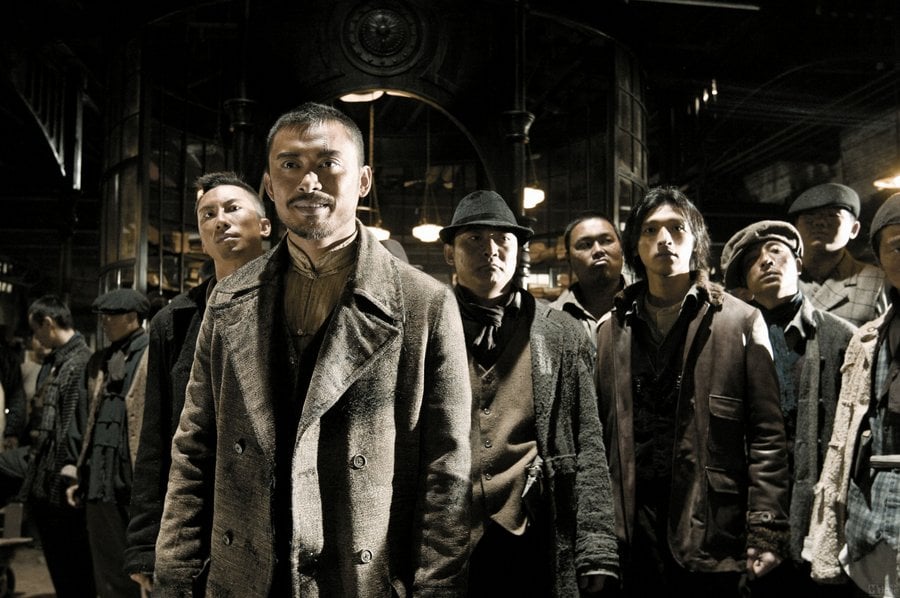
It’s been acclaimed as one the best Kung Fu movies ever made. You are probably wondering why this contemporary movie made that short list when its genre had its peak decades ago: it is visually striking and at the same time surprisingly story-oriented. As you would expect of course, there is quite a fair amount of action scenes, but the characters are also brilliant which is very uncommon in this type of movie. It is an exciting movie, and worthy of any compliment or good rating it may get.
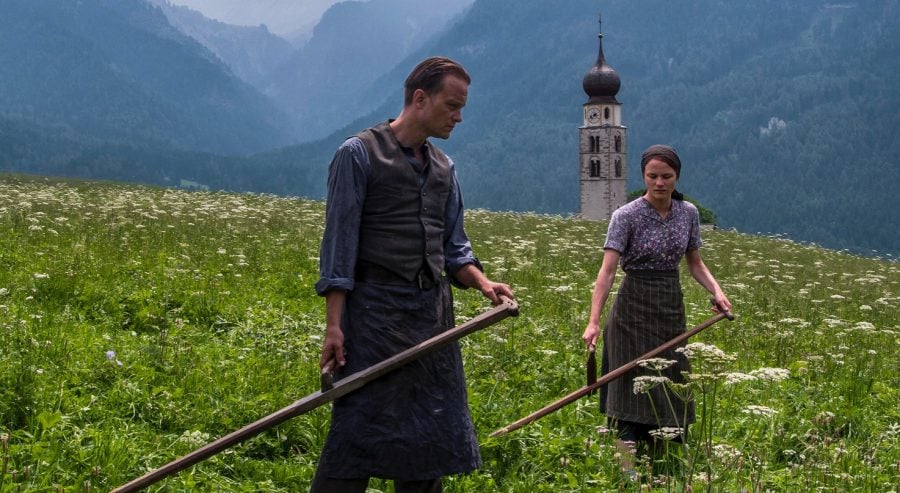
Terrence Malick (The Tree of Life) is back in full form with this three-hour movie based on a true story. His creation has one of the most beautiful depictions of happiness ever seen in film, portraying the simple yet joyous life of a farmer in the Austrian mountains. You’d have to see it for yourself to understand, but how Malick depicts this character’s love for his wife (and her love for him), their children, and even their farming rituals are nothing short of cinematic wizardry.
This peaceful existence changes when World War 2 intensifies and this farmer is called to serve for the Nazis. He refuses to enroll out of principle and puts himself and his family at great danger and alienation from their village. The question at the center of the film is one that other villagers and the church ask him a lot: what good can his actions do? And the title of the movie is taken from A George Eliot quote: “The growing good of the world is partly dependent on unhistoric acts; and that things are not so ill with you and me as they might have been, is half owing to the number who lived faithfully a hidden life, and rest in unvisited tombs.”
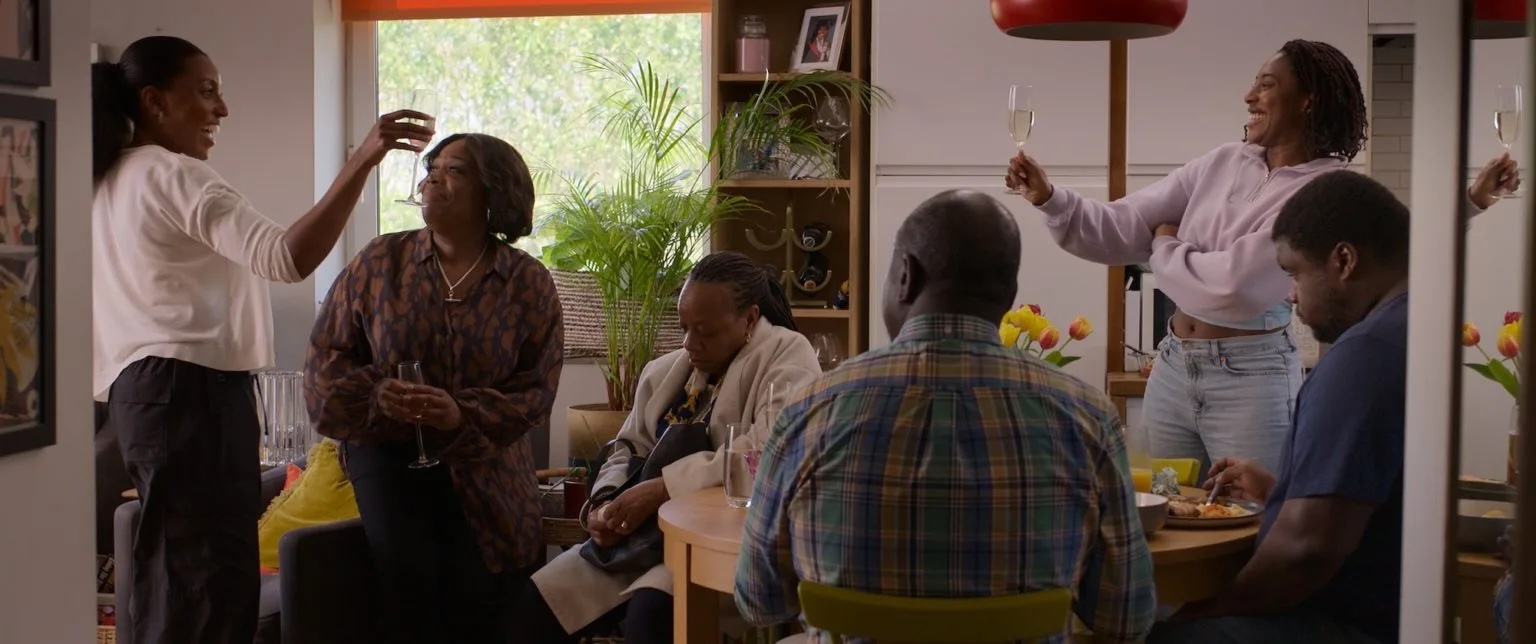
Hurt people hurt people, the saying goes, and nowhere is that more evident than in Hard Truths. Directed by Mike Leigh (Secrets & Lies, Vera Drake, Happy-Go-Lucky), Hard Truths follows two sisters who couldn’t be more different. One is Chantelle, a cheerful hairdresser who has raised equally ebullient daughters, and the other is Pansy, a hardened woman who lashes out at everyone from her family to the people queuing up in the grocery. Pansy is brutal, the sort of person you’d roll your eyes at if you were unlucky enough to encounter her in public. But Leigh gives us a glimpse into her internal struggle; nothing too obvious, as is the naturalistic director’s style, but we feel her pain whenever she goes out of her way to avoid the people closest to her, or when she savors a moment alone and hides her tears. There is no linear plot in Hard Truths; instead, it’s a collection of lived moments and ordinary joys and sorrows. It’s also a welcome reflection of our fractured reality. Loneliness, grief, anger, anxiety—these feelings are often inexplicable, and they come out of us in ways that are never immediately understandable or direct. So why should Pansy be? The film is an exercise in sympathy as well as a mirror to our own complicated and invisible hurt.
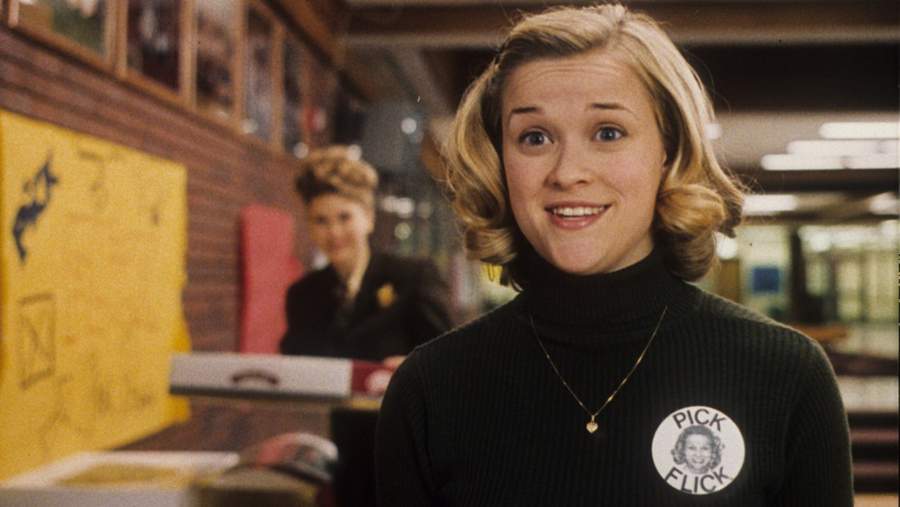
Starring Matthew Broderick and a young Reese Witherspoon as, respectively, Jim McAllister, a high school teacher and Tracy Flick, a notorious ‘that girl’ in his class. When Tracy decides to run for class president, we see the floodgates open as all sorts of bizarre and insane behavior pours out of the two. Quickly, it becomes clear that Tracy will do nearly anything to win, and as circumstances spiral out of control, madness descends – along with hilarity!
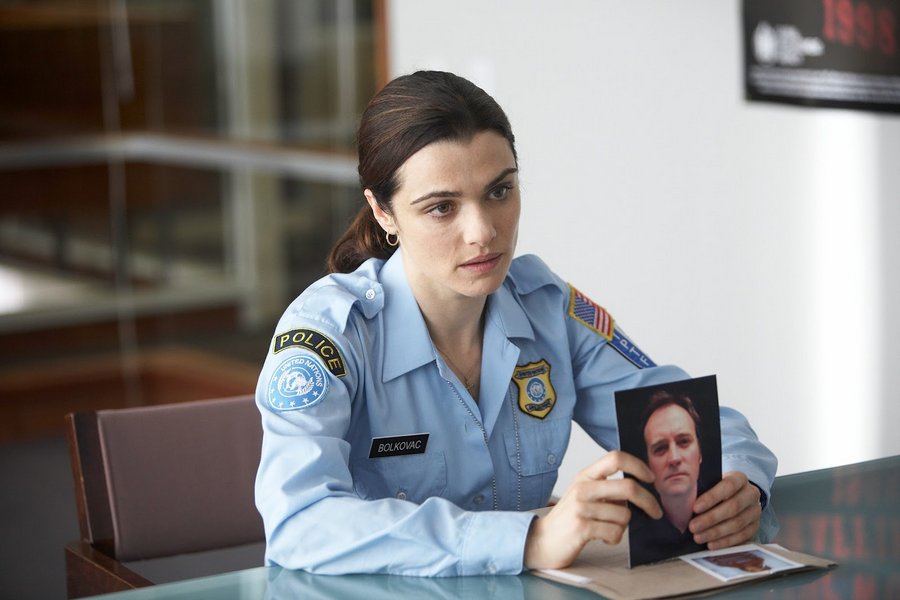
Based on a true story, The Whistleblower is the biography of a once Nebraskan police officer who volunteers for the U.N. peacekeeping mission in post-war Bosnia. Once there, she uncovers a human trafficking scandal involving peacekeeping officials, and finds herself alone against a hostile system in a devastated country. Rachel Weisz plays the whistleblower in a powerful lead role, but the true star of the movie is its director, Larysa Kondracki, who thanks to near documentary-style film-making delivers a perfectly executed political thriller with utmost authenticity.

What’s great about this highly inventive film is that it doesn’t look like it was shot through three iPhone 5s. Instead of using shaky cameras and static shots, Tangerine glides us through saturated, orange-toned scenes that evoke the Los Angeles sunset. Launching director Sean Baker into prominence, Tangerine is an innovative film that, at heart, is a nuanced comedy about the trans sex worker community. Newcomers Kitana Kiki Rodriguez and Mya Taylor run the show, and their performances create a vivid, electric drive that powers the whole movie. But it’s the quieter moments, the moments after betrayal, the moments of recovery, that make this movie truly special.

Not to be confused with the American cop thriller with the same name, Shōhei Imamura’s Black Rain is about the atomic bomb, but it’s not really concerned about nuclear warfare. Sure, the film opens with gruesome shots of the day the bomb dropped, not sparing the viewers from the gore and the titular nuclear fallout, that in black and white looks the same. And yes, much of the conflict occurs because of the lingering effects of the radiation. However, Imamura is much more concerned with the way Japanese society had tried to deal with it through going back to tradition– through going through the motions of matchmaking and propriety and social status and through excluding those who suffered directly from the bomb. Black Rain has a singular perspective, one that stands out due to the country’s denial of war crimes.
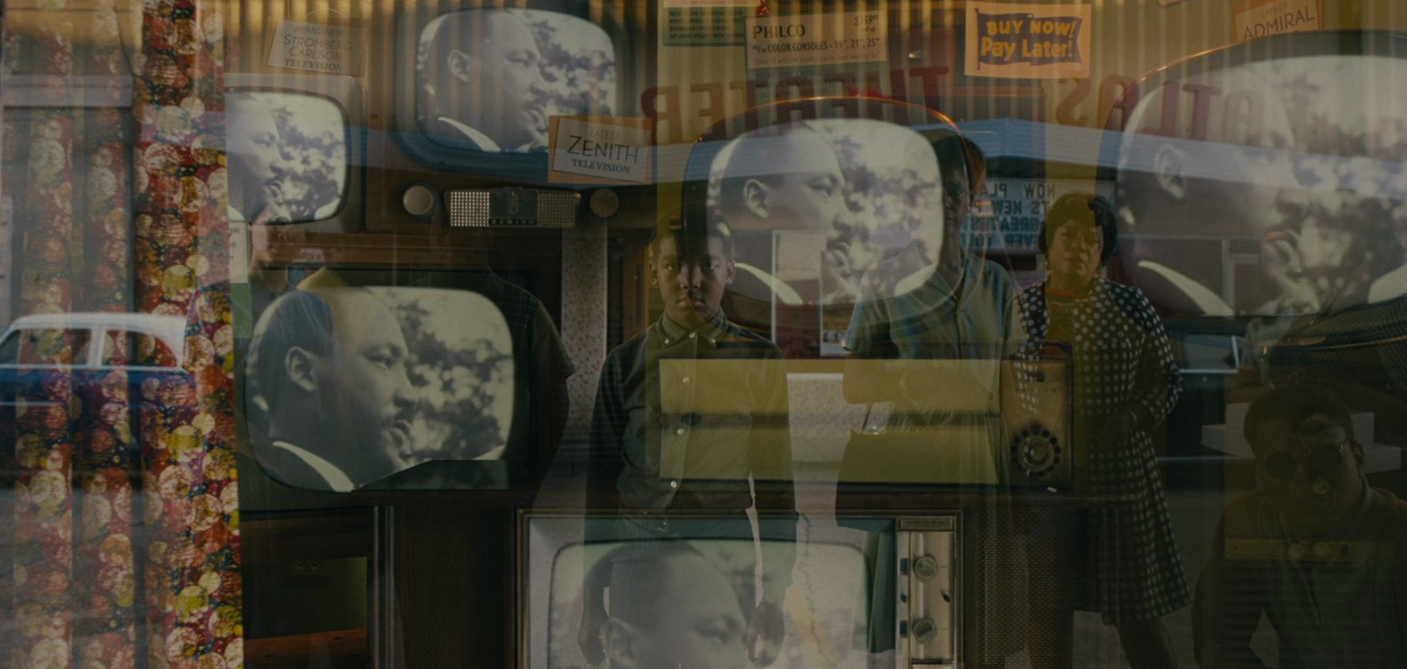
The first things that grab your attention in Nickel Boys are its beauty and technicality. Director RaMell Ross, a large-format photographer, ensures every frame relays something deep, intimate, and moving. Then there’s how he takes these shots: we see things unfold through the POV of Elwood and Turner, students at an abusive reform school in Tallahassee, Florida. The year is 1962, and even though the civil rights movement inspires Elwood and his peers to stand up for themselves, the political climate is as skewed and violent as ever. Nickel Boys tells the unfortunately common story of how Black men, in particular, had to endure unimaginable abuse during the Jim Crow era in the South. What is uncommon, though, is the sensitivity and boundless inventiveness with which Ross tells this story. Yes, violence is unavoidable in a story like this, but Ross swaps trauma porn with something more effective and chilling—a mixture of silence, archival photographs, time jumps, and that immersive POV, which forces you to be in Elwood and Turner’s shoes. The world before them may be brutal, but inside, they hold space for beauty, fun, relationships, and wonder, manifested in the film in dreamy visual sequences. What Ross does is art in the highest form, an unforgettable balance between style and substance.
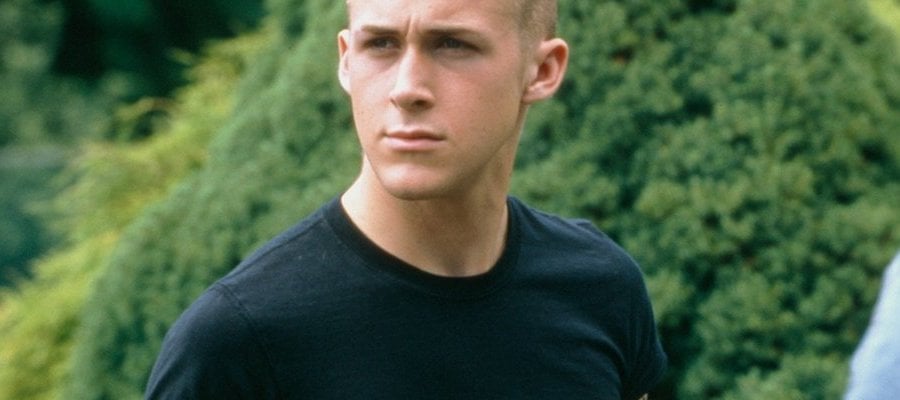
Ryan Gosling plays a Jewish Neo-Nazi in this extremely riveting window into the definition of inner conflict. It is a prime example of how character development should be done and it put Gosling on the map for me. He starts out as an exemplary student in Hebrew school until he starts questioning his teachings and exploring alternative ideologies, leading him to the neo-Nazi movement. Won the Grand Jury Prize at Sundance
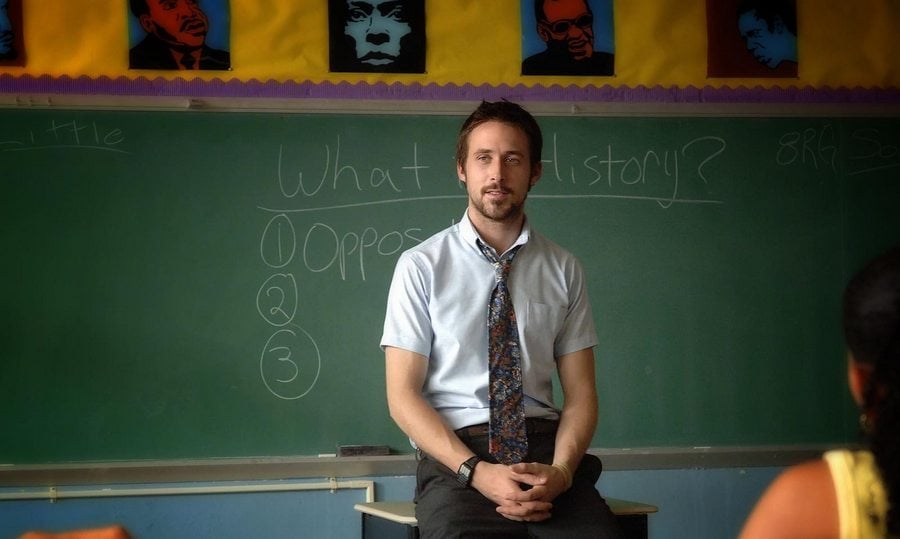
The self destructive, substance abusing history teacher Dan (Ryan Gosling) works in a Brooklyn middle-school and is constantly at odds with the curriculum, preferring to teach 13 year old kids Marxist theory in class. Meanwhile, his student Drey (Shareeka Epps) has to go through struggles of her own, her brother being in jail on drug charges and her single mother having to work long hours to make ends meet. Slowly, an unlikely and tender friendship between teacher and student evolves, in which it becomes less and less clear who of them is the adult part. Steering away from cliches, Half Neslon is not your typical social drama. Its intelligent plot twists, great cast (with outstanding performances by both Gossling and Epps) and slow, non dramatic storytelling makes this a highly underestimated movie that, although treating depressive topics without any easy relief for the viewer, will leave with an inner smile, albeit a sad one.
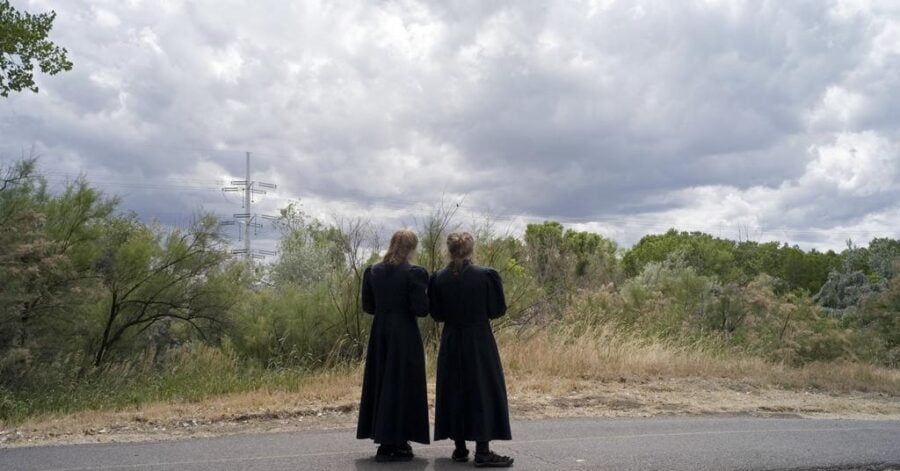
Prophet’s Prey is a documentary on the sect known as Fundamentalist Latter-Day Saints and its leader, Warren Jeffs. Claiming to have inherited a direct connection to God, Jeffs has used this pretext to control a closed society of thousands of individuals on a shockingly personal level, as well as marry dozens of underage girls and harvest the community’s financial resources on behalf of “the church.”
The subject is deftly handled by filmmaker Amy Berg (Deliver Us From Evil). Here she presents most of the story via interviews with the people whose tenacity was instrumental in exposing Jeffs. Woven throughout the film, too, is the haunting, disembodied voice of Jeffs himself, in recorded words to his followers, along with film footage of present-day FLDS communities. What emerges is the picture of a terrifying madman who still wields a disturbing amount of power over thousands of active congregants. Absolutely riveting.
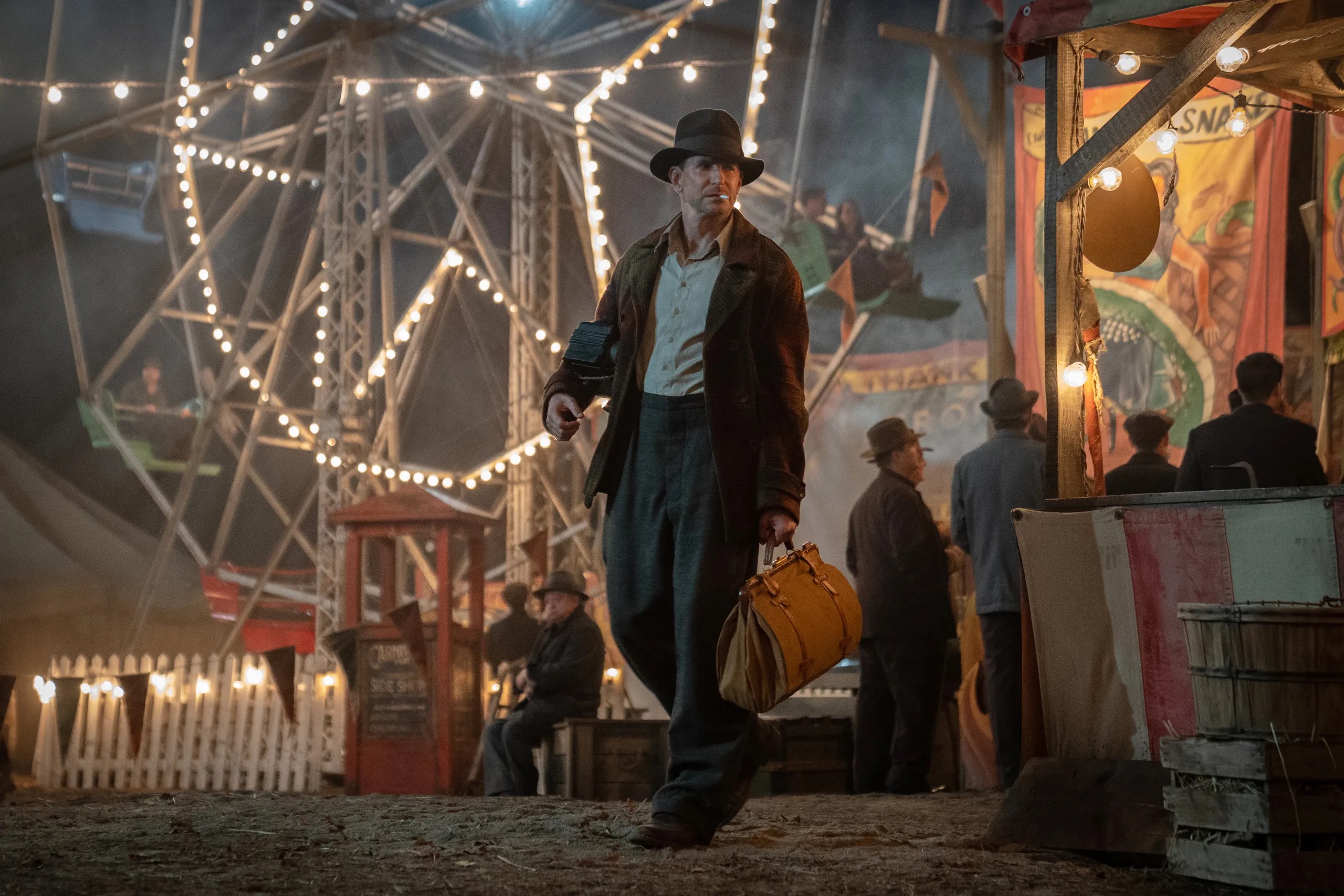
Wise, superbly acted, and gorgeously put together, all of these apply to Nightmare Alley. In a world where remakes are more in vogue than needed, Guillermo del Toro shows us how it’s done. A sumptuous tale of a man’s rise and fall guarantees some spectatorial pleasure, but having both Bradley Cooper and Cate Blanchett in the same film (plus unsung genius Toni Collette and all-round-favorite Willem Dafoe) pushes us into talent overload, in the best possible way. In addition to its thrilling plot and studded cast, Nightmare Alley is also psychologically literate enough to make a carnival out of the human soul. It’s no surprise that in 2022, it got four Oscar nominations, including Best Picture where it certainly would have had my vote.
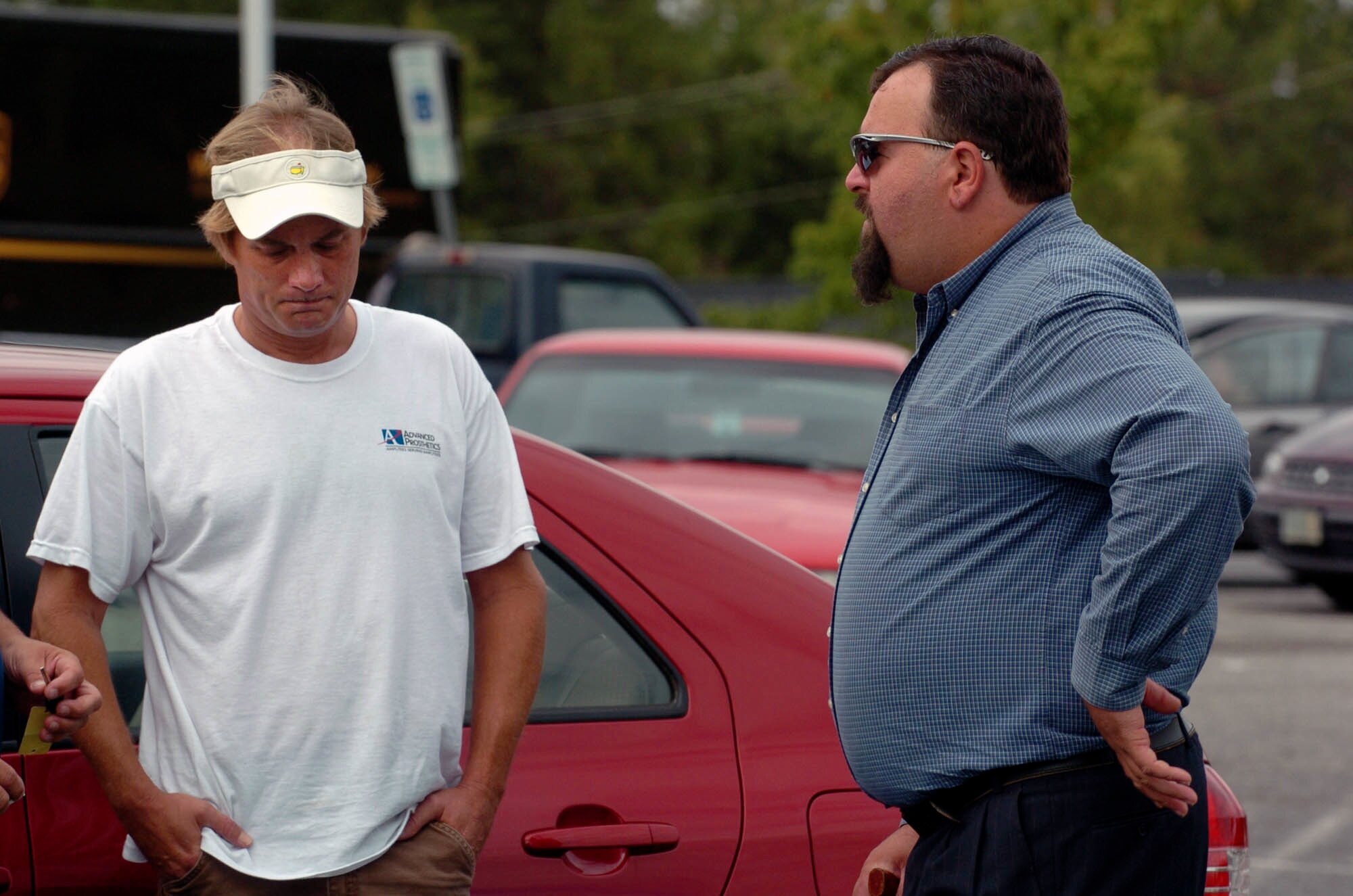
A wacky viral story — the kind that gets played for laughs at the end of news broadcasts — gets uncommonly deep consideration in this documentary gem. That’s not to say that Finders Keepers ignores the surreal comedy of the situation that John Wood and Shannon Whisnant, two star-crossed North Carolina men, found themselves in in 2007: battling over the custody rights of John’s mummified amputated leg. The humor in this bizarre tale and all the myriad eccentricities of its real-life characters is never left untapped, but to simply focus on that would add nothing new to the way the story had been told thus far.
Unlike the many clips from news segments and reality TV that we see in the film, Finders Keepers instead looks beyond the low-hanging fruit and finds deep pathos simmering under the surface of this wacky tale. What emerges is a complex, often tragic, and very American picture of the way traumas shape our lives, the addictive pull of drugs and attention, and fate’s habit of twisting nightmares into blessings and vice versa. It’s the kind of film that makes you wonder how many other unexpectedly poignant stories have been short-changed by our impulse to be flippant.

You’ve probably watched and heard about enough Holocaust films to expect a formula, but you might want to put all that aside going into The Boy in Striped Pajamas. Bruno, the son of a WWII Nazi commandant forms an unlikely friendship with a Jewish kid his age in his father’s concentration camp. The film is World War II told through Bruno’s eyes, and while you might not get why this movie is so highly praised in its first scenes, the twisting and profound second half will have you recommending it to everyone in need of a moving story well executed, or quite simply a good cry.
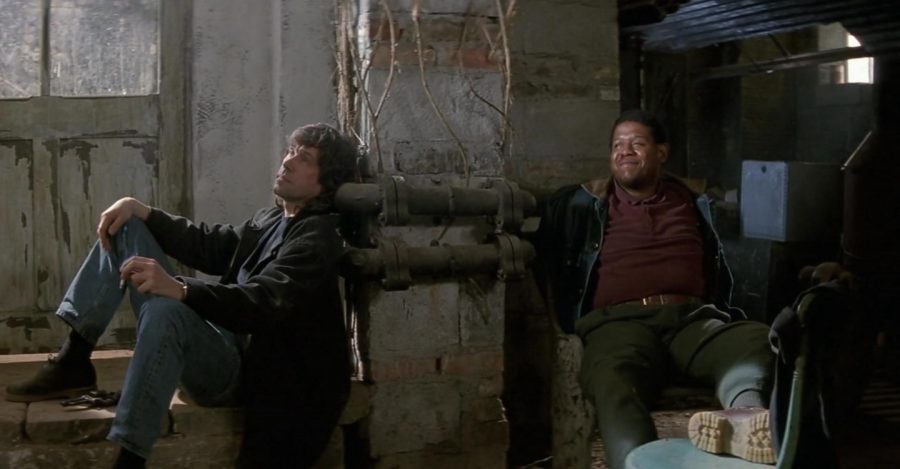
IRA terrorists kidnap a British soldier to negotiate an exchange for one of their own imprisoned members. Among them is Fergus (Stephen Rea), whose ambivalence is amplified by his interactions with the hostage soldier Jody (Forest Whitaker) while guarding him. After the terrorists’ plan goes awry, Fergus tracks down a woman Jody spoke of during his captivity, only to become confronted with even more complications.
The film, its cast and crew won a slew of awards and nominations in 1993, including the Academy award for Best Original Screenplay. It’s a knockout. Each act presents an increasingly challenging psychological and emotional conflict for Fergus: conflicts that require him to question the choices he makes and his beliefs, even about himself. It’s a dark but deeply touching thriller that is ultimately unforgettable.
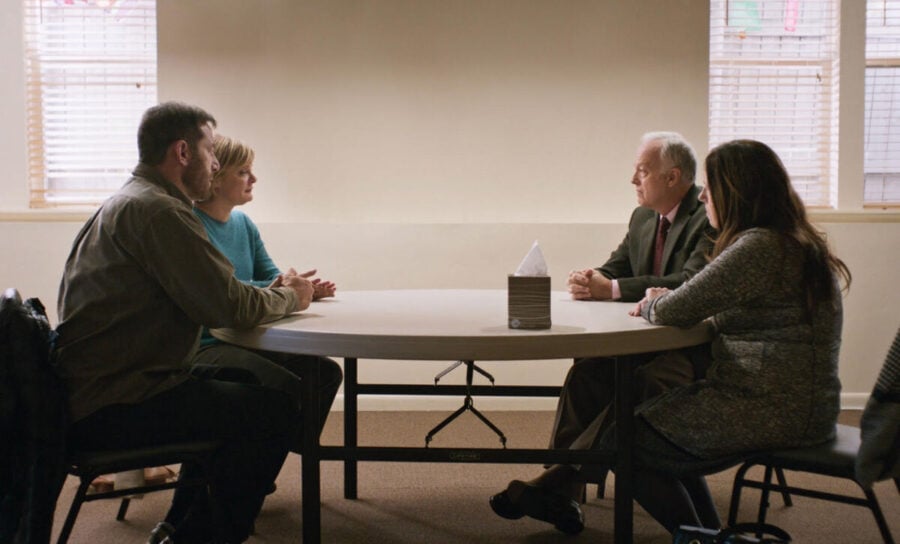
In the first few minutes of Mass, hushed tones, solemn movements, and awkwardly averted eyes hint at an unspoken tragedy that haunts everyone in the film. The four main characters discuss it during a sit-down, but even then it remains unspeakable; such is the dedication of first-time full-length director Fran Kranz in depicting the reality of tragic events. Not much is done in the way of plot twists and shocks, but in place of those, Mass makes clever use of close-up shots and unmoving settings to portray the privacy and paralysis of grief. For this reason, Mass often feels like a masterful play brought to life, but also more than that, a brilliant portrait of healing—or at the very least, coping with the everlasting aftermath of loss.
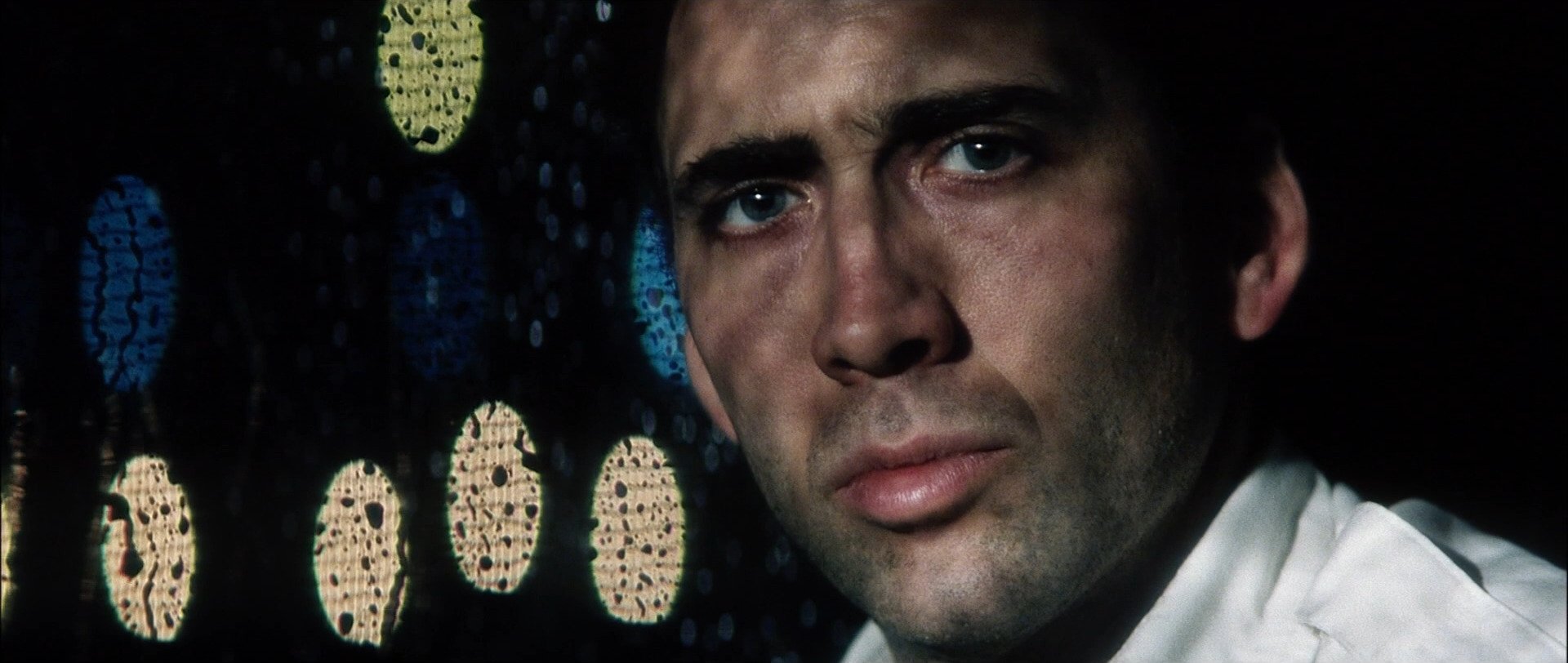
Martin Scorsese — plus screenwriter Paul Schrader, editor Thelma Schoonmaker, and cinematographer Robert Richardson — reimagine nocturnal New York City as an eternally flaming circle of hell in this darkly funny fever dream. Frank Pierce (Nicolas Cage) is an insomniac paramedic who’s haunted by the ghosts of all the lives he couldn’t save and is on a nightmarish run of losing every patient he tries to help. There’s no respite for him anywhere; he’s so burnt out he begs to be fired, but the city is so desperate they won’t let him leave their tired ranks of medics, who are mostly jaded, sometimes sadistic, and yet still addicted to the euphoric high of saving a life.
As Frank is pushed ever closer to breaking point, the film takes on the hallucinatory qualities of his perspective, the cinematography growing feverish and the editing powered by a wild, manic energy. What stops the movie from feeling like a spiral into actual hell is the strange light that keeps Frank returning to work — the perpetual need for redemption and grace that prevents him from becoming cold to his job but makes his sanity fragile. In typical Scorsese-Schrader style, this is a raw, visceral, and very human search for grace in an unsparing urban hellscape.
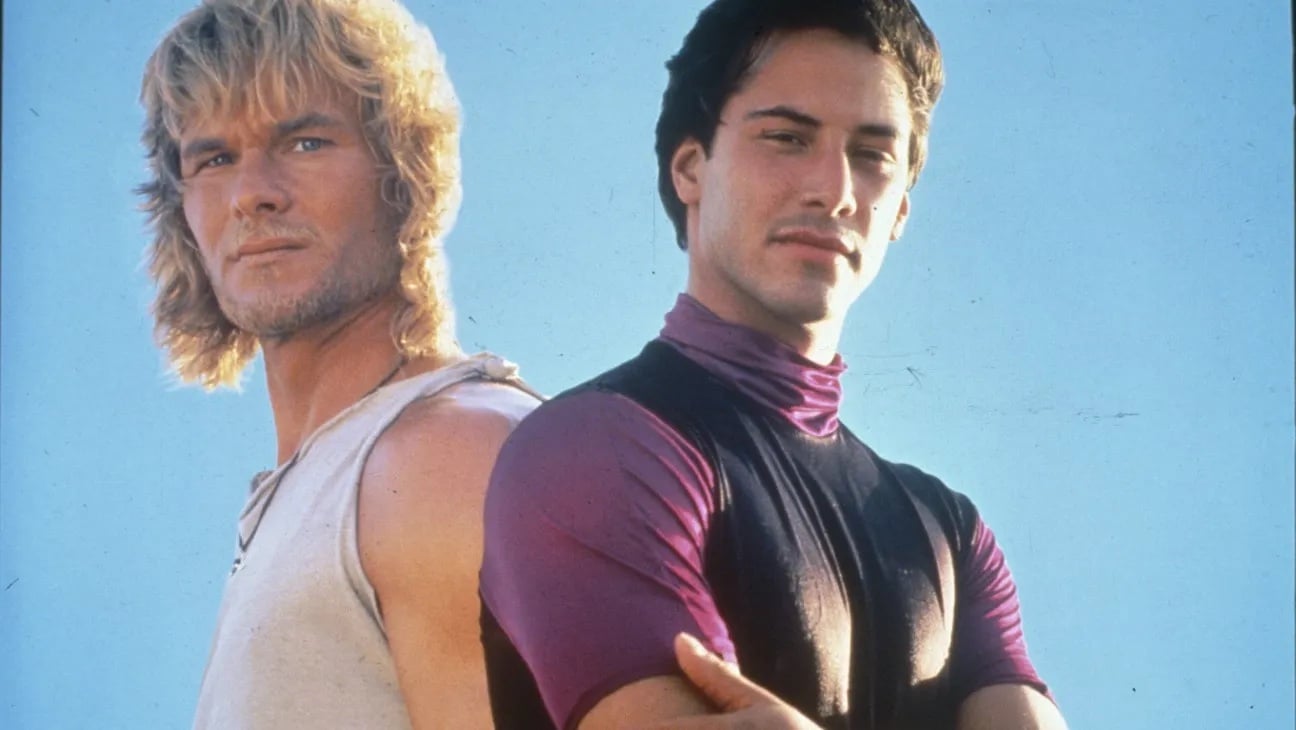
Kathryn Bigelow has a knack for action-packed scenes without compromising on the affective qualities of film style. It is precisely this combination that makes her a rare gem in American cinema, where the values of entertainment soar high. Point Break is one such example of controlled chaos, impeccable framing, and a convincing use of fast-paced editing to really get you as close to the action as possible. But what gives the film its flavour is how developed and synced the characters are and the Reeves-Swayze duo here belongs in the pantheon of equally hot frenemies, providing an apt, but subtle comment on the dangers of toxic masculinity.

Here’s a biopic that focuses on capturing the feel of the era it depicts, rather than all the facts — and is all the better for it. 24 Hour Party People takes the same punk approach to storytelling as its subjects did to music, playfully throwing off the dull constraints that often make based-on-a-true-story movies feel like uninspired celluloid translations of a Wikipedia page.
In the film’s opening scene, Steve Coogan’s Tony Wilson breaks the fourth wall to address us directly and semi-spoil the movie’s ending. But it doesn’t matter, because the ride is so fun: we’re taken on an immersive trip through the heyday of the Manchester music scene: the births of Joy Division, New Order, the Happy Mondays, and Wilson’s Factory Records label and legendary Hacienda nightclub, an incubator for acid house and rave culture. The era’s hedonism is brought to life by the movie’s frenetic editing, documentary-style cinematography, and strobe-heavy visuals. For all its onscreen anarchy, though, the movie remarkably never feels loose or self-indulgent. Its irreverence is grounded by the ironic filter of the meta filmmaking, which frequently breaks the fourth wall to draw attention to its own conceits. A refreshing rejection of biopic tropes, but also a thrilling transportation into and evocation of the Madchester era.
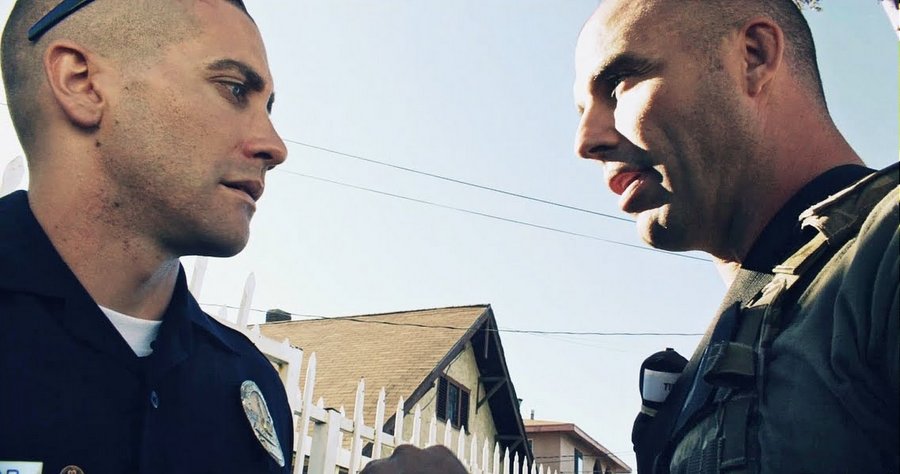
First off you have to remember it is the same writer as Training Day. Then you have to believe that he must have gone to a joint training camp between the Taliban and Mexican Cartels or something since Training Day to come up with such a tense, unpredictable script. But End of Watch is more than that. It is warm and sweet (yes), and a great showcase of Gyllenhaal and Pena’s talents — which thanks to a documentary-style cinematography, and the actors’ 5-month immersion program with actual LA cops, make for a very authentic, rich, and overall exciting film.
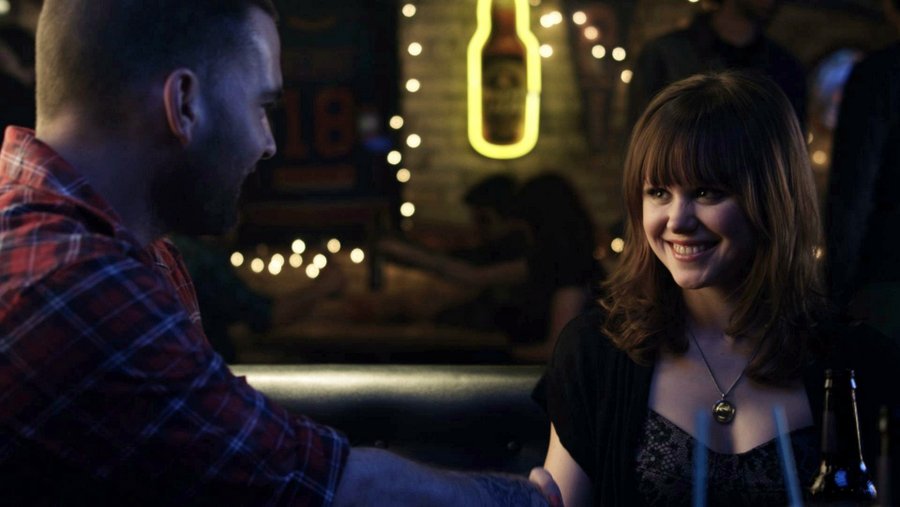
Goon is funny, violent, and sweet as hell. You’ll be surprised by how nasty it is but at the same time you won’t care. What you will want to do, on the other hand, is rip through the screen, and hug the main character. It is also a great example of a feel-good movie that isn’t solely focused on being a feel-good movie. It’s also great love story, with all its absurdities and highly emotional load. The story shines a light on the players who join hockey teams not for the game but for the fights that may erupt. They are called goons. Doug Glatt (Seann William Scott) is a new goon and this movie is his journey towards success both on the ice and off.

Donnie Darko is a cult film by director Richard Kelly, starring Jake Gyllenhaal. It’s about the troubled teenager Donnie who lives in a suburb and suddenly faces a person in a giant rabbit costume who tells him that the world is going to end in 28 days. If that didn’t make sense to you, don’t worry – it’s not about making sense. The film is a gorgeous exploration of a bizarre chain of events, a deep rabbit-hole of meaning and expression, fate and acceptance that practically begs for a second, third, or fourth watching.

Nebraska is a poem distilled into a film. Peter Travers from Rolling Stone says “is it a comedy or a drama? Both at the same time, as life itself.” Everything about it is perfect: the acting, the photography, the story. In case that’s not enough and you need to know the plot to get convinced, I’ll tell you that it’s a road movie about a senile old man and his son. If you still want more information, you can Google it, but come on! You’ll just be wasting time that would be better spent on watching this masterpiece.
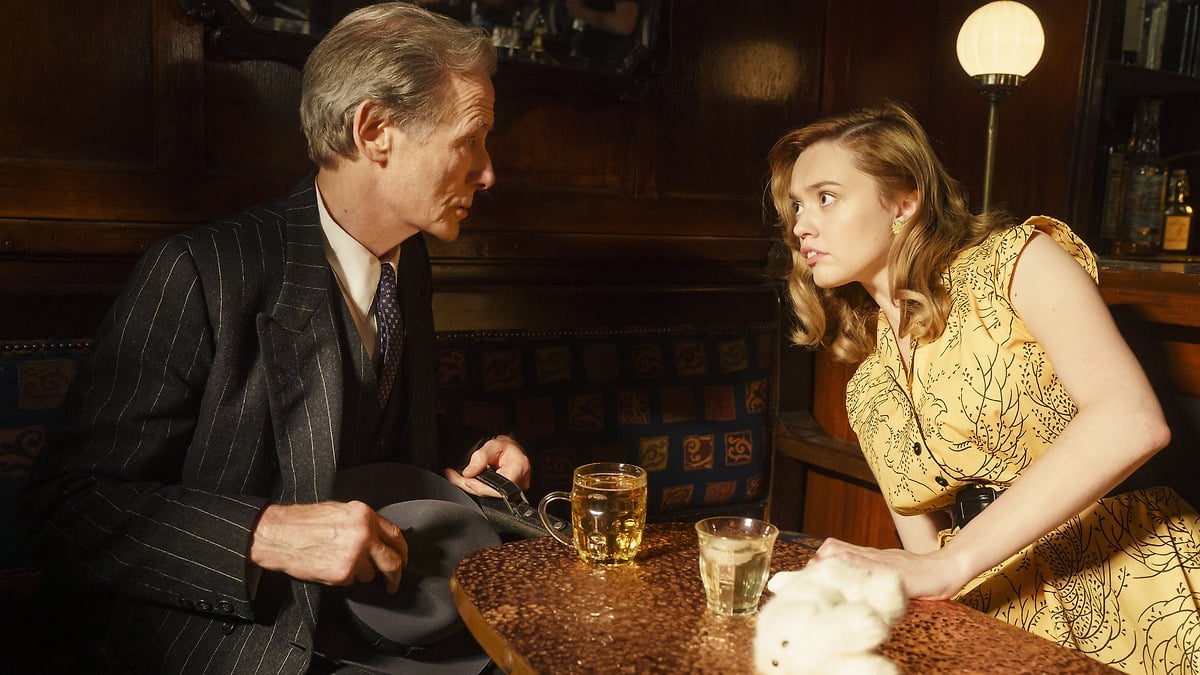
Adapted from the Japanese film Ikiru, which in turn was adapted from the Russian story The Death of Ivan Ilyich, Living is a parable about, well, living. Specifically, it’s about the importance of wonder and the magic of the mundane. It’s also about legacy and the stories we leave in our wake, which live on long after we’re gone. This familiar premise could have very easily been turned into another trite and cheesy movie that warns you to make the most out of your life, but thanks to a lean script, assured camerawork, and powerfully restrained performances, Living is elevated into something more special than that. It’s a technically beautiful, well told, and profoundly moving film, with Bill Nighy giving a career-best turn as a repressed man aching for meaning in his twilight years.
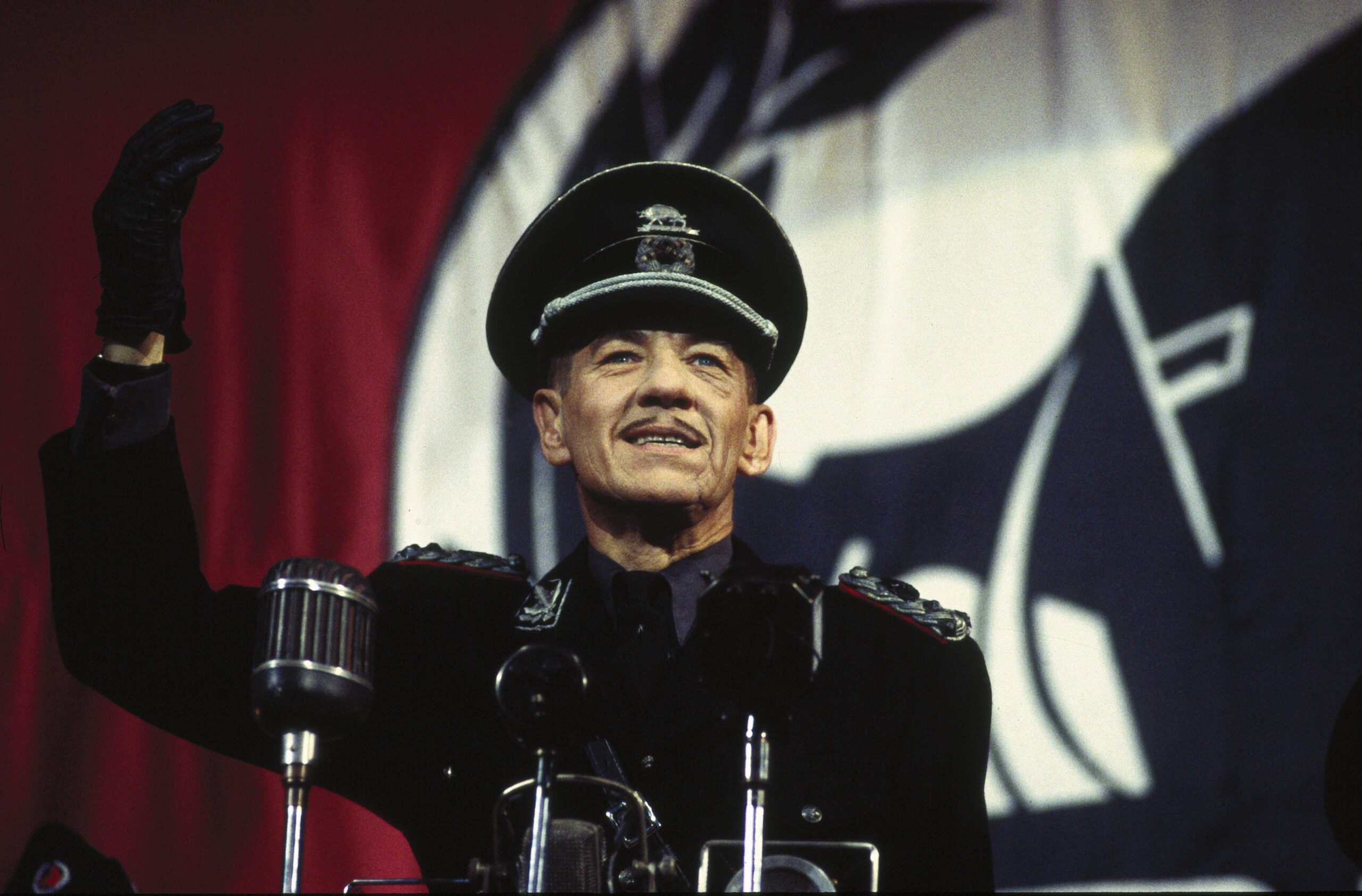
One of Shakespeare’s most indelible works is brought roaring to life in this explosive adaptation. The action is transposed from the 1400s to brutalist 1930s England, with the bloody civil war between the houses of Lancaster and York being waged by tanks and planes instead of cavalry. The switch isn’t merely cosmetic, though: in an inspired move, usurper Richard is reimagined here as the fascist head of an army of Nazi-esque Blackshirts (an analog of real militant far-right leader Oswald Mosley). Ian McKellen, who also co-wrote the screenplay, gives an odious but brilliant performance as the titular Machiavellian schemer who will stop at nothing to seize the crown, even betraying his own blood.
McKellen is joined by a gluttony of acting talent: Maggie Smith plays the King’s despairing mother, Annette Bening and Robert Downey Jr. are the unfortunate American queen and her brother, while the likes of Jim Broadbent, Bill Paterson, Kristin Scott Thomas, and Jim Carter fill up the royal court. All the richness of Shakespeare’s original writing is retained, charging the performances and the film around them with a grand sense of drama. Peter Biziou’s ostentatious cinematography is a perfect frame for it all, and helps cement this as much, much more than a piece of filmed theater.
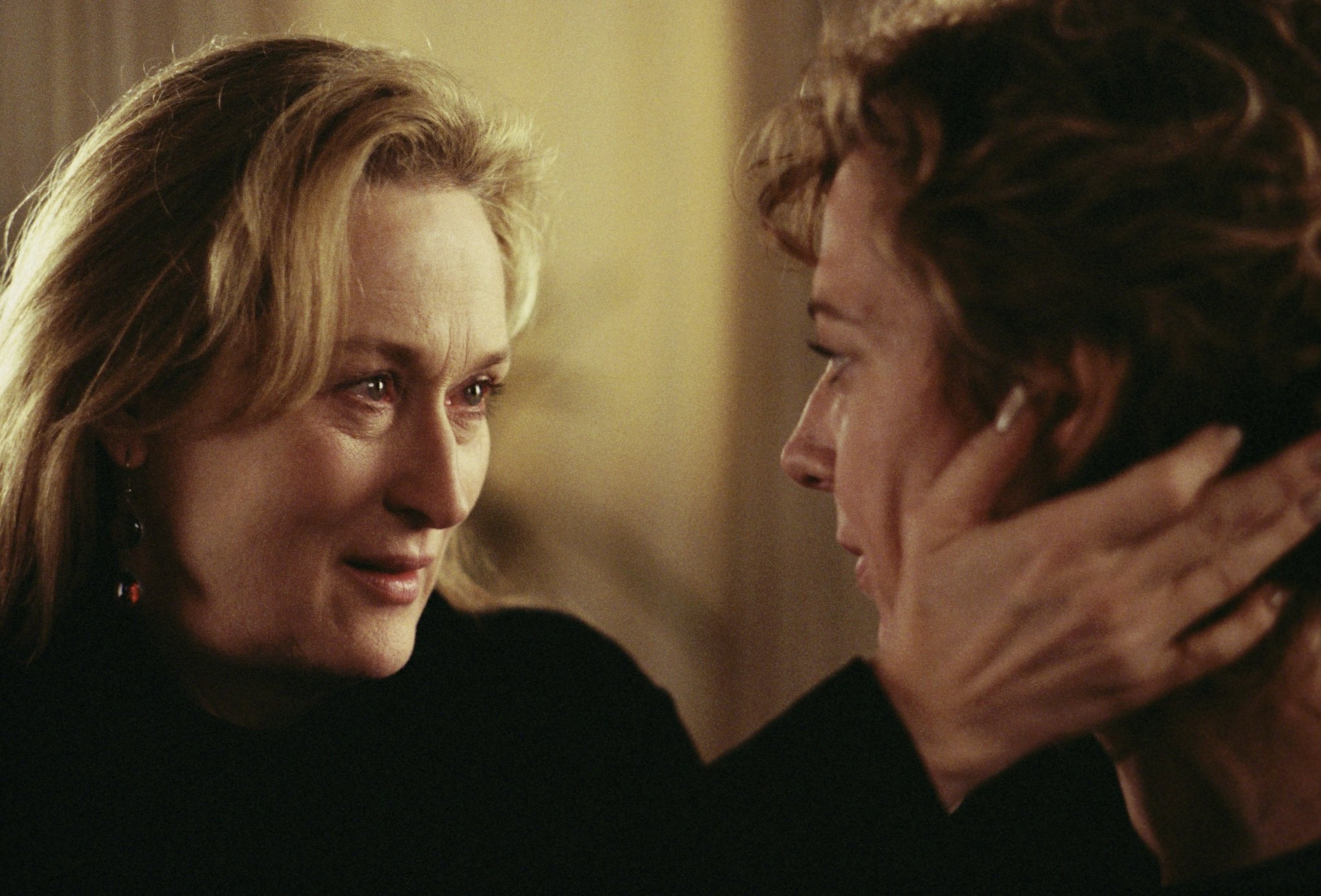
Why do we stay alive? Do we owe it to people to stay alive? Not everyone thinks about these existential questions, and even less are obsessed with them. But the characters in The Hours, who span centuries, do. It’s one of the few things that tie them together, along with female malaise and a love for literature. The film is so seamlessly stitched together, you barely notice when it slips into another era, or speaks to us through another character. It feels natural to jump into different timelines and collect all these different memories and observations, in the same way it feels natural for everything to happen all at once in life. Some reviews claim that, because of the dark themes the film covers, it can be hard to watch, but I don’t think I’ve had an easier time watching anything. The script is poetic, the performances heart-wrenchingly good (what a trio!), and the editing so smooth. This is a thoughtful film through and through, not just in content but in delivery too.

This surprising documentary follows Jiro, an 85 year old Japanese chef, his Michelin-starred restaurant in the Tokyo underground, and his eager sons. While ostensibly about sushi – and believe me, you’ll learn about sushi and see absolutely gorgeous images of the raw-fish creations – the film’s dramatic impetus is carried by the weight of tradition, the beauty of a labor of love, obsession, and the relationship between father and son. Truly a must-watch.
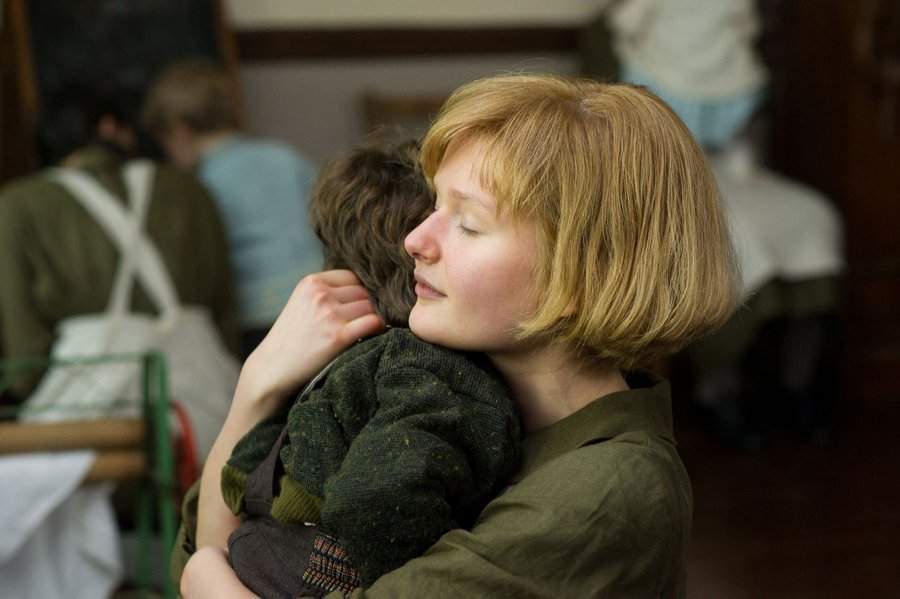
An inspired by true events tale about an elderly Irish woman trying to find the child she was forced to give up many years earlier. Steve Coogan co-wrote the script and, though the base story is a tragic one, his special brand of very subtle, wry wit is apparent in the dialogue throughout. Judi Dench plays the mother who had kept her “sinful” past a secret for fifty years and, being Judi Dench, I don’t need to bother going on about her exemplary talent, suffice to say she’s charming beyond measure in the role. Steven Frears directs, as usual, deftly, and keeps the story compelling scene after scene, intensifying the emotions inherent to each, whether they be heart-warming, comedic, or outright enraging. Whoever decided to let Steve Coogan have his way with the script, it was a brave and wise choice and together this cast and crew have produced a wonderful and important piece of cinema.
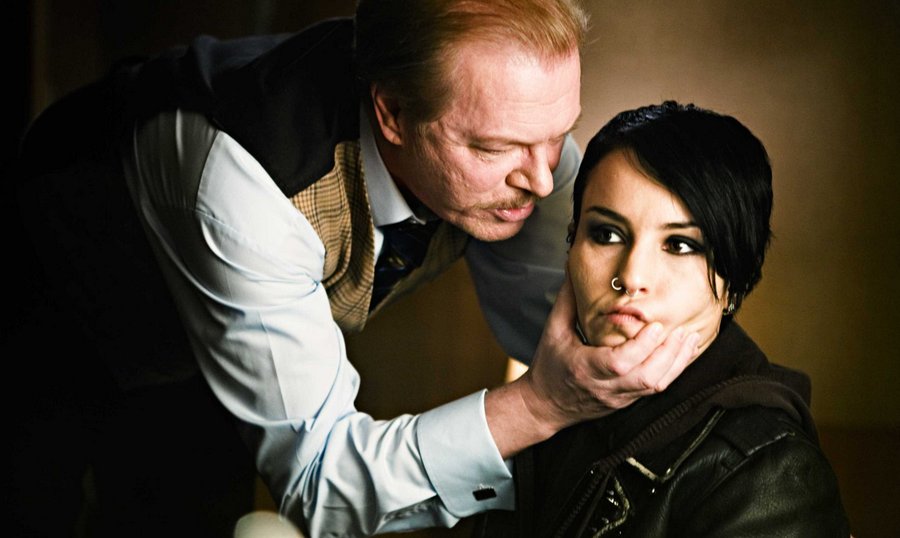
The original Swedish mystery thriller that was later remade by David Fincher. It’s the same story of a wealthy man hiring a journalist and scrappy hacker to solver a murder, but told better. This version is slower, has more attention to detail and pace. In casting, authenticity triumphs over good looks. In staging, aesthetics are given as much importance as thrills. And in the story, intelligence wins over plot. This gives the main character of Lisbeth Salander (played by Noomi Rapace) better space to deploy her full mysticism and enigmatic nature. Danish director Niels Arden Oplev masterfully brings everything together to make for a movie that will forever be remembered.
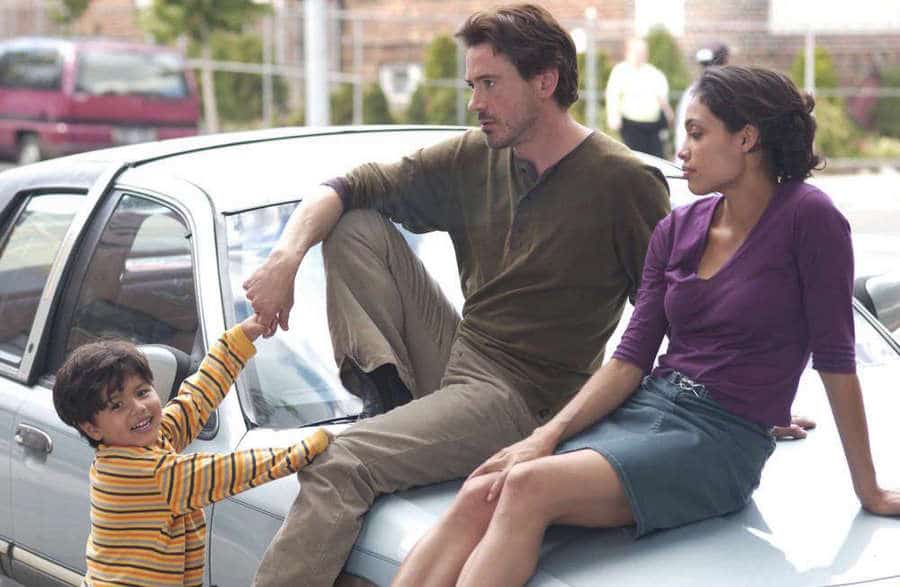
Not only is this multi-award-winning drama seriously star-studded, Robert Downey Jr., Rosario Dawson, Channing Tatum, and Shia LaBeouf also deliver superb performances. With two Sundance Awards and many other nominations in its pocket, A Guide to Recognizing Your Saints is based on the eponymous memoir by author, director, and musician, Dito Montiel, who recalls his violent childhood on the mean streets of Queens in the 1980s (LaBeouf plays the young Dito), as he visits his ailing father after 15 years away in Los Angeles (Downey Jr. plays present-day Dito). It is also real-life Dito’s directorial debut, recalling the loose, improvisational style of 70s cinema a’la Scorcese. The powerful plot is told through flashbacks and fourth-wall bending monologues, while the eccentric directing style makes for a raw and immediate experience. The energy of this coming-of-age drama is off the charts!
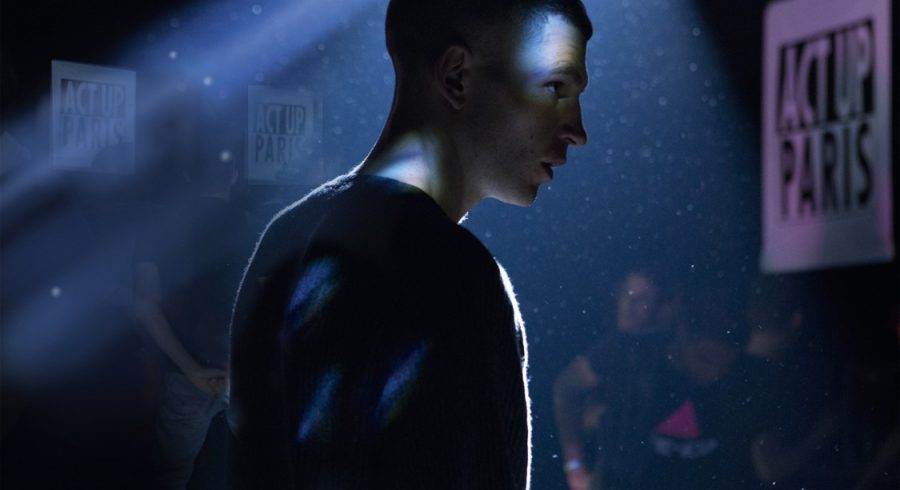
Autobiographical in nature, 120 BPM is French screenwriter Robin Campillo’s first feature film. It revolves around the Parisian chapter of the AIDS advocacy group ACT UP, which Campillo was a member of in the early 1990s, and the love between Nathan, the group’s newest member, who is HIV negative, and Sean, one of its founding and more radical members, who is positive and suffers the consequences of contracting AIDS. Using fake blood and spectacular direct action, ACT UP advocated more and better research of treatment, prevention, and awareness. This was at a time when many, implicitly or explicitly, viewed AIDS as a gay disease, even as a punishment for the gay community’s propensity to pleasure and partying. The latter is reflected by the film’s title, 120 bpm being the average number of beats per minute of a house track. Arnaud Rebotini’s original score echoes the ecstasy-driven house music hedonism of the time with some effective original cuts, albeit with a melancholic streak. Because, for all the love, friendship, and emotion of the ACT UP crew that BPM so passionately portrays, anger and sadness pervade the lives of these young people as the lack of effective treatment threatens to claim the lives of their loved ones.
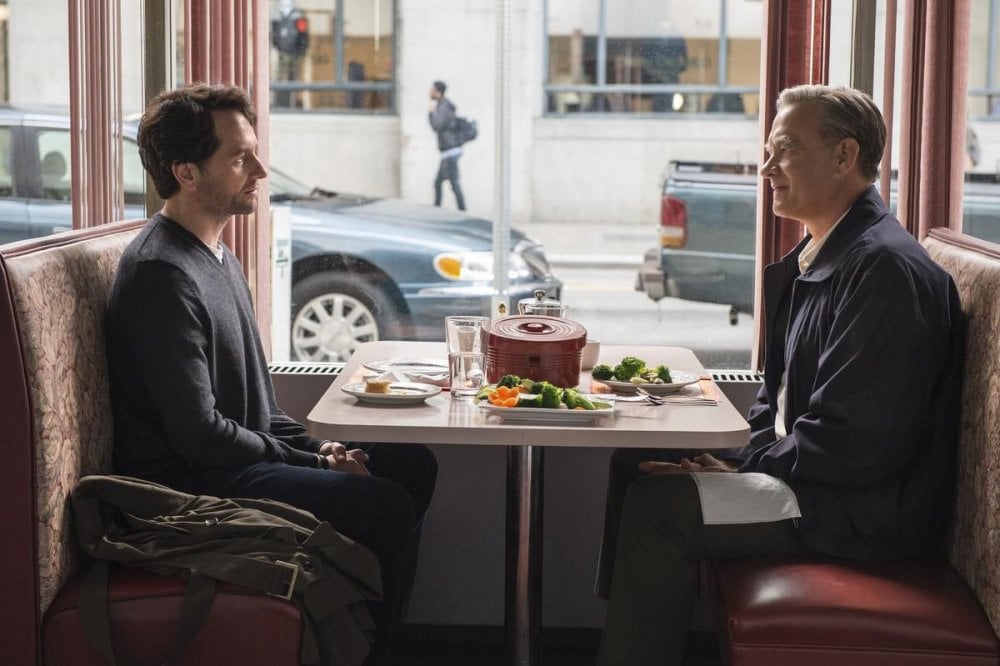
Journalist LLoyd Vogel (Matthey Rhys) scoffs at the prospect of a profile commission, or a “puff piece”, as he calls it. His self-respect and professional ruthlessness has driven people away and this assignment may well be a test from his editor. But it is serendipity that brings Lloyd to American TV host Mister Roger (Tom Hanks) and his child-oriented show, at a time when he, a new father, is confronted with his own paternal trauma. No heavy psychological lifting here, but A Beautiful Day in the Neighborhood might be one of the most profound films about father-son relationships ever made. Notably, the film is directed by a woman, Marielle Heller (The Diary of a Teenage Girl). In her film as in his show, Mister Roger doesn’t have to do much: he listens, he speaks, he suggests, and while his kindness may seem frustrating at times, it is truly radical. Additionally, Lloyd’s character is based loosely on writer Tom Junod, whose encounter with Rogers ended up a profile in Esquire magazine.

One of those movies which are actually good for your education; think of it as a book you can read in two hours. It is, however, a very well-cast and well-filmed book. Hotel Rwanda is brutal and disturbing, which is only reasonable since it tells the story of one of the most horrific times in recent history. Led by an astonishing performance from Don Cheadle, it is overwhelmingly sad but an absolute must-watch.

Orcas killing people? Saving whales? There was indeed a time when these issues were frontpage news and that might be the reason why this sounds like a 90s cliché to you. You might agree that this issue should be staunchly dealt with once you’ve watched Gabriela Cowperthwaite’s 2013 documentary. Orcas still being held captive by marine parks like SeaWorld to perform stunts and to parade around swimming pools to entertain ticket-buying families. Blackfish is the story of one of them in particular: a bull Orca named Tilikum, who has killed several people as a result of their immoral imprisonment. Similar incidents tend to be covered up by the parks’ operators and management. They are, however, attributable to the fact that the animals are quiet simply driven mad by the unnatural conditions they are subjected to. They are not born as killers, they are turned into them. First-hand accounts by former whale trainers and experts deliver fascinating truths about Tilikum and the species as whole, elaborating on their remarkable intelligence and social behaviors. For those unaware of this, this passionate documentary makes for a chilling watch.
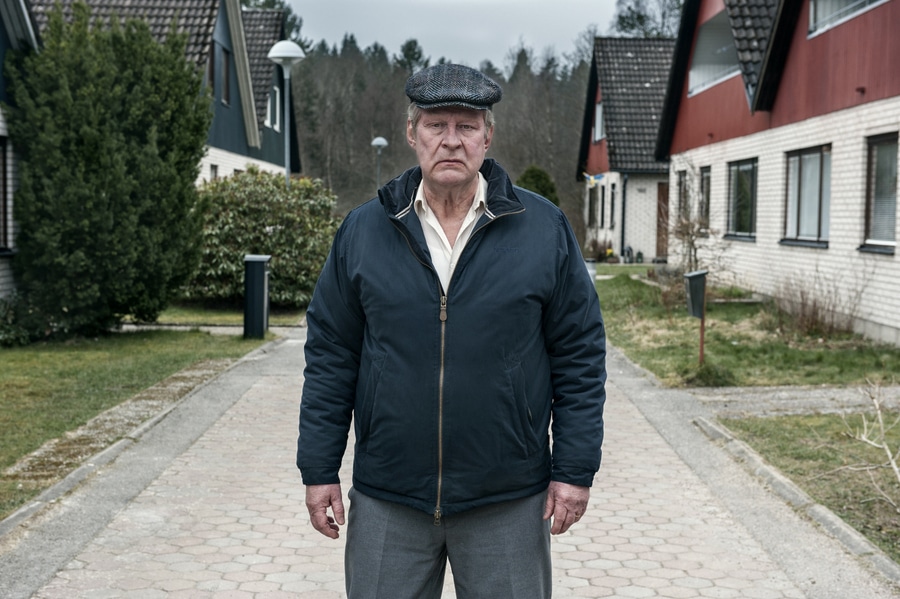
Based on Fredrick Backman’s 2012 best-selling book of the same name, this Swedish hit comedy-drama introduces us to Ove, an elderly man who feels like his life is over. After losing his wife, the short-fused retiree spends his days grumpily enforcing block association rules in his neighborhood. He is your typical unhappy, old neighbor, somebody you would try to avoid. One new family does not give up and befriends Ove, played by an impeccable Rolf Lassgård, despite his best intentions to put them off. As the plot unfolds, however, you learn more about the story behind the man, and, in classic walk-a-mile-in-his-shoes fashion, start to find him rather loveable. After all, nobody is born grumpy and cynical. Naturally, this is a sweet and sentimental film. But an amazing lead performance and a charming, darkly funny script rescue it from drifting too far off the shore. The result is a wholesome, fun, and thoughtful dramedy with a beautiful message.
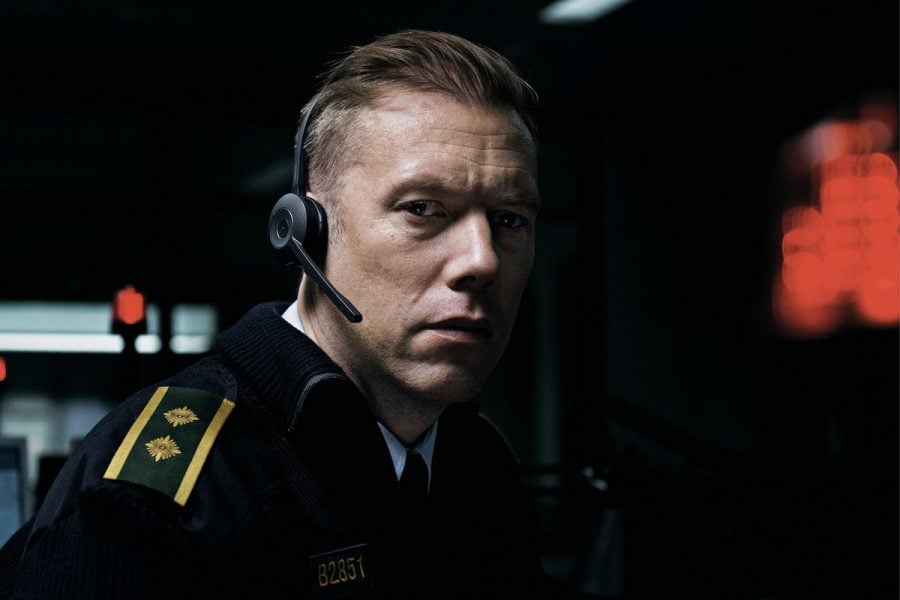
Before you press play on this movie, we highly recommend you take a few very deep breaths. This 2018 thriller is wound so tight, you will need the extra oxygen to get through it without fainting. In his directorial debut, Swedish-danish filmmaker Gustav Möller uses very little in terms of resources to create this breath-taking atmosphere. While The Guilty feels like it was made on a $100 million budget, all it physically brings to the table is one man in a dark room. It plays with our imagination instead of blinding it with special effects. Similarly, the plot is also short and sweet: a police officer is temporarily sent to do emergency dispatch, when he receives a call that turns an ordinary shift into a hell ride. This is all we are going to give away before you’ve completed your breathing exercises. The movie’s minimalist approach is held together by great acting from Jakob Cedergre, a screenplay to match, and incredible sound design. A real white-knuckle ride.
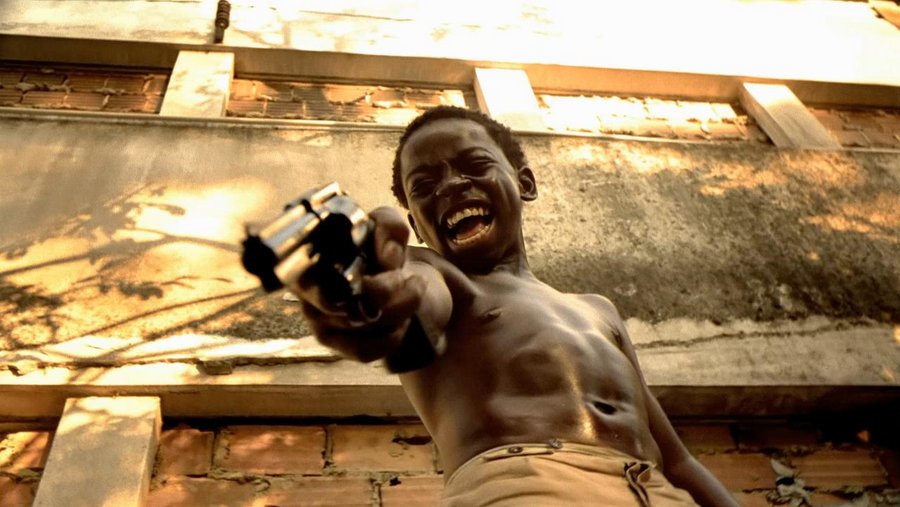
This movie will punch, kick and slap the crap out of you. Something that will be hard to believe after you watch it – it is based on a true story. Filmed and set in the poverty-stricken favelas of Rio de Janeiro, it follows two young men who choose two opposite paths; one an aspiring drug leader and the other an aspiring photographer. City of God is their story; a movie filled with great performances (from mostly non-professionals), and an experience that is as compelling as it is adrenaline-inducing.
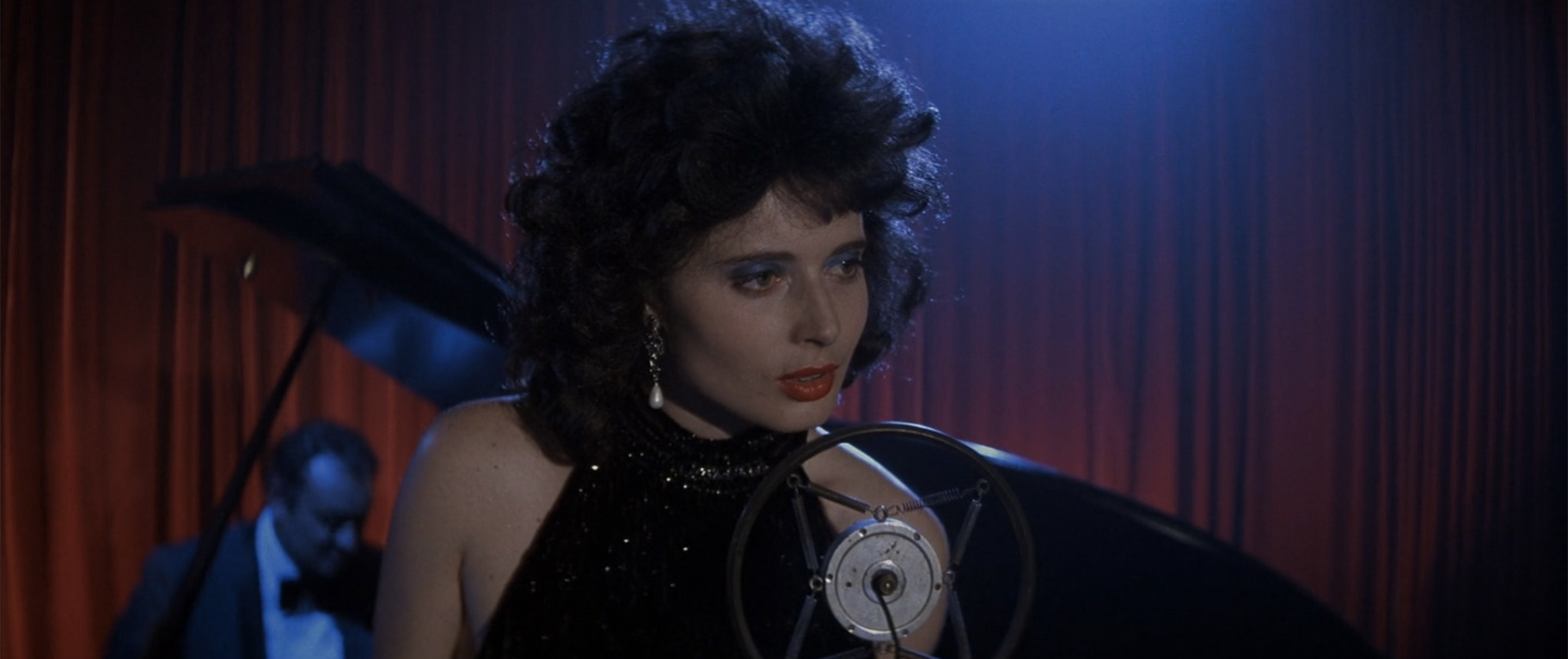
David Lynch’s star-studded provocation Blue Velvet was both revered and criticised upon its release because of how heavily it leans on sexuality and violence to advance its plot, but today the film’s hailed as a contemporary masterpiece. Still, scenes with that kind of content are quite hard to stomach in combination with Isabella Rossellini’s depiction of an unstable, delicate singer named Dorothy. But Dorothy is surely not in Kansas anymore… It takes a young college student (Jeffrey Beaumont played by Kyle McLachlan) who becomes fascinated with her as part of his self-appointed detective quest, to uncover deep-rooted conspiracies. In his endeavours, Jeffrey is joined by butter blonde Sandy (Laura Dern), and the twisted love triangle they form with Dorothy in the middle is one for the ages. Dennis Hooper stars as one of the most terrifying men on screen and Lynch regular Angelo Badalamenti scores the film with an eerie precision like no other.

Daniel Day Lewis absolutely dominates the screen as Daniel Plainview, an oil man whose voice and means of business evokes a sense of calmness and confidence mixed with a terrifying presence. He goes through life by adopting a son, building oil fields near churches and religious people, and getting his way by any means necessary. However, over time, his true feelings, attitude, and his greed come to surface through the slick, mucky, and thick oil of his shell. Featuring an equally impressive performance from Paul Dano, the assured and expert direction and tremendous screenplay of Paul Thomas Anderson, Robert Elswit’s gritty award-winning cinematography; and the score from Radiohead’s Jonny Greenwood, There Will Be Blood is considered by many to be the best film of 2007, and the 2000’s, in general.

Revealing the gaps in the social safety net, I, Daniel Blake, is a tale centered around a blue collar worker navigating the welfare system in England. At a time where class and social mobility could not be more politically salient, this film calls into question the notion of the “citizen” and exposes the inaccessibility to the social protections in which one presumes entitlement.
At the forefront of this, is a heart-warming parable of paternal companionship between Daniel (played by Dave Johns) and a single mother – Katie – (played by Hayley Squires) who is wading through similar terrain. The acting in the film is unfathomably raw which cultivates the deepest source of gut wrenching compassion. Ken Loach has created a film that exposes the true power of empathy, leaving you feeling helplessly human.

Directed by Taika Waititi, who also gave us Boy (2010) and co-produced What We Do in the Shadows (2014), Hunt for the Wilderpeople is the quirky and magical buddy movie you want if you’re in need of an antidote to a bad day or a steady diet of sad movies.
It tells the off-kilter adventure story of misfit, rap-loving city kid Ricky Baker and his crusty and cantankerous foster parent ‘Uncle’ Hec, played by Sam Neill. ‘Very bad egg’ Ricky has been bounced out of more foster families than he cares to remember and is given one last chance of living with a couple out on a farm in rural New Zealand. After tragedy strikes early in the film, the unlikely pair gets lost in the wilderness and becomes subject to a nationwide manhunt.
Full of dead-pan humor and warm-hearted mockery, this audience favorite fuses visual gags delivered by a charming cast with sweeping shots of spectacular scenery!

Aptly named ‘Rupert Grint on speed’ by one critic, Antoine-Olivier Pilon plays Steve, an abusive ADHD adolescent who just got out of a juvenile care facility for setting fire to the school cafeteria and injuring a fellow student. Similarly, his mother Diane, played by Anne Dorval, is a type of Lorelai Gilmore on speed – and to say that sparks fly when they clash is an understatement. But help comes from unexpected places: ‘Die’ makes friends with Kyla, an anxious teacher living across the street, who then gets sucked into this crazy, volcanic mess.
Mommy is the fifth feature film by French-Canadian don’t-call-him-a-hipster director Xavier Dolan and won the Cannes Jury Prize for its originality. It is shot in the 1:1 ‘portrait’ format, but every now and then a moment of exhilaration will crack open the frame. The brutality on screen is sugar-coated by an all-over-the-place soundtrack that includes the Counting Crows, Celine Dion, and Blue (Da Ba Dee) by Eiffel 65.
Shrill, violent, and demented, this out-of-control dark comedy will punch you in the guts. But it also aims straight for the heart and doesn’t miss. Prepare to be continually torn between laughing out loud, clawing your seat, and covering your mouth in shock.
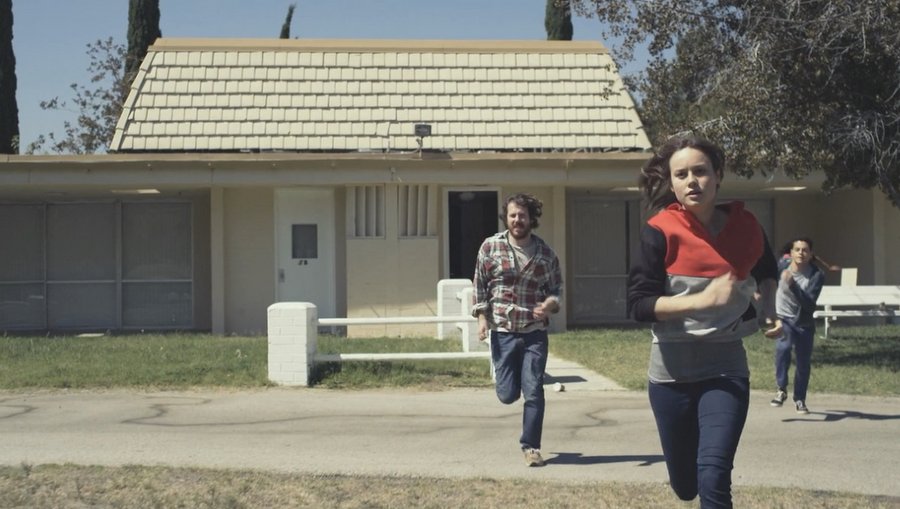
Understated in budget but lavished with praise, this semi-autobiographical drama by Daniel Destin Cretton flings its audience into the chaotic lives and personal crises of at-risk youths and the passionate social workers that aid them. In his first feature film, the young director draws the viewers into the storm of events and the emotional ups-and-downs of social work in America, going from uplifting to depressing and back – and every emotion in-between.
Set in the real-life and eponymous group home Short Term 12, devoted but troubled foster-care worker Grace is played by Brie Larson, whose shining performance in her first leading role was lauded by critics. Fans will also recognize the supporting actors Lakeith Stanfield and Rami Malek, who broke out in this movie. Short Term 12 is now considered one of the most important movies of 2013 – some say of the decade – owing to its immaculate writing, intimate camerawork, and gripping performances.