
Movies to Watch From India
To access filters, visit our homepage.











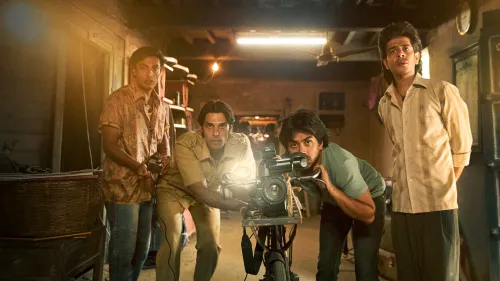
Based on the life of a real small town filmmaker, this coming-of-age film is a familiar underdog story. After their small movie theater shut down due to piracy, Nasir and his friends decide to create their own, in spite of not having the money or connections to do it. You can probably tell what happens next, given the numerous films about artists with humble beginnings. But despite the tropes, the rushed reconciliation, and not delving into some of the religious tension behind Nasir’s retirement, Superboys of Malegaon still feels refreshing, because it truly understands why the underdog is so compelling. With only their love for the craft to guide them, these boys capture the fun and wonder of making films in their own community, for their own community. Superboys of Malegaon truly listened to their story.
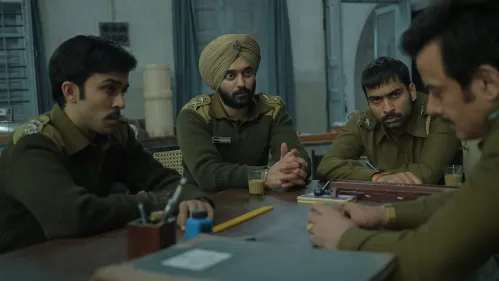
With the fresh-faced cast and the sleek camerawork, Black Warrant, at first, didn’t seem to be the gritty adaptation of the exposé outlining the systemic corruption of the Tihar Jail in the 1980s. But, aesthetic aside, that’s precisely what Black Warrant is. Opening to Zahan Kapoor as Sunil Gupta being interviewed for the job as jailer, the show takes him and the audience to the tour of the notorious prison, and it’s a gripping one not because of the usual prisoner shenanigans, but because of the way the officers themselves happen to be in on the drugs and alcohol trade inside– and they’re ready to pin it all on Gupta if things go down. Showrunner Vikramaditya Motwane pulls it all together with excellent performances from the cast, an eerie score, and the real life headlines of some of India’s notorious prisoners.
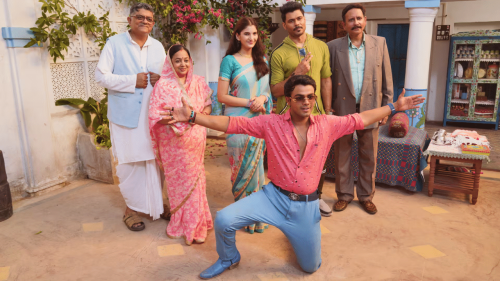
A town with no crime is a dream everywhere. It means safety, security, and trust for the residents within, so surely anyone would like to preserve that. That’s the case for the fictional town of Dhadakpur, the setting of Dupahiya. As the robbery happens, it understandably causes chaos in the town, but as the Jha family tries to solve the mystery, they also introduce us to the villagers– the humorous synchronicities that the town has, their simple but honest hopes and dreams, and the wit they have precisely because of their shared community– through various interconnected quests to preserve their individual, familial, and town’s reputations. It takes a while to all come together, but Dupahiya effortlessly weaves its threads through thoughtful writing and care for its characters.
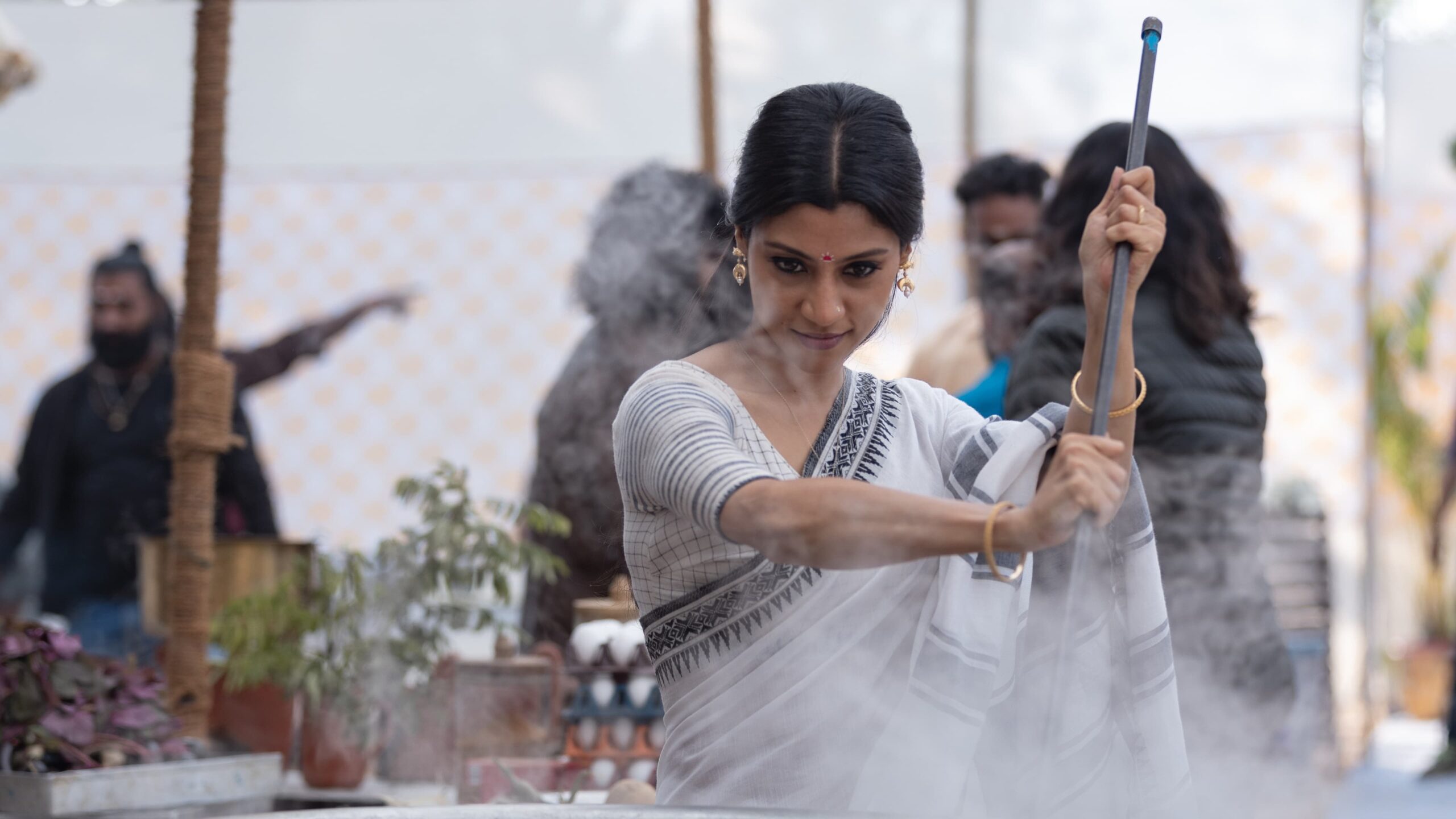
How far would you go to please the one you love? You might indulge your spouse with a white lie every now and then like the men in Swathi Shetty’s life each time she asks about her cooking, but Killer Soup takes it a whole step further when she asks Umesh to impersonate her similar-looking husband. And, as the lies pile up, and the cover-ups escalate, it’s delicious to see the lovers dig themselves into a deeper hole, even if they manage to throw off other people from the scent temporarily. While the story gets slightly convoluted later on due to many subplots, Killer Soup proves to at least be tastier than Swathi’s paya soup with its delightfully twisted lovers.

All We Imagine as Light is a political film that has many smart and moving things to say about the loneliness of migrating from the country to the city, the double standards women face on the daily, and the ever-widening gap between the rich and poor. But thanks to director Payal Kapadia’s deft hands, these weighty themes don’t hit you like a brick in the face. Intertwined in the rich inner lives of the two Malayali nurses and the Marathi cook who lead the film, they come off as subtle and poetic, like everything else about the film. There’s a quiet power at work here, and it will entrance you till the end.
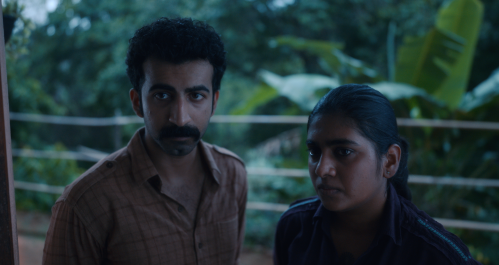
In Poacher, two passionate but low-level wildlife preservers are tasked to bring down a massive crime ring that murders elephants to sell rare ivory. It’s a hefty task, one that’s constantly bogged by red tape and corruption, so it’s not surprising that some scenes go on for too long and wind in repetitive circles. But for the most part, Poacher moves briskly and urgently; it has the familiar beats of a crime drama while never losing its important message about the importance of preserving nature. In lesser hands, the latter could come off as cheesy or preachy, but in Poacher, the message never feels less than life and death. It begins with the animals, as one of the investigators explains, and if the criminals are not caught soon, things will likely freefall into uncontrollable crime and corruption, not to mention a damaged ecosystem that could ruin one of India’s few green spaces forever. It’s a thought-provoking message, one that’s helped by the show’s high production value, heartwarming focus on wildlife creatures, and dedicated performances.
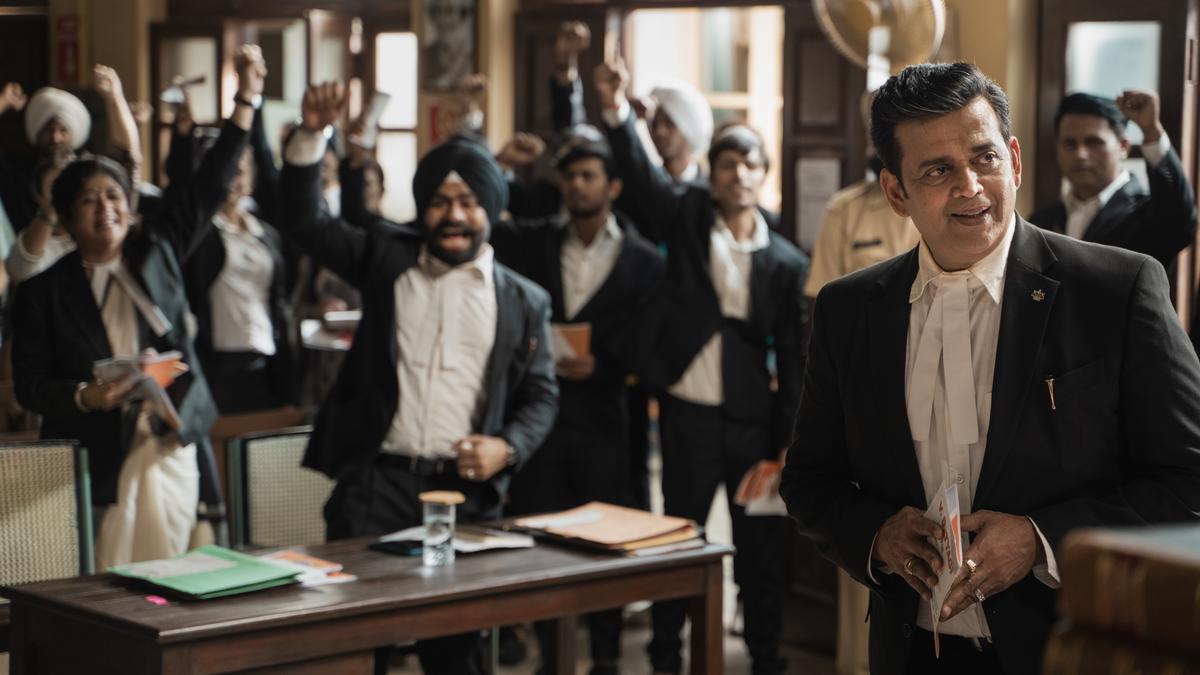
With the stakes involved in plenty of cases, legal dramas tend to be more serious and dramatic. However, sometimes, ludicrous events can happen in these courts, and they have, in real life. Maamla Legal Hai may not be 100% factual, but the way they mix and match real life legal headlines gets into unexpected, hilarious ways, poking fun at how ridiculous the Indian legal system can be. It might shy away from the serious cases, but Maamla Legal Hai smartly depicts the legal ecosystem, from the wily higher ups, to the idealistic newcomers, with unique charm and witty humor.
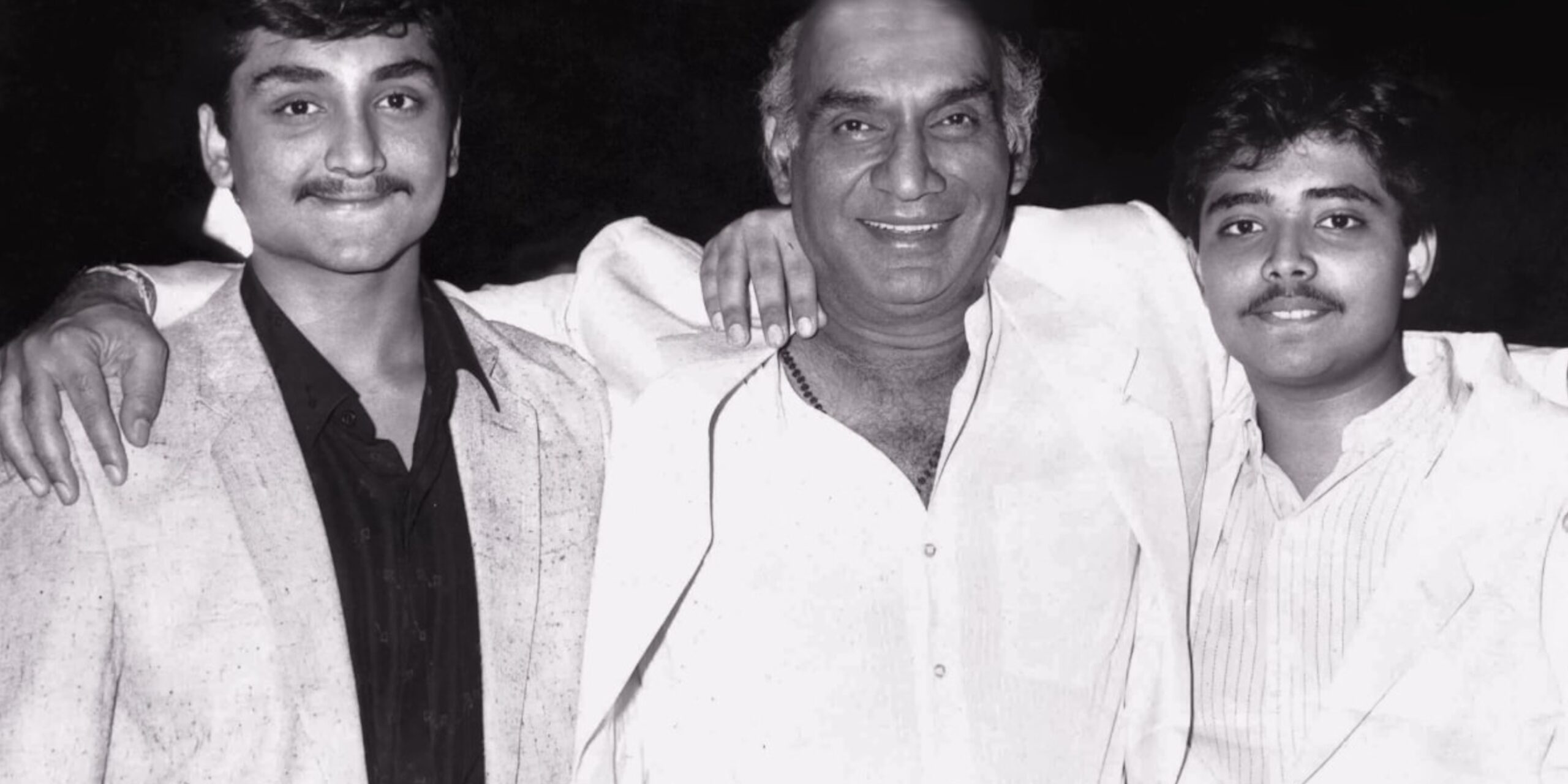
Bollywood is the biggest film industry in the world, in terms of output. After all, the Indian film industry churns out 700-800 films per year. Because of sheer output, there are plenty of excellent hidden gems from the South Asian country, some of which we try to cover here in A Good Movie to Watch. However, for a fairly comprehensive introduction to the industry, the English-language miniseries The Romantics is a great place to start. There’s no better filmmaker to take notes from other than Yash Raj Chopra, whose media conglomerate shifted the industry for the past 50 years, so the show tackles his legacy through archival footage and interviews from India’s current roster of film stars. Footage of his films alone are already a compelling watch, but director Smriti Mundra keeps an excellent balance between these films’ personal impact, as well as the corresponding political and film history in which his works were released to. It’s an excellent introduction to the colorful and rich film history of India.
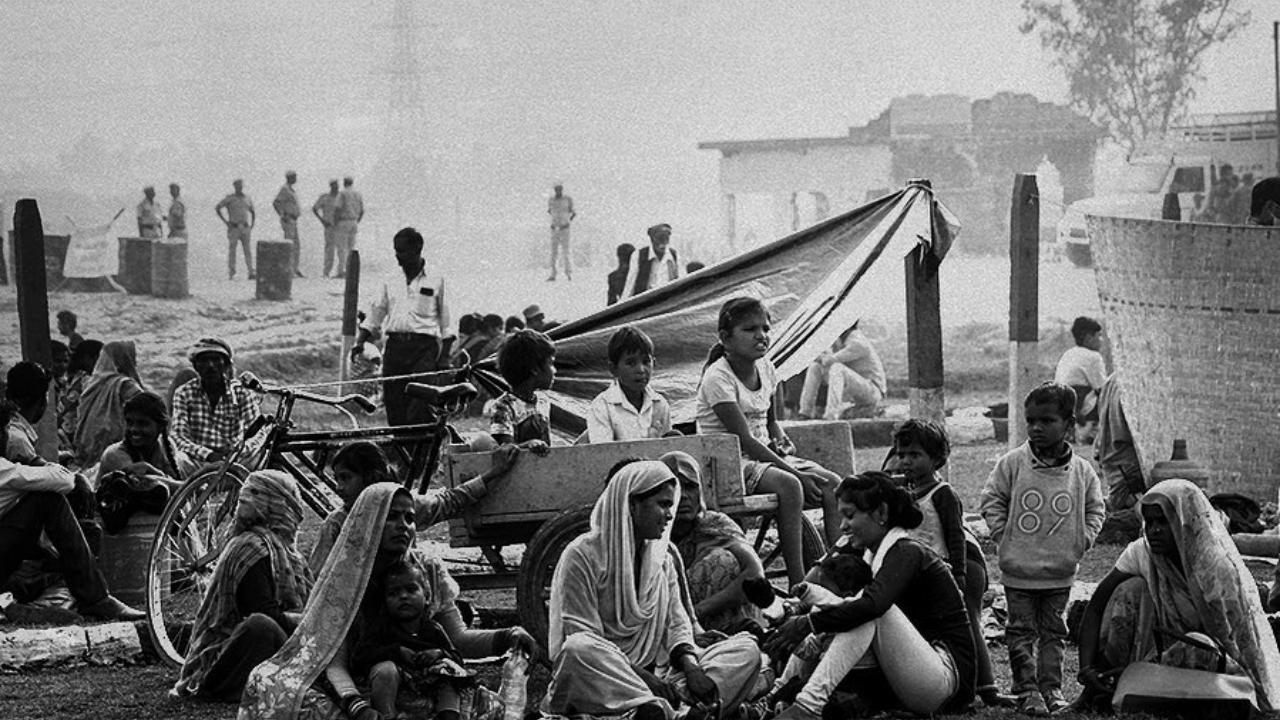
COVID-19 raised concerns about sanitation and cleanliness, but in a society that just banned discrimination against “impure” castes seventy years ago, these concerns feel reminiscent of previous caste prejudice. Writer-director Anubhav Sinha presents this social inequity through Bheed, a black-and-white drama set in a fictional checkpoint as the lockdown restricted travel between different Indian states. As the people in the checkpoint wait for the updated government regulations, tensions rise between the officers and the travelers, as the stuck migrants worry about hunger, thirst, and infection. While it’s definitely a heavy film to watch, this film doesn’t exploit the pandemic as fodder for drama. Instead, Bheed realistically portrays how a crisis like COVID-19 exacerbates existing social inequity.
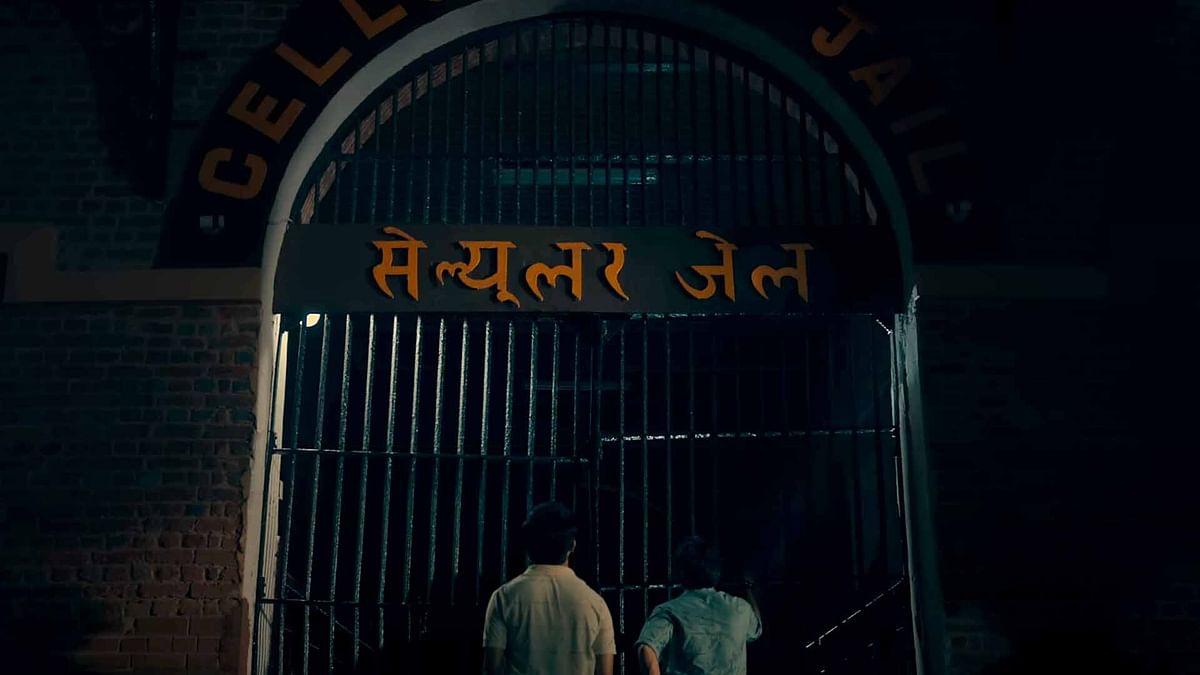
There’s a lot happening in Netflix’s first Hindi survival thriller series Kaala Paani. The main plot follows the discovery of a new disease with inky rashes that confounds scientists and policymakers, which would remind viewers of the botched response towards COVID-19, but there are multiple subplots including a love story with a traumatized former nurse, a family drama between separated parents and children, and the ecological commentary on the indigenous population that survived the disease once before. But Kaala Paani is able to balance these plots, tweaking the series’ disease to visually carry the show’s science in order to dedicate more weight to each subplot. It allows showrunner Sameer Saxena to play with more philosophical themes, and allows his compelling cast to play with more complex and dynamic roles.
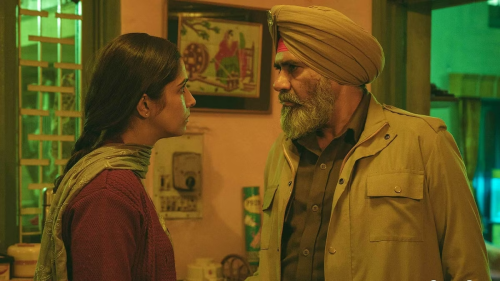
Netflix India has been dominating the police procedural and mystery market, and Kohrra, its latest addition, is one of its better entries. Officer Balbir (Suvinder Vicky) is under pressure to resolve the case of a dead Non-Resident Indian and his missing white friend, but the fear of local backlash and global attention raises the stakes as the show weaves internal and external politics in India. Drugs, lies, and old grudges eventually surface, complicating the quiet pursuit of truth with public spectacle. This makes for a thrilling mystery, but Kohrra also excels as a family drama as we watch Balbir mend his relationship with his daughter, while his partner Garundi (Barun Sobti) deals with the pressure to get married.

Friday Night Plan resembles many a classic teen film (most notably, Ferris Bueller’s Day Off and Booksmart), but it also doubles as a thoughtful inquiry into the delicate bond between siblings who could not be more different from one another. Sid and his younger brother Adi (Amrith Jayan) have different ideas of what matters most in life, ideas that get tested when their mother’s car gets towed away during their night of fun. Sid thinks it’s only right to come clean and retrieve the car no matter what, but Adi believes this can all wait until tomorrow morning: tonight is Sid’s night to celebrate and finally connect with peers he’s shut off all his life. This tension comes as a surprise in what otherwise looks like an ordinary teen movie, but it’s also a welcome addition that helps Friday Night Plan stand out from the rest.
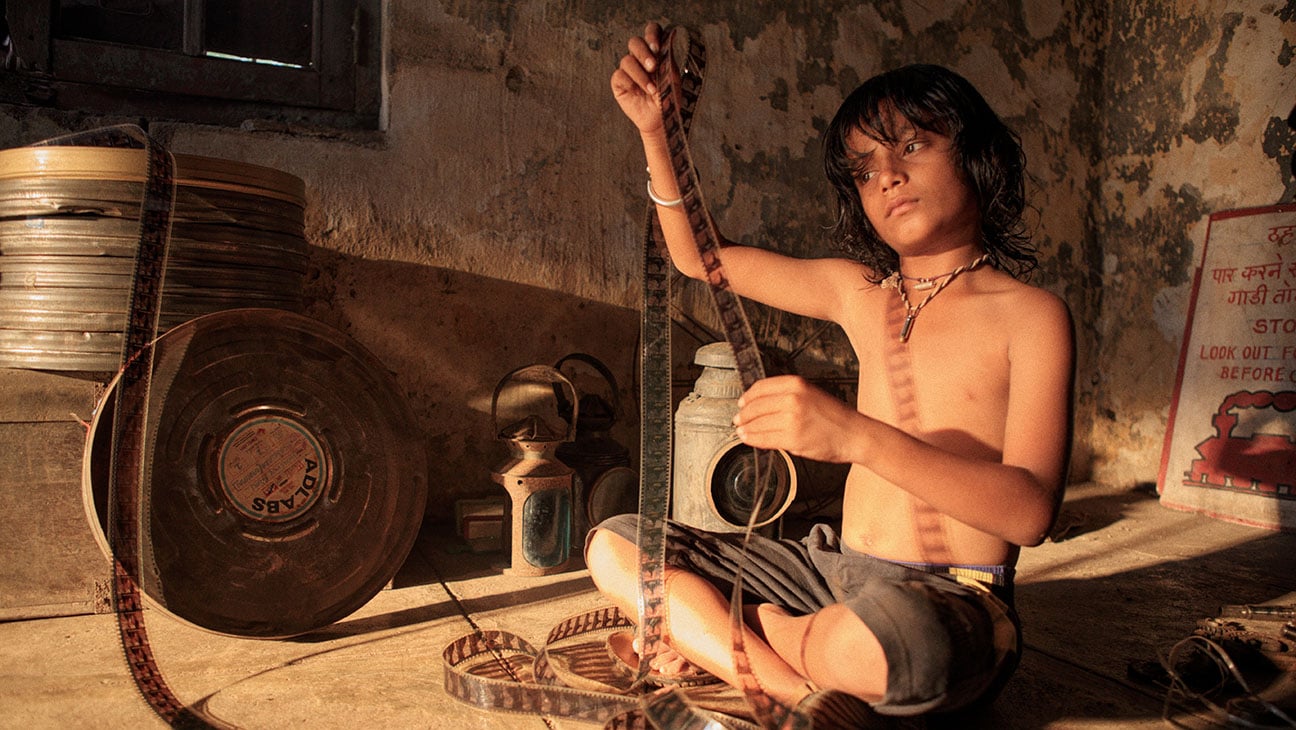
Like many coming-of-age films about films, it’s easy to assume that Last Film Show would be a derivative of all-time film classic Cinema Paradiso. Both films from opposite corners of the world, separated by more than three decades, do share that awe of cinema from a projection booth. However, unlike Paradiso, the awe of Last Film Show is also tempered by the rural poverty its young protagonist faces. Samay learns projection from a film booth, and learns community is formed through the screen, but he also learns it through snatching the few reels that passes through their village, manually experimenting with scrap material, and recreating the same light and shadows through its fundamentals. These scenes are precocious because of the children, but it makes for a more interesting take, because Samay’s journey proves that cinema truly is worth saving, even without the money. It’s undeniably awe-inducing with Pan Nalin’s stunning shots and semi-autobiographical story.

At times of great societal turmoil, sometimes stars are born, not just to entertain the masses but to challenge the way things are done. Amar Singh Chamkila is one such star, and his music captivated all of Punjab in part due to his brash lyrics. His assassination remains unsolved, but director and co-writer Imtiaz Ali takes the event, and uses it to frame his life– the ways Punjab remembered him after death, the ways Chamkila showed his light as well as the ways he was limited by studio oversight and state censorship. The film isn’t a perfect contemplation of artistic freedom, nor is it the most comprehensive take on the singer’s life, but Ali’s direction challenges the way we view the artist and acutely recognizes the way stardom reveals the society’s conflicting desires.
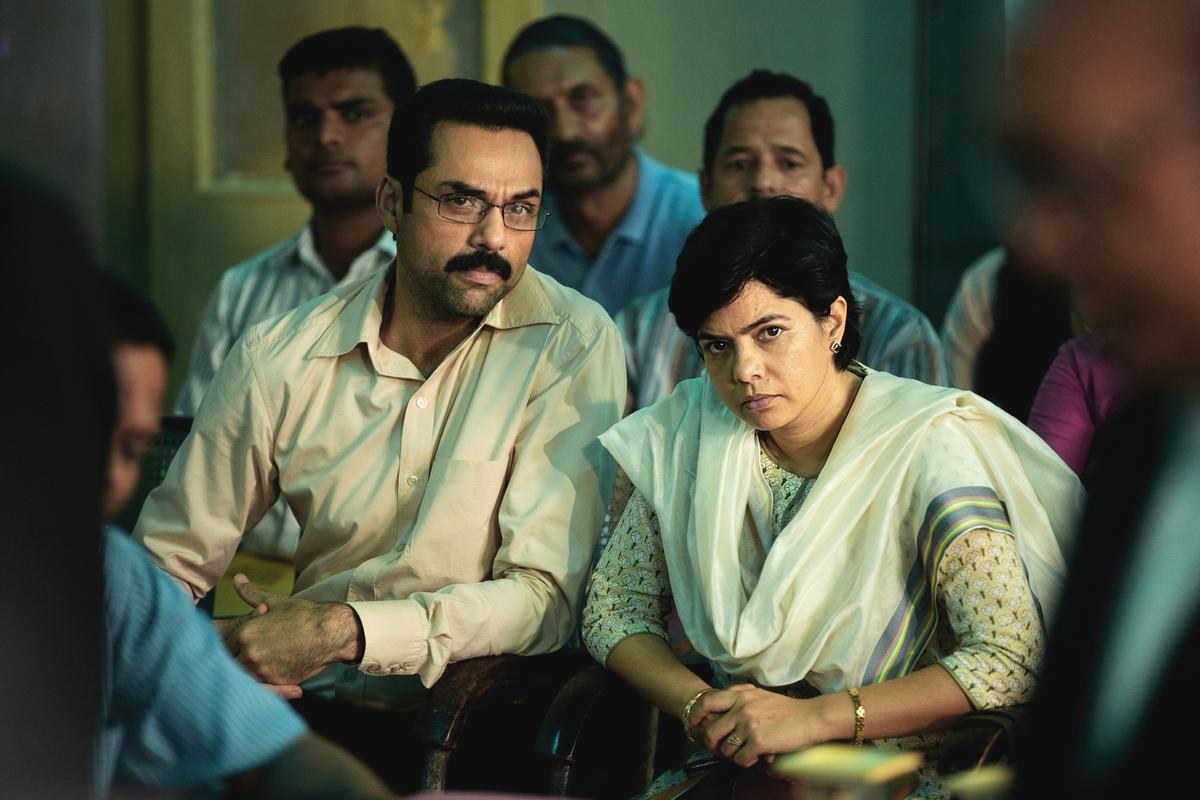
Tragedy can strike at any time, but some instances are preventable, and rare is the instance where people do seek justice for it. After all, after losing so much, it would be awful to fight and lose again. But these instances do still exist, and one such incident is the Uphaar cinema fire. Trial by Fire depicts this tragedy, but rather than focusing on the fire itself, it focuses on the fight the victims’ families took in order to seek justice. The show doesn’t play out as a courtroom drama, it takes an intimate look into their day-to-day actions, faithfully portrayed by the excellent Rajshri Deshpande and Abhay Deol. And while the industrial giants depicted tried to file an injunction against this show’s screening, thankfully, Trial by Fire is still able to make its stand. It’s solemn and grim, but it’s a potent reminder of the power we hold as a collective.
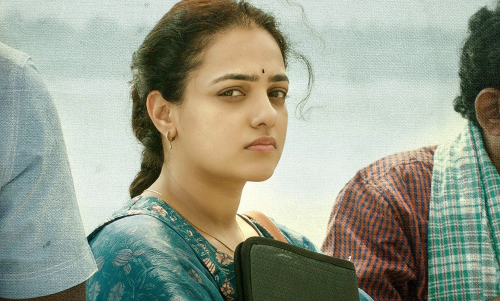
Sometimes the ability to create good drama (and comedy!) just depends on one’s attentiveness to how the world works and how people would reasonably react to it. And this new Telugu-language series illustrates this perceptiveness and empathy to great effect. Kumari Srimathi tells a story free of unnecessary gimmicks and stylization, but still manages to make clashing cultural values and the struggle to make money compelling just through an attention to detail.
Right off the bat, there’s so much that drives Siri, our title character: her love for her late grandfather, her frustration with her conservative but well-meaning family, and her outrage at all the assumptions people make about her as a single woman. All of this is channeled into her impulsive gamble to save their old ancestral home. But Siri, played by a tough and incredibly sympathetic Nithya Menen, isn’t the only star of the show. Many times these family dramas are content with assigning stereotypes to secondary characters. And this show also admittedly does this, but there are significantly more of them who feel just as real as the protagonist—all attempting to negotiate for the things that matter most to them, all coming from an earnest place.
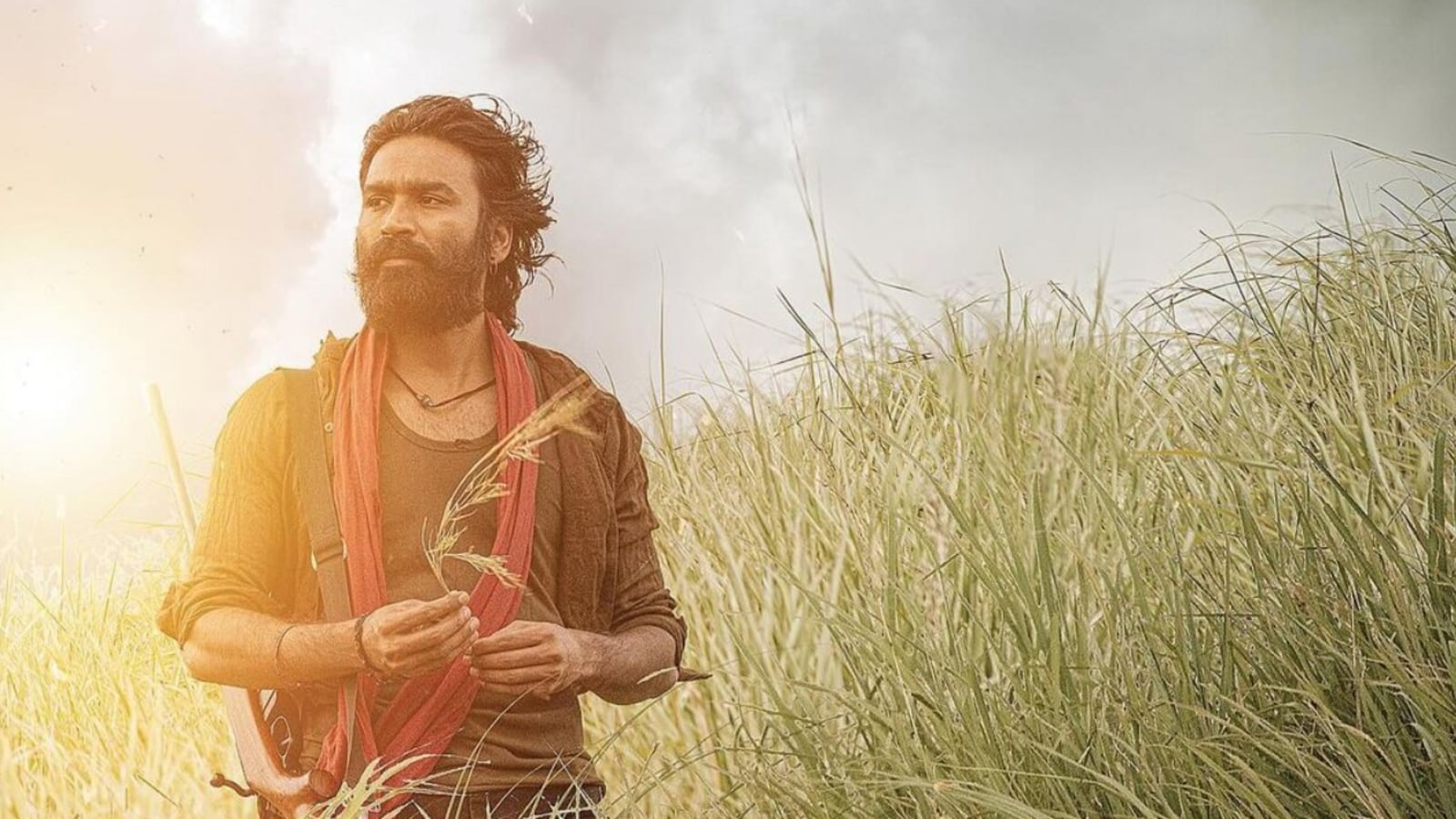
Set in the British colonial era, Captain Miller is more unapologetically violent than its counterparts, but it’s not mindlessly so. Sure, the film has plenty of spectacle with numerous battles between townsfolk versus British colonialists, some scenes having gruesome, gory deaths. But in between these battles is Dhanush as the central character, contemplating the oppression from his fellow countrymen, the dignity denied to him from both the colony and more privileged locals, and the choices he chooses to make in spite of this. It’s not a straightforward bad versus good anti-colonial film like RRR, and it may not be as emotionally compelling, but Captain Miller is certainly a unique take on British colonialism with all of director Arun Matheswaran’s signature style.

It’s refreshing to watch stories about queer people in the Global South unfold with this much joy and love and excitement. Many films and TV shows will have you believe that it’s all tragedy, and while the queer experience is certainly without its struggles, it seems unfair to hyperfocus on that aspect alone when there’s a lot of tenderness to go around. Rainbow Rishta finds the perfect balance between realism and romance, between strife and pride, in delivering the stories of its subjects. In doing so, it deepens our understanding of the global LGBTQ community.
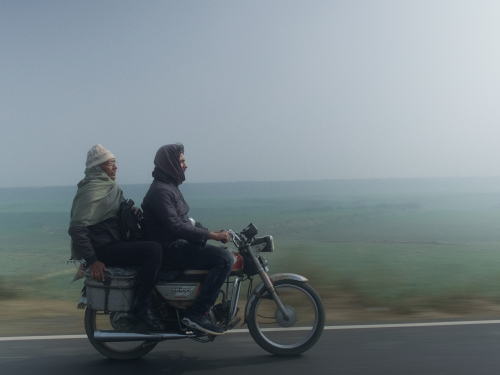
Dhuin is evidently influenced by the Iranian filmmaker whose work its characters discuss: Abbas Kiarostami. Featuring non-professional actors and full of long observational takes that center everyday conversations in the life of an aspiring actor in a small Northern Indian city, it’s guided by the same social realist impulses that shaped Kiarostami’s work. What’s more, it even ends on an explicit reference to Close-Up.
But what elevates Dhuin above homage is the acute internal struggle it depicts. Set during COVID lockdown, the film follows Pankaj (Abhinav Jha) as he works on his acting in a bedroom adorned with images of Hollywood stars, chafing against the much less glamorous reality of the home he shares with his financially struggling parents. He’s on the cusp of having enough money to fulfill his dream and move to Mumbai (where he hopes to advance his career), but several meetings with puffed-up filmmakers who are visiting from Mumbai give Pankaj a new perspective on the world he’s desperate to join. A testament to the torment of difficult choices, Dhuin also gently offers an alternative to the trope of abandoning home for the big city, suggesting that there might be greater beauty in the reality of where you’ve always been than the places you dream of.

It seems unfair to call Neeyat India’s (and Amazon Prime’s) answer to the Knives Out series of films, but it often feels that way. It’s a murder mystery that sides with the poor and satirizes the rich, and it mostly takes place in a grand manor that forces its colorful cast of characters to interact until, inevitably, their hidden motives surface. Of course, Neeyat isn’t an exact replica; it has its own inflections and charms, and figuring out how India’s ultra-rich live, specifically, is its own kind of fun. In fact, this is when the film shines the most, when it allows its talented cast to parade the silliness of their characters. Like Knives Out, it makes for a great ensemble movie. But as a murder mystery, Neeyat is not as successful in weaving multiple mysteries and pulling off twists. It’s bogged down by unnecessary melodrama, flashbacks, and exposition, eventually falling off the rails of logic. It’s still enjoyable, for sure, but maybe more as a campy comedy than as a genuinely thrilling mystery.
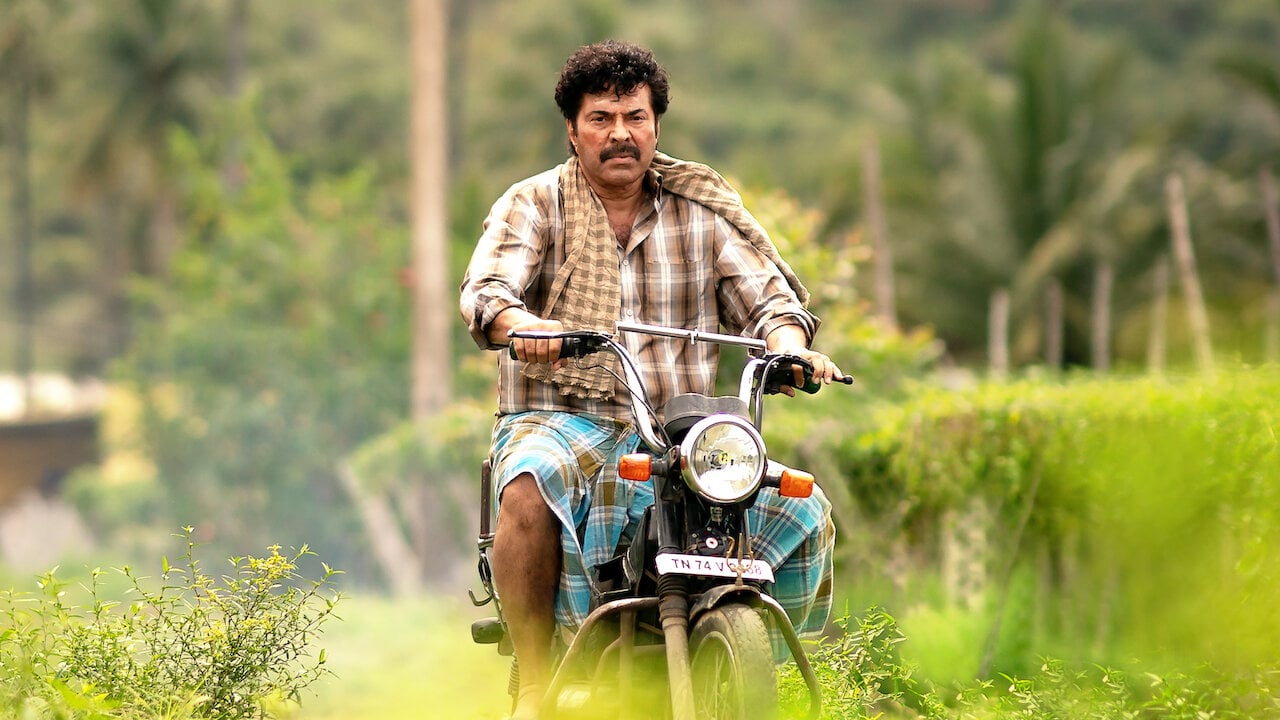
Nanpakal Nerathu Mayakkam might not immediately make sense to audiences new to director Lijo Jose Pellissery, but it’s still an interesting film that depicts Tamil culture. Also known as Like an Afternoon Dream, the contemplative bilingual film is centered around a prejudiced Malayali tour guide who wakes up as another man, specifically someone fluent in Tamil, and walks into the nearby village. Through vignettes focused on the village inhabitants, the film slowly unravels the dynamics between each of the villagers, flitting back to the tour bus on occasion to see how they’re faring. While some of the comedy goes over viewer’s heads, especially for people unfamiliar with the state, the slow-paced film feels like a fond memory from Pellissery. The film doesn’t explain anything at all, in the same way strange dreams refuse to do.
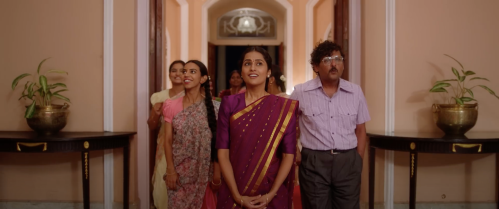
With elaborate sets, musical numbers, and an ensemble cast, Aachar and Co doesn’t feel like a regular budget-bound debut feature. In fact, director Sindhu Sreenivasa Murthy, who also stars as Suma, pulls off this family drama with a whimsical yet period-accurate, Wes Anderson-esque style. This style keeps the film’s nostalgic and lighthearted tone, even as the siblings’ journeys, most especially that of Suma, go into darker times. As the family cycles through each of their weddings and funerals, Aachar and Co comments on the societal changes that shifted the lives of Indian women in the 1960s. The resulting film is just as bittersweet and nostalgic as the mango preserves the family makes.
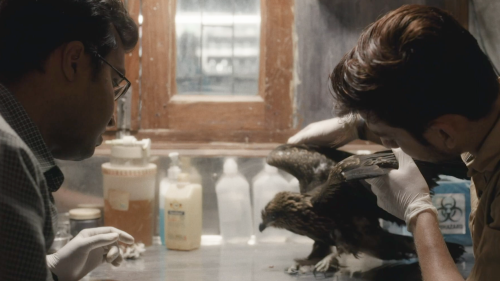
Though it doesn’t proceed like most animal/nature-centered documentaries that you’ve seen, the Oscar-nominated All That Breathes is instantly memorable in the way it de-centers the human perspective from its all-encompassing study of New Delhi, India. The wildlife rescue team that features prominently in this film still only becomes a vessel through which director Shaunak Sen explores the environmental and political hazards being faced by the nation today. It’s a movie that definitely challenges you to think for yourself, as any talking heads or on-screen explanations are traded for truly stunning shots of New Delhi as a biome teeming with life among the dirt. For those who want their documentaries unconventional, this is excellent stuff.

Because the world exploits developing countries as dumping grounds for their waste, more attention should be focused on this issue. The immediate filmmaking response would be to document this reality, but Telugu thriller Gandeevadhari Arjuna takes this idea as the driving force of its story. It’s the reason why the bodyguard Arjun takes this job, as well as the reason why the Minister needs protection and why his family has unresolved drama. While the romance subplot distracts from this issue, Gandeevadhari Arjuna deftly interweaves this real-life problem into sleek action sequences, relatable family drama, and a personalized depiction of the problem’s consequences.

This docuseries follows six couples from Japan, the U.S., Spain, Brazil, and India, as they share their stories of a lifelong partnership.
It might sound like any other Netflix Original, but there are no twists or turns, and it never feels forced or aimed at a trend. Instead, it’s a mirror of the peacefulness that the couples have built together: a tender and simple existence that’s impossible not to aspire to.
The first episode follows a couple in Vermont who maintained the last farm in their area until passing it on to their son. Once high-school sweethearts, Ginger and David went on to have six children, and stay married for 60 years.
This life of quiet doesn’t necessarily mean an easy life, especially as the two have to pick between expenses like affording care or getting their grandchildren birthday gifts. Their biggest concern at this point is making it easy for their children after their passing, which carries its own weight.
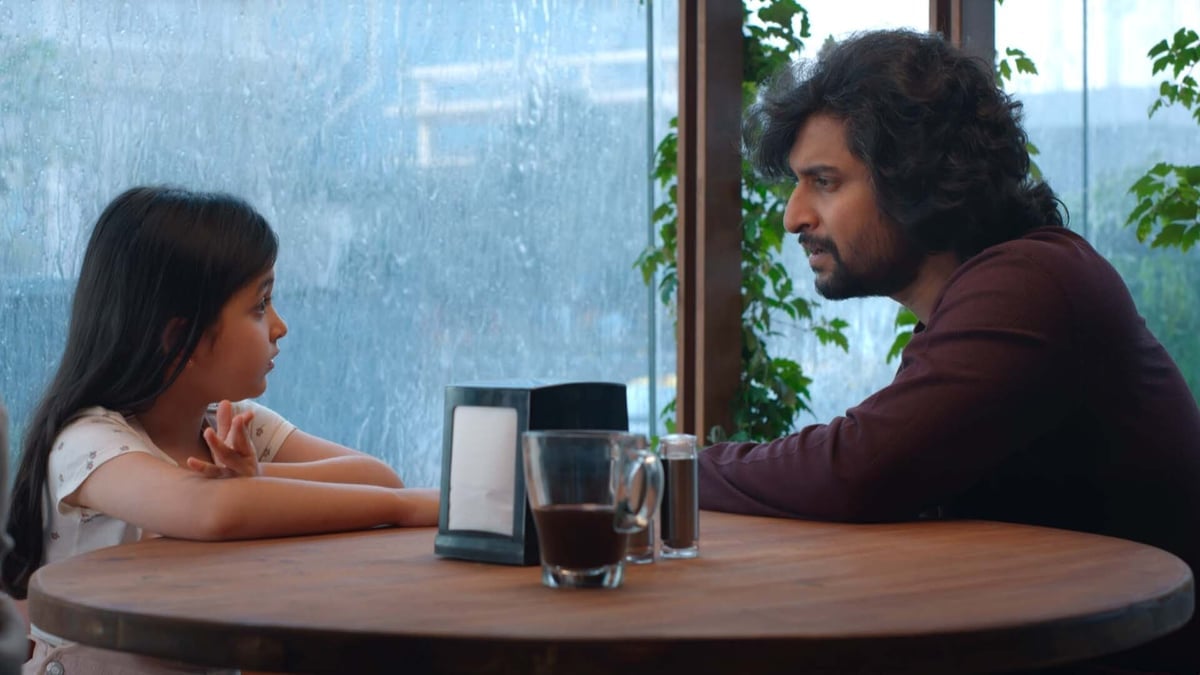
When your dad is single, and he isn’t in a relationship with someone else, naturally, a kid would wonder about their real biological mother. Hi Nanna is a take on this familiar tale, though Shouryuv’s directorial debut makes it feel brand new by telling the love story in a way a father would tell his daughter– mindful of the audience, so slightly embellished, but no less sweet. By doing so, it makes the viewers yearn for the lost love before raising our hopes and revealing the possibility of getting it back, especially with the natural chemistry of Nani and the striking Mrunal Thakur.

The 1984 Bhopal gas leak is the world’s worst industrial disaster, and with the success of HBO’s Chernobyl, YRF Entertainment partnered with Netflix to create a miniseries based on the event. The Railway Men: The Untold Story of Bhopal 1984 is a compelling watch, with four fictional protagonists that serve as composite characters of real life heroes in the tragedy. Even as the viewers know what will happen – the case details are available online and the show’s first moments reveal the outcome – it’s still a powerful depiction of the preventable tragedy, as the show recognizes the personal consequences through their heroes. While the narrative does sometimes lose balance, and the certain effects falter, the series carefully depicts the preventable chaos with an anger over the injustice that still remains unresolved.

More a showcase of various styles of animation than an expansion of Star Wars lore (and all the better for it), Visions finds some of the freshest expression for these tired tropes—rendered in what are easily the best visuals this franchise has ever seen. Across the 18 episodes of its first two seasons, the series communicates the mystical nature of this universe with much more ease than the live-action films do. And even as Visions begins to repeat some of the exact same ideas and story structures in multiple episodes, the repetition also begins to feel like the reinforcement of a universal narrative throughout time and space: there will always be light that will counter the darkness, often coming from the bonds between family and friends.

Ray is a captivating anthology series that pays tribute to the genius of renowned Indian filmmaker Satyajit Ray. With four distinct stories, each directed by different acclaimed directors, the series showcases Ray’s signature blend of human drama, mystery, and social commentary. The performances by the talented ensemble cast bring Ray’s nuanced characters to life. From tales of love and betrayal to stories exploring the complexities of human nature, Ray offers a rich and diverse viewing experience. With its engaging narratives, stunning visuals, and thought-provoking themes, there is bound to be an entry in the series for every mystery lover.

The White Tiger only occurs once in 10,000 births naturally, so it’s a fitting title for this film’s protagonist, as someone deemed smart enough to have a shot at breaking through his social class. It’s an extraordinary character study. It’s not because it’s the most original story, because it would be easy to recognize how much of an underdog Balram Halwai is. It’s extraordinary because of the pulsing anger that bleeds through the dark humor, a refusal to sugarcoat that makes the film stand out. As Balram recalls the upper class family he used to work for, the drama dives deep into the systemic corruption that determines most people’s fate in India, with such a gripping direction that it’s hard to look away, even as it gets ugly.
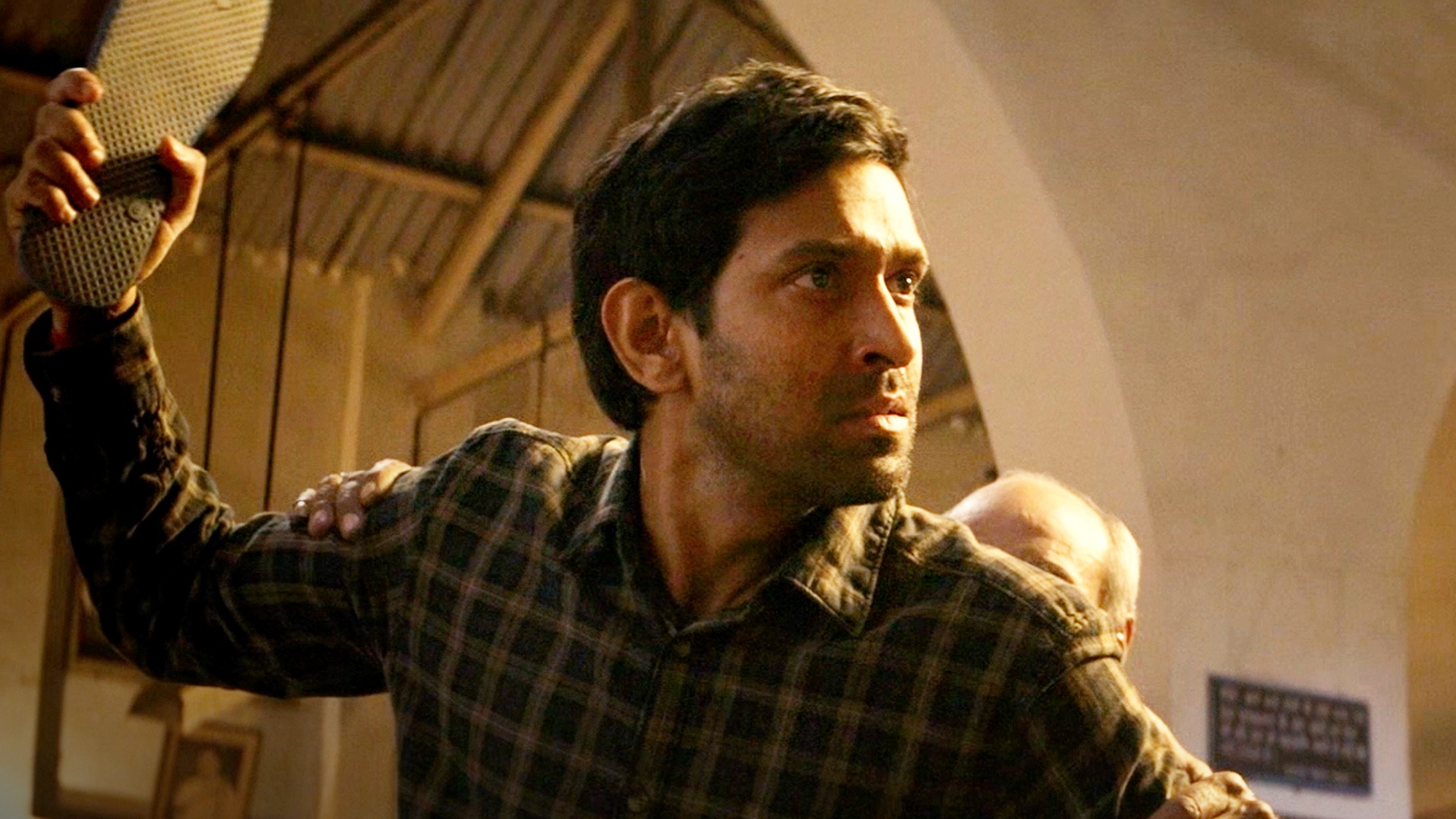
When everyone around you is cheating, the temptation to join in is tempting, especially if you’re not confident in your own abilities. 12th Fail is the story of IPS officer Manoj Kumar Sharma, and it’s a story about how one instance of honesty sets him on a path to become the same honest police officer that helped save his brother’s life. While it does take a fairly standard message, and the pace falters a bit as it goes on, the biopic depicts this from an understanding of how things are unfairly stacked against people like Manoj, but also with an understanding that the country needs more everyday people in their ranks. 12th Fail may be a familiar underdog story, but it’s lovely, well-made, and unironically sincere in its message to be honest, even when the odds are stacked against you.

 x1
x1
Shot and edited in an immersive, unembellished style that makes it seem more like a work of narrative fiction than a documentary, Against the Tide begins from a personal place—the friendship between two Indigenous fishermen—before branching off into an exploration of a myriad of issues that these men and their families are involved with. Major credit goes to director Sarvnik Kaur not only for capturing life in Mumbai with loving (but never whitewashed) detail, but also for being a truly silent, invisible observer who never uses her camera to frame any of her characters as right or wrong. There’s a dizzying amount of material that Kaur manages to tackle even in the simplest, candid conversations: class, caste, gender, the environment, technology outpacing the communities most affected. And to see the film’s central relationships slowly be chipped away by all this change is as heartbreaking as any fictional tragedy.
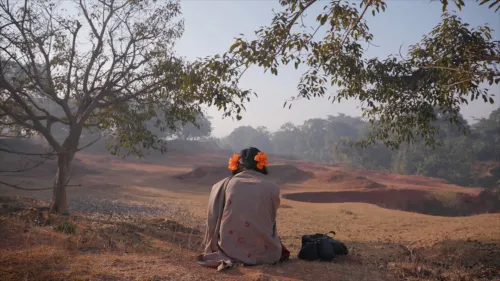
To Kill a Tiger should not be an easy watch. It’s about the gang rape of 13-year-old Kiran, a girl whose small village has shunned and blamed her for “not knowing better,” and who is being forced by community leaders to marry her abuser to “erase the stain” on herself. But instead of leaning on sensationalism, Director Nisha Pahuja tells Kiran’s story with so much care and sensitivity that it feels refreshing and ultimately inspiring to watch. Pahuja hones in on Kiran’s relationship with her father, Ranjit, who stands by her daughter despite the pressure imposed by his community to do otherwise. The filmmakers note that he’s the rare man to pursue justice for his wronged daughter, and we can see through intimate conversations among the villagers, lawmakers, and social workers how brave and novel Kiran and Ranjit’s journey is. To Kill a Tiger is not an easy watch, but under Pahuja’s deft direction, the discomfort feels necessary, and the relationships heart-aching but uplifting.

From Aaron Sorkin, the creator of every liberal’s favorite 2000s political drama, The West Wing, The Social Network, and the master of the “walk and talk”, comes the dramatization of a sadly true American story from the mid-last century. In 1968, different groups from all over the country travelled to Chicago to protest the Vietnam War at the Democratic National Convention. The Chicago police greeted them in full riot gear, purposely attacking the peaceful protesters. Five months later, eight of them (charges against Black Panther leader Bobby Seale were dismissed) were arrested for inciting riot. As the title suggests, the film details the trials that followed, which highlight the still ongoing battles within American society and politics: racism, ineptness, corruption, complacency, you name it. On a lighter note, while you wouldn’t necessarily call this an ensemble cast, the number of unlikely familiar faces in this film is off the charts: Yahya Abdul-Mateen II, Sascha Baron Cohen, Joseph Gordon-Levitt, Eddie Redmayne. It also features some of the greatest supporting actors in American TV history like John Carrol Lynch, Frank Langella, and the amazing John Doman aka Bill Rawls from The Wire.

Jaane Jaan is one of those thrillers where you hope that the main characters would get away with murder. Based on the 2005 Japanese novel, the Hindi adaptation still has the cat-and-mouse dynamic between the relentless detective and math genius protecting the suspect, along with their elaborate chess-like mind games. However, the film changes a major plot point from the novel, and without spoiling too much, it turns the math teacher, now named Naren, into a less sympathetic character. Given today’s sensibilities, it’s easy to understand why the change was made. After all, just because someone’s a genius, it doesn’t mean that they’re someone to be admired. Jaane Jaan still keeps up the exciting thrills and suspense of the original novel, but in making its changes, it becomes unclear who the film is rooting for.

This crazy heist movie is told in a very original way. Because it’s based on a true story, the movie (with actors and a story) is sometimes interrupted by the people it’s about. The opening scene even reads: “this movie is not based on a true story, it is a true story”. Two friends decide to rob their local library from rare books worth millions. They’re driven by money but also by wanting something different than their monotonous everyday lives in Kentucky. The need for a change is a big theme in this movie, but the story and the way it’s told never cease to be breathtakingly thrilling. American Animals stars amazing actors like Barry Keoghan (Dunkirk), Evan Peters (Kick-Ass), and many more; but perhaps equally as notable is the director: Bart Layton, who is fresh from his amazing 2012 sleeper-hit The Imposter.

When it comes to examining the cycle of violence college students get into just to get their degree, Aavesham falls short of making a clear stand against the ingrained student hierarchy, as well as ethnic nationalism that plays into that. The film could have delved deeper into these issues in a more incisive way. That being said, it’s really fun to watch these three hapless freshmen try to make it somehow. It’s cool to see the fight scenes. And it’s also pretty fun to see Fahadh Faasil wield his charisma, as such a cool guy that these freshmen see some hope in. Aavesham doesn’t delve deep into the serious topics, but it’s nonetheless a fun drama that captures the relief of finding someone like one’s self in a strange place.
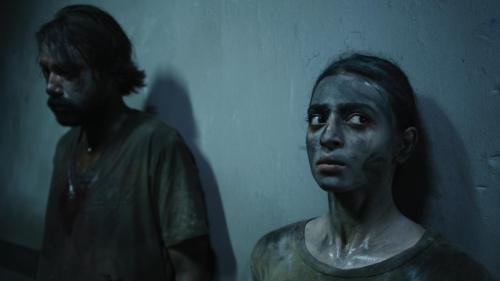
Though relatively low on scares, this three-episode Indian miniseries fully believes in horror of a different kind: governments that indiscriminately call anybody terrorists if they try to think for themselves. Set almost entirely in a military interrogation facility, Ghoul wastes no time telling us who the real monsters are, never making the mistake of making the victims appear morally questionable. When the horror finally kicks in, it feels like satisfying karma—but always with a lingering reminder that a greater evil is still out there. So while its runtime may be perhaps too short, its promise of righteous revolution is something many people around the world just might need to hear.
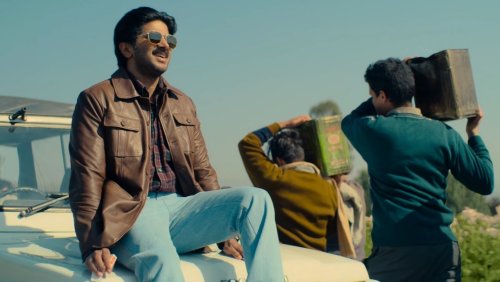
Young love, gunslinging, and the players of an opium ring open the first episode of the Indian comedy-crime-thriller, Guns & Gulaabs. The show alternates between scenes of serious crime, gruesome murder, love confessions, and comedic bits, which all blend surprisingly well. It also employs various quirks, including movie soundtrack references and fast-paced action scenes, that strengthen its 90s worldbuilding. And the multiple storylines quickly allude to each other in the first two episodes, allowing them all to progress without any lag. With its deft balance of crime and comedy, Guns & Gulaabs begins with a bang and a chuckle that’s hard to turn away from.
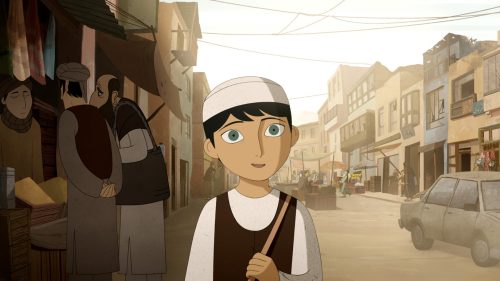
The Breadwinner is as beautiful as it is heartbreaking. The animation is magical as it seamlessly jumps back and forth between Parvana’s stark reality and richly detailed fantasy. It’s a wonder to just look at, but it’s a tapestry brought to life by the story at the center of it.
Set in 2001, at the height of Taliban rule in Afghanistan, the film follows Parvana, a young girl driven to desperate measures to keep her family alive. Because of the violent restrictions imposed on women (they’re not allowed to buy, sell, study, or practically do anything without a male chaperone), Parvana disguises herself as a boy so she can work for a living. The more she gets away with it, the bolder her attempts get. It’s a story of survival and standing up, but it’s also a sobering reminder of what fundamentalism is capable of doing (or more accurately, ruining). As long as cruel systems like this are taking place in the world, Breadwinner remains essential viewing for all.

An underrated title from one of South Asia’s greatest directors, The Coward might have a simpler plot than Satyajit Ray’s other dramas, but it’s no less deep in exploring human behavior. As you would expect from the title, the film is about cowardice in relationships. The way it’s explored is interesting. It feels like a detective film without a crime, slowly dropping clues through shared glances, snippets of the past, and the recognition between the former lovers that they mostly leave unmentioned. And as each clue is revealed, the film matches its investigative direction to the judgmental way many of us examine the end of a relationship. It’s an interesting approach, one that has been replicated later on, but what makes The Coward still a standout today is how it’s willing to confront its own lead’s lack of courage. Kapurush might be one of Ray’s lesser known works, but it nonetheless still highlights the emotional honesty Ray is best known for.
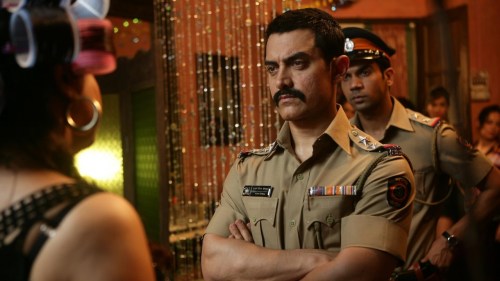
Despite being colorful and full of music like many Bollywood films, there’s a noirish sensibility to Talaash that makes it stand out. The plot takes on a familiar investigation. The protagonist, portrayed by Aamir Khan, is broody and jaded due to grief. And of course, there’s a femme fatale portrayed by Kareena Kapoor Khan, who remains frustratingly yet compellingly elusive. All this together creates an incredibly suspenseful atmosphere, so the twist at the end might prove to be divisive to viewers. To this viewer, however, it was a clever way to tie in Surjan’s grief into the story. Talaash is terrific.
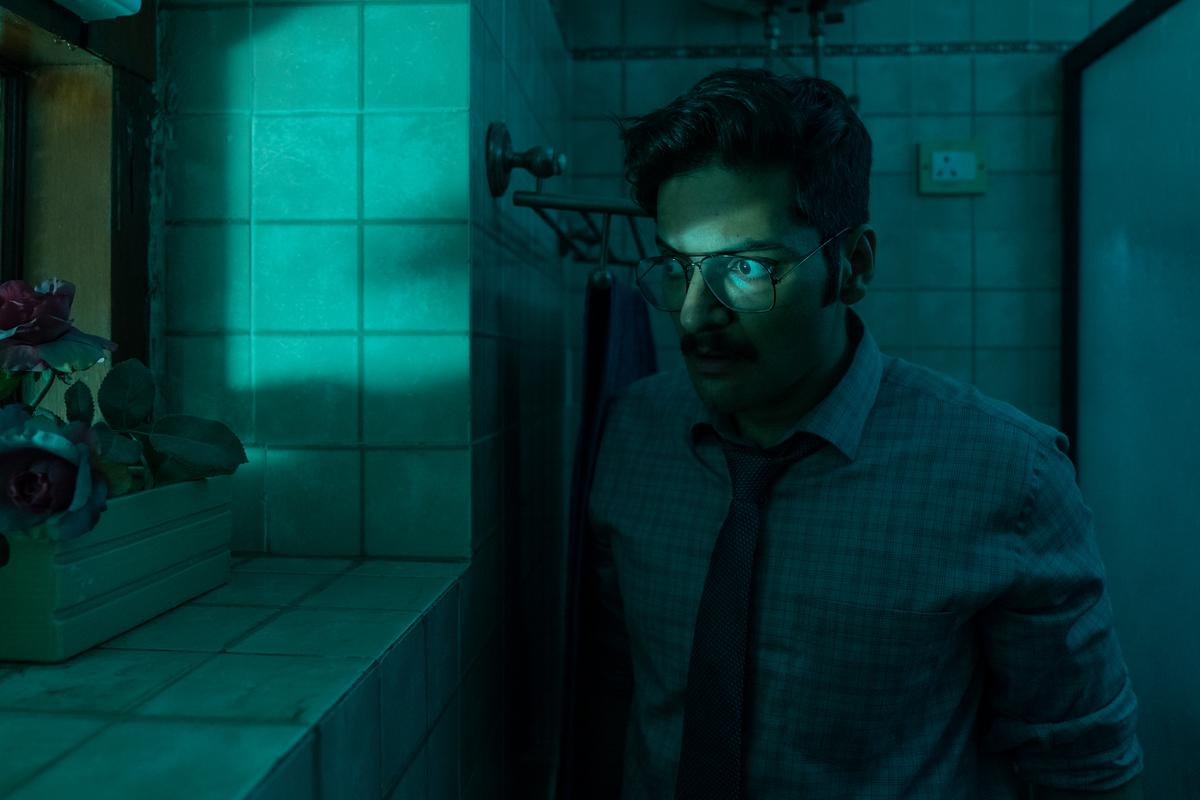
If you’re looking for exotic locations, glamorous spies, and dramatic shoot-outs, Khufiya is not the espionage film you’re looking for. Like the original novel it’s based on, the film adaptation is a complex, intricate spy story where countries try to interfere with each other’s affairs, and agents handle the dry and dirty work to achieve this. With the true-story-based details of the source material, writer-director Vishal Bhardwaj keeps the story’s historical accuracy, but also adds a personal revenge subplot through the addition of a female main protagonist. The result of the changes complicates the film’s introduction, but if you have the patience, Khufiya still has what makes a spy drama compelling– the double-agent turns, the doubts and mistrust, and a satisfying resolution to the operation.

At first glance, Dil Chahta Hai is an ordinary ensemble romcom. There’s some guys, there’s some girls, and they fall in love in their own special way as befitting the general archetype of protagonists we’ve seen in other romcoms. But to the film’s credit, it’s made pretty well. Many viewers can appreciate the catchy songs, the charismatic leads, and the spectacular way writer-director Farhan Akhtar stages each number, but what makes his debut work is how in tune it was with modern Indian youth, and the way it grounds all three love stories through the friendship of three young men fresh out of college. Dil Chahta Hai balances its romantic drama with the support of friends, similar to how relationships work in real life.
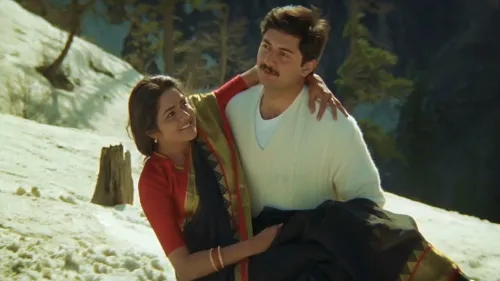
For better or worse, marriage links the fate of two people for the rest of their lives, even long after it has ended. So when separated because of kidnapping, of course a loving spouse would do all they can to reunite again. It’s this motivation that drives Roja, both the character and film. Through a couple torn apart, Roja urges the nation to bring them together by bringing the region and the whole of India together, by ensuring that the region doesn’t separate from the whole. Admittedly, the pan-India nationalism does somewhat detract from the couple’s struggle, as it includes some plot points that needlessly endanger both of them. However, Roja as a romance is quite compelling, maybe just enough to ignore its flaws as a political thriller.

A documentary about girls and young women in developing nations around the world facing and confronting a myriad of cultural pressures and injustices. The personal stories of nine girls are written by celebrated female writers from their individual countries (spanning The Americas, Africa and Asia), recreated in dramatic fashion by director Richard Robbins, and narrated by famous actresses including Cate Blanchett and Meryl Streep. Despite the often horrific nature of the girls’ hardships (slavery, rape, forced marriage, etc.), the film is an uplifting testament to the power of hope and determination, and a strong advocate for education as the key to advancement for young women the world over. It’s an important cinematic achievement and an undeniably necessary educational experience.

The manic pixie dream girl unexpectedly entering a young man’s life is the subject of plenty of romance films, to the point that this plot has become somewhat overdone, stereotypical, and overly unrealistic. However, there are moments in cinema when this archetype is portrayed well– Jab We Met is one of them. It’s joyful without being unrealistic, it’s realistic without being too jaded, and as two lost souls share the same train, writer-director Imtiaz Ali creates a feeling of freedom every time then-lovers Shahid Kapoor and Kareena Kapoor save each other from the prisons of their different, day-to-day lives. And it all comes with the song numbers as fun as the film’s leading lady.

The Bengali novel Devdas has undeniably captivated the entire Indian subcontinent with its tragic love triangle, spawning numerous adaptations, but the best of which is arguably 2002’s Devdas. Co-writer and director Sanjay Leela Bhansali takes the classic tale and transforms it into a spectacular, well-crafted period drama musical that pleasures the eyes and hits all the right notes in all production aspects– the performances, the sets, the costumes, the camera, the lighting, the music, and the choreography– while still transcending the story with key changes that feel natural and effortless. Devdas is Bollywood and Bhansali at their finest, with its full three hours breezing through in pure splendor.
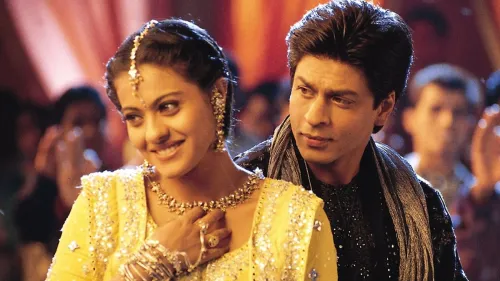
With a runtime of a whopping 3 hours and 30 minutes, Kabhi Khushi Kabhie Gham (or K3G) might be too long for the average movie watcher. After all, it would require a whole afternoon just to watch. However, there’s something compelling about the way this dual romance presents its conflict. The first half could already work as a film of its own, as a sweeping romance between Shah Rukh Khan and Kajol, complete with parental disapproval, the revoking of one’s inheritance, and multiple thunderstrikes to underscore the drama of a confrontation. But this first half sets up a lighter, comedic follow-up in London, with Hrithik Roshan and Kareena Kapoor stepping up to Parent Trap the Raichand family into harmony. As Laddu orchestrates their reunion, K3G takes familiar Bollywood tropes to cathartically mirror the pain of families separated by migration.
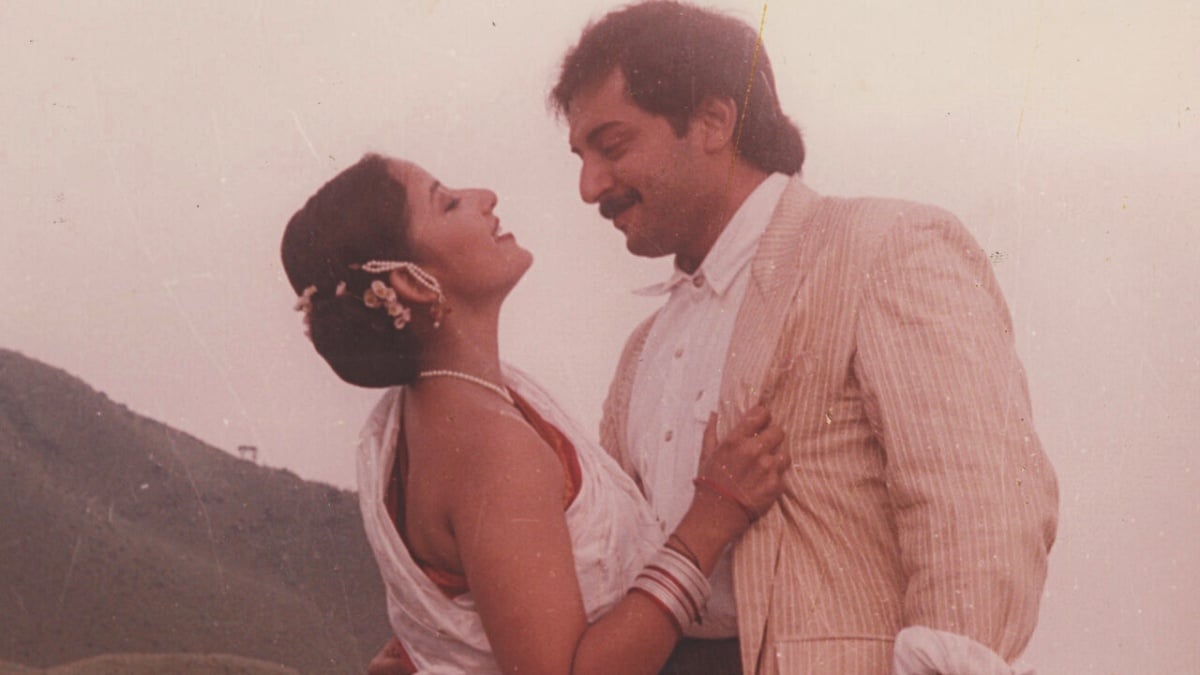
While the world has gotten used to the many variants of the Romeo and Juliet story, Bombay was controversial upon its release, due to the story being centered on an interreligious marriage between a Hindu man and a Muslim woman– it led to bans in at least two countries, and to at least two homemade bombs thrown at the director’s house. The main Muslim leading lady was also portrayed by Nepali Hindu actress, Manisha Koirala, and there’s a bit of a bias with the way certain real-life events were portrayed. Despite this, Bombay still managed to captivate the country, with writer-director Mani Ratman skillfully holding our empathy for the two lovers, integrating their personal relationship in the context of the wider social issues that was shifting India at the time, and doing it all through its dynamic shots, excellent performances, and the spectacular soundtracks. It’s because of this Bombay is remembered as an ambitious masterpiece and commercial success, becoming one of the highest grossing Tamil films ever made.
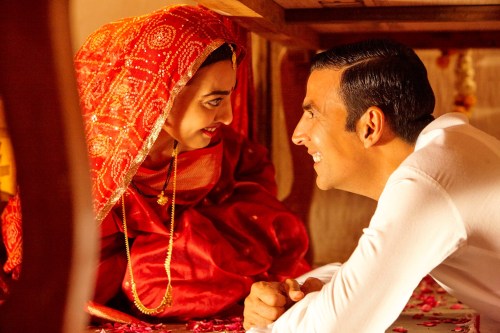
We’re not aware of the reason why Pad Man didn’t just adapt Arunachalam Muruganantham’s life straight up. The biopic replaces their names, but the general story is the same, with Lakshmi creating a cheaper way to make sanitary napkins despite social stigma. Admittedly, it has all the cheesy biopic story beats. It gets frustrating to see society find even the mention of menstruation impure, to the point they’re willing to let women die from infection. However, this familiar approach makes sense for a topic that still retains some stigma around the issue. While the film plays it safe, Pad Man at least ensures that the real guy’s story is spread.
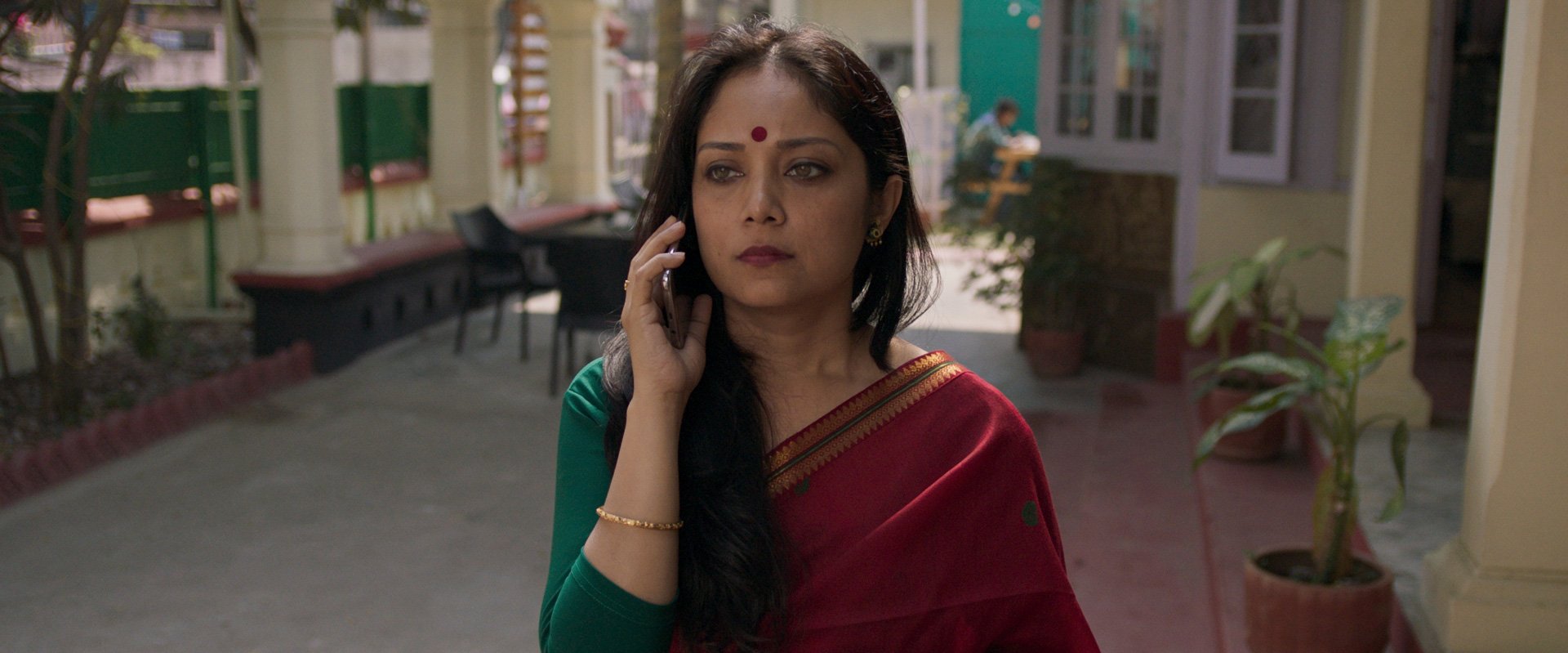
At the beginning of Aamis, it’s easy to think that the film will be a unique forbidden romance drama where the lovers could only be satiated by food (and perhaps each other). To a certain extent, that’s correct. Like their love for unique food, it’s the yearning for the unusual and the strange that drives this relationship, with the feelings blossoming between them fulfilling something that their relationships and careers can’t, and the performances between newcomers Lima Das and Arghadeep Baruah make this feeling palpable, taking the two to a surprising, if not totally unexpected, climax that most viewers wouldn’t expect from Bollywood, much less Assamese cinema. Aamis is a provocative romance that might be hard to stomach for some, but undeniably has its own flavor.
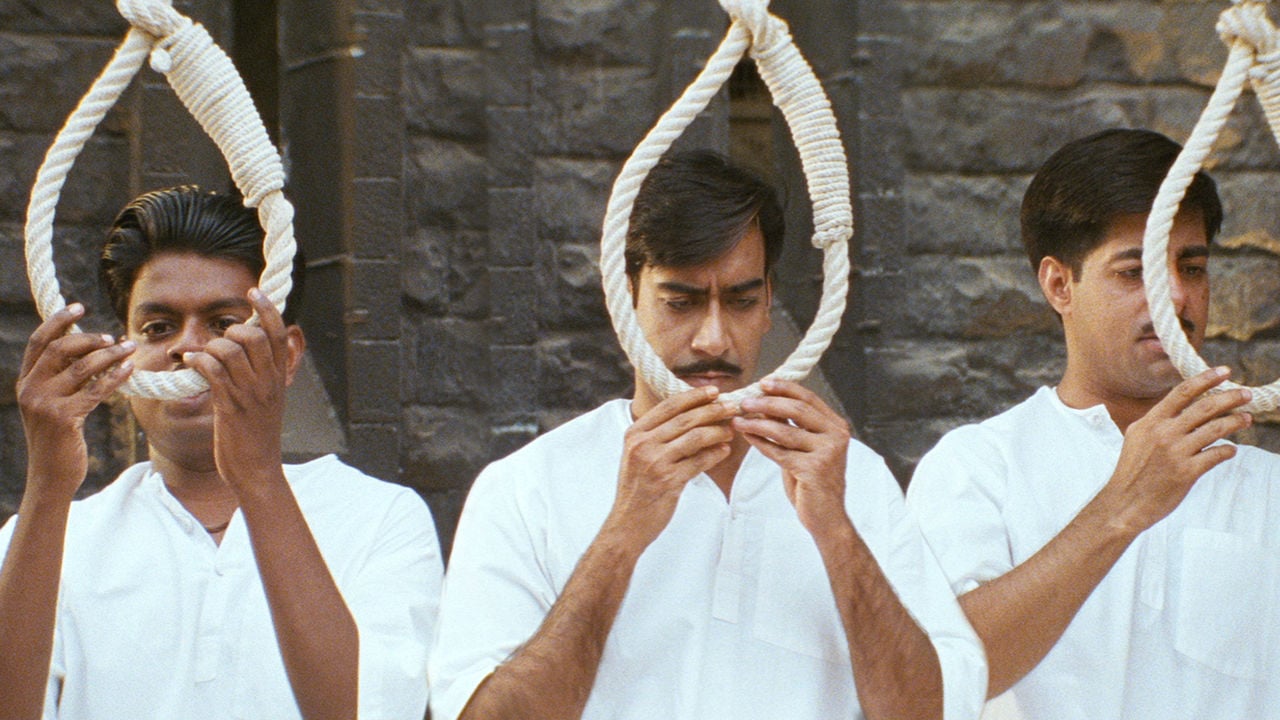
When talking about resistance against colonial powers, nonviolent resistance, inspired by Mahatma Gandhi, is oftentimes touted as the most righteous and morally correct path to take. However, most people forget that this violence is done in response to the violence enacted upon them, and that violent resistance has worked alongside the non-violent path, with a serious rationale behind their methods. The Legend of Bhagat Singh remembers one of the Indian revolutionaries that devoted their lives to the cause, though in a different way from Gandhi. The film has some inaccuracies, and it emphasized the romance he might have had with the unmarried woman later known as Bhagat’s widow, but the Legend of Bhagat Singh is an interesting portrait of a revolutionary that needs to be discussed more.
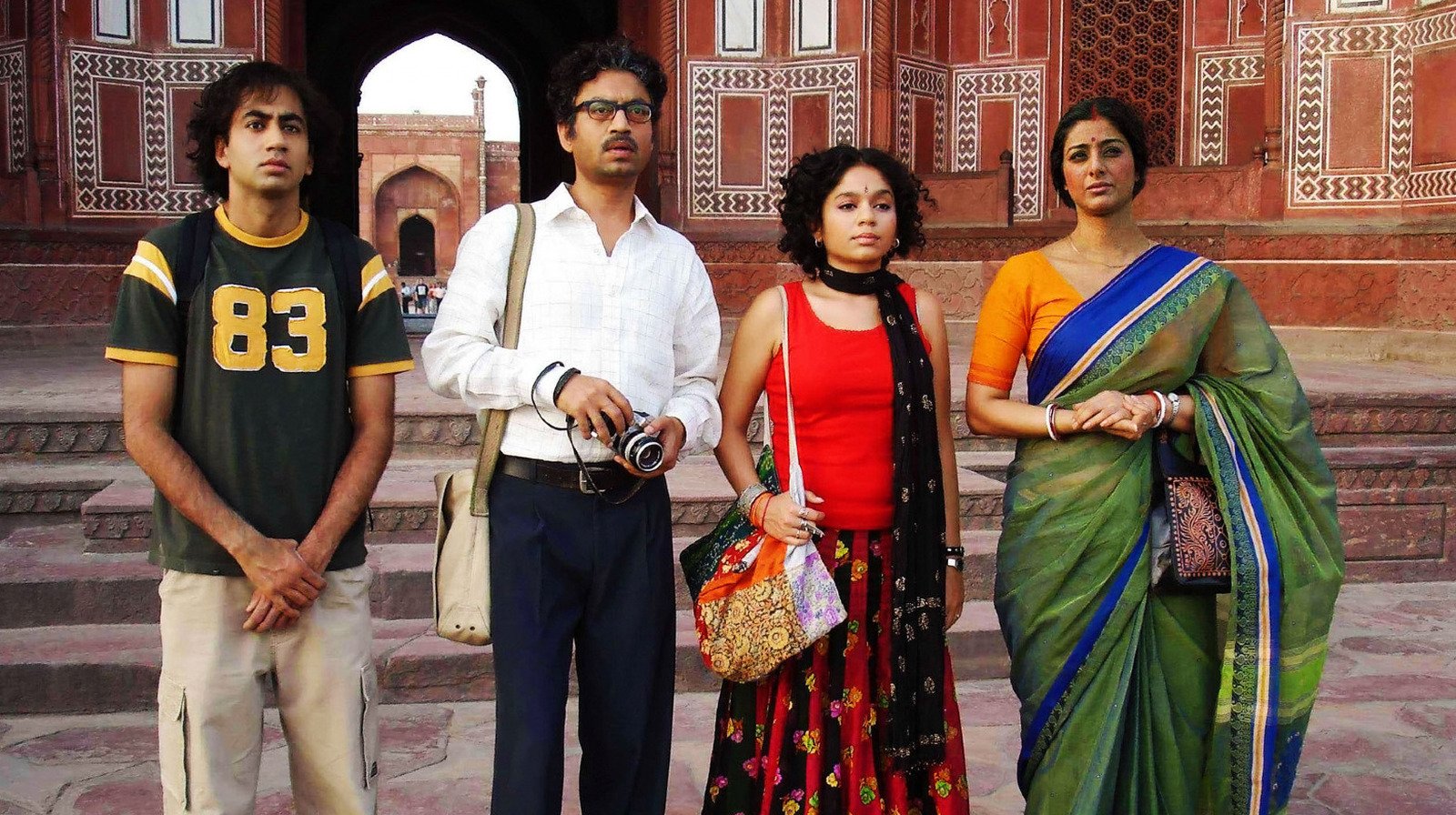
How is it possible to fit a whole lifetime into a movie? Mira Nair’s The Namesake, an adaptation of Jhumpa Lahiri’s beloved novel, excels in doing so, gliding through the book’s plot with ease, but it’s done in a subtle and straightforward way that makes it feel less complex than it really is. The scenes take peeks into the lives of the Ganguli family, but each scene holds emotional weight, subtly mirroring the past, hinting at important moments relayed from the distance of time (like when Ashoke reveals his reason to leave India) or of space (like when every news is relayed by phone call). The cast holds that weight in their performances, especially in the lovely, if not physically affectionate, marriage between Ashoke and Ashima. All of this makes The Namesake an incredibly touching portrait of an Indian immigrant family.
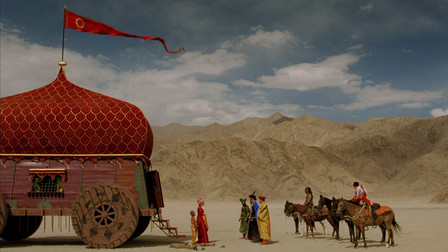
Filmed in 28 countries over a period of four years, The Fall is a modern-day epic with haunting undertones. After a young girl is hospitalized by a fall, she meets an injured stuntman bedridden following a failed stunt. He begins to tell her a magical story of five men and their quest to kill an evil dictator. But as the tale progresses a darkness threatens to destroy both the fantasy and reality. The film is incredible due to its art direction and the fact that it’s all shot on location without the use of digital effects. The story is a wonderful mixture of fantasy and action with a darkly realistic edge that ends up resonating with you more than the traditional fantasy film. It’s a movie that satisfies nearly every genre and mood and remains captivating in the process. A testament to the art of storytelling. Tarsem Singh directs a masterpiece which words cannot do justice in describing.
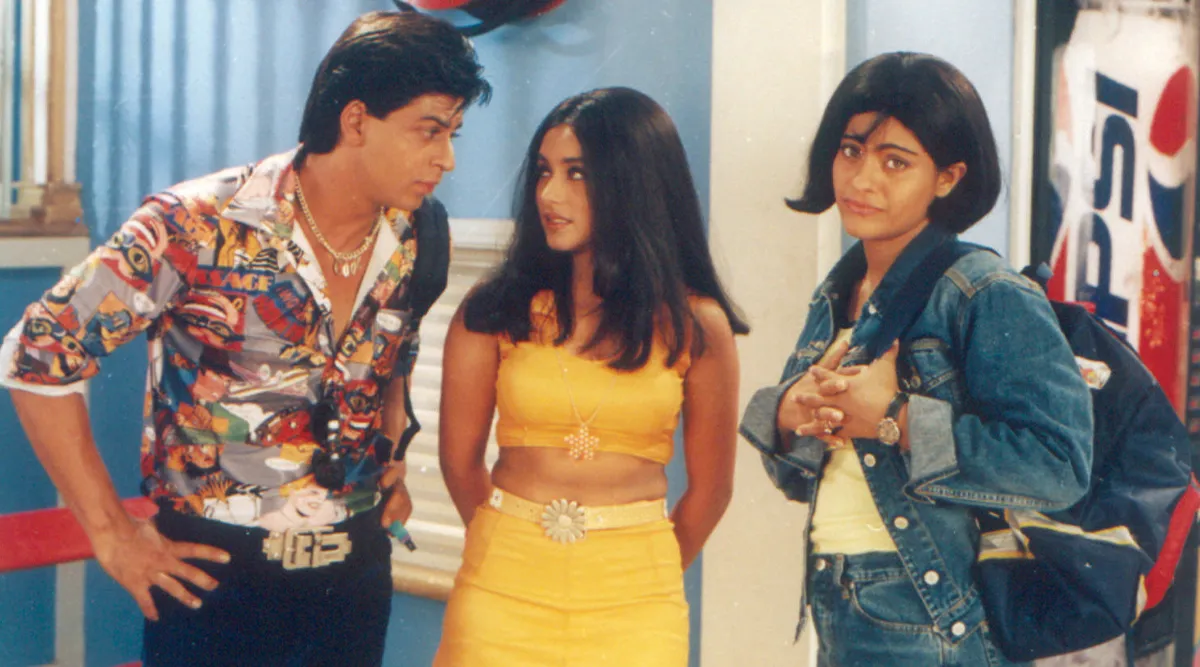
When the love triangle is set between the most popular guy in school, his tomboyish best friend, and the beautiful principal’s daughter, Kuch Kuch Hota Hai unsurprisingly goes through the inevitable who-would-he-choose romantic storyline. We’ll say it outright: It should be cliché. And yet, we’re surprised to tell you that it works. Part of it is because of how it’s framed– before we get into the youthful shenanigans that plague schools all over the globe, we learn about them from the future outcome, namely from Rahul’s child, reading a letter from the mother that passed away. But even when we get into the overly glowy memories of the time, Kuch Kuch Hota Hai still feels different because of the way it cares about its characters. Neither Anjali or Tina are made into villains for no reason– they’re all friends that have fun together, have incredible chemistry, and care about each other. Maybe in another universe, they would have been polyamorous. Kuch Kuch Hota Hai somehow does the impossible in such a refreshing way.
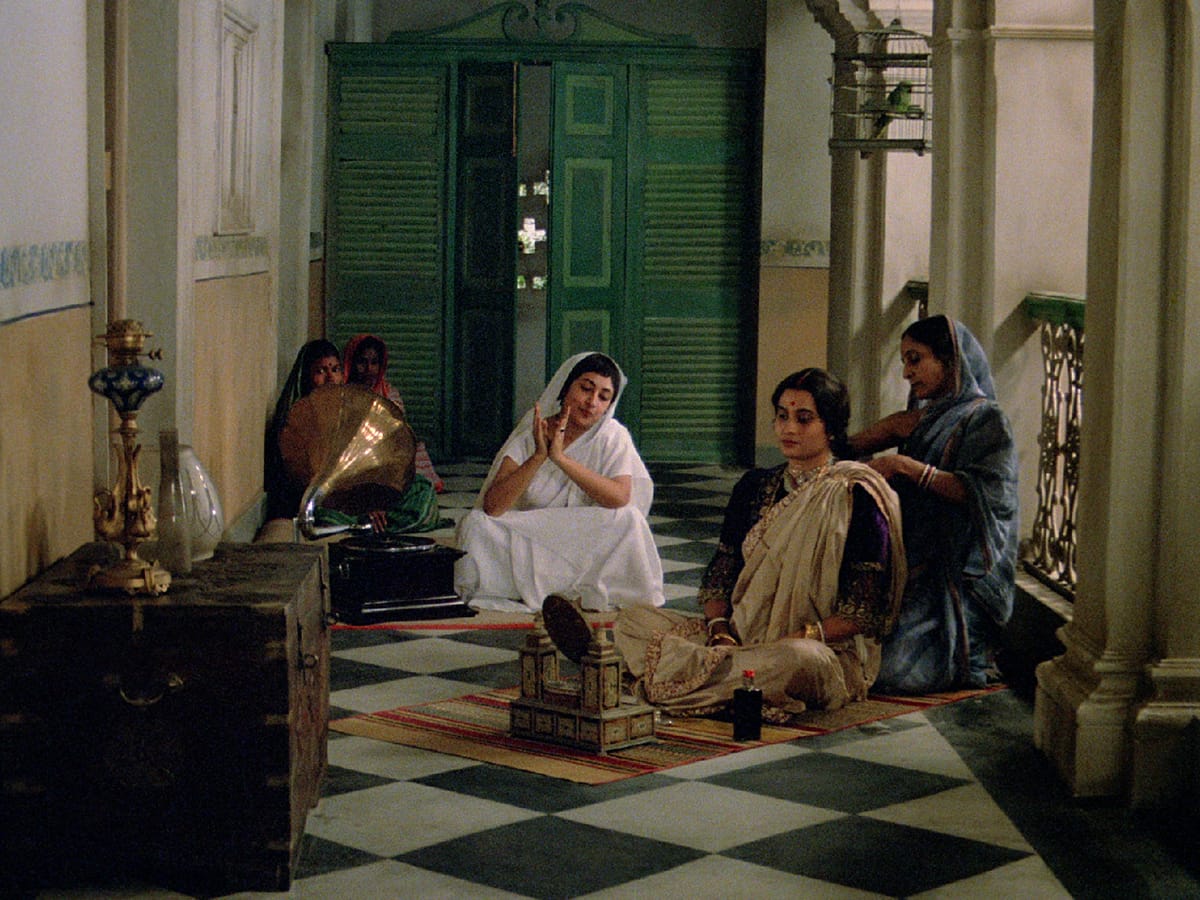
Given its status as a classic novel, The Home and the World was a tough story to adapt. The novel was written by India’s most revered writer Rabindranath Tagore, so the film has to honor the prose, and on top of that, it wrangles with the turbulent history of the early 20th century, the very same history that led to India’s revolution against colonial rule. Filmmaker Satyajit Ray was thankfully up to the task. Reintroducing the story generations later, the film beautifully depicts the marriage between traditionalist Bimala and her Western-education noble husband Nikhil, as well as her political liberation when she meets Nikhil’s more radical friend Sandip. Ghare-Baire masterfully grapples with that tug-of-war that changed India’s fate.