
Movies to Watch From Poland
To access filters, visit our homepage.












Only a few people in Dita’s house are related by blood, but you wouldn’t know that by how they move. They’re tight-knit but argumentative, loving at times but spiteful in other instances. In other words, they’re complicated just like any other family. Housekeeping for Beginners makes a compelling case for the validity—and at times necessity—of found families like Dita’s, who all found each other after being shunned by their race and sexuality. As in his previous works, Director Goran Stolevski paints a realistic and relevant portrait here, one tinted with striking pain and poignancy, bound to leave your heart aching long after the credits roll.

Given the original real-life story behind it, perhaps it shouldn’t be surprising that The Girl with the Needle was so bleak. Serial killing, after all, is bad. But rather than focus on the historical killer, writer-director Magnus von Horn hones the camera to focus on one such mother that would have sought for help from Dagmar Overbye, on the circumstances that would have pushed them there, and the terror that they felt once they realized the truth. With gothic black-and-white shots, impeccable framing, and an excellent performance from Vic Carmen Sonne, The Girl with the Needle is harrowing and heartbreaking, especially with how it still remains relevant to our time.

After years of trying to regain sobriety, it’s totally chilling to wake up the next day, with no memory of last night, only aware that you failed to stay in control, again. Feedback follows a washed-up rock star trying hard to figure out what happened last night, but not just because it was an oopsie. Instead, for Marcin Kania, it’s the night his son went missing. With angry spiraling scored by electric guitar, temptations to drink abound, and the demeaning judgment of everyone around him, it’s hard for him to convince the cops to take this case seriously, especially when he only has blurry recollections of last night. But it’s easy to root for this unreliable narrator, who’s trying hard to be his best. He just might find him, but he might also find out what happened to the son he failed to guide properly, and hopefully redemption for how much he’s failed his family.
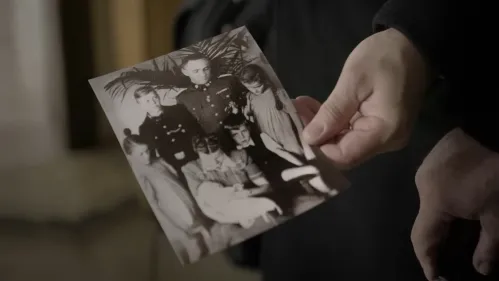
If you’ve seen the bone-chilling Oscar-winning film The Zone of Interest, then The Commandant’s Shadow isn’t just supplementary but necessary viewing. It interviews and interrogates the son of SS officer Rudolf Höss, who describes his childhood in Auschwitz as “idyllic,” and parallels his life with that of an Auschwitz survivor and her family. They’re not asked “gotcha” questions, though there are some moments where Höss’s family members’ insularity shocks you. Instead, everyone is given the time and space to reflect honestly about the pain and trauma that continues to live on in their families. It’s a difficult film to sit through, but insightful and ever-so-resonant in an age where mass torture and genocide continue in many parts of the world.
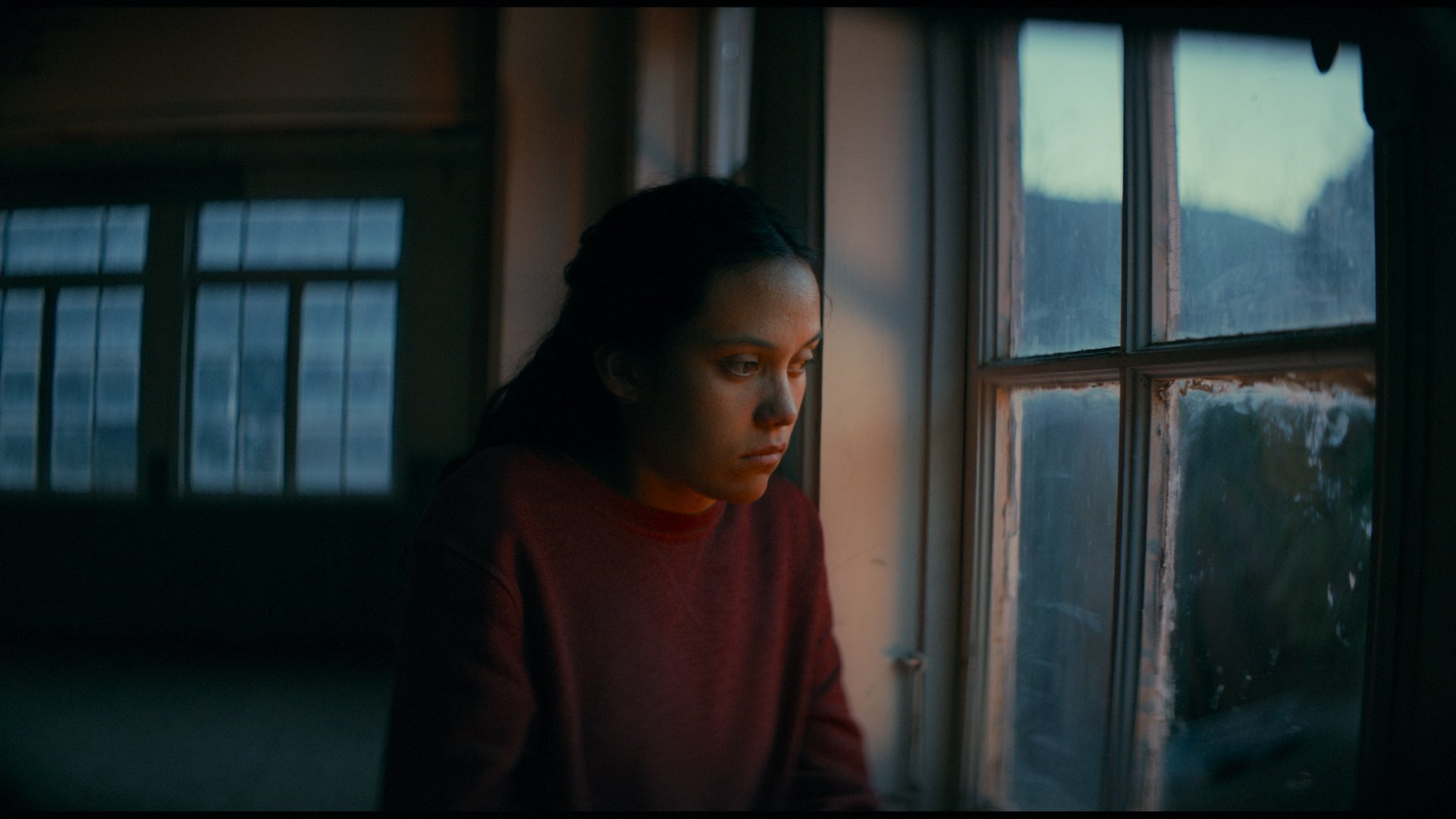
Inspired by the Spiniak case, Blanquita reimagines the infamous scandal through mirrored interrogations and disorienting viewpoints. Blanquita rewrites the original witness, whose fictional variant, in turn, rewrites the abuse faced by victims as her own. She is transformed from a clueless liar, into someone still a liar, but one that did so when every other possible witness has been discarded for being unreliable, for being too traumatized to go through the judicial process unflinchingly. The film takes on a provocative subject matter, at a time when real life sexual abuse allegations are treated with the same scrutiny Blanca faces. However, Blanquita does so in a way that gives its complexities the weight it deserves. It’s a fascinating thriller, a quandary that tests the idea of ends justifying the means… But it’s one that’s disturbing, given the consequences to each crime.
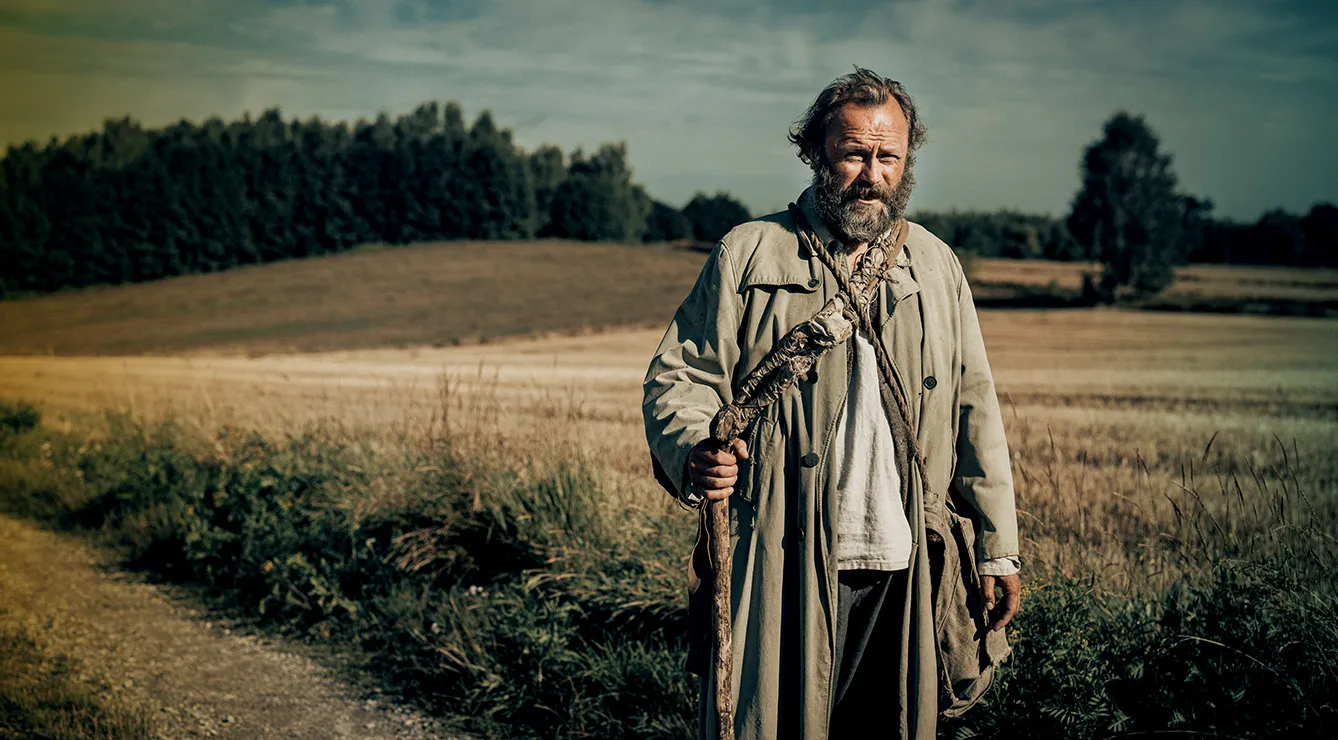
After two adaptations, with the 1982 version considered a Christmastime classic for Polish families, Forgotten Love can seem like a redundant take on the iconic Polish novel. With twenty more minutes, it seems like the new Netflix adaptation could only improve its take through better production design, and sure, it certainly delivers that pre-war aesthetic through period-accurate costumes, props, and sets. However, Forgotten Love takes a more streamlined approach to the novel’s plot, through changing certain character choices. Without spoiling too much, some choices paint certain characters in a better light, while other changes prove to add an entertaining twist, such as the humorous way the villagers defend Kosiba. Znachor takes the 1937 story into the present, bringing a new generation through the emotional journey of the cherished Polish tale.
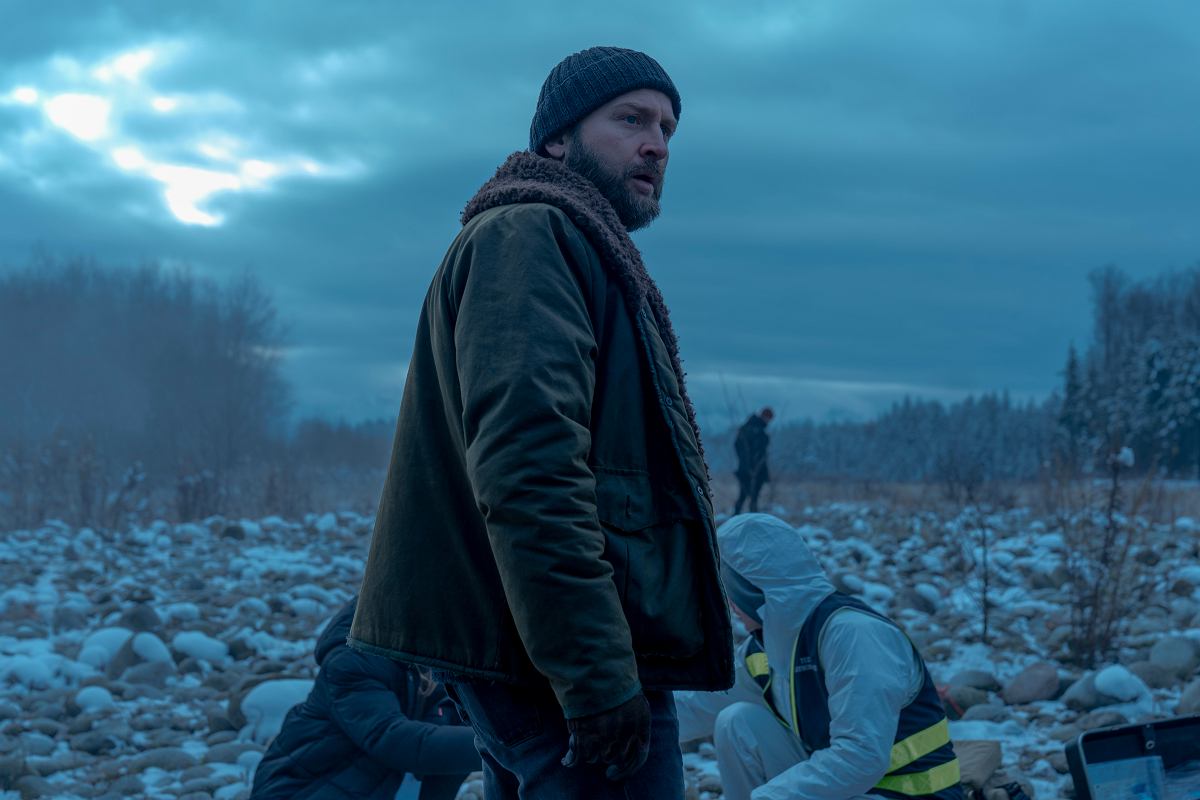
Detective Forst isn’t a mindbending, totally original crime thriller that would revolutionize the detective genre, but sometimes we just want something familiar. The thriller adaptation of Remigiusz Mróz’s book series mostly sticks to the classic tropes, with eerily strung up bodies being investigated by the gruff, hardened detective, portrayed well by Borys Szyc. It’s not immediately clear what brought Forst to the mountains– whatever it was, it’s enough to gain the mistrust of his new station, and it’s possibly the reason behind his splitting migraines– but that’s part of the fun, as an additional mystery alongside who is behind the murders. That being said, the show plans to depict a whole series, so the ending of its first season might exasperate viewers who just want a complete story. Still, with the striking scenery of the Tatra Mountains, Detective Forst is at least stunning enough to watch, even with all the moody murder mystery tropes onboard.
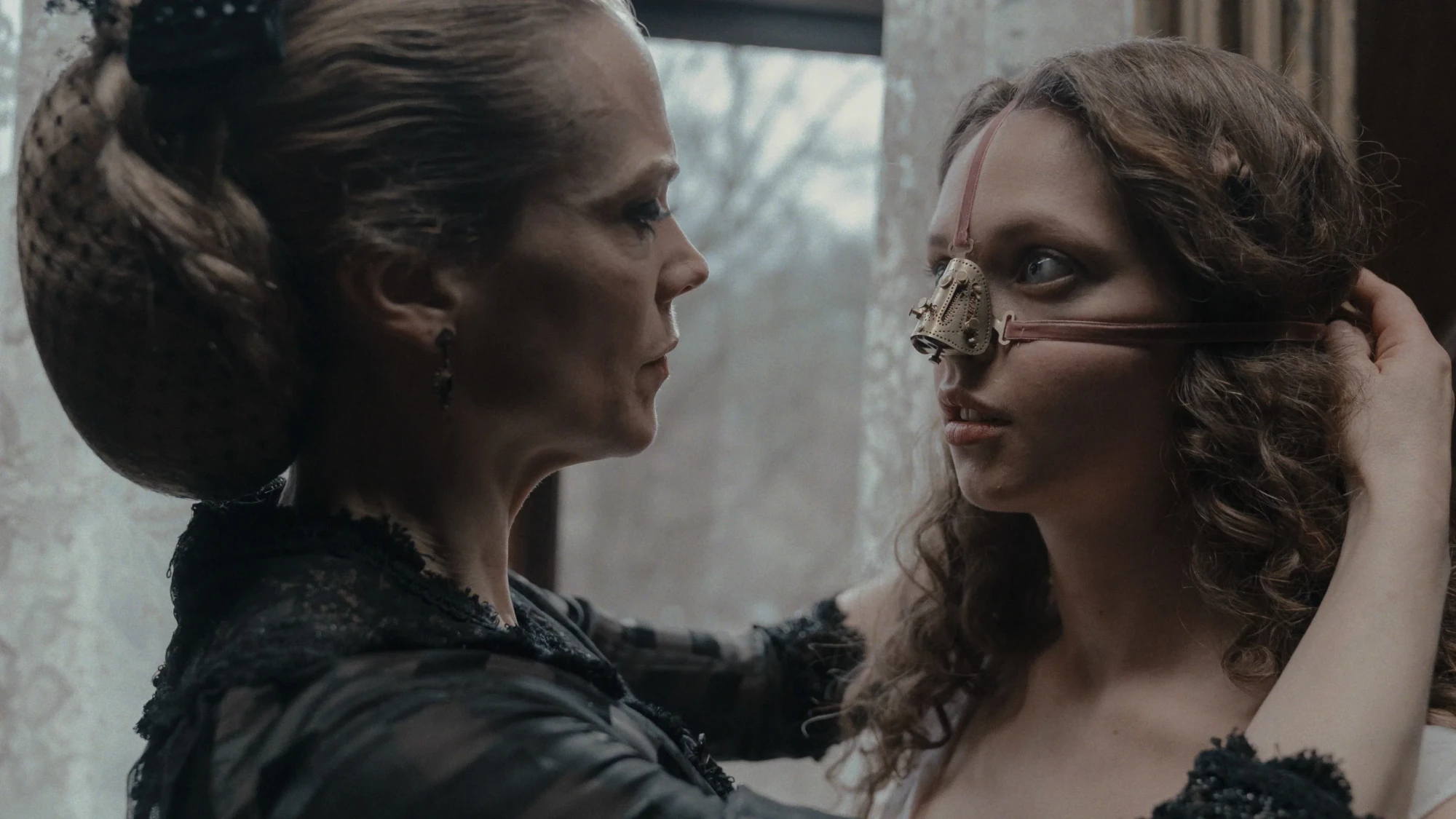
There are plenty of versions of the Cinderella story, but none as brutal and nauseating as The Ugly Stepsister. For one, it’s not a lovely fairytale that rewards the perseverance of good people through a royal romance. Instead, this European folklore inspired body horror takes the perspective of its titular character, a stepsister who is forced to undergo invasive procedures for the sake of her family. It’s absolutely gruesome. Every single terrible thing Elvira goes through eerily recalls today’s plastic surgery and diet culture except without modern-day tools and anaesthesia. Those new to horror, or those who would be triggered by these topics, would find the film hard to watch. Still, The Ugly Stepsister deeply understands the dark side of this oft-told fairytale, especially at how marriage used to be the only means to upward mobility for women.
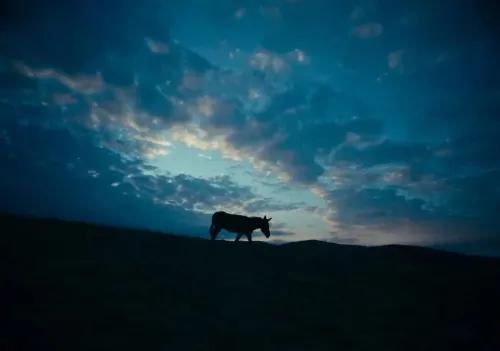
It’s a bold move, centering a drama around a creature as docile as a donkey, but EO pulls it off without ever leaning on the crutch of CGI. Instead, the film makes ingenious use of a hundred-year-old film technique: the Kuleshov effect. By splicing the image of the titular donkey’s placid, expressionless face against visual stimulus, the illusion of a genuine reaction is produced.
But don’t be mistaken: this is no twee Disney-esque tale of anthropomorphism. Inspired by the classic Au Hasard Balthasar, EO tracks the haphazard journey of a former circus donkey across Europe — one that is often depicted in surreal psychedelic reds instead of idyllic picture-book tones, and punctured by more horrors than joys (though we do, thankfully, get to see him munch away on some well-deserved carrot treats). EO’s docility frames him as a kind of holy innocent, making the cruelty meted out to him feel all the more like a grave violation of something sacrosanct. Seeing the world through his oft-neglected perspective also makes this a movie about humans by proxy — a fresh, empathetic approach that, even in its obvious dramatic liberties, makes us meditate on both the depth of experience that may be unfolding in our animal neighbors and our role in shaping it.
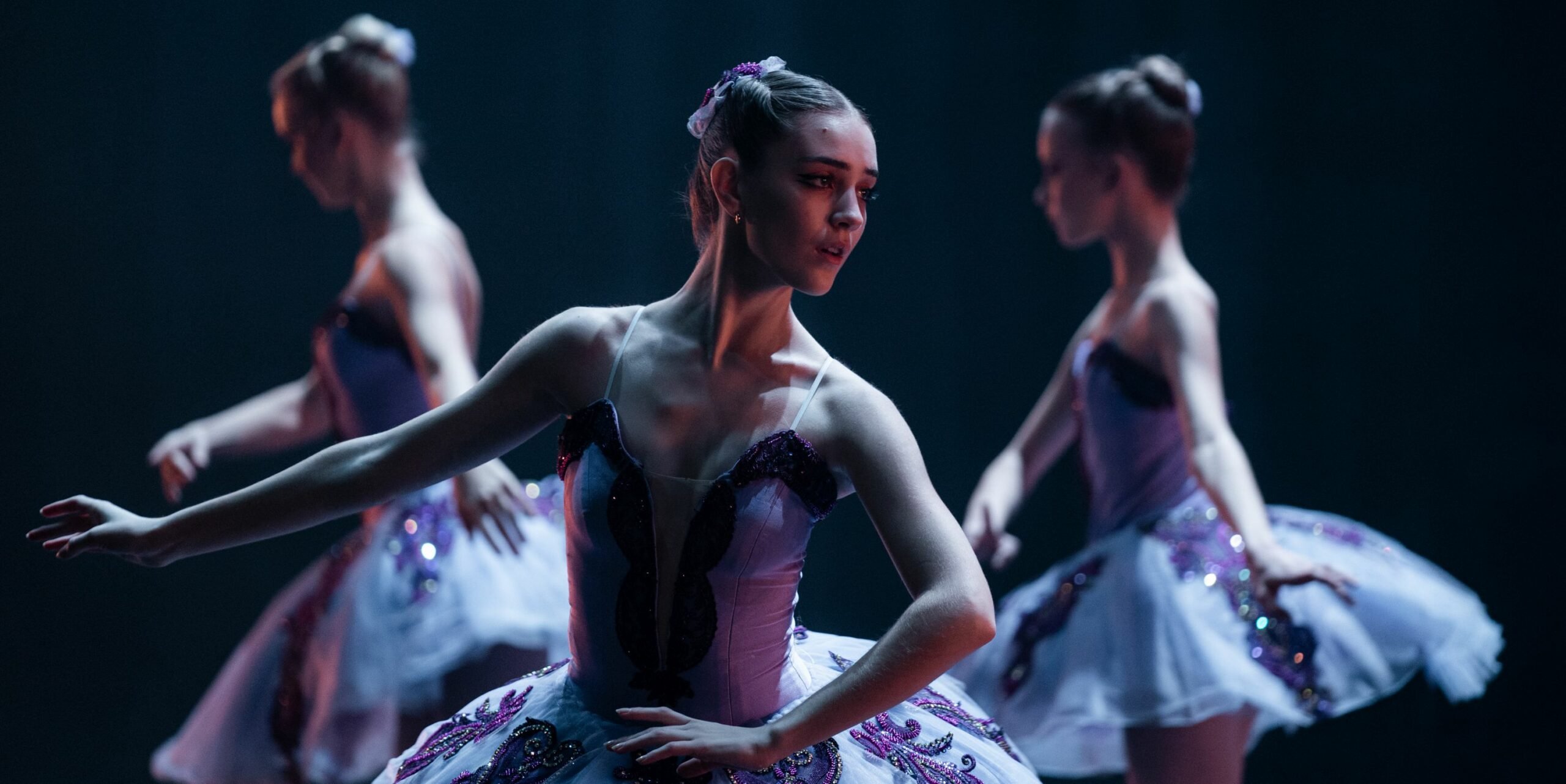
Ballet has always captivated with its grace and poise, so of course it captivated cinema as well, with classics such as The Red Shoes and Black Swan centered on the dance, the culture, and of course, the drama. The juxtaposition of the ideal feminine form and the ugliness of competition, the sabotage, and the objectification are regular topics, but The American adds the national identity into its themes, tackling the anxieties of a young American in an academy that isn’t friendly to outsiders. It’s stunning. It gives justice to the journey of the real ballerina Joy Womack, portrayed excellently by Talia Ryder with breathtaking ease, and given dramatic flourish through the direction of James Napier Robertson. While it doesn’t quite surpass classic ballet films, Joika proves that real life ballet can be more emotional, more traumatic than any drama made about the dance.
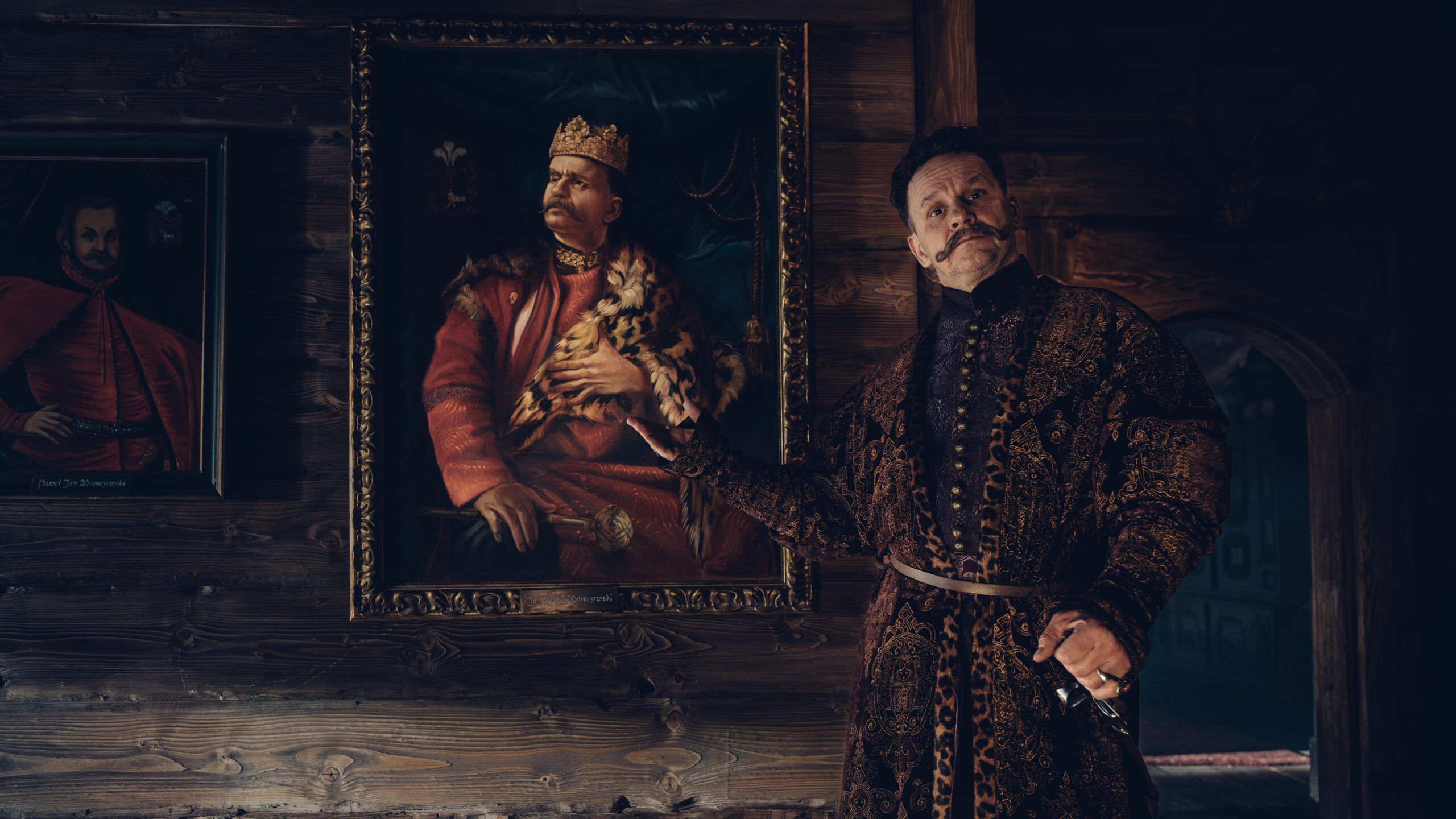
At first glance, 1670 seems to be a historical drama, with the actors dressed in fairly historically accurate attire, and the show being set in the titular year, just around after the late Middle Ages. However, the first few scenes disabuse us of the notion, as the eccentric Jan Paweł routinely breaks the fourth wall in order to introduce us to the family. While the sets and the costumes are of its time, the approach and events are not, as 1670 plays out like a reality TV show, with candid shots and interviews introducing the weird and fame-obsessed village inhabitants, satirically depicting modern day scenarios with a historical flair. While some of the jokes seem Polish-specific and they rely on breaking the fourth wall a bit too often, 1670 is a funny reminder of how good things currently are, and how silly we remain, through resituating modern petty grievances in medieval times.
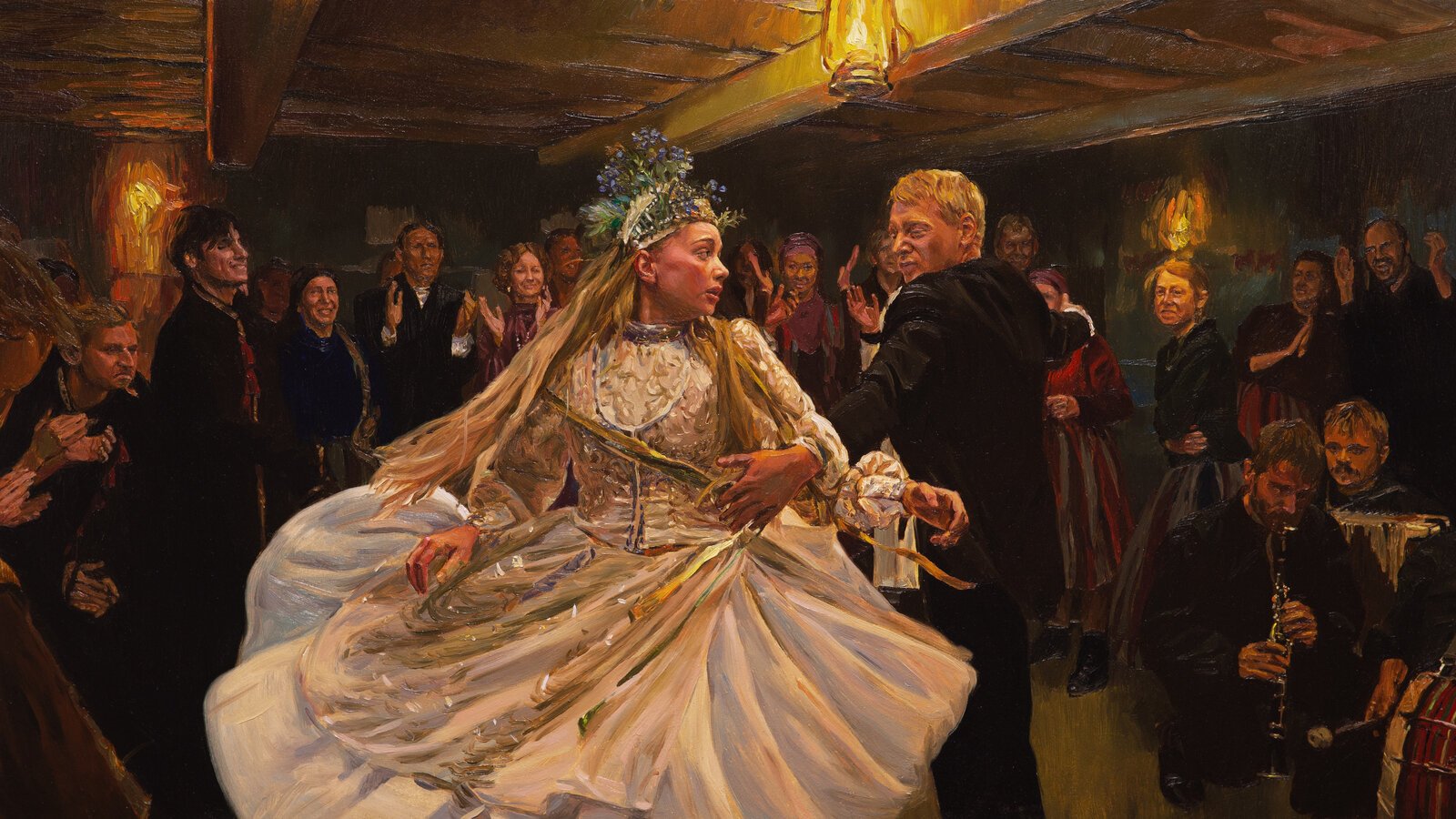
After Loving Vincent, DK and Hugh Welchman’s iconic oil paint animation initially seems like old hat, but this time the style is actually more fitting for their second feature. As an adaptation of the iconic Polish novel, The Peasants had to live up to the book’s reputation as the Nobel-winning depiction of the Polish countryside, one of the first to take an intimate look into the lives of the commonfolk, their customs, beliefs, and traditions. The Welchmans’ naturalist, impressionist art style lines up with the way the original Chłopi was inspired by these movements, as does L.U.C’s selection of mesmerizing, haunting Polish folk songs. While the plot is a tad cliché, it only does so in the way folklore tends to weave the same threads. It just so happens that the threads in The Peasants lead to violent ends.

With a former smuggler struggling to break away from crime, Pamfir has a familiar crime thriller premise that you’ve probably watched before. To be fair, on its own, it works. The titular protagonist tries to live a better life for his family, though circumstances lead him to just one last gig in the underworld. However, Pamfir proves that there’s still more to explore with this premise. As the thriller proceeds in western Ukraine, Pamfir’s personal conflict eerily mirrors that of his country, and it’s reiterated by the folklorish imagery, stunning long takes, and the unsettling tension that simmers all throughout.

Netflix released yet another coming-of-age show, and this time it’s a lovely coastal vacation set in the Polish seaside. Absolutely Beginners feels familiar, as the quirky protagonists set out to make a short film, they also get into a trio with someone living in the area. It’s not quite a love triangle though, even if the series is marked as romance, and even with its limited runtime, it’s dedicated to building up the friendship between the three. And this friendship is portrayed in such a tender and sweet way that respects both their unique dynamic and their individual paths.

A Real Pain is a deceptively simple film. There’s not a lot going on on the surface, but Eisenberg’s smart script and tight direction, coupled with Culkin’s firecracker performance fuel the film with heart and infectious energy. A Real Pain shines when it focuses on the cousins’ bondat once pained and precious—but it also works as a strong ensemble of realistic characters, and as a heartfelt tribute to the Holocaust victims of the region. Eisenberg does an excellent job of tying the characters’ flaws and emotions with the horrors of the past. It deals with heavy stuff, but there’s an impressive restraint at play here, even during Eisenberg and Culkin’s big moments. They’re moving (but never overly sentimental) and truly memorable.
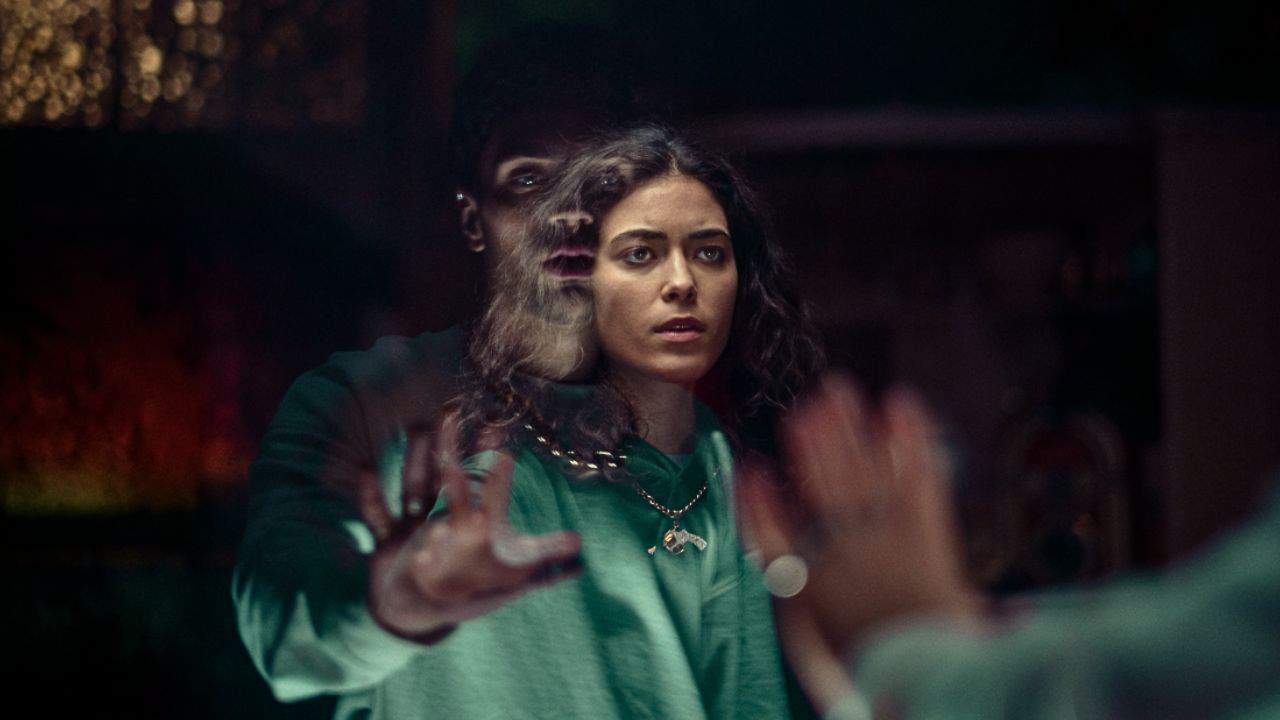
With mass media’s misrepresentation of the Roma people, it was high time there was a show dedicated to accurate portrayal. Infamy is that show. As British-raised Gita moves back with her extended Romani family in Poland, we get introduced to Romani culture– their rules, customs, and art. This Polish Netflix series might even be the first time you’ll hear about Romanipen, the rules and familial principles that allowed them to survive. However, with Gita’s Western background, the show also depicts her immigrant experience, culture clash, and the discrimination of her people by the dominant Polish people. Mixed with hip-hop tracks from the UK, Poland, and the series’ original creations, Infamy takes a nuanced approach to Gita’s struggle and artistry.

There’s plenty of things happening in folk horror film November. With devils snatching livestock, magical automatons called kratts, and trying to trick the Plague while in the form of a pig, love surely can’t bloom strong in these circumstances. And this would be correct, but the way this tragic romance unfolds is through eerie, yet captivating, black-and-white dream sequences made up bits and pieces of Estonian folklore, and the film shines best when focused on these sequences. The love triangle will be familiar, but the approach, the offbeat humor, and the raw practical effects would be bewitching until the end.
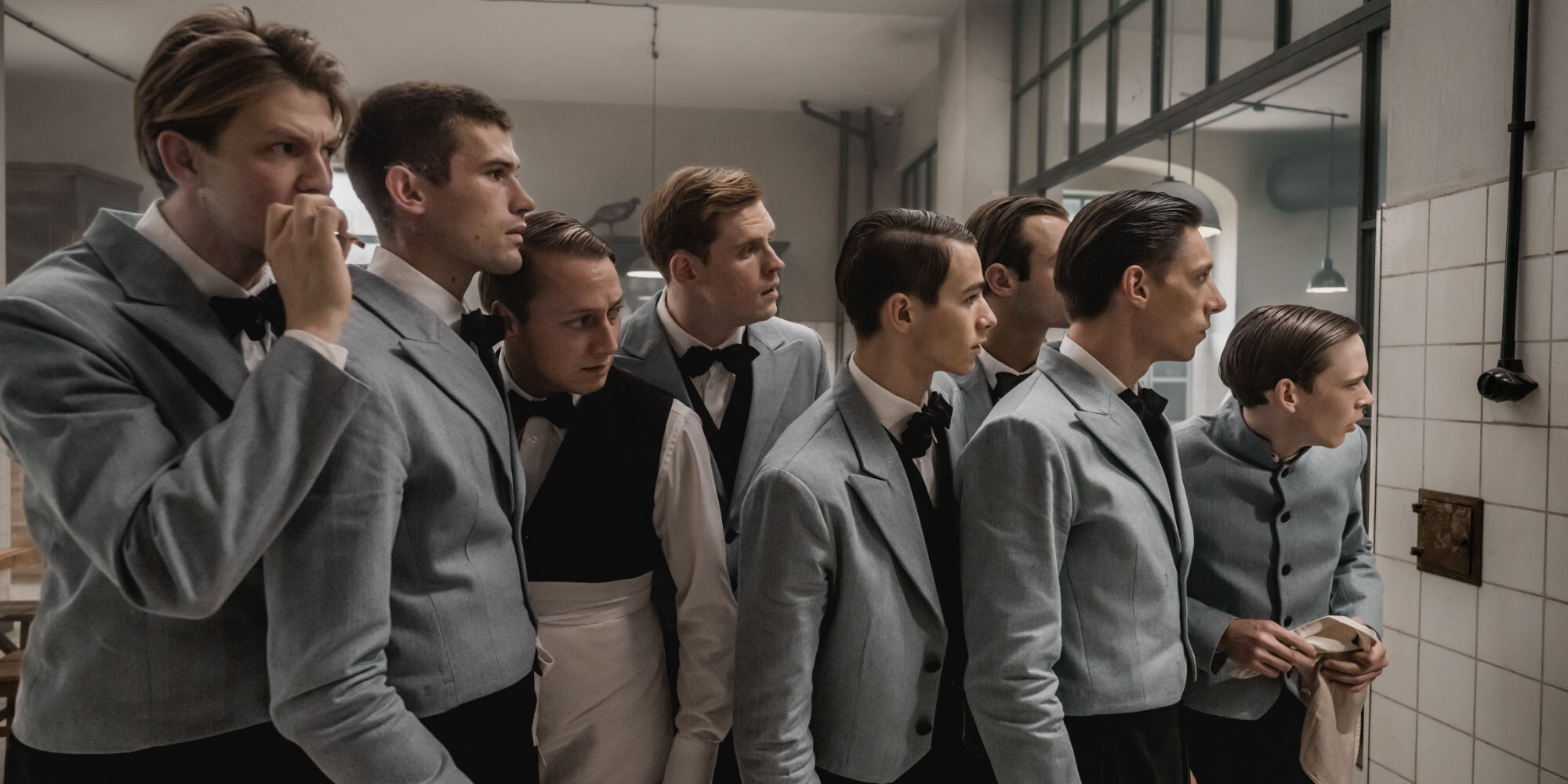
War makes animals of men, and Filip is no exception. The film portrays a lone Jewish survivor who walks the streets of Frankfurt as if he doesn’t have anything to lose. He’s able to get away with it, with his work at a luxury hotel, but he’s unable to escape his trauma. He relieves this through trysts with the local women, treating them cruelly, the same way they would treat his people. It’s a uniquely stunning take on the ugly side of war, with its country club glamor and Filip’s lust for life. But it’s also a grim character study of an unlikeable, yet understandable protagonist, whose moral ambiguity comes purely from his own survival.
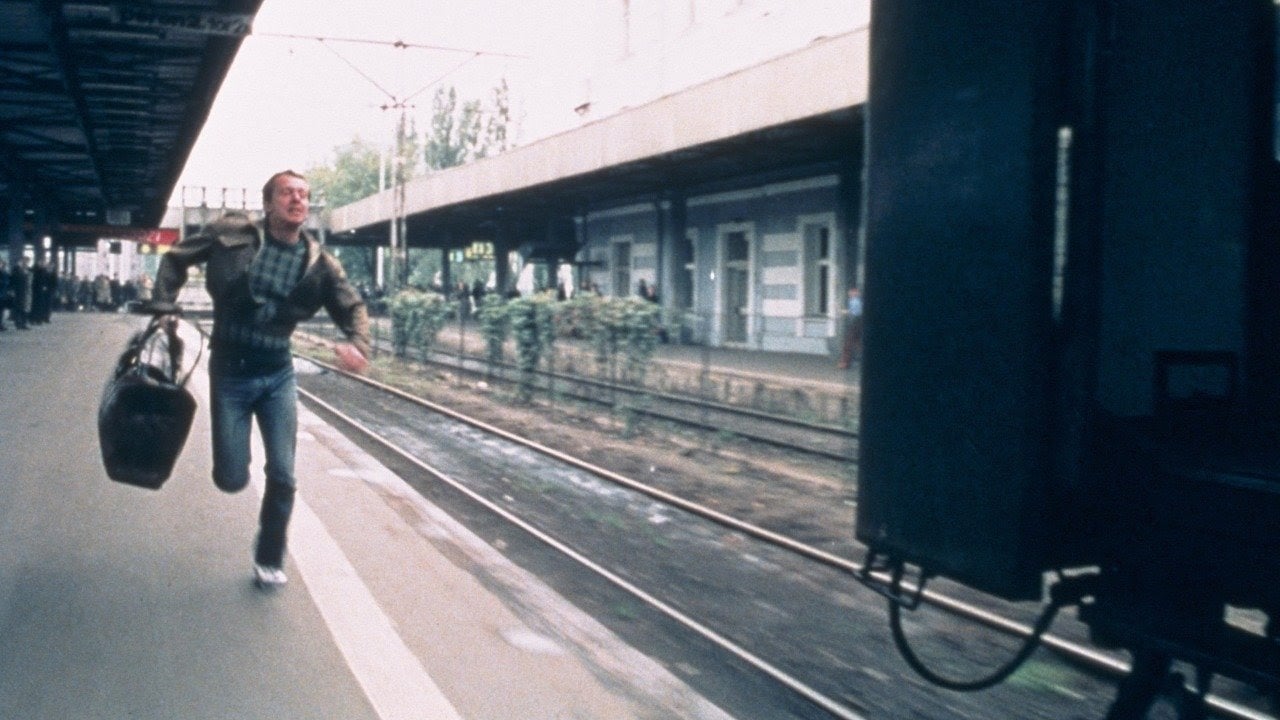
The basic idea of experimental drama Blind Chance is the butterfly effect. It’s as if writer-director Krzysztof Kieślowski just wanted to tell this concept through the simple act of catching a train, albeit in film form, by starting with the train, and following with three vastly different outcomes of what Witek came to be. Because of this approach, there’s already an interesting metaphysical meditation of the way chance rules life as much as our choices, but on top of this, Kieślowski also contemplates how chance pushes us to make different political stances, choices, and advocacies, given the main difference between Witek’s different timelines. The film doesn’t really advocate for one or the other, but the outcome of the third timeline suggests that even with chance in play, it’s much better to make that choice rather than having that choice made for you. It’s because of this idea that the Polish authorities sought to ban the film, but Przypadek ultimately proved to be an interesting choice Kieślowski made in spite of censorship.
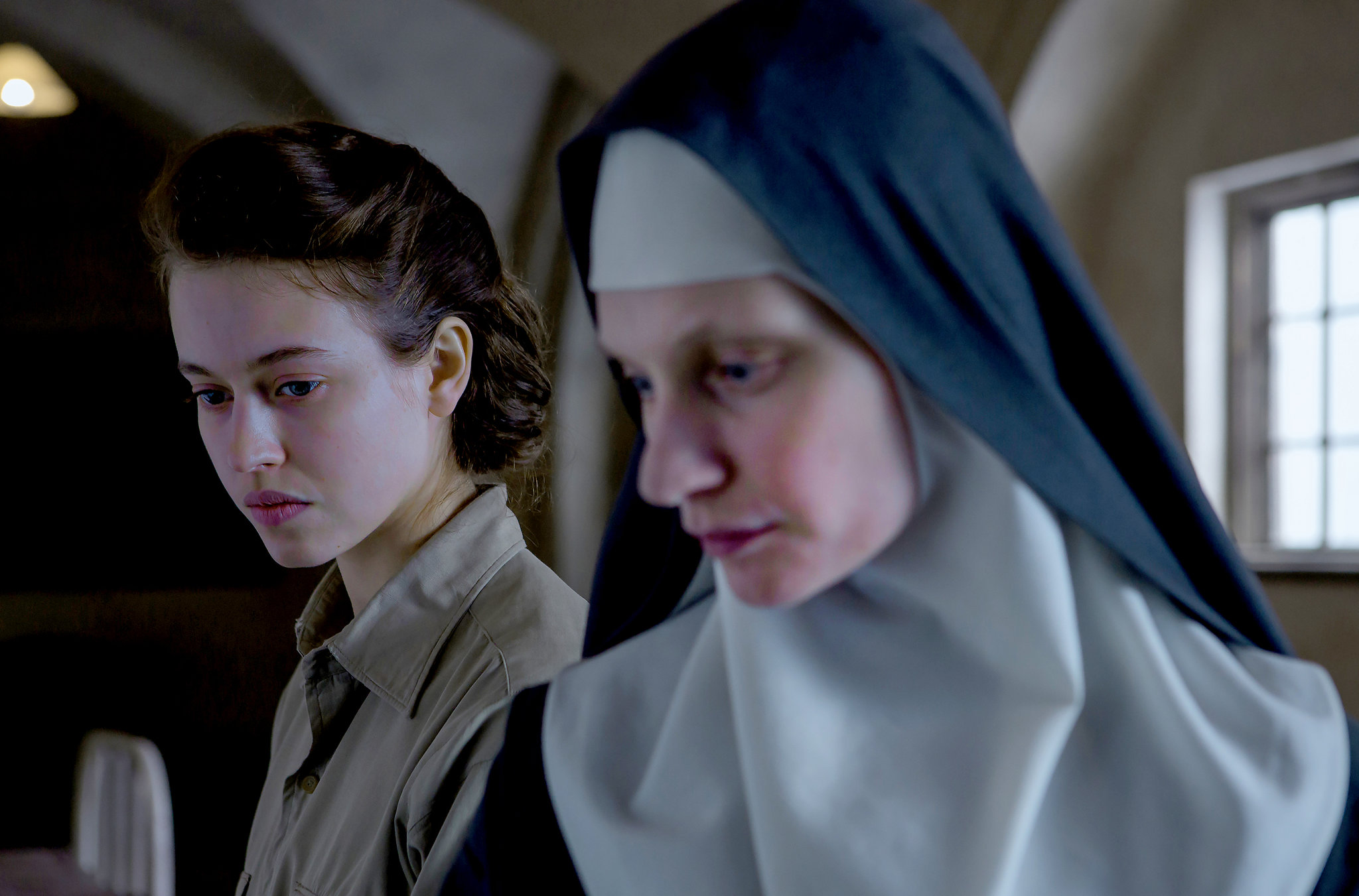
When depicting war and faith, it seems like men are the only ones that have to undertake these challenges, at least it seems, in the stories made available about these topics. But that simply isn’t true. The Innocents is one of the few reminders that, while women might have been kept from the front lines, war has spared no one. Through stark and wintry shots, and a solemn direction, writer-director Anne Fontaine crafts tense conversations between an atheist doctor and her nun patients, making all of them reckon with the ways trauma has shifted their present principles and future actions, in a sensitive way that has rarely been seen before. While the resolution can come across as a bit too sudden, The Innocents nonetheless is a compelling study of faith.
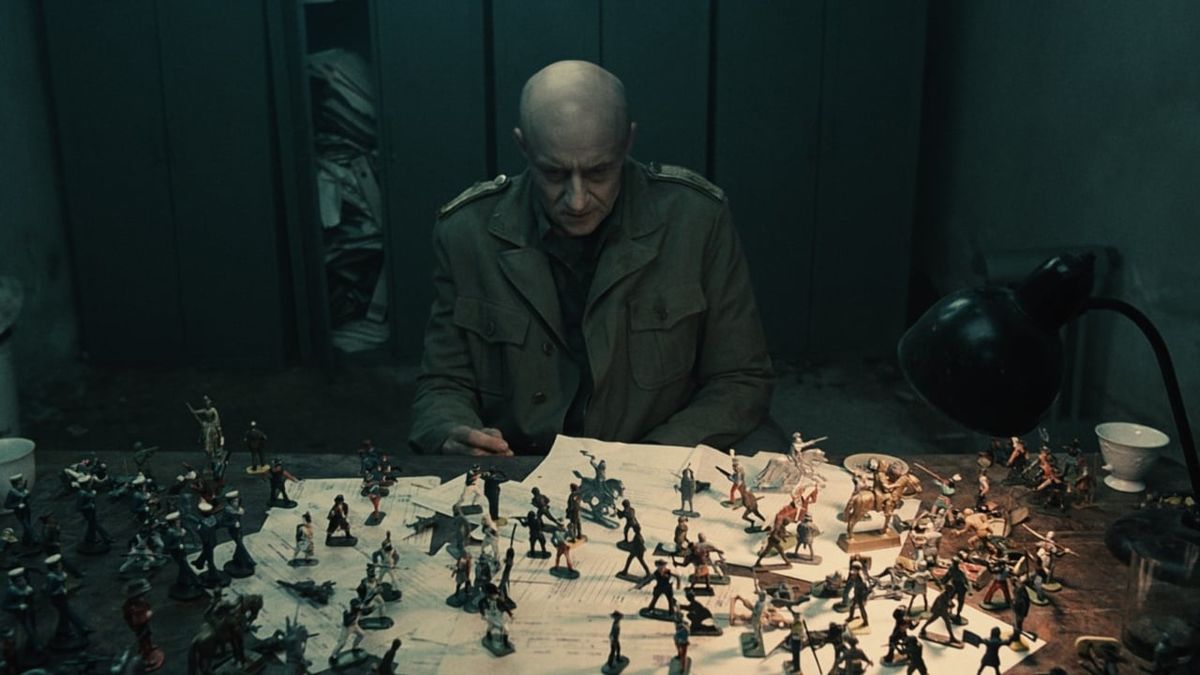
The thought of the end of the world and everything as we know it is scary, but going through it, and somehow surviving, can be a much more depressing idea. What do you do now? O-Bi, O-Ba: The End of Civilization is aptly titled, as its characters remain stuck inside a dome after a nuclear war, but the way the survivors’ hopes are warped, manipulated, and used against them can feel eerily familiar, and the way Piotr Szulkin unpacks this through Soft’s journey crafts a bleak, yet necessary examination of the fantasies we need in order to live in peace.
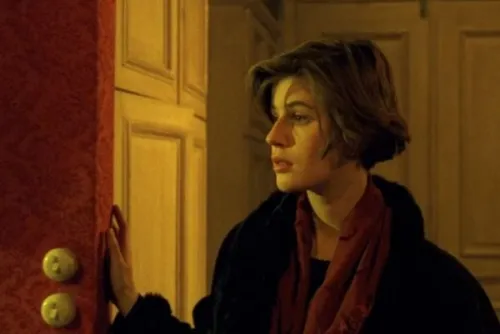
Krzysztof Kieślowski’s drama stars Irène Jacob as two identical women living separate lives, and the intricate and indelible ways in which they are bound together. While Weronika, a Polish singer, balances her familial duties and intimate romantic relationship, a French music teacher named Véronique senses that she is not alone.
The Double Life of Véronique’s hypnotic and entrancing qualities will wash over you like a tide crashing over a bed of sand. It is a tough film to capture in words, when so much of it is just beyond words—Kieślowski’s film is one to be seen, sensed, and experienced.
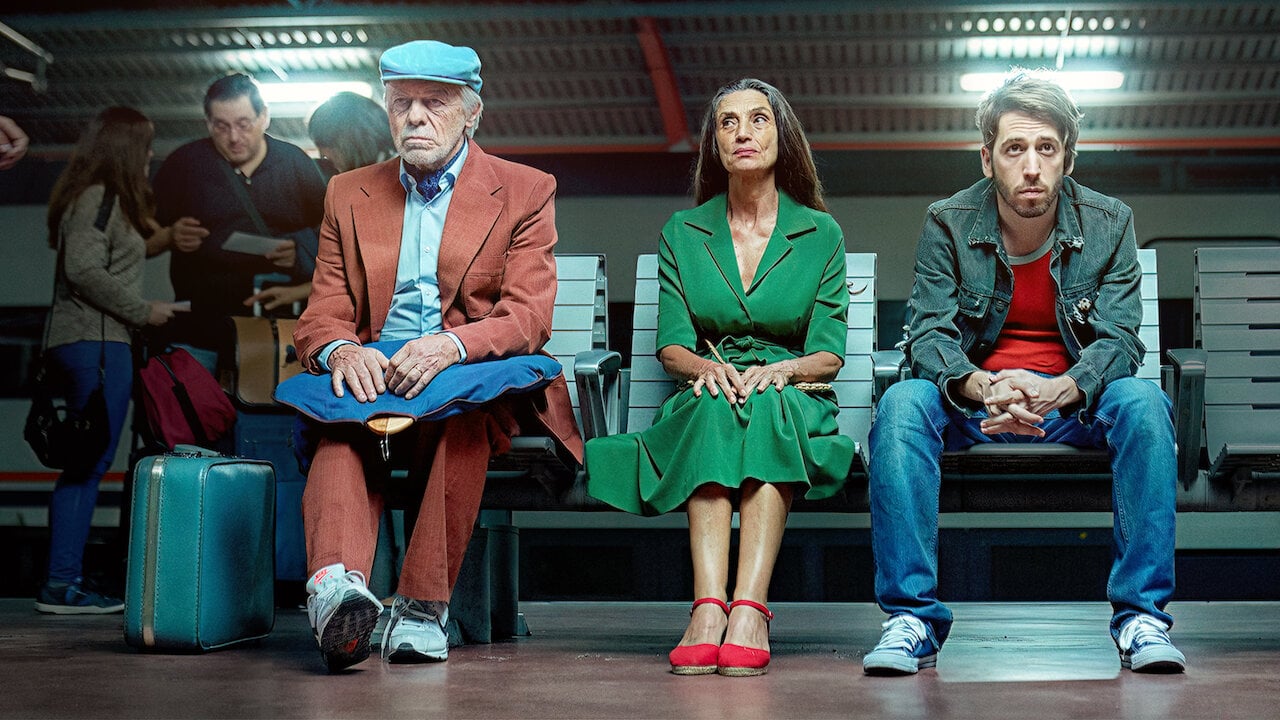
When something like a World War happens, the generation that grew up at the time inevitably would be changed, and this change sticks to that generation, even if the ones that follow don’t immediately understand. The Last Suit is centered on this idea, but it does so through a relatively lighthearted and humorous way, as Abraham Bursztein goes on a cross-continental trip to see a childhood friend from the war, and meet people with different perspectives along the trip. With at least six different languages, two different timelines, and a compelling protagonist, The Last Suit is a new take on the Holocaust that might be a tad too sentimental for some viewers, but is a poignant reminder of the history that still haunts the world today.
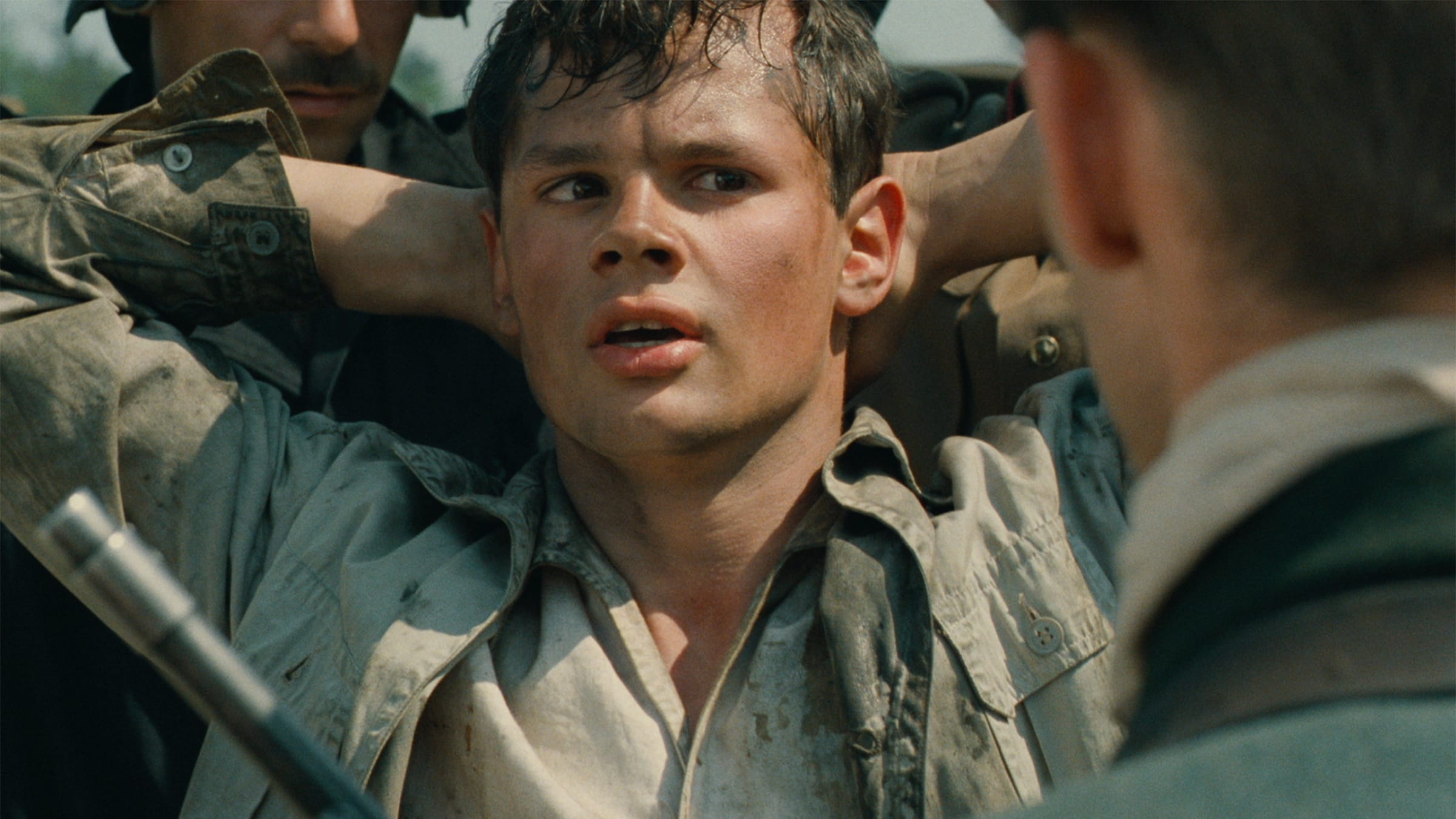
In war, sometimes, what stands between life and death is convenient papers, passable acting, and a buttload of luck. That was true of real-life World War II survivor Solomon Perel, whose story is depicted in Europa Europa. Somewhat like a Jewish Forrest Gump, all Perel wants to do is survive, but through his pretenses, he inadvertently witnesses the ideologies that tore the European continent apart, revealing the hypocrisy and arbitrariness of the ideas that needlessly pushed them into war. The film also acknowledges the toll it took on him, the way he finds friendship and love from the people who would have killed him if not for his lies. Europa Europa is a striking survival tale that proves how absurd real life can be.
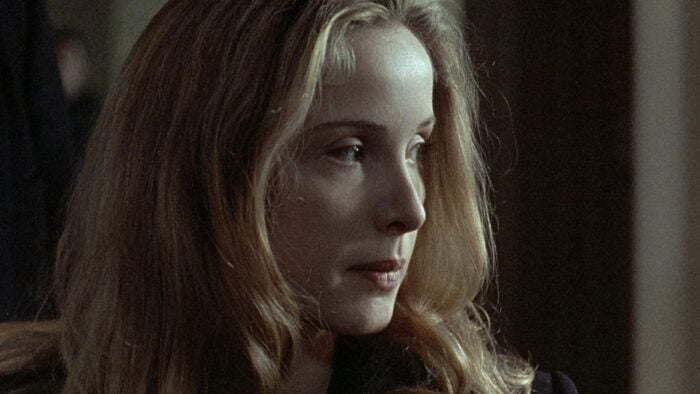
Krzysztof Kieślowski’s trilogy reflects both the colors and the values of the French republic: liberté, égalité, fraternité. In Trois couleurs : Blanc (Three Colors: White), Kieślowski explores not only the theme of equality, but also the ramifications of defining and “achieving” equality as a European ideal.
After failing to consummate their marriage, Dominique (the ever-bewitching Julie Delpy) divorces Karol (Zbigniew Zamachowski), leaving him broke and humiliated. Karol plots to exact revenge on his ex-wife, becoming richer and cruller in the process.
Although this is often regarded as the weakest of the trilogy, White is worth a watch not just for completionists. Kieślowski interrogates what it means to be equal in sex and socioeconomic class—and if when we strive to move upward in society, whether we are really debasing our basic humanity and humility.
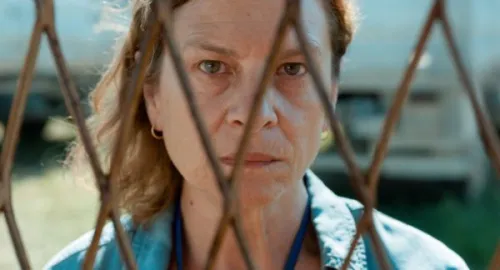
This Oscar-nominated drama tells the story of the events leading up to the Srebrenica massacre, in which 8372 Bosnian Muslims were killed. It focuses on one U.N. worker who was caught between trying to protect her family, herself, and helping people in need.
The film is as horrific as it is relevant: up until the actual killing starts, people are constantly being assured that everything is under control and that there is no reason to panic. This gives an eerie feeling of resemblance to the tone many minorities in distress receive nowadays.
Still, Quo Vadis, Aida? stops at depicting any of the acts that were committed that day. Instead, it focuses on Aida’s unrelenting race against the clock to save whatever she can.
 x5
x5 x25
x25
Tomasz Giemza in Polish drama The Hater is awful. From the way he presents himself, he seems mild mannered, if a bit overeager, but his job as a social media troll proves his envy, pride, and resentment towards the rich, even when they’ve helped him out. However, his terrible personality makes for a rather chilling drama. It’s this lack of moral fiber that makes him excel at his job, which, in the darker online spaces filmmaker Jan Komasa had previously explored in Suicide Room, becomes deadly without any restraint. While his instant viral reach is a bit ludicrous, The Hater nonetheless is an engaging thriller about trolls like Tomasz.

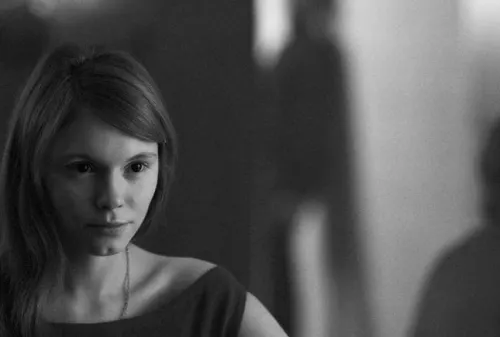
Ida, the 2015 Academy Award for Best Foreign Language Film, is a stark black & white drama set in the early 60’s about a young Polish nun-to-be and her bawdy Aunt Wanda searching for the truth behind her family’s demise at the hands of the Nazis. What initially comes off as a painfully slow sleep-inducer pretty quickly evolves into a touching and lively contrast between the two lead characters; one virtuous and pure, the other boorish and hedonistic. Their journey is equal parts amusing, insightful and heartbreaking, with Ida’s personal exploration of self playing out as a remarkably humanistic affair. The cinematography by Lukasz Za and Ryszard Lenczewski is particularly striking, each shot a work of art in it’s own right. Logging in at just 82 minutes, the entire story whizzes by in a flash. The kind of film that will stay with you long after you’ve watched it.
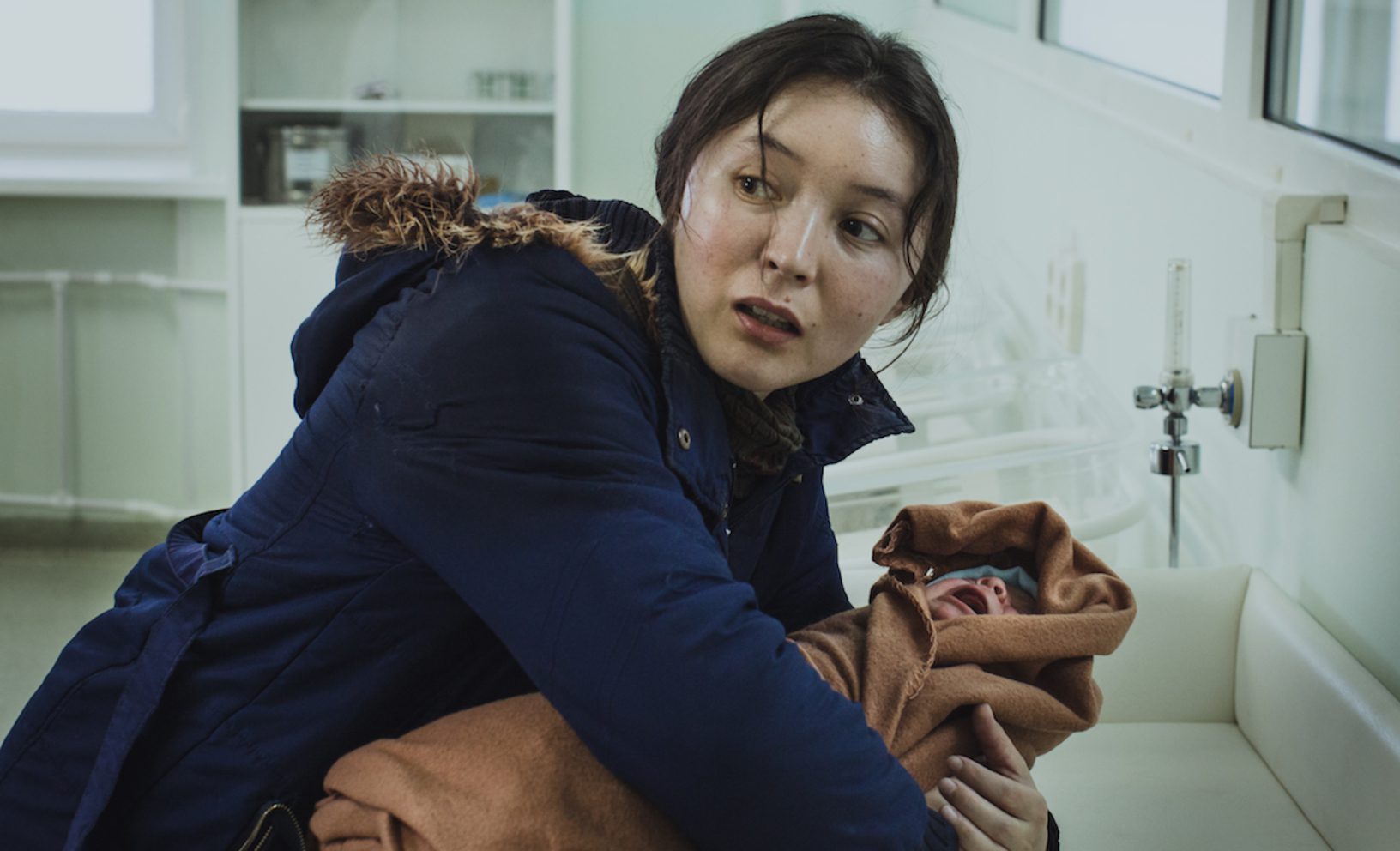
It’s not easy to watch Kazakhstani drama Ayka, but that’s sort of the point. It’s a miserable life. Even as she’s still bleeding from her pregnancy, and the snow piles on during a terribly cold day in Moscow, she still has to scramble for work to pay off debt back home, and her pay isn’t guaranteed simply because her visa expired. Director Sergey Dvortsevoy depicts this with no flourishes, simply having a camera follow behind Samal Yeslyamova as she portrays Ayka’s life side by side richer customers, but there’s no denying how tense the approach ends up being, since the stakes are made clear for her everyday: it’s either work or die, and Ayka barely says a word because the people around her can shift her fate for the worse, if she’s not careful. Ayka isn’t an easy watch, but it makes it clear how hard to live this life is, especially due to the central performance that makes this film.
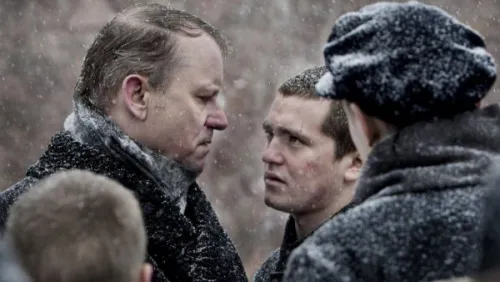
This gorgeous Scandinavian movie is based on a true story and stars the ever-reliable Stellan Skarsgard.
He plays the governor of a strict youth correctional facility in Norway in 1915. The arrival of a feared kid kickstarts events that are very famous in Norway but little-known elsewhere: an uprising within the facility that will eventually require the army to get involved. A strong movie with stellar (Stellan) performances.

Leave it to a master filmmaker like Krzysztof Kieślowski—known for the Three Colours Trilogy, The Double Life of Veronique, and the miniseries Dekalog (whose sixth episode was expanded into this film)—to take a premise as banal as that of a peeping tom and to turn it into something mysterious and poignant. There are definitely still parts to this story that may not hold up to scrutiny, like its belief in a romantic/spiritual connection that rewards the immature man for barging into a woman’s life. In different hands, this subject matter would just be creepy. In Kieślowski’s, the loneliness of these characters takes full shape.
As young postal clerk Tomek (Olaf Lubaszenko) quickly admits his spying to the older and more jaded Magda (Grażyna Szapołowska), the two are drawn to each other with a combination of fear, pity, and lust. And what Kieślowski does—with the help of cinematographer Witold Adamek’s stunning, intimate frames; and his cast’s subdued sorrow—is move the film away from concerns about consent and control, and to tell a story about what it means to truly be seen and acknowledged by another person. In an existence made up of meaningless routine and temporary relationships, seeing someone else at their most vulnerable feels like lightning.
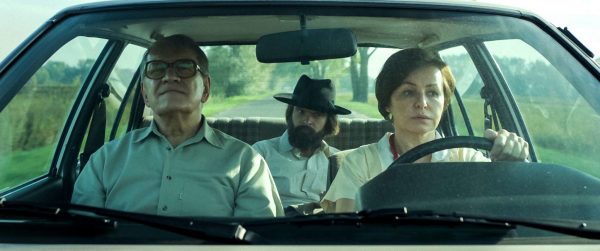
Set between the years 1977 and 2005, this Polish drama goes through various stages in the life of the controversial surrealist-expressionist painter Zdzisław Beksiński. The extensive video archive left behind by the artist was used to craft an intimate portrait of three interdependent people: Beksiński himself, his suicidal and neurotic son, and his wife.
Beksiński is superbly played by veteran actor Andrzej Seweryn, known for his appearance in numerous Andrzej Wajda films. Even though the film focuses less on Zdzisław’s painting career and more on his relationship with his family, it will definitely inspire you to dig deeper into both his tragic life and impressively dark body of work.
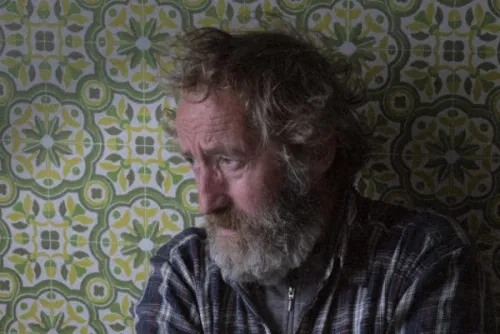
I always seek out Icelandic films; something about the quality of light and quirky sensibility that appeal to me. Having developed a fondness for sheep on a recent Welsh trek, “Rams” had a double attraction. A tale of brothers divided by life but ultimately united in and by their deep, tender, inspiring love of their rams. Close to perfection. Sigurdur Sigurdurjonsson is luminous in the lead role.

Nelly is a concentration camp survivor who undergoes reconstructive facial surgery, and comes back to question whether her husband (unable to recognize her) was the one who betrayed her to the Nazis. Heavy, heavy stuff. But in Phoenix you will also see something else, as the story takes you beyond the subject matter to become almost a celebration of film: elements of Hitchcockian cinema intertwine with the realism of the likes of David Ayer are added to perfect performances to create a stunning, compelling, and exceptional film.

You don’t really have to watch the first two movies to get this third installment of the rom-com trilogy. Squared Love Everlasting is largely about how two people who are settled and secure in their relationship deal with a major curveball, in this case, the revelation that Enzo has some unfinished business with his ex, Ewa. The film works, in many cases, because the leads are charming, the script is lightweight, and the scenery is exquisite. It’s also not too focused on love as it touches on parenthood, too, and the potential trouble it poses to someone as bright, ambitious, and independent as Monika. In fact, Monika’s own story is so strong on its own that it often feels like it could be its own film. But sadly, this isn’t her film; it’s Enzo’s too. And his story, one of former and current flames, just never reaches the same level as Monika’s. It’s plain and generic, elevated only by his easygoing appeal and Ewa’s oddball antics. Apart from those, however, Squared Love is just your run-of-the-mill romcom you can stand to not watch.
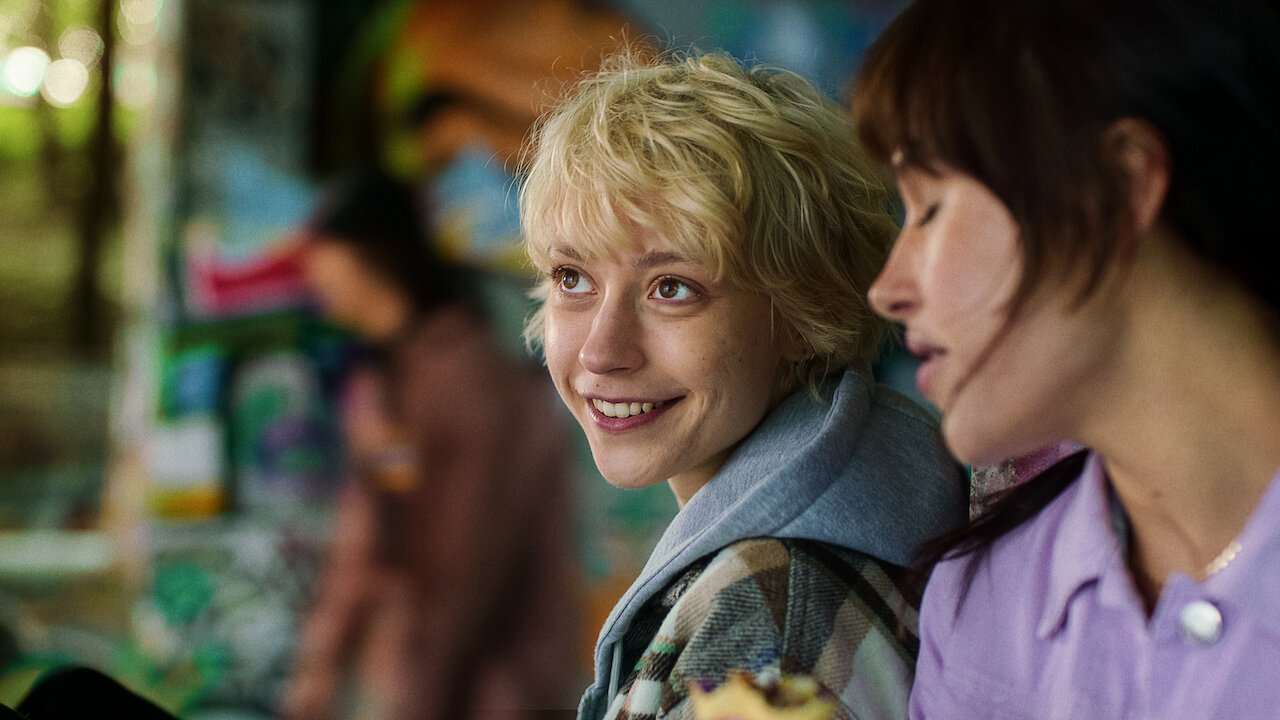
Being made for free, fanfiction is free to play with controversial, less print-friendly concepts like gender-bending your favorite character. This freedom might go into strange territory, but most often than not, writers use fanfiction for escapism or for catharsis of their day-to-day lives. While the film doesn’t delve into fanfiction’s creative process, Polish drama Fanfic does recognize how the genre’s experimentation allows its writers to safely and freely explore different styles of expression, the same way teenage years hopefully do for its viewers. And as Tosiek goes through the trappings of coming-of-age self-discovery, it’s lovely and comforting and cathartic like the stories he writes.
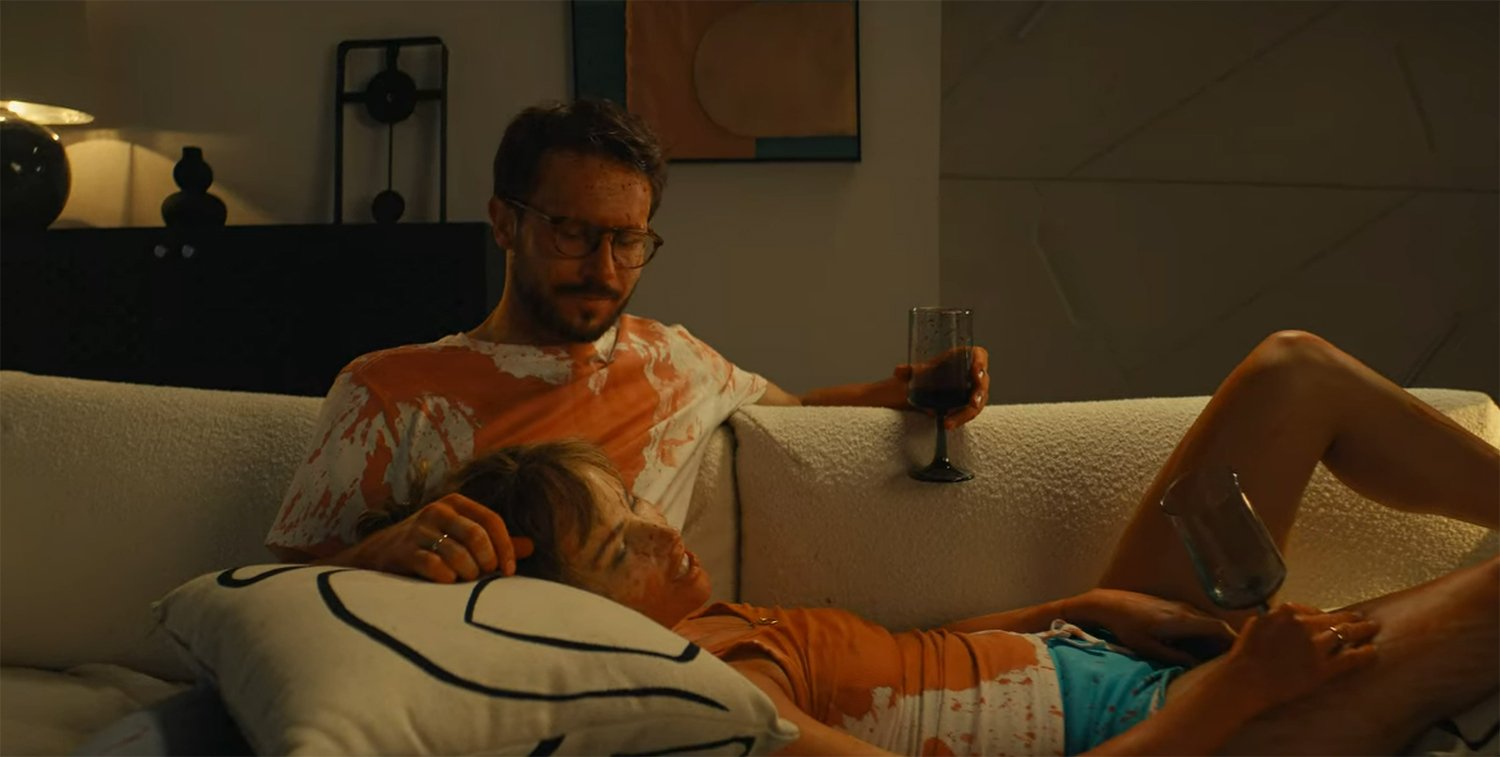
With actual, real life married couples killing each other after lottery wins, the premise of Kill Me If You Dare had plenty of potential. The situation alone makes people wonder why that unexpected windfall kills the love between a married couple. The film instead is less interested in examining that journey, and more interested in using the premise as a way to contrive ungrounded, pointless suspicion towards each other, when they could have easily talked about things, like adults. But even with the silly suspicion, there’s no charm, comedy, or chemistry to find endearing in the couple– all we’re given is that they’re married, Piotr aggressively skimps for the mortgage, and Natalie has a dream for a café that doesn’t make sense considering we never see her make coffee. Kill Me If You Dare just feels lazily assembled, with no interest in being romantic or comedic.
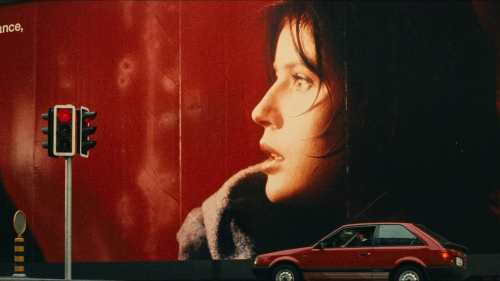
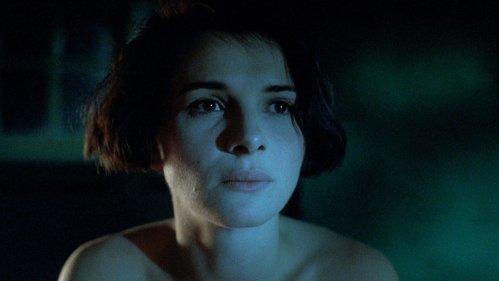
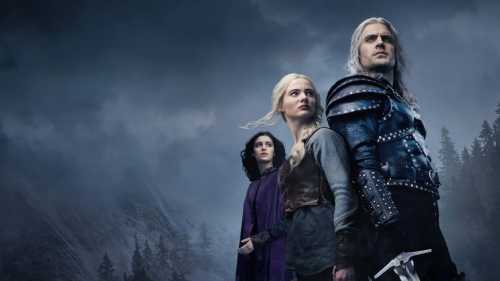
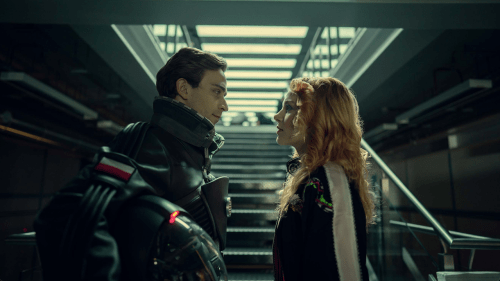
A Girl and an Astronaut is a series that wants to be science fiction, but can’t stop itself from diving into its romance. Starting from 2052, the series imagines a non-dystopian future, with successful versions of tech currently in the works. However, this is intercut with shots from 2022, where fighter pilots Niko and Bogdan have a Top Gun-esque rivalry, only with an added love triangle with Marta. Something here could have been done to make the sci-fi and the romance more relevant with each other, since the heart of the premise is a tragedy of lost love. However, the supposed stakes of the love triangle don’t feel real, as immediately, we know that Bogdan and Marta end up having a loveless marriage. The resulting show isn’t downright terrible, as the cinematography and visual effects are stunning. But the series feels like it should have been two separate stories, or at least made the romance feel compelling enough to watch.

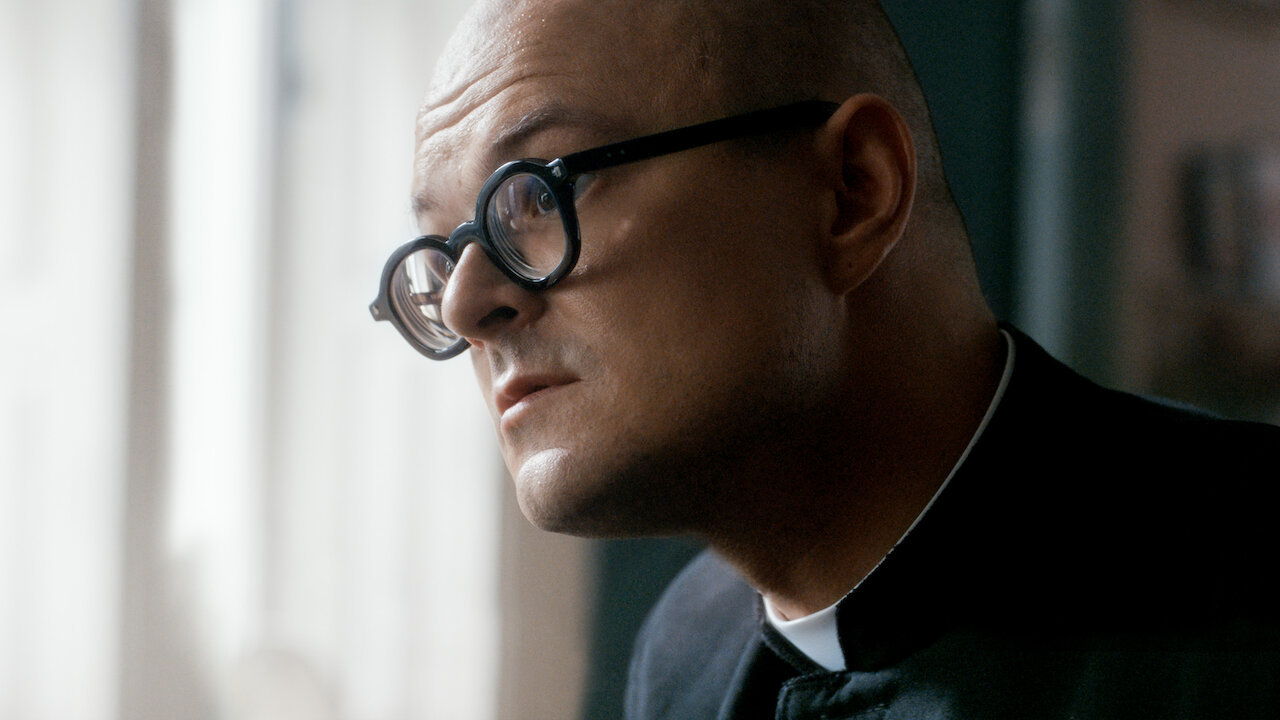
Johnny is a story you’ve heard of a thousand times, but what makes it particularly endearing is that it’s all true and based on the real-life Father Jan Kaczkowski, a priest who went out of his way to help others. Kaczkowski led an extraordinary life, and the film honors that not by putting him on a pedestal but by emphasizing his humanness and humanity. As the misunderstood thief who befriends Kaczkowski, Piotr Trojan turns in a believable and realized performance, solidifying the film’s credibility.
Johnyy’s premise is far from novel, but it is an effectively heartwarming film about forgiveness and second chances.
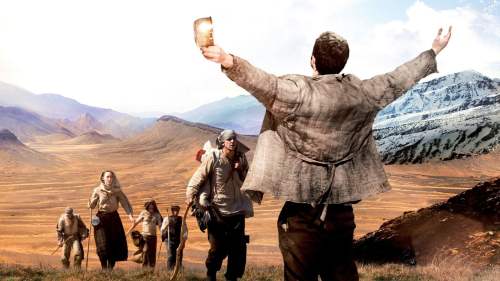
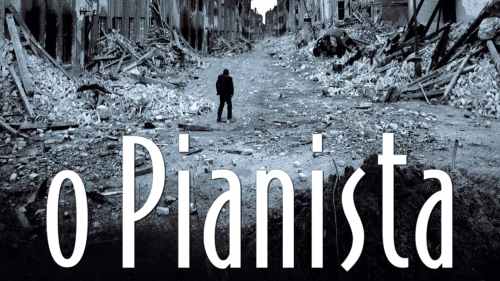

Boxer starts and ends with a reminder about Communist Poland and how difficult that time was for the country. “This is dedicated to the Polish immigrants who fled in the ‘80s, this story could’ve been real,” the intro reads. So one would expect just that, a film about the grit needed to succeed under an authoritarian state and the specific struggles immigrants go through as they assimilate into a new nation. Disappointingly, however, The Boxer is simply about a boxer, one so obnoxious and unlikeable that I wondered till the end why he was characterized in such a way. Are we supposed to root for this guy? If I was a Polish immigrant in the ‘80s, I’d be offended that he—a selfish, misogynistic, racist, power-hungry, violent man—was representing me. The Boxer could’ve done itself a favor by not pretending to be a film about migrant workers because it isn’t that at all. Instead, it’s a formulaic sports drama that doesn’t even redeem its hero. To his credit, Director Mitja Okorn seems to remember sometimes what the film stands for, and so the best parts are when it displays the discrimination Jedrzej and Kasia go through as non-English speaking European immigrants. But those moments are few and far between. What Okorn should’ve done to really save the film is make Kasia the lead. She is the only one who makes sense throughout the movie, and it’s her parts that are the most compelling. Sports movies starring an egotistical athlete are a dime a dozen, but to focus on the athlete’s partner and recognize their sacrifice and input? Now that’s exciting.
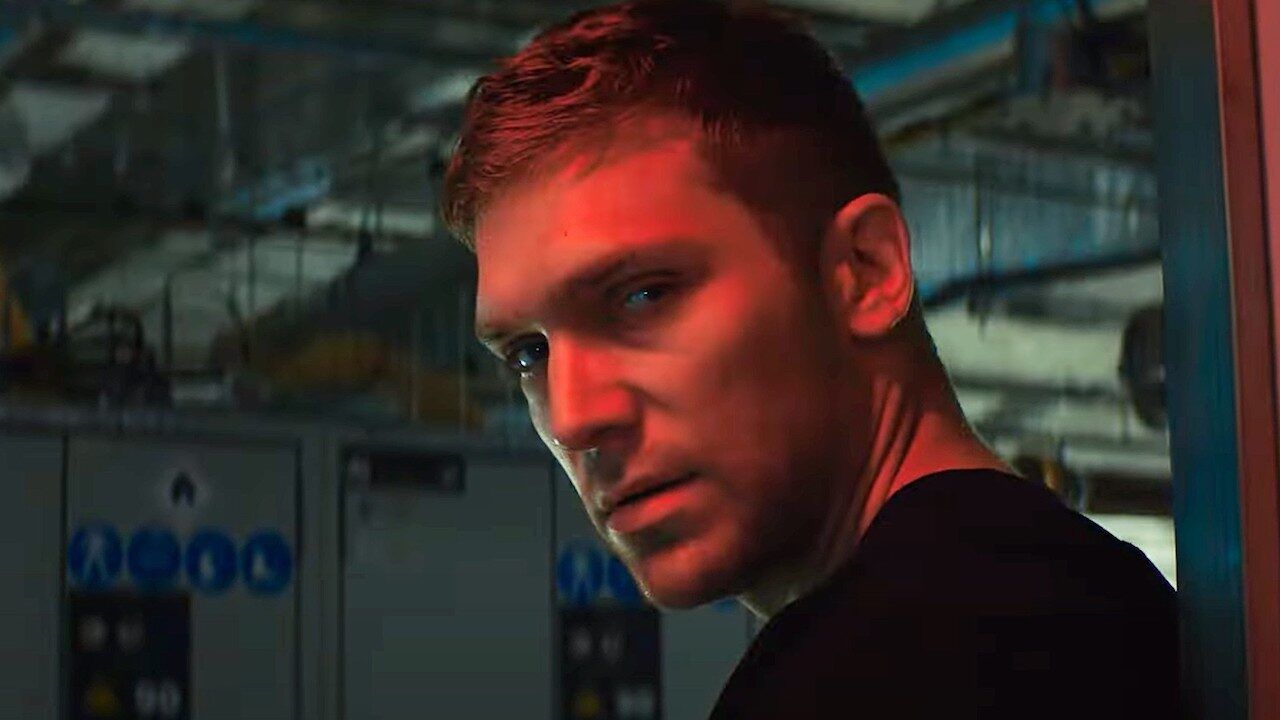
Nothing happens in Soultcatcher that you haven’t seen before. There is an evil scientist who creates a weapon of mass destruction. There are government officials fighting to obtain the weapon for political gain. And of course, there is a rugged team of mercenaries, each with their own distinct identifier, tasked to save the day. None of these elements are inherently bad; often they’re even needed in a solid thriller. But Soulcatcher fumbles these elements with lousy, uninspired execution. The action sequences are terribly paced, the plot is riddled with fillers and cliches, and there are too many confusing moments that take you out of the moment. This is a shame, because the acting is not bad at all, and the production value is decent, impressive even. If only the producers allotted more of that budget to supporting the writing, then maybe Soulcatcher would’ve turned out much, much better.
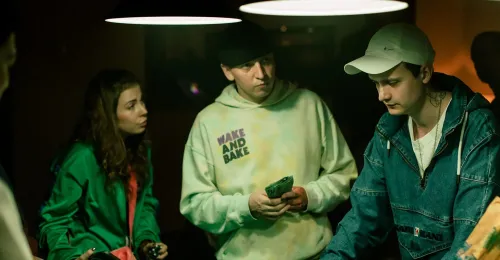
Operating in a similar style and speed as the Safdie Brothers’ Good Time and Uncut Gems, Freestyle gives us a peek into the seedy underbelly of Poland through the eyes of Diego, a smalltime muscian who slides back into his drug dealing ways when he finds himself short on money. On the sensory front, Freestyle is a thrilling experience. Diego charges the film with palpable anxiety, Kraków’s underground community lights it up in dizzying neon, and the local hip-hop scene backs it with exciting new sounds. It’s a technical feat, but stripped of these elements, Freestyle is nothing more than a predictable crime thriller populated with predictable characters, many of whom, by the way, are thrown in at random points in the movie so that it often gets confusing and infuriating to watch. Despite potentially having something to say about the apathy of youth or the glaring discrepancy between social classes, Freestyle seems solely interested in being a slick crime thriller that has its characters run around in circles to save themselves. It looks good and sounds even better, but without anything substantial holding it up, Freestyle fails to relay an authentic sense of relevance and urgency.
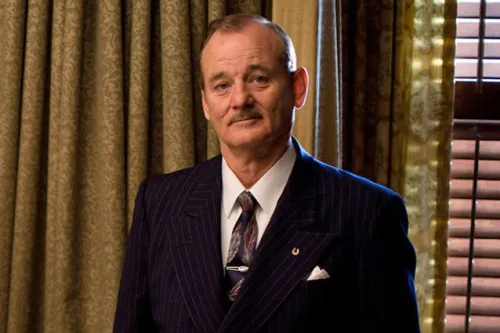
Robert Duvall…Bill Murray…need I say more? This popped up in my Netflix feed as a suggestion. Almost skipped over it, but my husband and I were up late and took a chance. WHOA! The acting is superb and what we thought would be a movie about revenge is unexpectedly about redemption. Robert Duvall is a hermit, looking forward to death. Bill Murray is a funeral home director looking for someone to bury. It’s subtle, very subtle, comical and heartbreaking. Y’all will love it.