
Movies to Watch From Hong Kong
To access filters, visit our homepage.











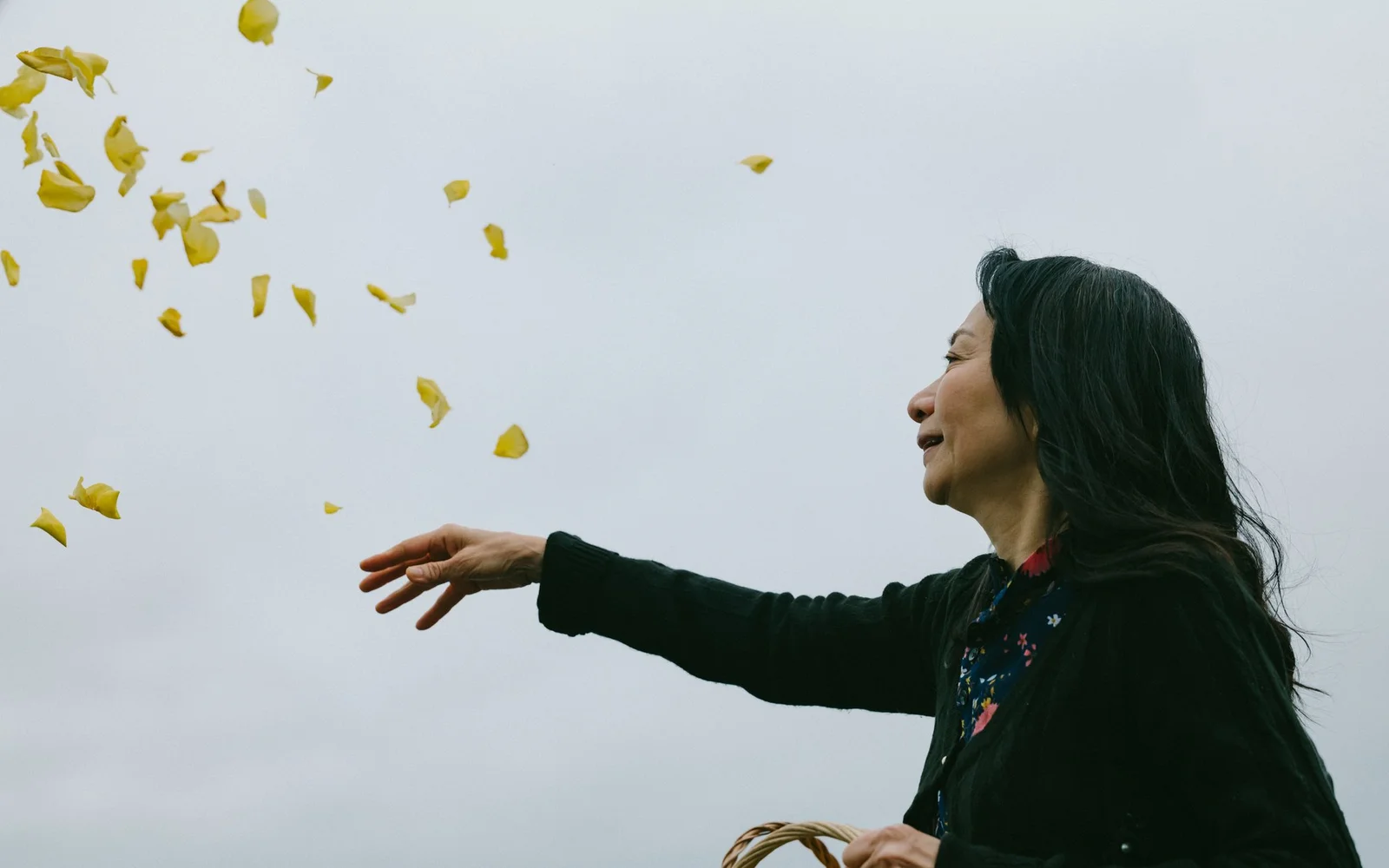
While the film is calm, contemplative, and never goes into histrionics, there’s a deep-seated anger in All Shall Be Well that powers every scene. Sure, most of the scenes revolve around estate planning, talking with lawyers, and hashing things out through civil discussion. And sure, Pat’s biological family calmly explain their reasons behind their decisions. However, while dressed up in logic, All Shall Be Well understands the real weight of what they’re asking for from Pat’s life partner Angie. Every request reveals the limit of the family’s acceptance of Pat, how willing they are to ignore Pat’s wishes just to take advantage of a financial deal, just so they benefit from the home Pat and Angie built. With Patra Au’s brilliant performance, the drama underlines how the system is stacked against Pat and Angie’s love, but also how their love still transcends past the material.
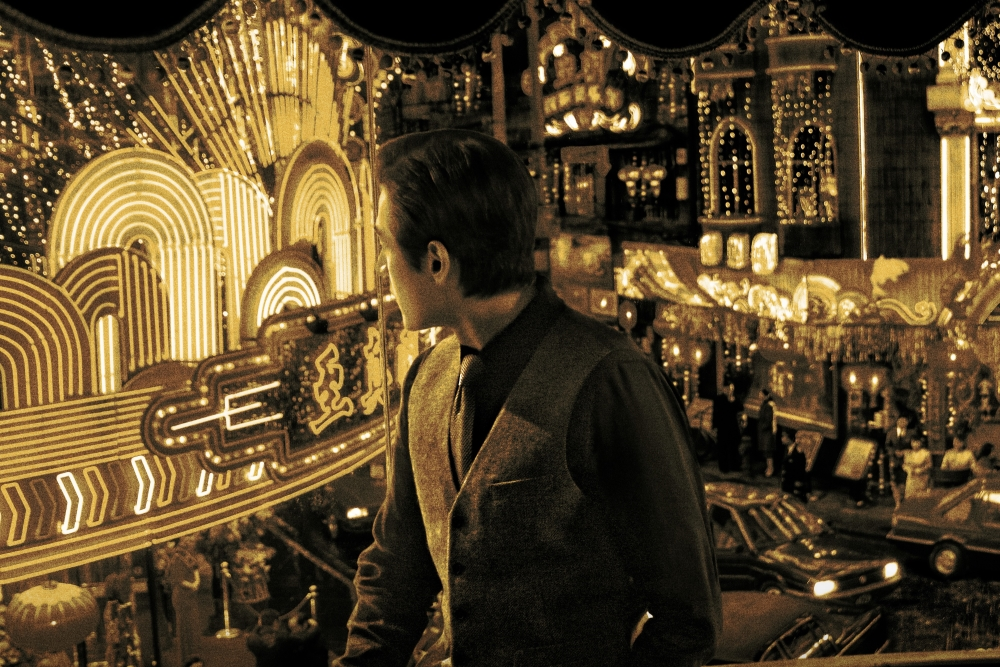
With his last film released more than a decade ago, fans wondered what Wong Kar Wai would release next. The answer is this television adaptation of the 2013 novel by Jin Yucheng. It’s a surprising step for the filmmaker, considering his preference of a small cast, improvisational directing, and love for Hong Kong, but this surprise is a welcome one. Blossoms Shanghai holds the same desire and obsession Wong is known for, though on a larger scale, as Shanghai’s opening to new economic opportunities pull in a compelling cast of risk takers who can, and sometimes do, lose it all in a second. And because of how high the stakes are, the series takes a darker, noirish vibe we haven’t expected from Wong. While the introduction does get a bit clunky with the non-linear structure, Blossoms Shanghai ultimately unfolds into a beautifully-shot, captivating mystery that brings Wong’s style into newer territory.
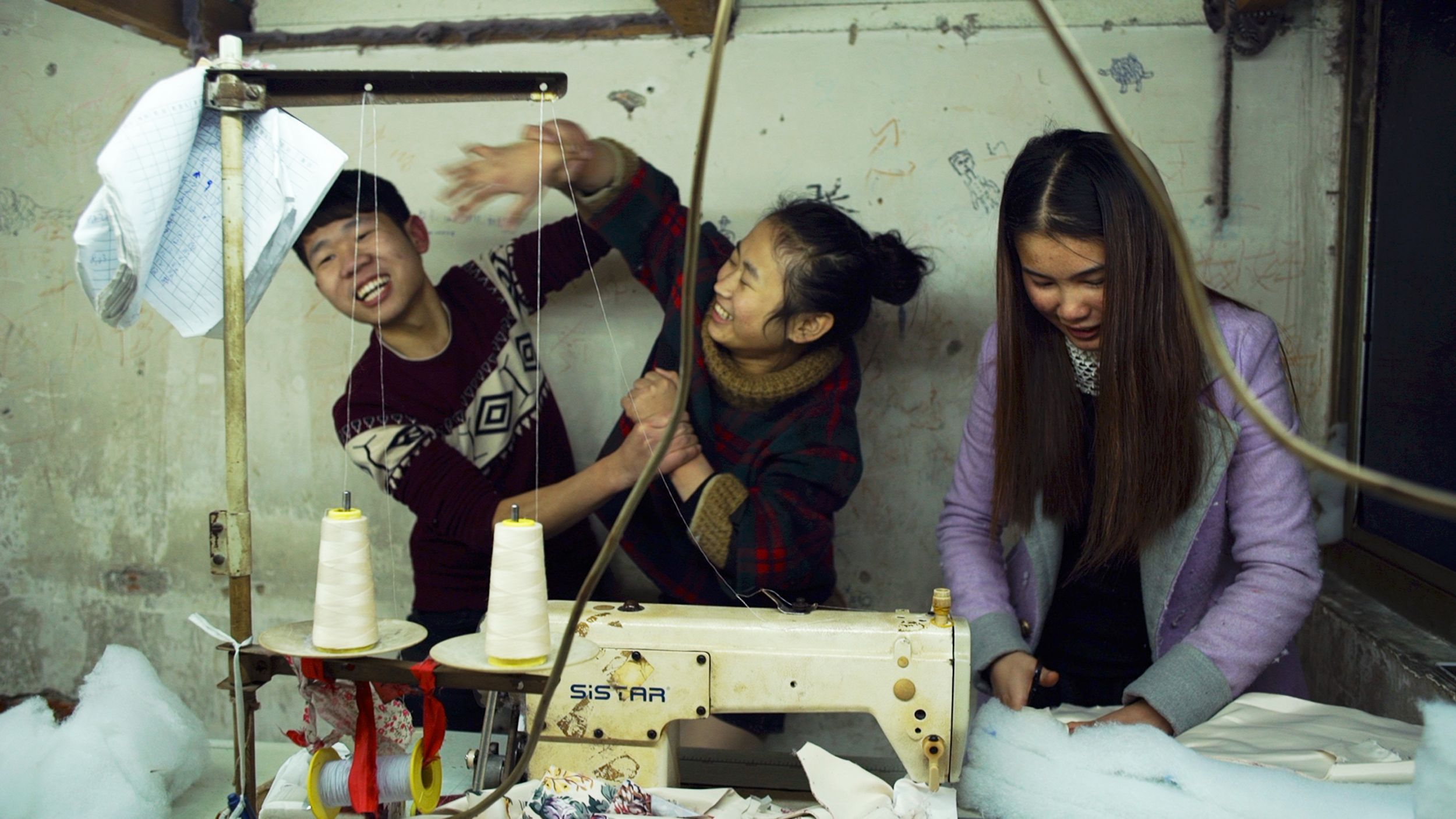
Teenagers forced to grow up quickly and spend their prime years wiling away at garment factories sounds like a grim reality, and it is, but in Youth (Spring), Chinese documentarist Wang Bing captures more than just the inherent tragedy of young labor. Here, they build friendships, find love, discover an affinity for their craft, stand up for themselves against exploitative bosses, and look for ways to have fun. Even if it’s just as simple as eating street food, spending the night at an internet cafe, or finding nice clothes, we’re with them in every way. Though it’s never explicitly political, the documentary makes you think about the conditions that put the kids there in the first place, such as our insatiable need for cheap and trendy clothes, governments turning a blind eye to child labor, and a skewed system that favors these above people’s—especially young people’s—well-being and welfare.
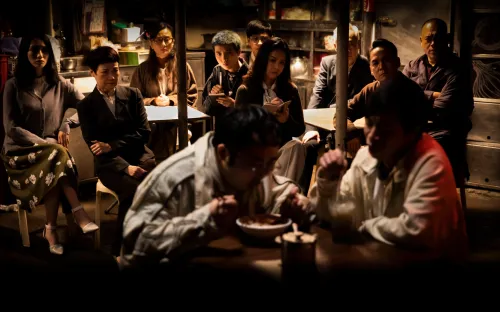
The real life case that inspired this movie is quite chilling. It’s probably the reason why, instead of depicting the crime in the usual manner, The Sparring Partner is mostly centered around the court proceedings instead. This approach structures the film in a novel way. Like plenty of other films, the legal drama delves into the killer and his background, but only when it’s relevant to the witness stand, or when he’s talking to his lawyers. The approach also ensures some focus on the killer’s hapless accomplice. What’s interesting is that the film also allots some focus on the jury itself, showing them literally in the scene of the crime as they try to visualize what could have happened. By doing so, The Sparring Partner presents the facts of the case, but it also brilliantly captures the varying mindsets in Hong Kong towards familial duties and accountability through its stand-in jury. As the film judges over the case, it also judges over these mindsets in the face of justice.
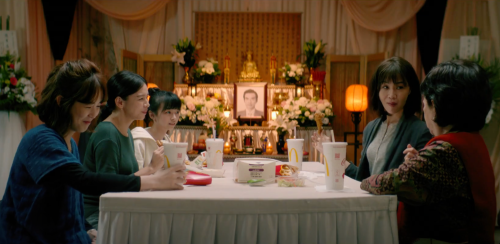
This sensitive and elegantly crafted melodrama recognizes that a death in the family doesn’t have to lead to the same expressions of mourning we expect from movies; there might not be any real sadness at all. But when different family members come together again and bring their own personal conflicts with them, suddenly everyone else’s little griefs fill the space, and the road to recovery becomes even messier. Little Big Women understands all this with an understated touch and brilliant, naturalistic performances from its cast. It makes for a loving tribute to the generations of tough and complicated women who often hold a family together.
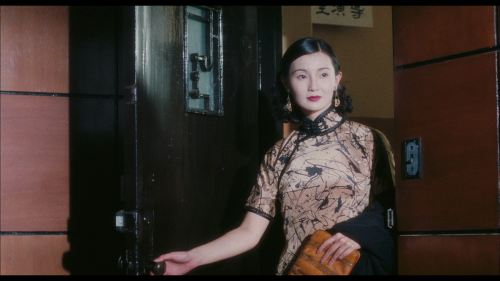
What would be the best medium for depicting the life and legacy of an icon? Would a biopic be best, or would the documentary do better? Well, for silent film star Ruan Lingyu, director Stanley Kwan fused both in Center Stage. It makes for a unique experience. Rather than putting Maggie Cheung through the motions, Center Stage alternates between recreating the scenes of Ruan’s life, the few fragments of her works, and what’s behind it, which was rather fitting for the way her life and work eerily coincided. Consciously recognizing the gap between depiction and reality, Kwan and Cheung refrain from overdramatizing her life’s tragedies. Instead, Center Stage focuses on her craft and the act of performing itself.
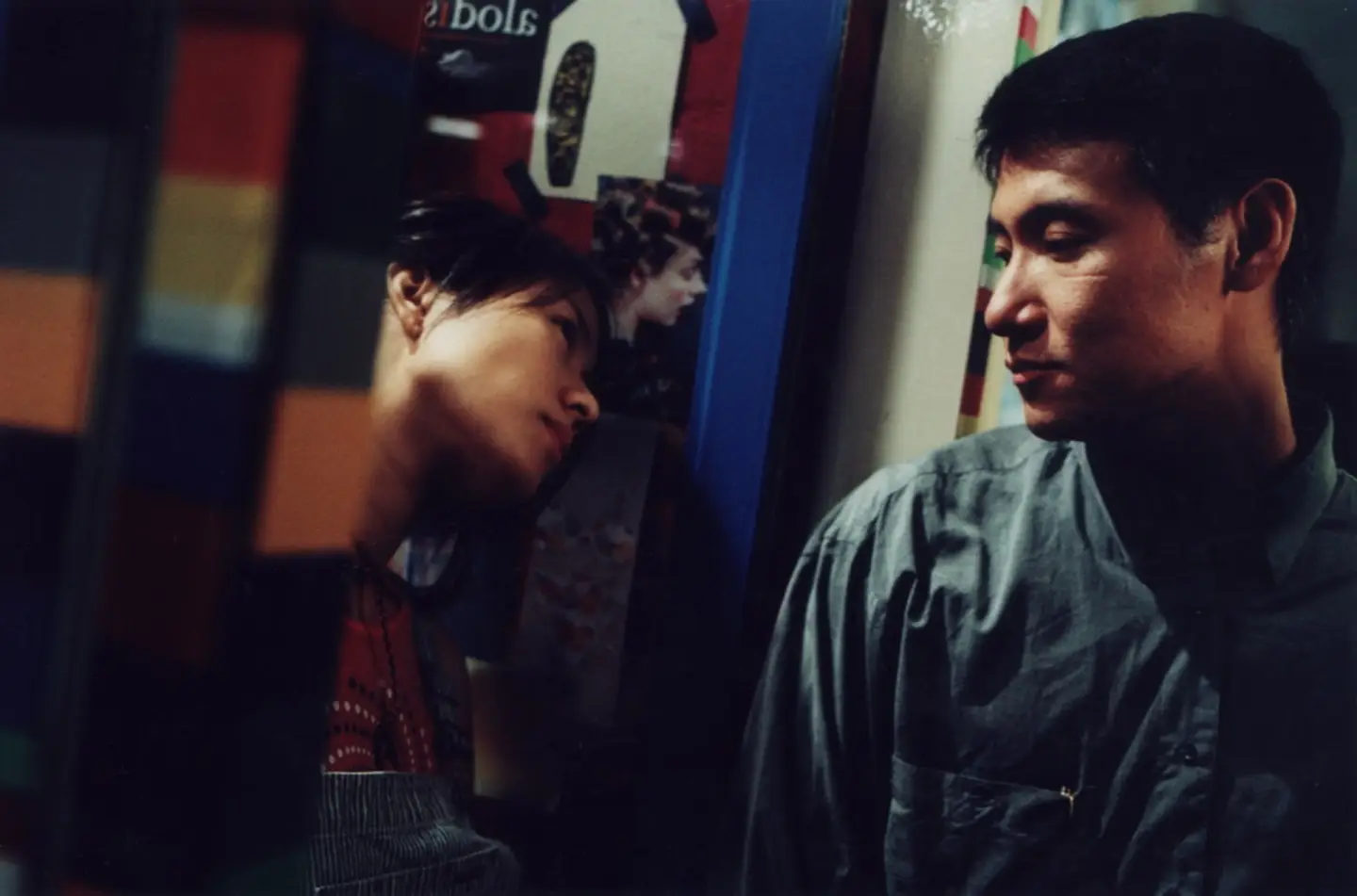
There are moments that irrevocably shape the rest of life, and for many of us, we stumble into them unprepared. Sometimes they lead to contentment. On the outside, it first seems like schoolteacher Lam Yiu-kwok has that, getting to share his passion for Chinese poetry to his students, and having built a life together with his childhood sweetheart Chan Man-ching. On the inside, however, it all came as a result of Chan’s infidelity with their former mentor. Because of this framing, July Rhapsody doesn’t emphasize on the taboo aspect of the May-December relationship. On the onset, it forecasts what exactly could happen if Lam repeats that cycle, and so director Ann Hui’s intention of examining that dynamic comes across as measured and non-judgemental, maybe even tragic. July Rhapsody does so in such a poetic way.
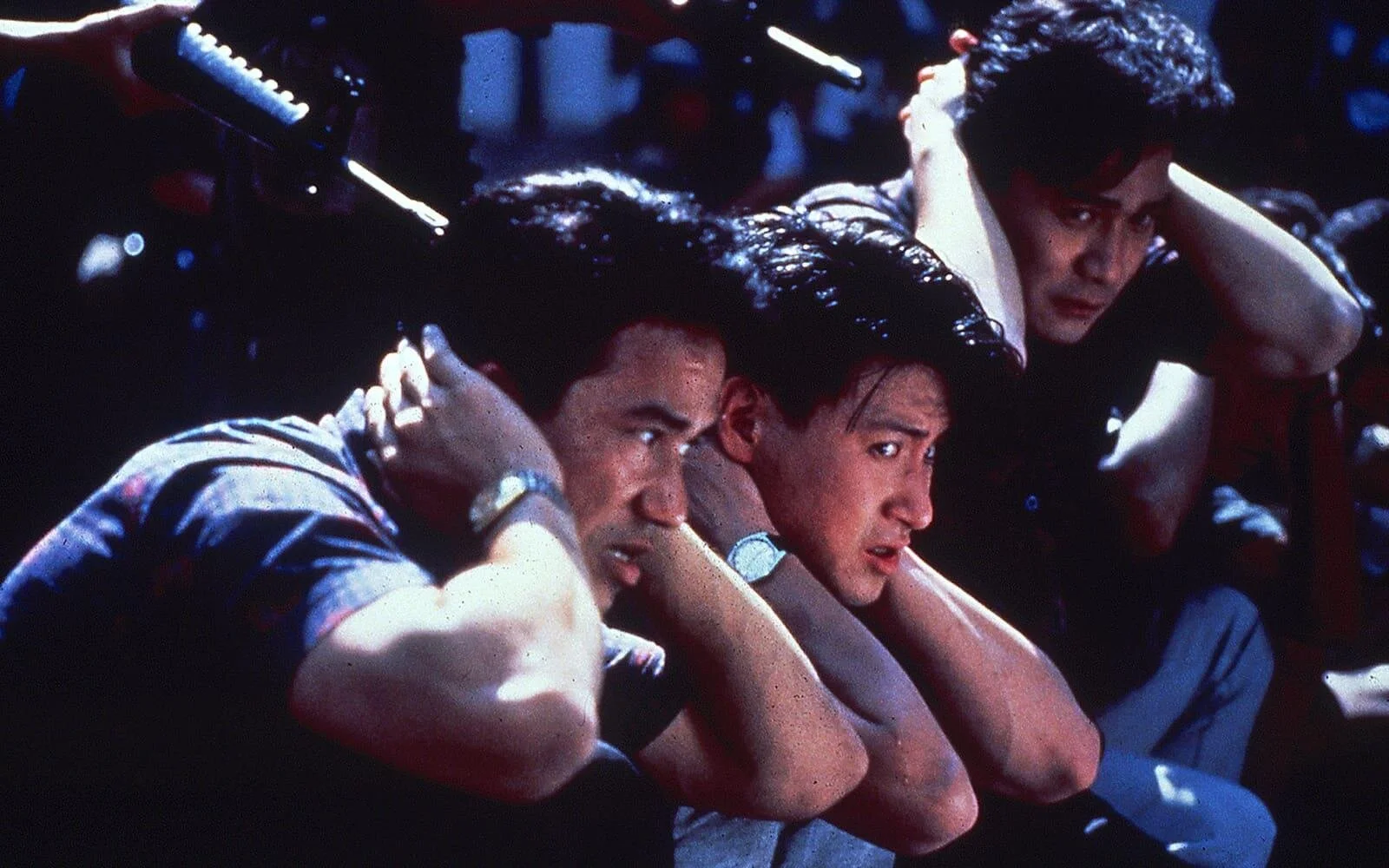
In the fallout of his conflict with producer Tsui Hark, filmmaker John Woo was alone, virtually blacklisted, and unable to find funding for what could have been the prequel to A Better Tomorrow. Because of these circumstances, he self-funded this action thriller Bullet in the Head. Of course, it’s possible that the themes of brotherhood, loyalty, and betrayal are entirely coincidental, but nonetheless, Woo crafts a compelling narrative, helped by its haunting score and the tear-tracked performances of the three leads. Setting the film in the Hong Kong riots and Vietnam War, Bullet in the Head reveals how war never leaves any relationship unscathed, not even between those who proclaim to be brothers.
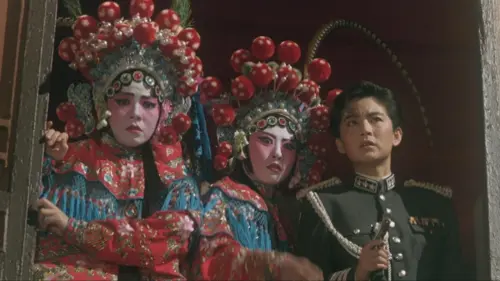
How do we explain Peking Opera Blues? It’s a film set earlier in history, but it’s not as sepia-toned, slow, and depressing as other historical dramas. In fact, it’s the exact opposite. It’s colorful, with all the bright reds and blues on all sets and costumes. It’s comedic, as the three leads– Brigitte Lin, Cherie Chung, and Sally Yeh– get roped into each other’s affairs through unfortunate coincidence. And because of Tsao Wan’s mission, it’s quite fast-paced, driving the action towards a stellar operatic climax. While juggling the frenzy of this thrilling tale, Peking Opera Blues looks to the past to contemplate Hong Kong’s future.

Animated in every sense of the word, The Mitchells vs. the Machines is a fun and lively watch for anyone of any age. On the surface, it’s about a tech company’s AI going haywire as it turns against humans and takes over the world (an obvious and much-deserved dig at Big Tech). It also immediately stands out as an energetic and inventive film bursting with love for the animation genre.
But at its core, it’s about family and learning to love them even and especially when the going gets tough. Teenager Katie and her father Rick are at that precarious moment in their relationship where everything they do seems to annoy the other, while Katie’s mother Linda tries and fails and tries again to keep the peace. The Mitchells are filled with love, but they’re not quite sure how to express it to each other, and it’s both funny and relatable how it takes a literal apocalypse for them to realize that. This is a family story elevated by dynamic animation and a bizarro storyline. Expect it to go off the rails in the best possible way.
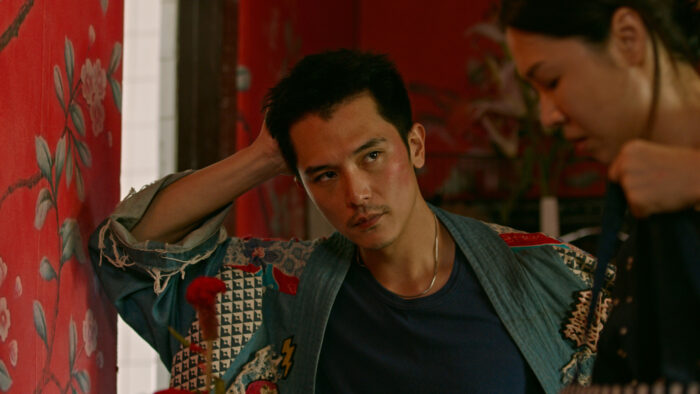
Dear Ex is a family drama that explores LGBT+ issues in contemporary Taiwan. As much as it is a movie about how people cope with loss, it’s a powerful, heartwarming, and intimate portrait of the relationship between Jay and Song Zhengyuan and all the obstacles they face.
While the themes of Dear Ex are heavy, the director makes the viewing experience easier for the audience thanks to humorous and witty dialogue. Meanwhile, the history between Jay and Song Zhengyuan’s relationship unfolds in a very beautiful, almost poetic way, and by the end of the movie, we understand that everyone gets their own kind of forgiveness. The way the characters effortlessly show that love is something beyond genders is admirable, and it is great to see how everyone gets their own kind of forgiveness whether it’s from themselves or from others by the end of the movie.
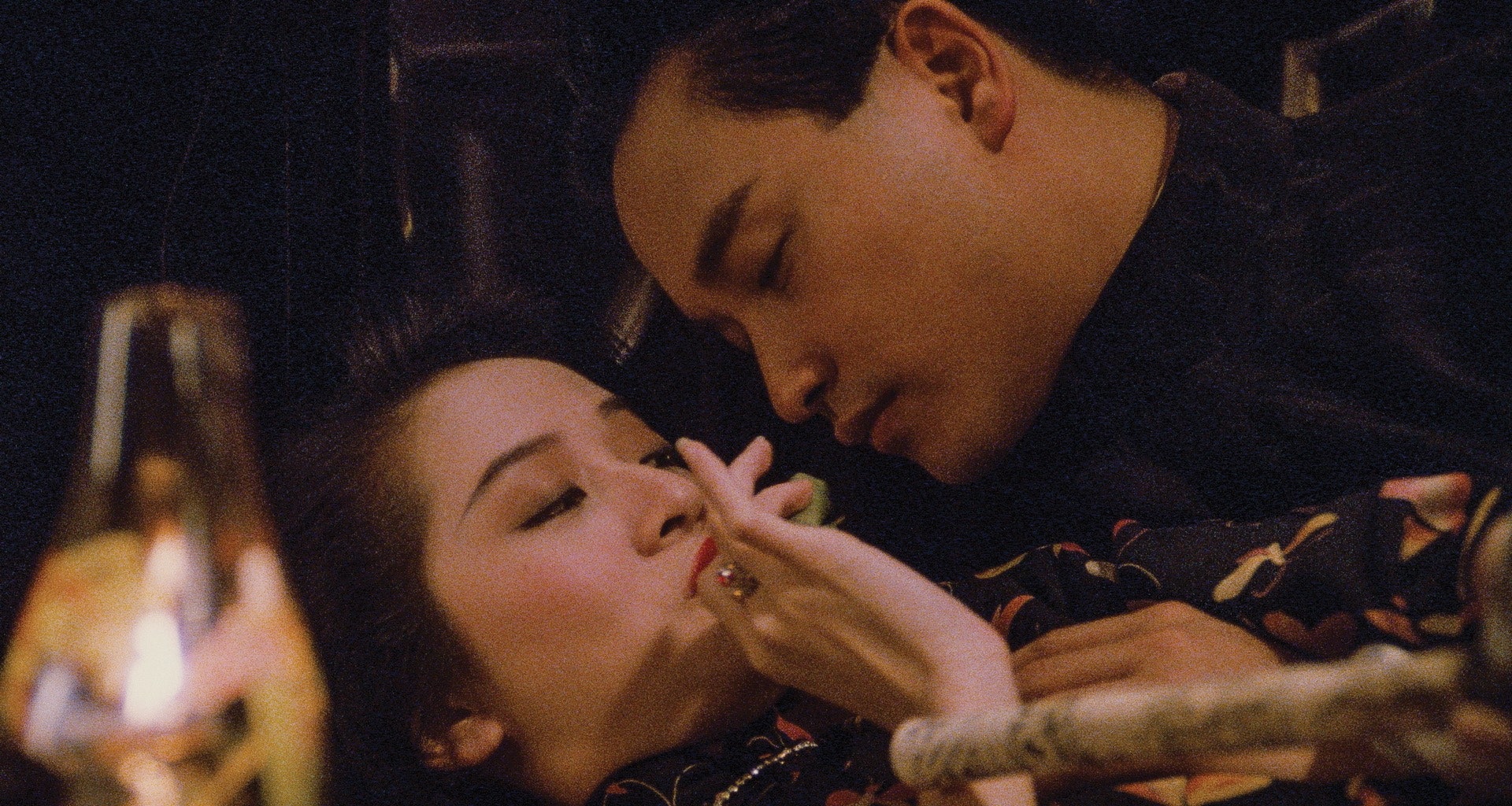
Vivid, seductive, and highly romantic, Rouge starts as an enchanting tale of a ghost courtesan that haunts a modern-day couple to look for her lost lover. It’s easy to be swayed by the ghostly lovers – the courtesan Fleur (Anita Mui) and wealthy pharmacy chain heir Chan Chen-Pang (Leslie Cheung) start off the film courting each other (and the audience) through lush visuals, dramatic declarations, and Cantonese song. They agree to a suicide pact and promise to find each other in the next life. However, as Fleur haunts newspaper journalists Yuen and Chor, it’s clear how different Hong Kong has become. From its culture to its attitudes towards romance, Rouge suggests that while modern day Hong Kong may be more cold and standardized, the past as we know it is only a gorgeous dream. And that dream hides a tragic, sordid reality.
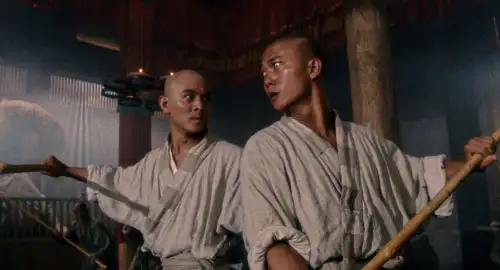
Based on the legendary Zhang Sanfeng, Tai Chi Master recreates the myth surrounding his beginnings of his craft and transforms it into an energetic action flick. It’s rather entertaining. While tai chi is mostly practiced more as a meditative exercise, the fact that it’s a martial art provides the perfect excuse to see Jet Li fight. And he does deliver. Every showdown between him and Chin Siu-ho is unpredictable, over-the-top, and downright fun, with both their characters fighting for their diverging goals. While the later portion struggles to balance between the comedic tone it set earlier and the drama of the brothers’ separation, ultimately Tai Chi Master delivers all the wirework and action you could ask for, and then some.
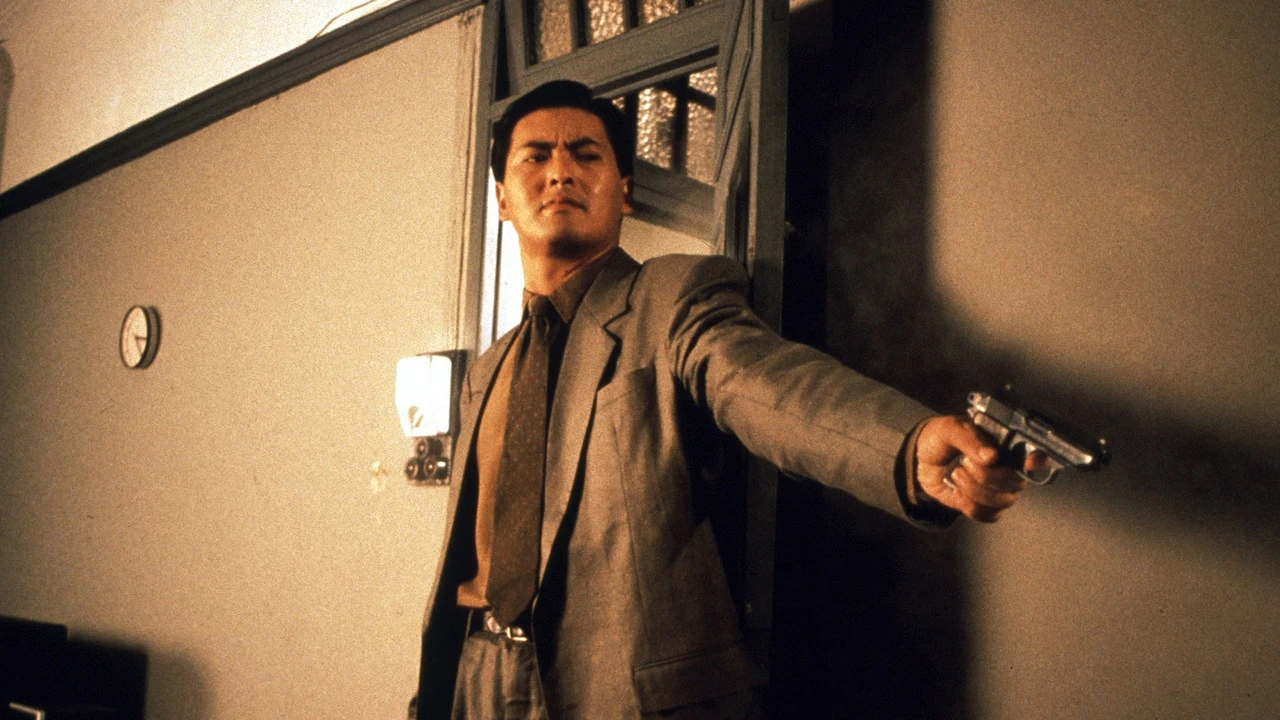
Ah Jong is The Killer referred to in the title, but he’s more than just a professional assassin. In fact, the film doesn’t introduce him in the middle of a kill, shots fired, guns a-blazing. Instead, the film first finds him in church, contemplating the collateral damage. But it’s not easy for him to leave, since needs one last kill for the funds to restore his girlfriend Jennie’s sight. And when this contrast gets the attention of detective Li Ying, he might actually find a way to make up for what he has done. Filmmaker John Woo takes this melodrama to trigger a series of masterfully conducted shoot-outs, with each new danger pulling Ah Jong in further, and with each well-meaning intention never fully free from dire consequences.
 x1
x1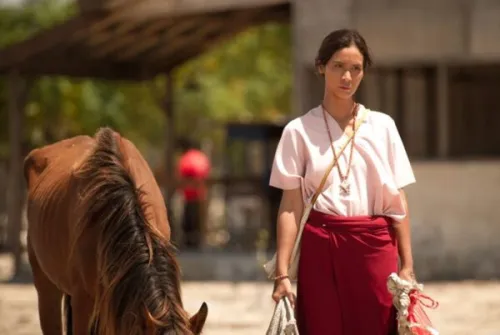
There is a lot to admire about this revenge film from director Mouly Surya—the breathtaking shots of rural Indonesia, the grisly practicality of the titular Marlina, the relevant observations on gender politics, and the simple yet stylistic way all of this is revealed. Fans of Westerns and Spaghetti Westerns are also treated with an Eastern reimagining of tropes as the film exchanges long guns for Kabeala knives and sprawling deserts for tropical hills.
Packed with so many delights, Marlina the Murderer in Four Acts is a near-impossible miss. But if you somehow find none of this gripping, you can always rely on the sure thrill of seeing scorned women bloodily and rightfully avenge themselves.
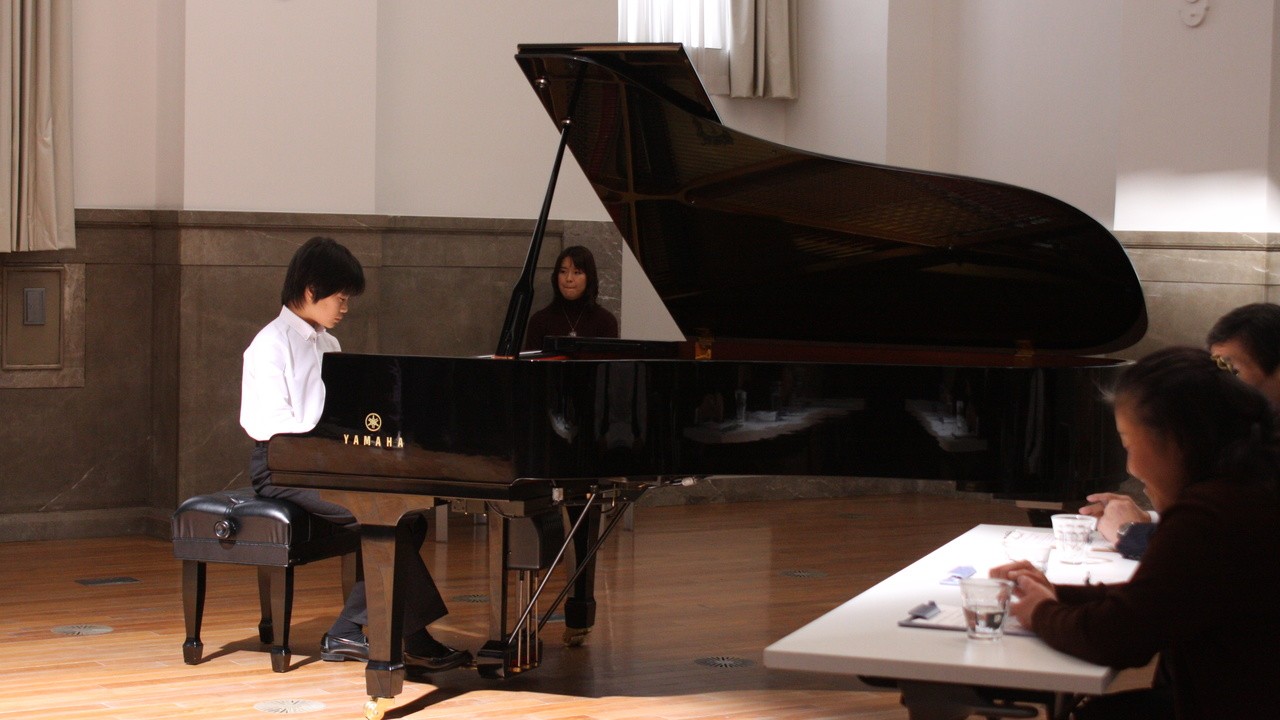
Known for his horror films, Kiyoshi Kurosawa shifts gears and presents a family drama in Tokyo Sonata. In the film, father Ryuhei, who’s expected to be the breadwinner, loses his prestigious job and chooses to hide his firing from his family. While this premise isn’t overtly scary, the film understands the terror of being unable to maintain the current comforts of your family. And the consequences: lose your status (at best) or your life (at worst). Teruyuki Kagawa’s performance crystallizes that sense of losing control, as each expression on his face betrays how secretly afraid Ryuhei feels. The disasters that this family faces threaten to never stop, and Kurosawa executes them perfectly through excellent story structure and performance.
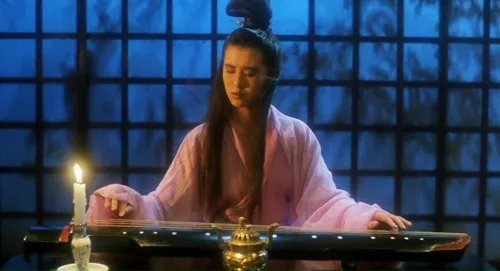
After running out of money, travelling tax collector Ning Choi-san might be getting better with his new romance with the graceful Nip Siu-sin. The only problem is, she’s actually a ghost. After all, this tale is called A Chinese Ghost Story. While classified a horror flick only for its supernatural elements, the resulting film takes on mythical proportions with its ever-increasing stakes, feats of gallantry, and the (at times literal) breathtaking romance that compellingly blends all of its genres. A Chinese Ghost Story went on to have two more follow-ups, but this first installment stands on its own as a cult classic.
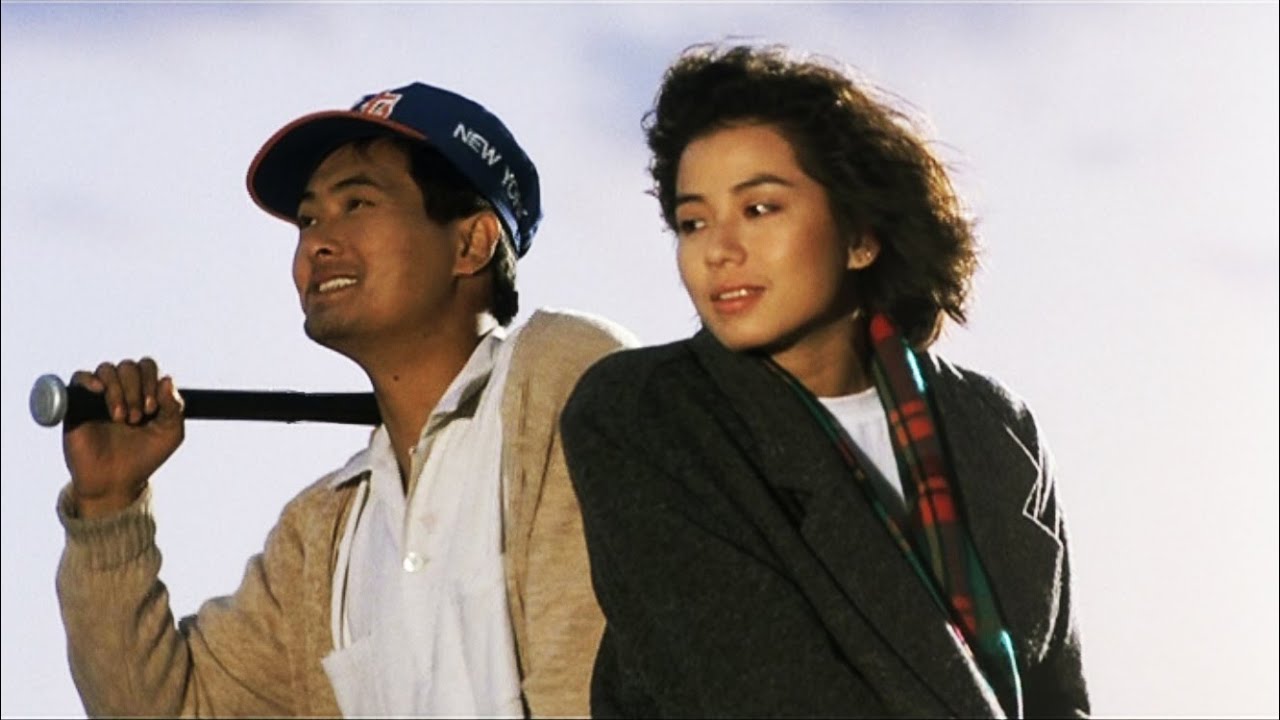
New York, especially in older movies, seems to be an enchanting place with endless possibilities, as long as you’re willing to put in the work. With Hong Kong’s handover to China, it’s no wonder plenty of Hong Kong natives decided to emigrate to the Big Apple. That being said, this experience isn’t always smooth. Mabel Cheung’s An Autumn’s Tale is a fairly simple romance, but it also captures the rough times of the assimilation process of Hong Kongers, the way they have to toughen up to eke out a living, and the joy they manage to hold, even just for a while. And as the young Chow Yun-fat softens his edge to guide the blindsided, sweet Cherie Chung, we can’t help but root for them.
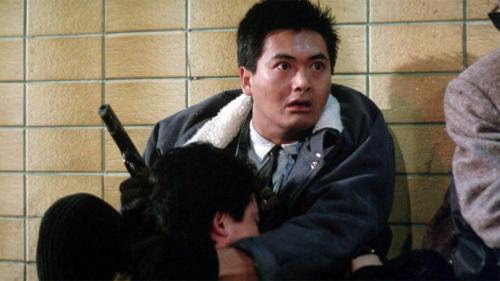
For Western audiences, City on Fire might be best known as the Hong Kong crime actioner that inspired Quentin Tarantino’s Reservoir Dogs. The jewelry heist follows the same beats, the on-set stunts embody the same lived-in action, and the films are both very violent. However, there’s a subtle undercurrent that powers the thrill of this movie. Far from the heroic gangster flicks popular at the time, City on Fire doesn’t side with the police nor the Triad. Instead, they both take advantage of detective Ko Chow, through an undercover investigation that’s willing to let him be collateral damage. With a distinctly different direction, it’s no wonder that City on Fire remains as the blueprint for action movies today.
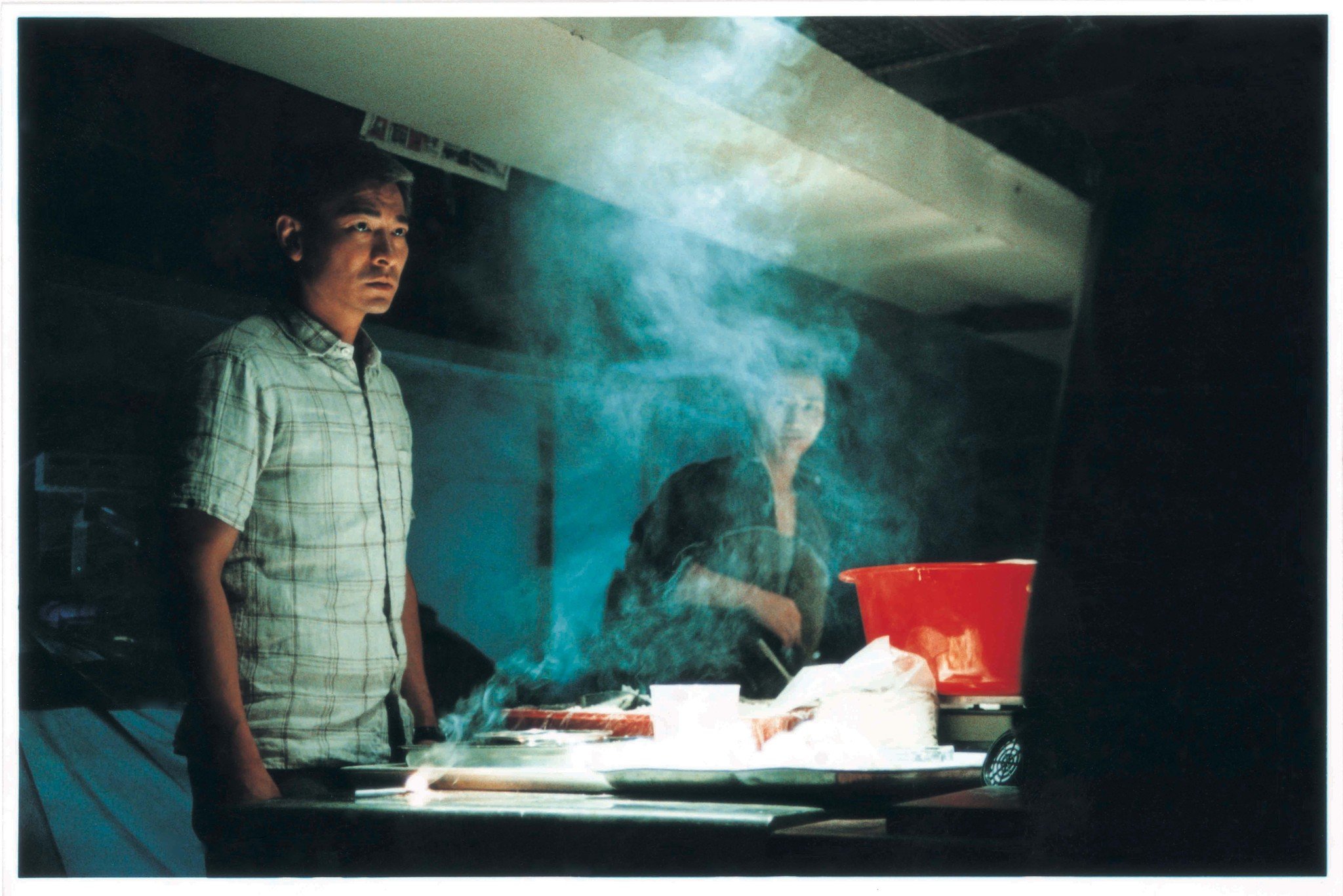
Crime thrillers have plenty of cops undercover, so Hong Kong’s Protégé won’t be the most unique and extraordinary entry that we’ve ever seen in the genre. But, that doesn’t mean it’s a bad movie. It’s a bit formulaic, but the film takes what’s best about the genre– the life-or-death stakes, the drama inherent in mistrust and betrayal, and the trickery each of the characters have to employ in order to survive this cutthroat world– and infuses it into a sharp, suspenseful script, without any of the usual platitudes on drugs. And they got some of the best of the biz in the cast, with Daniel Wu and Andy Lau making the most out of the film’s devastating conclusion. Protégé isn’t totally new, but it takes what’s tried and tested to bring together a great story and a great cast.
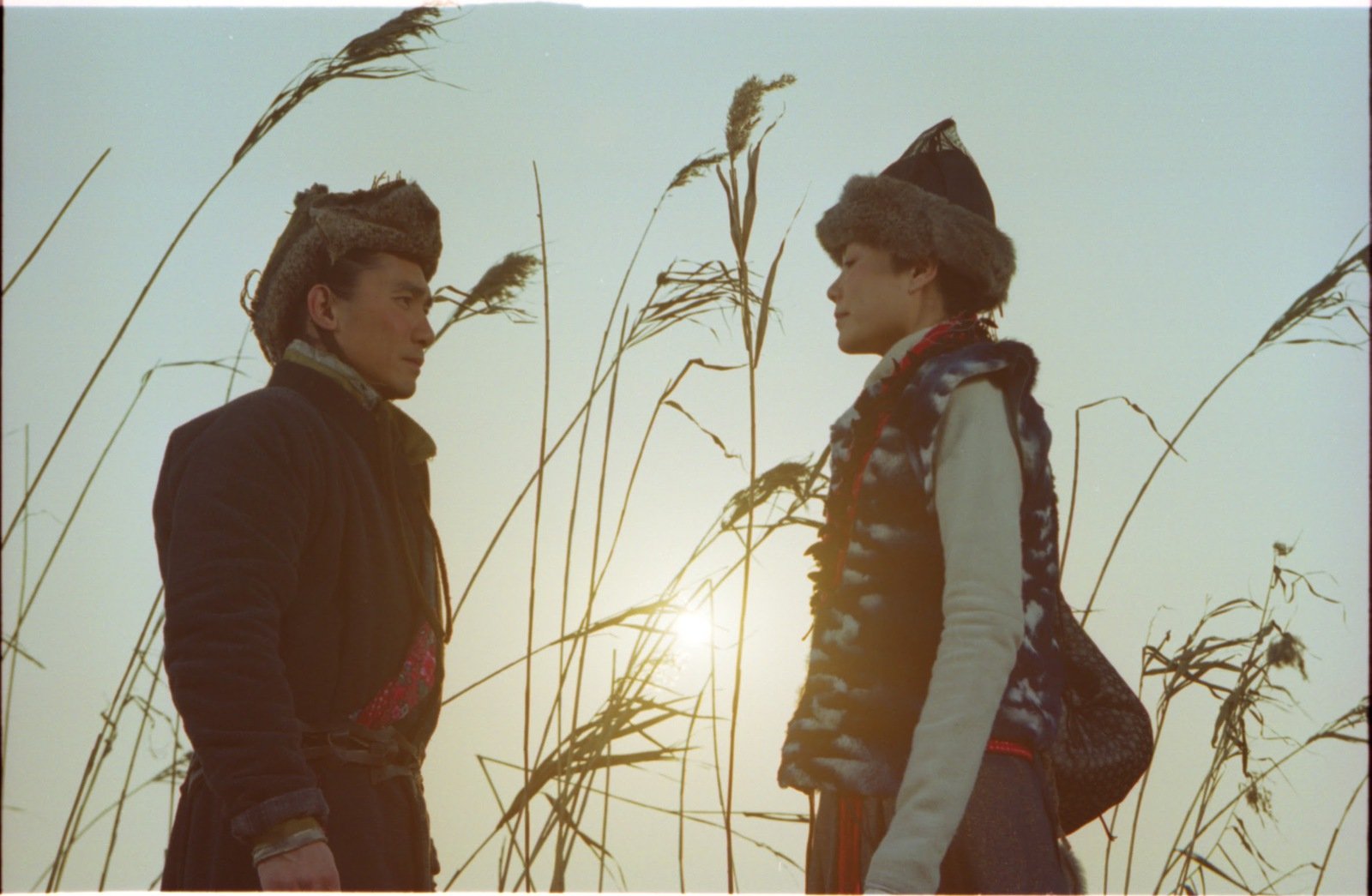
While produced by Wong Kar Wai, Chinese Odyssey 2002 isn’t a moody, melancholy drama that we’re used to. Instead, the Ming Dynasty-set adventure directed by Jeffrey Lau comically spoofs plenty of the beloved genres that captivated Chinese audiences– wuxia epics, musical dramas, and historical romances. The ludicrous crossdressing plot is played in such an over-the-top way, with Lau visually delivering his jabs, with a narrator providing droll commentary on the events, and with intercuts of faux interviews and excerpts from everyone, even including the disgruntled innkeeper spying on the crossdressing princess and the confused restaurant owner. It’s actually quite impressive how the ridiculous plot leads to such a wholesome, moving conclusion.
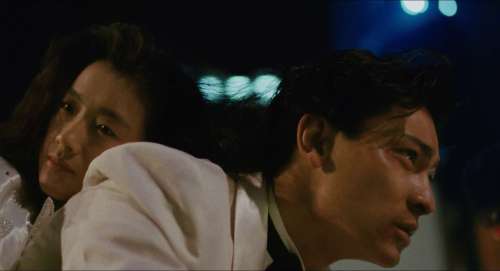
Oh, forbidden love. There are many a film centered around that intense, passionate experience, but that’s because there’s something so beautiful about love thriving despite anything that could come between the two lovers. It’s gorgeously captured in A Moment of Romance. While the melodramatic plot would be familiar, the remarkable images are not, styled with Hong Kong’s neon lights, cinematic pin drops, and the powerful performances that captures the burning desires of these two teenagers. It’s Romeo and Juliet in Hong Kong, sure. But there was never a Romeo quite like Andy Lau on a motorcycle, asking his Juliet, Jo-Jo, to ride away with him. A Moment of Romance was certainly a striking one.
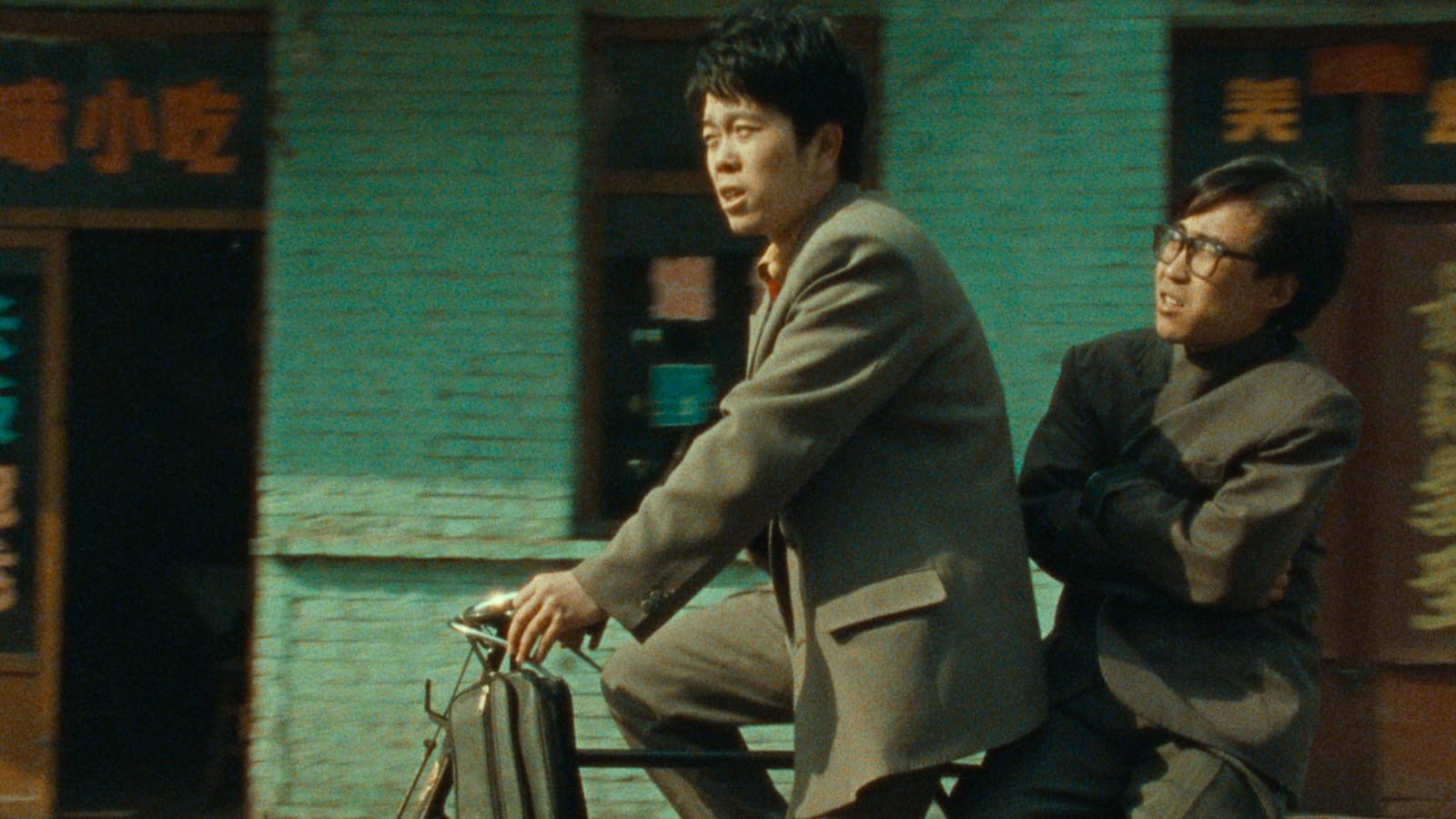
Pickpocket captures the experience of being left behind. As the camera follows Xiao Wu, the film captures how the sweeping changes enacted by China have improved the lives of many of his former friends. It’s supposed to be good. Sadly, that’s not for everyone. For people like Wu, a criminal, these reforms alienate them. It makes other people’s perceptions tougher on them, whether they won’t or just simply couldn’t change along with their town. It’s the unglamorous side of modernization that many hate seeing in their own cities, but director Jia Zhangke depicts this side by side with the last vestiges of what Xiao Wu has known, capturing the melancholy of the generations left behind.
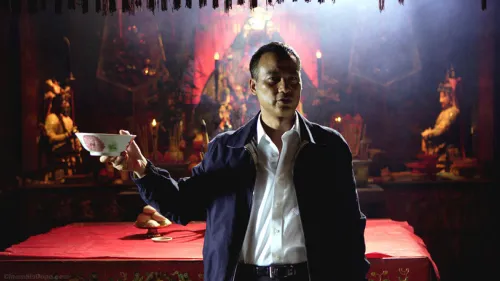
Organized crime syndicates go by their own rules, but apparently some take on a bit of a democracy in their succession planning. Election centers on the titled process for the Wo Lin Shing triad group. As such, it won’t be as action-packed as the gangster thrillers you might be used to, since the first scenes focus on setting up the candidates and what they’re for. That being said, that doesn’t mean there is no action at all. Far from it, director Johnnie To wields the film’s violence sparingly but effectively, in spectacular stylish action sequences that lets out the film’s tension.
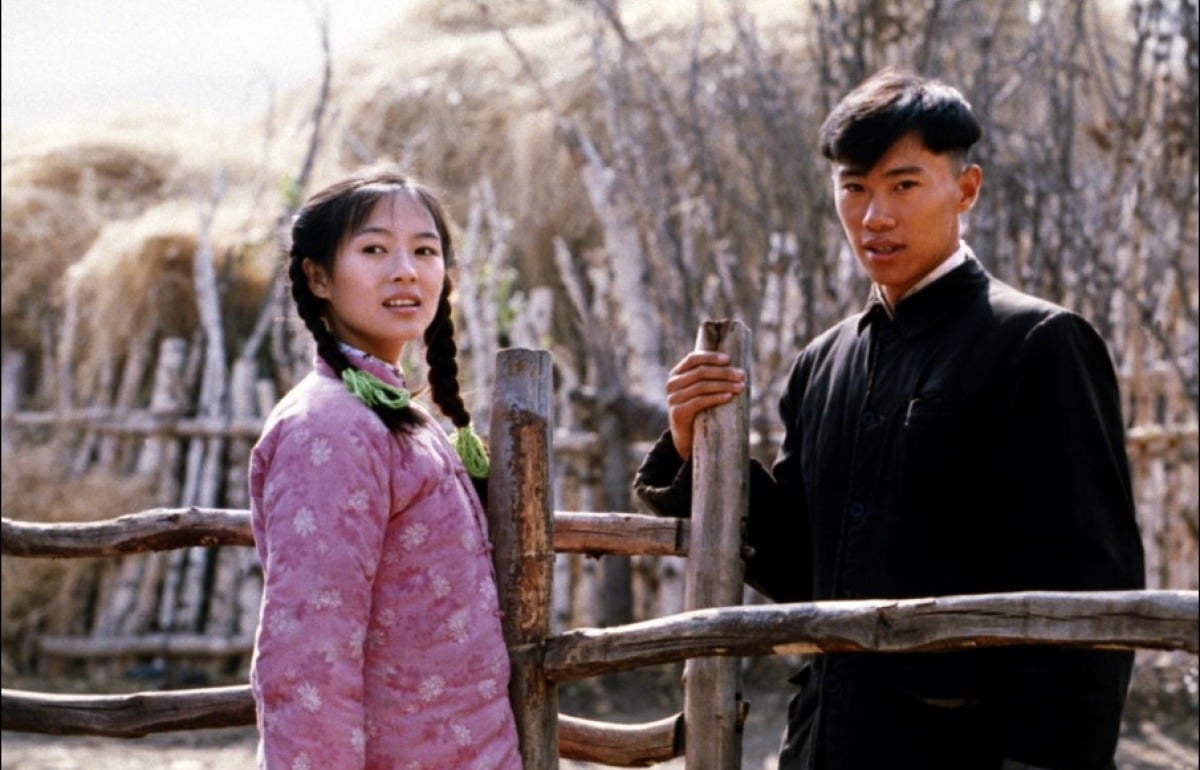
With more and more young people moving to the city for jobs, there’s a certain beauty in the countryside that is being missed out. The Road Home is a simple and straightforward love story, one that is mostly composed of Zhang Ziyi as a country girl stealing glances at the handsome city boy who’s come to teach in the village, but there’s a certain magic in the way director Zhang Yimou depicts the rural traditions of the village, the charming and distinct rhythms of life that continues to this day. While the film glosses over the reasons for Luo’s temporary departure, which some reviewers speculate is due to China’s then Anti-Rightist campaign, The Road Home beautifully depicts the way love can bloom despite these troubles, and how this love can shift the lives of an entire town.
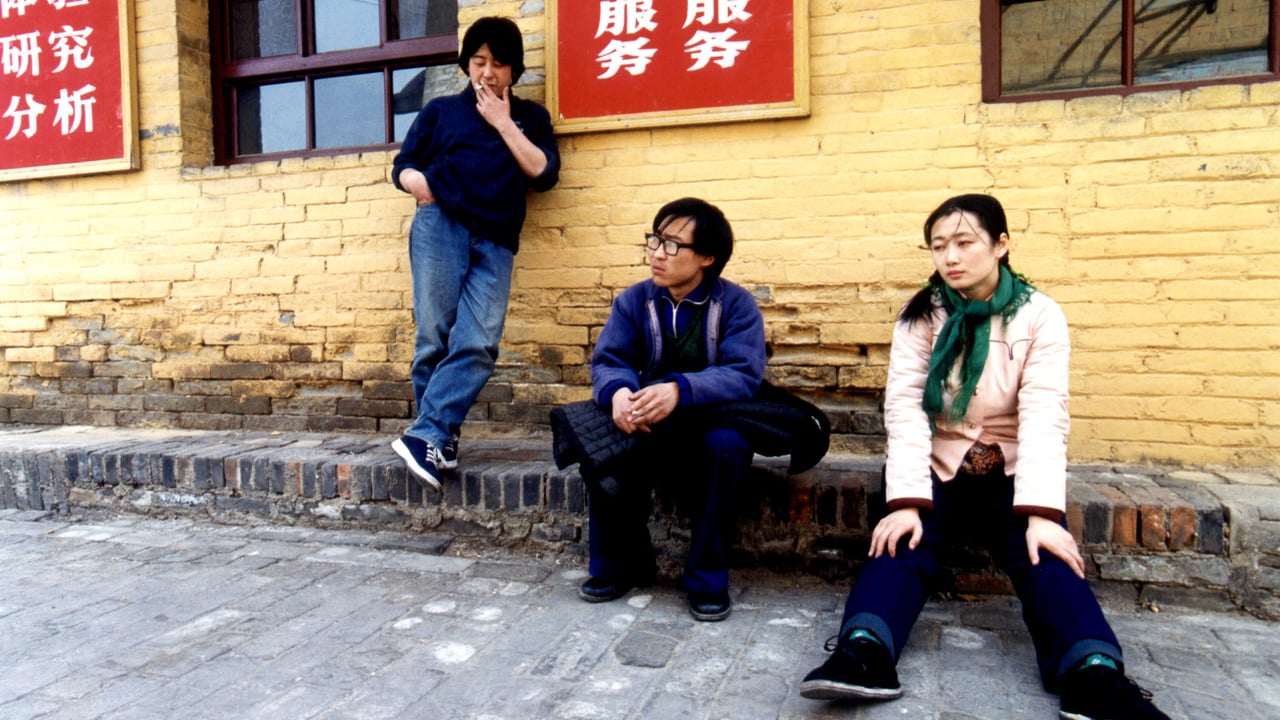
When power shifts from one hand to the other, there’s a sense of possibility that can happen. It’s this sense of hope that drives Platform, and at the start, it seemed like the four teenagers of the Fenyang Peasant Culture Group had the world as their oyster, being free to play any new play, or even the new rock-n-roll that was popular in the era. However, Platform also depicts this shift as somewhat of a tragedy. Sure, it takes a while to get there, with writer-director Jia Zhangke taking jumps across years to check in on the troupe, and really, the lives the kids end up living aren’t terrible ones to live in. But, in contrast with the hopes the kids had, and knowing the slow pace that change came to their town, Platform reveals how lost and confused their generation felt, and how the train for freedom and liberation seemed to arrive too late for them.
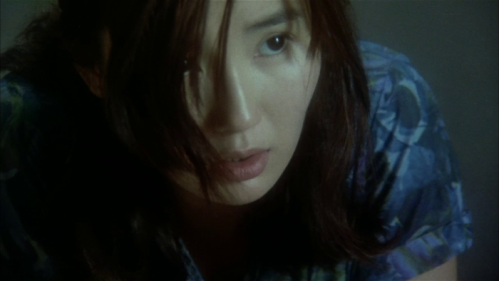
Forlorn longing envelops Days of Being Wild, where the act of dreaming is as valuable as its actual fulfillment. “You’ll see me tonight in your dreams,” Yuddy tells Su Li-zhen on their first meeting, and indeed, this line of dialogue sets the film’s main contradiction: would you rather trap yourself in the trance-like beauty of dreams or face the unpleasant possibilities of reality? Wong Kar-wai’s characters each have their own answers, with varying subplots intersecting through the consequences of their decisions. In the end, happiness comes in unexpected ways, granted only to those brave enough to wake up and dream again.
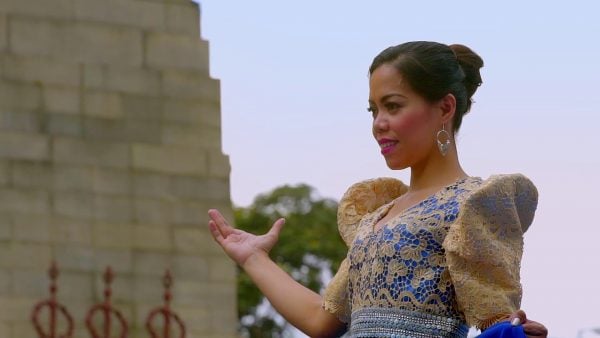
Sunday Beauty Queen starts with a basic but startling fact: there are about 190,000 Filipina domestic workers in Hong Kong. They toil for six days a week, with little breaks in between, but on Sundays, the one day they are given rest, they choose to take part in a fabulous beauty pageant.
More than just a mere show, the pageant is a source of joy and relief for the migrant workers who, despite earning significantly more abroad than they would back home, are mired in a host of problems, including discrimination, loneliness, and underemployment. Because of the Philippines’ and Hong Kong’s stringent statutes, some helpers are also forced to go into hiding, unsure of who will protect them each time.
It’s to director Baby Ruth Villarama’s credit that the film feels both like a criticism and celebration of this migrant reality. She exposes the rotten system that forces these women to flee their country but doesn’t forget to highlight the humanity that keeps them going. This result of this deft balance is a story that is just as warm and exacting as any old home.
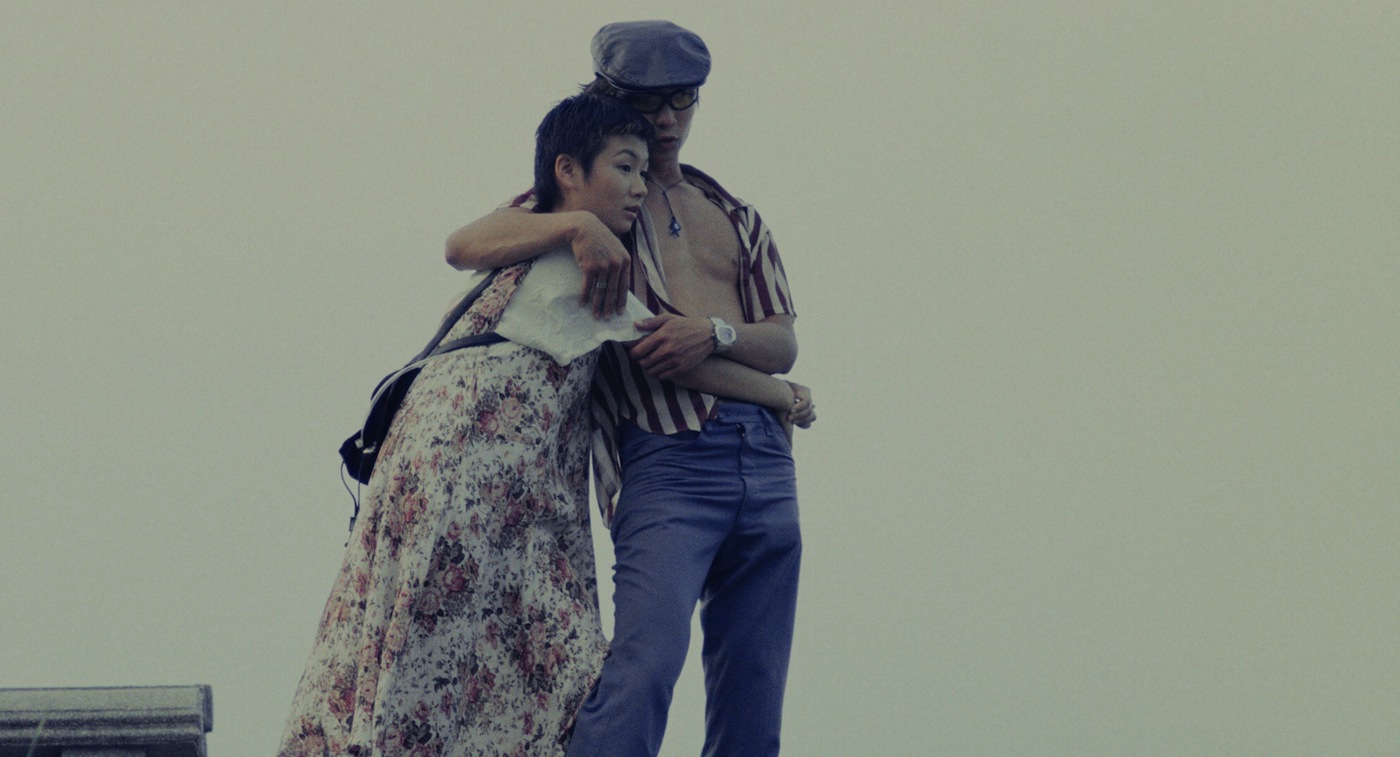
Aggressive, grungy, and rebellious, writer-director Fruit Chan’s debut film captures teen nihilism amidst abandonment in uncertain times. Immediately, the first look of this film is reminiscent of Wong Kar Wai with its use of character narration, hazy green scenes, and over-exposed film. However, Chan pairs these aesthetic techniques with the storyline of a revenge film mixed with an us-against-the-world mentality. While the protagonists Autumn Moon (Sam Lee), Ping (Neiky Yim Hui-Chi), and Sylvester (Wenders Li) start the film with teenage concerns like dealing with wet dreams, dating, and bullying, it’s clear that they go through them aimlessly, without the guidance of their fathers, almost as if with no hope at all due to their specific circumstances. In Chan’s hands, how every kid reacts to each change feels like an outburst against the adults in their life, and of the life outside of the film. It’s as if the words “fuck you” were made into a movie.
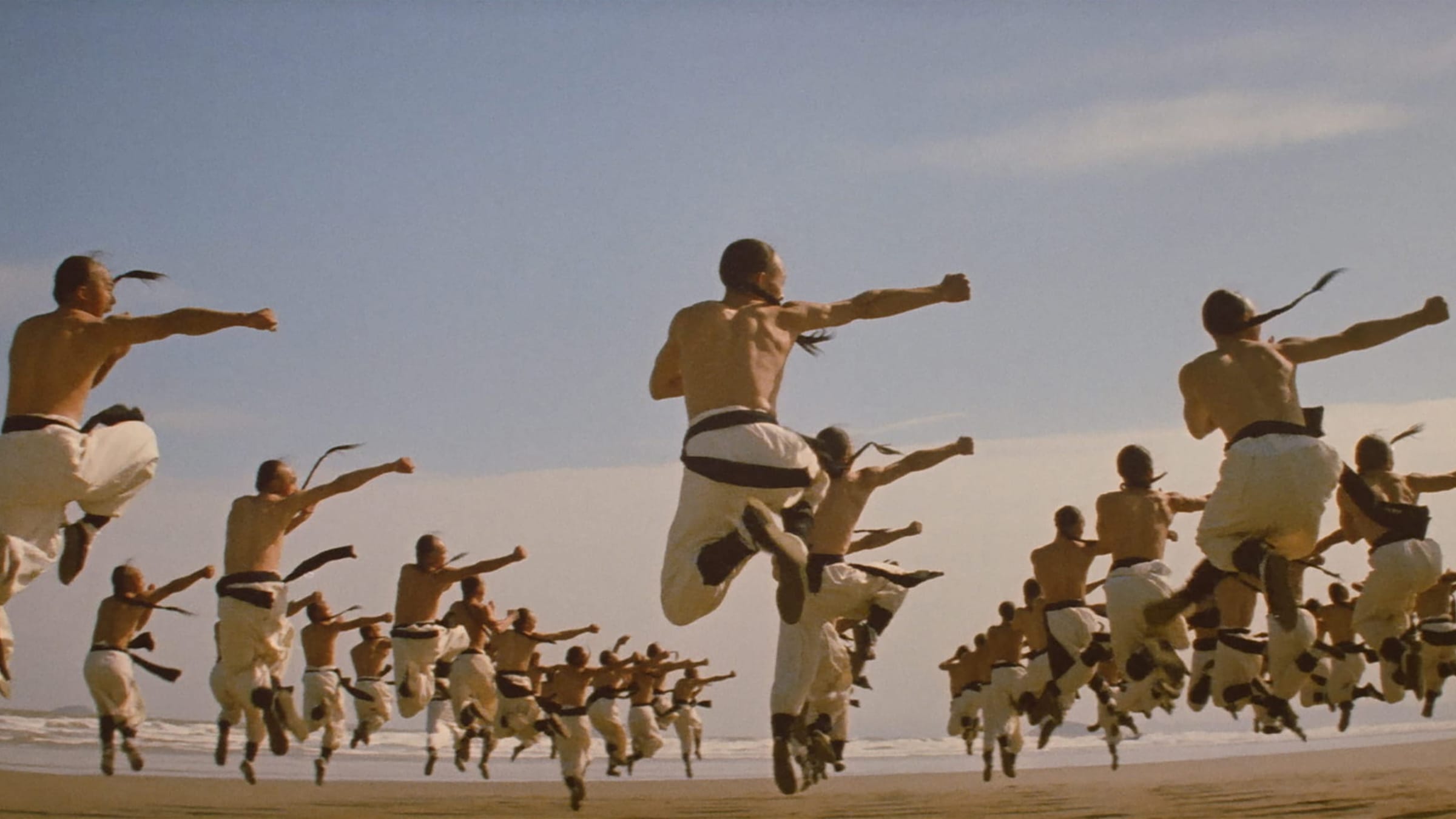
If you are a fan of Hong Kong martial arts films, you probably already know who Jet Li is. The iconic action star has plenty of great titles in his filmography but the work that shot him to continent-wide stardom was Once Upon a Time in China, and for good reason. His competitive background in wushu lent to fast yet fluid action sequences, and it’s all paired with intuitive cuts, intricate sets, flowy costume designs, and camera work that made him shine. But what made the action stand out is that it’s all in service of retelling a real life Cantonese folk hero’s story, infused with the understanding of the nineteenth-century foreign occupation of China and the then-upcoming concerns over globalization. It made for a thrilling action-comedy-melodrama that eventually garnered a reputation as a wuxia staple.
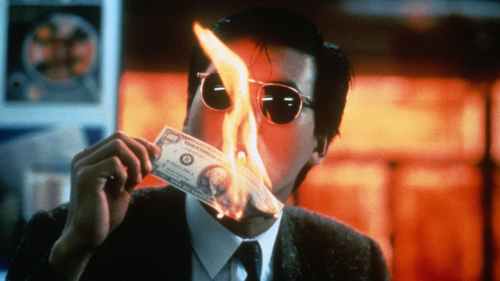
When A Better Tomorrow was released, its producers expected a box office bomb. It was more melodramatic than most action films prior, and the cast was not well known then. Instead, this gangster flick became a surprise box office hit. The reasons it was expected to fail were also the very reasons it succeeded, as loyalty and brotherhood solidified and made the characters’ motivations compelling. And all these lofty ideas were paired with a striking soundtrack, and stunning images like Chow Yun-Fat lighting his cigarette off of burning cash. A Better Tomorrow proved to be the future of Hong Kong cinema, setting the stage for gun fu and more emotionally-driven action sequences.
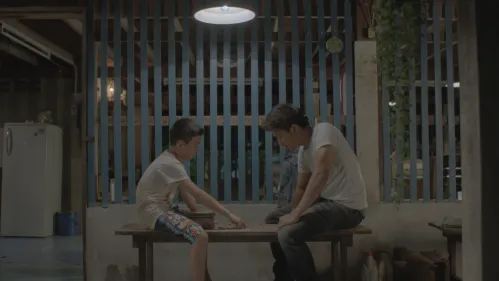
How to Win at Checkers (Every Time) is less a film about checkers and more a coming-of-age drama about brotherly love. Sure, they play the game. Oat gives some rules to play it. But it’s heartbreaking to see that despite knowing these rules, and applying them to the game that is life, Oat and his older brother Ek still can’t win against chance, the chance that’s actually rigged behind the scenes. It’s a subtle way to depict the frustration towards Thailand’s draft lottery, one that’s rigged by class, gender, and corruption. There are some elements that are left underdeveloped, but the sacrificial love shared between the brothers is what makes How to Win at Checkers (Every Time) worth watching.
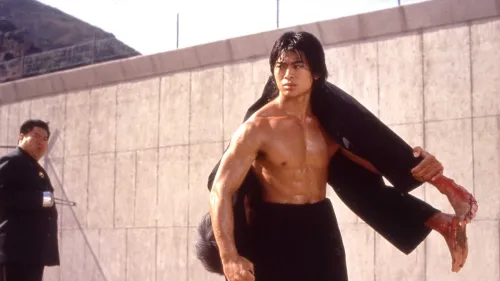
Admittedly, the English dub of Riki-Oh: The Story of Ricky can sound quite goofy. The American-accented voices don’t quite match the Asian characters, and because the characters are easily provoked into violence, they all talk in an exaggerated way. As such, the film is absurdly funny. It’s unclear whether or not that was intended. The action sequences are equally intense, choreographed and staged in order to maximize ridiculous spurts of blood, so it’s possible that the campy approach was on purpose. However, underneath this over-the-top, violent veneer, is a surprising premise that tackles the worries towards a privatized prison system albeit through some of the most wacky stunts ever put on film. Riki-Oh: The Story of Ricky won’t be the prison film for everyone, but there’s no denying its ludicrous appeal.
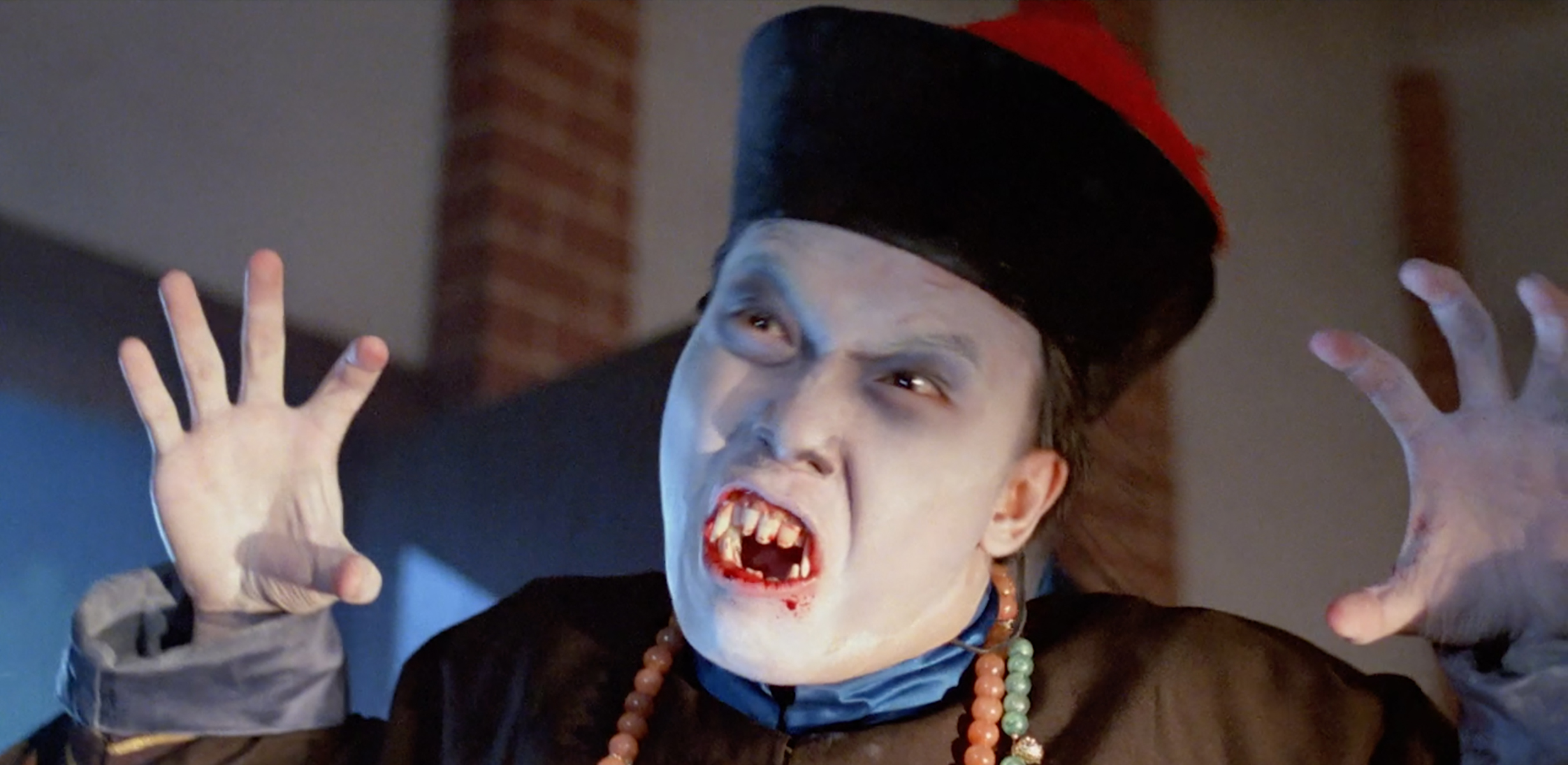
Movie vampires are usually depicted in the spooky gothic way or the sexy, supernaturally romantic way. Mr. Vampire instead depicts this undead creature in a goofy manner, taking the Chinese jiangshi as an unfortunate mentorship program between Master Kau and his silly, incompetent assistants. It’s a bit corny, but director Ricky Lau creates action-packed yet comedic fights that Hong Kong cinema is known for, taking this creepy mythology with much more playfulness than we’re used to with vampires. Horror fans looking for a scare won’t find what they’re looking for in this flick, but action-comedy fans, as well as viewers that want to start watching horror films, might enjoy this slapstick satire in anticipation for Halloween.

Joy is a dutiful, overseas Filipino worker supporting her entire family back home. Ethan is a well-off bartender who has, time and again, put himself first before others. They couldn’t be any more different, yet in Hong Kong, their alien status and ambitious goals make them kindred spirits. What starts as a low-stakes bond quickly turns into an essential relationship, one that puts their personal commitments to the test.
Hello, Love, Goodbye may appear formulaic at first, but it is heightened by a keen understanding of life overseas. It avoids romanticizing the migrant experience and sees it for what it truly is: a harsh but necessary means to an end. If this seems too severe, it’s also softened by an enchanting romance and some welcome comic relief in the form of the pair’s friends. Because of this nice mix, it’s no surprise that Hello, Love, Goodbye instantly broke domestic records and remains the highest-grossing Filipino movie of all time.
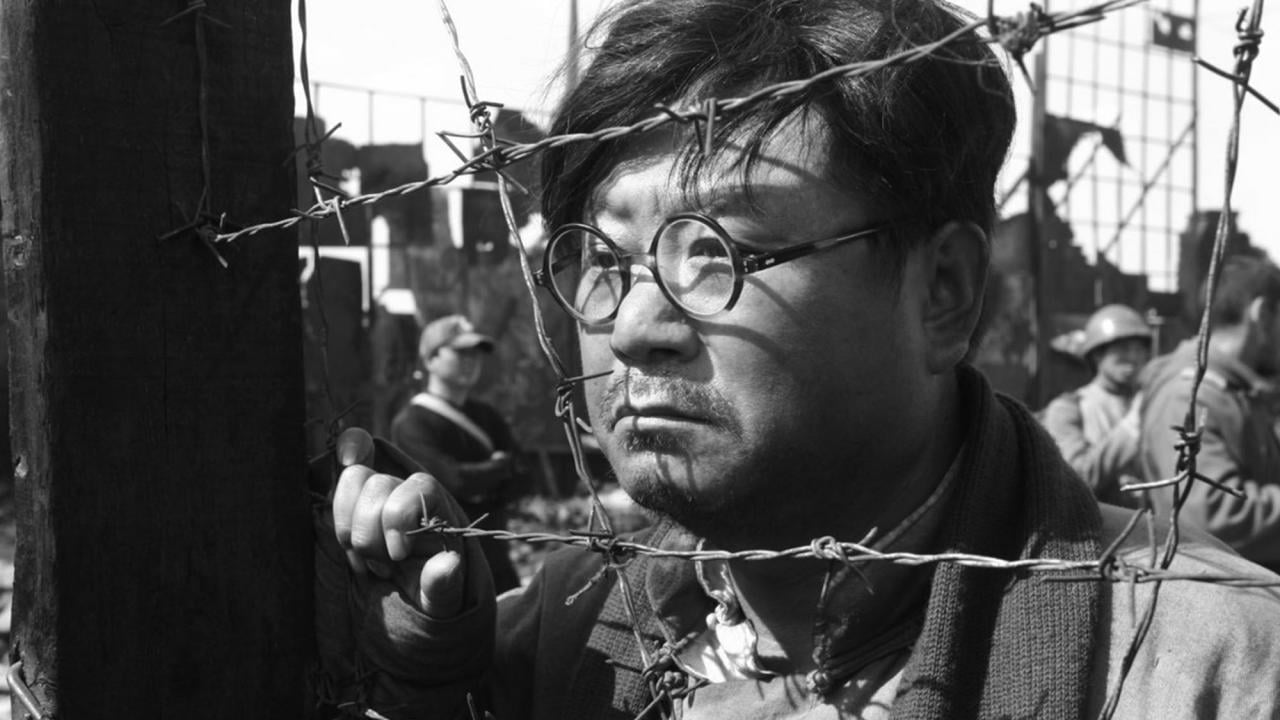
When we think about the atrocities committed during World War II, most people would remember the Holocaust, but this war was fought on multiple fronts, not just the West, and one of the most notorious incidents was the Rape of Nanjing. City of Life and Death depicts the massacre in black and white through various perspectives, which proved to be controversial considering some Japanese soldiers were depicted with sympathy, but it drives home the horror, the devastation, the terrible reality of the evil unfurled in the war. City of Life and Death is truly harrowing. The only consolation is that Nanjing thrives today as the Jiangsu province’s capital.
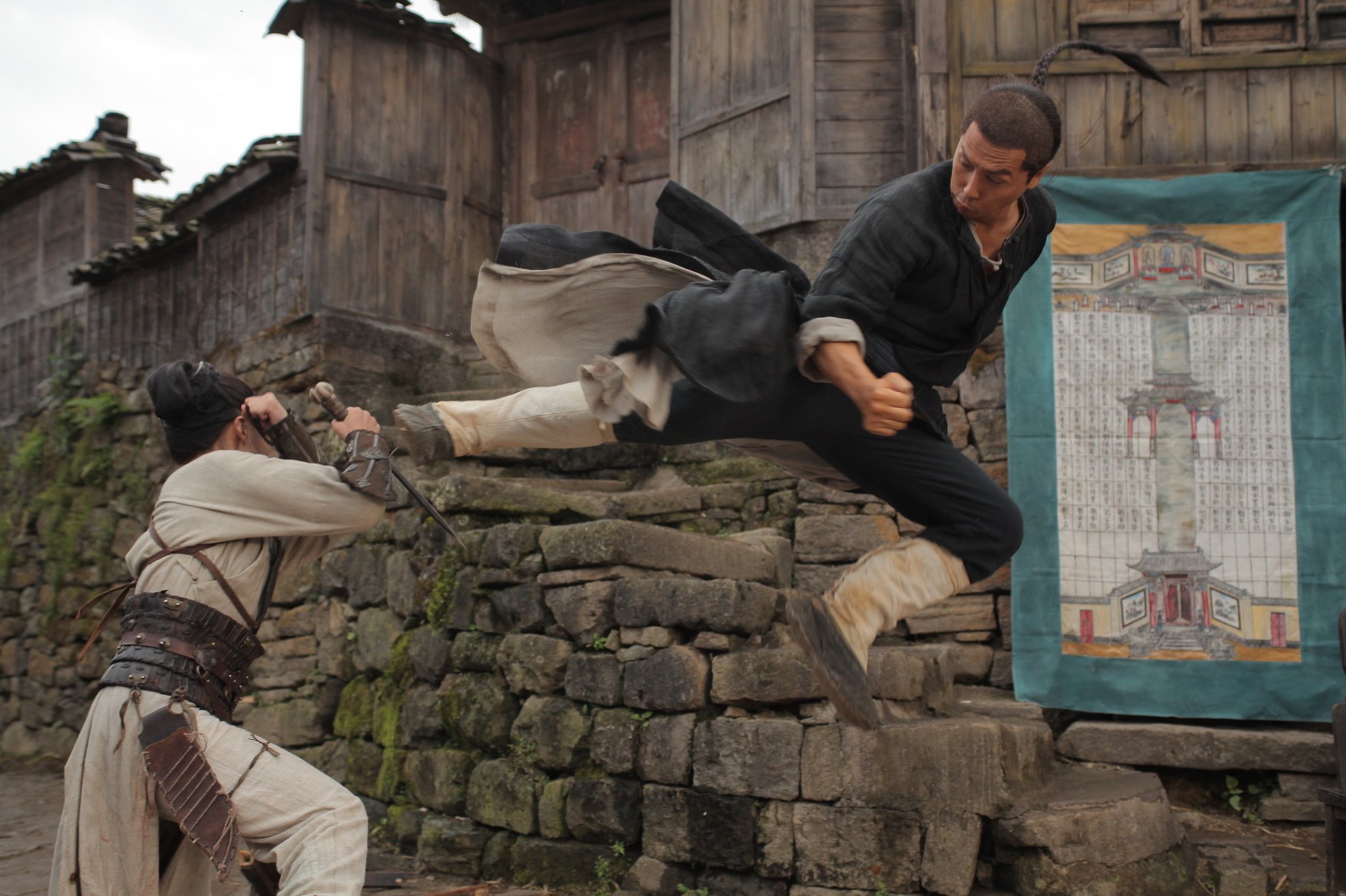
Being named after the genre, Wu xia, the title replaced in English as Dragon, would understandably follow its conventions with dramatic action in ancient China. The plot roughly follows a typical wuxia thread, where a hidden master is revealed, leading to plenty of exciting adventures, and they seek justice in order to return to a state of peace. But the way Dragon approaches this plot is exciting, as the film mixes in the investigation of a murder mystery, with a determined detective suspecting the master through his knowledge of the body, through an eclectic mix of forensics, medicine, and Qi acupuncture. And as the detective is consistently challenged by the former fighter, it’s clear how difficult it can be to master the body, especially after going through trauma and violence and self-doubt. The threads in the film are familiar, but Dragon understands what makes these threads work, and the way these are woven together makes for a good movie to watch.
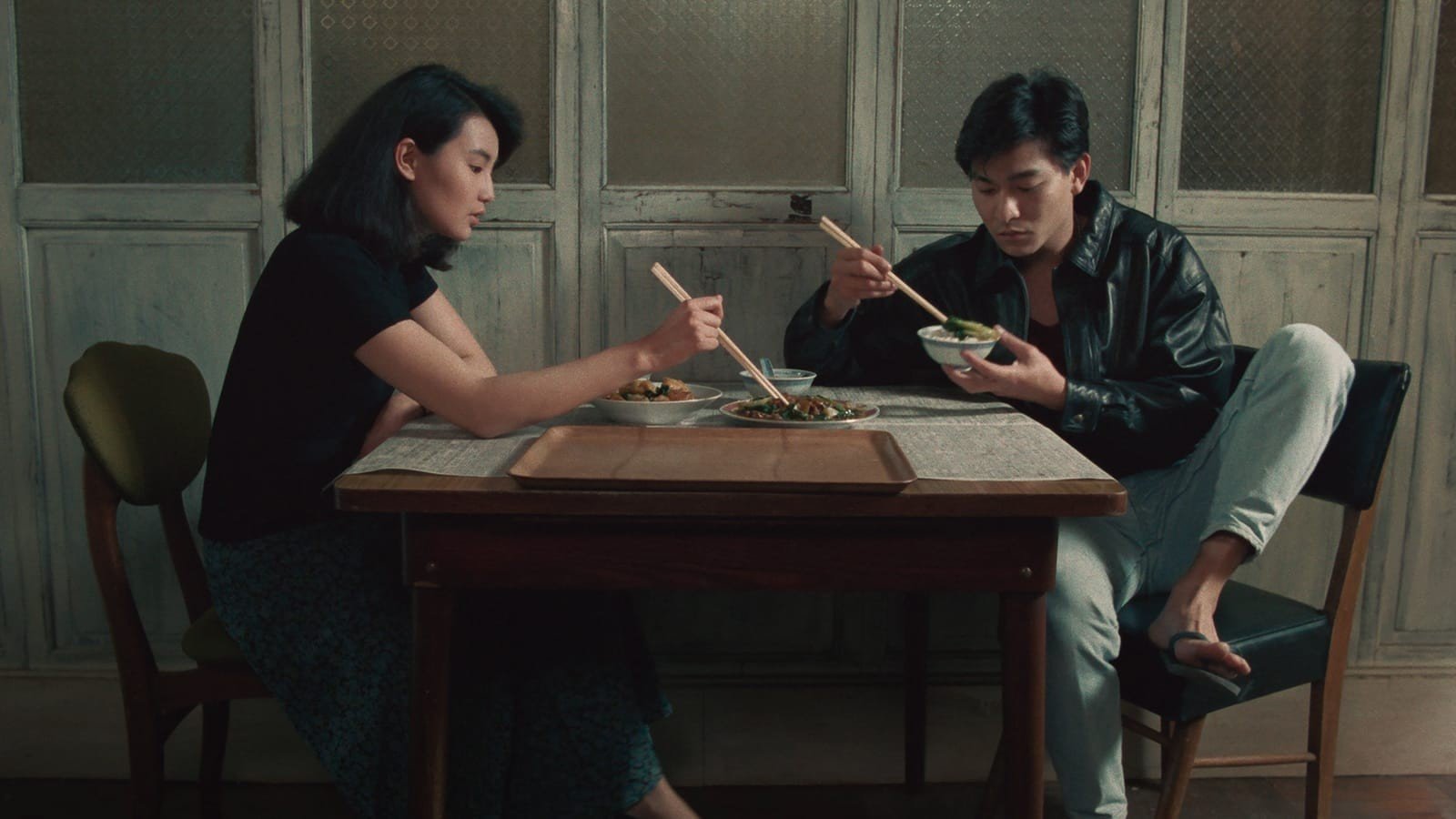
Before Wong Kar Wai made his signature romantic dramas, he first made his directorial debut As Tears Go By, a film that wouldn’t be out of place in the crime and action flicks that characterized 1980s cinema. There are moments that feel a tad derivative, such as the use of Take My Breath Away from 1986’s Top Gun, and the gangster love triangle reminiscent of Martin Scorcese’s Mean Streets, but Wong’s style starts to peek through with his use of color and light, and of course, the distinctive blurred action that transforms movement into lines. It’s not as sleek as Wong’s better known works, but As Tears Go By is still a good film to watch, marking Wong as one of the biggest names in the then-emerging Hong Kong New Wave.
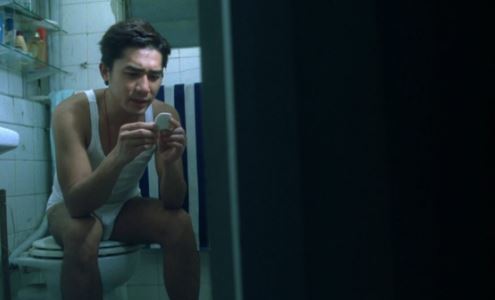
“California Dreamin'” by the Mamas and the Papas. You will fall in love with that song (if you haven’t already) after watching this movie. Two stories, entangling into one; both about Hong Kong policemen falling in love with mysterious women. It was recommended by my friend after I said I loved Frances Ha. I don’t know whether you can call this as offbeat romance.. but to me it was, and it’s well worth the watch.
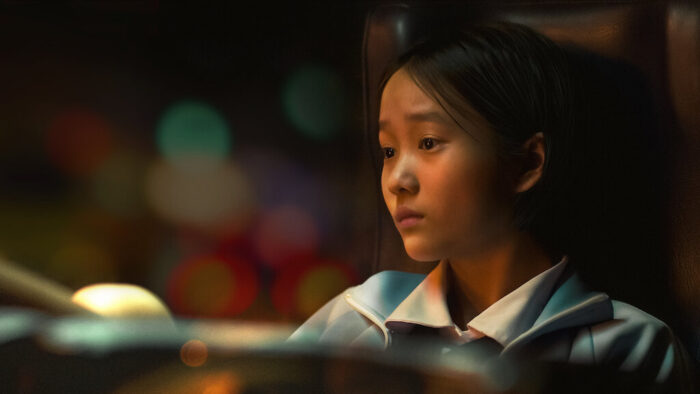
American Girl follows 13-year-old Fen as she returns to Taiwan from the US and tries to make sense of a culture that’s supposedly her own. In addition to her awkward but relatable attempts to understand identity and adolescence, Fen also struggles to connect with her mother Lily, whose own problems further push her away from her teenage daughter. If you’ve seen Lady Bird, you may recognize a bit of Christine and Marion in Fen and Lily as they throw themselves into an endless tug-of-war of emotions. Their fights are genuinely frustrating, but only because of how true-to-life they are.
As painful as it sometimes is to see them clash, it’s their love-hate dynamic that charges much of the film’s emotional energy and makes it ultimately irresistible to watch.

Two elderly gay men, Pak and Hoi, start a secret relationship during their twilight years. The catch: Pak is married and both are, well, old. Beneath their shared moments of tenderness, there is an undercurrent that the romance is ultimately futile, their remaining years too short to start life anew. Yet at the same time, director Ray Yeung uses the protagonists’ old age as justification for their love affair. Having dedicated their entire lives to their families and loved ones, romance is presented as a rewarding experience indicative of queer freedom, no matter how ill-fated or short-lived it might be.
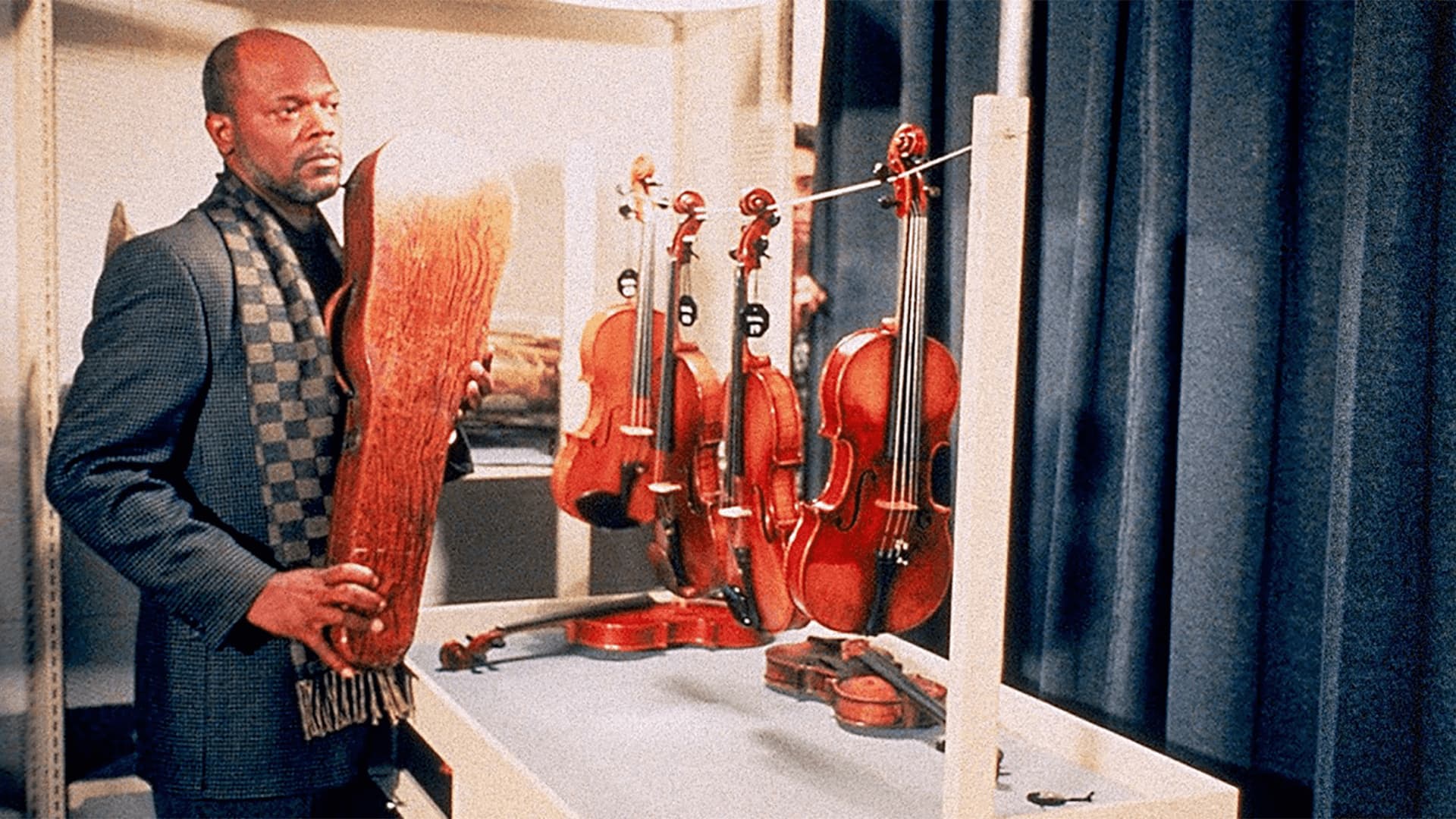
We mostly think of objects as just stuff to buy, to sell, to give, and to throw away, but for many musicians, their instruments are quite important to them. The Red Violin takes it to the extreme– with the titular instrument infused with the life force of a human– but the film justifies this passion, the pain, and the cost through one of the most beautiful violin scores ever made, and through an ambitious series of vignettes spanning across four centuries and five countries. As the object passes hands, and the owners live, and play, and die, The Red Violin suggests that while these artists’ lives are fleeting, there’s still something human and important in chasing the sublime, and this instrument is just proof of it.
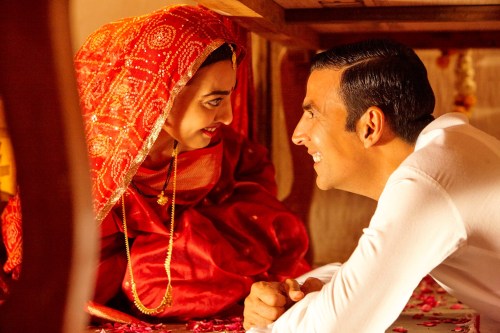
We’re not aware of the reason why Pad Man didn’t just adapt Arunachalam Muruganantham’s life straight up. The biopic replaces their names, but the general story is the same, with Lakshmi creating a cheaper way to make sanitary napkins despite social stigma. Admittedly, it has all the cheesy biopic story beats. It gets frustrating to see society find even the mention of menstruation impure, to the point they’re willing to let women die from infection. However, this familiar approach makes sense for a topic that still retains some stigma around the issue. While the film plays it safe, Pad Man at least ensures that the real guy’s story is spread.
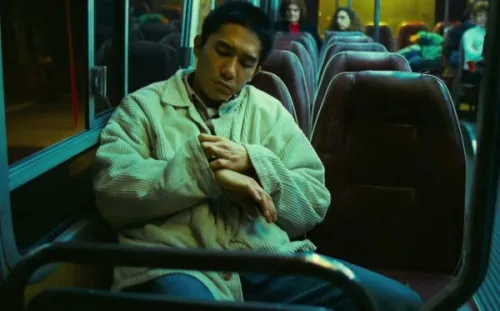
Happy Together is a beautifully devastating tale about a gay couple, portrayed by Tony Leung Chiu-Wai and Leslie Cheun, who struggle with maintaining romance and fidelity in their relationship. Despite their efforts, they find the emotional distance growing between them, especially as they leave their home of Hong Kong for Buenos Aires.
Filmed and set in the late 1990s, Happy Together explored the depths of queer love in a way most films hadn’t.
Since its release, it has touched the souls of many and caused tears to be shed. It serves as a reminder that love isn’t perfect, but it’s always worth the effort.

Biopics usually try to capture the entirety of a life, but on occasion, they try to capture that life in a snippet, in a short period of time that could encapsulate what the subject did and what they stood for. One such film that does this is Marshall. It’s not a bad idea to depict the first African-American Supreme Court justice through one of his numerous civil rights cases. It’s a straightforward way to depict his brilliance while also capturing the tangible stakes of every case he took on, and Chadwick Boseman captured that charisma through his excellent performance. That being said, given Marshall’s legacy, it feels disappointing to see his landmark cases only tacked on as a postscript epilogue. While a juicier case could have better captured the man, Marshall nonetheless works because of its performances.
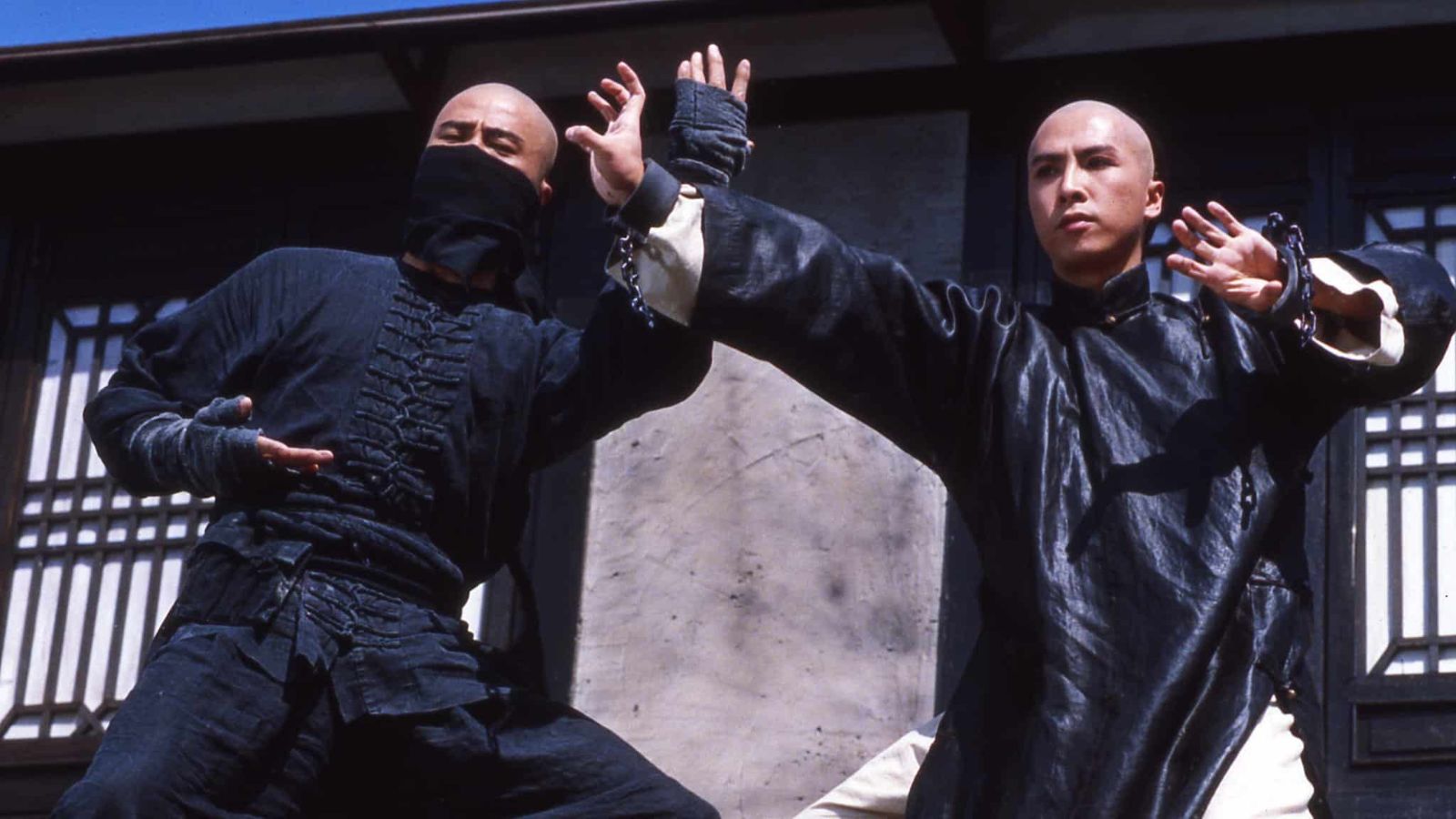
Say what you will about Quentin Tarantino, but when he recommends a martial arts film, you just have to watch it. Like plenty from the genre that Tarantino’s inspired by, Iron Monkey has the same stylish, badass action that Hong Kong cinema is known for, with spectacular wire-work choreography, excellently shot fight sequences, as well as the goofy slapstick comedy that punches in some quips between hits. But what makes the film work is the folkloric story– it’s not quite as astounding as Crouching Tiger, Hidden Dragon, and it’s all packaged in a familiar Robin Hood-esque plotline, but with a fantastic Donnie Yen and a script that rightly makes fun of the incompetent, corrupt cronies that rules over this small village, Iron Monkey does justice to the genre and to the actual folk hero the story was inspired by.
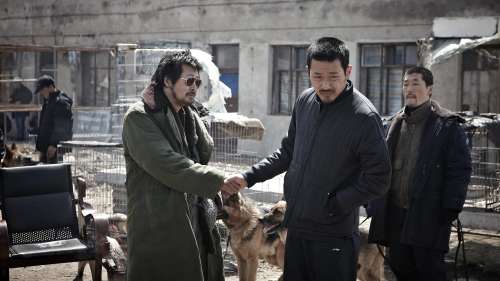
Underneath all the action of The Yellow Sea is the despair of not getting one’s life in order. To be fair to the taxi driver protagonist, the odds are stacked against him as an ethnic Korean in a Chinese region. However, it doesn’t help that he resorts to gambling has his vice, the vice that comes to get him when he has to face his surmounting debts. Reduced to having to survive, it’s horrible to see how much worse Gu-nam’s life gets, but it’s more so devastating because despite everything, Gu-nam still fights. The Yellow Sea channels writer-director Na Hong-jin’s relentless action deeper into this city, capturing the region’s tension in an underdog tale.
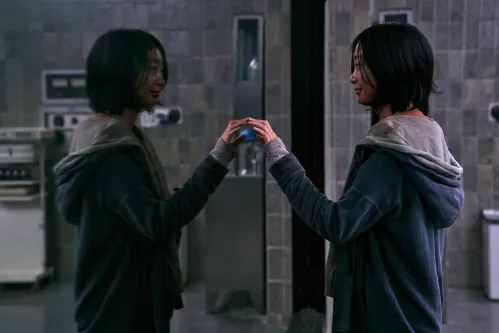
The Witch hardly reinvents the thriller wheel. In fact, part of the fun in watching it is calling out the cliches. Cold-blooded villain? Check. Antihero who defies death? Check. Senseless, bloody killings for minutes on end? Check, check, check. The Witch has everything you’d expect from an action movie, and yet, the viewing experience is all the better for it.
By trimming all the unnecessary fat and zeroing in on the action, director Park Hoon-jung delivers a no-nonsense, no-holds-barred film that could hold a candle to the John Wick franchise. Like those films, the movements here are sharp and the gore relentless. The only difference is that The Witch is led by a teenage girl—seemingly flimsy but deliciously deranged, Kim-Dami is magnetic in her breakout role as the titular witch Ja-yoon. It’s also a bit like Stranger Things in that sense, but comparisons aside, The Witch stands out as a razor-edged entry into the genre.

After an initially disappointing breakthrough attempt to Hollywood, Jackie Chan pivoted back to Hong Kong, unexpectedly creating an iconic film franchise and maybe perhaps one of the best martial arts movies ever made. Police Story seems to be a simple story at first, but it was through this film that Chan’s spectacular stunts evolved for a more modern setting, incorporating slapstick and action choreography into a definable style, while also questioning the ways Hong Kong police conducted themselves at the time. Police Story is Jackie Chan at his best, pushing an entirely new standard for action films all over the world.
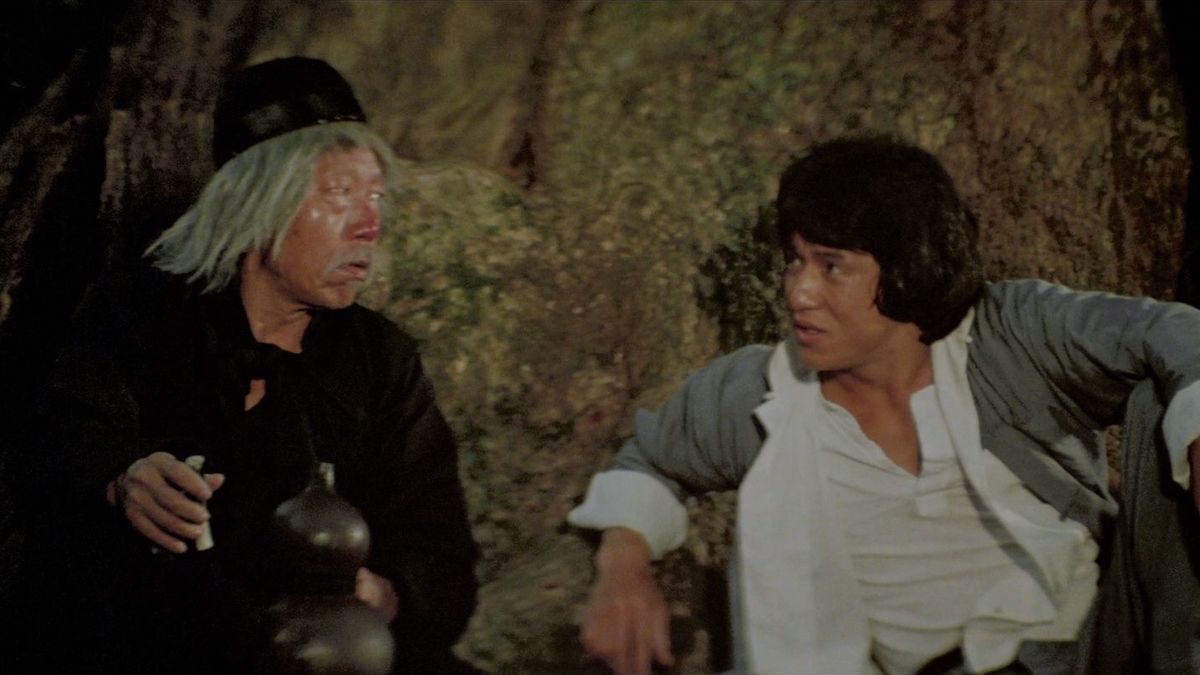
Martial arts is awesome, comedy is awesome, but the idea of putting them together wasn’t really explored until the late 1970s, when a young Jackie Chan made his breakthrough. One of the films he starred in was The Drunken Master, where Chan’s mischievous character goes under the tutelege of the titular teacher to fight against his father’s assassin. It’s a funny film, one that presents a different, more playful side to a real-life master, but the hilarious, perfectly choreographed fights eventually formed the foundation for Chan’s action-packed slapstick style, and even moved the entire martial arts genre into a new direction. The Drunken Master hinted at the cinema that was to come.
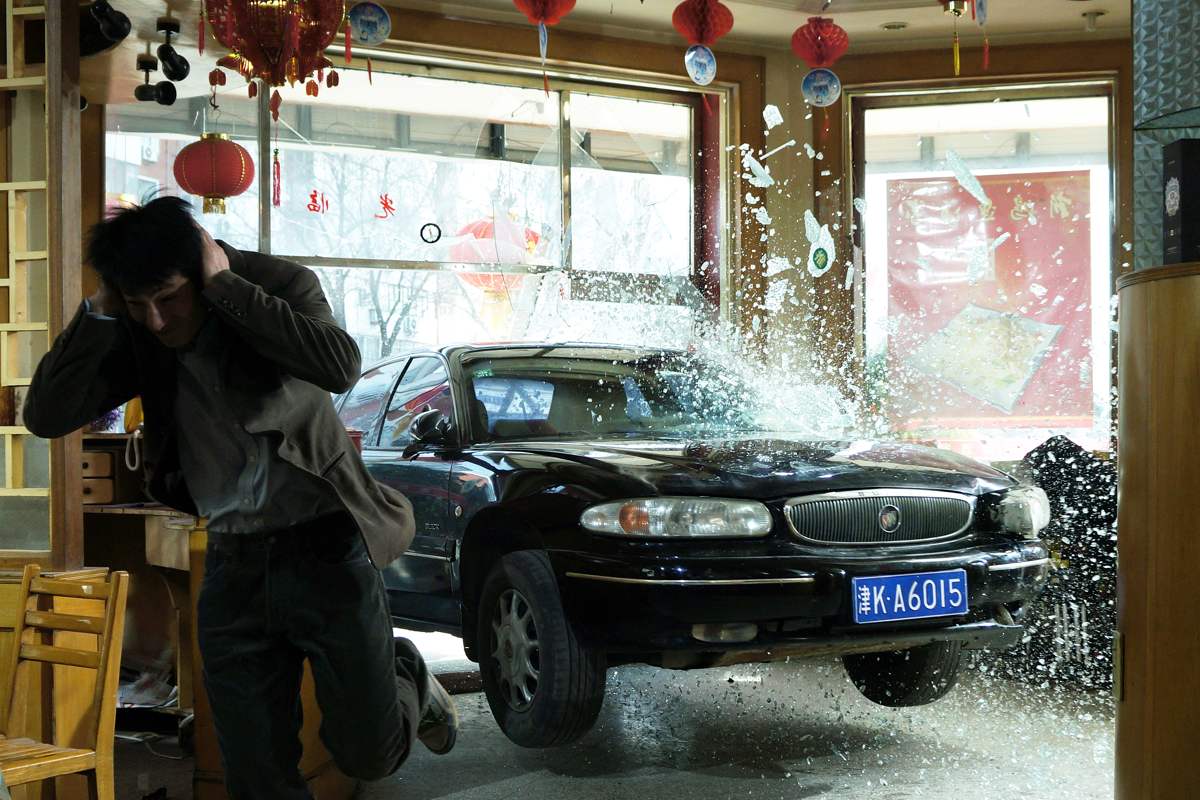
At first glance, Drug War is basically just what it says on the tin– cops crack down on kingpins, lords, and lackeys to save regular people from illegal addictive substances. Even the drug lord-cop dynamic would be a familiar plotline for crime thriller fans. But through this familiar plotline, Hong Kong director Johnnie To takes his first mainland China production to subtly comment on the dynamics between his native region and the larger country, taking the contrast to craft simmering tension each time Choi Tin-ming lies to his allies to save his skin. It’s less action-packed than To’s usual, but the subtext and the shift in style makes Drug War a surprisingly dynamic take on the crime thriller scene.
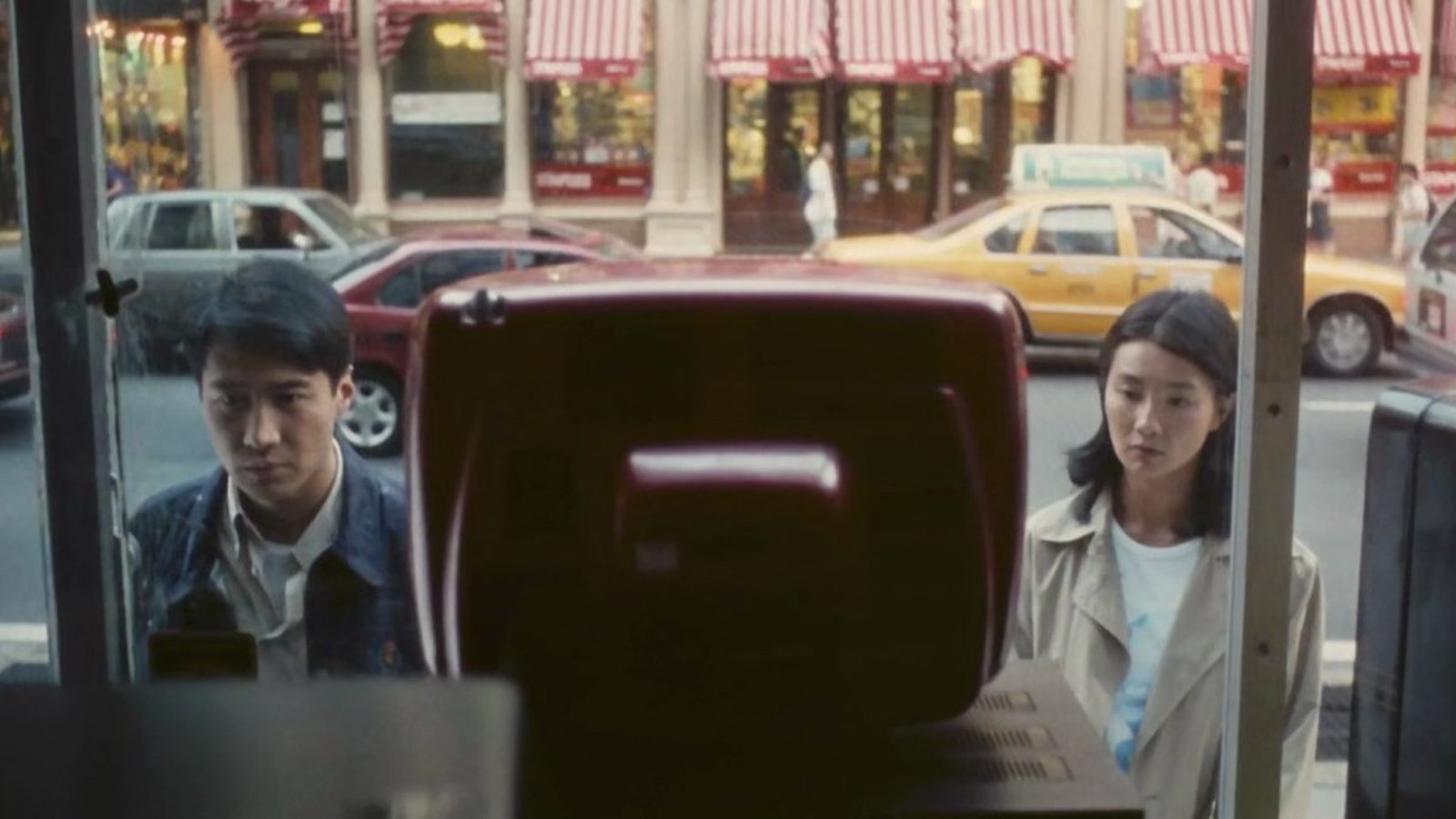
There are connections we make in this lifetime that we expect to be ephemeral, especially in a new city, but sometimes these connections end up being the most meaningful relationship to us. For Jun in Comrades, Almost a Love Story, street smart Qiao is that connection. As she teaches Xiao Jun in Hong Kong city life, they both edge closer to being lovers and Hongkongers, but not quite enough to receive the title. And as fate separates them and fate (and Teresa Teng) brings them together, Comrades, Almost a Love Story crafts quite a memorable romance that stems from a shared dream of finally moving up in the world.
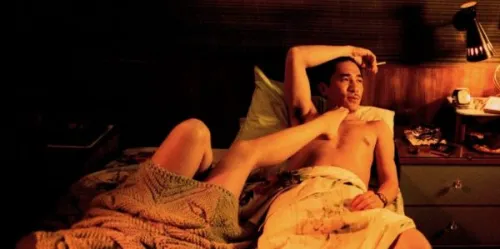
Director Wong Kar-Wai made this loose sequel to one of the best films ever made, his 2000 classic In the Mood for Love. Much of the story is set around Christmas eve.
In the far future, people take a train to the world of 2046, where no sadness or sorrow can be experienced. No one has ever returned from that world except for a lonely Japanese writer, who narrates the first part of the film.
There are four acts to the story and as is common to Wong Kar-Wai, they are listed in non-chronological order. Not that you will care but 2046 is far from confusing. Instead, it functions as a dazzling visual poem on unreciprocated love.


At one of the world’s largest shipping hubs, packages (and sometimes people) can get easily lost. It can be disheartening to lose something important, but that’s why it’s important to remember to check the lost and found. Through the titular niche industry, writer-director Lee Chi-Ngai crafts a existential love story that intertwines the lost souls of Hong Kong with a mournful melancholy marked with each repetition of Dance Me to the End of Love. It’s beautiful and depressing, and yet somehow Lee manages to tie all of the pieces together eloquently into something hopeful, despite the inevitable, if abrupt, ending.
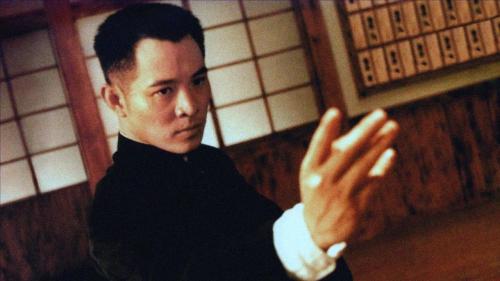
An adaptation of Bruce Lee’s Fists of Fury, Jet Li’s Fist of Legend shares the same occupied Shanghai, the same Jingwu School, and the same tensions between its Chinese and Japanese fighters. However, it’s an entirely different story. Rather than the straightforward conflict over the dojo, Fist of Legend takes on a more complicated plot, with both the Chinese and Japanese fighting amongst themselves, not just with each other. As such, it’s less gung ho than the original. Jet Li’s Chen Zhen isn’t as nationalistic as Lee’s– instead Chen and his opponents celebrate their craft and what they can learn from each other. So while Fury might be more exciting, Legend has the higher ambition of depicting its characters as people with principles, not just representatives of whichever country they come from.