Movies to Watch From Switzerland
To access filters, visit our homepage.
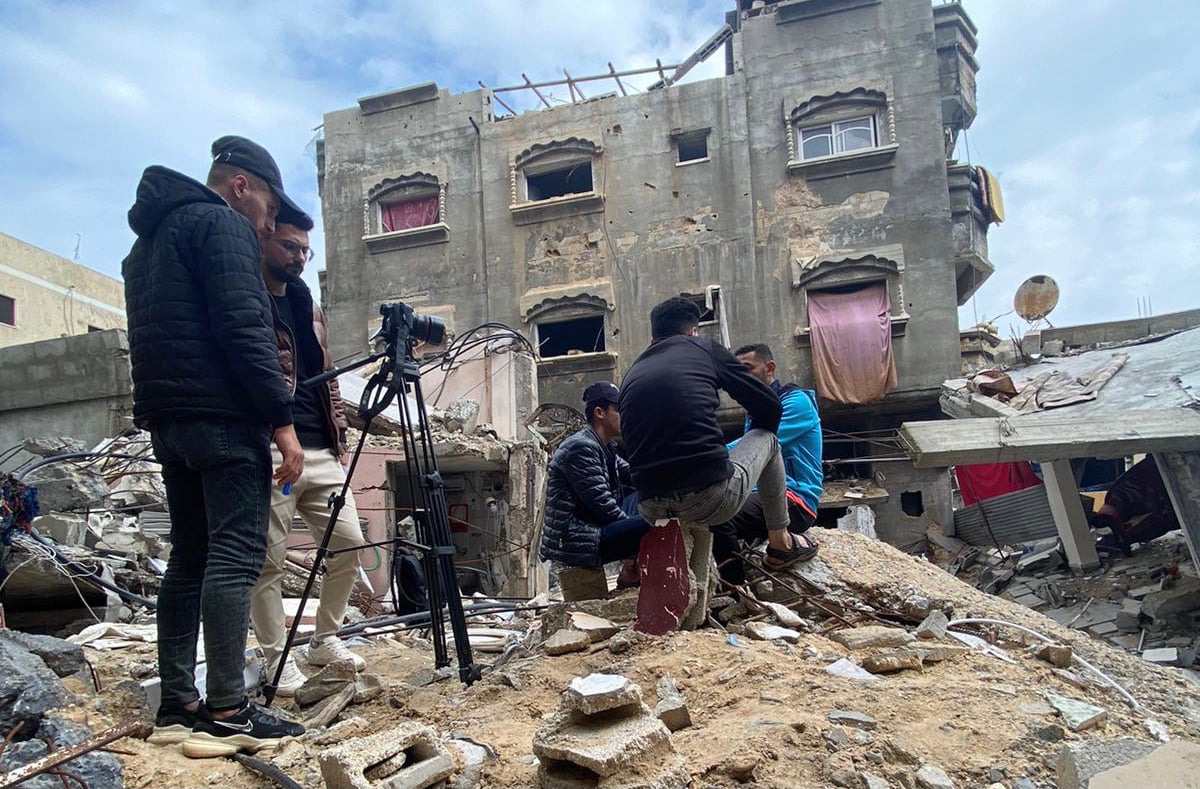
From Ground Zero doesn’t have the most number of shorts within an anthology film, though it comes pretty close with 22 segments, ranging from 3-6 minutes from different directors in Gaza. That’s a lot of shorts, with not a lot of time for each story. Most anthologies tend to be a set of three, but given the media suppression, the more, the better it gets at capturing life in the area. Every short balances the other in tone, style, and in approach. It’s harder to deny the truth it portrays, not with this many shorts, and this many eyes, on the ground.
Are connections truly fated, completely chosen, or purely circumstantial? The slow tragedy of Henry James’ The Beast in the Jungle hangs entirely on the question, which captivated readers and filmmakers with the concept, including Bertrand Bonello, which forms the foundations of 2023’s The Beast. Bonello lets loose The Beast in the Jungle into an AI playbox of time and space and destiny, transforming the simple examination of human life into a sci-fi epic, a moving period romance, and an existential mystery all at once. It can occasionally feel a bit jumbled up at times, with the way Bonello jumps across lives, but Léa Seydoux and George MacKay hold everything together with their performance, making La Bête deeply striking, if a bit derivative.
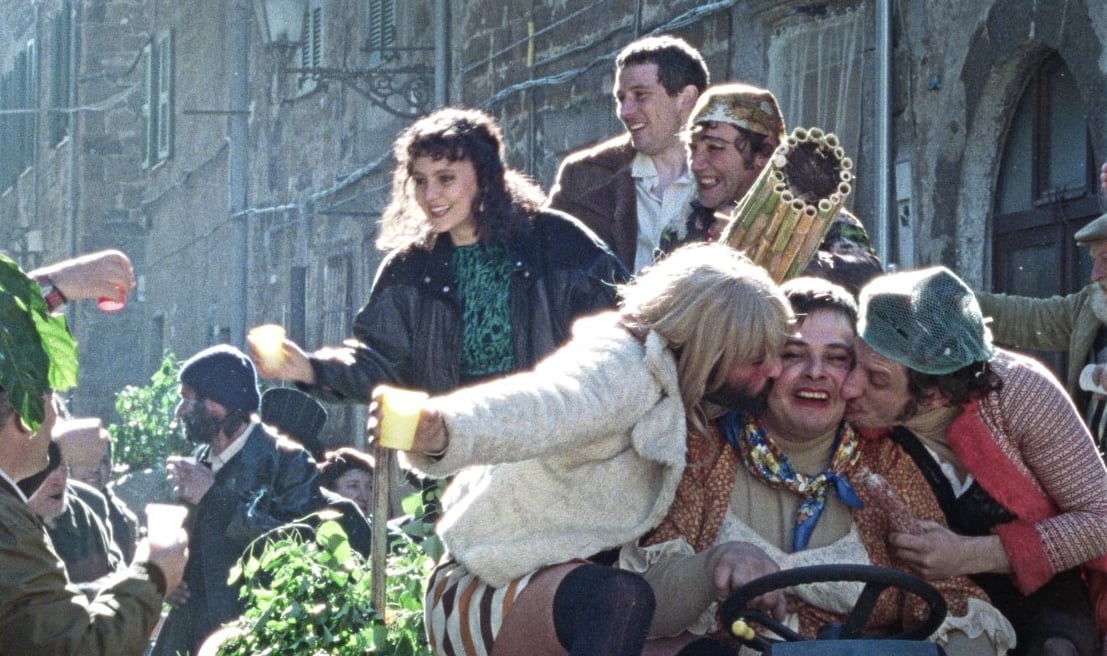
La Chimera is often meandering. Scenes flitter about and move at different paces, resembling dreams more than they do reality, but they’re hardly trivial. Just the opposite, they enchant you with their beauty and confront you with deep, existential questions that haunt you long after the film’s run. You won’t find obvious answers here though, and you might even leave more perplexed than when you began. But that is the beauty of a film like La Chimera, it cracks you open to different realms and possibilities.
After winning Oscars for their documentary work, filmmakers Elizabeth Chai Vasarhelyi and Jimmy Chin make their narrative feature debut with Nyad. The move to narrative fiction isn’t a monumental jump for the director duo, whose cinematic documentaries (among them Free Solo and The Rescue) play like nerve-shredding action thrillers and intense human dramas. Nor does Nyad’s subject — another extreme feat of human daring and endurance — make this feel a million miles away from their most famous works.
The most obvious departures from the directors’ documentary strengths — Nyad’s flashbacks and hallucination scenes, for example — do sometimes highlight their newness to narrative filmmaking, however. These scenes feel shallow and therefore disconnected from the movie’s otherwise deeper treatment of its subject, just as the performances dip into outsized cliches at times. Mostly, though, Nyad manages to float above the trap of trying too hard to be an inspirational sports drama thanks to its confrontation of Diana’s prickly personality. This flips the film’s perspective onto that of Diana’s team (including her coach and former girlfriend, played by Jodie Foster), who ultimately suffer the consequences of her stubbornness. That refusal to submit to hagiographic impulses gives the film a documentary-like edge of truth, making the rousing moments here feel genuinely earned.
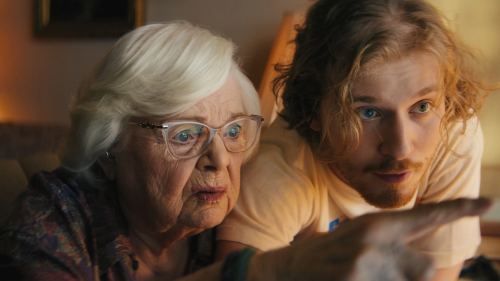
It’s easy to laugh about an old lady being an unwitting lead in an action film, the joke being that they can’t possibly be that. But June Squibb’s Thelma is. She refuses to be infantilized and undertakes a journey that’s dramatized to great effect. It’s still funny, but without Squibb’s character being the butt of the joke. It’s also immensely charming, smart, and moving, without ever being too saccharine or pandering. The performances are wonderful across the board, but it’s Thelma’s intergenerational bond with her 24-year-old grandson Daniel (Fred Hechinger) that’s at the heart of the film. In some ways, both Thelma and Daniel have to prove their worth to a world that gives them little credit for their idleness, even though they’re both happy and make other people happy that way. Parker Posey, who plays Thelma’s daughter and Daniel’s mother, is equally commendable as the seeingly stable but perpetually harried “adult” that keeps the two grounded in reality. Equal parts sweet and bad-ass, Thelma is the movie to see if you want to feel the warm fuzzies (minus the cheese) with the family.
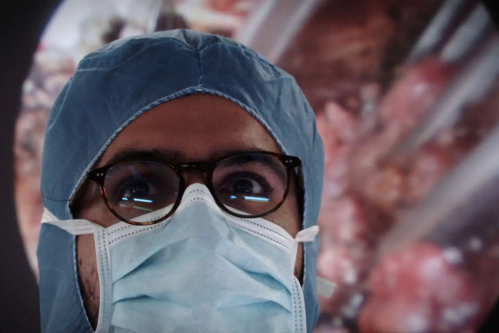
While primarily a showcase of endoscopic footage of various surgeries in different hospitals throughout Paris—which should already be enough to either make you queasy or inspire introspection into the fragility of our lives—this singular, experimental documentary places all this bloodshed in the context of the mundanity of the medical profession. Much of the film is taken up by muted conversation from the surgeons and footage of elderly patients wandering around, creating an even more surreal look into the lack of support these hospitals receive. It’s far more abstract than it is educational, but its commitment to getting its hands dirty makes it an unforgettable experience.
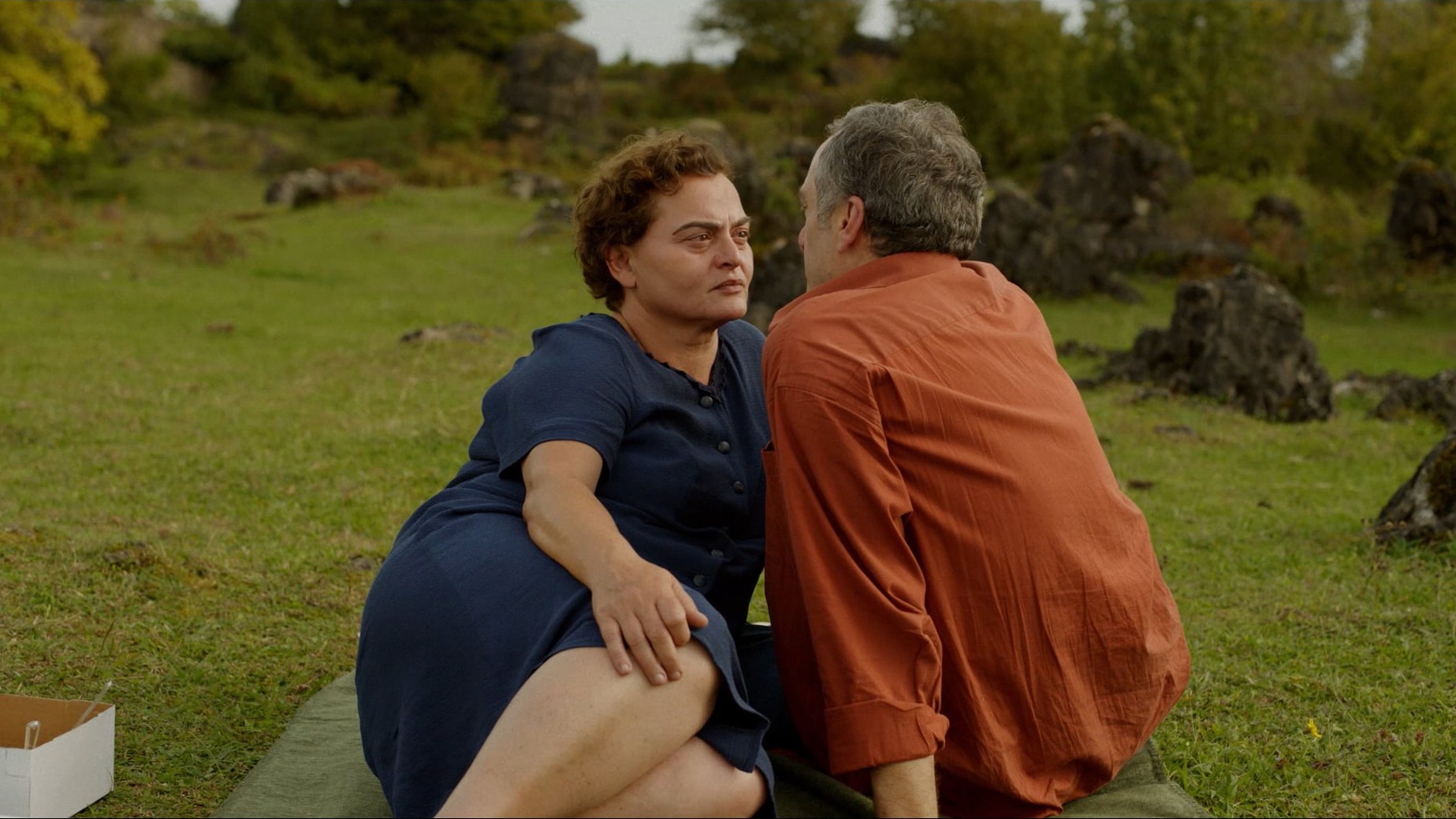
We all know that remaining unmarried when middle-aged doesn’t mean one is lacking, but even when we can acknowledge how dated this idea is, for women, there’s still the societal pressure, the loneliness, and the feeling of having missed an opportunity to have children. Blackbird Blackbird Blackberry is centered on one such middle-aged woman living in a small town in Georgia, and she has a fairly peaceful life… until she nearly dies and shortly forms an attraction to another man. Director and co-writer Elene Naveriani takes her time to delve deep into Etero’s story, the complicated grief she has towards the men that have raised her, as well as the spite towards the arbitrary goals other women have reached and made fun of her for. The journey does take a rather slow burn, but it’s wonderful to see a film so empathetic and nuanced about this dilemma, and free from the judgment many women have encountered on this topic.
Prayers for the Stolen takes more time to observe life in its rural town, than to showcase the action and violence inflicted by the cartels that pass by. It’s a needed perspective. This move drives home how long these cartels were left unaddressed, as the women of the town have gotten used to the danger and were unable to leave for whole generations. It makes clear how their lives have been interrupted, limited, and held hostage at the whims of whichever group takes over the village. But it also allows writer-director Tatiana Huezo to help us witness the love and tenderness Ana holds for her mom and friends. Prayers for the Stolen is tough to watch because of the safety they lack, but it’s also a beautiful tribute to the relationships they’ve forged despite that.
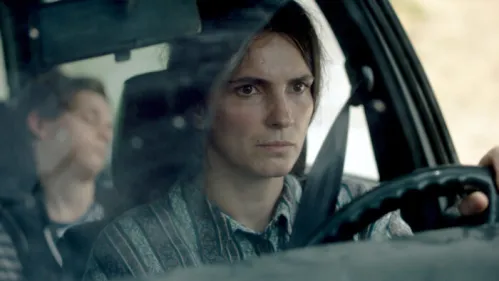
It’s been years since Fahrije and the women of her village lost their husbands to the war. It’s one thing to move on after their passing, but quite another to never be sure about their whereabouts, dead or alive. Hive tells the story of how, in the wake of this inexplicable loss, the women of a Kosovo village reluctantly band together and make a new life for themselves and their families.
Thanks to its grit and restraint, Hive avoids the cheesy trappings of a melodrama. The dialogues are straightforward and the performances taut but affecting. Their battle with poverty and misogyny is sadly a familiar tale, but told through the lens of single mother/burgeoning entrepreneur Fahrije, it is rendered deeply personal and illuminating.
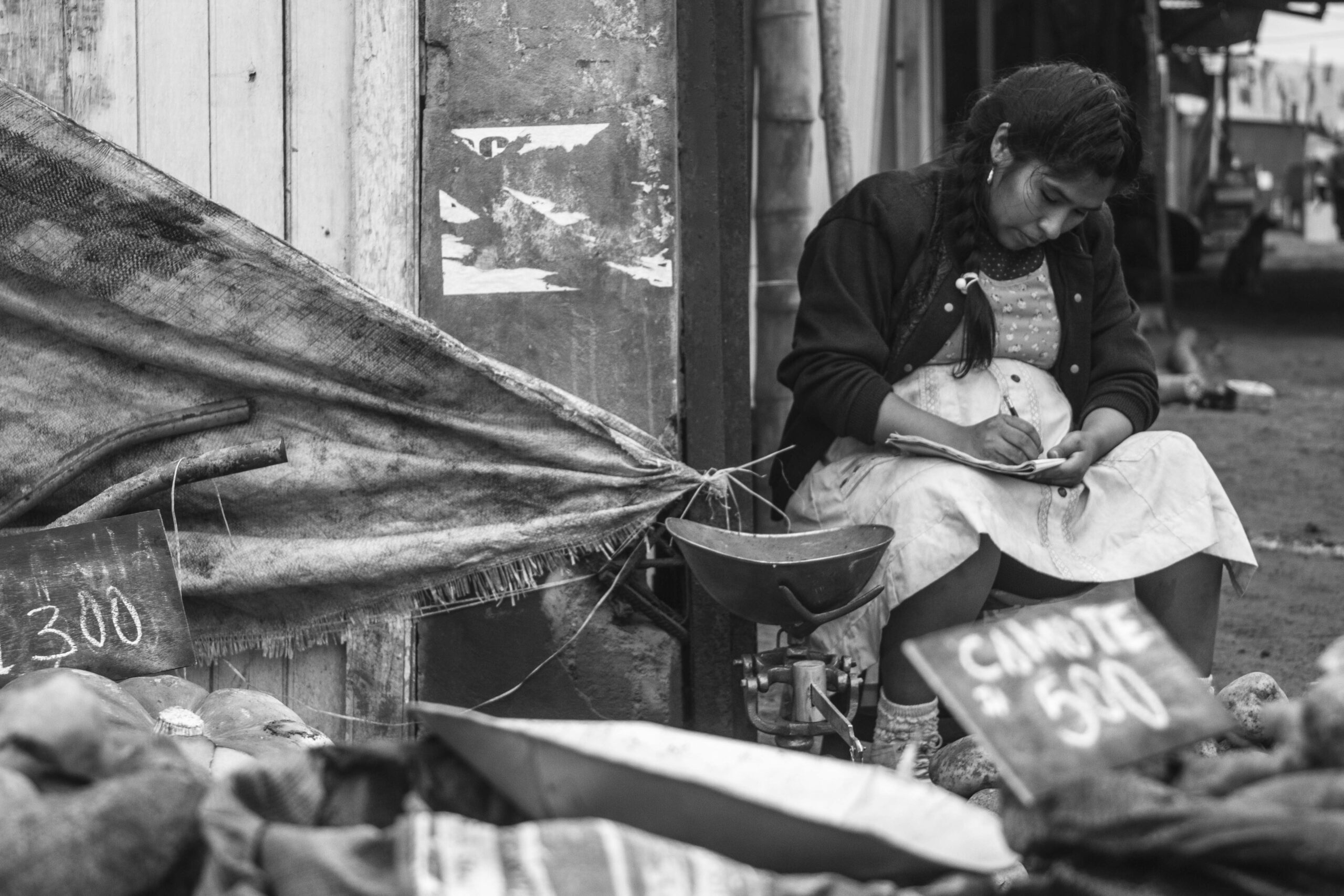
At times of political strife, how can one seek justice? Song Without a Name could have presented its case in a straightforward biopic. Inspired by her journalist father’s story, writer-director Melina León could have presented a hard-hitting docudrama that celebrated the smart journalists who brought the traffickers to justice. However, León doesn’t do that. She focuses instead on Georgina, the indigenous mother who lost her child. Her journey is beautifully shot in vignetted black-and-white, but the images and the lullabies she sings are striking, haunting reminders of what was lost, even as the traffickers get imprisoned. Song Without a Name remembers how this injustice was only half resolved.
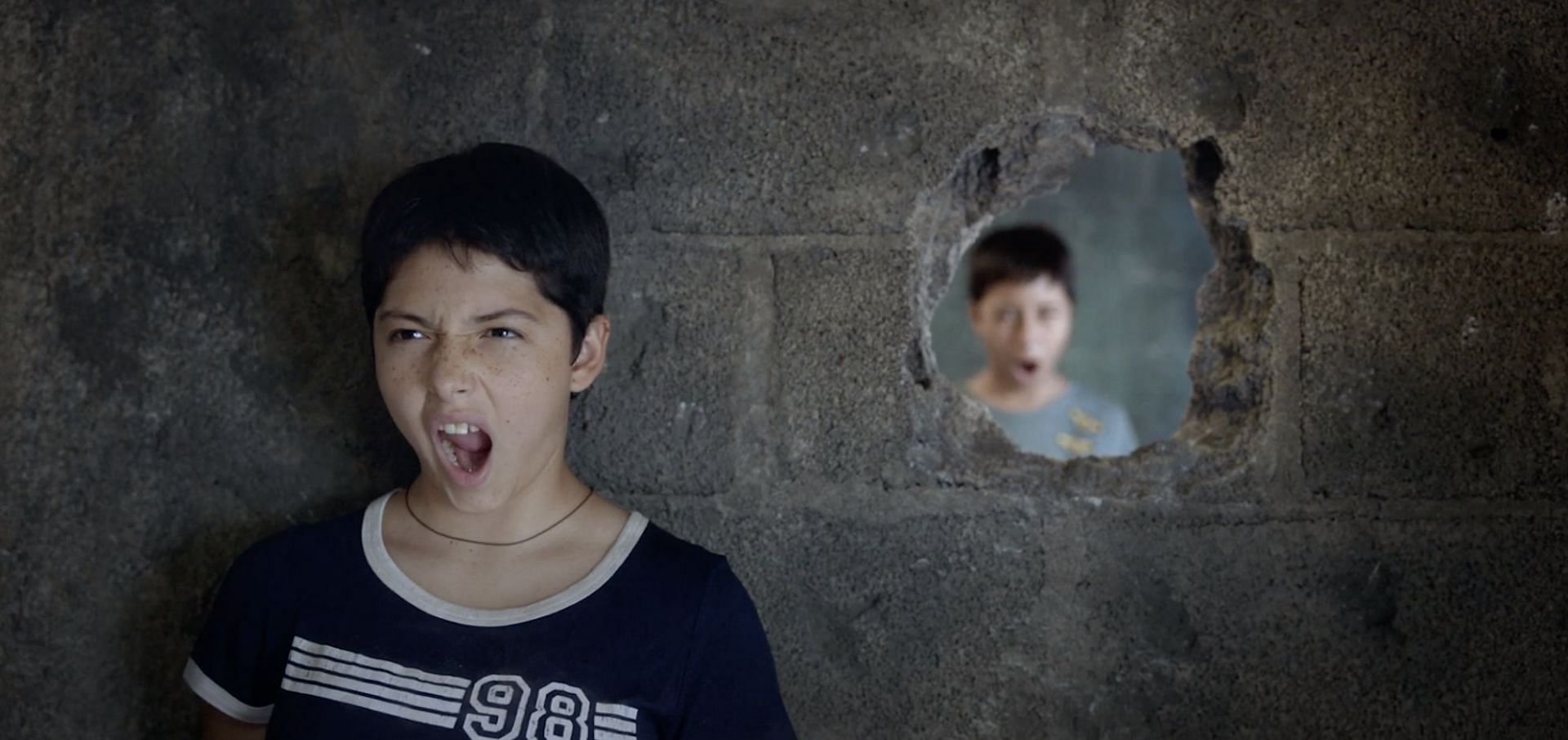
This crazy adventure thriller was Colombia’s nomination for the 2020 Oscars. “Monos” translates to monkeys, the nom de guerre of a group of teenagers holding an American hostage in an isolated bunker. Other than the occasional visit from their supervisor, they’re left to their devices, forming relationships, smoking weed, drinking, and eating psychedelic mushrooms. One day, on top of the hostage, they’re also trusted with a milk cow, named Shakira. A party goes wrong and one of the Monos accidentally kills Shakira, triggering a series of events that sends them deep into the jungle, and deep into despair.
Monos is not an action movie, it’s more of a character study. It was loosely based on The Lord of the Flies.
When striving towards your life goal, some concessions have to be made in order to get there, e.g. you would forgo some wants in order to fulfill that higher purpose. But how much are you willing to sacrifice? Mario is a sports drama about an aspiring football player that wants to make it higher up in the league, but it’s also a queer drama, since to be that professional means to stick to a rigid notion of masculinity for the fans, for the sponsors, and sometimes for fellow homophobic teammates competing against them. At two hours, the naturalistic depiction of Mario’s experience might be a tad too long for some viewers, but the film understands the fear, the pressure, and the compromises gay athletes are forced to go through.
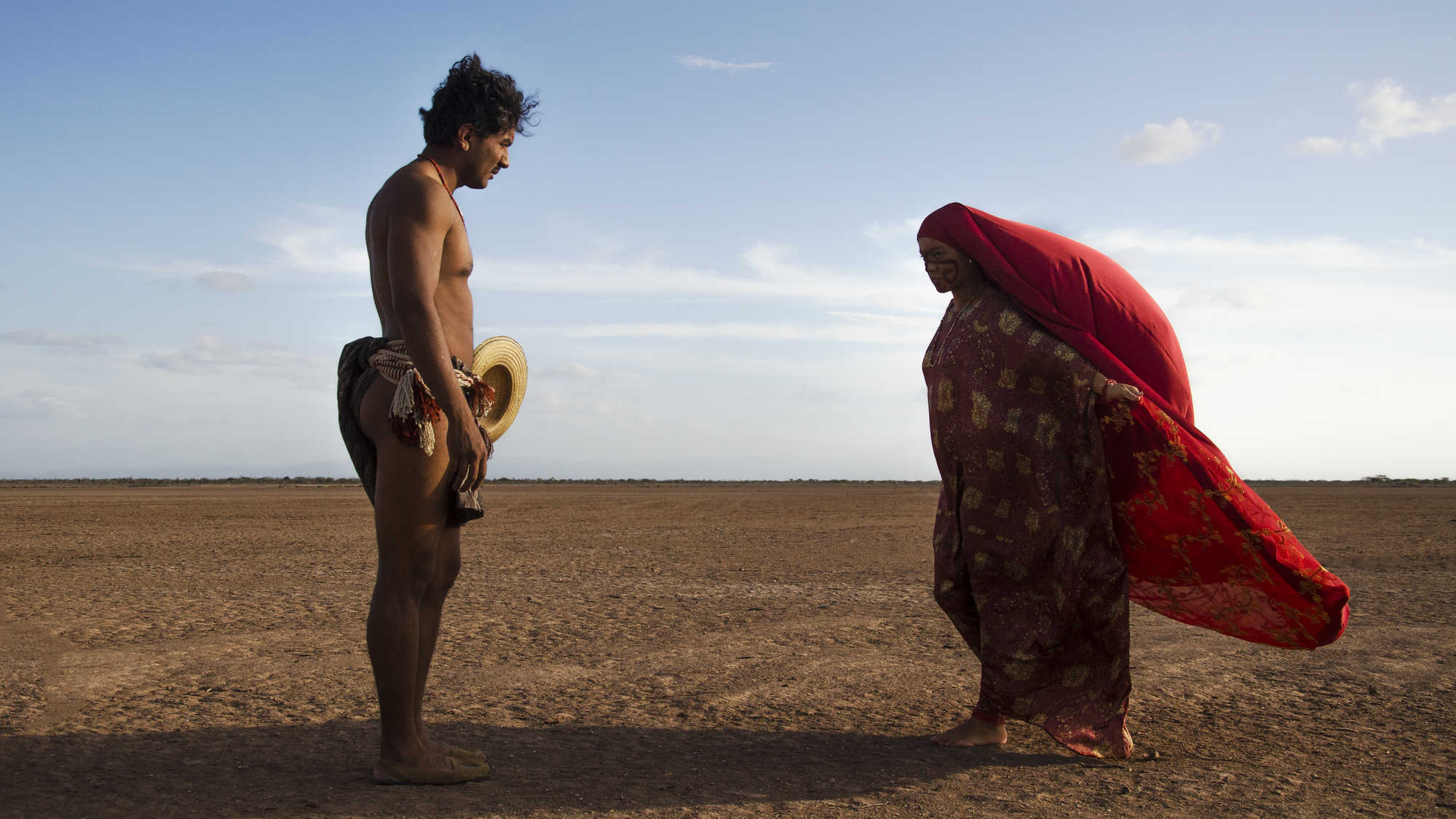
Organized crime and drug dealing has been a topic of many a film, sometimes even glamorizing the whole endeavor, but rarely do these depictions acknowledge the weight it can do to a culture, particularly indigenous cultures. Birds of Passage is a film about drug dealers, but it’s a much more distinct take, tackling Colombia’s reputation for the drug trade through the lens of an indigenous group that hasn’t been totally colonized, that still keeps its language, rituals, and legends, but is still pushed to the brink due to far more lucrative reasons. It does take fairly familiar plot points, but Birds of Passages transforms the narco crime drama with a different direction.
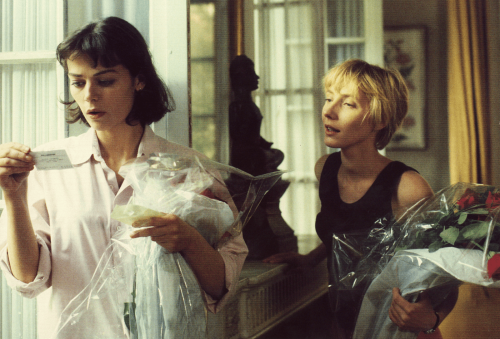
Up, Down, Fragile is a musical, but you wouldn’t know it until past the first hour. That’s because it doesn’t start with a spectacular dance number, characters spontaneously bursting into song. Even when the tunes start, they start diegetically with a nightclub performance both the viewers and the characters witness. But further along the film, as the three women’s lives start to intersect, filmmaker Jacques Rivette plays with perception, flitting between song and reality to better capture the moods and growing bonds between its three leading ladies. Up, Down, Fragile pays homage to the classic Hollywood musical, while having fun playing with its rules.
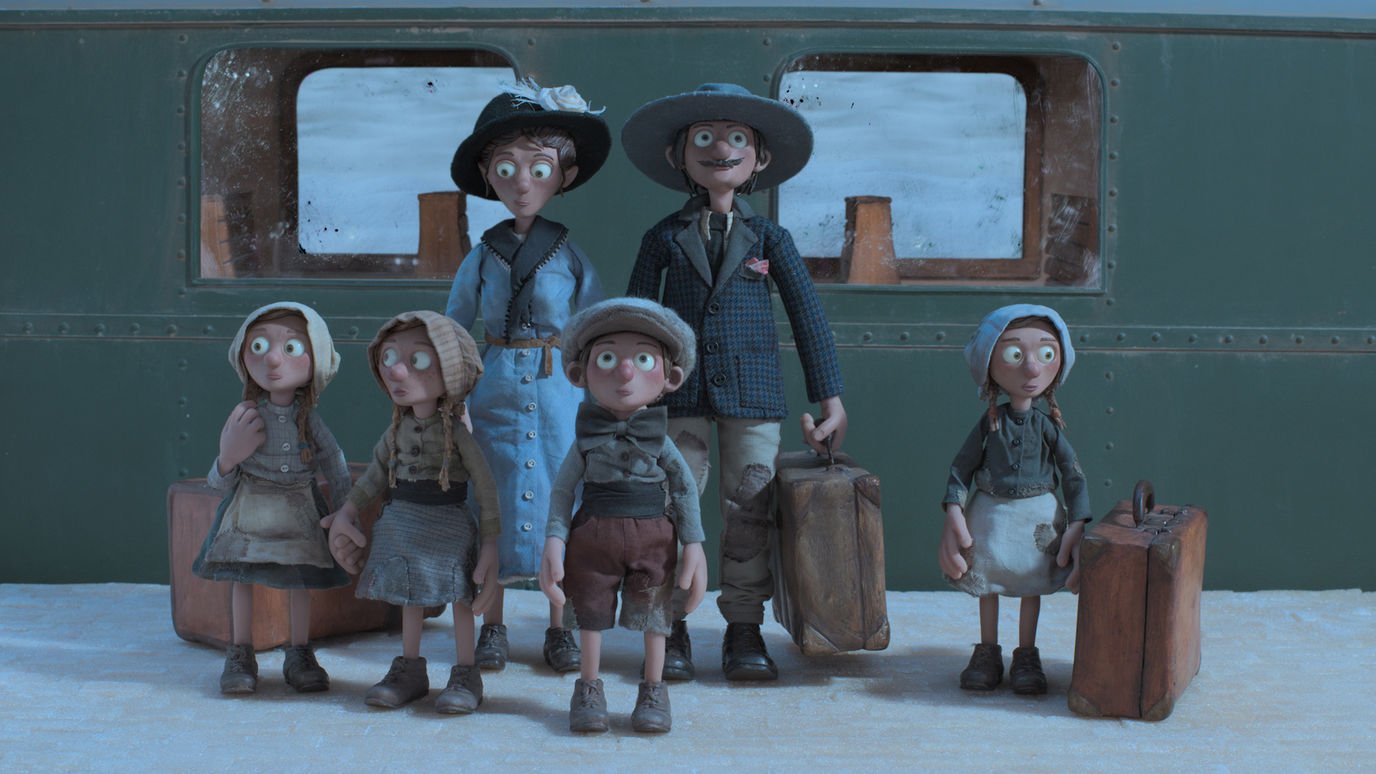
With cardboard houses, sugar winters, and broccoli trees, No Dogs or Italians Allowed at first seems lighthearted, playful, and not too serious. Alain Ughetto casts himself asking his grandmother Cesira about his family, but we only see his hands moving and interacting with the characters as if he was crafting clay model miniatures. However, the whimsical approach sugarcoats the very tragedies that struck his family– from the multiple wars to the discrimination they’ve faced as immigrants– with excellent animation and puppetry that feels much more lifelike than 3D CGI. In telling his family’s story, Ughetto also retells 20th century European history, reframing the worldwide events and movements through a personal perspective.
Our Children opens at the harrowing end of the true story it’s based on: with the image of a distraught mother (Émilie Dequenne) in a hospital bed, begging a police officer to ensure that her children — who have just predeceased her — are buried in Morocco. From this ominous beginning, the film rewinds into a jarringly sunny flashback of lovebirds Murielle (Dequenne) and Mounir (Tahar Rahim) to tell this horrifying story from the start.
What follows is much less obviously dramatic: Our Children shifts into slow-burn psychological thriller territory as we watch the gradual breaking down of Murielle at the hands of Mounir’s adoptive father André (Niels Arestrup), a wealthy white doctor who has used his status to insinuate himself into the lives of Mounir and his family back home in Morocco. This is a very subtle study of manipulation, one that hinges entirely on the performances of the trio, who fill with nuance roles that could easily have been tabloid caricatures. Above all, though, this is Dequenne’s film, and it’s the devastating ways she shows the life gradually being sucked out of Murielle that makes Our Children so difficult to shake off.
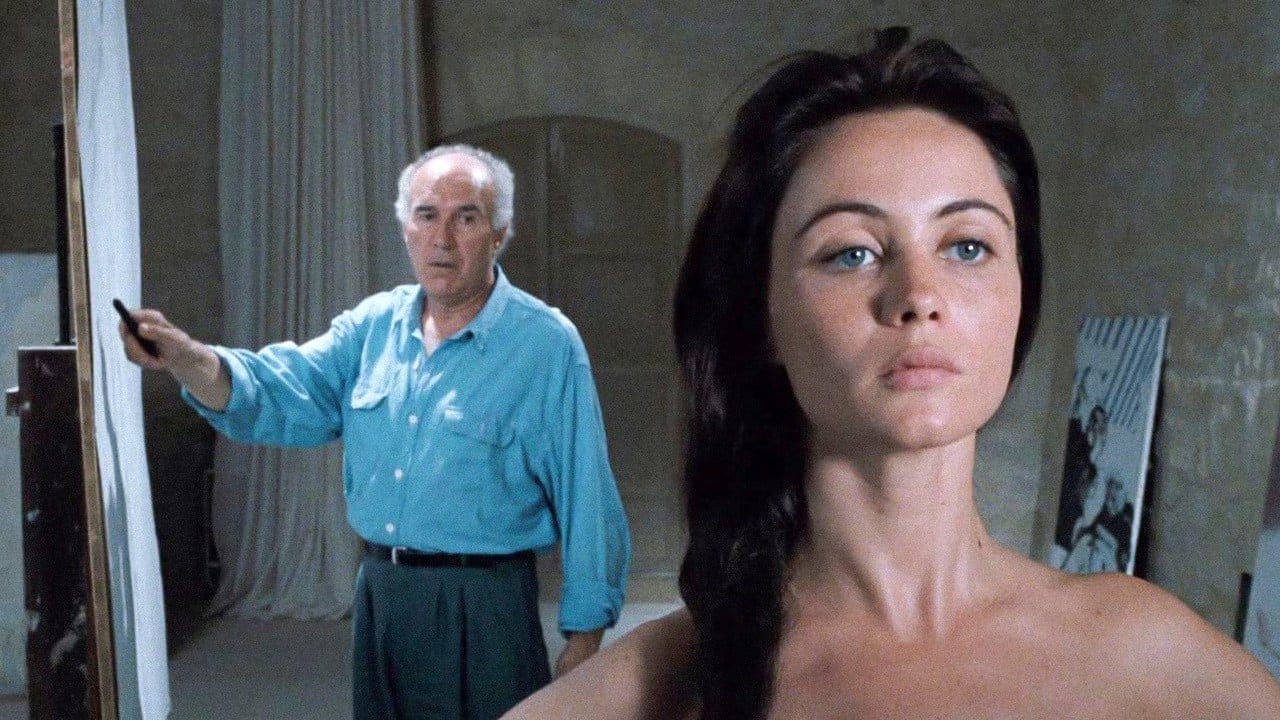
When it comes to work, most apply to a job, take a 9-5 role for some decades, and then retire once enough funds have been acquired, the body gives out, or they reach the statutory age in their respective countries. This path isn’t as straightforward for the artist. La Belle Noiseuse is a portrait of an artist in his later years, only making a return due to an unexpected muse. It is quite lengthy, almost four hours, so it may feel like a daunting task for casual film viewers, as much as it is for the painter, but the way Rivette dedicates the time to the etching, the turn of the page, the brush of the paint upon the paper feels so calming, with the artist and their muse at their most natural. It’s easy to deduce the inevitable connection that forms, but La Belle Noiseuse is much more interested in the creative process, rather than the romantic drama, more interested in exploring the way art endeavors to capture the soul, even when the muse continues to remain elusive.
Set in 1970s Italian countryside, this is a quirky movie that’s full of plot twists.
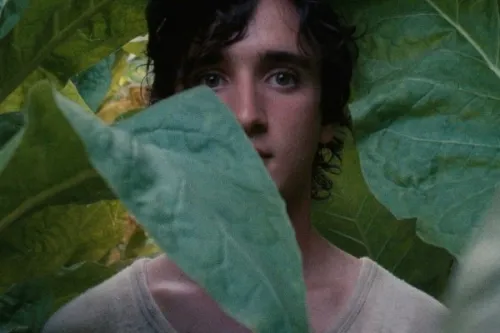
Lazzaro is a dedicated worker at a tobacco estate. His village has been indebted to a marquise and like everyone else, he works without a wage and in arduous conditions.
Lazzaro strikes a friendship with the son of the marquise, who, in an act of rebellion against his mother, decides to fake his own kidnapping. The two form an unlikely friendship in a story that mixes magical realism with social commentary.
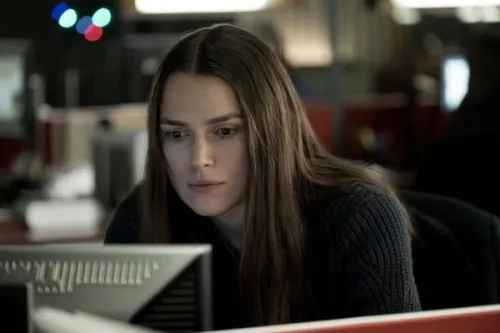
Keira Knightley stars in this incredible true story of an Iraq War whistleblower who remains relatively little-known in the U.S. Katharine Gun was working for the communications office for the British government when she received a memo in the months leading to the war that showed that the U.S. requested illegal wiretapping assistance from the U.K. on U.N. diplomats. In a heroic act, she chooses to share this memo, hoping that it would stop her government (then led by Tony Blair) from going to war. Spoiler alert: didn’t happen, but this decision, which first seemed like a personal sacrifice, has severe implications on her family as the government finds out that she was behind the leak. A compelling political mystery of a case that deserves much more attention than it once got.
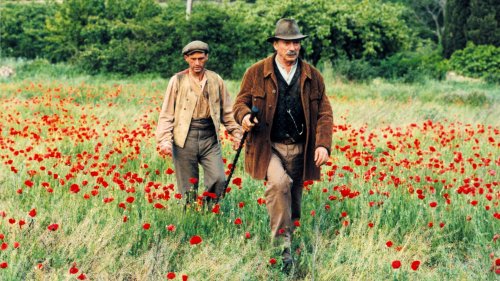
As the Provence countryside is painted in golden sunshine, Jean de Florette seems like a straightforward period drama, celebrating the beauty of provincial life. It makes sense. Considering that this is the first half adapting classic French novel The Water of the Hills, this sunny time sets up the childhood of Manon of the Spring. Jean and the Cadoret family are depicted as honest people, city folk who unexpectedly inherit a family farm and who perseveres to work with it. However, this golden light mostly sets up the tragedy that is to follow, the Soubeyran’s greed, and their scheming that undermines the Cadorets. It’s only with this half that Manon’s later story can fully soar.
The situation in No Man’s Land isn’t something we usually see in war movies, considering how often the genre has been used to criticize war, to examine people’s true nature, and to affirm a deeper love for humanity. There’s no time to have fun when these ideas are at stake. Yet, the awkward situation of being stuck where you shouldn’t have is likely to be true in reality. Wars like the Bosnian War did use landmines, causing situations for soldiers on both sides to unexpectedly end up stuck with each other. But if anything, the humor highlights the very same war film themes, albeit in a fresh way. Mirroring the historical indecision of the world leaders outside the trench, No Man’s Land takes this possible scenario to contemplate war’s absurdities.
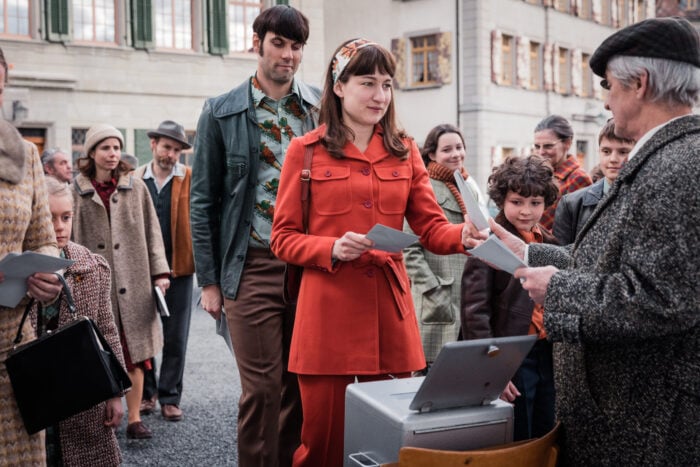
With a particularly empowering tenderness and resilience, The Divine Order explores a glossed-over chapter in history wherein Swiss women could not vote until 1971. The hillside Swiss farming village in which Nora Ruckstuhl lives seems picture-perfect. But under the village’s close-knit and idyllic surface, change is stirring. When an emerging sense of autonomy pushes Nora to question her identity beyond being a complacent housewife, she publicly declares herself in favor of women’s suffrage and draws attention from both outspoken opponents and quiet supporters.
As Nora discovers herself—what she does and doesn’t like; what her body looks like; what pleasure feels like—she also uncovers a yearning for better, for more: who is she not just as a spouse and mother, but also as a friend, a member of a greater community, an independent woman?
Theeb is set in the Hejaz (now part of Saudi Arabia) on the eve of the Great Arab Revolt against the Ottoman Empire in 1916 — but you don’t need to be clued up on its historical backdrop, because its protagonist isn’t. Jacir Eid plays the titular adolescent (the name meaning “wolf”), the youngest son of a now-dead Bedouin leader. When his older brother Hussein (Hussein Al-Sweilhiyeen) is called upon to help guide a suspiciously tense British soldier (Jack Fox) to a well, Theeb disobeys an order to stay put and follows them into the unforgiving desert. Then, tragedy strikes in the middle of nowhere, throwing him into an uneasy alliance with an enemy, without whom he won’t survive the treacherous journey home.
Era-ending political machinations are unfolding all around him, but Theeb lends the film his childlike perspective so that it plays out more like the coming-of-age story of a young cub than a Lawrence of Arabia-style epic. Even as it boldly subverts that classic, though, Theeb’s cinematography mirrors the haunting, hostile beauty of David Lean’s film — making the desert feel as much a character as the boy. Deftly balancing a sense of earth-shattering personal stakes with one of looming historical portent, Theeb earned a well-deserved nomination at the 2016 Oscars.
Given the topic, there’s no surprise that Beauty and the Dogs is a harrowing watch. The gang rape itself is thankfully not depicted, but the journey to getting help– trying to get medical attention, going from station to station, and finally getting a report done in the very station the police perpetrators are parked in– is absolutely horrifying. Through nine long shots, writer-director Kaouther Ben Hania shows each step in real time. It’s a brilliant way to hone into the subtle details, such as the way the police protected each other, or when some took the accusation seriously, there were no measures to ensure Mariam’s safety. Beauty and the Dogs is not an easy watch, but it’s a necessary one to highlight the system’s deficiencies in addressing this crime.
World War II changed the fate of many countries, but most prominently that of the European continent and the United States of America. Though late to the battlefield, America was one of the victors that occupied Germany after the war, and it’s this tension and setting that is at the center of Lars von Trier’s lone war drama Europa. Alternatively known as Zentropa in some territories, the film is inspired by Hollywood noir, from the black and white film to the femme fatale, but the film takes more experimental routes, starting off with lulling the viewers in a hypnotic trance, and later playing on with rear-projection and multiple layers for surreal effect. It takes noirish cynicism on a ride, exaggerating history but nonetheless reflects the way this memory is formed in the cinema of its respective countries. Europa is a fascinating breakdown of an idealist that hasn’t gone through the same terrors, one that still lingers in today’s consciousness.
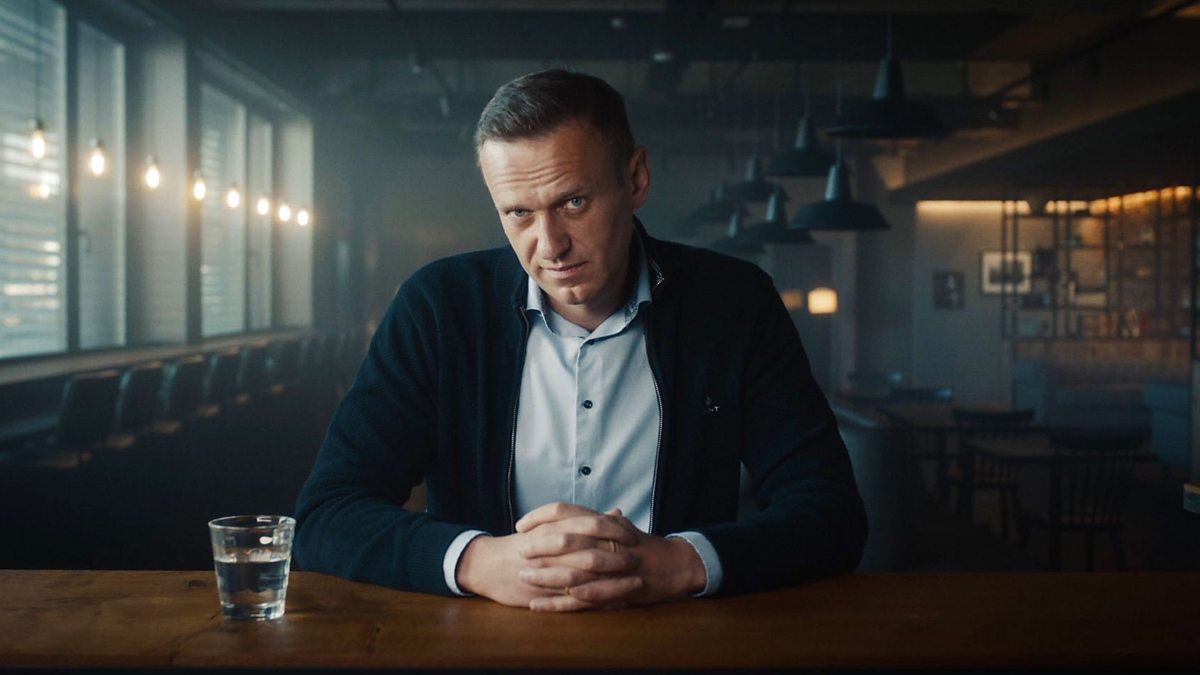
In the words of the journalist Christo Grozev, Alexei Navalny isn’t just a politician; he’s also an internet personality, reporter, investigator, lawyer, and opposition leader who’s up against one of the biggest regimes in the world. He’s a dangerous man, a top Kremlin target, and the documentary gives us incredible access into the ins and outs of his daily operations.
It’s always astonishing to see a hero humanized, especially since the documentary makes sure to balance newsworthy events with quiet moments of rest and reflection. But more than just a profile, Navalny is a valiant work of investigative journalism, as well as a timely reminder of the importance of activism. It’s relevant, revelatory, and rousing; a must-watch in our ever-heating political climate.
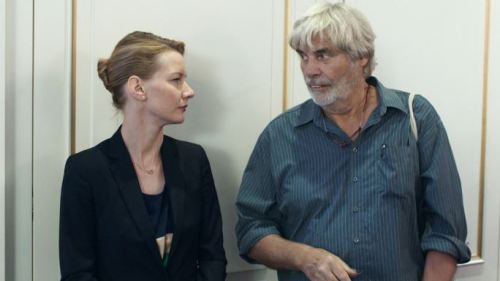
Good movies usually aren’t lengthy movies, unless we’re talking about cases like Toni Erdmann. It’s a supremely smart German-Austrian comedy that depicts the story of a Father-Daughter tandem in light of life’s weirdest, most inconvenient moments. Deciding to visit his daughter on a whim after his dog dies, Winfried (Peter Simonischek)—a man known for his outrageous pranks and many a disguise—flies to Bucharest. Ines (Sandra Huller), the daughter, buzzing with work to the brim in a very challenging job, to say the least, isn’t impressed. This leads to even more uncomfortable encounters as the estranged father poses as the title character, life coach to the disapproving daughter’s boss. On top of being a shrewdly observed and relevant movie, the brilliant writing by Maren Ade crafts something thoroughly enjoyable and heartfelt here, highlighting the importance of family bond in an oddly sweet way, and criticizing modern-day work ethic and the toll its taking on us. The beginning is a bit slow, but if you’re a bit patient you will be surprised how much this movie will reward you.
The film for which Kristen Stewart became the first American actress to win the César Award. The Twilight star turned indie prodigy plays next to another award favorite, Juliette Binoche, as her assistant. When rehearsing for the play that launched her career many years earlier, Binoche’s character, Maria, blurs the line between fiction and reality, her old age and her assistant’s young demeanor, and the romance story portrayed in the play and her own life. The movie itself is stylized as a play, adding another interesting layer of artistic creativity to the complex plot line. A film for film lovers.
Among the sea of class satires released in the last year, Triangle of Sadness is one of the better ones. Directed by Ruben Östlund (The Square, Force Majeure), the film follows an ultra-rich group of people who get stranded on an island after their luxury cruise ship sinks. The social pyramid that has long favored them suddenly turns upside down when a crew member (a glowing Dolly de Leon) effectively runs the group of sheltered castaways.
Triangle of Sadness may not be as sharp as Östlund’s previous work, and it may not add anything particularly new to the saturated discussions of social class, but it remains a darkly humorous and engaging watch, masterfully helmed by a strong script and ensemble.
Krzysztof Kieślowski’s trilogy reflects both the colors and the values of the French republic: liberté, égalité, fraternité. In Trois couleurs : Blanc (Three Colors: White), Kieślowski explores not only the theme of equality, but also the ramifications of defining and “achieving” equality as a European ideal.
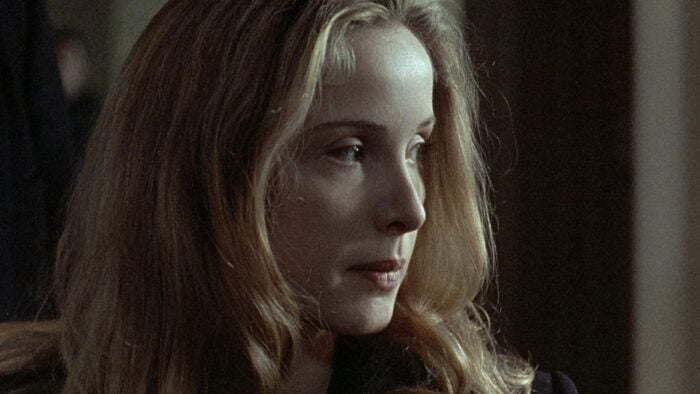
After failing to consummate their marriage, Dominique (the ever-bewitching Julie Delpy) divorces Karol (Zbigniew Zamachowski), leaving him broke and humiliated. Karol plots to exact revenge on his ex-wife, becoming richer and cruller in the process.
Although this is often regarded as the weakest of the trilogy, White is worth a watch not just for completionists. Kieślowski interrogates what it means to be equal in sex and socioeconomic class—and if when we strive to move upward in society, whether we are really debasing our basic humanity and humility.
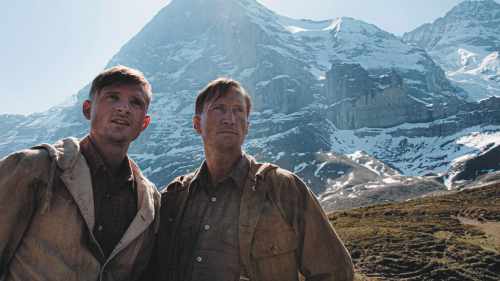
Due to the fictional romantic subplot and the need to explain the historical background, it takes around half its runtime for North Face to get to where they want to go. For some viewers, that might be too long. But for others, the lengthy set-up eventually rewards them with an exhilarating adventure, as the two real life mountaineers face what was then considered the wall of death. While the Nazis have encouraged the climb (and co-opted the mountain film genre) for nationalistic reasons, the mountain strips these away for the brotherhood between them, their bravery, and the love for the game. North Face reclaims the genre in such a thrilling way.
Where The Secret Garden championed the restorative powers of tending to a garden as well as one’s thoughts, Swiss novel Heidi touched on similar themes a few decades before, celebrating instead the natural beauty of the Alps mountainside, and the titular character bringing back joy and hope to her family. The film remains faithful to the novel, playing out the book’s events with a more sleek look and even more stunning landscapes of the Swiss Alps. While previous generations would inevitably compare the version of their time to this latest version, 2015’s Heidi is a decent adaptation, recreating the classic tale for today’s kids.
Youth is a film about Fred Ballinger (Michael Caine) a famous composer vacationing at a resort in the Swiss Alps with his friend Mick (Harvey Keitel), an accomplished filmmaker, and his daughter Lena (Rachel Weisz). While Fred shuns his work (including an opportunity to play for the Queen of England) and muddles himself in disillusionment, Mick works fervently on his final film, intended to be his life’s crowning achievement. Their remaining time is spent intermingling amongst the guests and reminiscing upon their lives, their achievements, their failures and their undying yearnings. From writer/director Paolo Sorrentino (The Great Beauty), Youth is another charming work offering an array of eccentric characters and quirky scenarios, while also serving as a touching examination of age, wisdom and ultimately personal reckoning.
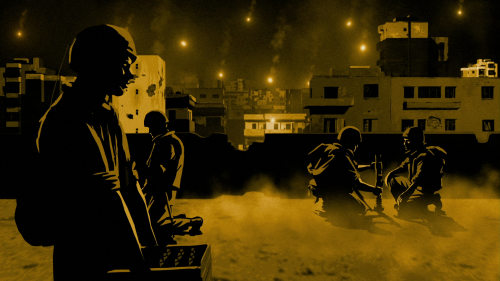
In Waltz with Bashir, director Ari Folman grapples with the trauma and dehumanization of war by examining the role he played in the 1982 Invasion of Lebanon. But his memories are fractured, so in an attempt to piece them back together, he visits his comrades and has them recall the events for him. The result is both poignant and painful, a horrific tell-all of what happens on both sides of the battleground. The film is a documentary, chillingly honest and straightforward, but it’s also an animation gem that continues the legacy that Persepolis started and Flee continues. By combining the harshness of war with the lightness of animation, all three films effectively deliver their anti-war message with a much-needed human and personal touch.
This anthology of 18 short films — directed by the likes of the Coen brothers, Gurinder Chadha, Wes Craven, and Olivier Assayas — is a cinematic charcuterie board. Each director offers their own creative interpretation of one north star: love in Paris. Romantic love is heavily represented, naturally, but in diverse forms: love that’s run its course, dormant love in need of rekindling, electric chance encounters, and, apt given the location, honeymoon love. Segments like the one starring Juliette Binoche and Alfonso Cuarón’s five-minute-long continuous take opt to focus on parental love instead, with the former also exploring love through the frame of grief.
If this all sounds a little syrupy and sentimental, fear not: there are dashes of bubble-bursting humor from the Coens, whose short stars a silent Steve Buscemi as a stereotypically Mona Lisa-obsessed American tourist who commits a grave faux pas in a metro station. Instead of sightseers, some directors offer more sober reflections on the experience of migrants in the city, which help ground the film so it doesn’t feel quite so indulgent. Still, the limited runtime of each vignette (sub-10 minutes) doesn’t let any one note linger too long, meaning the anthology feels like a series of light, short courses rather than a gorge of something sickly.
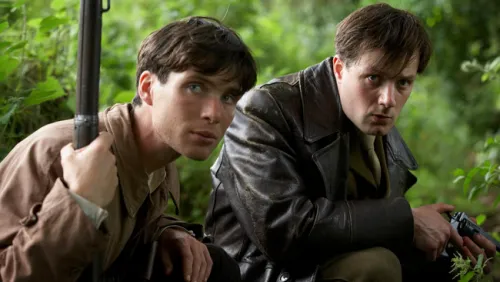
You might expect a movie about the Irish struggle for independence from the British Empire during the 1920s to be a sweeping historical epic a la Braveheart, but The Wind That Shakes The Barley is instead a heartbreaking miniature portrait of the human impact that the brutal occupation has on the residents of a small County Cork village. Cillian Murphy is superb as Damien O’Donovan, a young medical student who is about to up sticks for London when he witnesses first-hand the savagery of British forces on his neighbors. Galvanized into action, he joins the local branch of the IRA, which is led by his brother Teddy (Pádraic Delaney).
What makes The Wind That Shakes The Barley so potent isn’t just its depiction of the fierce local rebellion that Damien and his comrades wage against the British forces — it’s also its gutting exploration of the cyclical war that began to rage amongst the freedom fighters once the British left. As Damien puts it, “It’s easy to know what you’re against, quite another to know what you’re for” — a dilemma that wedges the two brothers apart to bitter ends.
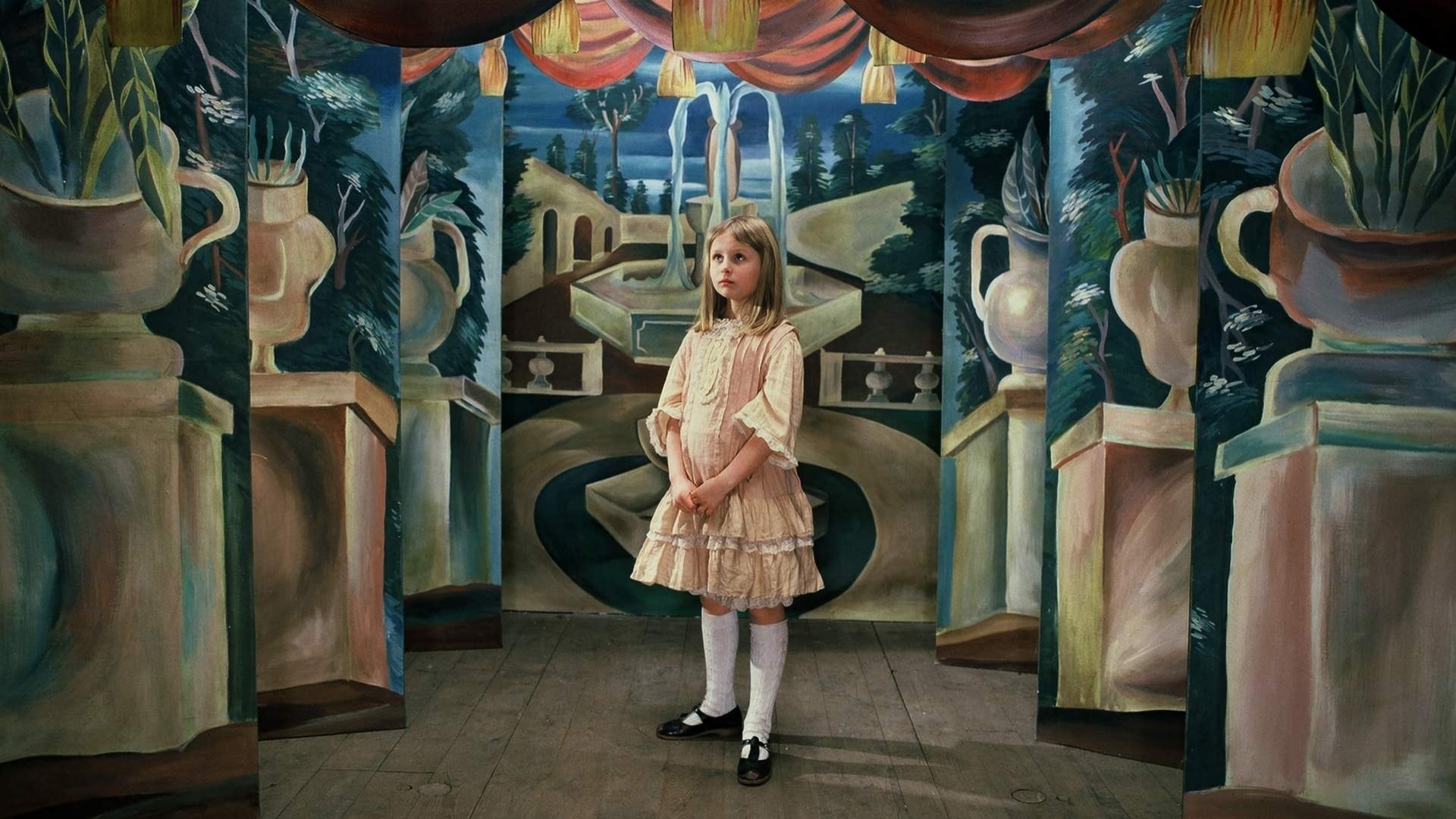
While Lewis Carroll’s Alice in Wonderland is widely considered a classic, there’s just something inscrutable, mysterious, and even a bit weird about the tale. Czech director Jan Svankmajer’s version takes a distinctly unsettling approach, with everything but normal-sized Alice animated into creepy stop-motion, including, but not limited to, cards, puppets falling apart, and actual dead animals, and with every dialogue coming literally from Alice’s mouth, but it’s through this approach that makes the fantastical novel more like a strange dream rather than the Disney-fied fairy tale we’ve come to know. Něco z Alenky is a refreshing take that finally acknowledges the dark side of Alice in Wonderland.
Directed by the award-winning Swedish filmmaker Bjorn Runge and adapted by Jane Anderson from Meg Wolitzer’s 2003 novel, The Wife has enjoyed great acclaim since premiering at the 2017 Toronto International Film Festival. The film follows the growing tension between acclaimed author Joseph Castleman and his wife Joan, who works as his secret ghostwriter, as Joseph is set to receive the Nobel Prize in Literature. The direction is clean and careful with Glenn Close giving possibly one of the finest performances of her career as the supportive then increasingly resentful Joan. Emotional and funny at times, The Wife is a profound character exploration, celebrating womanhood and liberation.
Inside is a technical wonder and a fascinating vehicle for Dafoe’s character Nemo, who holds the entire thing together with a singularly insane performance. It also poses interesting questions about art, namely, what value does it hold at the end of the day? When you’re seconds away from dying of hunger and thirst, what good is a painting, a sculpture, a sketch? Are they really only as good as what they’re materially made out of or can they contribute something more? Inside plays with these questions, but unfortunately, not in any engaging, thoughtful, or creative way. The movie stretches on and on, recycling the same ideas and leaning on the inevitably disgusting ways humans survive as a crutch. An argument could be made that that is the point, to reveal the emptiness and dullness of expensive art, but Inside tries so hard to capture that feeling that it becomes the thing it critiques in the end.
Ralph Fiennes plays a mild-mannered British diplomat in Kenya who is stunned by the news of his wife Tessa’s (Rachel Weisz) sudden death while in the company of another man. He sets off to investigate the suspicious death––and secret life–-of his late wife, within a tangle of personal betrayals, political threats, and corporate conspiracies. This film presents an exquisite contrast between Justin’s (Fiennes) gentle, contemplative demeanor and the progressively gripping details he uncovers; between rapturous romanticism and darkly corrupting interests. It’s a touching, smart, and suspenseful feast of a movie.


x3