
Movies Like Fargo (1996)
To access filters, visit our homepage.
Feminism has made plenty of strides in multiple areas, but even in the era of free love, talking about sex was difficult, and certain figures were dismissed just because of it. The Disappearance of Shere Hite reexamines the titular forgotten feminist figure that simply focused on the female orgasm, giving a second look at her immediate rise and fall in the American media, and the reasons for her leaving the country. With Dakota Johnson’s soft voice, an excellent selection of archival footage, and Hite’s deeply personal words, the film paints a portrait of a mild-mannered, self-possessed woman, but it also reveals the heartbreakingly repetitive vitriol that affects these open discussions today.
Bad Axe is an intimate documentary that follows the Sievs, a tight-knit family that runs a restaurant in the city of Bad Axe, Michigan. When the rise of COVID restrictions and racist hate groups put their business at risk, the Sievs try to hold on to each other while also carefully, in their own way, fighting back.
Mostly shot in the unforgettable year that is 2020, Bad Axe captures the fraught intensity and existential panic we all spiraled into during the global pandemic. It’s a charged film, but underneath all that buzz is a story about a family with its own tensions and histories and contradictions to deal with. Bad Axe is at once simple and complex, and like family, you just kind of love it, flaws and all.
The movie follows Martha (Vanessa Kirby), a young wife who loses her baby in a failed home birth. She tries her best to trudge through the aftermath of loss, but her coping attempts prove to be near impossible, not least because her husband Sean (Shia LaBeouf) and mother Liz (Ellen Burstyn) continually domineer every aspect of her life.
Pieces of a Woman is harrowing and heartbreaking, with the actors giving their all in this realistic and revealing drama. But it’s Kirby’s performance as the unraveled yet apathetic Martha that is the film’s immediate standout, rightfully earning her a Best Actress nomination at the 2021 Academy Awards.
Minari is a film written and directed by Lee Isaac Chung, about a Korean-American family in search of the so-called American Dream. It is an intimate drama that is powerful yet quiet, and filled with moments of innocence. With dreamlike scoring, unique characters, and a captivating climax, this movie tugs on the heartstrings, and serves as a great reminder of the beauty of gratitude.
Thanks to these, plus winning performances across the board, Minari earned plenty of nominations at the 2021 Oscars, with Youn Yuh-jung eventually bagging the Best Supporting Actress award—a monumental first for South Korea.
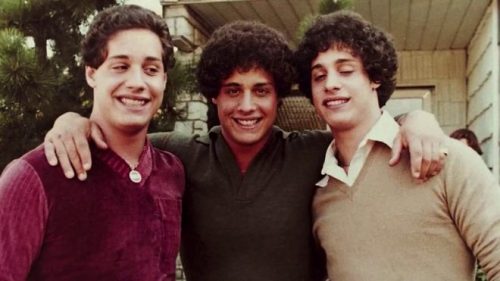
This is a documentary with a dark underbelly. When Bobby Shafran goes on his first day at college, everyone seems to recognize him. The person they’re actually recognizing is his twin brother, as the two were separated at birth by an adoption agency. A third brother surfaces to make the story even crazier, but things take a darker turn when questions arise about why they were separated as toddlers and to what end. If it wasn’t a documentary, this story would be an unusual science fiction on the themes of identity and nature vs. nurture.
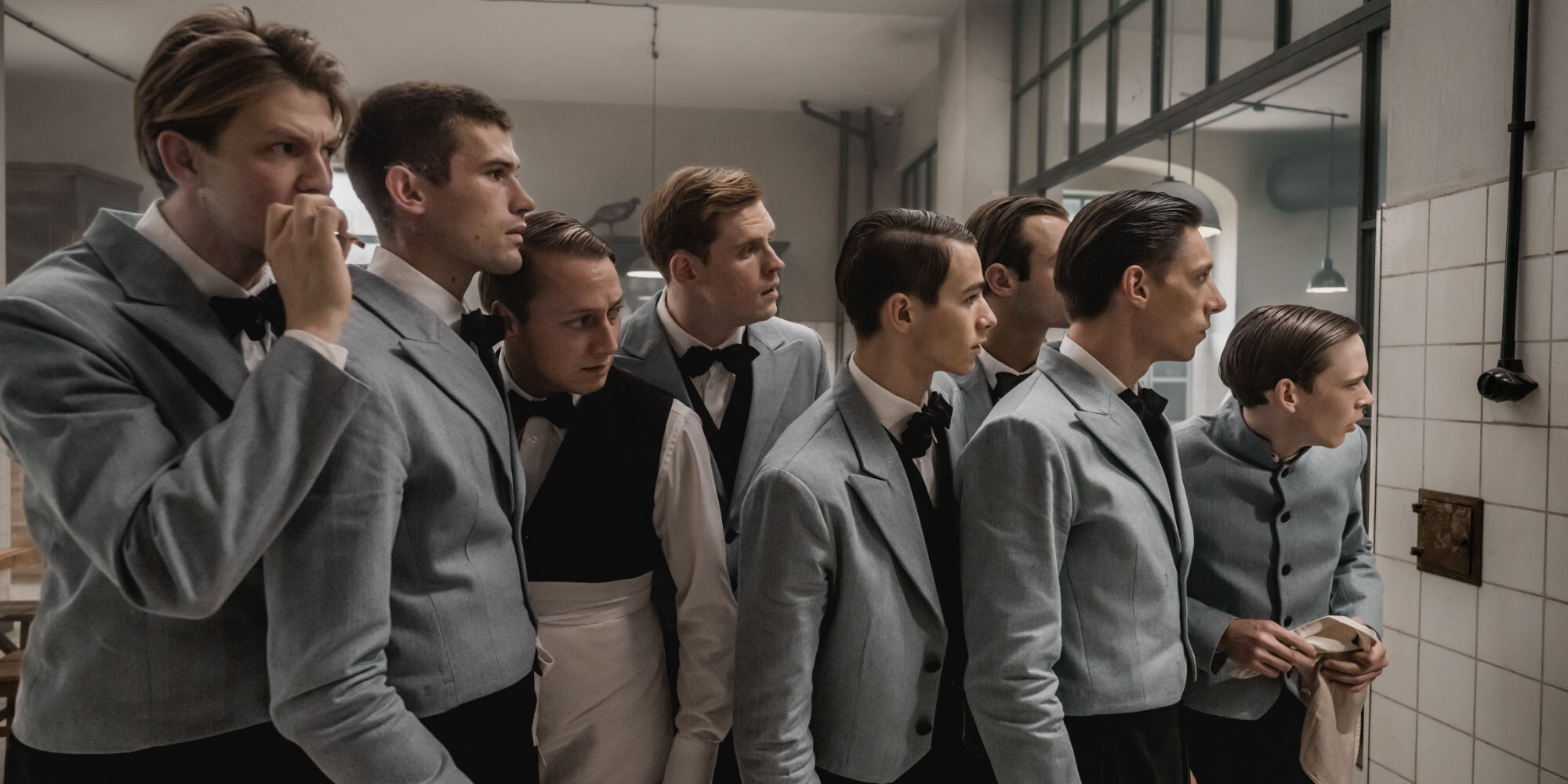
War makes animals of men, and Filip is no exception. The film portrays a lone Jewish survivor who walks the streets of Frankfurt as if he doesn’t have anything to lose. He’s able to get away with it, with his work at a luxury hotel, but he’s unable to escape his trauma. He relieves this through trysts with the local women, treating them cruelly, the same way they would treat his people. It’s a uniquely stunning take on the ugly side of war, with its country club glamor and Filip’s lust for life. But it’s also a grim character study of an unlikeable, yet understandable protagonist, whose moral ambiguity comes purely from his own survival.
Undefeated won an Oscar but since it’s a documentary, few sadly paid attention to it. It tells the story of a football team in a poor area in Tennessee. Kids without a bright future, until the new coach arrives. Yes, that sounds like a very old, cliché tale. But keep in mind it is a documentary, and the story it tells is powerful, gripping, and any familiarity quickly becomes irrelevant. Even if you have no interest in American football, or in sports in general, you will love it and more than likely find yourself reaching for the Kleenex at least a few times before the credits roll.
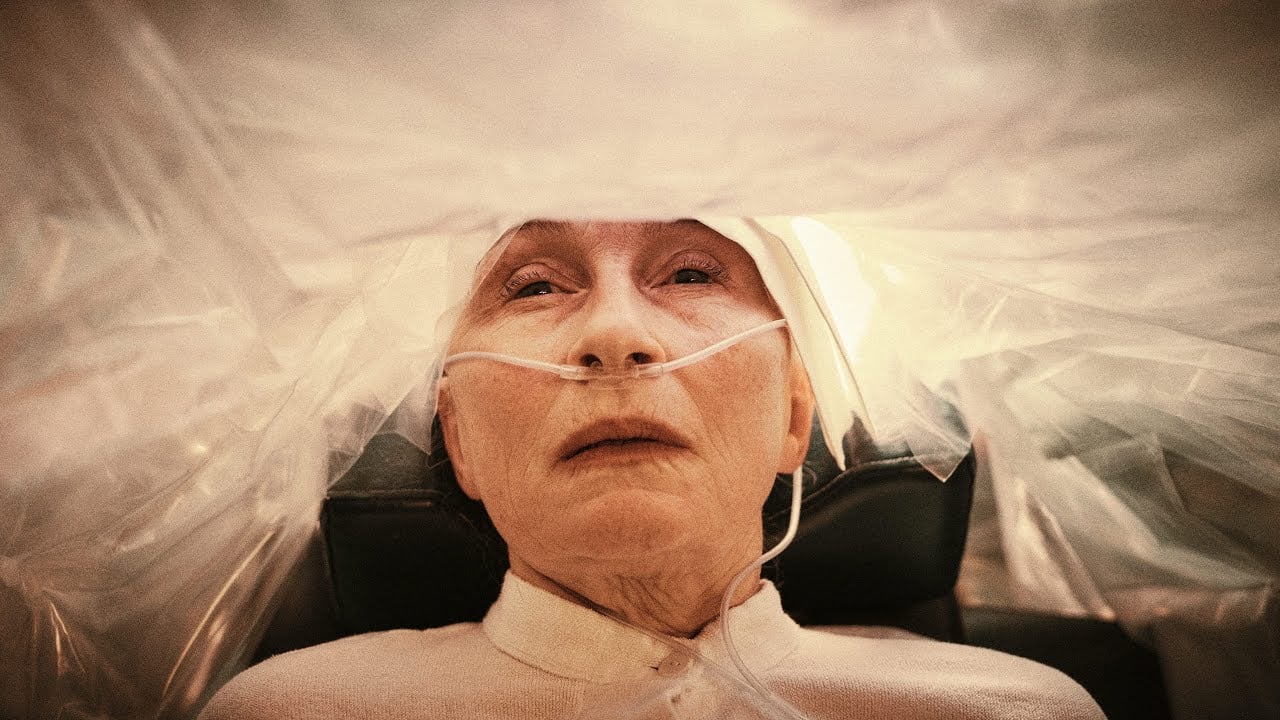
In 1994, Danish auteur Lars von Trier came up with a TV series called The Kingdom, an absurd supernatural comedy that takes place in a rundown hospital in Copenhagen. The show was well-received enough to warrant a second season, but just as von Trier was polishing up the third and final installment, the deaths of more than one lead actor pressed pause on the project, till now.
More than 10 years in the making, The Kingdom part III, also called Exodus, is still very much centered on the weird patients and staff members that populate the Riget hospital, as well as the possible evil buried beneath it. The comedy/horror has a robot dishwasher and a giant head. Danes and Swedes are perennially at war with each other. Willem Dafoe and Alexander Skarsgard make odd cameos.
I’m not sure it’s possible to write a coherent synopsis without sounding like I’ve fallen off the rails, but know that it is a unique headscratcher of a show, more interesting as an experience than anything else. Von Trier was also openly inspired by Twin Peaks, in making it, so David Lynch fans in particular will truly enjoy diving into this world.
Kindness is universally considered as a virtue, but so too is it considered a weakness– Reciprocation isn’t necessarily guaranteed and some people take advantage of the kindness given to them. But there are few instances when humanity does give back to those who have been generous to others, and one such instance is in Beijing Watermelon. It’s one of Nobuhiko Obayashi’s lesser known films, being released just a few months after the Tiananmen Square massacre, and having a more naturalistic, slice-of-life approach compared to Obayashi’s other films. Nevertheless, the film’s fairly simple message plays out in an earnest and genuine way, depicting the ways ordinary kindness can form communities despite cultural differences, loss, and diplomatic tensions between nations.
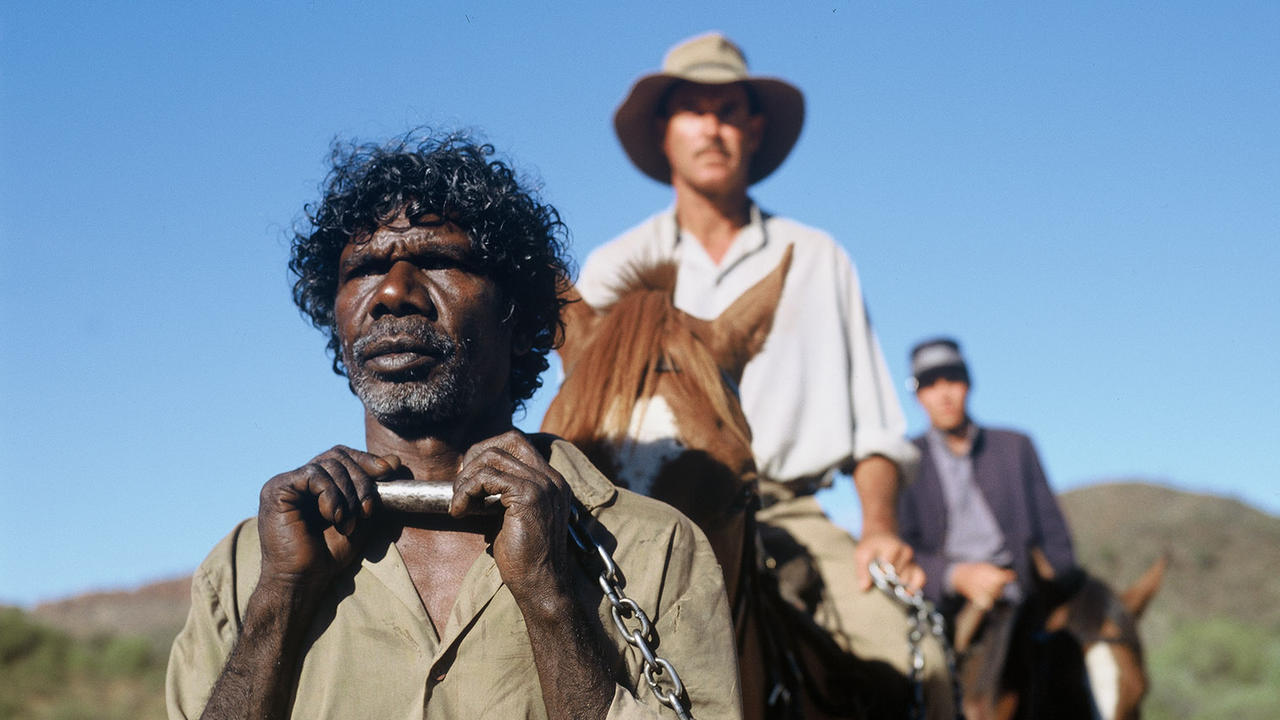
At first, The Tracker seemed to be a straightforward Australian Western with three white men tracking down a murderer, with the help of an Aboriginal man more familiar with the Outback. But The Tracker takes unexpected paths. First, no one is given an actual name– they’re referred to in the credits by titles (e.g. The Fanatic, The Follower, The Veteran, and of course, The Tracker). Second, the soundtrack seems to act as somewhat of a Greek chorus, with Archie Roach crooning the beliefs each player seems to hold. And third, the violence becomes more gripping because of the way it’s presented– intercuts to Peter Coad’s paintings depicting the violence inflicted upon Aboriginal people in just a frame. These choices craft an entirely unique approach. Rolf de Heer’s approach takes a familiar Western plot but doesn’t adhere to the genre’s conventions and it’s totally fitting for a film actively examining a part of Australian history that most of the country wouldn’t want to talk about. And of course, it’s all tied together by The Tracker himself, by David Gulpilil’s powerful performance.
This teenage crime drama contains enough grit to stand on its own, but The Tribe’s real hook is in the way it’s told: entirely in Ukrainian sign language, without subtitles. Set in a boarding school for deaf students, new arrival Sergei must contend with an institution that’s run like a gang. His journey through the ranks is extremely violent and graphic, including unflinching depictions of rape and a back-alley abortion that lingers long in the mind.
Its unpleasantness will be a barrier for some, but for the curious, it’s an oddly balletic film. Among the misery, actors communicate the entire story via body language. Emphatic dialogue delivery conveys the mood of each scene (which often changes for the worse), and the characters’ actions speak loud and clear. Narratively it breaks little ground, and its darkness can’t be overstated, but there’s grace to its reliance on everything but words to tell its story. A film you won’t stop thinking about.
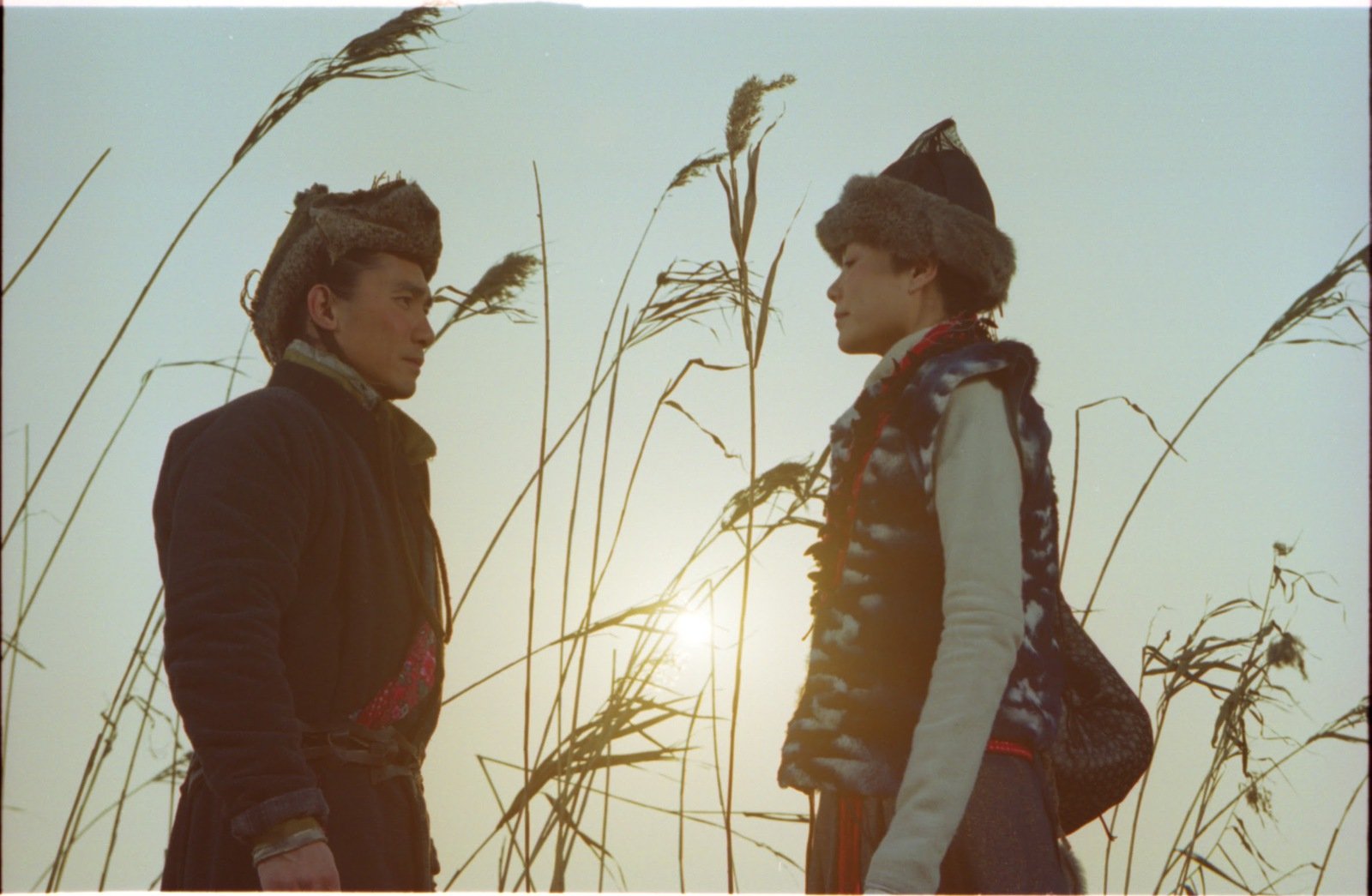
While produced by Wong Kar Wai, Chinese Odyssey 2002 isn’t a moody, melancholy drama that we’re used to. Instead, the Ming Dynasty-set adventure directed by Jeffrey Lau comically spoofs plenty of the beloved genres that captivated Chinese audiences– wuxia epics, musical dramas, and historical romances. The ludicrous crossdressing plot is played in such an over-the-top way, with Lau visually delivering his jabs, with a narrator providing droll commentary on the events, and with intercuts of faux interviews and excerpts from everyone, even including the disgruntled innkeeper spying on the crossdressing princess and the confused restaurant owner. It’s actually quite impressive how the ridiculous plot leads to such a wholesome, moving conclusion.
Shattering the rules for how a biographical drama can look and be told, Paul Schrader’s Mishima rejects the usual character study template in favor of a much more abstract attempt to understand a person through their art. Told in fragments that flit between Mishima’s early life, dramatizations of his fiction novels, and the final day of his life, the film pieces together what it believes was the core of this person’s life. Schrader’s script (co-written with his brother Leonard Schrader) traces within Mishima’s history a lifelong struggle with perceptions of his own masculinity and authority—as if he spent his every waking moment trying to compensate for a lack that he could hardly articulate. The character’s eventual turn towards reactionary beliefs makes logical sense in the film, but remains baffling all the same.
With all of its talk about beauty—enhanced by Philip Glass’ opulent musical score, and Eiko Ishioka’s breathtaking production design that transforms Mishima’s novels into tactile stage productions—the film conceals an incredibly dark heart. Mishima doesn’t inspire sympathy so much as he inspires morbid fascination, and it’s both a daring and frustrating choice to focus entirely on the character’s harmful delusions without room for much else. Still, Schrader has constructed an unforgettable audiovisual experience that lingers long after it’s over.
Joachim and Ceilie are engaged to be married when a car crash leaves the former paralyzed. While Joachim recovers in the hospital, Ceilie becomes entangled with his doctor—who also happens to be the husband of the woman who caused Joachim’s accident. What transpires after is not unlike a car crash itself: gut-wrenching to watch, impossible to look away from.
Although the film’s premise toes the line of melodrama, Susanne Bier handles the characters with extraordinary care. Elsker dig for evigt (Open Hearts) boasts incredible performances from its core cast of four, with Mads Mikkelsen and Paprika Steen particularly shining. This is not an easy nor feel-good movie to sit through, but its unflinching gaze at complicated characters in a tragic situation makes for a rewarding journey.
A Spanish 500 Days of Summer mixed with a more urban and up to date You’ve Got Mail. I liked this film a lot. I connected with both the main characters in the film. Their feelings of loneliness on the inside, yet, still going on with their day to day all while being mixed with their phobias, longings, quarks, and vulnerabilities. This movie works, it works on every level. Beautifully shot and beautifully written. Watching this will not be a waste of your time.
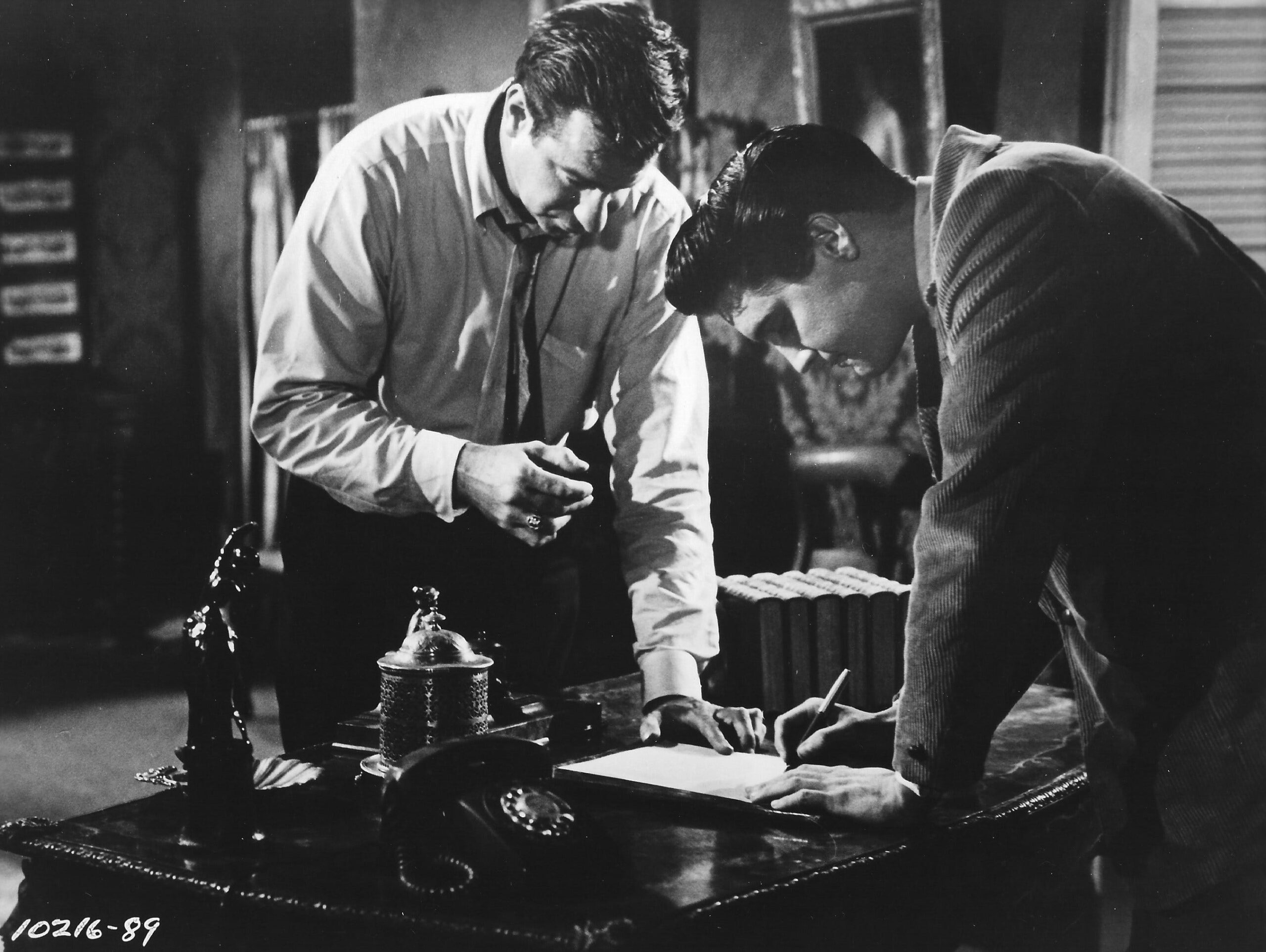
While best known for his music, Elvis Presley occasionally appeared on film, mostly, of course, in roles that got him singing and dancing, regardless of the story. King Creole was one such role, but it’s one of his best. Loosely based on a 1952 novel, King Creole swaps New York for the New Orleans French Quarter, as well as Danny Fisher’s potential crime-free path from boxing to singing, to better match Presley’s music, but director Michael Curtiz makes it work by focusing more on the flipped father-son breadwinner dynamic, with black-and-white noirish shots, a great supporting cast, a great bluesy soundtrack, and a great performance from the King of Rock and Roll himself. King Creole is one of Elvis’ many star vehicles, but it’s one that still works even today.
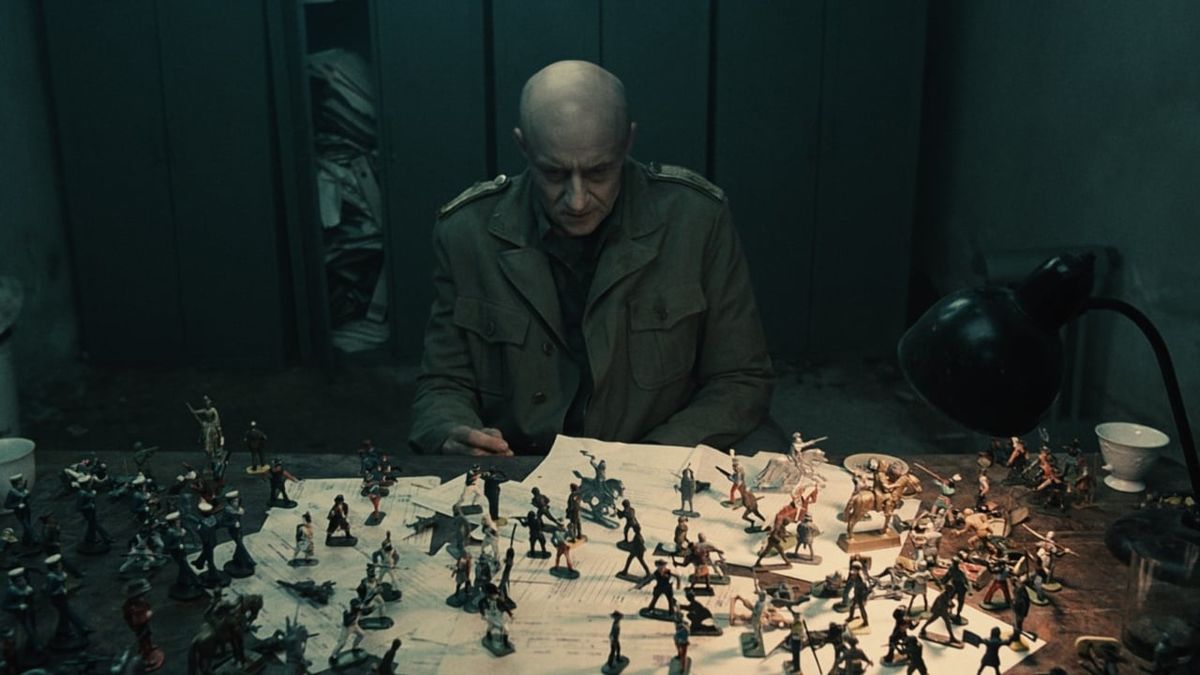
The thought of the end of the world and everything as we know it is scary, but going through it, and somehow surviving, can be a much more depressing idea. What do you do now? O-Bi, O-Ba: The End of Civilization is aptly titled, as its characters remain stuck inside a dome after a nuclear war, but the way the survivors’ hopes are warped, manipulated, and used against them can feel eerily familiar, and the way Piotr Szulkin unpacks this through Soft’s journey crafts a bleak, yet necessary examination of the fantasies we need in order to live in peace.
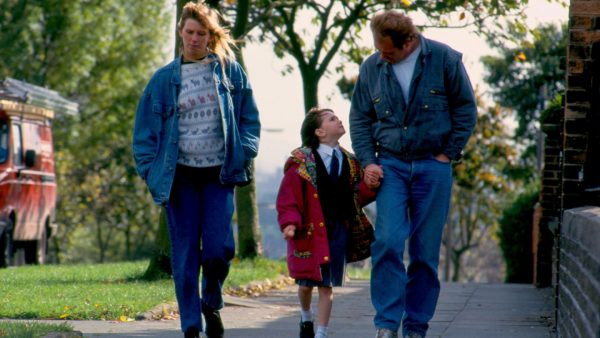
Light-hearted and compassionate, Raining Stones is one of Ken Loach’s lesser-known films. It’s also one of his funniest, telling the story of an unemployed chancer trying to raise enough money to buy his daughter her first Communion dress. Desperate for the cash, he falls foul of ruthless loan sharks.
As ever, Ken Loach is keenly attuned to the concerns of the working class, as he finds humour even in the most depressing of circumstances. The dialogue is natural, funny, and yes, profane. He also gets excellent performances from the non-professional actors in the cast, with club comedian Bruce Jones superb in the lead.
Ethan Hawke and Uma Thurman star in this brilliant small-scale drama by Richard Linklater (Dazed and Confused, Before trilogy). Hawke plays Vince, a volatile drug dealer who rekindles with his high school friend, Jon (Robert Sean Leonard).
And that’s it: there are only three characters in this movie, and it’s all set within a Michigan motel room.
But boy is it tense in that room, and man is this film so brilliantly written and well-acted. Vince, Jon, and Amy (Thurman’s character) discuss an event 10 years prior involving rape.
The Sweet Hereafter is the kind of movie that feels very different from the one you might imagine when reading the plot synopsis. The tragic accident at its center doesn’t form a dramatic crescendo as you might be primed to expect — and, despite revolving around a lawsuit, this is no courtroom drama. Instead, the ironically titled The Sweet Hereafter deals with the messy, difficult emotions that come with grief, survival, and blame in the aftermath of a bus crash, with the film largely taking place in a snowy Canadian town rent apart by the loss of nearly all its children in the accident. Ian Holm plays the out-of-town lawyer battling to unite the bereft parents behind a class action lawsuit, all while struggling to deal with the quasi-loss of his own drug-dependent daughter. Non-linear chronology means the before-the-crash and the after intermingle, scene after scene; it’s an unorthodox remix of the way we’re used to seeing this kind of story unfold, but it allows the movie to home in on the complexity of the community’s pain. Unsparing performances, haunting music, and meditative cinematography plunge us into it all, recreating the terrible iciness of grief in a way that is difficult to shake off.
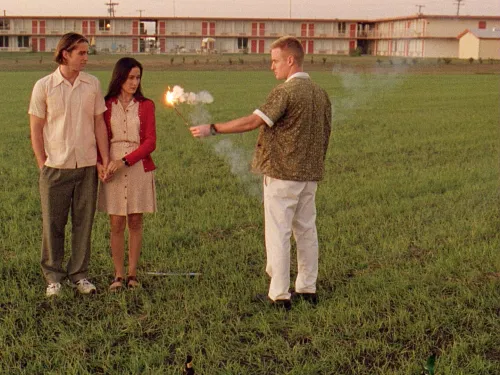
Before he developed his signature dollhouse visual style, Wes Anderson made his feature debut with this lowkey, heartwarming, and decidedly not-symmetrically-perfect comedy about a bunch of misfits. Bottle Rocket isn’t as much of an outlier in its director’s storied filmography as might initially seem, however. Written in partnership with college buddy Owen Wilson — who, along with brothers Luke and Andrew, made his acting debut here — the film is delightfully offbeat and unexpectedly moving in the way we’ve come to expect from Anderson.
Dignan (Owen Wilson) and Anthony (Luke Wilson) are two drifting, boyish twenty-somethings, although only Anthony seems aware of his directionlessness, as Dignan has graciously developed a 50-year life plan for the two of them (complete with hilariously vague bullet-points such as “Make wise investments” and “Own multiple accommodations”). The means to these ambitious ends is a life of crime — specifically, pulling off grand heists. But Dignan’s meticulousness hasn’t accounted for distractions, and his madcap scheme falls at the first hurdle when Anthony falls in love with a housekeeper at the motel they hide out in (Lumi Cavazos). Their sweet romance is one of the film’s many delights, as is its barrelling deadpan humor, which never betrays the warmth of the Wilson brothers’ heartwarming depiction of ride-or-die friendship.
We Are the Best! is one movie that may be overlooked largely by viewers, though it perfectly captures counterculture, and relates to the misfit young and old. The movie is an adaptation of Moodysson’s wife Coco’s graphic novel “Never Goodnight”. Set in Stockholm, Sweden in 1982, Klara (Mira Grosin) and her best friend Bobo (Mira Barkhammar) are junior high teenage girls who believe in their heart that punk rock is alive and well. With both of their home lives not so pleasant, the girls spend their time at the local youth center while taking up the time slot in the band room to get revenge on the local metal band. That’s when they find themselves starting a punk band without even knowing how to play an instrument. We Are the Best! is a fun and deeply sincere exploration of adventure, friendship, love, and betrayal in adolescence.
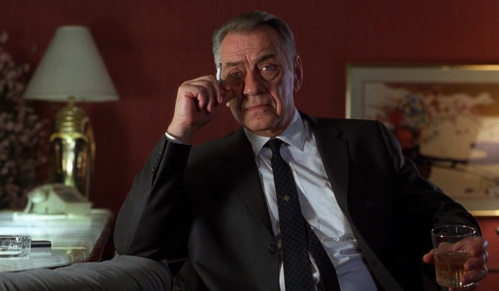
Already featuring some of the desperation and melancholy that would go on to characterize most of his work, Paul Thomas Anderson’s Hard Eight manages to draw palpable suspense and drama out of, essentially, three characters and a couple of seedy locations. We learn perhaps too little about these characters and why this veteran gambler is drawn to a young homeless man, but there’s also something intriguing about how Anderson suggests much larger and much crueler stories going on just out of sight. It truly feels like these people are just trying to hold on to the smallest things that ease their pain—which works because of incredibly compelling work from Philip Baker Hall, John C. Reilly, and a young Gwyneth Paltrow already at the top of her game.
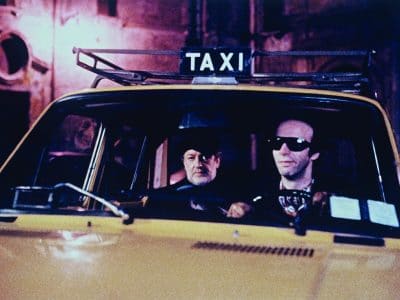
An absolute delight of a gem starring a young Winona Ryder as well as an amazing cast. Arguably Jim Jarmusch’s best film, it tells the story of 5 different places at night from the perspective of cab drivers and their passengers: Los Angeles, New York, Paris, Rome, and Helsinki. It’s really hard to pick a favorite among the stories, from a messy tomboy having to deal with a busy businesswoman, to a blind woman in Paris making a frustrated driver from Ivory Coast go insane. But look out for Helmut and Yo-Yo, from the New York story. I’ve rarely seen anything in film as fun as their story.
In my own wished-for parallel universe, French actors Vincent Cassell and Emanuelle Devos are voted the sexiest actors alive. I find them both transfixing and appealing in every role they’ve performed, and they are quite the pair here. Devos plays Carla, a put-upon assistant at a property management company. While good at her job, there is little room for her to advance her career, as she is one of the only women at her company and also has a hearing deficiency. Into her humdrum life walks ex-convict Paul (Cassell), who Carla hires as a personal assistant. It turns out that what Paul lacks in secretarial skills he makes up for in other ways. The first half of the film plays almost like a dark workplace comedy, before taking a dangerous turn towards psychological crime thriller. Overall, it’s a dark and sexy character study of two mismatched outsiders who turn out to complement each other perfectly.
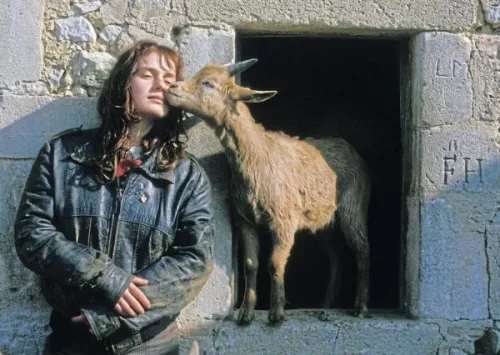
Even before Agnès Varda pivoted to documentary filmmaking, she was a pioneer of French cinema. Her film Sans toit ni loi (Vagabond) is one of her most harrowing dramas.
Varda’s sensibilities as a burgeoning documentarian are apparent as the film opens on the corpse of a woman lying dead in a snow-covered ditch. Through flashbacks, we trace the titular vagabond’s steps to uncover how she ended up alone and dead. The camera follows its subject from a safe distance, as if tracking a wild animal. Alongside the woman, we hitchhike across the French countryside, encountering hostile men, treacherous winter weather, and occasional glimpses of hope, connection, and familiarity. Vagabond succeeds at portraying a complicated woman—Varda understood that women, above all else, are people, with dark interiors, difficult choices, and uncertain impulses.
This quirky 1988 adventure drama is newly available on Amazon Prime. It’s the classic that never was, the story of a rundown gas station motel in the Southern US where a lonely West German lady called Jasmin Munchgstettner ends up by accident.
The owner of the operation, a short-tempered woman by the name of Brenda, doesn’t really take to Jasmin. However, the longer the West German guest stays at the motel, the more a friendship forms between the two.
All kinds of lines — those separating good and bad, past and present, and even international borders — are blurred in this neo-Western gem. Though it’s entirely set in a small Texas border town, Lone Star pulls off all the gravity and sweep of an epic thanks to its seemingly-micro-actually-macro focuses and sprawling ensemble. It’s all kickstarted by the discovery of a skull in the scrub near Frontera, Texas; Sheriff Sam Deeds (a quietly captivating Chris Cooper) thinks he knows who it belongs to and who might have buried it there: his deceased father Buddy (Matthew McConaughey), the much-loved former sheriff of the town whose shadow Sam has long been living in.
And so an investigation of this historic crime begins, unearthing along the way many more skeletons — both individual and national — as Sam interviews those who knew his father and the victim. Lone Star’s brilliance is in the way it entwines with Sam’s investigation a broader exploration of America’s sins and their lingering legacies, particularly the many-headed effects of its history of racism. Lone Star weaves its political and personal elements together with seamless flourish, making for a rich tapestry of America’s past and present that never sidesteps the grander questions it provokes.
Mystery, domestic horror, and urgent true crime investigation rolled into one, Rewind sees filmmaker Sasha Joseph Neulinger revisiting his own abuse at the hands of a family member while remembering to let his case amplify into a call to action to protect children everywhere. His personal testimony would have been powerful enough, but he dares to put numerous members of his family in front of the camera, too, who begin to unravel a history of neglect and trauma rotting the core of this family over generations. Innocent home video footage turns sinister and seemingly inconsequential memories become warning signs that every adult should be on the lookout for, no excuses.
Spike Lee’s semi-autobiographical film is a loving and nostalgic ode to the Brooklyn of his childhood. It also happens to be his sweetest work and while overshadowed by the explosive Do The Right Thing, remains an easy contender for one of his very best. The world of Crooklyn is told through the eyes of Troy, a young girl growing up with her four brothers, and her mother and father in a cramped brownstone.
Lee’s Brooklyn is a colorful delight set aloft by a swooning soul soundtrack. His ability to capture the vibrant magical tones and textures of the city feels as complete as ever, and marvelous performances from Alfre Woodard and Delroy Lindo as Troy’s parents help create a touching and all-encompassing experience.
Muriel is a young social outcast who spends her time obsessively planning a dream wedding without ever having been on a date. Her life is flipped upside down when she steals $15,000 from the family business to go on a tropical getaway. This brilliant comedy is memorable as much for Toni Collete’s breakout role as it is for its snarky subversion of rom-com tropes.
Muriel’s Wedding arrived in a wave of bright and brash Australian comedies of the early 90s like Priscilla Queen of the Desert and Strictly Ballroom. And like these counterparts, its heightened reality gives way to a surprising and heartbreaking emotional core. Director PJ Hogan would go on to direct My Best Friend’s Wedding – a fun but watered-down imitation of the surprising storytelling that made this a cult classic.
Philipp Seymour Hoffman stars in this family drama next to Laura Linney as siblings. They have to unite to support their father who after the death of his girlfriend finds himself alone. The Savages, after the family name, have dynamics that are all too common and easily recognizable. This is a beautiful and real movie.
Spike Lee’s adaptation of Richard Price’s novel might appear lesser next to his best work, but it still a gorgeous showcase for all of his talents as a director. Its case is further bolstered by a stacked cast including Delroy Lindo, Harvey Keitel, Mekhi Pfifer, Isaiah Washington, and John Turturro.
Clockers is set in the world of small-time drug-dealers during the crack epidemic, and much like The Wire (which Price would go on to write for) applies a multifaceted lens to the material. Lee’s uncompromising and emphatic direction lends a gorgeous gravity to the taut drama while top-notch performances fuel the emotional furnace at its core.
An offbeat film with a more than decent amount of suspense. To that it adds really good music and unexpected animation, to make for a very audacious, interesting and mostly fun film. It uses all this to show how life can change in a twist and how it can be influenced by weird connections of otherwise unrelated events.
Starring Matthew Broderick and a young Reese Witherspoon as, respectively, Jim McAllister, a high school teacher and Tracy Flick, a notorious ‘that girl’ in his class. When Tracy decides to run for class president, we see the floodgates open as all sorts of bizarre and insane behavior pours out of the two. Quickly, it becomes clear that Tracy will do nearly anything to win, and as circumstances spiral out of control, madness descends – along with hilarity!
This is a very nice movie about a lovely older couple named Tom and Gerri. It follows their lives for an entire year, as they work at their jobs, invite friends over for dinner, and work in their garden. They live modest but fulfilling lives, and they seem mostly happy and very much in love, a rarity in the movies. This probably sounds horribly boring to most people, but since Mike Leigh is the director, the film is instead a touching and realistic portrayal of love and how people spend their time together. We should all be so lucky as to live a life as charmed as the central couple in this film.
Sunshine Cleaning is a great addition to that unidentified genre of grown-up comedies populated by other great entries like Your Sister’s Sister and Enough Said. It is however, less of a comedy than it is a heart-warming emotional tale. Powered by outstanding performances from Amy Adams and Emily Blunt, it ultimately evolves into a character study of failed potential and validation seeking. Sunshine Cleaning is enjoyable, satisfying to a fault, and provides an interesting peak into the lives of its characters.
This 2009 Palme d’Or winner is filmed beautifully in black and white by Michael Haneke. In equal parts mysterious and disturbing, it is set in a northern German village in between 1913 and 1914 where strange events start to happen seemingly on their own. The people of the village, who feel as if they were punished, try to investigate it as the events start affecting them one by one. As they speculate on who is behind the acts that never stop, the film unfolds its slow but captivating plot. A brilliant and unique movie.
Based on the comic book by Daniel Clowes, Ghost World is a dark comedy that follows the exploits of teenage outcasts Enid and Rebecca (Thora Birch and Scarlett Johansson) as they navigate the many complexities of burgeoning adulthood. Central to the story is the unlikely friendship that Enid strikes up with a lonesome older man (played by Steve Buscemi), a curious relationship that drifts through various humorous and melancholy situations. It’s an original and often poignant look at alienation and identity, with Birch delivering a wonderfully deadpan and often hilarious performance, despite her entirely pessimistic attitude. It’s the type of film that’s just right when you’re in the mood for something just a little bit different.
Featuring a Pre-Bond Daniel Craig, Layer cake can be described as a mix between Lock Stock, Two Smoking Barrels and Scarface—a darkly funny and incredibly violent film. It features great acting from Craig and the rest of the cast, action that will keep you on the edge of your seat once it gets moving and a complex and deep theme that can make you reconsider your worldview. This is a true action movie for the thinking man (or woman).
A residential dispute spirals out of control into full, xenophobia-fueled tragedy in this straightforward and elegantly made film that comes from a now-bygone era of mid-budget dramas for adults. House of Sand and Fog may come off as excessively bleak to viewers today, but it manages to capture a very particular mood of paranoia and distrust common in post-9/11 American cinema. And if nothing else, the film is worth watching for a trio of powerful performances that never resort to overacting: from Iranian actress Shohreh Aghdashloo, English screen legend Ben Kingsley, and an always compelling Jennifer Connelly, who was arguably at the peak of her career in the early 2000s.
Taking 23 years until its completion, The Tragedy of Man is quite possibly the most ambitious film ever made, not just in its animation, but also in its scope. It’s quite fitting, as an adaptation of the classic Hungarian play, as Imre Madách’s story sets out to question not just the individual’s purpose, but the purpose of humanity as a whole, with writer-director Marcell Jankovics giving life to the play through the historical art styles of past civilizations that shifted today’s Western world, as well as adding what has happened after the play’s publication in 1861. While the film’s length can be daunting, being the Western animated feature in the world, the dialectic hits at the heart of this absurd existence, informed by the cynicism formed after Hungary’s fall of communism in 1989. The Tragedy of Man isn’t an easy film to watch, considering the themes, but it’s an interesting vision of humanity, illustrated in such an interesting way.
True Romance is a wildly entertaining and twistedly enjoyable crime film, directed by Tony Scott (Top Gun) and written by a young Quentin Tarantino. It stars Christian Slater as a young nebbish comic book store employee named Clarence who falls in love with a prostitute named Alabama (Patricia Arquette), and sets his mind to rid her of her indebtedness to a volatile pimp named Drexel (Gary Oldman). The story eventually finds them absconding to California with a suitcase full of cocaine, with the intention of selling off their illicit cache to a Hollywood bigwig in order to pursue their dreams of freedom and opportunity. Replete with a remarkable cast of famous names and familiar faces (including Brad Pitt, Christopher Walken and even Val Kilmer as the ghost of Elvis), True Romance is a true 90’s-era classic. It showcases Tarantino’s trademark witty dialogue throughout, enmeshed with the savage humor and jarring violence that he has become so well known for. It’s very much an homage to Hollywood classics such as Bonnie and Clyde and Badlands (including a rousing score by Hans Zimmer inspired by George Tipton’s score for Badlands), and ultimately serves as one of Tarantino’s most underrated career accomplishments.
The magic of this movie — and every other one directed by Aki Kaurismäki — is in the way it inspires so much hope despite the darkness of its subject. When a man (Markku Peltola) is beaten and robbed one night, he wakes up without any memory of who he is. Forced to start life all over again, he’s subjected to yet more cruelty at the hands of a greedy slum landlord and callous authorities, but finds sympathy and support from his equally downtrodden neighbors. Though the street thugs have emptied his wallet, the unquestioning generosity of the people around him suggests he’s now richer than he was at the film’s outset — as does the sweetly simple romance he strikes up with a lonely Salvation Army worker (Kati Outinen).
Kaurismäki doesn’t just make films about the disenfranchised for the sake of it: he shows us how easy — and yet momentous — acts of human kindness and solidarity can be, how radical they are in a bleak world. It’s not often a movie can so persuasively reassure us of people’s inherent goodness, but it’s even rarer still for it to be done with as much deceptive, charming simplicity as here.
If you like movies without plot, you’ll love Korean master Hong Sang-soo’s work in Grass. Sang-soo likes to write the script for his characters and not the other way around: he hires actors, then writes a script that would fit them every morning of the shoot.
The result is a personal movie that feels improvised and experimental, despite being quite simple: it’s about a small café and a woman who observes the interactions of the guests.
Another fantastic documentary from 2012, this one tells the remarkable story of the 1992 Lithuanian Olympic Men’s Basketball team that received scant attention in the shadow of the renowned U.S. “Dream Team” of NBA superstars (Michael Jordan, Magic Johnson, etc.). The Lithuanians’ story is all the more fascinating in that it comes immediately on the heels of their country’s freedom from Communist rule. With little hope of participating in the Barcelona games, they received the most unlikely last-minute assistance from the Grateful Dead, of all sources. A really great true-life story, told with an exuberance and a verve not often expected from non-fiction filmmaking. I challenge anyone watch this one and walk away uninspired.
If it weren’t for his knack for writing, Max Fischer (Jason Schwartzman) would never have gotten into a prep school like Rushmore. But his art secures him a scholarship, and what he lacks in smarts and money, he makes up for in school pride. As he flunks more and more of his academics, however, he is eventually kicked out, and it’s outside the halls of his beloved Rushmore, stripped of all titles and insignia, where he learns to be his true self.
As the film’s comedic and emotional core, Schwartzman is a revelation as the ambitious and sharp-tongued Max. Equally captivating is Bill Murray’s deadpan but lovable turn as Max’s millionaire friend, Herman Blume. It’s a role so fitting, in fact, that the poor-rich-man character will follow Murray well into his career, long after the curtains close on Mr. Blume. Meanwhile, Wes Anderson will go on to do more colorful and stylized pictures than Rushmore, but thanks to its unbeatable wit and down-to-earth charm, the film remains to be one of the auteur’s most delightful and hilarious works to date.
The Young Offenders is a comedy about two Irish teenagers who go on a 160km bicycle trip to salvage 7 million euros worth of lost cocaine. As they sit on a hill overlooking their city, they imagine what they would do with that money. The answer is building a house that has lava lamps, “big gold walls”, Spanish girls, and an English butler to wake them up every morning with the phrase “what’s happenin’?”. You get the vibe. It’s is a silly movie, although the premise is actually based on a real-life event where cocaine from a capsized smuggling boat washed up on the Irish coast. The Young Offenders wears its heart on its sleeve. It’s a sweet funny movie, half slapstick and half plot, which sports an infinity of highly quotable one-liners.
Anyone who’s seen All That Heaven Allows will naturally be skeptical that a movie claiming to be an homage to Douglas Sirk’s sumptuous masterpiece will live up to the heights of its inspiration. It’s a ballsy move, molding your film so closely to a peerless classic, but Todd Haynes transcends thin pastiche to be a genuinely great film of its own. Where Sirk’s movie charts the social scandal caused by an upper-class widow (Jane Wyman) falling in love with her gardener (Rock Hudson), Haynes sharpens the conflict by recasting the couple as an interracial one (played by Julianne Moore and Dennis Haysbert). What’s more, Haynes brings her husband back from the dead and into the closet to give Far From Heaven another angle through which to tackle the repression and stigma and explore the characters’ rocky pursuit of happiness. If that sounds like the stuff of melodrama, it is — Far From Heaven is proudly of that genre, cracking through the veneer of suburban perfection to find roiling tension and repressed desire underneath.
Ever wondered how much your life will change when faced with the reality that death is about to come? That’s normal, and not nearly as life-altering as being told you only have a few more moments to live. Because of a terminal illness, Uxbal (Javier Bardem) is driven to this situation and tries to right his wrongs in the wake of modern Barcelona. This melodrama is supercharged by Bardem’s unearthly performance as the story’s only hero, demonstrating the selfless love of a destroyed and dying father to his children – paired with cinematography unlike any other, this film is exceptionally beautiful. Directed by González Iñárritu’ (Babel, Birdman, The Revenant).


x2

x9