
The Best PG-13 Movies to Watch (Page 3)
Most audience members assume that PG-13 rating automatically indicates a show is not for adults, but you’d be surprised at how many excellent series can be enjoyed by the whole family, across generations. Here are the very best PG-13-rated movies and shows to stream.
To access filters, visit our homepage.











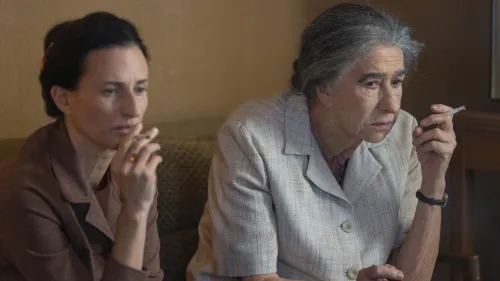
Golda Meir was Israel’s only female Prime Minister and that’s already reason enough a biopic celebrating her historical importance would be made. Oscar-winning Israeli director Guy Nattiv rose to the task and Meir’s own grandson requested British actress Helen Mirren to play the role of his grandmother (a decision that was not left undisputed). However, Miren is a virtuoso of stoic, physically confined acting and delivers a strong performance as the elderly Golda in the wake of a militarized attack on Israel coming from Egypt and Syria. Instead of being caught in the web of global politics between the Arab world, Russia, and the United States, she navigates the terrain with sustained empathy, although not without failings. The film itself describes Golda as a hero outside of Israel and controversial in her own land, and it does well enough in embodying that very same controversy.

Demian Bichir was nominated for an Oscar for his role in this movie where he plays an illegal immigrant and father. You might be wondering “who is that?”, but trust me you won’t after watching this movie. The kindness, complexity, and authenticity he brings to this story are unparalleled.
A Better Life is about the illegal immigrant experience, about the line between the fear of being caught and the aspiration for a better future. It’s an excellent and important movie.
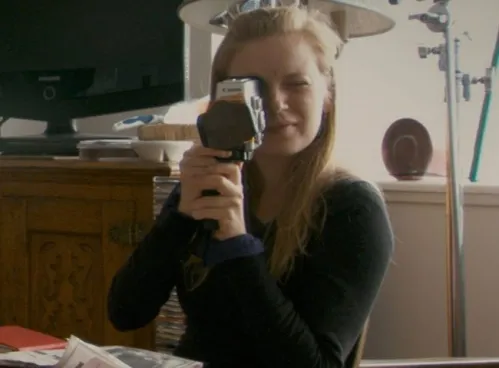
Stories We Tell got on everyone’s radar when, back in 2015, it made the list of the all-time top ten list of Canadian films. That speaks to both the caliber of this movie and its relevance to North America. It’s in fact a first-person account about (and made by) actress Sarah Polley (Mr. Nobody, Exotica, Away from Her, Take This Waltz). In the film, she investigates the rumor that she was the product of an affair, and that her father might not be her biological father. Her family and suspected fathers are all storytellers, and many of them Academy Award winners. Ultimately, the movie becomes about her family’s remembrance of her now-deceased mother (the famous actress Diane Polley). It’s an examination of how the same story can be told so differently by different people and across time. Lies get added and truths are hidden, and all of that enriches Polley’s pursuit.

A very touching film about Japanese children who are abandoned by their mother in their apartment and left on their own. It’s movie that perfectly encapsulates the world of kids and its alignment with this story is both heartbreaking and joyful. Their innocence will make you smile from ear to ear until moments come where you will shed tears. This is a film everyone should have watched, it breaks my heart how little-known it is.
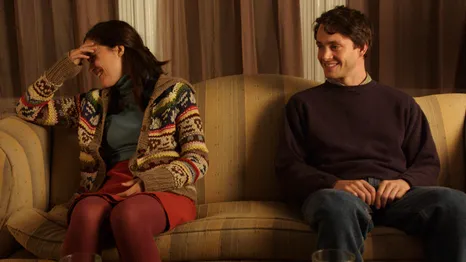
A simple and sweet movie about love, trust, and space. Adam is a 30-something year old with Aspergers syndrome, this film is about how he navigates his way through loneliness and love and all things in between. It is both humorous and slightly heart-breaking, and will leave you feeling that way as well. Maybe the reason we all belong together is that we don’t, and this movie is a beautiful examination of that.
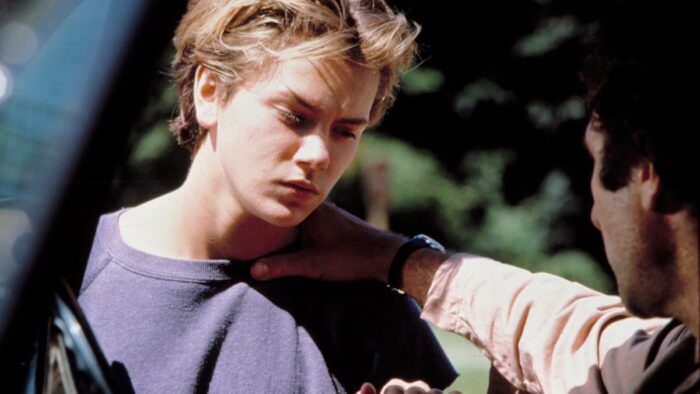
Running on Empty is a movie that covers many timely themes including capitalism, education, and social class. It tells the story of a family who have to go on the run and hide their true identity for the rest of their lives. Director Sidney Lumet’s light touch on heavy topics gives the movie a tender and intimate atmosphere throughout. Aside from the great script, River Phoenix’s performance is definitely one of the biggest highlights of this movie, where he successfully delivers a restrained yet fascinating performance. Christine Lahti and Judd Hirsch also give a top-notch performance that adds to the movie’s thrill. In short, Running on Empty is the kind of movie that shows there is courage in running away when it’s the right thing to do.

Twinsters is a documentary about a young Asian American actress, Samantha Futerman (also co-director), who is contacted over the internet by a young French-Asian woman, Anaïs Bordier, who has been shown a video of Samantha on the internet — and cannot believe their remarkably similar physical appearance. After initial perplexity and uncertainty, Samantha and Anaïs are soon embroiled in excited correspondence and travel to meet one another in their respective countries — eventually confirming via DNA testing that they are in fact long-lost twin sisters given up for adoption 25 years earlier in South Korea. A remarkable true story with a wonderfully beating heart, Twinsters does a lovely job of not just spelling out the amazing story of the sisters’ unlikely connection, but also finding and exploring the growing love and affection between both the two girls, as well as their extended families and groups of friends. A truly touching and humanistic film-viewing experience.

A documentary about girls and young women in developing nations around the world facing and confronting a myriad of cultural pressures and injustices. The personal stories of nine girls are written by celebrated female writers from their individual countries (spanning The Americas, Africa and Asia), recreated in dramatic fashion by director Richard Robbins, and narrated by famous actresses including Cate Blanchett and Meryl Streep. Despite the often horrific nature of the girls’ hardships (slavery, rape, forced marriage, etc.), the film is an uplifting testament to the power of hope and determination, and a strong advocate for education as the key to advancement for young women the world over. It’s an important cinematic achievement and an undeniably necessary educational experience.

The manic pixie dream girl unexpectedly entering a young man’s life is the subject of plenty of romance films, to the point that this plot has become somewhat overdone, stereotypical, and overly unrealistic. However, there are moments in cinema when this archetype is portrayed well– Jab We Met is one of them. It’s joyful without being unrealistic, it’s realistic without being too jaded, and as two lost souls share the same train, writer-director Imtiaz Ali creates a feeling of freedom every time then-lovers Shahid Kapoor and Kareena Kapoor save each other from the prisons of their different, day-to-day lives. And it all comes with the song numbers as fun as the film’s leading lady.
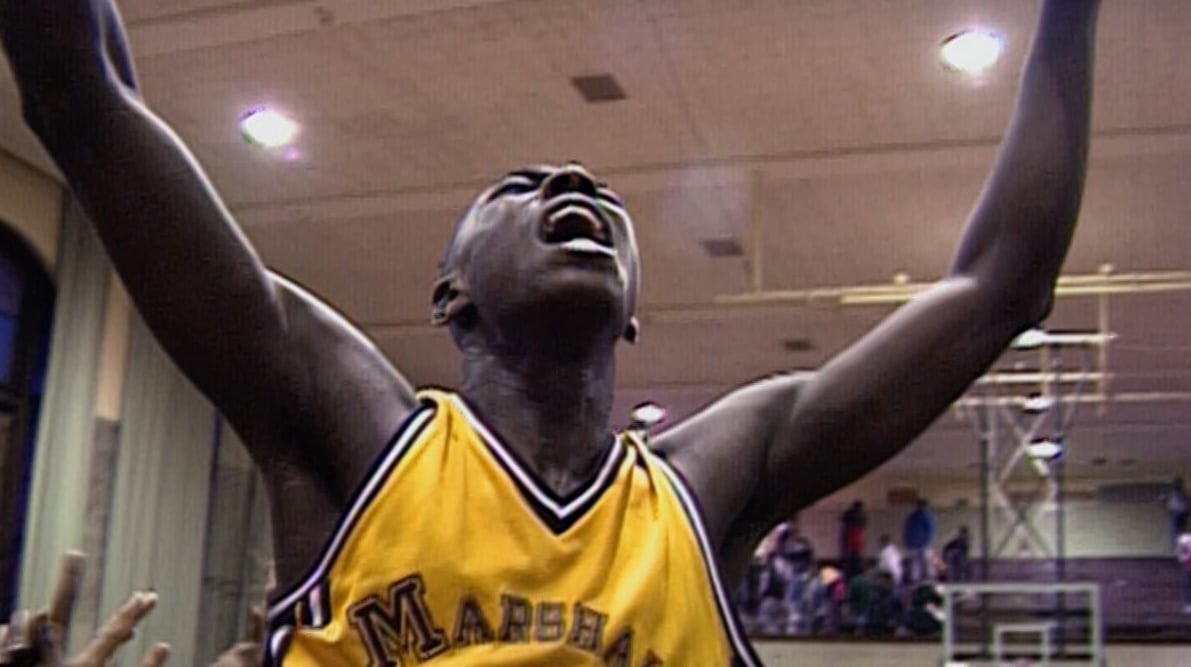
Don’t be fooled—despite being a three-hour documentary, Hoop Dreams is just as thrilling, heartbreaking, and cinematic as any sports film out there. Unlike them, however, Hoop Dreams is less of an uplifting feel-good story than it is an honest and sobering look at how the education system has failed Black communities. It’s not a complete downer, though, since we follow two hardworking and inspiring boys committed to lifting their families from poverty. While more privileged players can afford to treat basketball as a hobby, to Arthur and William, basketball is a lifeline, a rare chance to enjoy better opportunities and give their families a better life. Imagine carrying that on your shoulders while training, studying, looking for colleges, and surviving teenhood. It’s a lot, but director Steve James weaves it all beautifully. James divides the chapter into freshman, sophomore, junior, and senior years, following Arthur and William as they start on the same footing, diverge and live parallel lives (one in private school, the other in public), and eventually meet again during their final years in school. Their journeys are riveting, not least because we also get to know their families, friends, hopes, and dreams. This is riveting cinema, as socially conscious as it is competitively thrilling.
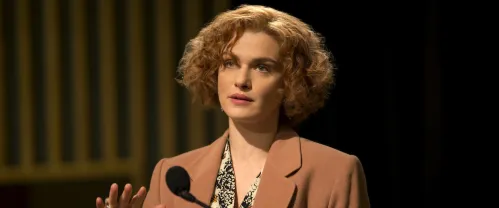
Here’s a based-on-a-true-story courtroom drama that transcends the limits of its genre by virtue of an incisive and unexpectedly prescient script. Twenty years before 2016 sent us hurtling through the looking glass and into a post-truth era, the idea that you could deny the facts as you pleased teetered terrifyingly on the brink of legitimacy when author David Irving (a suitably odious Timothy Spall) brought a UK libel suit against Deborah Lipstadt (Rachel Weisz), an academic whom he claimed had defamed him for calling him exactly what he was: a Holocaust denier.
The case was complicated by the fact that, at the time, the UK placed the burden of proof on the defendant — in other words, Lipstadt’s hotshot legal team needed to prove that the Holocaust happened and that Irving had wilfully misrepresented evidence demonstrating this. Denial captures that terrifying farcicality and the defense’s cleverly counterintuitive strategy: not allowing Lipstadt or Holocaust survivors to speak. If that sounds unsatisfying — this is the rare courtroom drama with no grandstanding speech from the protagonist — that’s the point, something the film’s title cleverly alludes to. Perhaps unexpectedly, Denial’s relevance has ballooned since its release, a fact that might hobble its hopeful ending but that only makes the rest all the more powerful.
 x1
x1 x2
x2
Before you say it, yes, Kenneth Branagh’s 1993 adaptation of the same Shakespeare play is brilliant. But it can also be true that Joss Whedon’s version is brilliant, albeit in a different way. Where the former is colorful and epic in scale, the latter is modest and intimate, not to mention closer to our time so it feels more relatable. Shot over a weekend in Whedon’s house using only natural light and his favorite collaborators, this homegrown version could’ve been amateurish and clumsy in lesser hands. But under Whedon’s helm, it feels effortlessly joyous and cooly modern. There’s more skin, for one, and backstories for another. But importantly, Whedon retains Shakespeare’s lyrical dialogue, and the effect is astounding. It sounds like it should be difficult to understand, but the lived-in performances, location, and scenarios (like sneaking out of a one-night stand) feel so familiar and grounded that the words do so too. It’s as natural as any language used in love and life.

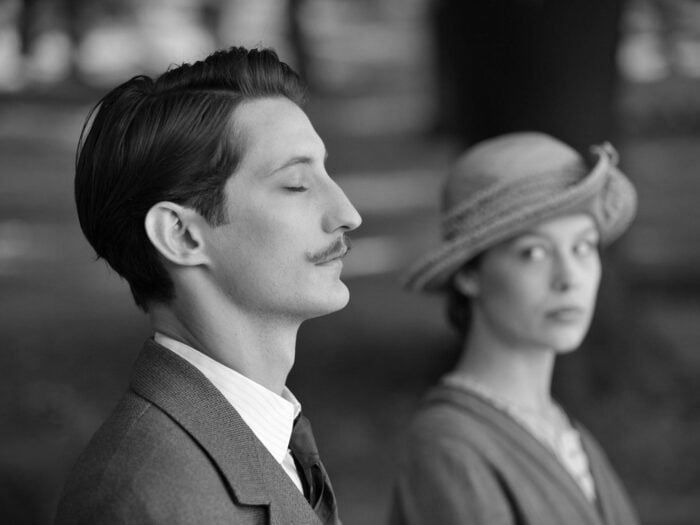
It’s always fun to watch something that makes you second guess each move, that shifts seamlessly from one thing to another. Frantz is that kind of film, and as the deceptively simple premise unfolds—a widow befriends her late husband’s friend—you’re never really sure if what you’re watching is a romance, a mystery, or a sly combination of both.
It helps that Frantz is also more than just a period piece, packed as it is with tiny but thoughtful details. When it is filled with color, for example, it does so in the muted palette of 1900s portraits, making each shot look like a picture come to life. When it talks about love, it goes beyond heterosexual norms and hints at something more potent and, at times, political. And when it takes a swing at melodrama, its actors ground the moment with enough restraint and reserve so that it never teeters on excess. All this results in a well-executed, gripping, and overall lovely film to watch.
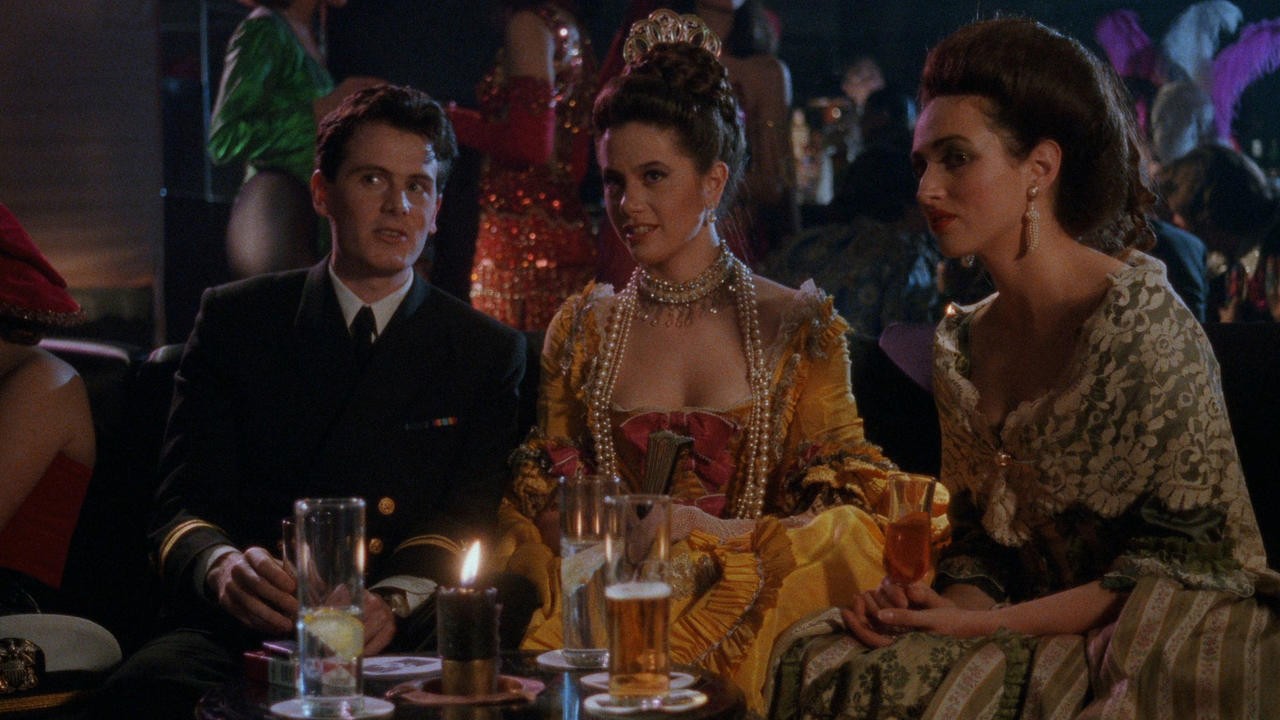
If you like and remember the small budget New Hollywood comedies that bases its humor on witty, philosophical dialogue, you will like Barcelona. It’s about two white-collared American guys who move to the titular city for work, but while the film is entirely in English, the jokes’ punchlines form as a result of the clear contrast between what they believe of their homeland, and what the city believes of them. To be fair to these guys, the film makes clear some of it stems from the unease and disorientation they feel in a new city, which anyone, American guy or not, would likely feel in a new place. But in other scenes, the small talk, the reactions, and the silly ways Ted and Fred act reveal a certain bemusement towards earnest American idealism. Barcelona won’t work for everyone, but this comedy of manners paints a picture of a generation lost in the wider world around them.
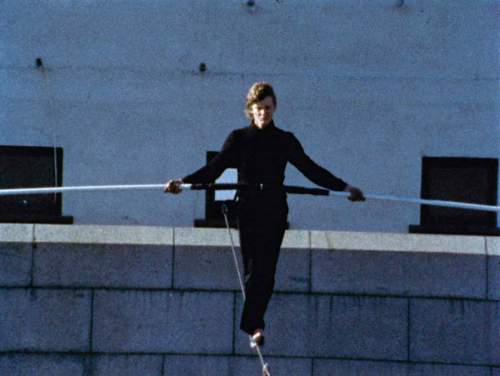
Man on Wire is a true technical masterpiece. You can almost feel the director telling the cameraman what angle to choose, or thinking about the questions that will generate the most resounding answers. However, this does not diminish the story this documentary tells one bit. It’s one that is glorious, riveting, and fun. It’s one where you feel like an insider to a world lived on and below wires, with high-stake risks. Hopefully the edge of your seat is comfortable, because this is where the movie will keep you till the very end.
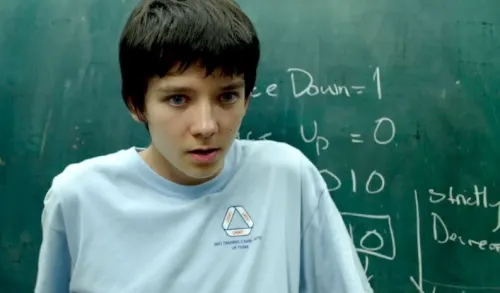
A Brilliant Young Mind or X+Y is the story of a teenage English mathematics prodigy named Nathan (Asa Butterfield) who has difficulty understanding people, but finds comfort in numbers. When he is chosen to represent the United Kingdom at the International Mathematical Olympiad (IMO), Nathan embarks on a journey in which he faces unexpected challenges, such as understanding the nature of love. This movie its so heart-warming, as you see this shy and socially awkward boy dealing with the world and unraveling his feelings.

What strikes most people about The Vertical Ray of the Sun is how idyllic Tran Anh Hung captures Hanoi, Vietnam’s capital– lush greens, the summer sunshine softened by mosquito nets, scored by the birds and the neighborhood kids and a mix of early 00s soft rock and traditional Vietnamese songs. These visuals are so beautiful that it distracts from fairly turbulent conflicts in the three relationships present in the film, the unfulfilled desires they feel, some totally forbidden, some stemming from past generations, which makes the PG rating all the more surprising. But even as the drama unfolds, the feeling of a languid summer afternoon never fades, painting the melodramatic troubles under a peaceful veneer, made subtle and humorous with the way the sisters joke, make innuendoes, and decide on family matters together.
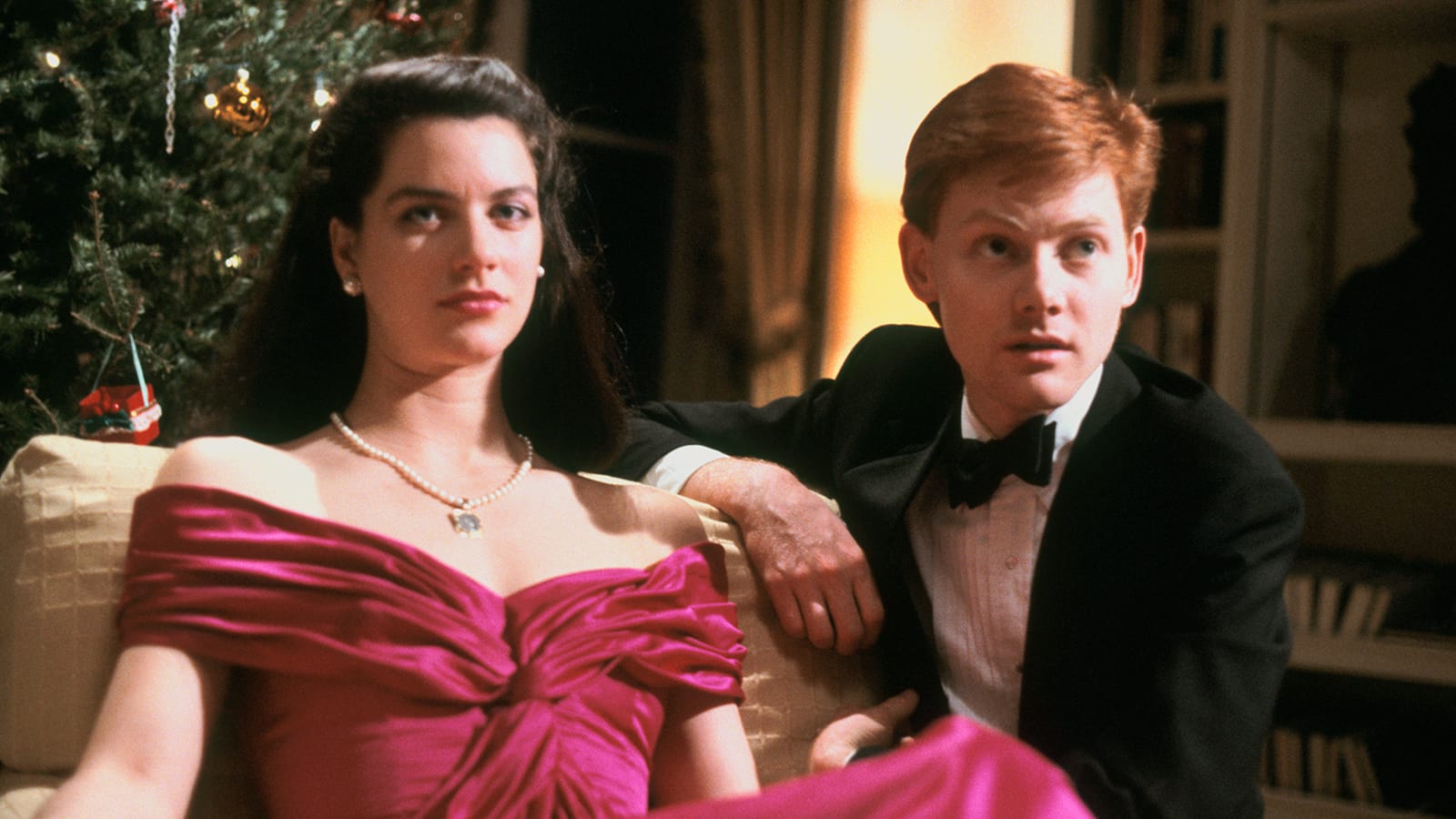
It’s very interesting, if not startling, to see an earnest movie made about the white upper class these days. Metropolitan is one such film, and even though it was released in the ’90s, it still stands the test of time precisely because it neither judges nor defends the group of WASPs it follows. It simply shows them in all their elegance and sophistication, as well as their insulation and irony.
Metropolitan takes place in the upper crust of New York debutante society, during Christmas vacation, where soirees are rampant and afterparties even more so. The young-adult leads who navigate the scene in their expensive clothes and self-important aura recall a Scott Fitzgerald novel, or if you like, Gossip Girl episode. But instead of falling into tragedies, these characters just end up in silly but relatable mishaps and misunderstandings: they’re just kids after all. And as high and mighty as they may seem, whiling away in tall Park Avenue apartments, they’re still prone to the universal pains that haunt and shape teenagers. Expect to see heartbreak, jealousy, and longing even among the brightest and wealthiest of New York.

Usually a film like this wouldn’t care to take the perspective of the perpetrator, and would instead dramatize a heavy, unsettling feeling around a victim being caught within their operation. But Felicia’s Journey doesn’t take that route– instead, at the same time, we meet both serial killer and potential victim through a snapshot of their lives, with writer-director Atom Egoyan adeptly intercutting Felicia’s Journey with Hilditch’s video-recorded childhood and Felicia’s much more natural flashbacks. It’s an interesting visual take on the 1994 novel, that doesn’t take the usual thriller motifs and that would rather linger on studying the characters. Felicia’s Journey might be Egoyan’s first non-R rated film, but it still delivers his signature uneasiness and eeriness he is known for.

See, low budget films do work! Like Crazy schools other romantic films on what they should all be: cute and sweet but also frustrating and nerve-wracking. Felicity Jones is absolutely fantastic here, she stars as a British girl who falls in love with an American, Jacob, while in college. On a whim, she overstays her visa to be with him, and then return to England to face the consequences. The intimacy this film explores really distinguishes it from others and makes for an authentic experience, as it is based on its writer/director’s own 8-year long-distance relationship. A great option if you’re in the mood for the type of suspense that pulls at your heartstrings.
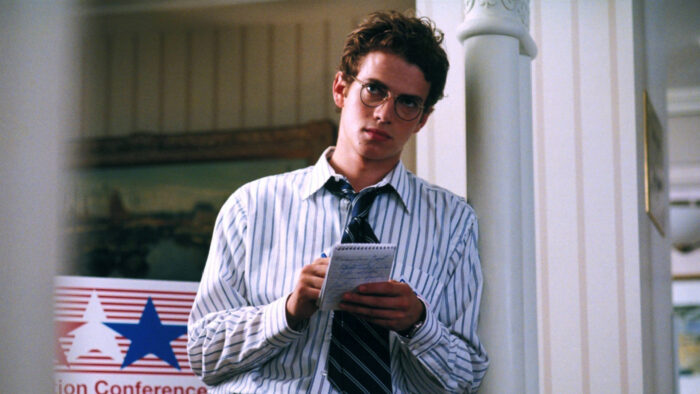
Shattered Glass tells the unbelievably true story of Stephen Glass, a popular and promising young journalist at The New Republic. Stephen’s storytelling skills are sought out not just by his admiring colleagues but by other publications as well, so when a rival journalist from Forbes finds holes in one of Stephen’s stories, no one takes the accusation seriously at first—except perhaps for Charles Lane, Stephen’s editor. Immune to Stephen’s charms, Charles digs for the truth and tries, despite an alarming lack of support, to pursue what’s right.
Set in the ’90s, Shattered Glass may be a throwback to old-school journalism, but its ideas about the integrity of facts still hold water, especially in an age fraught with rampant disinformation.

Albert Maysles’ penultimate film celebrates fashion icon Iris Apfel, who charms everyone with her quick wit, no-nonsense attitude, and love for the craft. There’s something brilliant in the way the movie starts not by rehashing facts about her, but with Apfel herself going through the process of choosing what to wear. She’s doesn’t just pick clothes; there’s a kind of careful consideration made with each item she chooses, that she remembers every detail about (from where she got them, to the culture and history behind them), and that she intentionally picks in the name of joy. While the documentary doesn’t dive too deep into Apfel’s life, the woman is just undeniably cool. Simply going through her processes and listening to her talk is already an inspiration.
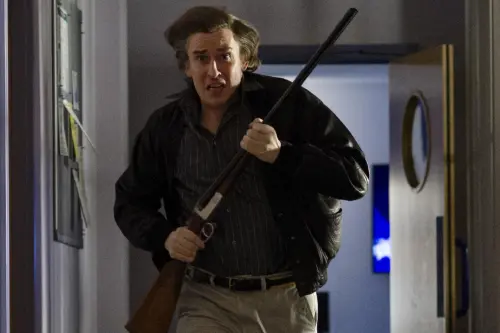
TV’s Alan Partridge — Steve Coogan’s brilliant skewering of small-time celebrity vanity — gets the big-screen treatment in this suitably parochial action thriller. The premise feels like the kind of ridiculous scenario the radio DJ would fantasize about in between songs: Pat (Colm Meaney), an ex-employee of North Norfolk Digital, returns to the station armed and takes his former colleagues hostage, refusing to negotiate with anyone but Alan. Those familiar with Coogan’s painfully self-absorbed character will foresee that going straight to his already delusions-of-grandeur-filled head, and it does; as one character puts it, he’s like a puffed-up robin.
Much of the hilarity comes from the way Alan’s obvious glee at the heroic position he’s found himself in distracts him from actually saving the day, but there is equally sharply drawn satire in the supporting characters, too. Favorites from the TV series, like Alan’s put-upon assistant Lynn (Felicity Montagu) — herself a brilliant feat of perceptive comedy — make welcome returns here, but, like Alan, their eccentricities are made accessible enough that Partridge virgins won’t feel their ignorance. With all the original writers back onboard (including Armando Iannucci, the comedy genius behind The Death of Stalin and Veep), Alpha Papa is another reliably hilarious entry in the Partridge canon. Back of the net.
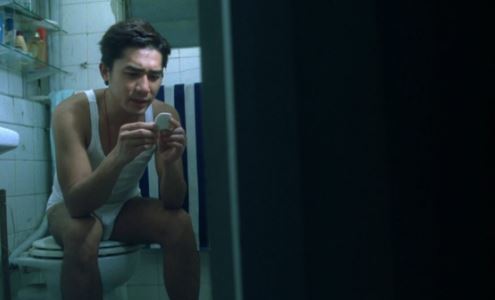
“California Dreamin'” by the Mamas and the Papas. You will fall in love with that song (if you haven’t already) after watching this movie. Two stories, entangling into one; both about Hong Kong policemen falling in love with mysterious women. It was recommended by my friend after I said I loved Frances Ha. I don’t know whether you can call this as offbeat romance.. but to me it was, and it’s well worth the watch.

Mark Ruffalo, Anne Hathaway, and Tim Robbins star in this well-executed and eye-opening drama based on a true story. Robert Bilott (Ruffalo) is a successful corporate lawyer in New York. He is visited by a distressed farmer from his hometown in Cincinnati whose cows have been developing strange behaviors and diseases. Robert decides to take on this case in what will become one of the biggest class-action lawsuits in the country: the use of cancerous chemicals by the company that commercializes Teflon (the stuff in pans). Excellent acting in an incredibly frustrating but necessary story that will trouble you more than any other legal thriller you have watched in the past: prepare to be outraged (and throw away your pans).

All of the fat has been trimmed in The Courier, a fast-paced Cold War thriller based on the real-life British businessman and Soviet intelligence officer who struck a surprising friendship as they delivered vital nuclear information to the CIA. It’s tense and high-wire, but in between moments of suspense, there’s dry comic relief and moving displays of tenderness. The pacing is masterful, and every element—from score to editing to performance—works hand in hand to deliver what feels like an old-fashioned espionage film. There are little to no frills and flourishes here, just good ‘ol spying, chasing, and whipsmart comebacks.

I didn’t know anything about the movie before watching it (this was my husband’s pick for ‘one of us picks something that the other knows nothing about’ night). It is Korean, sweet, funny, touching, unique, odd, poignant. I think the fact I knew nothing about the movie when I watched made it even more enjoyable so I hesitate to write more details in this review! Since watching it I have read that an American remake may be in the works, so I would recommend watching it before there is too much info out there about what is destined to be a less charming and successful version
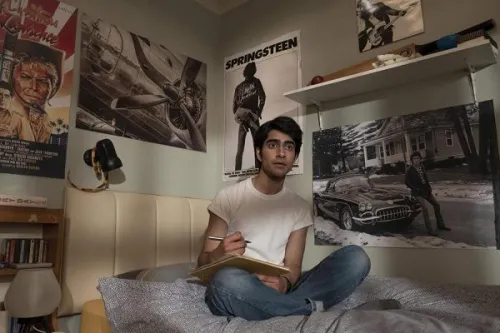
The 1980s were not a great time to be of Pakistani descent in the UK. Hate crimes are at an all-time high and the economy is suffering. Plus, there is really no good era to be a misunderstood teenager. Javed is both those things in this coming-of-age comedy based on a true story. Javed finds solace in the music of one Bruce Springsteen, relating to his themes of small-city blues and the dreams of escaping them.
All of this makes Blinded By The Light a charming movie about a lot of unpleasantness, and while it tries to be too many things (a commentary on race, a musical, a coming of age story, etc), it succeeds where it matters: to treat the story with care and intelligence.
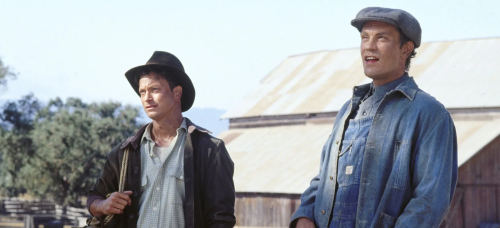
It’s not fair to say if you’ve read the book, you’ve seen the movie, but it’s also not wholly untrue. Greg Sinise’s version of the classic tale by John Steinback adds little new details to the story, so the actors have some heavy lifting to do in bringing it to life. Thankfully, they do a fine job. Sinise and Malkovich strike an affecting camaraderie, believable till its tragic end. Malkovich has the meatiest role as the mentally challenged Lennie, and to his credit, he gives the character sensitivity and grace. He isn’t always believable (or maybe I’ve just seen him in too many wry and manipulative roles), but his turn as a sweet giant is always touching. For a more recent generation, the film might bring to mind the ethical question famously asked by the NBC series The Good Place: what do we owe each other? What does George owe his disabled cousin and how far is he willing to put his life over his own? Though the parable at the core of this film is familiar, it’s nonetheless thought-provoking and heartbreaking.
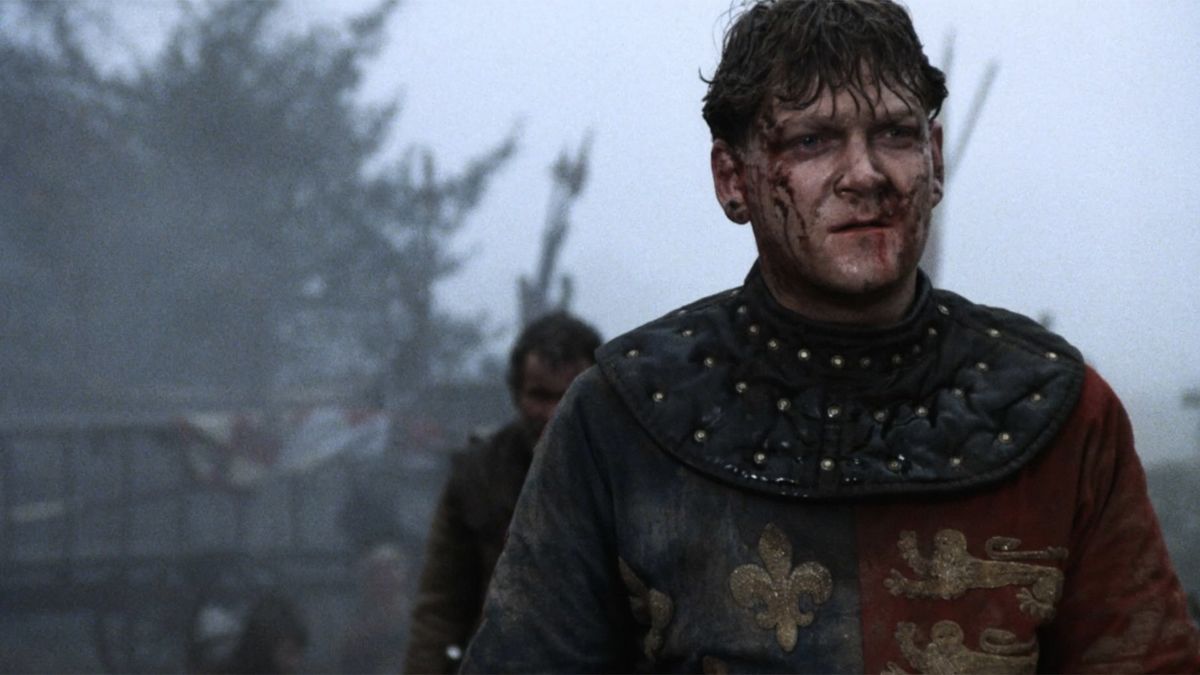
Shakespeare is a classic, not just because of the tales it adapts, but because of the innovation he made in the English language. Because of this, not every film adaptation gets this aspect right, but the one that gets the closest was Kenneth Branaugh’s Henry V in 1989. With his beginnings in theater, Branaugh steadies his directorial debut with the strength of the performances, including his own in the title role, which incorporates the language in a more accessible way. Younger viewers might prefer the straightforward prose of the latest iteration of Henry V, but Shakespeare purists would surely prefer this classic adaptation, the very debut that led Kenneth Branagh to be best known for Shakespeare adaptations.

Five orphaned sisters are put under house arrest by their uncle and grandmother after they are seen horsing around with local boys from school. While their actions were purely innocent, their behavior is viewed as scandalous and shameful by the conservative elders in their small Turkish village. After this incident, their grandmother turns her attention towards marrying off her granddaughters. Each of the five sisters rebel in their own way, but it is the youngest and rowdiest sister, Lale, who is the central protagonist of the film. She watches helplessly as each of her older sisters is married off with an increasing sense of dread and desperation. While this may sound hopelessly depressing, the movie is equal parts beautiful and tragic and floats across the screen in a dreamlike manner. Not all of the sisters escape their oppressive surroundings or their assigned fate, but the message is clear: it’s crucial to try.

This intimate and personal film is about Sibil Fox Rich, an entrepreneur and mother of six. Fox is driven by an unparalleled, contagious determination to succeed — so present in the mix of video diaries and present-day footage of her in Time.
For the past 20 years, Rich has channeled that tenacity towards the release of her husband, who is serving a 60-year sentence.
Through the video diaries and family footage, Time feels almost too personal. It’s like stepping into a person’s most intimate moments for 81 minutes, with all their ups and downs.
It could be seen as a commentary on the deeply flawed American justice system, but at its core Time is an uplifting portrayal of resilience, true, long-lasting love (she and her husband were high-school sweethearts), and boundless hope.

Filmed as a “found footage” of a Norwegian college film crew investigating local poachers, this movie really surprised me. To be fair, I didn’t really know what to expect. But I definitely didn’t expect to like this movie as much as I did. The pacing is on point. The suspense hits you at just the right times. There are a few drops of humour trickled throughout to keep a smile on your face. And that’s how my face stayed when the credits rolled.
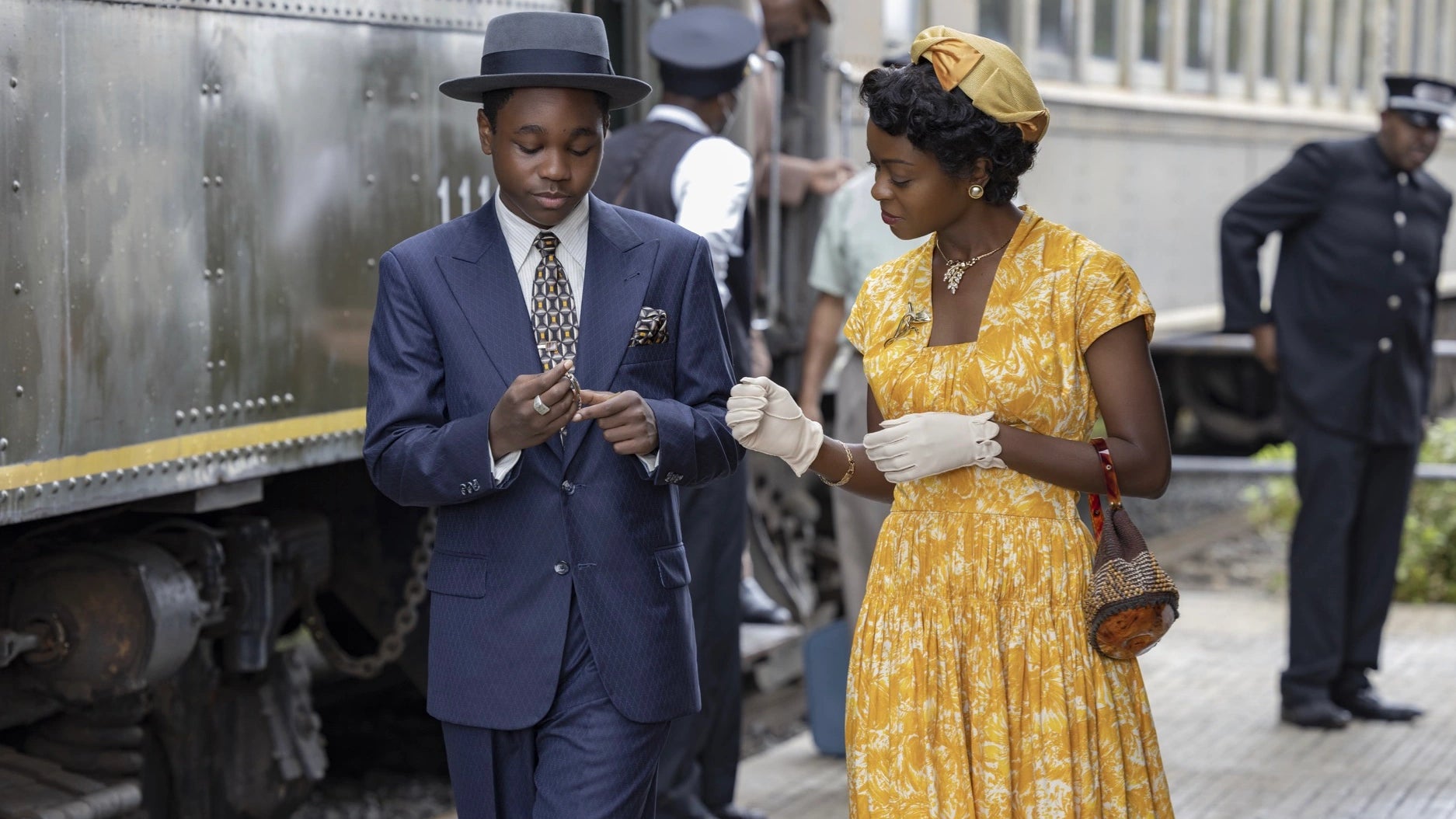
Till is a very political film. It’s charged with the kind of rage and electricity that enables thousands to mobilize for a cause. But before it explodes into something grand, it begins with the small details of everyday life. A mother admires her son as he dances to his favorite song. She buys him a new wallet and goes over the things they’ll do over the summer. These things seem trivial, but they reveal the humanity that sometimes goes overlooked in telling epic stories such as these.
To be sure, Till is a necessarily brutal film about grief and justice, but it’s also about how political movements are borne out of small and personal devastation. This nuance, along with a jaw-dropping performance by Danielle Deadwyler, makes Till a standout: a powerful entry in a long line of social-issue dramas.
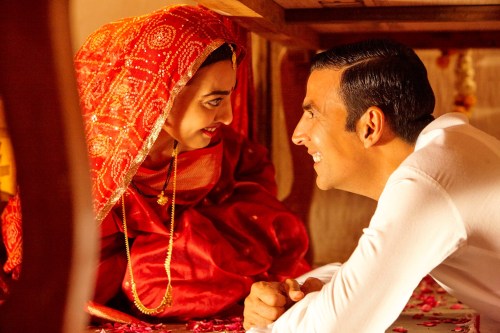
We’re not aware of the reason why Pad Man didn’t just adapt Arunachalam Muruganantham’s life straight up. The biopic replaces their names, but the general story is the same, with Lakshmi creating a cheaper way to make sanitary napkins despite social stigma. Admittedly, it has all the cheesy biopic story beats. It gets frustrating to see society find even the mention of menstruation impure, to the point they’re willing to let women die from infection. However, this familiar approach makes sense for a topic that still retains some stigma around the issue. While the film plays it safe, Pad Man at least ensures that the real guy’s story is spread.
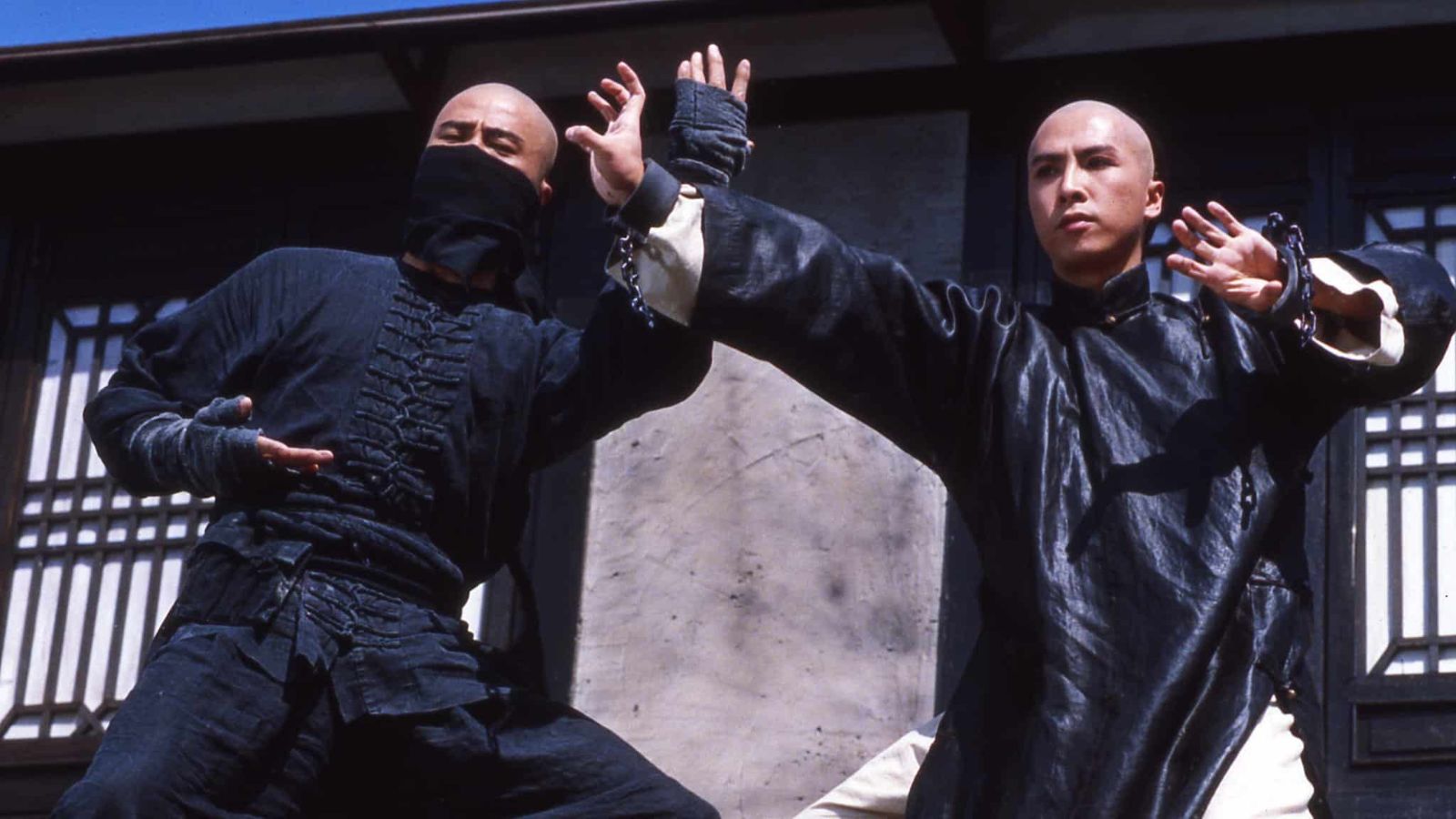
Say what you will about Quentin Tarantino, but when he recommends a martial arts film, you just have to watch it. Like plenty from the genre that Tarantino’s inspired by, Iron Monkey has the same stylish, badass action that Hong Kong cinema is known for, with spectacular wire-work choreography, excellently shot fight sequences, as well as the goofy slapstick comedy that punches in some quips between hits. But what makes the film work is the folkloric story– it’s not quite as astounding as Crouching Tiger, Hidden Dragon, and it’s all packaged in a familiar Robin Hood-esque plotline, but with a fantastic Donnie Yen and a script that rightly makes fun of the incompetent, corrupt cronies that rules over this small village, Iron Monkey does justice to the genre and to the actual folk hero the story was inspired by.
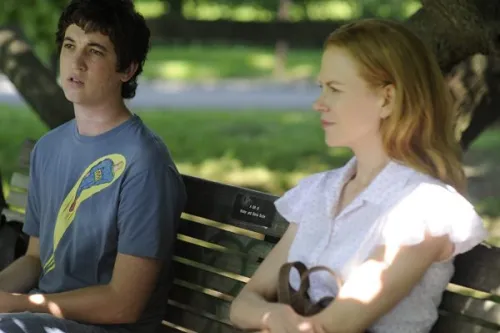
Nicole Kidman, Aaron Eckhart, and Miles Teller star in this subtle drama about the state of a couple eight months into dealing with the sudden loss of their son.
The movie is based on a David Lindsay-Abaire play by the same name which won a Pulitzer Prize. It deals with the timeline of grief, and whether such a thing even exists: can the couple attempt to move on after 8 months? What about 8 years, like another couple they meet in a counseling group?
It’s also about how the differences in grief create tensions: the mother wants to donate the clothes and sell the house because she doesn’t want to be reminded of the event. The father wants to hold on the memory instead.
Rabbit Hole, like its source material, is sad, but its realistic approach and excellent performances make it nothing more than a perfect reflection of how complicated life can be.
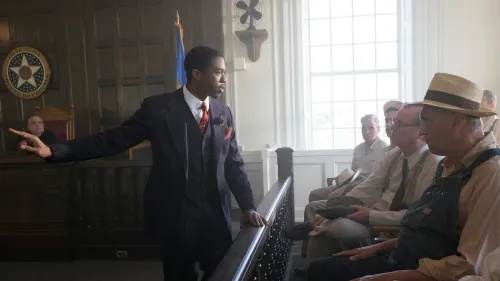
Biopics usually try to capture the entirety of a life, but on occasion, they try to capture that life in a snippet, in a short period of time that could encapsulate what the subject did and what they stood for. One such film that does this is Marshall. It’s not a bad idea to depict the first African-American Supreme Court justice through one of his numerous civil rights cases. It’s a straightforward way to depict his brilliance while also capturing the tangible stakes of every case he took on, and Chadwick Boseman captured that charisma through his excellent performance. That being said, given Marshall’s legacy, it feels disappointing to see his landmark cases only tacked on as a postscript epilogue. While a juicier case could have better captured the man, Marshall nonetheless works because of its performances.
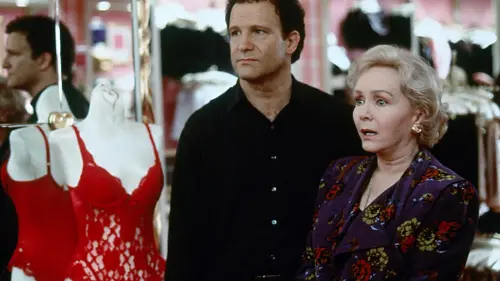
Only a writer of Albert Brooks’ comedic and perceptive talents could turn the premise of an insecure middle-aged man having romantic trouble into something genuinely funny and poignant. Brooks appears as his signature brand of self-loathing boomer here: he plays John Henderson, a middling novelist who’s recently gone through a second divorce. When he finds himself in the unenviable position of having to start afresh in his forties, John first decides he needs to get to the bottom of his recurring failures with women. In keeping with the neurotic preoccupations of his characters, Brooks has John take the psychoanalytic approach by going back to the source: his mother.
To better get to the root of his hang-ups, John temporarily moves back in with Mrs Henderson, whom Debbie Reynolds plays as a hilariously blithe foil to her manic, insecure son. Brooks and Reynolds’ fractious rapport is tortuously true to life: John finds her petty habits maddening, while she doesn’t seem to understand his life or his work — an obliviousness that, it turns out, might run the other way, too. Cleverly turning the self-obsessions of its lead character on its head, Mother is a wry comedy full of insight and unexpected sweetness.

This movie originally caught my eye for all the attention it got at the Cannes festival, but I assure you, all of the hype is more than warranted. Two Days, One Night takes you on an emotional journey with Sandra, recovering from depression and ready to get back to work, when she discovers that her co-workers, having to choose between receiving a bonus and Sandra keeping her job, hold her fate in their hands. And thus, barely convinced herself and with her husband as her only support, she sets out on an unlikely mission to convince the people to vote against the bonus so that she still has a salary.
This movie will strike a chord for anyone who has encountered depression or even simply tried to understand the abstract concept that it is. Marion Cotillard flawlessly portrays through Sandra the desperate struggle of having to put up a fight despite the utter hopelessness that she finds herself drowning in. At strife with herself, watching her try even though every cell in her body has given up, is gut-wrenching and awe-inspiring at the same time. Before long Sandra’s fight on the lay-off and on her own hopelessness seem to blur together. Whether she wins, is what keeps you hooked to the very end.
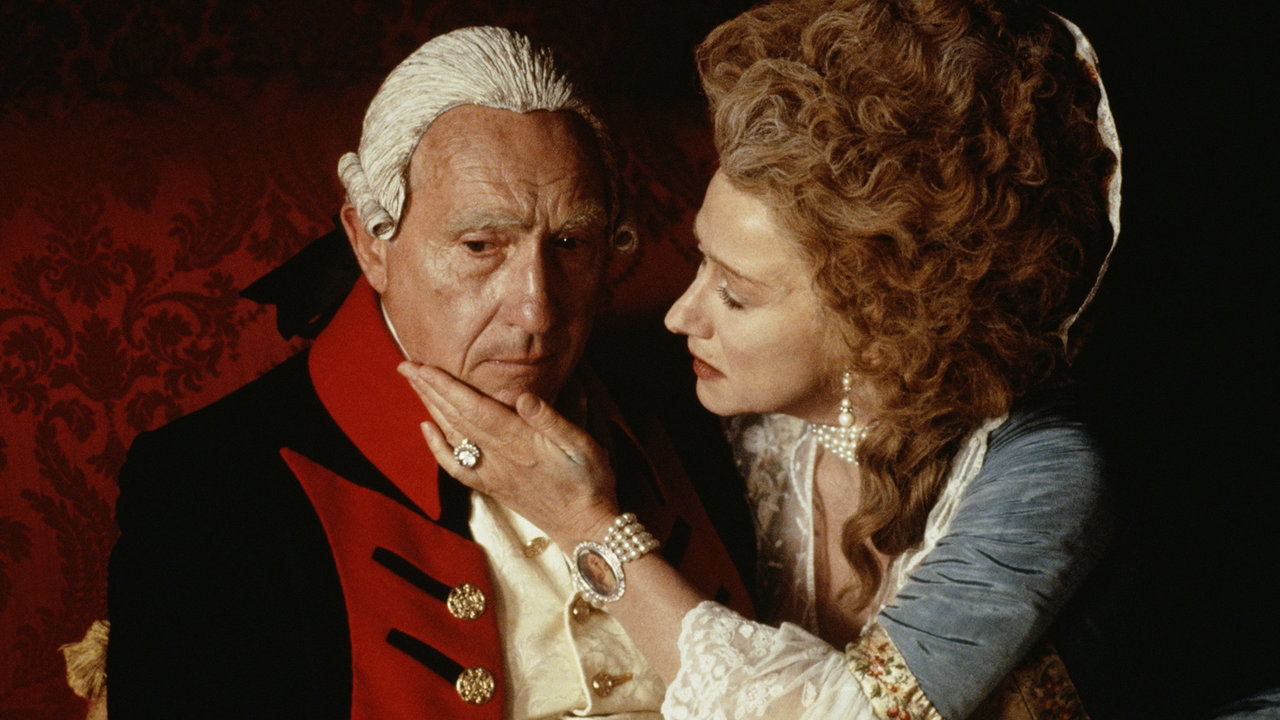
At first glance, The Madness of King George seemed like a history lesson about King George III. Like plenty of British royalty dramas, the film has all the opulent trappings in its sets and costumes, as well as some of the best actors from the British isles. However, unlike other depictions of the monarchy, the film depicts the king not as a benevolent ruler or oppressive tyrant– instead, King George III is terribly human, with his memory failing, being unsettled by loss, and concern over his health, which involves having to look at his urine. But the historical satire, based on the 1991 stage play, still manages to have the same mockery towards the opportunistic court, while still retaining sympathy for the very nobility it mocks, through original playwright Alan Bennett’s adept writing, as well as the excellent performance of the stacked ensemble cast.
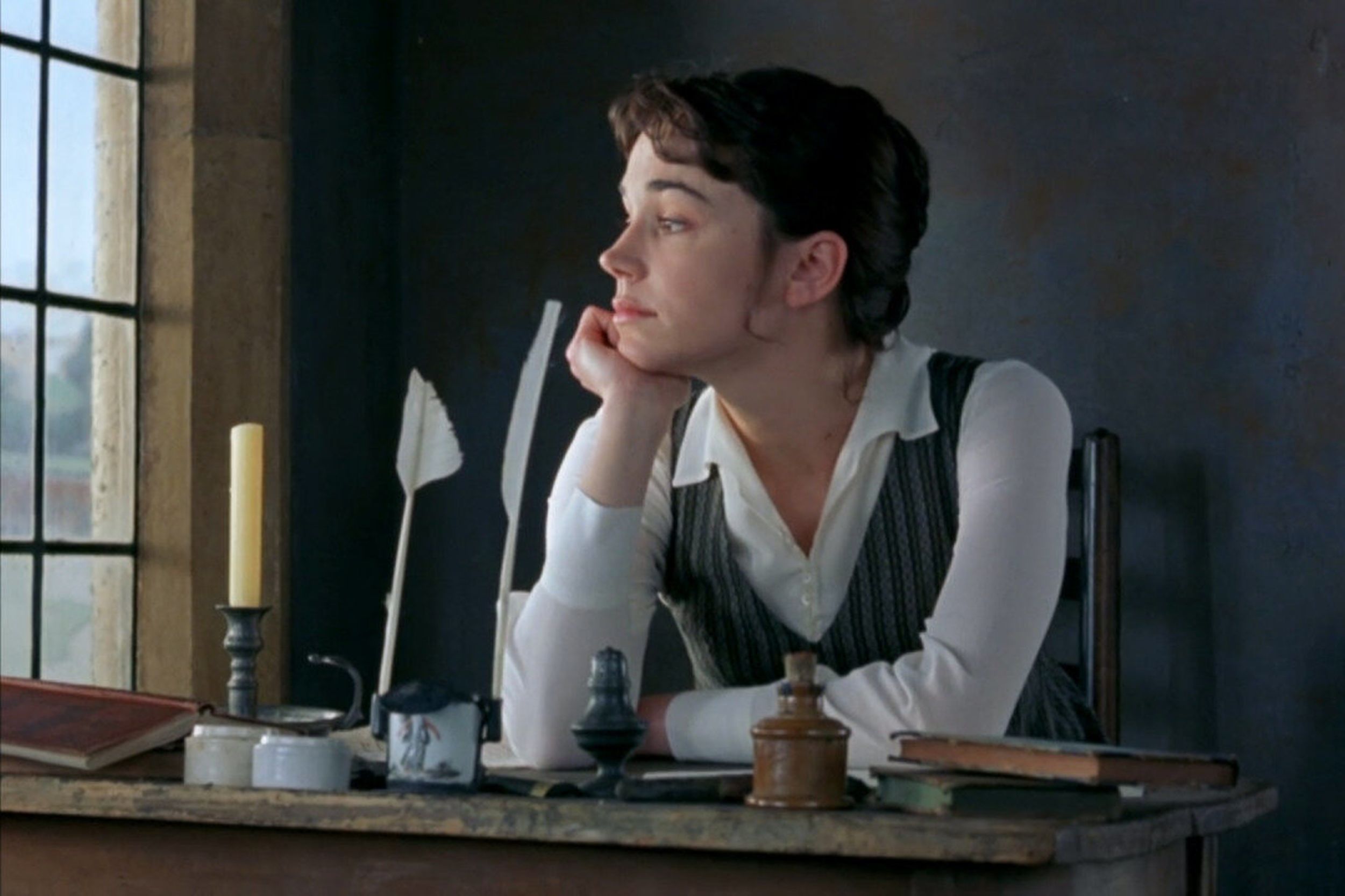
While better known for Pride & Prejudice, Emma, and Sense & Sensibility, Jane Austen wrote Mansfield Park, a novel that garnered differing critical interpretations, but still intrigued readers even today. The 1999 film adaptation does capture some of the original novel’s ideas, such as Fanny’s modesty, the Cinderella-like submissiveness as means for survival, and the quiet strength to remain as herself, but it also expands on certain elements that were mostly only alluded to in the original, such as the elements pulled from Jane Austen’s actual life and her own sympathies for anti-slavery. While the film isn’t fully faithful to the original novel and should be considered its own, Mansfield Park does retain some of the essentials that makes it distinctly Austen.

Alex Honnold might not be the most relatable guy ever, but his obsession with free solo climbing and his single-minded approach to life makes him so interesting. He’s precisely the type of person that chooses to follow his goals, at the expense of everything else. To a certain extent, he has to be — without whole-hearted commitment to the sport, he could literally die. It’s no wonder someone decided to document his climb of Yosemite’s El Capitan wall—a wall that’s 3,000 feet high and hasn’t been free-climbed alone before. The journey is visually stunning and a technical marvel in and of itself. However, what’s most memorable about this film is the character study of Honnold: he has an indescribable instinct that outsiders could only call a death wish. His emotional detachment might make this a frustrating film to watch, but Free Solo serves as a unique portrait of a man who spits at the face of death.

When a woman that looks like the love of your life randomly shows up at an empty train station, but strangely has no memory of you, maybe you should try to confirm their identity first– doppelgangers do exist, after all. But aside from this detail, there’s a certain charm in the way Be With You unfolds, as the family gets a second chance to cherish a loved one, and as Woo-jin indulges in sharing their love story, a story that Woo-jin understandably doesn’t want to forget. Be With You doesn’t reinvent the entire genre, and it would inevitably be compared to the 2004 Japanese original, but this Korean remake does it so well, celebrating the way love transcends lifetimes.
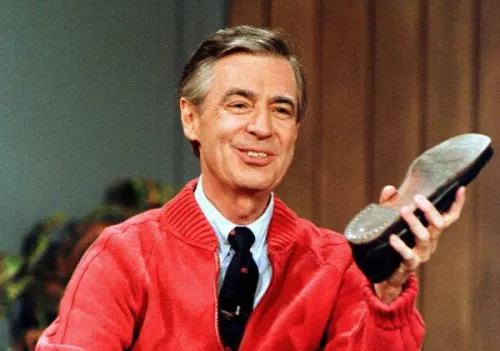
If you grew up watching Mister Rogers’ Neighborhood, you may find yourself now humming along: It’s a beautiful day in this neighborhood, a beautiful day for a neighbor, would you be mine? Could you be mine?
If you did not grow up watching this iconic children’s television program, you may still be familiar with its host, the late Fred Rogers. Rogers was an advocate for empathy and extending kindness toward people of all races, religions, and ages. He never talked down to the neighbors who paid him visits on the show, which aired from 1968 to 2001, even while tackling heavier subjects like grief, divorce, and loneliness.
Morgan Neville’s Won’t You Be My Neighbor best captures Rogers’ ability to build communities and make you, the viewer, feel less alone. Through interviews and archival footage, a clear portrait emerges of Rogers’ legacy and singular force of goodwill. Both the documentary and Fred Rogers’ spirit serve as reminders that each of us are worthy of love, exactly as we are.

For a while, tigers roamed Korea, garnering fear and respect, as the clawed creature resembled the peninsula. However, tigers roam no more due to Japanese occupation in the early 20th century. The Tiger: An Old Hunter’s Tale takes these historical facts to create a thrilling adventure drama– where man versus the titular beast are compelled to meet again due to political pressure, the government bounty, and personal revenge on both parties. The CGI is occasionally spotty, and the relationship between father and son isn’t as developed as the one between hunter and tiger, but the face-off between the opponents and their shared history makes The Tiger a good movie to watch.
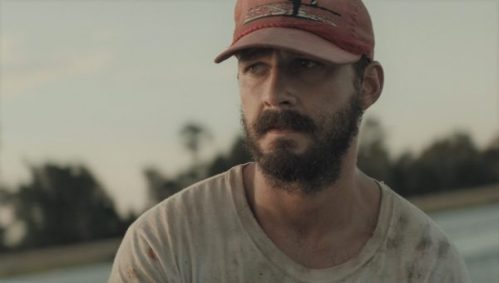
This buddies-on-the-road drama was the highest-grossing independent film of 2019, which tells you everything you need to know about it: it’s familiar, but it’s not overblown.
A fisherman (Shia LaBeouf) has to flee after vandalizing the property of a rival fishing group who bully him. On the way, he meets a man with Down syndrome, who, unexpectedly, is on a journey to become a pro wrestler.
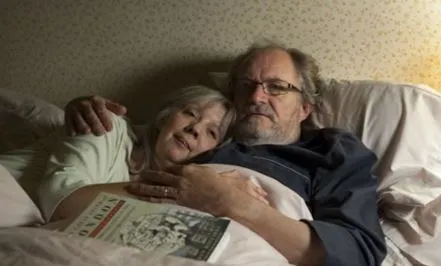
This is a very nice movie about a lovely older couple named Tom and Gerri. It follows their lives for an entire year, as they work at their jobs, invite friends over for dinner, and work in their garden. They live modest but fulfilling lives, and they seem mostly happy and very much in love, a rarity in the movies. This probably sounds horribly boring to most people, but since Mike Leigh is the director, the film is instead a touching and realistic portrayal of love and how people spend their time together. We should all be so lucky as to live a life as charmed as the central couple in this film.

After an initially disappointing breakthrough attempt to Hollywood, Jackie Chan pivoted back to Hong Kong, unexpectedly creating an iconic film franchise and maybe perhaps one of the best martial arts movies ever made. Police Story seems to be a simple story at first, but it was through this film that Chan’s spectacular stunts evolved for a more modern setting, incorporating slapstick and action choreography into a definable style, while also questioning the ways Hong Kong police conducted themselves at the time. Police Story is Jackie Chan at his best, pushing an entirely new standard for action films all over the world.
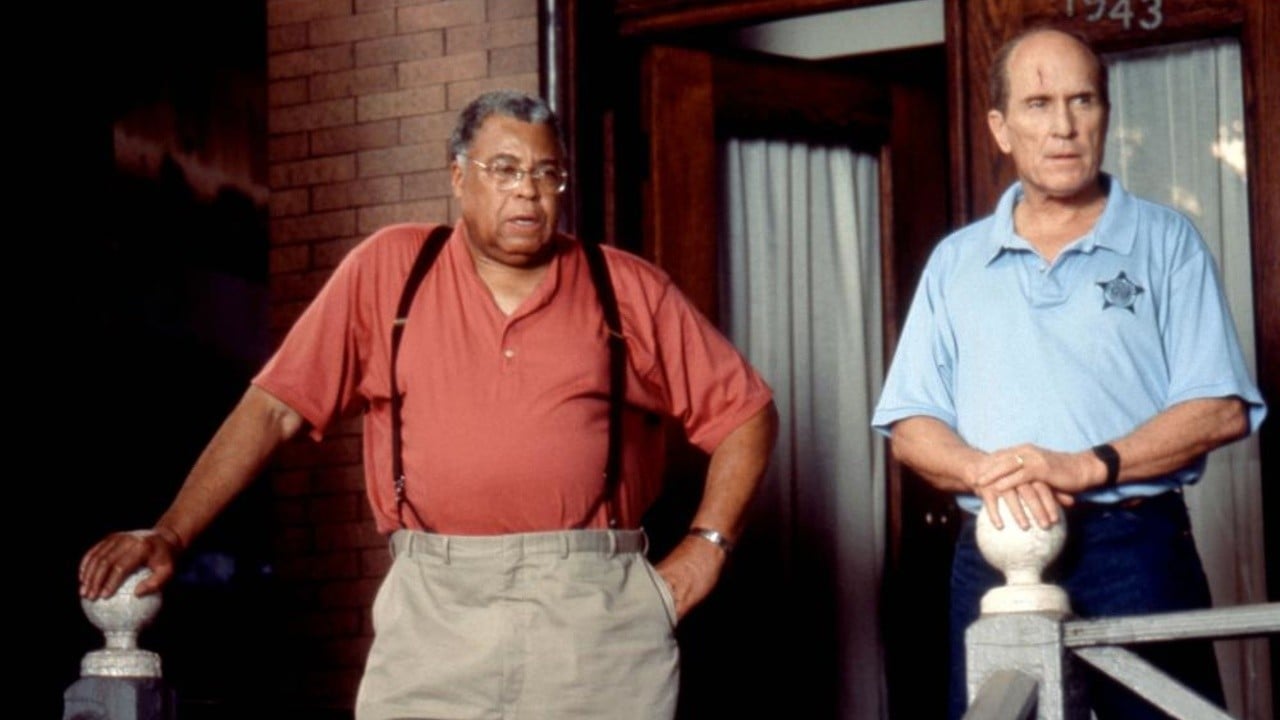
There are certain things in a family that are kept secret from kids, especially when it paints the parents in a negative light. One such secret is that a parent betrayed the other, leading to the existence of another family. A Family Thing takes that secret in Arkansas, in a story of two brothers divided by race, that is more common than acknowledged in America. While the film could have delved deeper into the divide, Robert Duvall and James Earl Jones deliver great performances, crafting brotherhood slowly bridged by curiosity, despite its difficult beginnings. A Family Thing is an underrated family drama that could’ve gone wrong, but it works because of the writing and the performances.