100 Best Movies on Plex Right Now
While Plex has a plan for $4.99 that allows you added features (such as downloads and HD support), you can watch many great movies on there for free. Below, we count down our best movies on Plex.
Jump to the top 10:
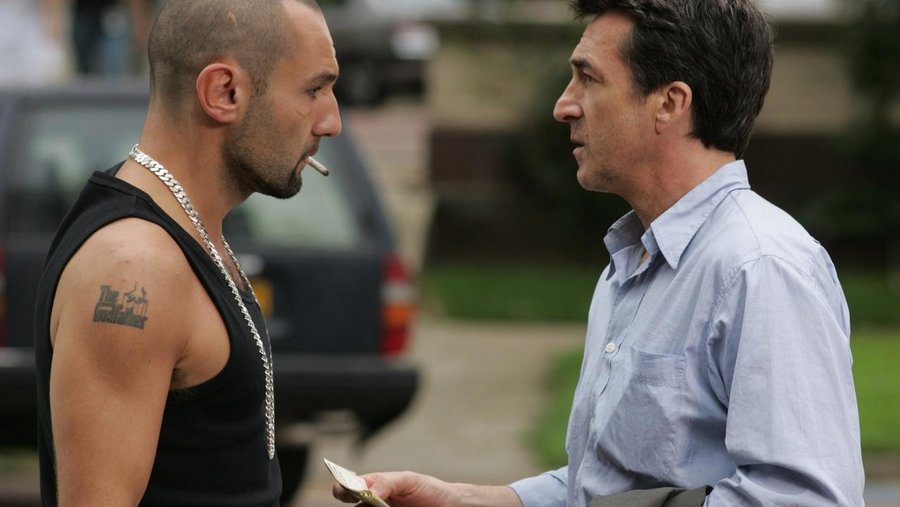
Francois Cluzet, who you may remember from The Intouchable, plays a man whose wife is killed and is accused of murdering her. To make matters even more confusing, signs that his wife is actually still alive surface. This well thought out thriller is at all times the furthest thing from boring and has, among other great components, well crafted chase scenes as the protagonist looks for 8 years of unanswered questions.

A popular chef loses his job and respect after a bad review. He ends up with a food truck and tries to show the world he still has his creative side, while at the same time trying to fix his broken family. Chef is a heartwarming feel-good movie, after you finish it you will want to cook, love your family, travel, and spread the love. One of my favorite movies, I see myself happily watching it again numerous times.
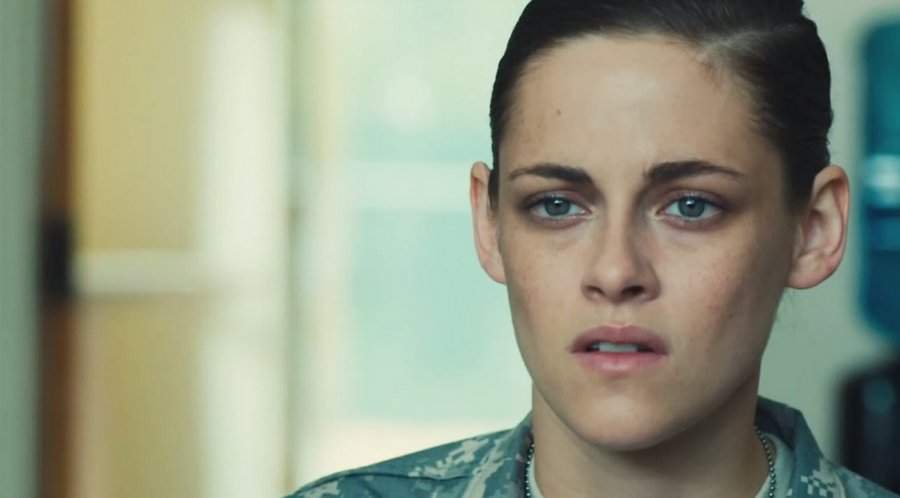
This is Kristen Stewart’s proof that she is more than a lip-biting, vampire-loving teenager. Reactive and emotive, she will not disappoint you here. Rather, expect an electrifying and exceptional performance. Paired with Payman Moaadi, they both make of this work an emotionally poignant movie that questions the notion of freedom in the unlikeliest of places: Guantanamo Bay.

A sincere portrayal of the gritty British working class life through the coming-of-age story of a girl who loves rap music and dancing to it. It features a stunning and powerful performance from newcomer Katie Jarvis who had no acting experience whatsoever, and who was cast in the street after she was spotted fighting. She plays Mia, a 15 year old teenager whose world changes drastically when her mother’s new boyfriend (played by Michael Fassbender) turns his eyes to her. Don’t watch this movie if you are looking for a no-brainer, definitely do watch it if you are interested in films that realistically portray others’ lives and let you into them.
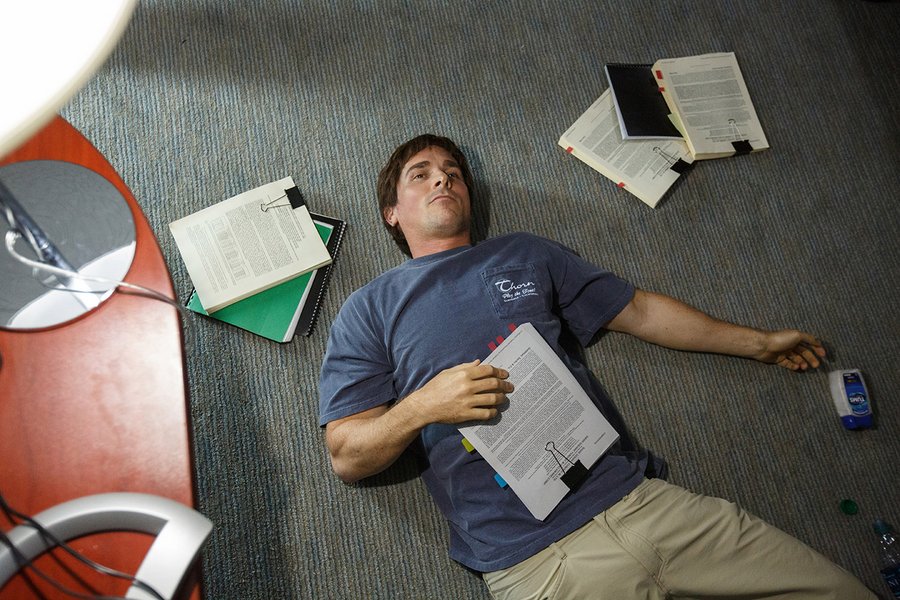
Based on Michael Lewis’ 2011 non-fiction book, The Big Short follows several disparate Wall Street insiders who predicted the housing market crash of 2007-2008, and bet against the market for huge financial gains. It’s a fascinating look into the inner workings and disrepair of the modern banking industry. A great cast of big names (Bale, Carell, Gosling, Pitt) carry the viewer through all of the intricate complexities of mortgage backed securities, collateralized debt obligations, etc.— and make it all both enthralling and highly enjoyable. Kudos to director/co-writer Adam McKay for making it work so well: balancing the humor, frustration and absurdity, punching it up with off-the-wall yet effective asides, and giving us a comprehensible education on the economic meltdown that affected so many millions of people so dramatically. It’s a legitimately important film that everyone should see.
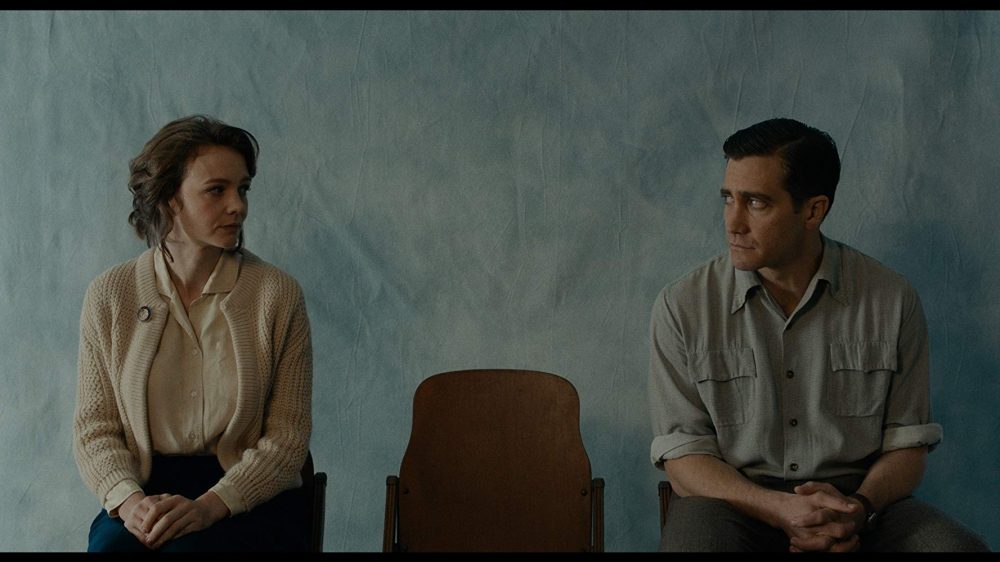
A powerful but quiet movie directed by Paul Dano and based on a novel of the same name by Richard Ford. It stars Carey Mulligan and Jake Gyllenhaal as a couple who move to a new town with their only child during the 1960s. Their relationship transforms after Gyllenhaal’s character loses his job as a butler and chooses to leave for a more dangerous profession, firefighting. This movie is about his wife’s response to this event and the implications of both parents’ behavior on their kid. There are no twists or turns, exciting action or plot; but Wildlife doesn’t need any of that. This moving story about a decaying family unit is portrayed in the sadness that comes with such events. The only joy comes from watching the outstanding (but expected) performances of the cast.
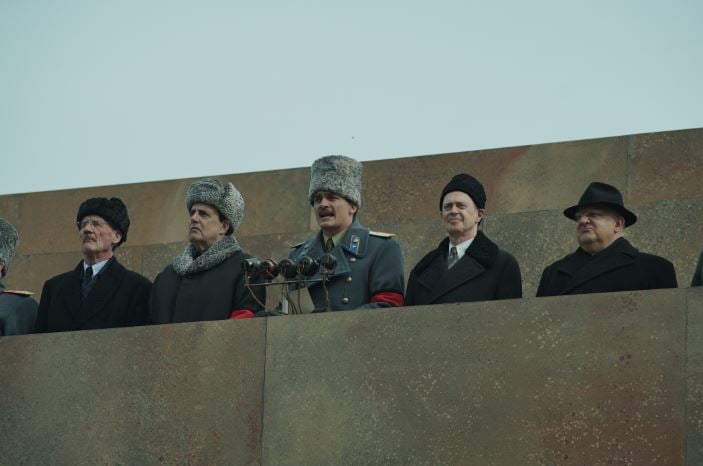
This is a hilarious political comedy starring the ever-great Steve Buscemi. Set in the last days before Stalin’s death and the chaos that followed, it portrays the lack of trust and the random assassinations that characterized the Stalinist Soviet Union. Think of it as Veep meets Sacha Baron Cohen’s The Dictator. Although to be fair, its dark comedy props are very different from the comedy that comes out today: where there are jokes they’re really smart, but what’s actually funny is the atmosphere and absurd situations that end up developing.
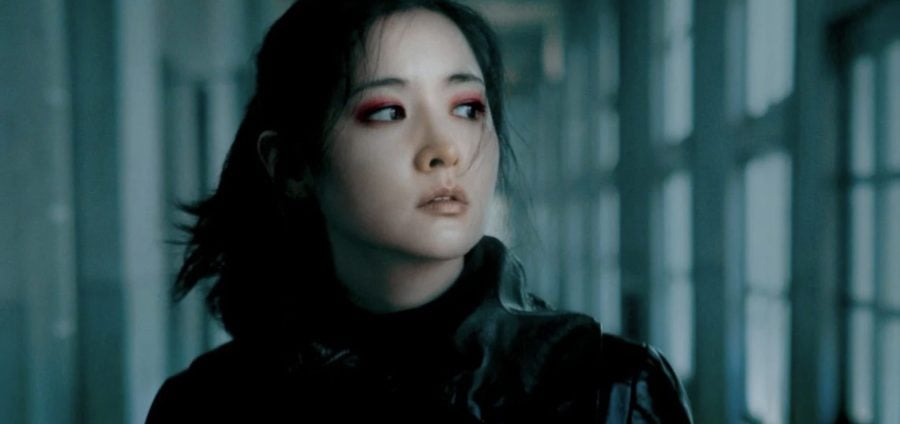
This Park Chan-Wook classic is the third part of a trilogy of films around the theme of revenge, following Sympathy for Mr. Vengeance and Oldboy. While ultimately unique, Lady Vengeance is a thriller set in a prison, in the vein of films such as the Japanese action drama Female Prisoner #701: Scorpion. After being framed and wrongly convicted for murder, our protagonist seeks out the true perpetrator of the crime –– but more than anything else, she seeks vengeance.
This film’s run time is 115 minutes and every second is essential. There is often gratuitous violence perpetrated by men against women in film, however Lady Vengeance takes back control and for that reason it remains one of my favorite revenge films.
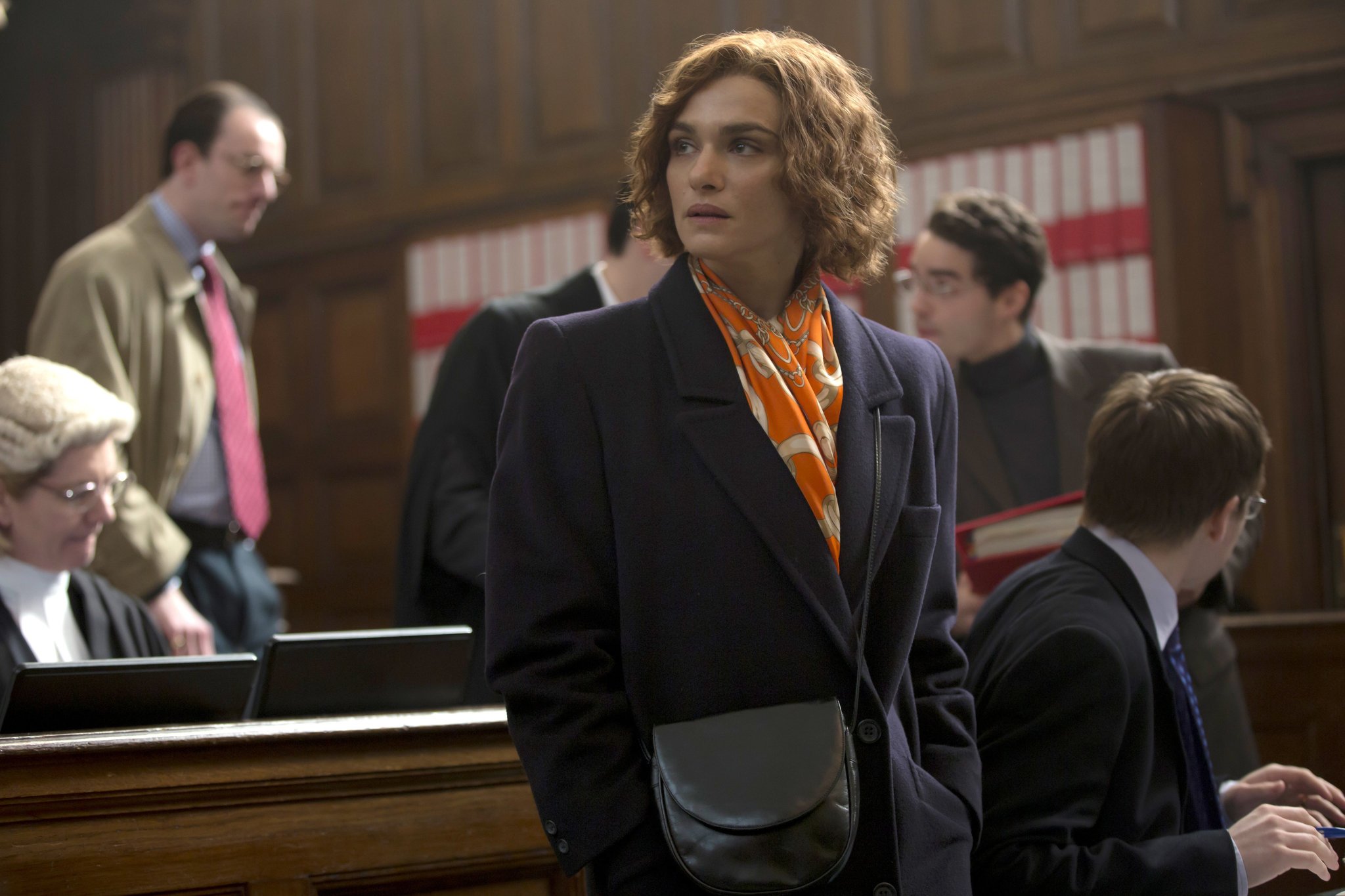
Here’s a based-on-a-true-story courtroom drama that transcends the limits of its genre by virtue of an incisive and unexpectedly prescient script. Twenty years before 2016 sent us hurtling through the looking glass and into a post-truth era, the idea that you could deny the facts as you pleased teetered terrifyingly on the brink of legitimacy when author David Irving (a suitably odious Timothy Spall) brought a UK libel suit against Deborah Lipstadt (Rachel Weisz), an academic whom he claimed had defamed him for calling him exactly what he was: a Holocaust denier.
The case was complicated by the fact that, at the time, the UK placed the burden of proof on the defendant — in other words, Lipstadt’s hotshot legal team needed to prove that the Holocaust happened and that Irving had wilfully misrepresented evidence demonstrating this. Denial captures that terrifying farcicality and the defense’s cleverly counterintuitive strategy: not allowing Lipstadt or Holocaust survivors to speak. If that sounds unsatisfying — this is the rare courtroom drama with no grandstanding speech from the protagonist — that’s the point, something the film’s title cleverly alludes to. Perhaps unexpectedly, Denial’s relevance has ballooned since its release, a fact that might hobble its hopeful ending but that only makes the rest all the more powerful.
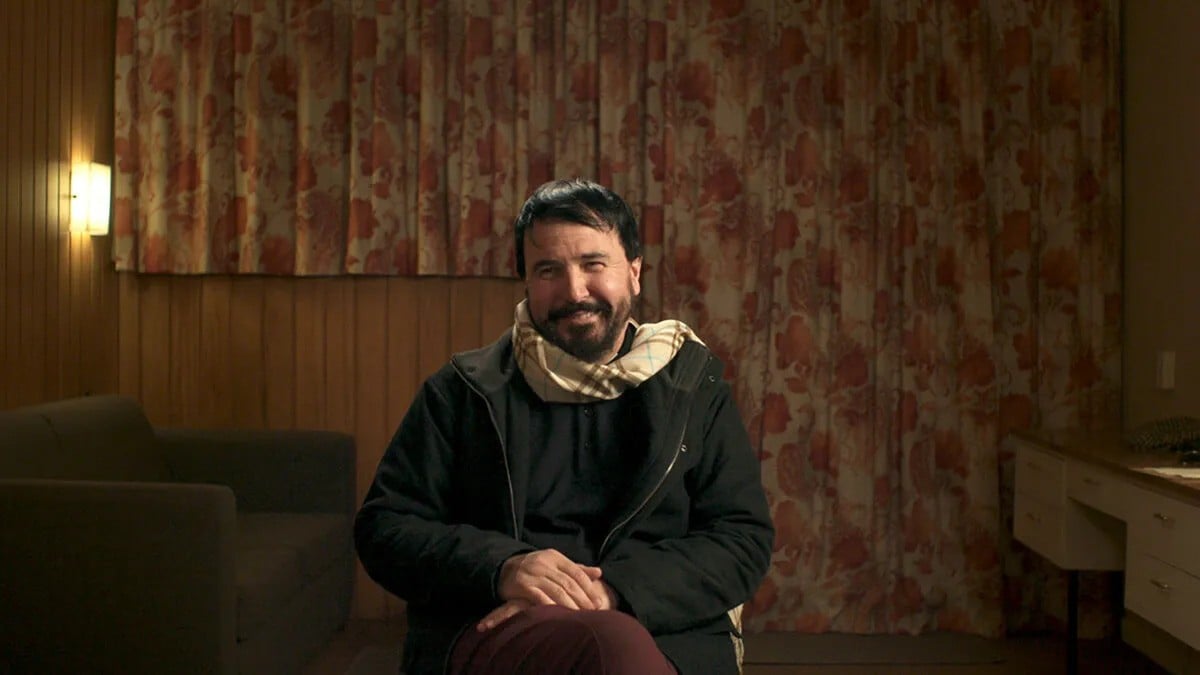
This documentary from journalist David Farrier, New Zealand’s answer to Louis Theroux, plays more like an out-and-out horror movie. But don’t be fooled by the serial killer connotations of its title — the real Mister Organ’s crimes are (mostly) psychological and have no obvious motive, making him quite a bit scarier than your usual screen villain. Described as a “parasite,” “terrorist,” and a “black hole” by the few traumatized victims of his who agree to talk on record about him, Organ is clearly a master at weaving a sticky web around everyone who comes near him — including, as it turns out, Farrier himself, who soon becomes a casualty of his own investigation.
Though the doc never really punctures the nebulous aura of this deeply creepy — and yet somehow deeply dull — character, that’s what makes it such an arresting watch: Farrier takes us along for the ride as he’s sucked into the disorienting orbit of an energy vampire, largely denying us the relief of a clarifying explanation so that we, too, get a taste of the claustrophobia and psychological torture that come with dealing firsthand with someone like Organ.
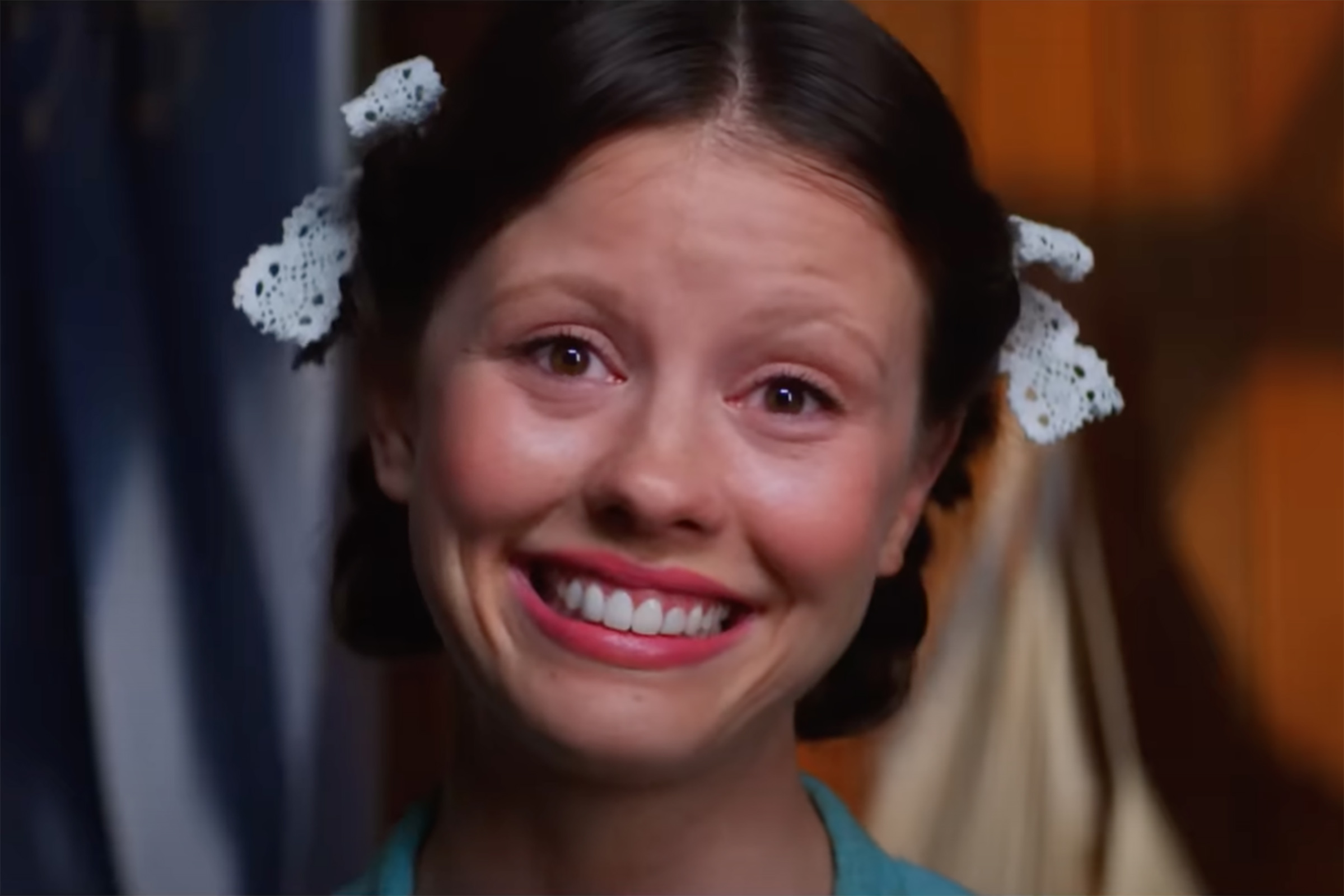
It’s rare to see a prequel surpass its antecedent, but Pearl is that exception. You can watch it before or after X and still get the same satisfaction from piecing together the puzzle of Mia Goth’s many roles (three in total across the trilogy). If the first film owed a lot to slasher classics like the Texas Chainsaw Massacre, the second (surprise!) channels The Wizard of Oz and nods to the splendiferous melodramas of Douglas Sirk. The jarring form-content opposition here makes sense, as we’re seeing through the eyes of the main character, who most of all dreams of being in a movie. Because of that very same whimsy, everything has to change: the violence is not as explicit and the role of sex is brought to the forefront. All hail the new kind of final girl: a farm girl-turned-star.

Remarkably for a movie about women being shunned and exploited by those more powerful than them, I Am Not A Witch is often wryly funny. That’s because this satire about Zambia’s labor camps for “witches” is told with a matter-of-fact-ness that brings out both the heartbreak and absurdity of the film’s events. The bitter gravity of the predicament nine-year-old Shula (Maggie Mulubwa) finds herself in — she’s been accused of witchcraft on the back of some very flimsy evidence — is never glossed over, but neither is its farcicality. Appropriately for its subject, there are also touches of magical realism here, notes that elevate the film into something even more complex than a wry commentary on this morbidly fascinating form of misogyny. This hybrid tonal approach is executed with the kind of fluidity filmmakers might hope to one day master late on in their career — which makes the fact that this is director Rungano Nyoni’s debut all the more extraordinary.

The Royal Hotel sees Hanna (Julia Garner) and Liv (Jessica Henwick) resorting to take up a dire live-in job behind the bar in a remote desert part of Western Australia. Although they’re warned that they’d “have to be okay with a little male attention” in the outcast mining town, their financial precarity overrides the potential fear. Curiously enough, the fiction film is based on a real story, already told in the 2016 documentary Hotel Coolgardie by Pete Gleeson, but The Assistant director Kitty Green pulls no punches when representing how suffocating it must feel to be encircled by such unmediated male aggression. The brawls, the spilled beer, the c-word as a greeting all form the unnerving paraphernalia of life then and there. For Australian independent film devotees, there is actor Toby Wallace, who reprises his bad boy role from Babyteeth, and he’s joined by the ranks of Herbert Nordrum (The Worst Person in the World) and an utterly terrifying Hugo Weaving (The Matrix).
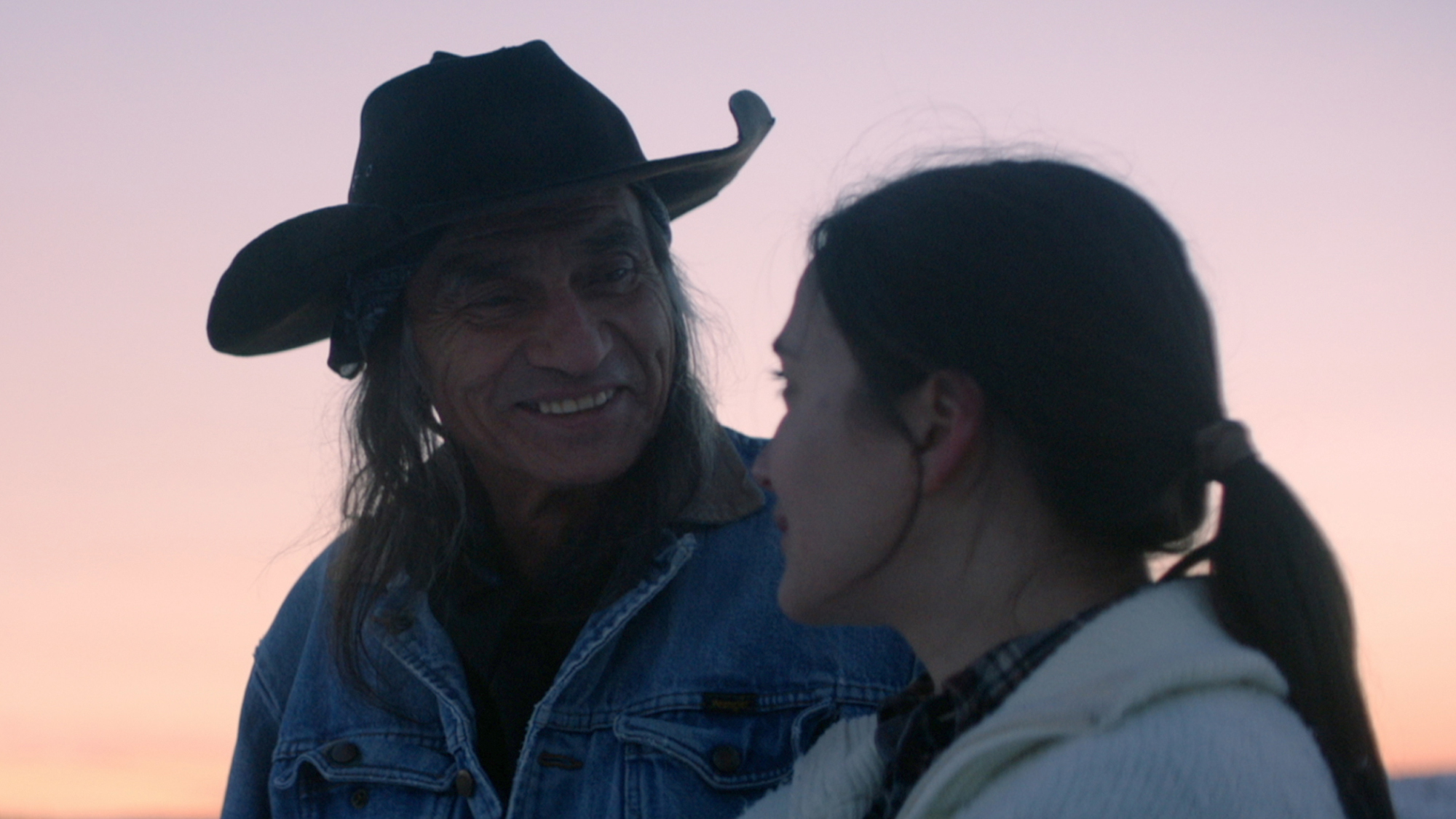
It’s hard not to watch The Unknown Country and think of Nomadland: along with similarities in their Terrence Malick-inspired visuals, both films follow lone women seeking catharsis on the road as they grieve profound losses. But Morrisa Maltz’s debut feature is a decidedly lower-key, more spiritual affair — and is all the better for it.
The film is light on plot exposition, but it’s clear from her soft melancholy that Tana (Lily Gladstone) has set off on this road trip following a personal loss, a meandering journey that takes her from freezing Minnesota to Oglala Lakota reservations in South Dakota and down through Texas. Along the way, she reunites with loved ones and crosses paths with total strangers, all of whom are played by charismatic non-professional actors whose real life stories earn as much of the spotlight as Tana’s impressionistically shot journey. These moments of documentary, Gladstone’s naturalistic performance, Andrew Hajek’s contemplative images of lush American landscapes, and the film’s aversion to outright drama enrich the fictional elements by grounding them in earthy reality. There aren’t many more emotionally rewarding ways to spend 80-ish minutes than watching this poignant meditation on the tangled richness of human lives and the land we live on.
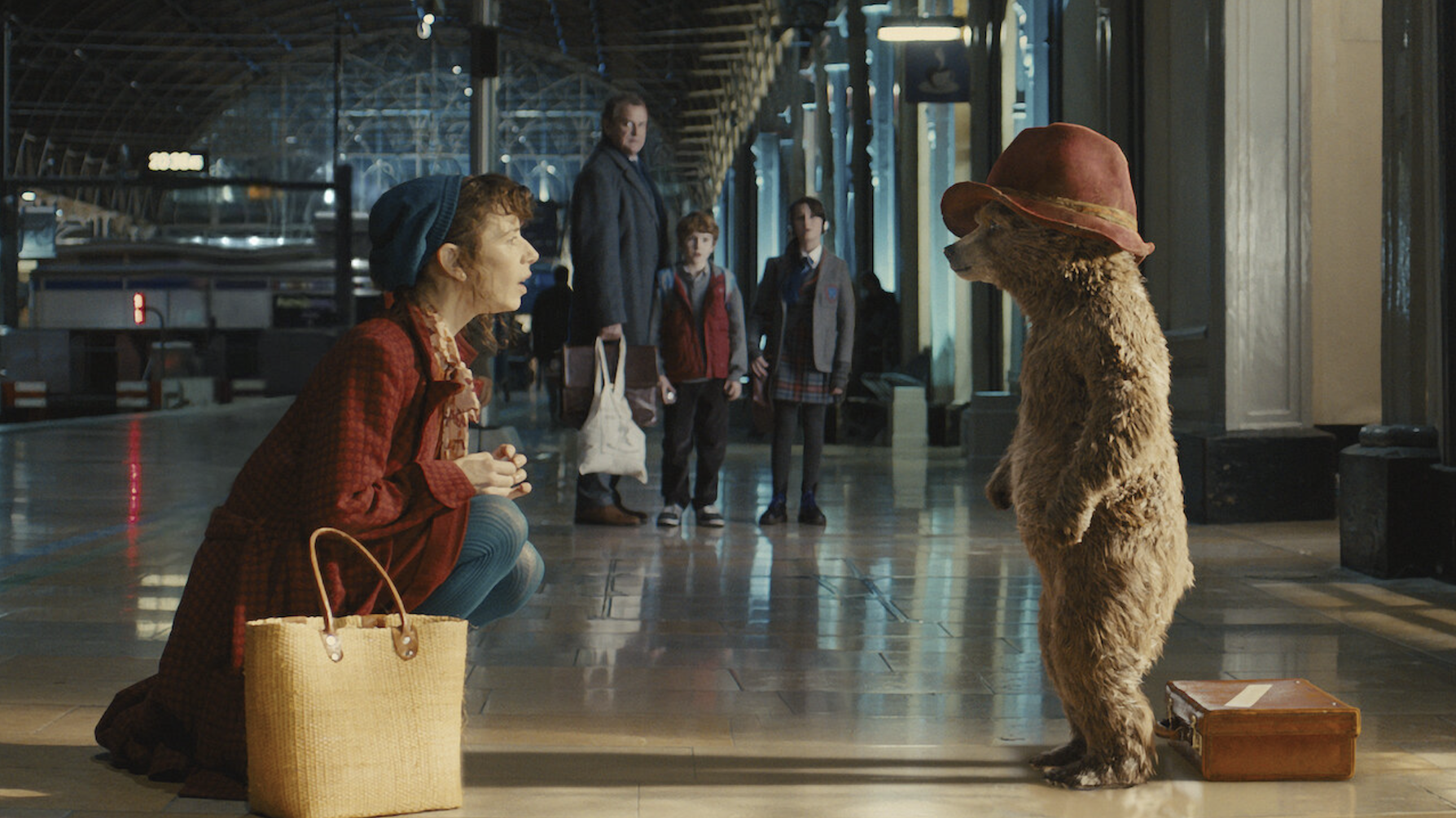
In a global movie industry of children’s entertainment that often feels like it isn’t even trying, this little Peruvian bear coming to England is a wonderful reminder that films aimed at younger audiences aren’t inherently limited. If anything, Paddington challenges itself to come up with a far more creative (and effective) way to talk about the lingering scars of colonialism manifesting as discrimination in everyday “civil” society. It sounds like heavy stuff, but Paddington approaches its fish-out-of-water story with the exact counterbalance of silliness, and a riotous cast that’s far funnier than anyone would have expected them to be.
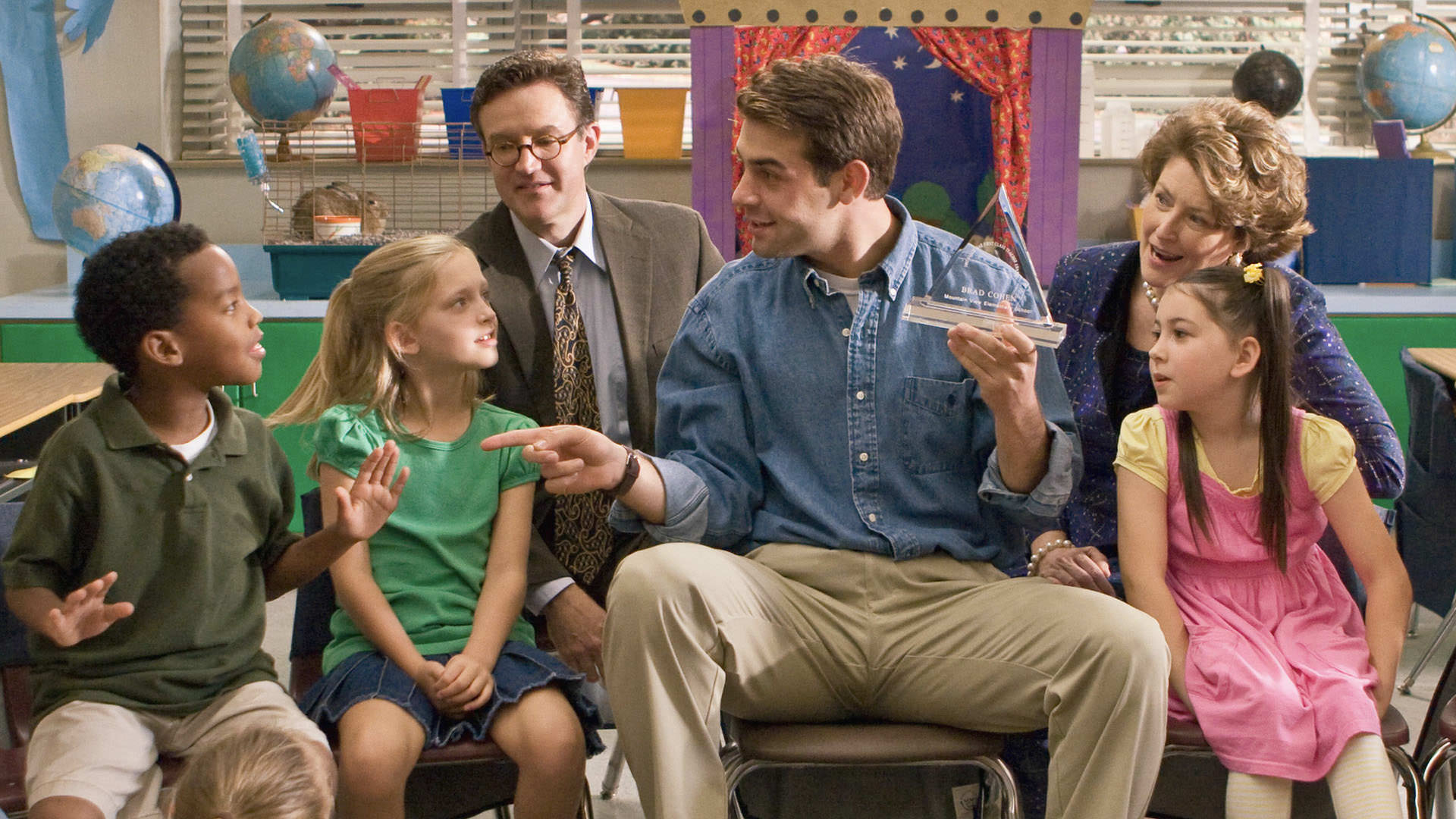
Front of the Class tells the true story of Brad Cohen (James Wolk), a teacher with Tourette Syndrome hoping to complete his masters. Brad battles through his disability while also learning to accept it and even inspire his young students, friends, and family along the way. As Hallmark movies goes, Front of the Class follows familiar beats and occasionally gets too sappy, but all is forgiven thanks to Wolk’s generous and sensitive performance. He carries the film by balancing pain with passion, and his dedication to succeed and have others accept him is nothing less than inspiring. It’s not as gritty as the other disability films, but it is one you can watch easily with the family.

Given the way this sprawling three-hour theatrical edit echoes the director’s real childhood, it’s easy to say that Fanny and Alexander is an autobiography. In some ways, it is. The dynamic with their stepfather was directly inspired by the director’s own father. In the hands of another director, it would have been easy to demonize the guy. But this is Ingmar Bergman directing his final film, so it should be no surprise that he meditates over the storytelling both father and son use in carving out their realities. At the same time, Fanny and Alexander encapsulated many of Bergman’s thematic concerns, clearly at his most personal.
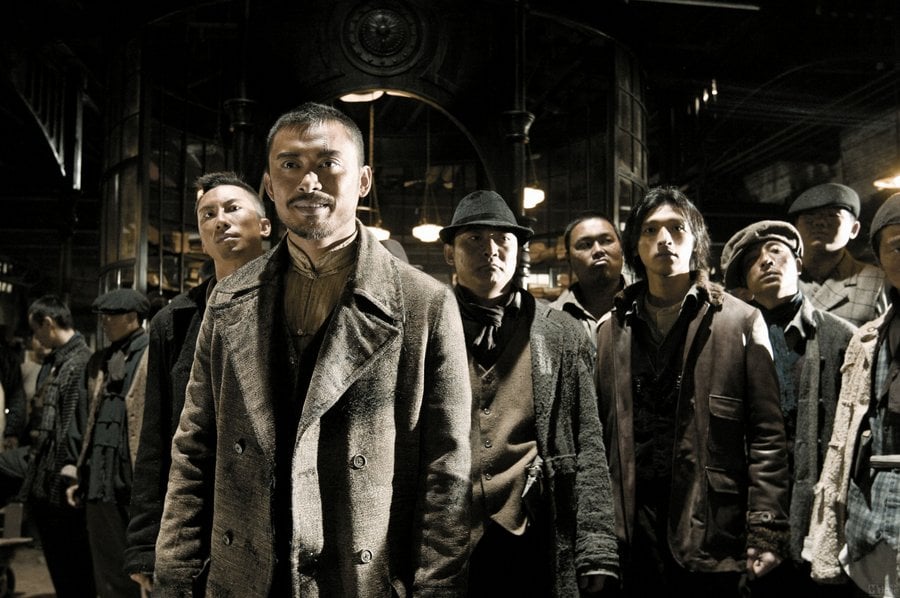
It’s been acclaimed as one the best Kung Fu movies ever made. You are probably wondering why this contemporary movie made that short list when its genre had its peak decades ago: it is visually striking and at the same time surprisingly story-oriented. As you would expect of course, there is quite a fair amount of action scenes, but the characters are also brilliant which is very uncommon in this type of movie. It is an exciting movie, and worthy of any compliment or good rating it may get.
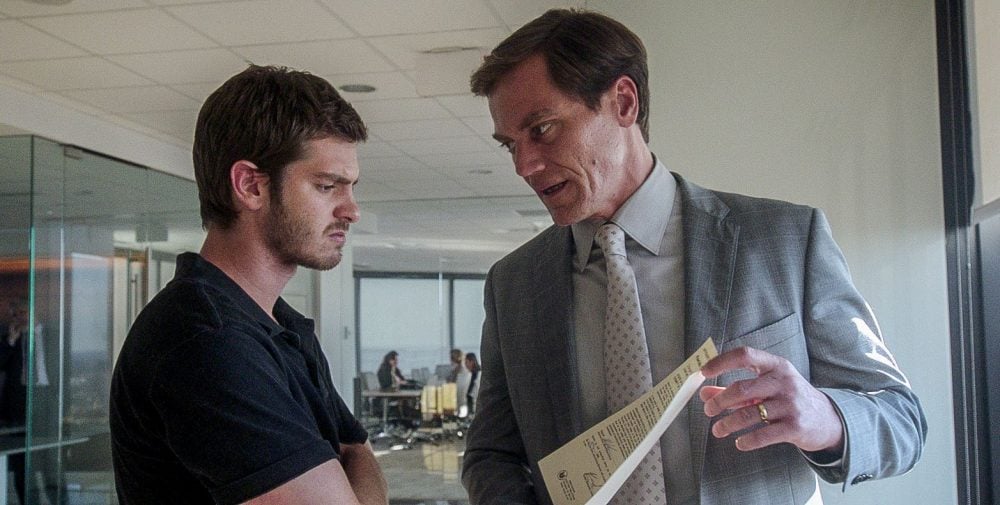
Andrew Garfield is a single father living with his own single mother in their family home. In the aftermath of the financial crisis, they find themselves evicted from their home by a businessman – Michael Shannon in a role as intriguing as Gordon Gekko in Wall Street, if not more. Desperate for work, Garfield’s character starts working for the same businessman, ultimately evicting other people. A star-packed, gritty and sobering tale on capitalism and our the lengths to which we’re ready to go to save face – while at the same time risking our most important relationships.
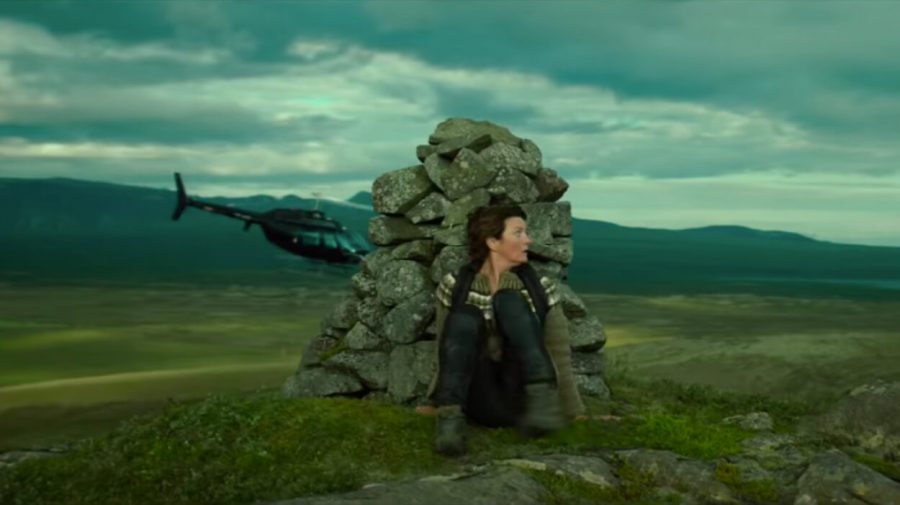
A calm choir leader lives a secret life as eco-warrior in this visually stunning and intelligent story about our complex times. If you’re familiar with Icelandic movies, this one has just the right amount of that Icelandic quirkiness – making it a proper feel-good movie with a message. This is added to the superb acting and an off-beat musical score. Not to be missed.

Surreal, strange, yet wondrous, Penguin Highway never takes a straightforward approach to its story. Penguins pop up out of nowhere, leading the nerdy and precocious Aoyama to study them via empirical observation and logical deduction. These studies don’t end up with a feasible explanation– in fact, by the final act, the film abandons all laws of physics. But the journey to that act feels intuitively right. This journey feels like an indescribable formative experience. Aoyama may be obsessed with growing up and committing to the reasonable adult mindset, but he is still a child. From fending off bullies to forming connections with others, his childhood imagination served him better than science could. The film reveres this discovery as well as it should.

At times looking and sounding like a real Filipino action film from 50 years ago, while painstakingly edited to juggle storylines across several realities, Leonor Will Never Die is worth seeing for its originality and ambition alone. Among so many other films that function as sanitized “love letters to cinema,” this one bears the distinction of still feeling charmingly scrappy and improvised even with how meticulously it’s crafted. It doesn’t simply pine for a bygone era of movies, but it actively explores what purpose movies serve to us as individuals and as communities. Where it arrives with regard to healing and acceptance and bringing people together feels entirely earned, even if it might not always be easy to understand.
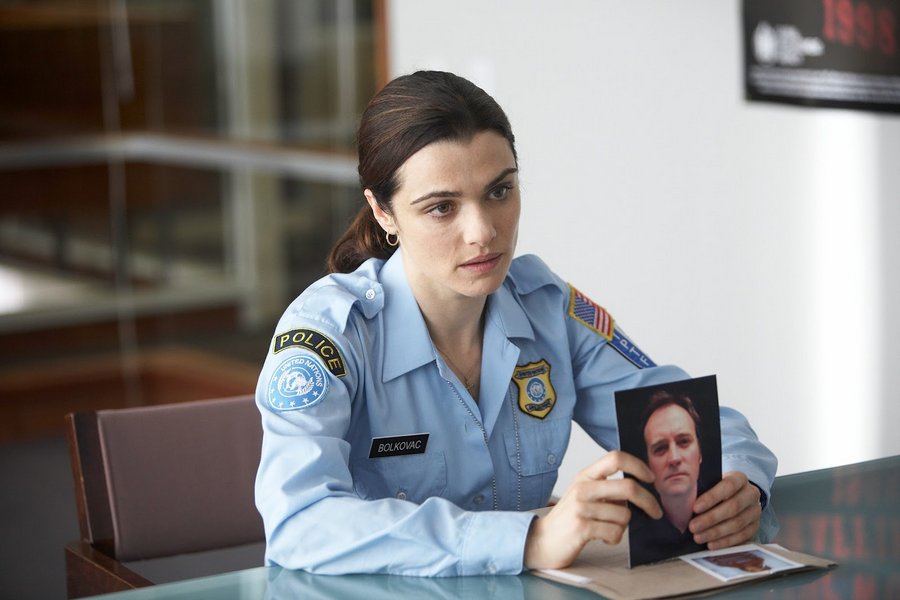
Based on a true story, The Whistleblower is the biography of a once Nebraskan police officer who volunteers for the U.N. peacekeeping mission in post-war Bosnia. Once there, she uncovers a human trafficking scandal involving peacekeeping officials, and finds herself alone against a hostile system in a devastated country. Rachel Weisz plays the whistleblower in a powerful lead role, but the true star of the movie is its director, Larysa Kondracki, who thanks to near documentary-style film-making delivers a perfectly executed political thriller with utmost authenticity.
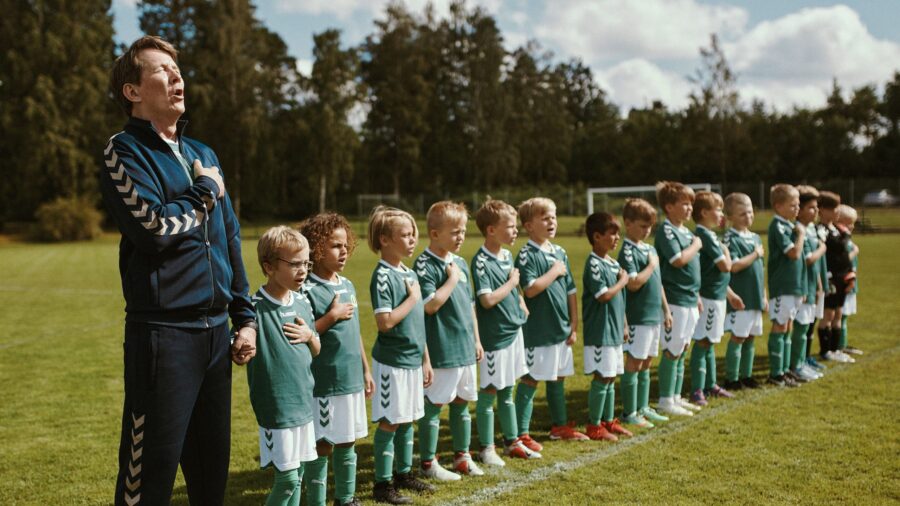
Director Thomas Vinterberg (The Hunt) reunites with Mads Mikkelsen to tell the story of four teachers going through a mid-life crisis. They’re not sad, exactly—they have homes and jobs and are good friends with each other—but they’re not happy either. Unlike the ebullient youth they teach, they seem to have lost their lust for life, and it’s silently eating away at them, rendering them glassy-eyed and mechanic in their everyday lives.
Enter an experiment: what if, as one scholar suggests, humans were meant to fulfill a certain alcohol concentration in order to live as fully and present as possible? The teachers use themselves as the subjects and the tide slowly starts to turn to mixed effects. Are they actually getting better or worse?
With an always-satisfying performance by Mikkelsen and an instant classic of an ender, it’s no surprise Another Round took home the award for Best Foreign Film in the 2020 Academy Awards.
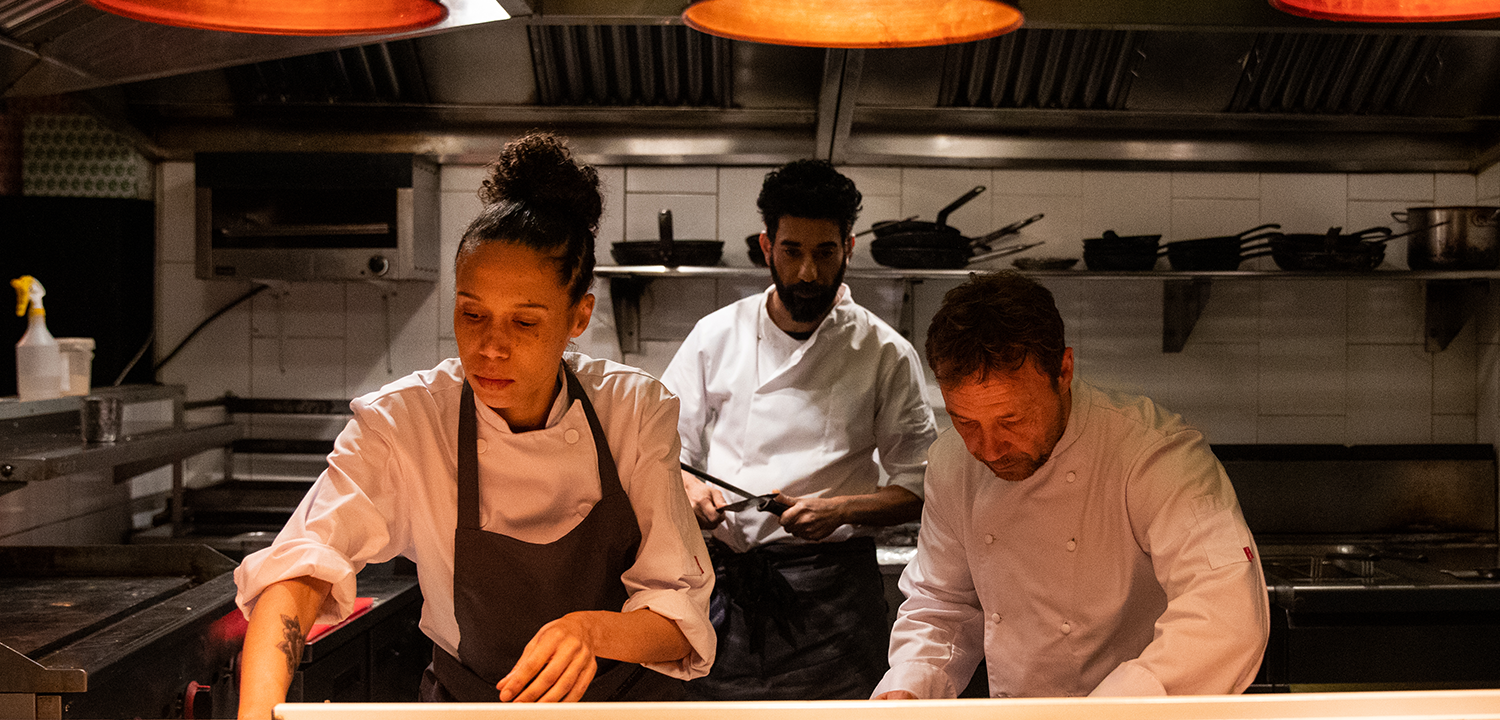
One of the most overlooked films in recent years, Boiling Point is an intense British drama about the life of a head chef. We get to view his world for exactly 90 minutes and, yes, it is all shot in one go. No camera tricks or quirks, just pure filmmaking. Many other movies have tried to capture the chaotic life inside the restaurant business, but none have worked quite well as Boiling Point.
Working alongside the phenomenal actor Stephen Graham, director Philip Barantini hits it out of the park in his second feature-length film. Together, they bring to life some of the most unnerving 90 minutes ever put to film. Think Uncut Gems but with Gordon Ramsay as the lead.
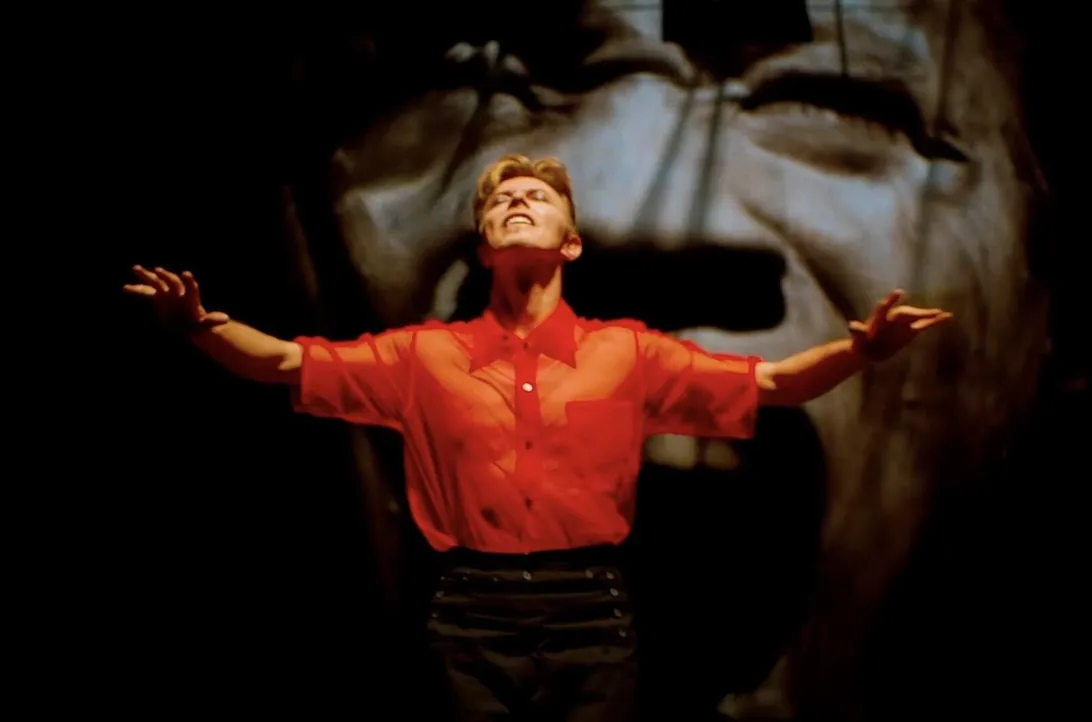
Forget everything you know about the music biopic. One-on-one interviews, chronological storytelling, silent moments with the subjects—Moonage Daydream isn’t that kind of movie. Just as David Bowie isn’t your typical pop star, this documentary about him, directed by Brett Morgen, forgoes the usual beats for something extraordinary and fun.
Moonage Daydream is a concert, a light show, and a masterclass in collage editing. It’s a feast for the senses, a fantastic neon fever dream that paints a picture of Bowie in his own words, drawn from archival footage, interviews, and concerts past.
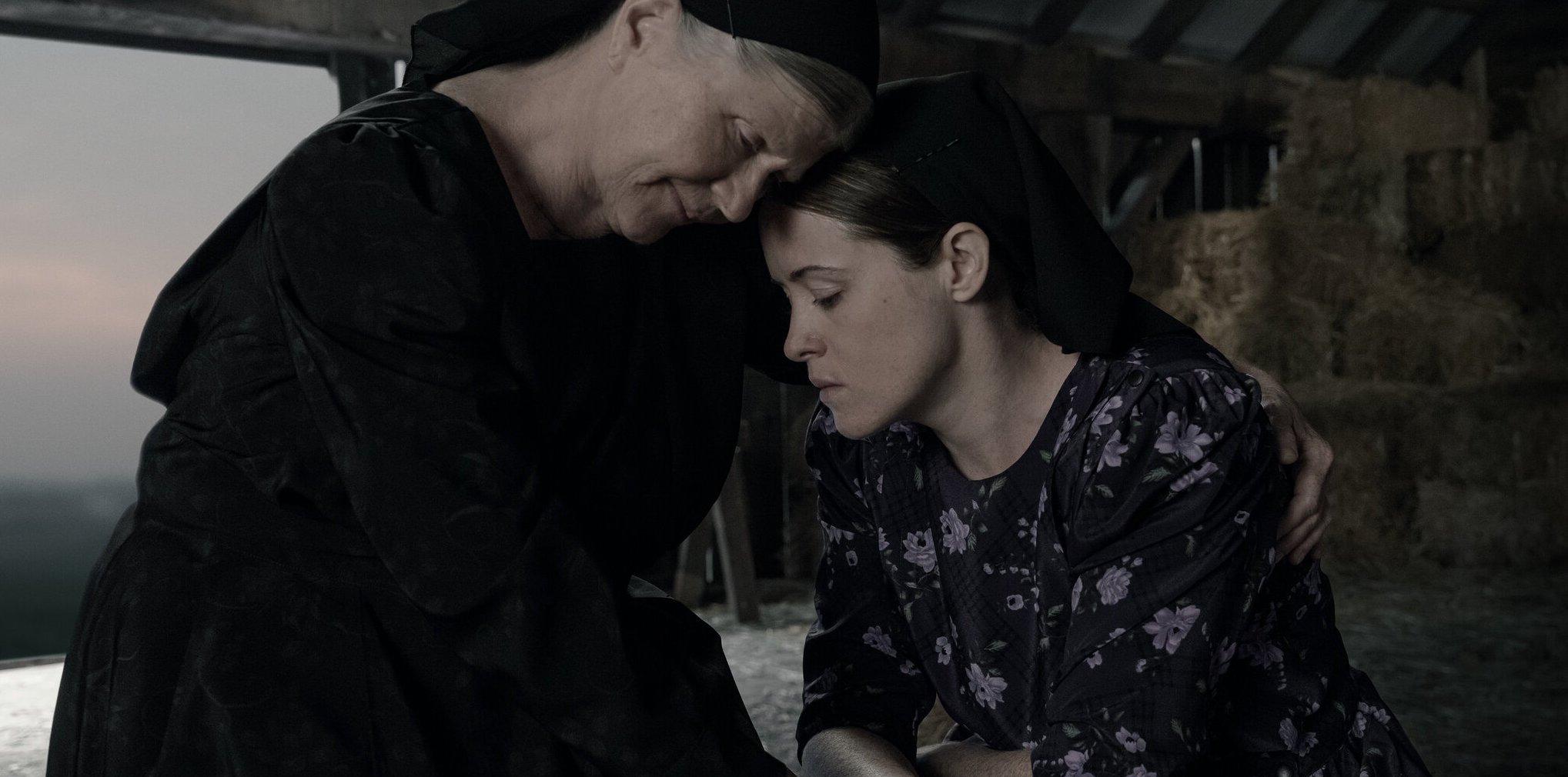
Not much happens in Women Talking, but what it lacks in action it more than makes up for in message. As the wronged women of an insular Christian colony decide whether they should leave or stay in their community, valuable points on each side are raised and debated fiercely. Are the men at fault or is there a bigger problem at hand? Is it sacrilegious to refuse forgiveness? Will leaving really solve anything?
The women of this ultraconservative and anti-modern community may not know how to read or write, but years of toiling away on land, family, and faith have made them wise beyond their years, which makes their discussion all the more captivating and powerful. Relevant themes, coupled with director Sarah Polley’s poetic shots and the cast’s all-around stellar performances, make Women Talking a uniquely compelling and timeless watch.
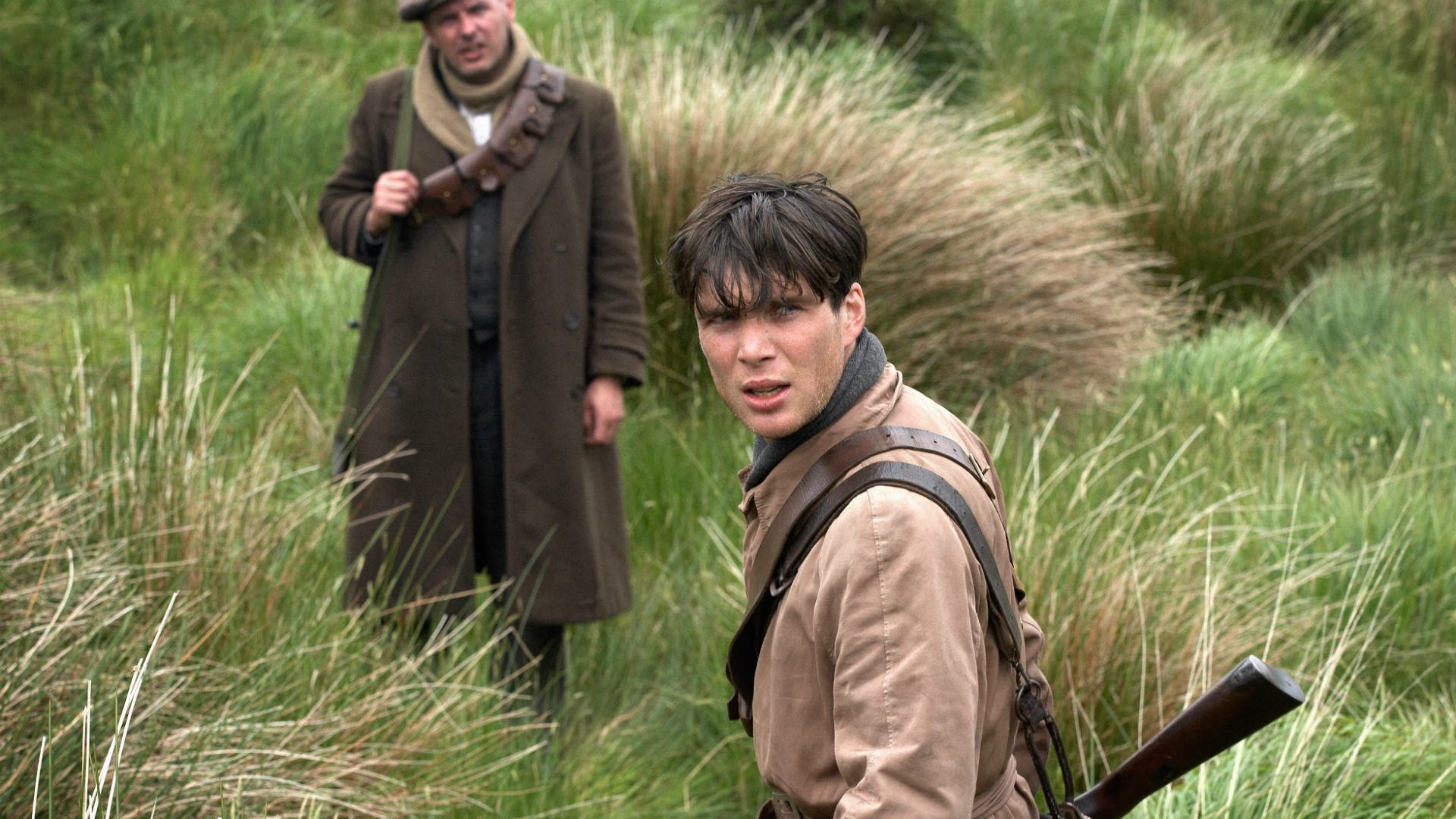
You might expect a movie about the Irish struggle for independence from the British Empire during the 1920s to be a sweeping historical epic a la Braveheart, but The Wind That Shakes The Barley is instead a heartbreaking miniature portrait of the human impact that the brutal occupation has on the residents of a small County Cork village. Cillian Murphy is superb as Damien O’Donovan, a young medical student who is about to up sticks for London when he witnesses first-hand the savagery of British forces on his neighbors. Galvanized into action, he joins the local branch of the IRA, which is led by his brother Teddy (Pádraic Delaney).
What makes The Wind That Shakes The Barley so potent isn’t just its depiction of the fierce local rebellion that Damien and his comrades wage against the British forces — it’s also its gutting exploration of the cyclical war that began to rage amongst the freedom fighters once the British left. As Damien puts it, “It’s easy to know what you’re against, quite another to know what you’re for” — a dilemma that wedges the two brothers apart to bitter ends.
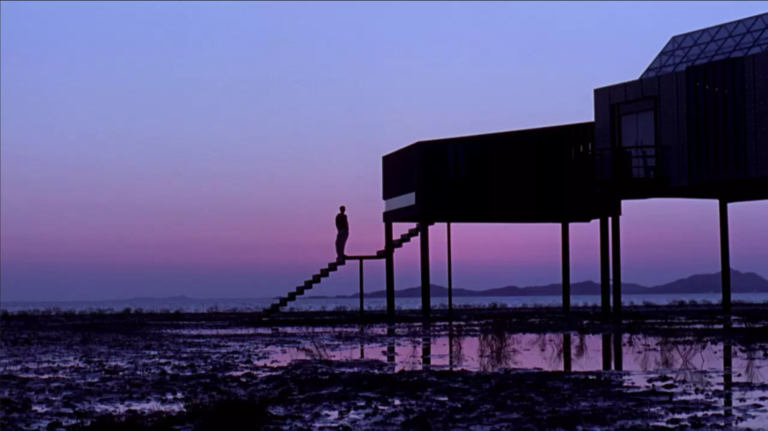
While more people are familiar with its US adaptation, Il Mare is far more striking and emotionally resonant. The Korean romance, separated by timelines, depicts two lonely people who lived in the same seaside residence. They form a bond through the titular house’s mailbox, by sharing letters, voice recorders, and suggestions to deal with loneliness. As they receive each other’s messages, the film slowly reveals the reason for their loneliness– that they’ve been left behind. Matched with shots of creeping urbanization, migration, and the Y2K scare, Il Mare understands modern isolation, but it also underscores how solitude helps us connect with other people.
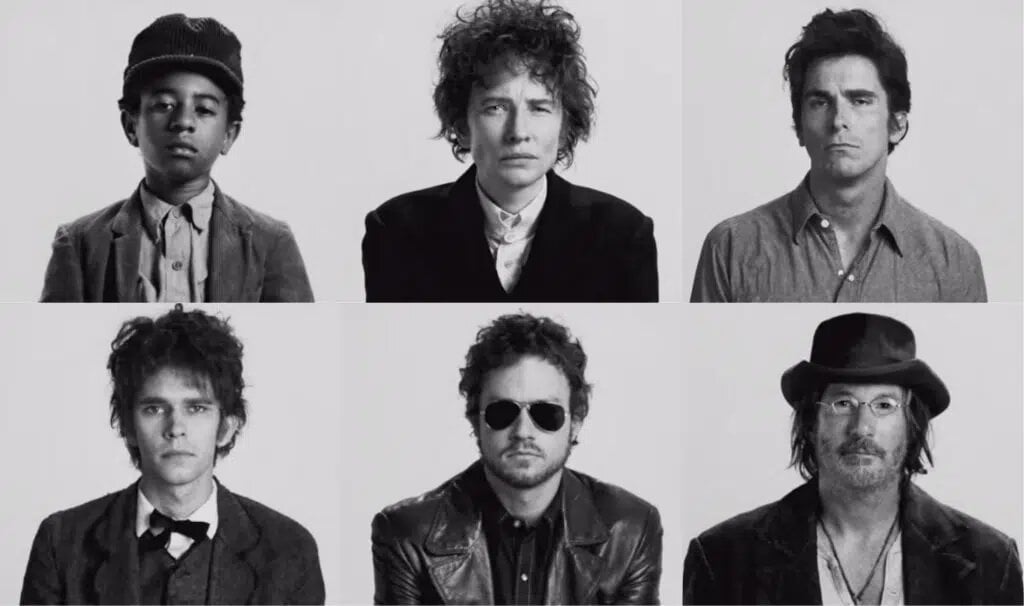
I’m Not There is an unusual biopic in that it never refers to its subject, Bob Dylan, by name. Instead, Todd Haynes’ portrait of the singer mimics his constant reinvention by casting six separate actors to play as many reincarnations of the same soul. It’s an ingenious spin on a usually stale genre, one that liberates the film from the humdrum restrictions of a literal retelling of Dylan’s life.
If there’s anyone who warrants such an inventive approach to biography, it’s Dylan, whose public and private personas are so numerous that it’s only by angling six different mirrors at him that Haynes can hope to catch some of his essence. Impressionistic editing toggles freely between these vignettes, each visually distinct: from the 11-year-old Woody Guthrie-obsessive (Marcus Carl Franklin) and the black-and-white Super 16mm-shot poet (Ben Whishaw) to the aging cowboy outlaw (Richard Gere), all by way of Christian Bale, Heath Ledger, and Cate Blanchett’s incarnations. To be sure, this is a somewhat challenging film, reflecting, in places, the enigmatic surrealism of Dylan’s lyrics and his refusal to be pinned down to one thing. But, as Blanchett’s embodiment says, “Mystery is a traditional fact,” and that’s no more true than of Dylan, making Haynes’ film a fascinatingly fitting spiritual biopic.
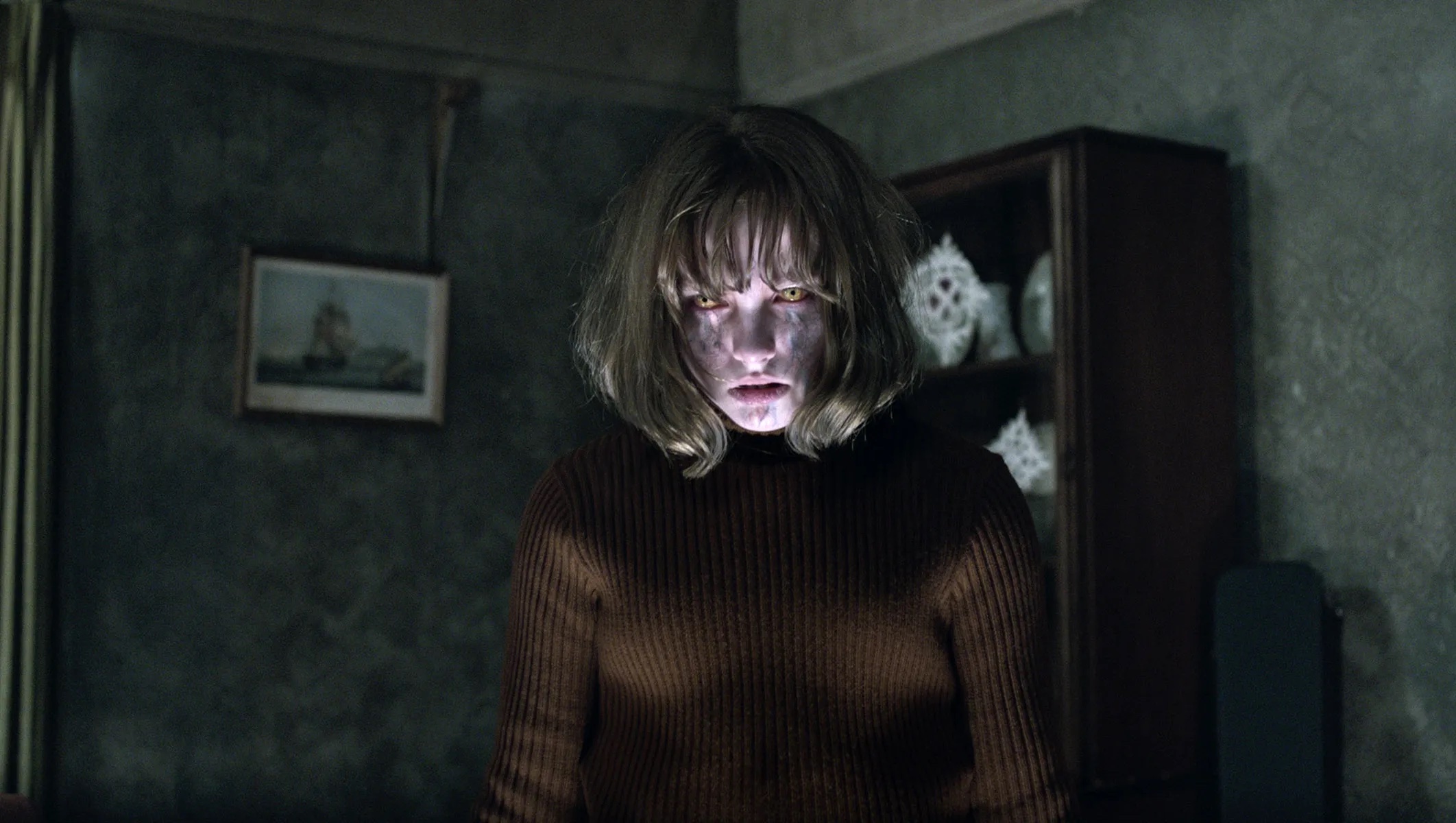
After the successful run of the first instalment, The Conjuring 2 brings back lead couple Ed and Lorraine Warren for yet another real life-based case of demonic possession. This time, it’s the Enfield poltergeist, a case which gained popularity in the London Borough of Enfield between 1977 and 1979, and while the Warrens in the film show reluctance to take on a new job amongst growing skepticism, we’re so glad they did so in the end. The franchise’s second chapter is perfectly built: a good amount of character establishment, a fair bit of rekindling allegiance with the Warrens, and a lot of ingenious scaries. What makes The Conjuring 2 a pitch-perfect horror of its kind is precisely this multivalence, combining empathetic characters and well-crafted, yet extremely disturbing visuals. When the supposedly simple case becomes a fight between good and proper evil, the film shifts gear to an obscenely dark, vengeful mode. You can’t tell from its beginning, but the second Conjuring is even more proficient, deeply troubling, and most of all, bold in the way it renders the possession horror genre a canonical must.
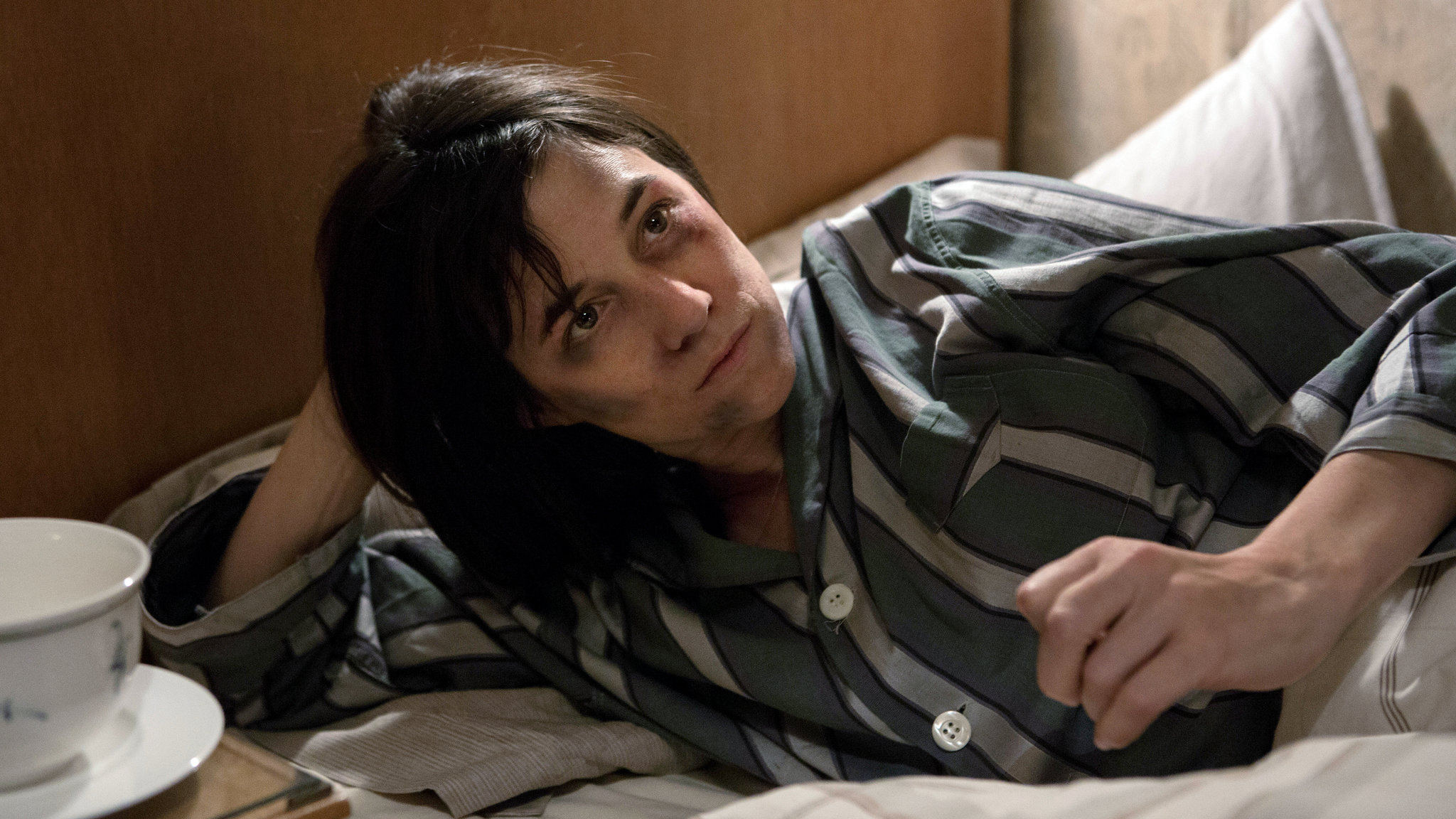
Danish writer-director Lars von Trier concludes his so-called Depression trilogy with the two parts of Nymphomaniac, an elaborate retelling of the life of a young woman (played by Stacy Martin and then, by Charlotte Gainsbourg) lived from one libidinous pleasure to another. The film’s elaborate subplots have a life of their own and flashbacks often take center stage in Joe’s auto-narration. Nymphomaniac I introduces the audience to adolescence and early adulthood, through disappointments, adultery, death drive, and extreme ambivalence. Joe’s process of self-actualization seems contested and inspiring at the same time, and Gainsbourg is really given the screen time to shine; even more so than in Trier’s previous psycho-social drama, Antichrist. Typically for the rich treasury of cultural references, Bach, Edgar Allan Poe, and Fibonacci play crucial parts in reconstructing the symbolic planes in Joe’s story. Oh, and Part One opens with Rammstein’s “Führe mich”, which in itself is an perfectly valid reason to give it a go.
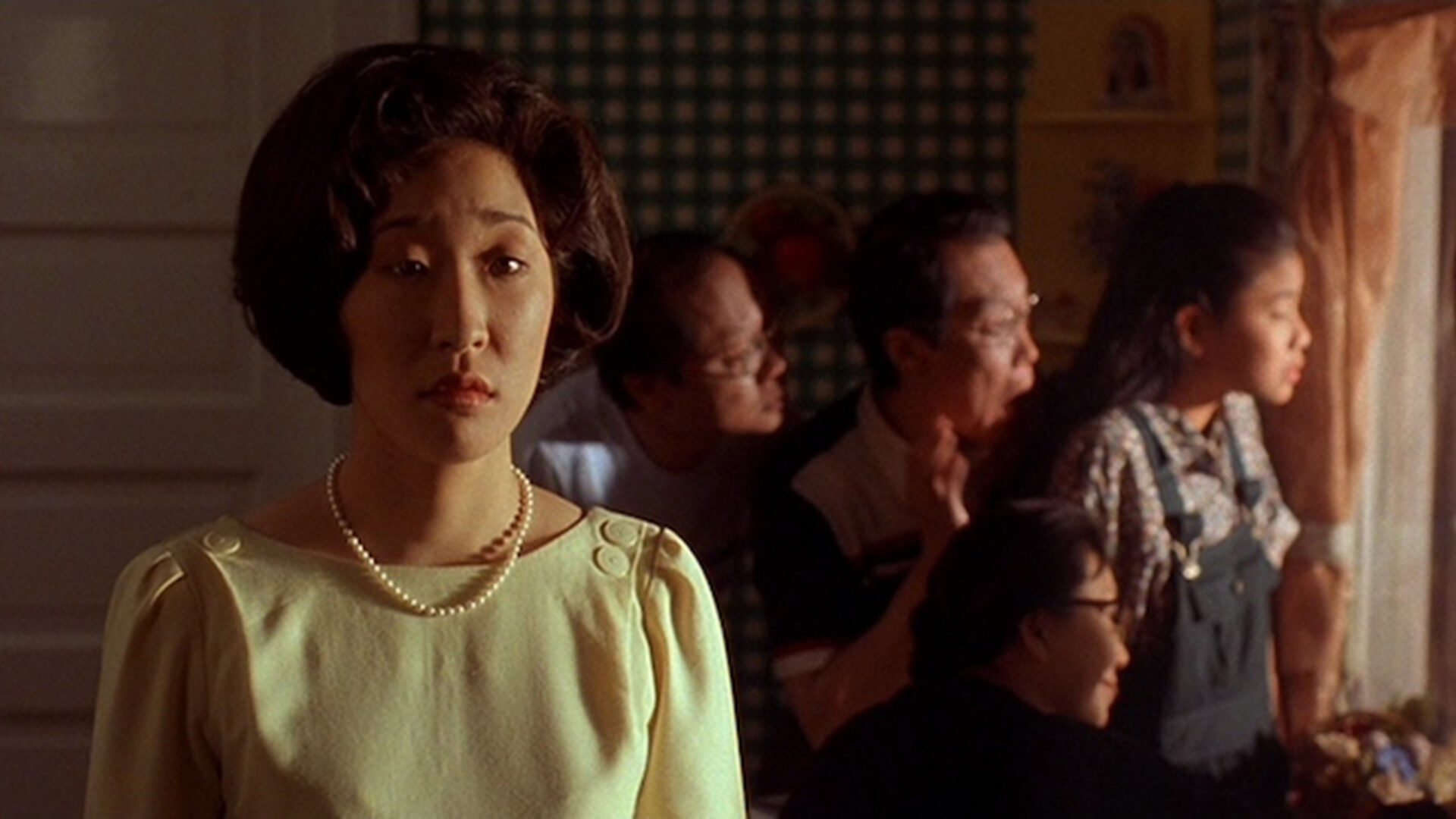
Sandra Oh earned her breakout in this warm, candid Canadian indie, which — not uncoincidentally — shares its name with that of a decorative Chinese symbol associated with marriage. The movie’s title is also a reference to 22-year-old Jade Li’s (Oh) struggle to pursue her own ambitions and meet the clashing romantic and professional expectations her disapproving first-generation immigrant parents have for her. As she puts it, “Double happiness is when you make yourself happy and everyone else happy, too.”
An aspiring actress who dreams of playing Blanche DuBois, Jade is instead asked by unimaginative casting directors to adopt a pronounced Chinese accent for tiny bit parts. In essence, she’s typecast everywhere: on set, and at home, where she struggles to play the good daughter who’ll give up acting for a more conventional job and will only marry a man her parents approve of. It’s a jarring existence, but Double Happiness never feels claustrophobic because it gives Jade the freedom to finally be herself via witty, confessional monologues and fantasy sequences. There’s undoubtedly bittersweetness to this portrait of a young woman fighting to be herself on every front, but that it’s nevertheless such an irresistibly charming, never-flippant watch is a testament to first-time director Mina Shum and Oh’s already mature talents.
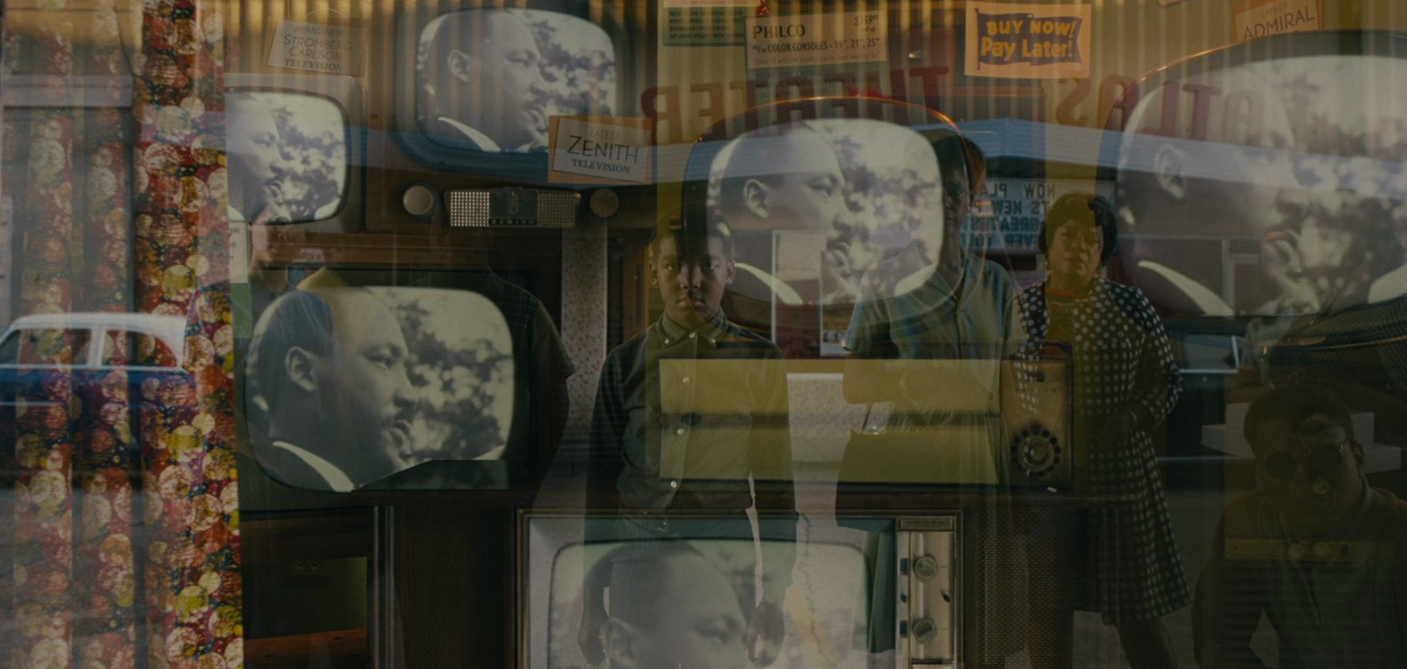
The first things that grab your attention in Nickel Boys are its beauty and technicality. Director RaMell Ross, a large-format photographer, ensures every frame relays something deep, intimate, and moving. Then there’s how he takes these shots: we see things unfold through the POV of Elwood and Turner, students at an abusive reform school in Tallahassee, Florida. The year is 1962, and even though the civil rights movement inspires Elwood and his peers to stand up for themselves, the political climate is as skewed and violent as ever. Nickel Boys tells the unfortunately common story of how Black men, in particular, had to endure unimaginable abuse during the Jim Crow era in the South. What is uncommon, though, is the sensitivity and boundless inventiveness with which Ross tells this story. Yes, violence is unavoidable in a story like this, but Ross swaps trauma porn with something more effective and chilling—a mixture of silence, archival photographs, time jumps, and that immersive POV, which forces you to be in Elwood and Turner’s shoes. The world before them may be brutal, but inside, they hold space for beauty, fun, relationships, and wonder, manifested in the film in dreamy visual sequences. What Ross does is art in the highest form, an unforgettable balance between style and substance.
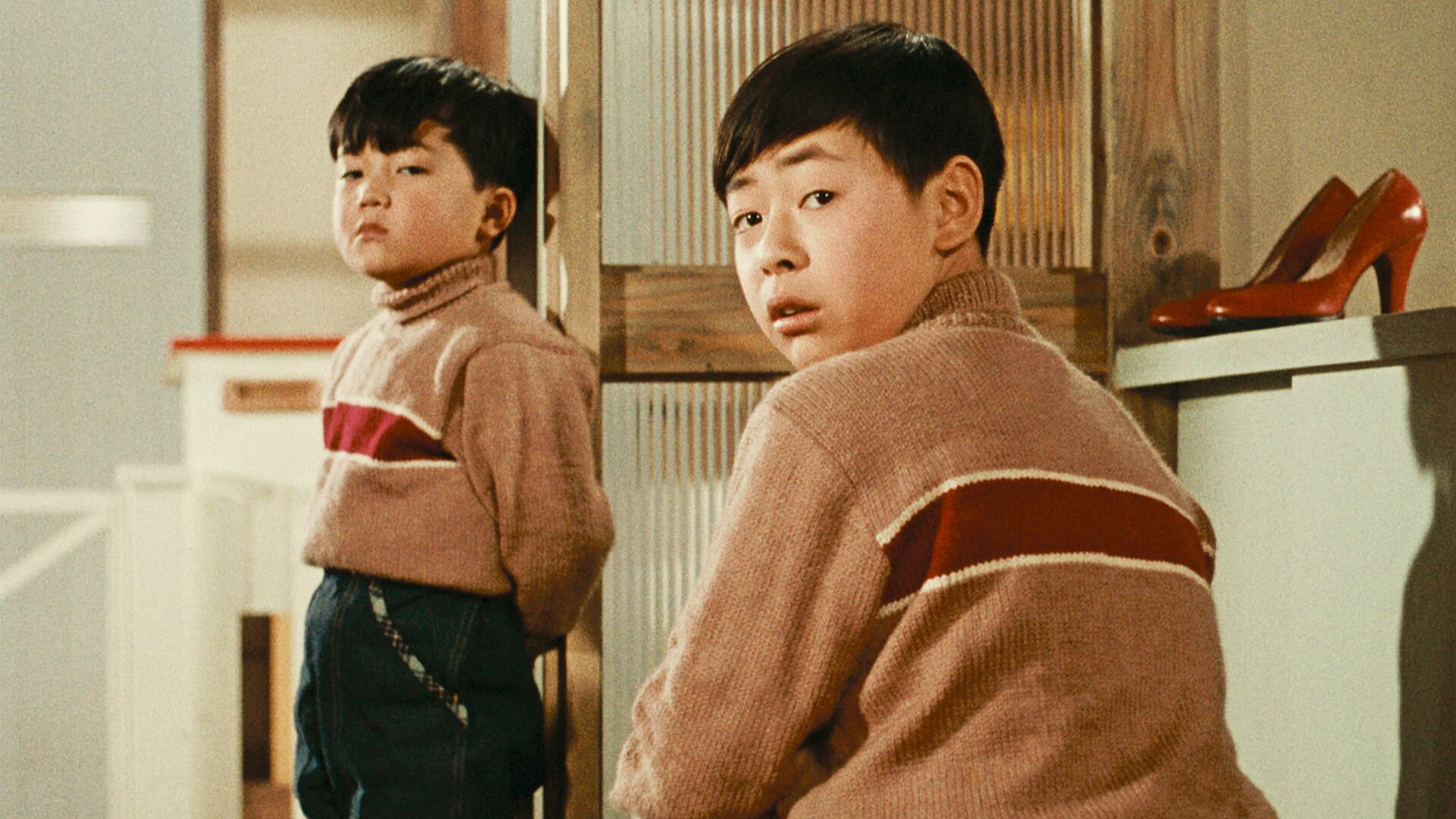
There’s something so delightful about watching Good Morning, the second of Yasujirō Ozu’s films in color. It’s easy to see why– the conflict is relatable, Ozu’s shots are immaculately framed in warm colors, and of course, the pouting children hoping to get a television of their own are just pinch-worthy adorable. But through the neighborhood conversations, the different generational concerns of each Hayashi, and a surprising amount of fart jokes, Good Morning subtly ponders on social niceties, the consideration we learn to give to others in silence, as well as the freely given affection that becomes harder to share as adults. Good Morning may not be Ozu’s most famous feature, but it’s nonetheless one of his most delightful to watch.
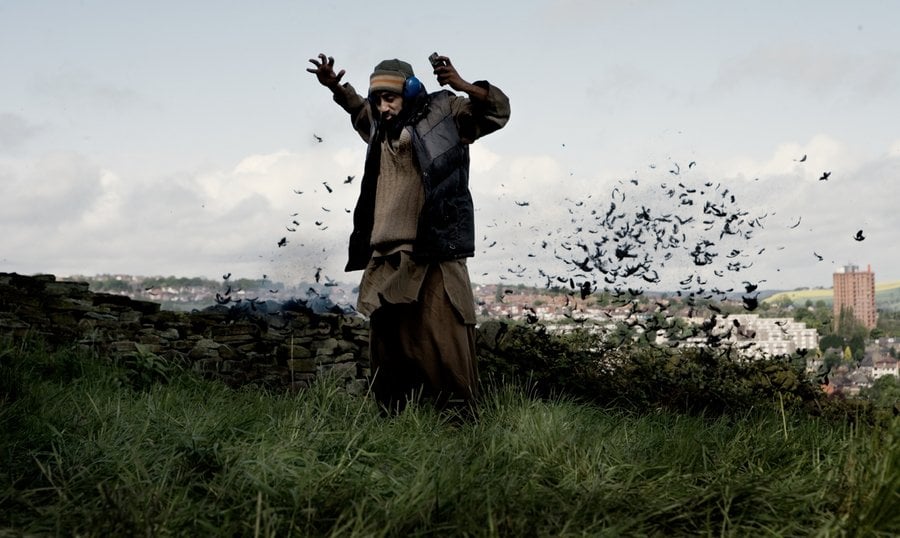
Four Lions is as black and as dark as a movie can ever get, mixing cultural relevancy with humor and ridiculousness. It is insensitive to Islam, insensitive to terrorism and insensitive to the viewer. But it is hilarious. The director spent three years talking to Imams, terrorism experts and basically everyone. The result? A legit 97 minutes that will dazzle even extremists with its knowledge of Islam and the accuracy of its lines. Needless to say that it will upset quite a few people, but that is always a good sign for black comedy movies, right?
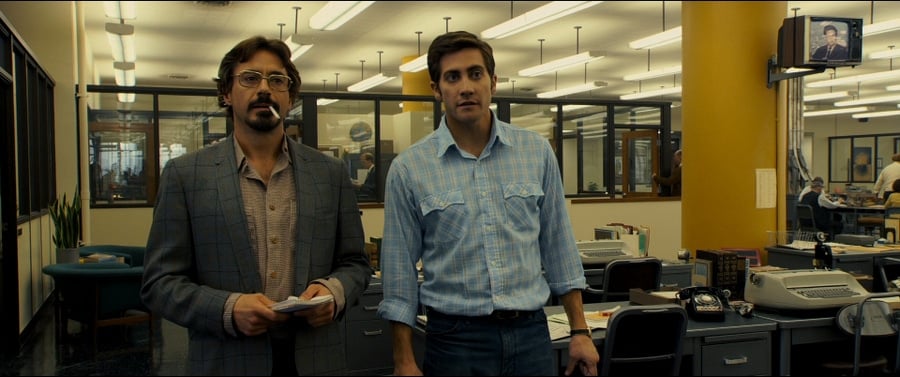
Zodiac is an edge-of-your-seat thriller that knows exactly when to be slow and when to pick up the pace. Director David Fincher delivers what he was admired for in movies like Se7en and Fight Club (and more recently Gone Girl), and that is an intelligent, not necessarily satisfactory, gripping film. The ensemble cast including a surprisingly fitting Jake Gyllenhaal and Robert Downey Jr. gives a great performance that helps embody the true-life mystery around San Francisco’s Zodiac killer. Fans of the series True Detective will love this film.

Undefeated won an Oscar but since it’s a documentary, few sadly paid attention to it. It tells the story of a football team in a poor area in Tennessee. Kids without a bright future, until the new coach arrives. Yes, that sounds like a very old, cliché tale. But keep in mind it is a documentary, and the story it tells is powerful, gripping, and any familiarity quickly becomes irrelevant. Even if you have no interest in American football, or in sports in general, you will love it and more than likely find yourself reaching for the Kleenex at least a few times before the credits roll.
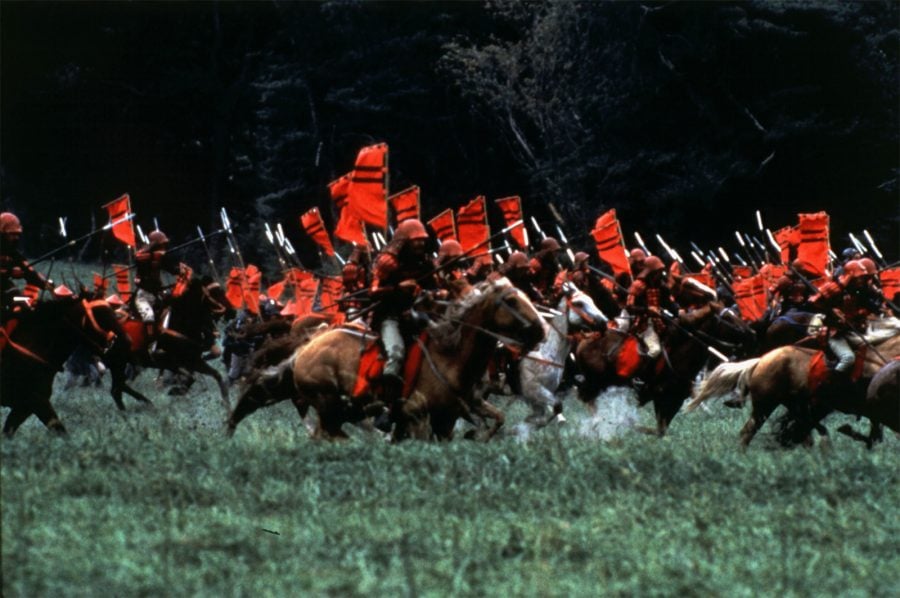
An attempt to articulate just how vast and magnificent the scope of Akira Kurosawa’s 乱 (Ran) is will inevitably fall short. Recognized as a master of epics, including his 七人の侍 (Seven Samurai, 1954), Kurosawa reimagines Shakespeare’s tragic King Lear set in medieval Japan. Each shot is labored and precise, as sublime landscapes overwhelm the screen, dwarfing the armies of men fighting below.
At the center of the ensuing wars is Hidetora Ichimonji, an aging warlord. Ichimonji divides his conquered land between his three sons, Taro, Jiro, Saburo. The Ichimonji clan, however, will not settle for less than everything. Father and sons scheme against one another, leading to violent plots for control over the kingdom. Greed poisons the Ichimonji’s bloodline, pervasive and all-consuming. The tragedy that unfolds is indeed as poignant as any great Shakespeare work.
The road ahead is lined with bodies, blood, jealousy, paranoia—and it’s a long way to the bottom from the throne. Kurosawa, confronting his own mortality and legacy, achieves a titanic masterpiece with Ran. Few films so deeply grasp the tragedy of war at this visceral level. While Ran is not an easy watch, it’s a must-watch for all.
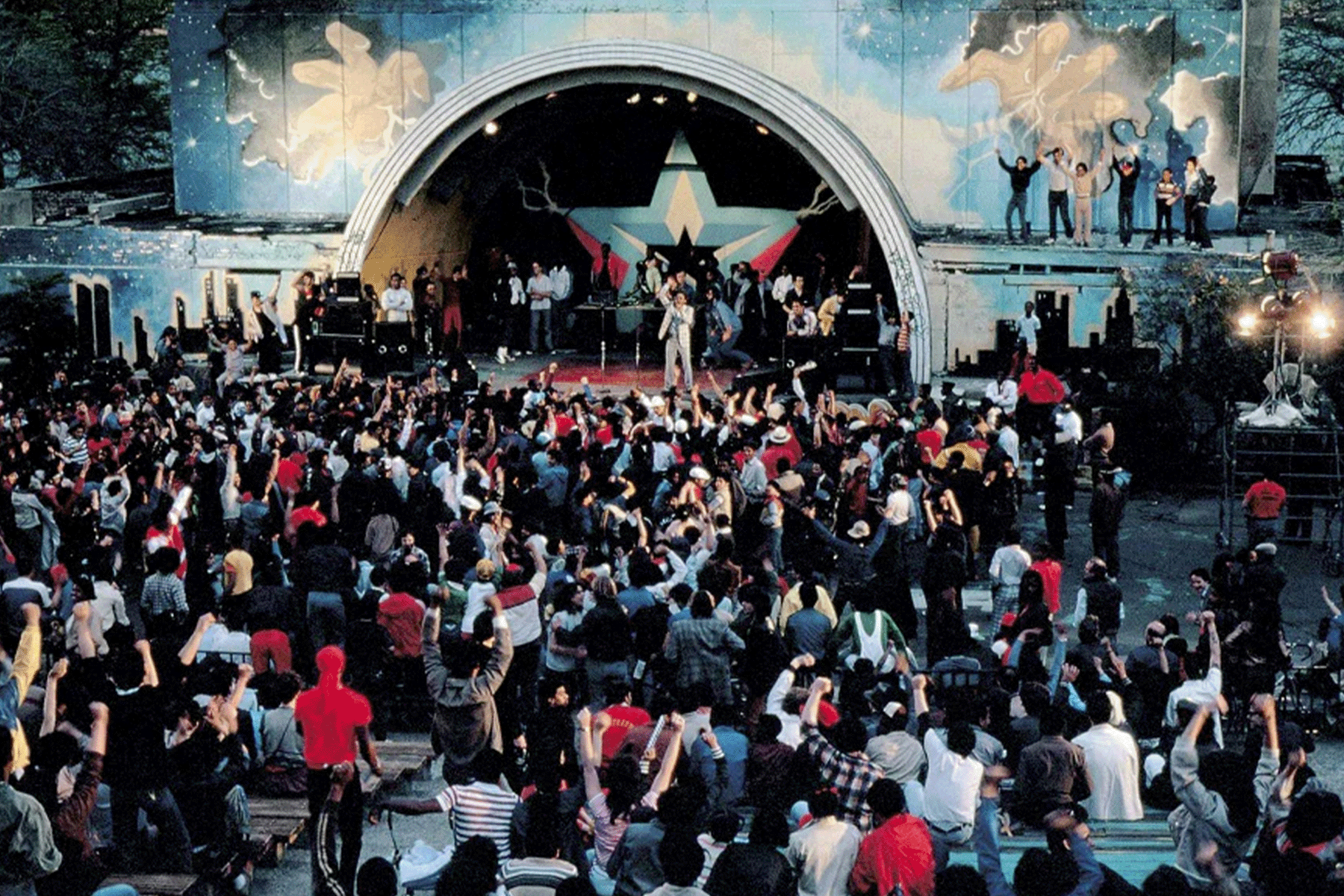
This cult classic is the first hip-hop movie in cinema’s history — and, aptly, one of the most sampled movies in rap music. With a cast drawn exclusively from the NYC graffiti, breakdancing, and rap subcultures that it spotlights, Wild Style wisely doesn’t try too hard to construct a conventional drama. Instead, there are toe-tapping scenes in neon-lit, smoke-filled clubs that stretch far beyond usual cinematic limits because they’re following the dynamic pace and infectious rhythm of the battling emcees, not film’s rules.
In lieu of a plot, Wild Style captures the singular atmosphere of the period it was filmed in, when hip-hop culture was thriving and art curators had begun to look to graffiti artists to fill their galleries. That uneasy turning point in the culture is chronicled here through the perspective of Zoro (real graffiti “writer” Lee Quiñones), a young artist who looks on with disdain as his peers embrace the commercialization of their medium by NYC’s art world. (As he shrewdly puts it, risk is central to graffiti’s identity — made for subway cars and walls, not framed canvases.) Brilliantly capturing the freewheeling spirit of NYC’s hip-hop scene, this is a time capsule that never feels dusty thanks to the appropriately off-the-cuff filmmaking.

In Letterboxd, Cleaners was once the highest rated film of 2021, and was once in the list of the top 250 narrative features overall before the rating system changed in 2023. To viewers outside the Philippines, this might have been mind-boggling, especially since the film wasn’t yet released internationally the year it premiered, but it shot up the ranks for a reason. The coming-of-age anthology just looks so different, being filmed live, then xeroxed and highlighted, frame by frame, just like print-outs for school. The unique approach evokes a sense of nostalgia in high contrast print and blurred movement, and it’s matched with the classic Filipino coming-of-age moments that has rarely been seen before.
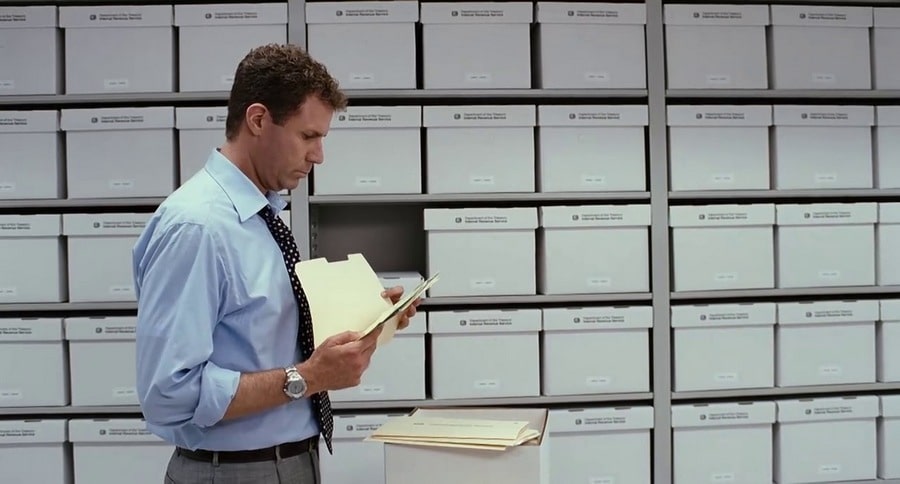
Will Ferrell plays a well organized IRS agent named Harold Crick who seems to have figured out everything in his life to the dot. Little does he know his life is being run by someone else, a nervous and morbid novelist, famous for ending her works with the death of the main character. As the nature of his life and eventual doom, he decides to lay back and enjoy the ride, breaking all his ingrained and boring habits. While this film is recommended for everyone, Will Ferrel fans, especially, need to watch this to see Will’s acting variety.
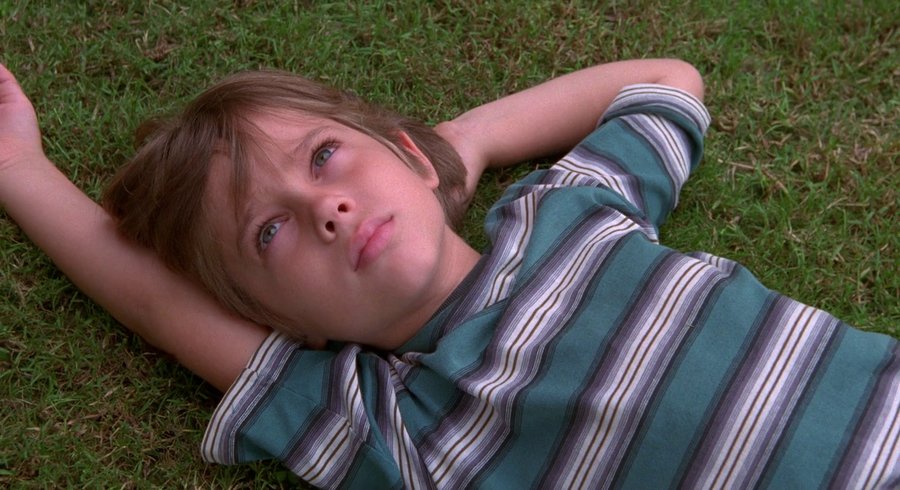
A masterpiece in every possible way: its striking balance between simplicity and effectiveness, its innovative value, the commitment of its maker, and just overall beauty. Boyhood was filmed over a span of 12 years, something never attempted before in film. The result is a captivating, breathtaking tale with almost unparalleled plausibility. The emotions it incites as well as the natural flow it has will feel a lot like life itself, and will leave you with ideas you can dwell on for long after the credits roll. Directed by Richard Linklater, and nominated for 6 different Oscars.
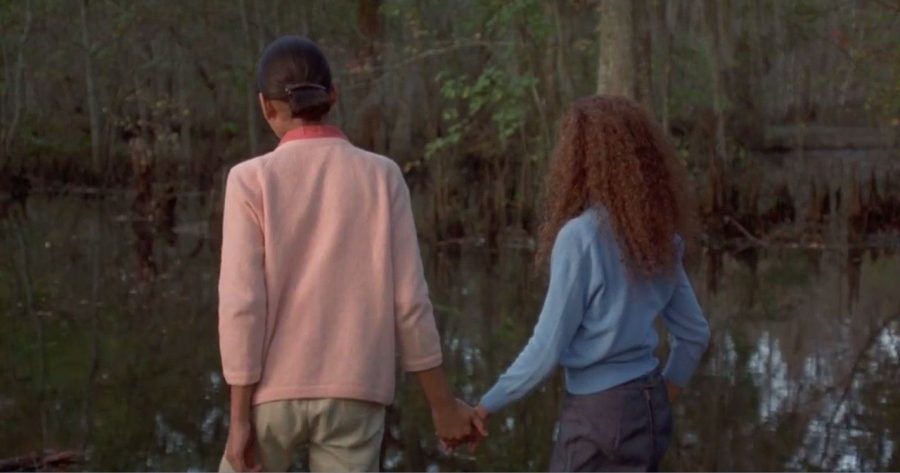
Eve’s Bayou is a Southern Gothic tale of spirituality, family, secrets, and the ties that bind them together. The story follows the awakening, both spiritual and emotional, of young Eve Baptiste. The middle sibling of the Baptiste family, 10-year-old Eve, navigates childhood while enduring the tumultuous relationship between her mother and father.
What lurks beneath a seemingly ordinary marital conflict is an insidious betrayal that could tear her entire family apart. Eve’s Bayou should be considered one of the greatest Black American epics of the past 25 years. I adore this film because it is unflinchingly real – and honest about the sometimes rocky reality of familial bonds.
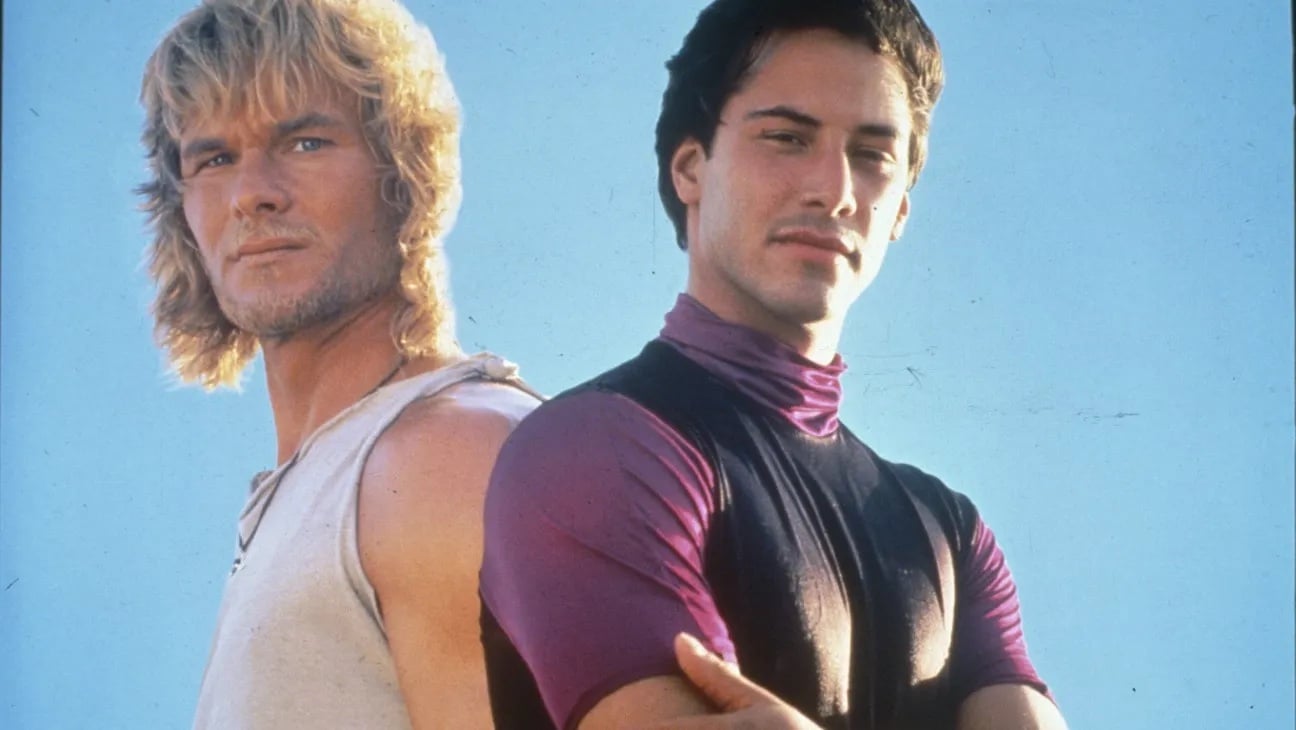
Kathryn Bigelow has a knack for action-packed scenes without compromising on the affective qualities of film style. It is precisely this combination that makes her a rare gem in American cinema, where the values of entertainment soar high. Point Break is one such example of controlled chaos, impeccable framing, and a convincing use of fast-paced editing to really get you as close to the action as possible. But what gives the film its flavour is how developed and synced the characters are and the Reeves-Swayze duo here belongs in the pantheon of equally hot frenemies, providing an apt, but subtle comment on the dangers of toxic masculinity.
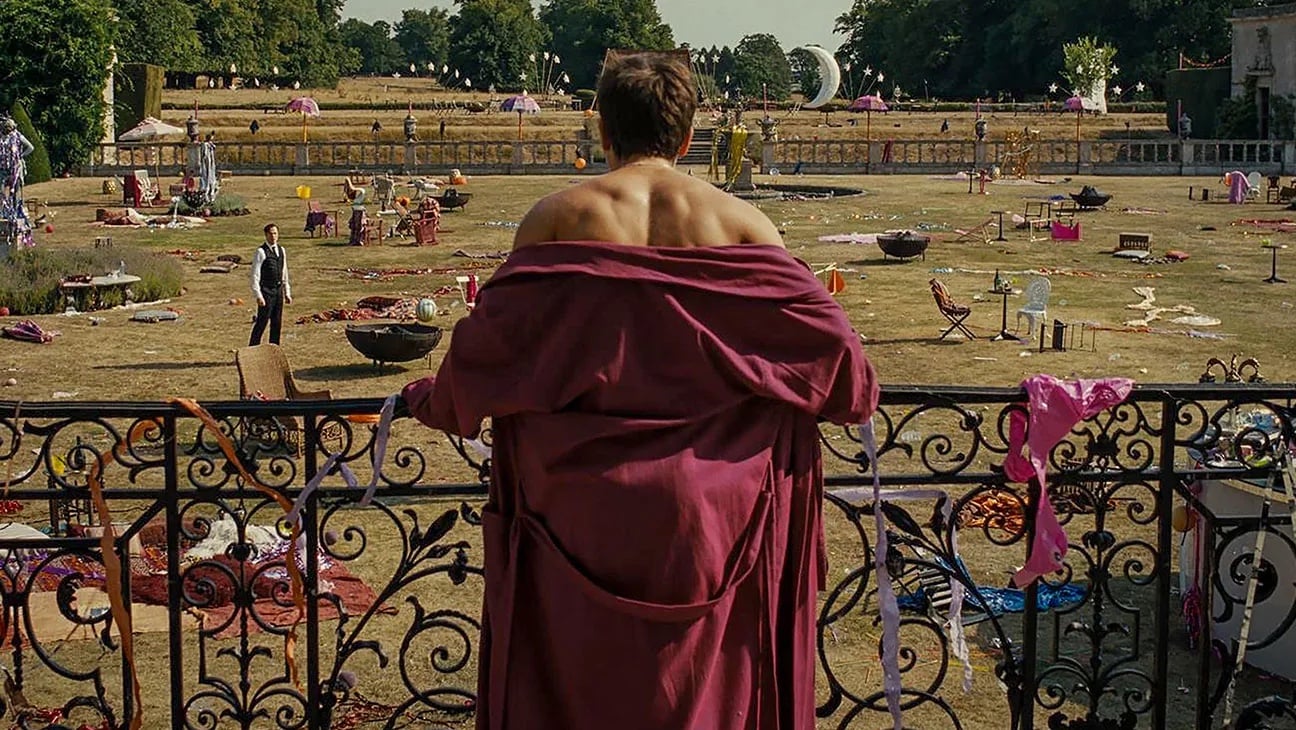
Oscar-winner Emerald Fennell got a lot of free reign with her debut, Promising Young Woman, which was a slightly modest ordeal even with a lead of Carrey Mulligan’s calibre. But now, with her sophomore film, she go to have some fun. Assembling a devout cast of particularly skilled actors—Barry Keoghan, Jacob Elordi, Rosamund Pike, and Mulligan again—seems like an obvious decision, but the mix of them all is unlike anything we’ve seen before. A class satire, a psychological thriller, and a psychosexual drama, Saltburn is high class entertainment, with a snappy script, and many tricks up its sleeve. Brace yourselves for some bath-action, grave-action, and full-moon-menstrual-action and many other scenes you may have not ever pictured shown on the screen. Actually, it’s impossible to prepare for a film like this one, but being open certainly helps digest the shock and provocations that are there for you to behold.
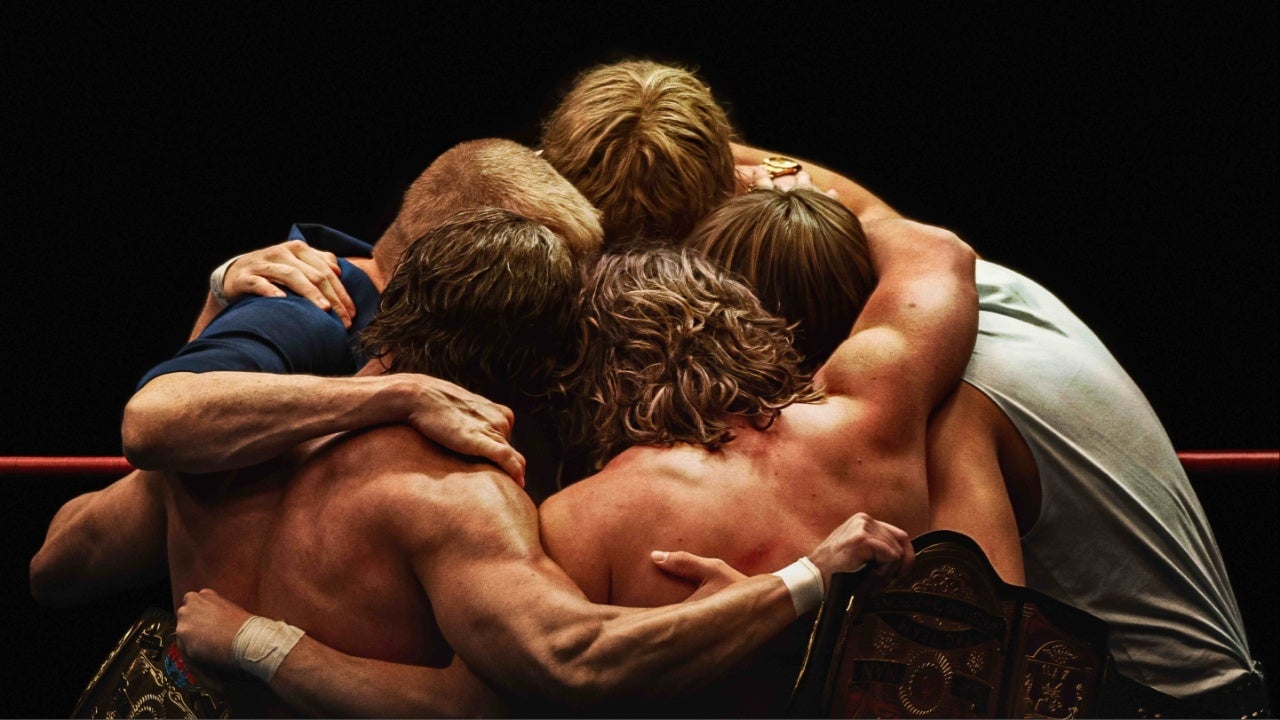
The story of the Von Erich family is excruciatingly sad, but Iron Claw doesn’t dive right into the tragedy. Instead, it takes care to paint a picture of a close-knit family that’s filled with just as much warmth, jealousy, affection, and resentment as the next bunch. Durkin masterfully draws you into their circle so that everything that happens next is sure to cut deep. The choreography, chemistry, color—everything is carefully and beautifully set up, but the casting is what stands out the most. This wouldn’t have worked as well if it weren’t for the inspired move to pair Zac Efron, Jeremy Allen White, Harris Dickinson, and Stanley Simons as brothers and partners. On the internet, people have been dubbing The Iron Claw as “Little Women and The Virgin Suicides for men” and it’s not hard to see why. Apart from the sibling bond over glory and growing pains, all these films are also powerful explorations of gender. Iron Claw is a vicious takedown of toxic masculinity, while also being a searing family drama and an incredible showcase for Efron and company.
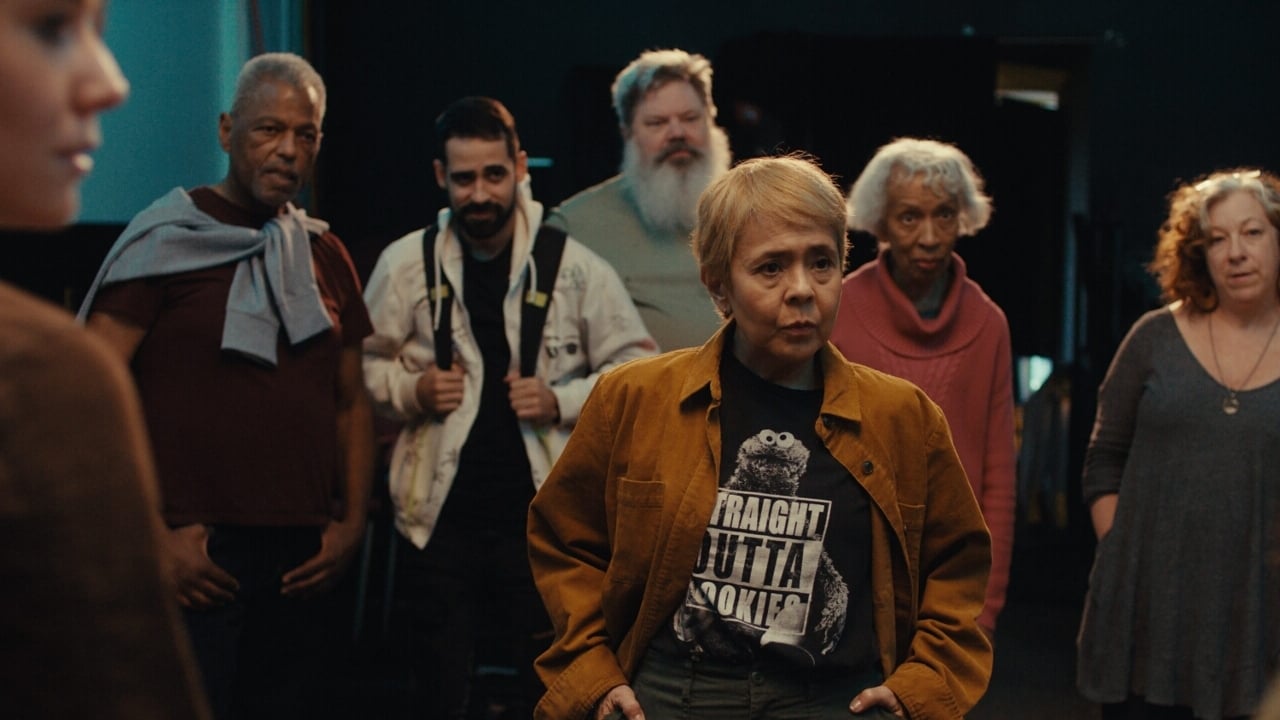
“The healing power of art” sounds cheesy, but it’s a statement made beautiful and true in Ghostlight. It’s the sensitively told and wonderfully performed story of an ordinary man who, up until this point, doesn’t even know how Romeo and Juliet ends. That’s how detached he is from art. But when Rita (Dolly de Leon) pushes him into the arena, he surprises himself and his family by being receptive to it. It’s the only way he can get in touch with his feelings, which is vital since he’s gone through an unspeakable loss recently. What that loss is isn’t immediately revealed in the film, but the small details snowball and eventually pummel you to the ground with its sheer tragedy. You’re either grinning or crying watching this, there’s no in-between. But if there were, you’d probably be marveling at the trio at the heart of this film: the family played by a real-life family. Keith Kupferer, who plays Dan, Tara Mallen, who plays Sharon, and Katherine Mallen Kupferer, who plays their daughter Daisy, are all compelling and dazzling in their own ways.
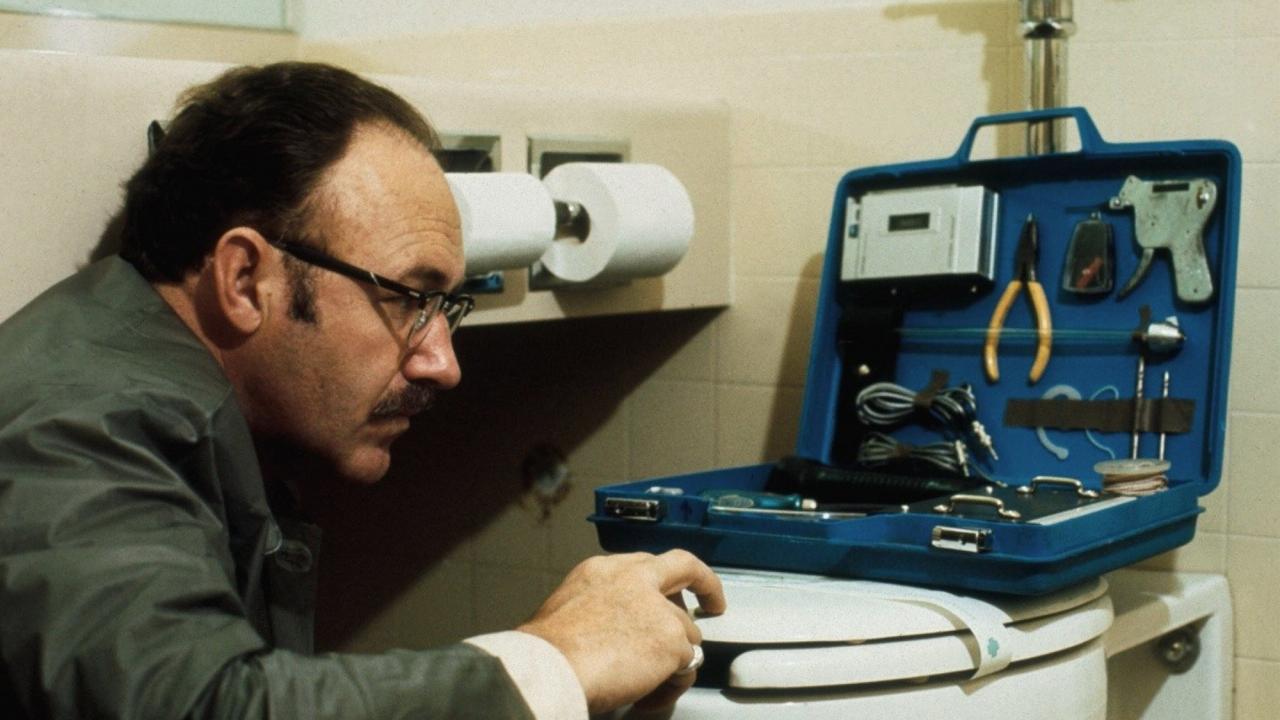
Released in between Francis Ford Coppola’s famed Godfather trilogy, The Conversation is the director’s undersung gem of a film. It follows surveillance agent Harry (Hackman) as he obsesses over a conversation he’s asked to record. Hyperaware of how privacy is rendered useless by people like him, he starts to get overly suspicious about everything and everyone. A birthday card is greeted with hostility instead of warmth. A lover interested in his inner life is seen as a threat to his guarded persona. Paranoia eats at him from the inside, and yet he loves what he does. He’s great at it after all. The Conversation poses a moral question—should Harry interfere and save someone he thinks might be in danger?—but it works best as a thriller. The pacing is slow then sudden; the climax crashes onto you with a severity that will make you hit pause. Crucial to all this is the impeccable score and editing, both by Walter Murch. Fewer films than this have been able to make those two aspects stand out. The ending is also one of the most memorable in recent cinema.
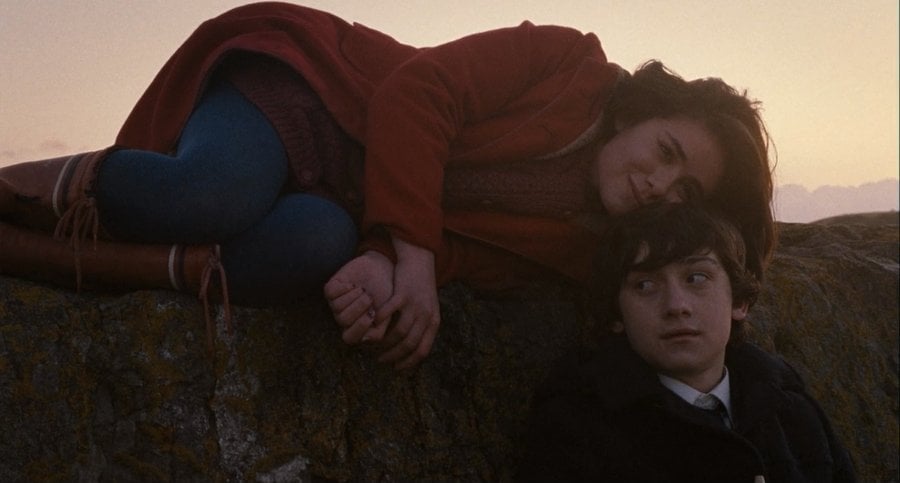
Awkward. That is how Oliver Tate can be described, and generally the whole movie. But it is professionally and scrutinizingly awkward. Submarine is a realistic teen comedy, one that makes sense and in which not everyone looks gorgeous and pretends to have a tough time. It is hilarious and sad, dark and touching. It is awesome and it’s embarrassing, and it’s the kind of movie that gets nearly everything about being a teen right, no matter where you grew up.
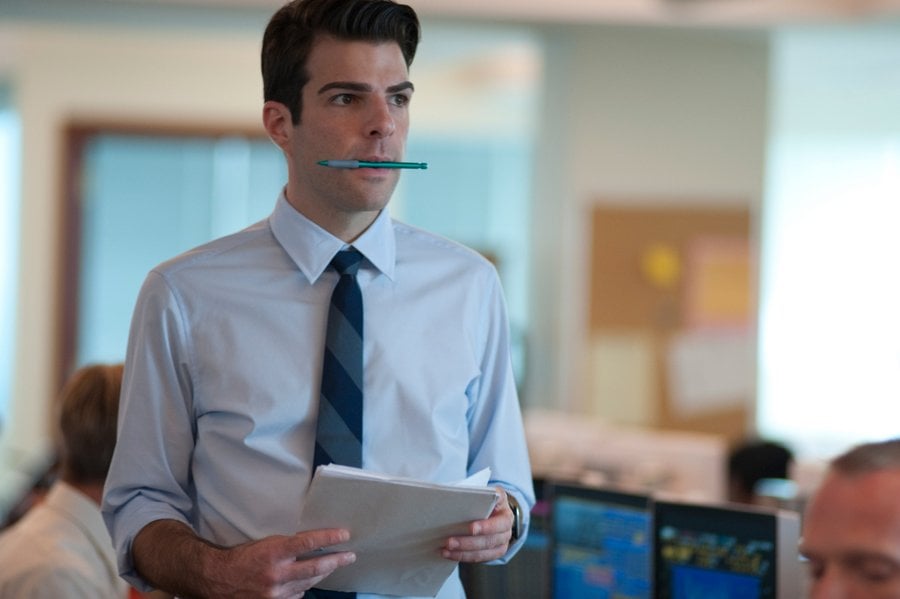
A thoughtful drama about the financial crisis, Margin Call is gripping. Seriously, even something as convoluted as the 2008 global economic meltdown is not only accessible and understandable, but it’s gripping. Margin Call transports you to the heart of Wall Street, both the financial institutions and the street, literally. It is exciting, well-acted and informative. Uh, also: Kevin Spacey.
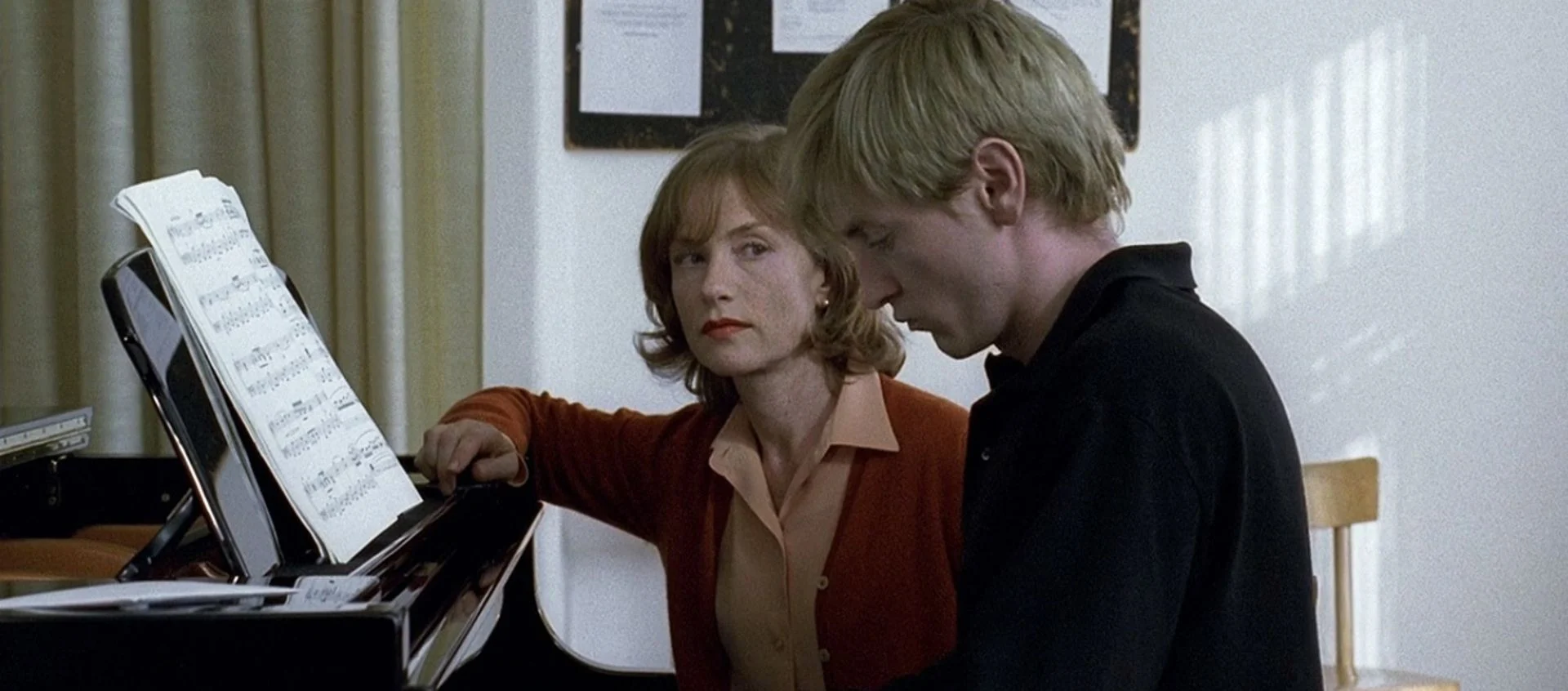
Based on the Austrian novel, The Piano Teacher is as brilliant and as disturbed as its protagonist. The film follows Erika Kohut (Isabelle Huppert), the repressed masochist in question, and the trainwreck of a relationship that she develops with her student Walter Klemmer (Benoît Magimel). Their dynamic is undeniably toxic. Austrian auteur Michael Haneke frames each scene with clinical detachment, but it is absolutely brutal how the two characters try to assert control over each other, engage in sadomasochism, and repeatedly violate each other’s boundaries. Huppert’s heartrending performance fully commits to the merciless treatment Erika receives. But more tragic is the way Erika’s unusual relationship could’ve freed her, could’ve helped her process her abuse, and instead, reinforces her repression. It’s scary to make yourself vulnerable by admitting your desires, only for them to be used against you.
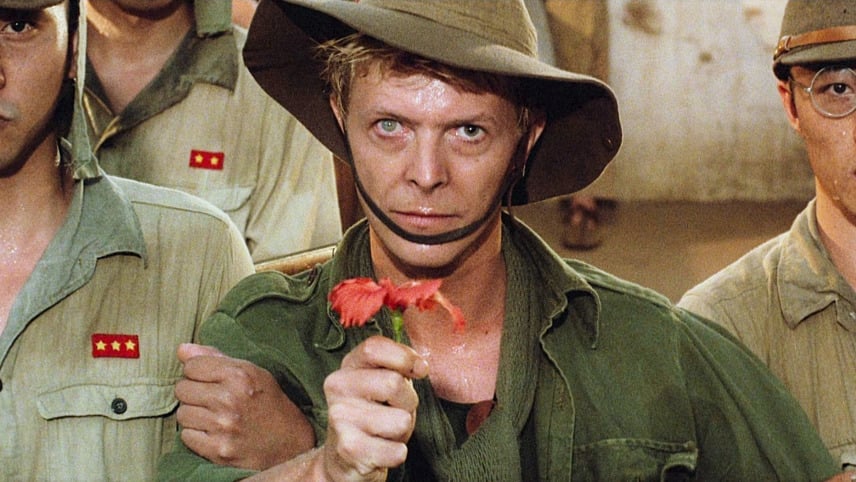
The tragic irony of war — that, if battling soldiers had been born in any other time or place, they may well have been friends with each other — takes center stage in this brilliant drama set in WWII-era Java. It’s a theme best encapsulated by Captain Yonoi (Ryuichi Sakamoto in his film debut), the bushido code-following commandant of a Japanese POW camp: “How wonderful it would have been if we could have invited all of you to a gathering under our cherry trees,” he muses to the titular British Lieutenant Lawrence (Tom Conti), one of his prisoners.
Lawrence is the camp’s mediator, and not just because he’s fluent in Japanese; in the culture clash microcosm that is the camp, he is uniquely understanding of his captors’ way of life. That earns him special privileges of sorts from the camp’s often brutal enforcer (Takeshi Kitano), but this pales in comparison to the instant partiality with which the charismatic Major Jack Celliers (David Bowie) enjoys, courtesy of a smitten yet deeply repressed and tormented Yonoi. This psychosexual undercurrent bubbles furiously throughout Merry Christmas, Mr. Lawrence, deepening its (already poignant) lamentations about war’s humanity-stripping effect and the self-imposed prisons that are honor and shame.
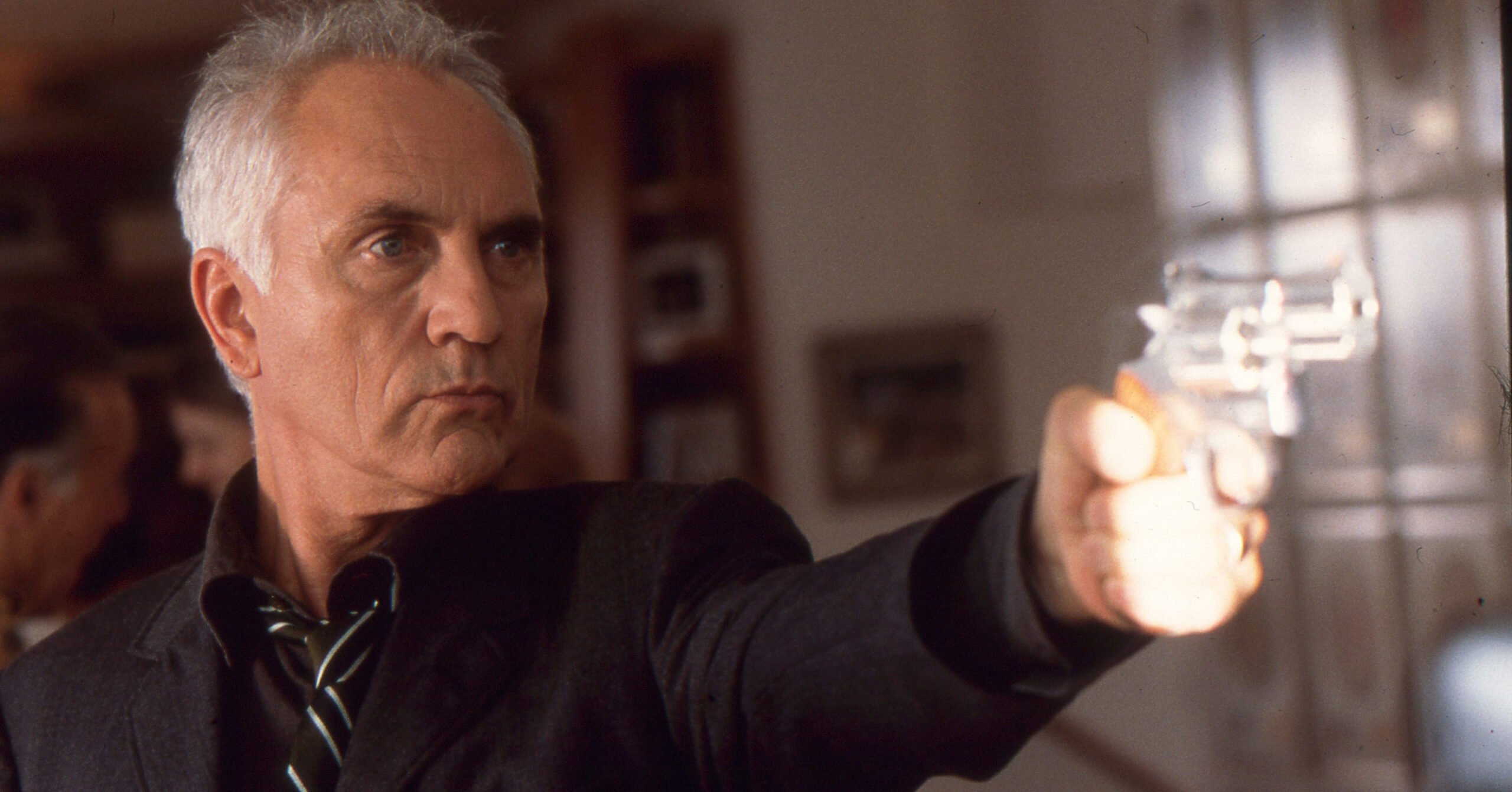
The bare bones of The Limey’s story — vengeful Cockney ex-con Wilson (Terence Stamp) flies to LA to investigate the suspicious death of his daughter Jenny — are gripping enough, but what Steven Soderbergh does with them elevates this neo-noir thriller into something utterly singular and stacked with layers upon layers of meaning. An icon of London’s Swinging ‘60s scene, Stamp is pitted against laidback symbol of ‘60s American counterculture Peter Fonda (as Jenny’s sleazy older boyfriend), giving their face-off grander cultural stakes. The extra-textual significance of the casting is deepened by Soderbergh’s ingenious references to the actors’ heyday: in flashbacks to Wilson’s happier past, for example, we’re shown the actual Stamp in his younger years (courtesy of scenes borrowed from 1967’s Poor Cow).
The Limey is also a brilliant showcase for editor Sarah Flack’s technical inventiveness: though the narrative is largely linear, the film cuts to and from scenes and sounds at unexpected points, giving the film an almost David Lynch-like sense of eerie fragmentation. Conjuring up a nightmare LA atmosphere isn’t all the editing does, either, as the film’s puzzle pieces are expertly reassembled to reveal an emotional gut-punch of an ending. In short, this high point in Soderbergh’s filmography is a must-see for any fan of cinema.
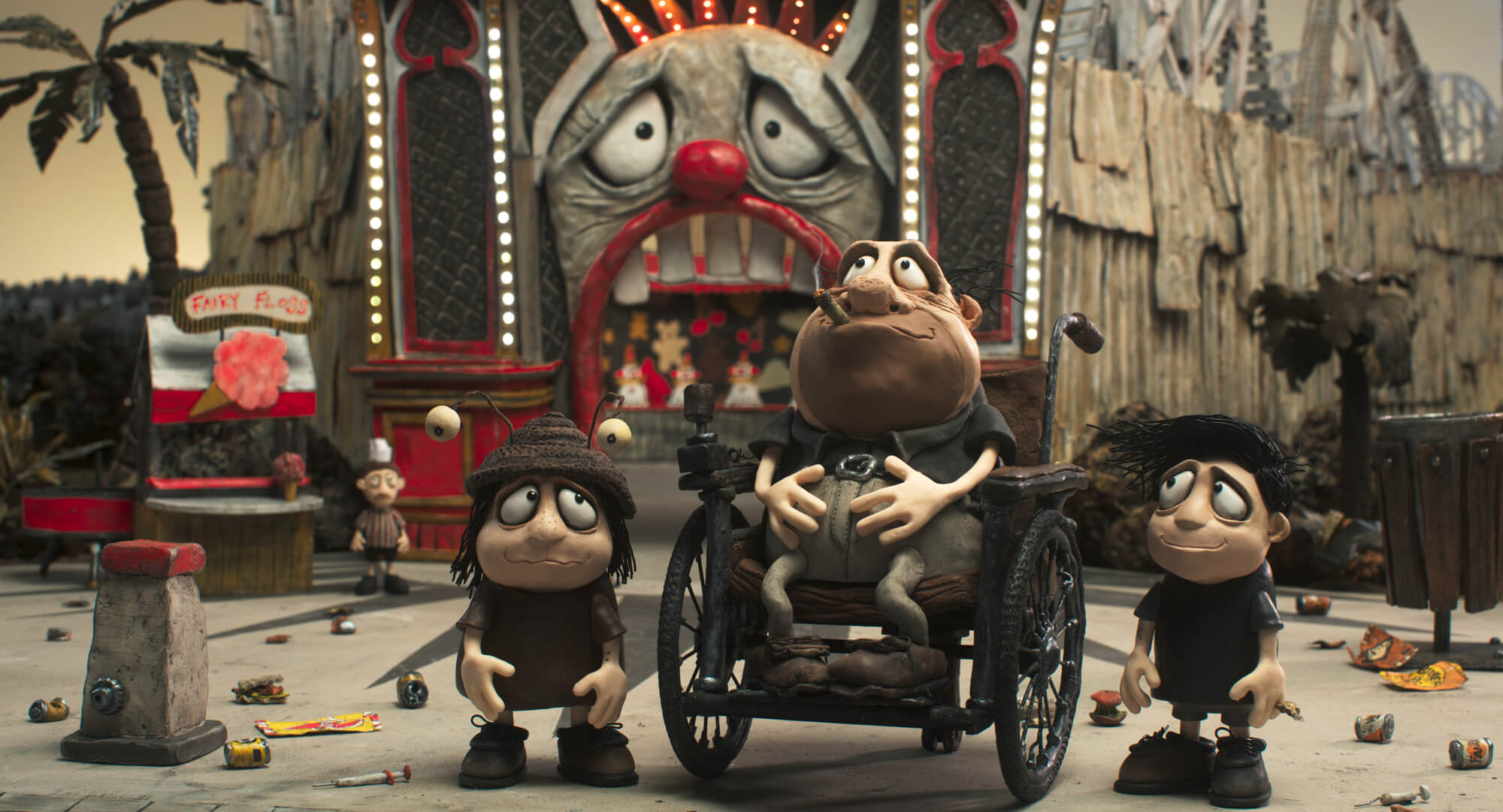
The worst possible things that could happen, happen to orphaned twins Gracie and Gilbert but still they power on, motivated solely by the hope of being reunited once more. It’s a sweet premise, young siblings on opposite ends of the country encouraging one another with heartfelt letters. And with the soft-spoken Gracie (Snook) narrating the whole thing, it’s easy to be lulled into a sense of ease and comfort. But those familiar with director Adam Elliot’s work know that it’s never that simple. The film is as dark and edgy as it is sentimental and hopeful. It’s a complex piece of work, one that asks: is life worth living? After all the hardships, misfortune, depravity, and brutality, must we go on? You probably know what answer the movie will give you, but how it gets there is a heart-shattering journey that’s worth taking nonetheless.
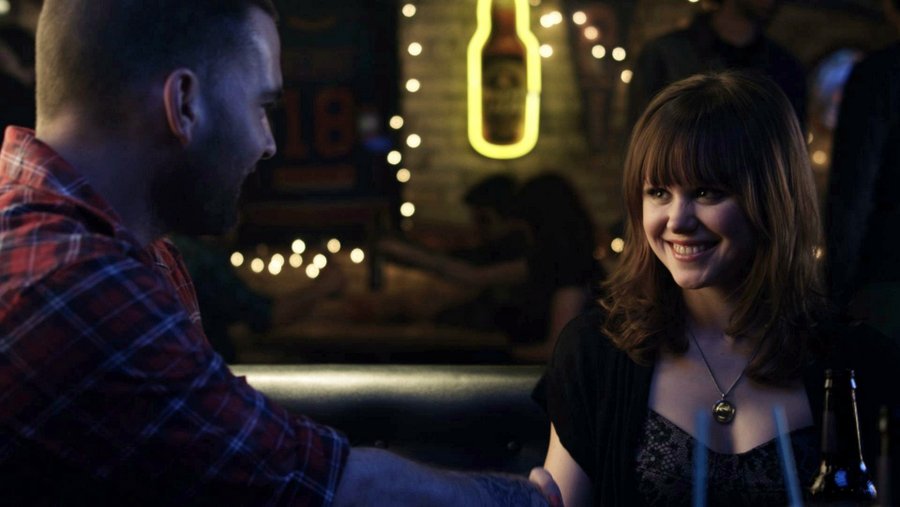
Goon is funny, violent, and sweet as hell. You’ll be surprised by how nasty it is but at the same time you won’t care. What you will want to do, on the other hand, is rip through the screen, and hug the main character. It is also a great example of a feel-good movie that isn’t solely focused on being a feel-good movie. It’s also great love story, with all its absurdities and highly emotional load. The story shines a light on the players who join hockey teams not for the game but for the fights that may erupt. They are called goons. Doug Glatt (Seann William Scott) is a new goon and this movie is his journey towards success both on the ice and off.

Donnie Darko is a cult film by director Richard Kelly, starring Jake Gyllenhaal. It’s about the troubled teenager Donnie who lives in a suburb and suddenly faces a person in a giant rabbit costume who tells him that the world is going to end in 28 days. If that didn’t make sense to you, don’t worry – it’s not about making sense. The film is a gorgeous exploration of a bizarre chain of events, a deep rabbit-hole of meaning and expression, fate and acceptance that practically begs for a second, third, or fourth watching.
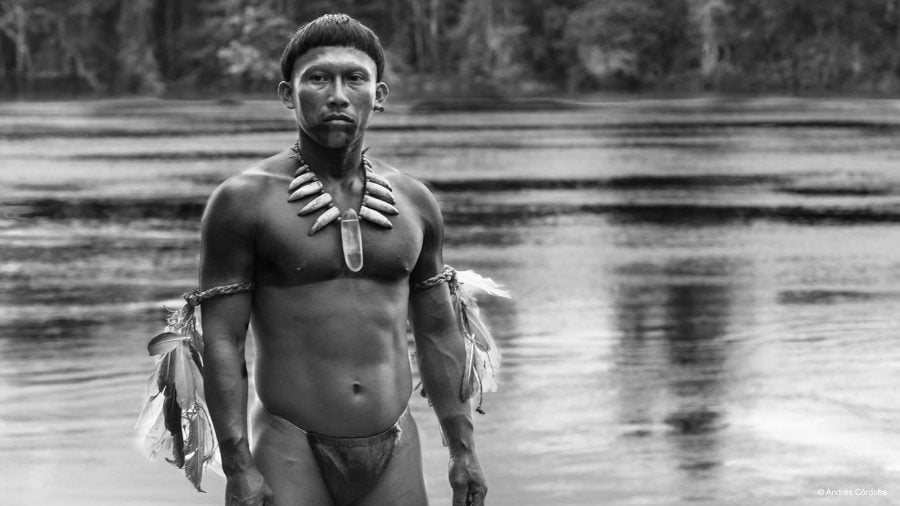
This movie is gentle and utterly chaotic, intimate and massive, beautiful and ugly… it tries to be so many things and somehow pulls it off. It tells two stories parallel in time, based on the real-life diaries of two European scientists who traveled through the Amazon in the early and mid-twentieth century. Their stories are some of the only of accounts of Amazonian tribes in written history. The main character and guide in the movie is a shaman who met them both. At times delicate to the point of almost being able to feel the water, at times utterly apocalyptic and grand… to watch this movie is to take a journey through belief systems, through film… and to be brought along by cinematography that is at times unbelievably and absurdly beautiful. Meditative, violent, jarring, peaceful, luminous, ambitious, artful, heavy handed, graceful… it’s really an incredible film.
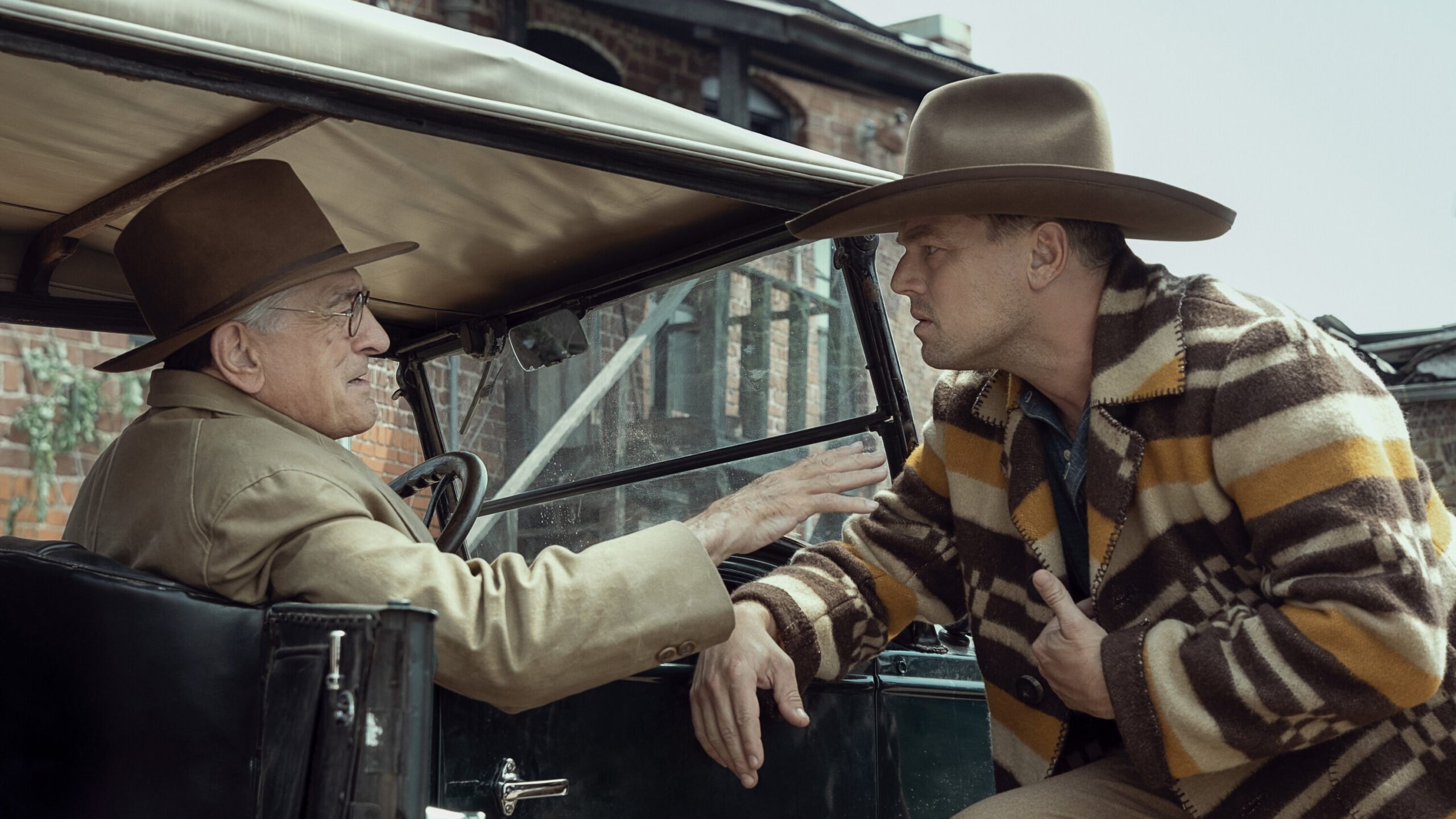
Martin Scorsese’s Killers of the Flower Moon isn’t a whodunnit; in fact, it’s closer to a who-didn’t-do-it. We know from the very beginning who is responsible for committing the brutal serial murders of wealthy Osage Native Americans in 1920s Oklahoma that the film chronicles: pretty much every single one of their white neighbors, spearheaded by William Hale (a skin-crawling Robert De Niro). Scorsese, most often associated with mafia stories, stealthily suggests here that the most dangerous gang of all is the one into which all these perpetrators have been born. That’s an idea he investigates through the confused loyalties of Leonardo DiCaprio’s Ernest Burkhart, the Judas-like husband of Mollie (movie-stealer Lily Gladstone), an Osage woman who owns lucrative oil headrights that William wants to fatten his own pockets with. This searing epic — based on a harrowing chapter of real American history — is an unsparing and self-implicating look at complicity and greed in the eye, a monumental movie that cements its maker as one of the greatest to ever do it.
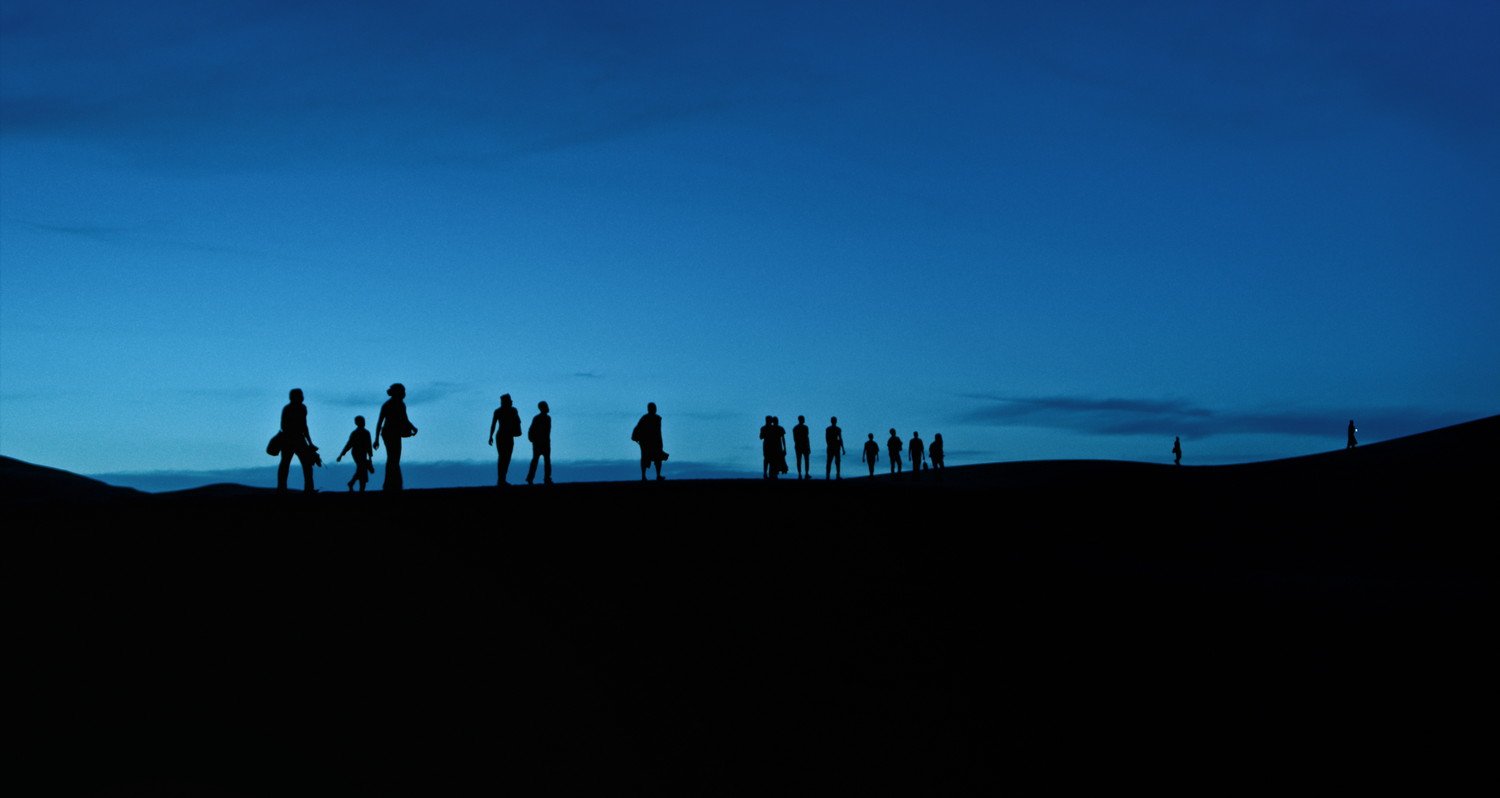
Journeying from Africa to Europe without an official permit isn’t just risky, it’s dehumanizing, if not lethal. And though we’ve heard about the many unfortunate ways migrants have suffered, never has the crisis been as intimately and intensely portrayed as in Io Captain. Here, we get to see who Seydou and Moussa were before the voyage out of Senegal, before they were reduced to anonymous bodies bound to torture, slavery, and racism. Director Matteo Garrone takes care not to exploit their lives and instead highlights the joy and hope they left behind and continue to find in small but meaningful portions. Garrone achieves a delicate balance between stark, depressing reality and heartwarming hope, and it’s beautiful to watch. All this in addition to stunning cinematography and unbelievable performances by the two young leads makes Io Capitano easily one of the best films in recent years.

This surprising documentary follows Jiro, an 85 year old Japanese chef, his Michelin-starred restaurant in the Tokyo underground, and his eager sons. While ostensibly about sushi – and believe me, you’ll learn about sushi and see absolutely gorgeous images of the raw-fish creations – the film’s dramatic impetus is carried by the weight of tradition, the beauty of a labor of love, obsession, and the relationship between father and son. Truly a must-watch.
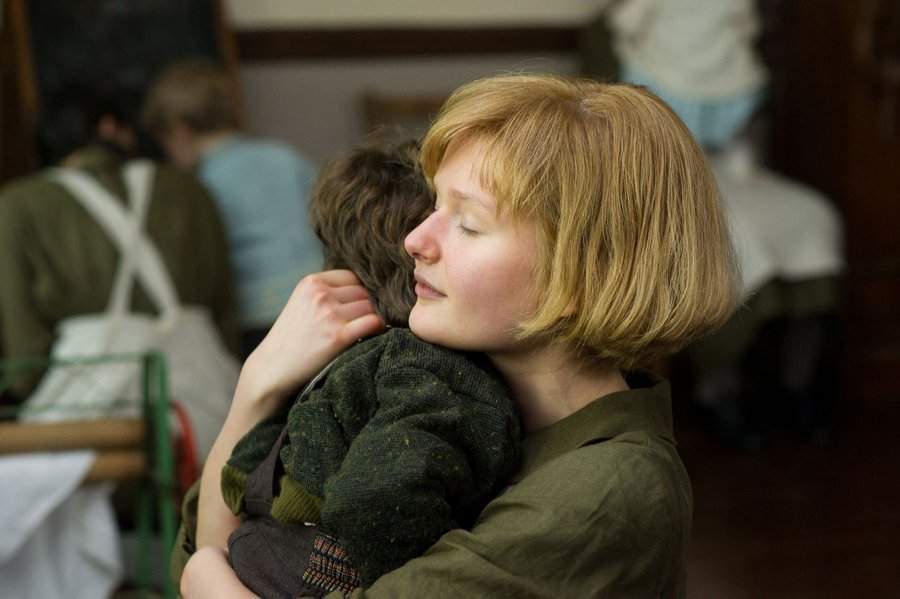
An inspired by true events tale about an elderly Irish woman trying to find the child she was forced to give up many years earlier. Steve Coogan co-wrote the script and, though the base story is a tragic one, his special brand of very subtle, wry wit is apparent in the dialogue throughout. Judi Dench plays the mother who had kept her “sinful” past a secret for fifty years and, being Judi Dench, I don’t need to bother going on about her exemplary talent, suffice to say she’s charming beyond measure in the role. Steven Frears directs, as usual, deftly, and keeps the story compelling scene after scene, intensifying the emotions inherent to each, whether they be heart-warming, comedic, or outright enraging. Whoever decided to let Steve Coogan have his way with the script, it was a brave and wise choice and together this cast and crew have produced a wonderful and important piece of cinema.
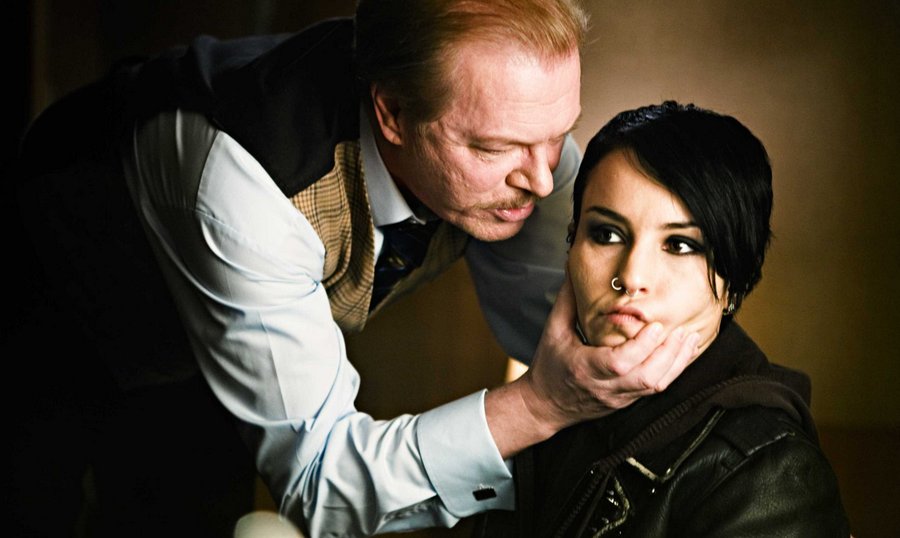
The original Swedish mystery thriller that was later remade by David Fincher. It’s the same story of a wealthy man hiring a journalist and scrappy hacker to solver a murder, but told better. This version is slower, has more attention to detail and pace. In casting, authenticity triumphs over good looks. In staging, aesthetics are given as much importance as thrills. And in the story, intelligence wins over plot. This gives the main character of Lisbeth Salander (played by Noomi Rapace) better space to deploy her full mysticism and enigmatic nature. Danish director Niels Arden Oplev masterfully brings everything together to make for a movie that will forever be remembered.
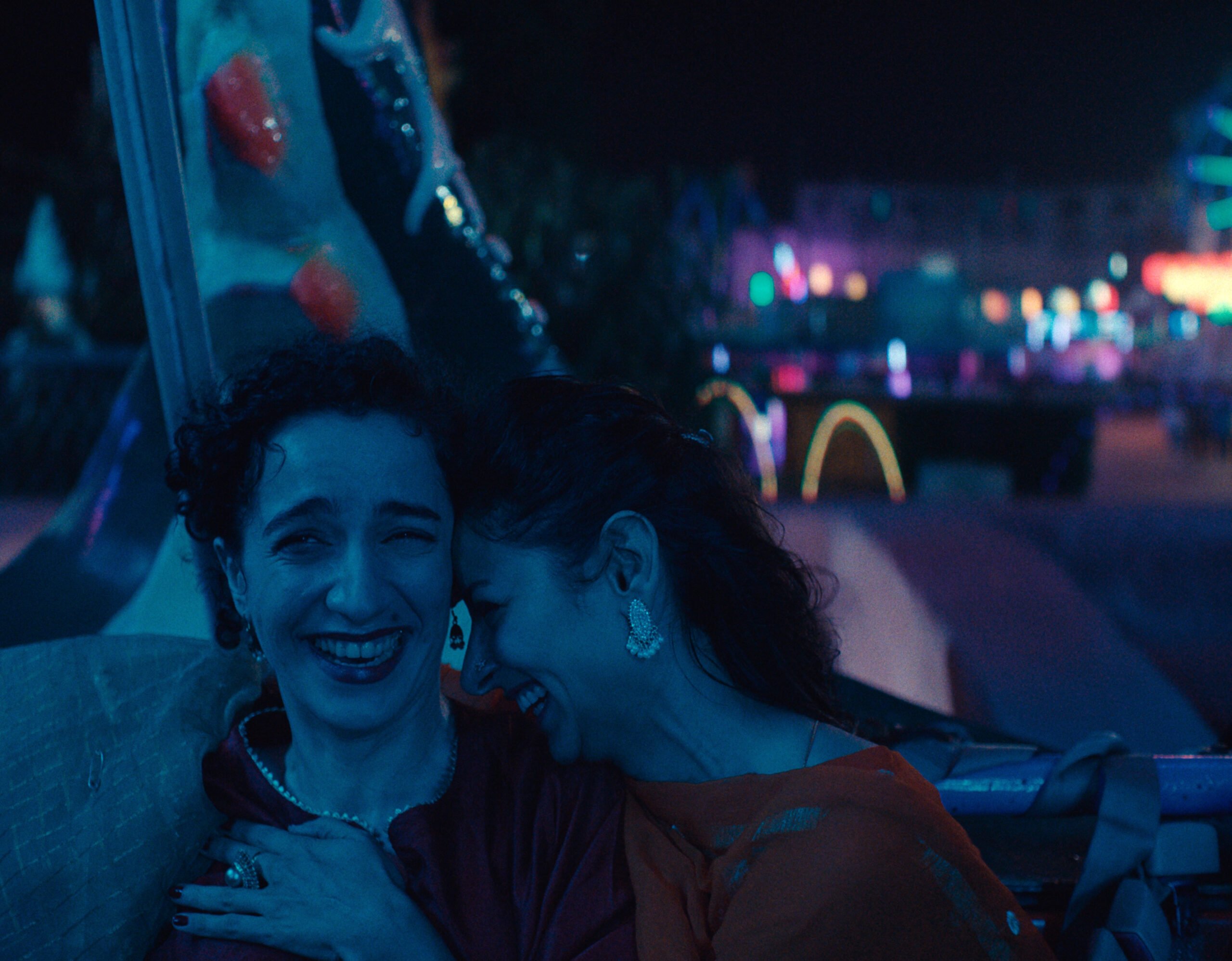
Joyland is groundbreaking on nearly all accounts. It’s the first Pakistani film to premiere at the Cannes Film Festival and to be shortlisted for an Oscar. Its forthright depiction of trans life and gender identity provoked the ire of local authorities, but it also inspired a nationwide movement (#ReleaseJoyland) that fought against censorship. It’s understandable, then, if the film is remembered for these disruptive achievements alone, but it should be noted that Joyland, as it is, is simply a stunning piece of cinema.
Every scene is beautifully blocked and vibrantly lit, like a painting come to life, and every one of them is rich with meaning; there’s not a second we’re not diving deeper into the wonderfully complex lives of these people, all of whom are exploring sexuality and independence as best they can in a restricted environment. And sure, Biba and Haider’s relationship takes center stage as it reveals the nuances of queer love, but Joyland just as deftly tackles toxic masculinity (and how it’s a specter that haunts Haider’s household), domestic labor (and how it largely goes unnoticed), and female solidarity (and how it can literally save a girl’s life). Heartbreaking and lovely, this a family saga in that it’s as much about Haider’s family as it is about him, and it’s a shame if it weren’t remembered as such.
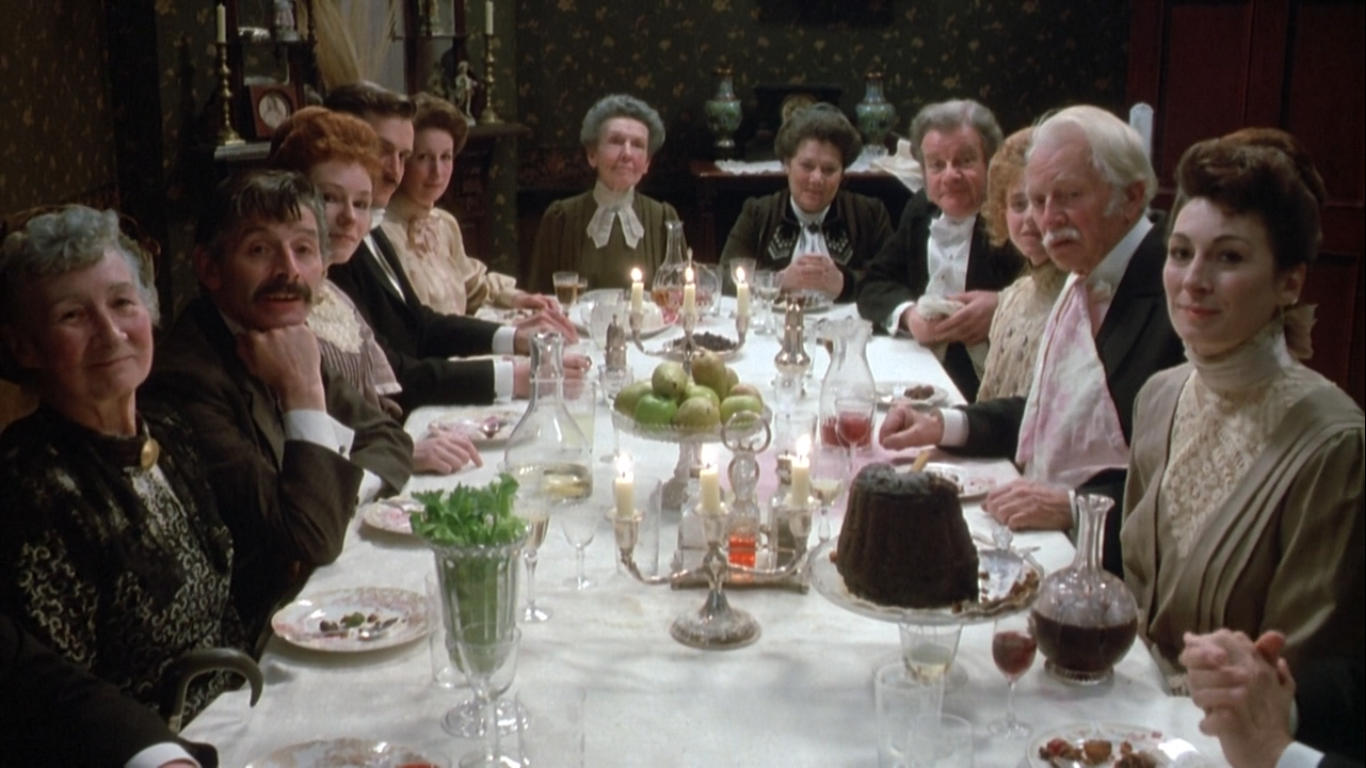
The last work by legendary American director John Huston is this exquisitely rendered adaptation of a James Joyce short story. The Dead is nestled inside an intimate festive dinner shared by the family and close friends of the Morkan sisters, two well-to-do elderly spinsters living in Dublin in 1904. The film is a family affair in more ways than just that, too: for Huston’s final feature, son Tony wrote the script and daughter Anjelica (as Gretta) was its star.
As with so many end-of-year gatherings, the prevailing mood of the dinner is one of sentimental nostalgia, as the hosts and their guests swap memories, toast each other, and tearily reminisce about the way things were. Anjelica Huston’s performance is also a quiet architect of that atmosphere, as Gretta slips in and out of dreamy reveries throughout the evening to the puzzlement of her husband Gabriel (Donal McCann) — something that surges to the fore in an astonishingly moving final revelation. Huston directed the film on his proverbial deathbed, which infuses it with significance — but, even if it wasn’t the capstone to his illustrious career, The Dead would still stand as one of the finest treatments of mortality and longing ever committed to the screen.
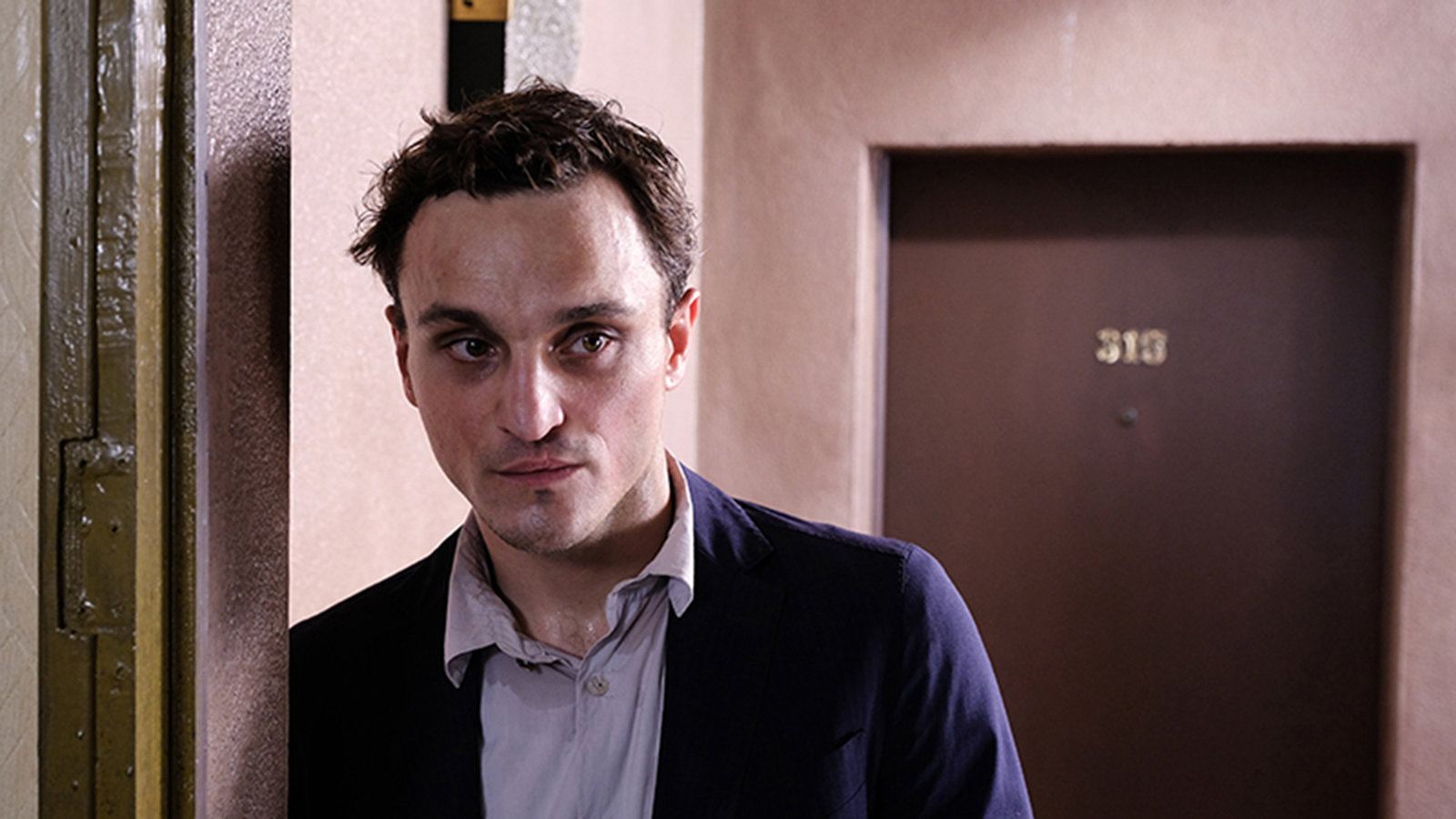
Transit is based on a WWII novel — though you wouldn’t be able to tell from first glance. While the characters talk of German fascists occupying France, anachronistic details (like modern technology and clothing) suggest we haven’t gone back in time at all. Director Christian Petzold isn’t trying to confuse us: by blurring the backdrop, he’s making the terror and the desperation of the story more immediate — removing the distance that might have prevented us from really feeling what happens.
The uncanny historical echo effect works as intended, because the parallels Transit subtly draws between the past and today are horribly clear. What’s more, the movie’s intentionally ambiguous framing suffuses the plot with an otherworldly sense of mystery, a quality that gradually intensifies as Georg (Franz Rogowski) desperately searches for a one-way ticket out of hellish bureaucratic limbo before he finds himself waylaid by that most mysterious emotion of all: love. Unshakably haunting and undeniably poignant, this is a movie that will live under your skin.
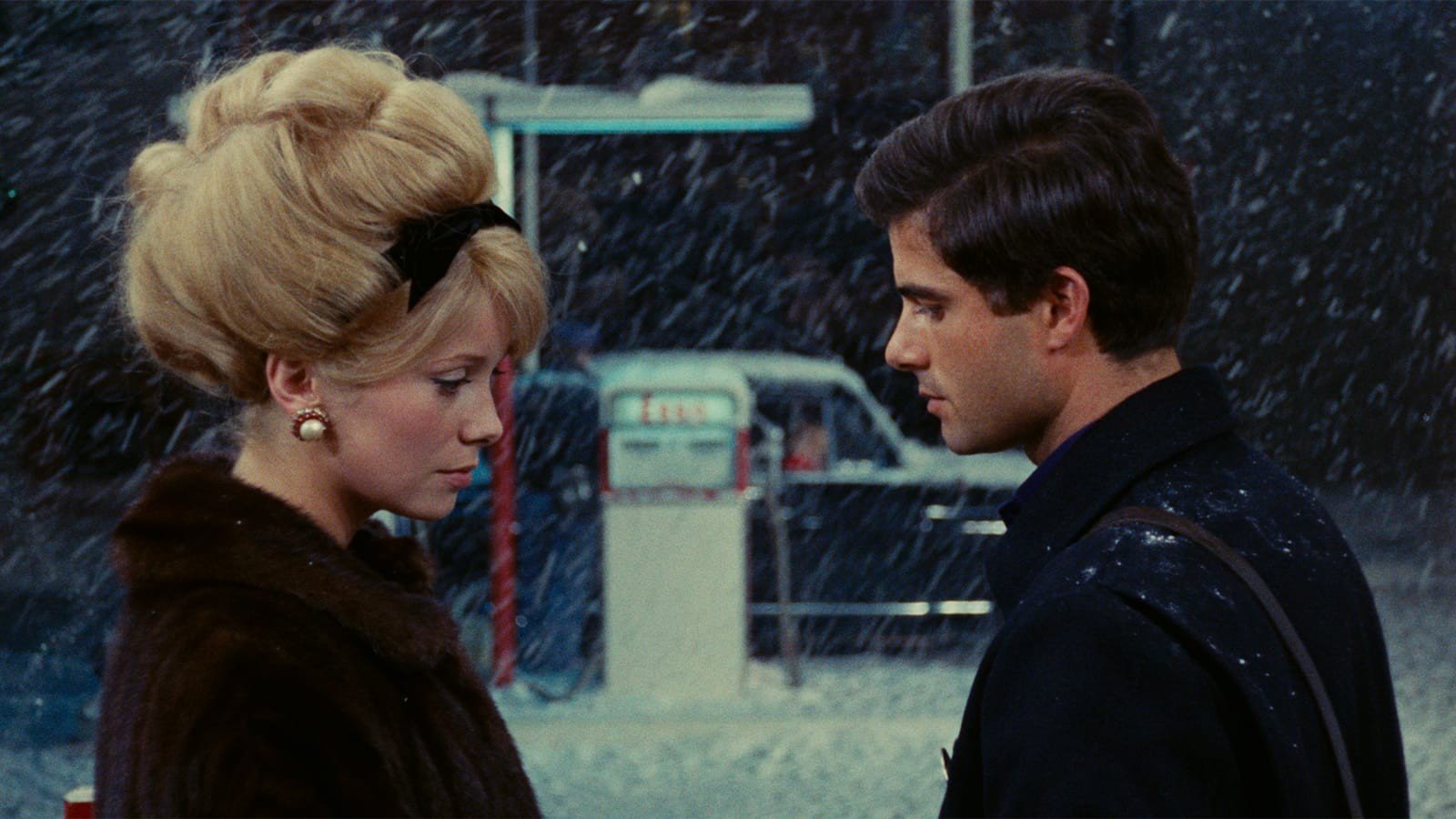
If we were to list down the best of the best movie musicals ever made, most of the titles would probably come from the Golden Age of Hollywood. But we’d be remiss to forget that just a few years later, all the way across the pond, came The Umbrellas of Cherbourg, a French romantic musical from Jacques Demy. It’s certainly in the running for the most gorgeous musical ever made, with the bold, dreamy colors, incredible camera work, stylish costumes, and two beautiful leads front and center, but what makes Cherbourg great is the lush composition made by Michel Legrand. With the sweeping violins and the tragic lyrics of Devant le Garage, to the catchy, jazzy Scène du Garage that starts off the film, Les Parapluies de Cherbourg brings together sublime visuals and sound into one of the greatest musicals ever made.

Based in the 1970s, William Miller is a young high school student who hasn’t experienced much in life partially due to his over-protective mother and also due to his awkwardness. His only escape is through the music he listens to religiously. Senior year he stumbles upon the opportunity of a lifetime to write a story for Rolling Stone Magazine by going on tour with an up-and-coming band. Through his journey he meets new people, friends, and experiences life in a way that could not have been provided for him back at home. Starring Billy Crudup, Kate Hudson, Jason Lee, and Patrick Fugit.
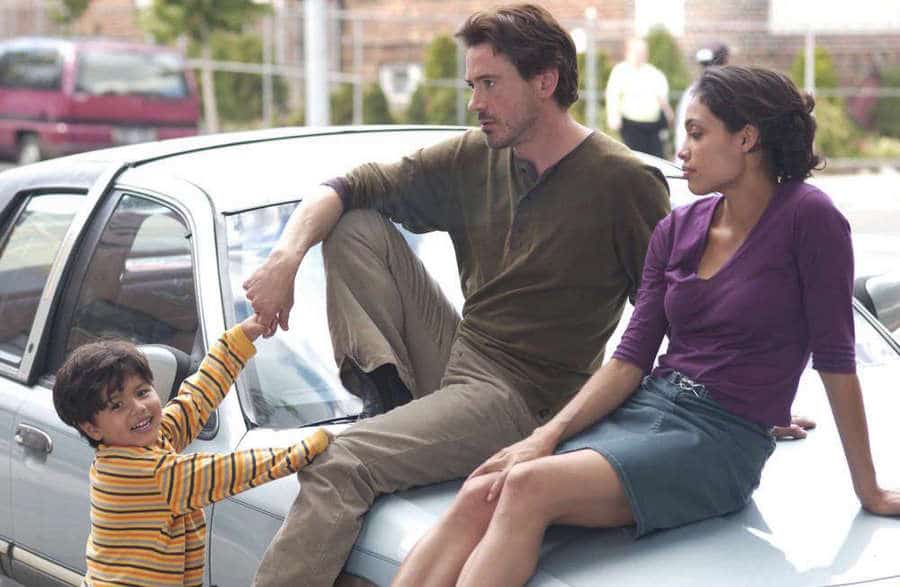
Not only is this multi-award-winning drama seriously star-studded, Robert Downey Jr., Rosario Dawson, Channing Tatum, and Shia LaBeouf also deliver superb performances. With two Sundance Awards and many other nominations in its pocket, A Guide to Recognizing Your Saints is based on the eponymous memoir by author, director, and musician, Dito Montiel, who recalls his violent childhood on the mean streets of Queens in the 1980s (LaBeouf plays the young Dito), as he visits his ailing father after 15 years away in Los Angeles (Downey Jr. plays present-day Dito). It is also real-life Dito’s directorial debut, recalling the loose, improvisational style of 70s cinema a’la Scorcese. The powerful plot is told through flashbacks and fourth-wall bending monologues, while the eccentric directing style makes for a raw and immediate experience. The energy of this coming-of-age drama is off the charts!
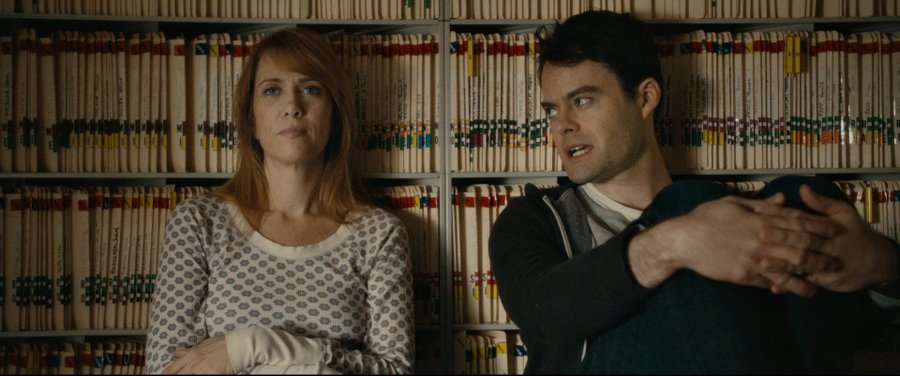
Directed and co-written by Craig Johnson (who made The Adolescents with Mark Duplass), The Skeleton Twins is a beautiful piece of drama, dealing with some dark themes. It does so with surprising success, given that the two main actors are seasoned comedians with little to no experience in the genre. And yet, it is precisely the two leads that turn this bleak comedy-drama into a somber, haunting, but beautiful watch. Bill Hader is amazing as the depressed and suicidal gay man, Milo, who is reunited with his estranged twin Maggie (Kristen Wiig) after a series of unfortunate events. Their attempts at repairing their fractured relationship also forces them to confront the trajectory of their own lives, while they rediscover their erstwhile childhood friendship and long-lost camaraderie. Again, don’t expect a traditional comedy, but an honest display of the complexities of sibling relationships, mental health, and how conflict, compassion, and understanding fit into it all.
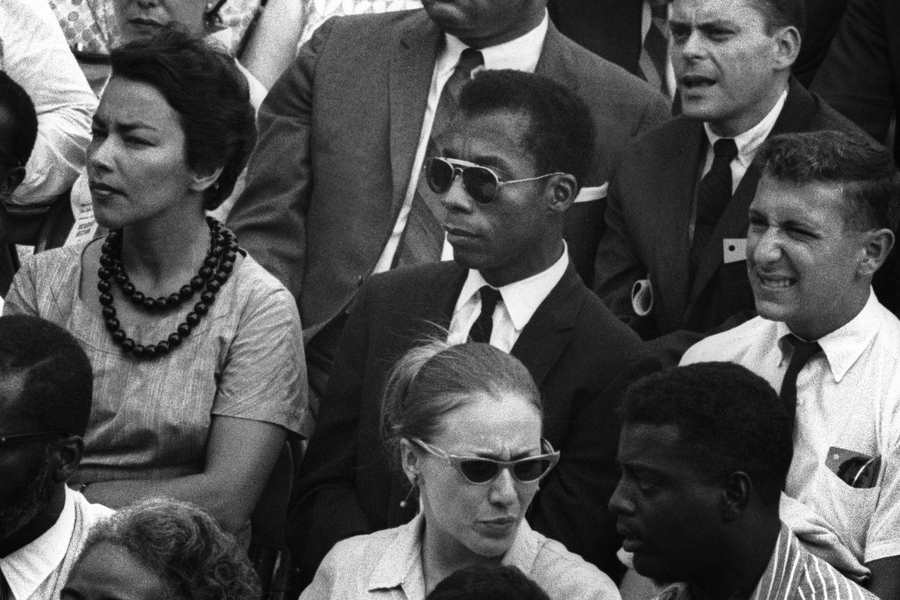
In a stunning and vivid (re-) introduction to the Black intellectual, author, and social critic, James Baldwin, this movie digs very deep into the American subconscious and racial history. It tells the story of America by telling the story of “the negro” in America, based on a book Baldwin started to write, which would have studied the famous assassinations of three of Baldwin’s friends: Medgar Evers, Malcolm X, and Martin Luther King, Jr. He wrote about 30 pages before he passed away in 1987. Haitian director and activist Raoul Peck picked up the project and made it into a movie, earning him an Academy Award nomination. Narrated by none other than Samuel L. Jackson, I Am Not Your Negro highlights, at the same time, Baldwin’s genius, his unique eloquence, and the beauty of his soul as a human being. It is a sad truth that Baldwin’s denouncements feel as relevant today as they did 50 years ago. As such, this movie serves as a sobering reminder of how far America still has to go. A mesmerizing experience!
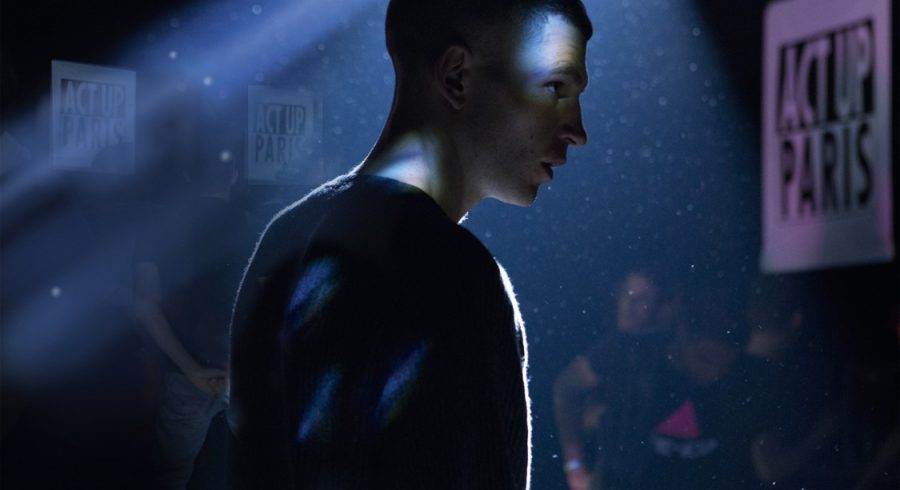
Autobiographical in nature, 120 BPM is French screenwriter Robin Campillo’s first feature film. It revolves around the Parisian chapter of the AIDS advocacy group ACT UP, which Campillo was a member of in the early 1990s, and the love between Nathan, the group’s newest member, who is HIV negative, and Sean, one of its founding and more radical members, who is positive and suffers the consequences of contracting AIDS. Using fake blood and spectacular direct action, ACT UP advocated more and better research of treatment, prevention, and awareness. This was at a time when many, implicitly or explicitly, viewed AIDS as a gay disease, even as a punishment for the gay community’s propensity to pleasure and partying. The latter is reflected by the film’s title, 120 bpm being the average number of beats per minute of a house track. Arnaud Rebotini’s original score echoes the ecstasy-driven house music hedonism of the time with some effective original cuts, albeit with a melancholic streak. Because, for all the love, friendship, and emotion of the ACT UP crew that BPM so passionately portrays, anger and sadness pervade the lives of these young people as the lack of effective treatment threatens to claim the lives of their loved ones.
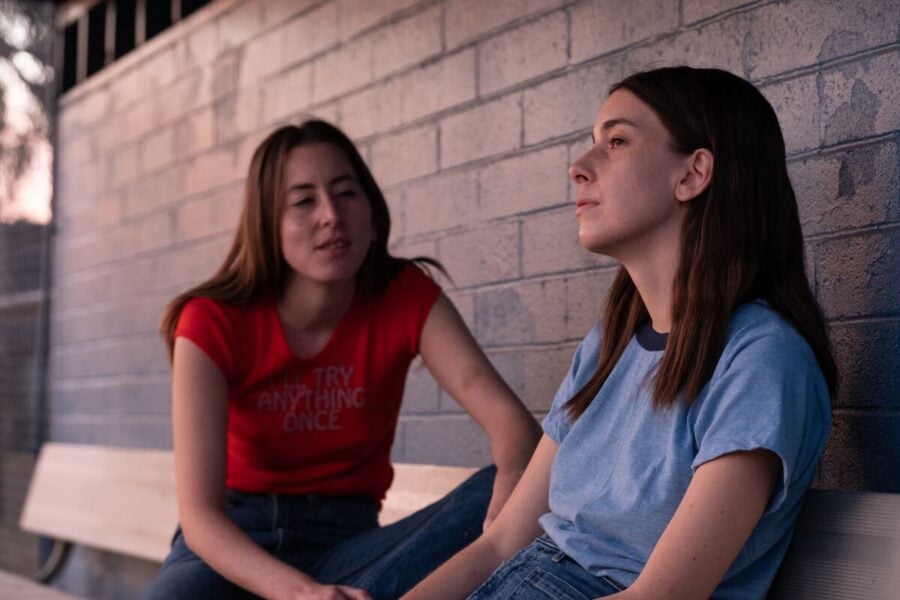
Poignant, delightful, and simply gorgeous, Licorice Pizza just might be Paul Thomas Anderson’s best work to date. The period dramedy follows two young people, one in her 20s and one in his teens, as they strike an unlikely but lovely friendship and try to find their place in the world. They may be 10 years apart, but they’re stuck in the same swirl of rejection and confusion that trap a lot of ambitious people like them. The premise is far from original, but Alana Haim and Cooper Hoffman turn in captivating performances (made even more impressive by the fact that this is both their film debut). There is an ease and naturalism to both their chemistry and onscreen performances that’s hard not to love.
The thick and wistful patina of the ‘70s, the comedic asides, and the colorful supporting cast all also help paint an overall charming picture that shouldn’t be missed.
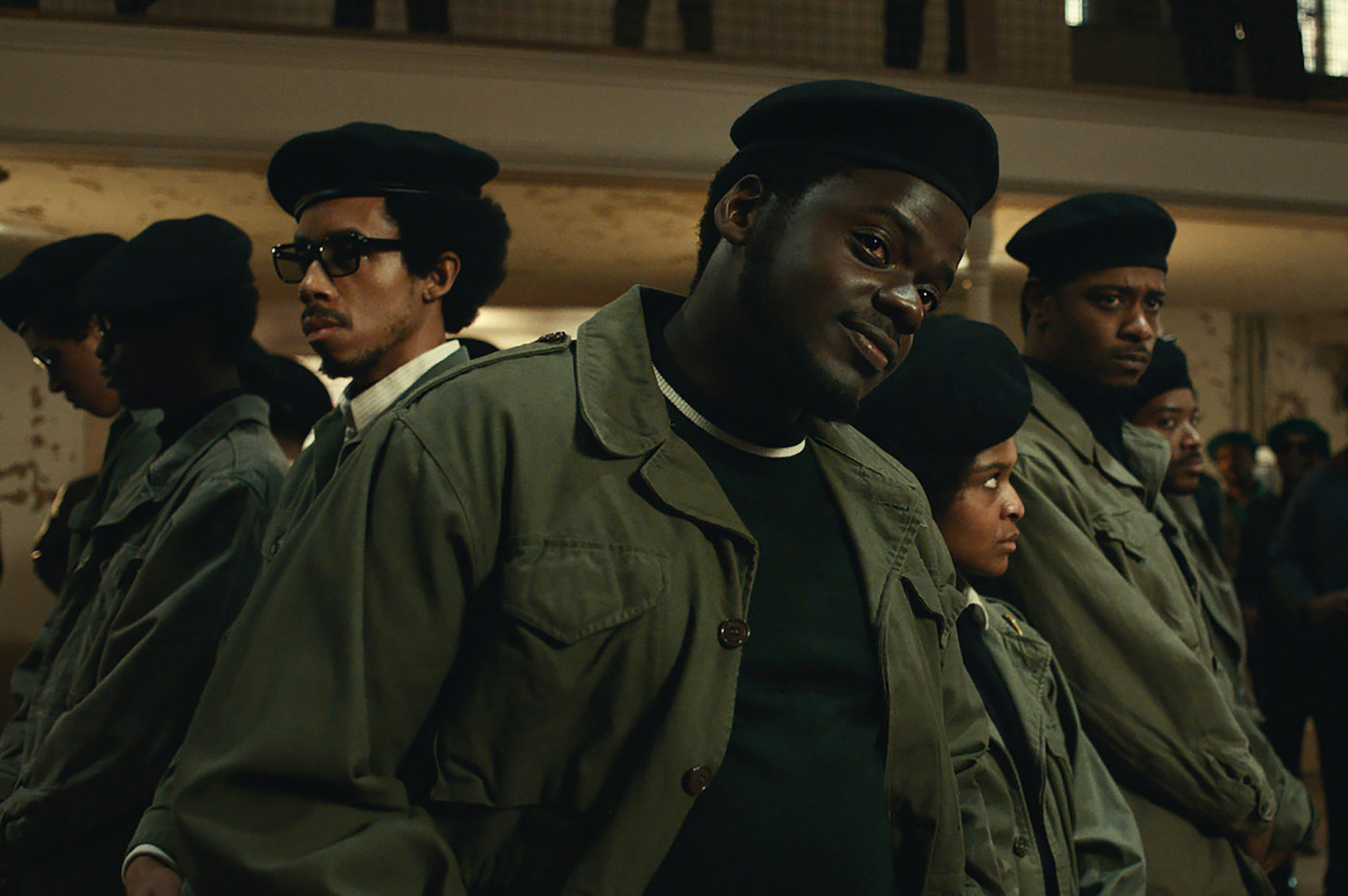
One of the most thrilling biographical films to come out of Hollywood in the 2020s, Shaka King’s exhilarating take on a truly remarkable leader within the Black Panther Party—and the young man who would eventually be twisted into betraying him—also provides a respectful, honest space to voice out progressive views that still aren’t fully embraced in the United States. Much of the film is made up of beautiful, powerful rhetoric, contrasting in fascinating ways with scenes of violence or deception that only remind us how ahead-of-his-time chairman Fred Hampton was and still is. And in a thunderous, Oscar-winning performance, Daniel Kaluuya brings all of Hampton’s words roaring to life while still reminding us of how tragically young this inspirational figure was at the time of his death.
But Judas and the Black Messiah tells an equally powerful second story over this one: that of FBI informant William O’Neal who reluctantly agrees to sell Hampton to the feds, and quickly realizes that he’s been scammed too. Rivaling—and, arguably, besting—Kaluuya’s performance is LaKeith Stanfield, whose tortured and increasingly despairing performance as O’Neal is the stuff of pure Shakespearean drama. Together, both stories ask us what real freedom looks like, and that we believe we can still fight for it.

One of those movies which are actually good for your education; think of it as a book you can read in two hours. It is, however, a very well-cast and well-filmed book. Hotel Rwanda is brutal and disturbing, which is only reasonable since it tells the story of one of the most horrific times in recent history. Led by an astonishing performance from Don Cheadle, it is overwhelmingly sad but an absolute must-watch.

Andy Goldsworthy is a British sculptor, photographer, and environmentalist, whose art is specific to the natural locations he creates them in and made only from the natural materials he finds in them. This is putting it very technically: Goldsworthy is a solitary wanderer, absorbed in the moment, unworried about what comes after him. Using often only his bare hands, he creates fleeting works of art that often looks like nature itself could have created them. The opening has him calmly forming a spiral out of icicles using the heat of his hands to fuse the pieces together. As painstaking as this process is, his art is not meant to live forever. Once completed, it is handed over to the rivers and tides to do with it as they please. Directed, shot, and edited by Thomas Riedelsheimer, a German filmmaker, Rivers and Tides takes an in-depth look at Goldsworthy’s ideas and craft, everywhere from upstate New York to his home village in Scotland. A calming and inspiring journey.
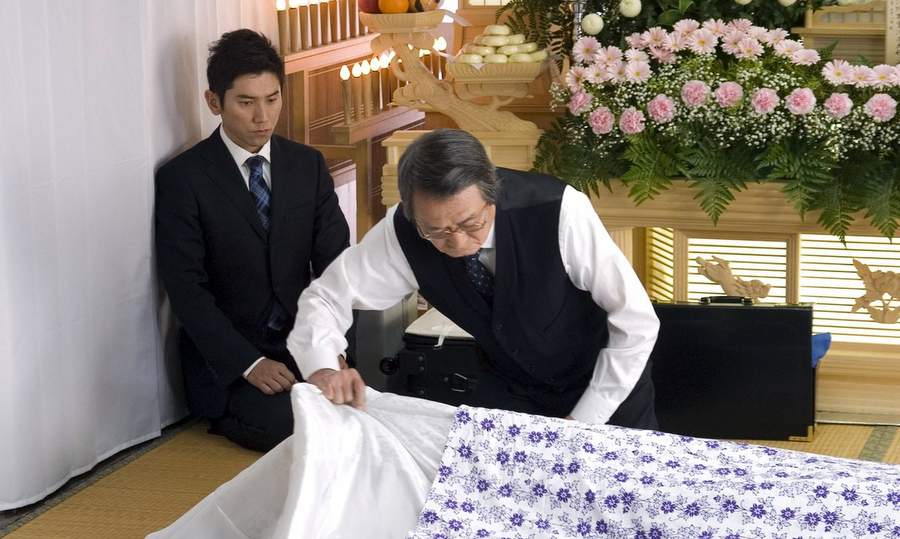
In 2009, Departures surprised everybody by winning the Academy Award for Best Foreign Language Film, instead of everyone’s favourite, Ari Folman’s Waltz of Bashir. This is even more surprising since this Japanese comedy almost never saw the light of day because many distributors refused to release it at first for its humorous treatment of a very human, but weirdly taboo subject: what happens when you die. Daigo Kobayashi (played by former boyband member Masahiro Motoki) just bought an expensive cello when he learns that his Tokyo-based symphony orchestra is going bankrupt. Daigo and his wife Mika, played by Ryôko Hirosue, decide to move back to his hometown, where he applies for an opening at what he thinks is a travel agency, hence the departures. You might have guessed by now that what he was applying for was, in fact, the job of an undertaker—a profession considered unclean in Japan. It’s one of those rare movies that will make you laugh, to making you cry, and laugh again. It’s dead-on!
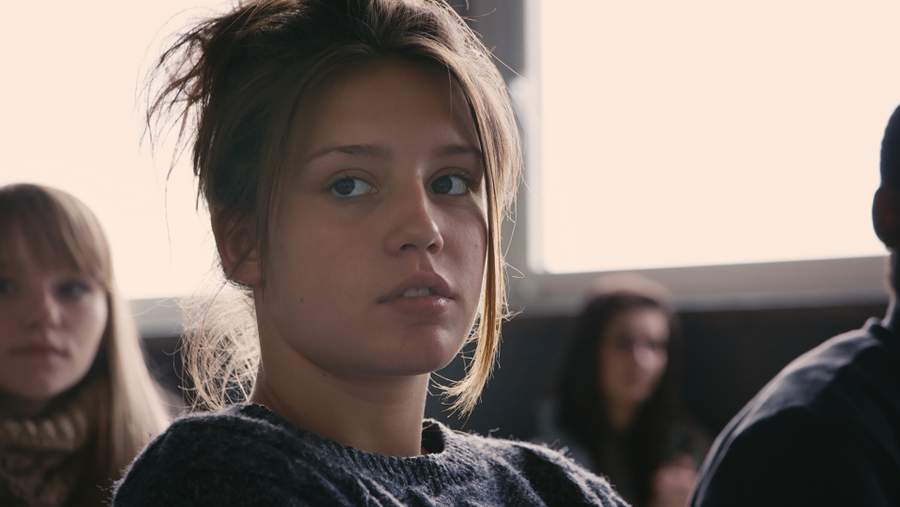
More simply called La Vie d’Adèle in its native language, this French coming-of-age movie was hugely successful when it came out and was probably one of the most talked-about films of the time. On the one hand, the usual puritans came to the fore, criticizing the lengthy and graphic sex scenes. On the other hand, Julie Maroh, who wrote the source material that inspired the script, denounced Franco-Tunisian filmmaker Abdellatif Kechiche for directing with his d*ck, if you don’t mind me saying so, while also being an on-set tyrant. Whatever you make of this in hindsight, the only way to know is to watch this powerfully acted drama about the titular Adèle (Adèle Exarchopoulos), and her infatuation with Emma, a free-spirited girl with blue hair, played by Léa Seydoux. The film beautifully and realistically portrays Adele’s evolution from a teenage high-school girl to a grown, confident woman. As their relationship matures, so does Adèle, and she slowly begins to outgrow her sexual and philosophical mentor. Whatever your final verdict on the controversial sex scene, Blue Is the Warmest Color is without doubt an outstanding film as are the performances from Exarchopoulos and Séydoux.
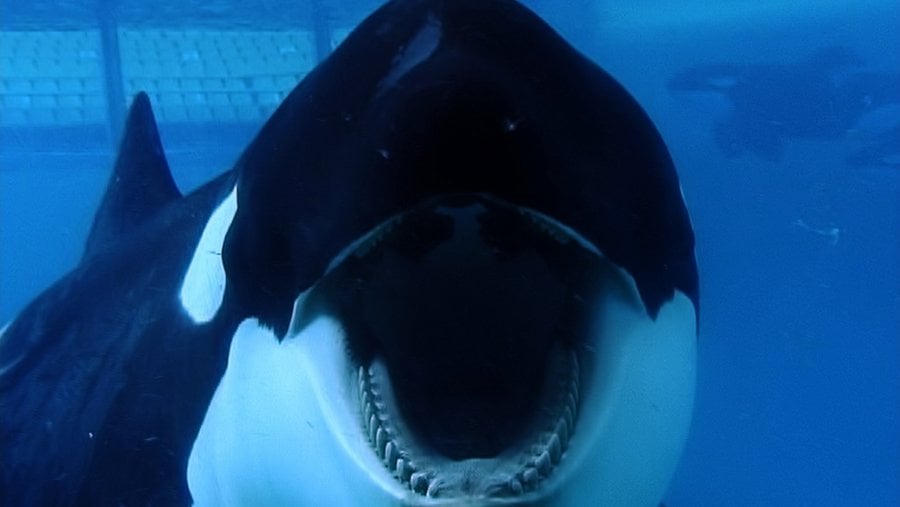
Orcas killing people? Saving whales? There was indeed a time when these issues were frontpage news and that might be the reason why this sounds like a 90s cliché to you. You might agree that this issue should be staunchly dealt with once you’ve watched Gabriela Cowperthwaite’s 2013 documentary. Orcas still being held captive by marine parks like SeaWorld to perform stunts and to parade around swimming pools to entertain ticket-buying families. Blackfish is the story of one of them in particular: a bull Orca named Tilikum, who has killed several people as a result of their immoral imprisonment. Similar incidents tend to be covered up by the parks’ operators and management. They are, however, attributable to the fact that the animals are quiet simply driven mad by the unnatural conditions they are subjected to. They are not born as killers, they are turned into them. First-hand accounts by former whale trainers and experts deliver fascinating truths about Tilikum and the species as whole, elaborating on their remarkable intelligence and social behaviors. For those unaware of this, this passionate documentary makes for a chilling watch.
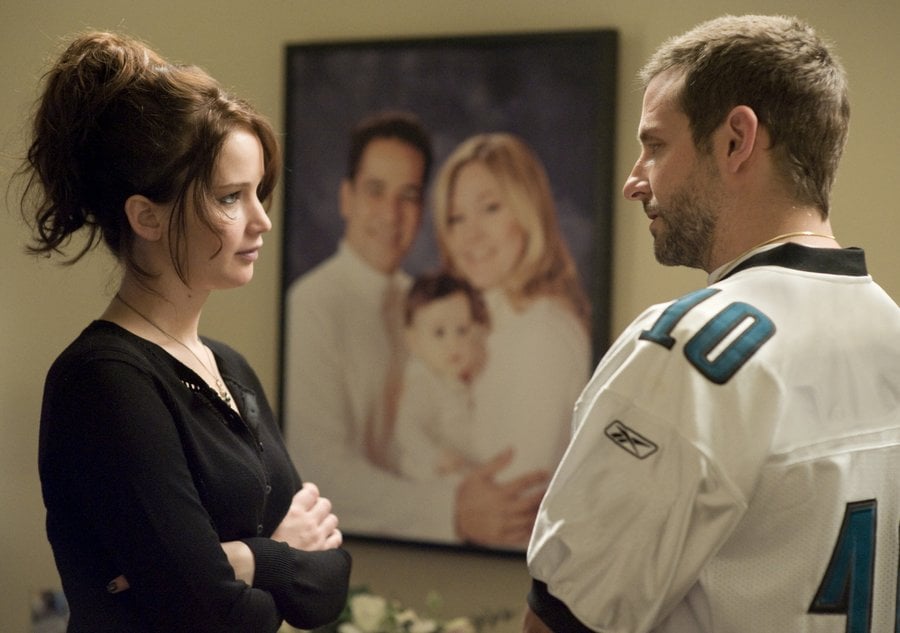
This Oscar winner is an offbeat romantic comedy that still feels like a standard romantic comedy! It’s best that you go into it without many expectations, because many people enjoy it for different reasons and it’s best if you find your own. It’s also a movie that needs to be seen as a whole, despite having so many components to it. Fresh out of a mental institution, Pat (Bradely Cooper) moves with his parents and tries to get his ex-wife back. Hel he meets Tiffany (Jennifer Lawrence) a girl with complex problems of her own. Silver Linings Playbook is funny, so well-acted, and takes on interesting issues and perspectives.

When asked about this film, Quentin Tarantino goes so far as to say, “If there’s any movie that’s been made since I’ve been making movies that I wish I had made, it’s that one.” Kinji Fukasaku’s cult classic follows an alternative reality set in Japan, where a random high school class is forced onto a remote island to fight to the death. While it does follow the quintessential ‘only one shall leave’ scenario (complete with over-the-top, almost comedic murder scenes), the raw emotion and character depth cuts far deeper than traditional action thrillers. The film will leave you out of breath but still satisfied with how the narrative plays out.
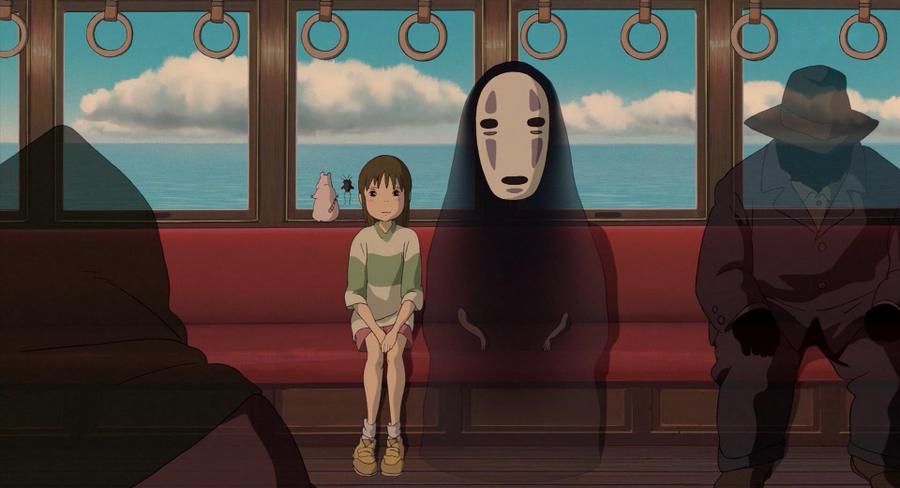
Frequently considered one of the greatest animated movies of all times, and certainly the highest-grossing film in Japanese history, Spirited Away is Hayao Miyazaki and Studio Ghibli at their very best. It was also the first non-English animation movie to win an Oscar. On the surface, it’s a film about a Chihiro Ogino (Hiiragi), a young girl who stumbles into an abandoned theme park with her parents. In a creepy spiritual world full of Shinto folklore spirits, she sees all kinds of magic and fantastic creatures, while having to find a way to save her parents and escape. In addition to the adventure, the coming-of-age theme, and the motifs of ancient Japanese lore, the film can also be understood as a critique of the Western influence on Japanese culture and the struggle for identity in the wake of the 1990s economic crisis. A deep, fast-paced, and hypnotizing journey.
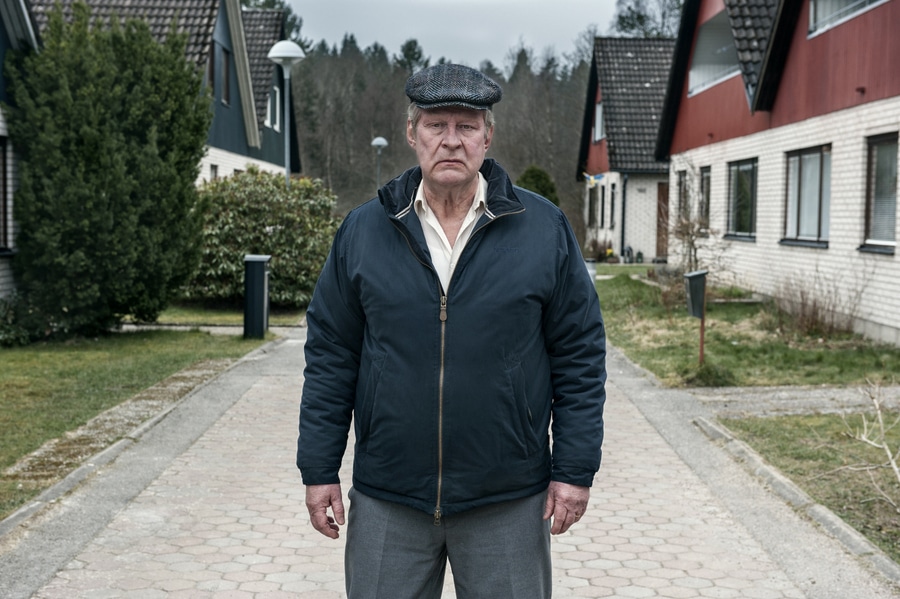
Based on Fredrick Backman’s 2012 best-selling book of the same name, this Swedish hit comedy-drama introduces us to Ove, an elderly man who feels like his life is over. After losing his wife, the short-fused retiree spends his days grumpily enforcing block association rules in his neighborhood. He is your typical unhappy, old neighbor, somebody you would try to avoid. One new family does not give up and befriends Ove, played by an impeccable Rolf Lassgård, despite his best intentions to put them off. As the plot unfolds, however, you learn more about the story behind the man, and, in classic walk-a-mile-in-his-shoes fashion, start to find him rather loveable. After all, nobody is born grumpy and cynical. Naturally, this is a sweet and sentimental film. But an amazing lead performance and a charming, darkly funny script rescue it from drifting too far off the shore. The result is a wholesome, fun, and thoughtful dramedy with a beautiful message.

Named after a slur for people of Asian descent, this 2017 film put Justin Chon on the map as a director. More than that, he also starred as the main lead in this raw and uncompromising period drama about Asian-Americans and the LA riots in 1992. Shot completely in black and white, it tells the story of Eli, a scrawny Korean-American, who runs his family shoe store with his brother, Daniel (David So), in several vignettes. They strike up an unlikely friendship with Kamilla (Simone Baker), a black kid from around the way, whose family is not happy with her hanging out with the two brothers. Amidst the ubiquitous violence in LA at the time, the Rodney King riots as well as a tragic shooting of a black teenager by a Korean convenience store owner, it shines the light on America’s intra-minority race relations and the more unseen stories behind them. A topic that has come back to haunt America in the 2020s. The film is fierce as it is funny, harsh as it is playful. Uplifting and unsettling.
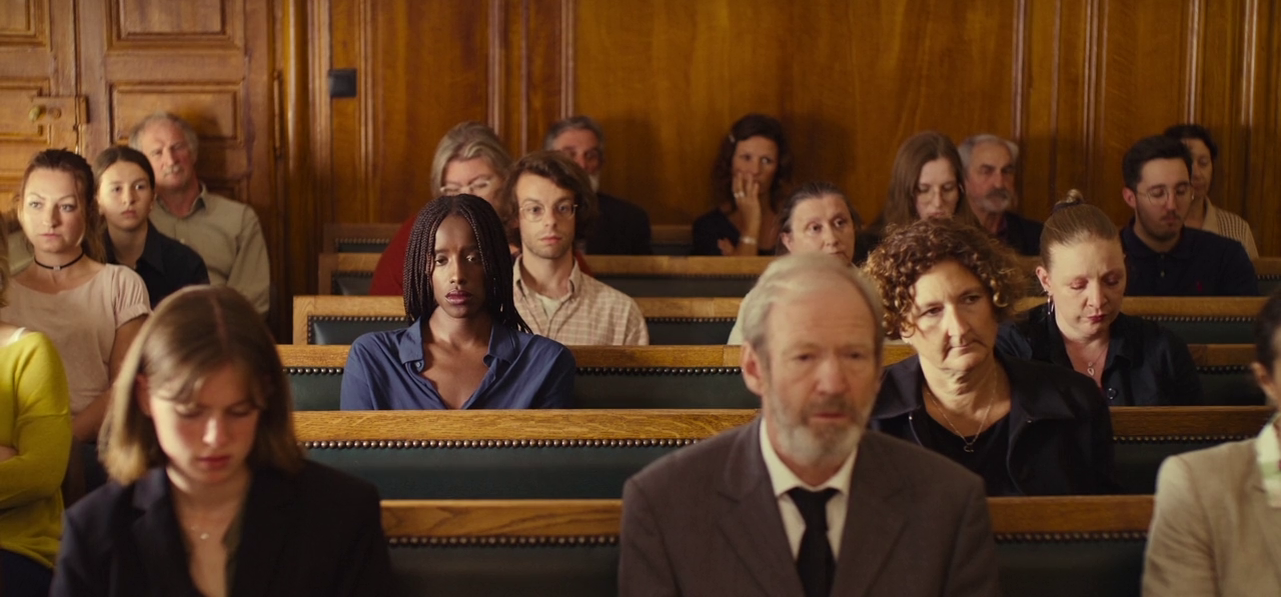
Nothing about Saint Omer is easy. A female Senegalese migrant (Guslagie Malanga) is put to trial for committing infanticide, but throughout the film, it becomes clear how much of a victim she is too, of an uncaring and deeply prejudiced society. “What drove her to madness?” Her attorney asks at one point. We’re not sure. We’re not necessarily asked to side with her, nor answer the many hard-hitting questions brought up in the film, but we sit with the uneasiness of it all and, in that silence, confront our ideas about motherhood, womanhood, personhood.
This confusion is what makes the film so compelling. Despite the court’s best efforts, Laurence isn’t meant to be understood. She’s meant to be an example of the ever-ambiguous, forever-complicated, always-hurt person. It’s human nature after all to be this complex and messed up. The film shows us that the best that we can do in situations like this is to listen, understand, and as our protagonist Rama (Kayije Kagame) does, make peace with the noise.
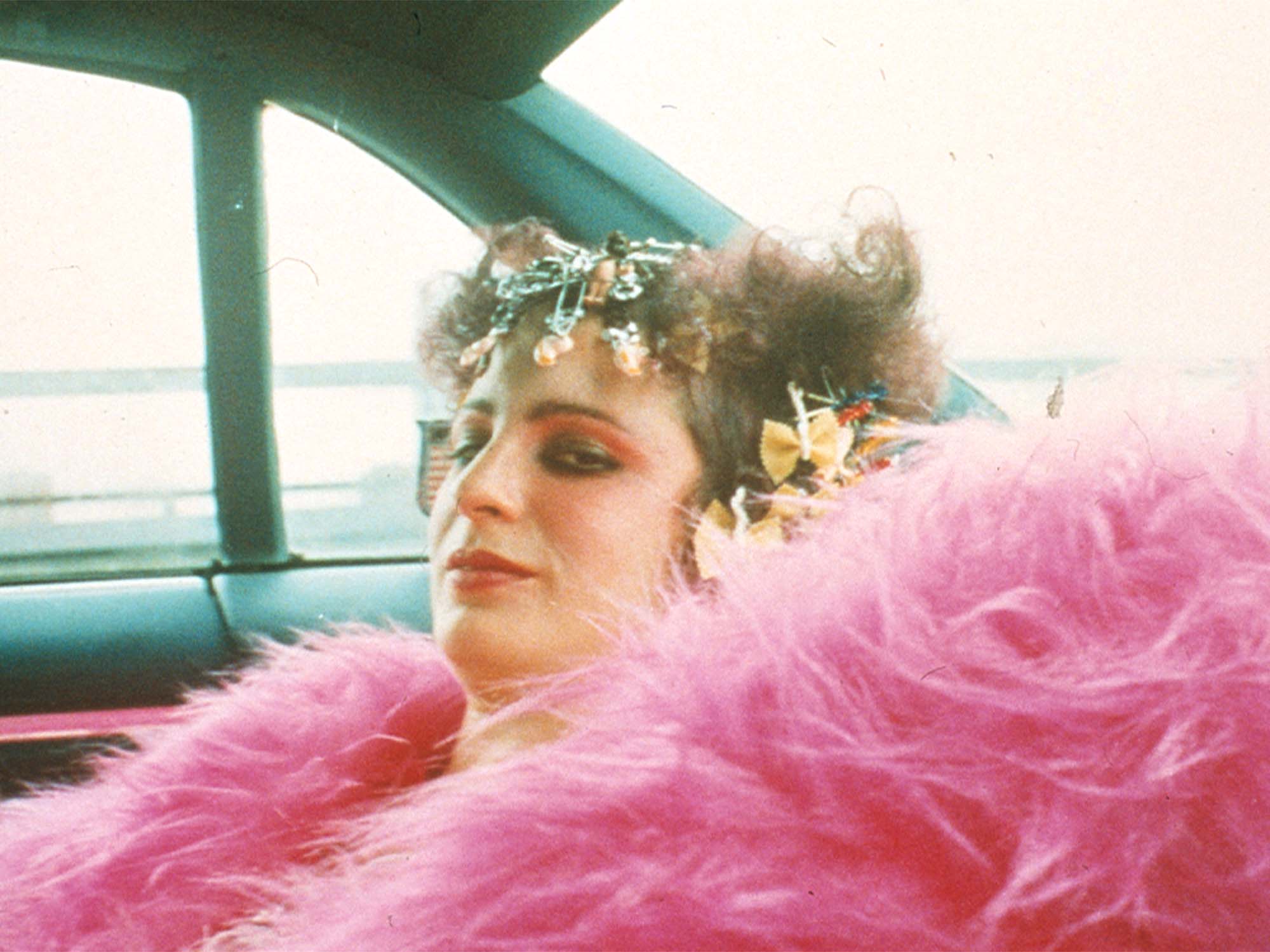
In All the Beauty and the Bloodshed, documentarist Laura Poitras (Citizenfour, My Country, My Country) lends her empathetic and incisive lens to a subject so passionate and imaginative, she ends up collaborating with Poitras to co-create the documentary about her life. The subject is Nan Goldin, one of the most influential photographers of the late 20th century.
The documentary captures Goldin’s work as a queer artist and anti-opioids activist, intertwining both aspects to tell a nuanced and incredibly important story about freedom, identity, and self-expression. This incredibly complex, encompassing, and vibrant feature won the top award at the Venice Film Festival, besting 19 other films from around the world.

Summer 1993 charts a formative summer in the life of young Frida (Laia Artigas), a brooding six-year-old who, having just been orphaned by AIDS, is sent from her home in Barcelona to live in the countryside with her uncle (David Verdaguer), his wife (Bruna Cusí), and their little girl (Paula Robles). Catalan director Carla Simón drew on her own childhood experiences for the film, making Summer 1993 feel intimately told. It’s shot from the perspective of its young protagonist and is guided by the unpredictable rhythms of memory: we experience Frida’s new life the way she might remember it when she’s older, via snapshots of moments that stand out to a child, like the day she spent amongst the chickens in a neighbor’s farm or the moment another kid asks her why she isn’t more visibly upset about her mother’s recent death.
That emotional enigmaticness is what makes Artigas’s naturalistic performance so absorbing: she never plays Frida in a predictable dramatic register, so much so that it’s easy to forget we’re not watching a documentary. The unexpected little ways her grief manifests itself — along with Simón’s assured, impressionistic directing — make this a profoundly heart-rending watch throughout, and especially so in its gut-punch of a final scene.
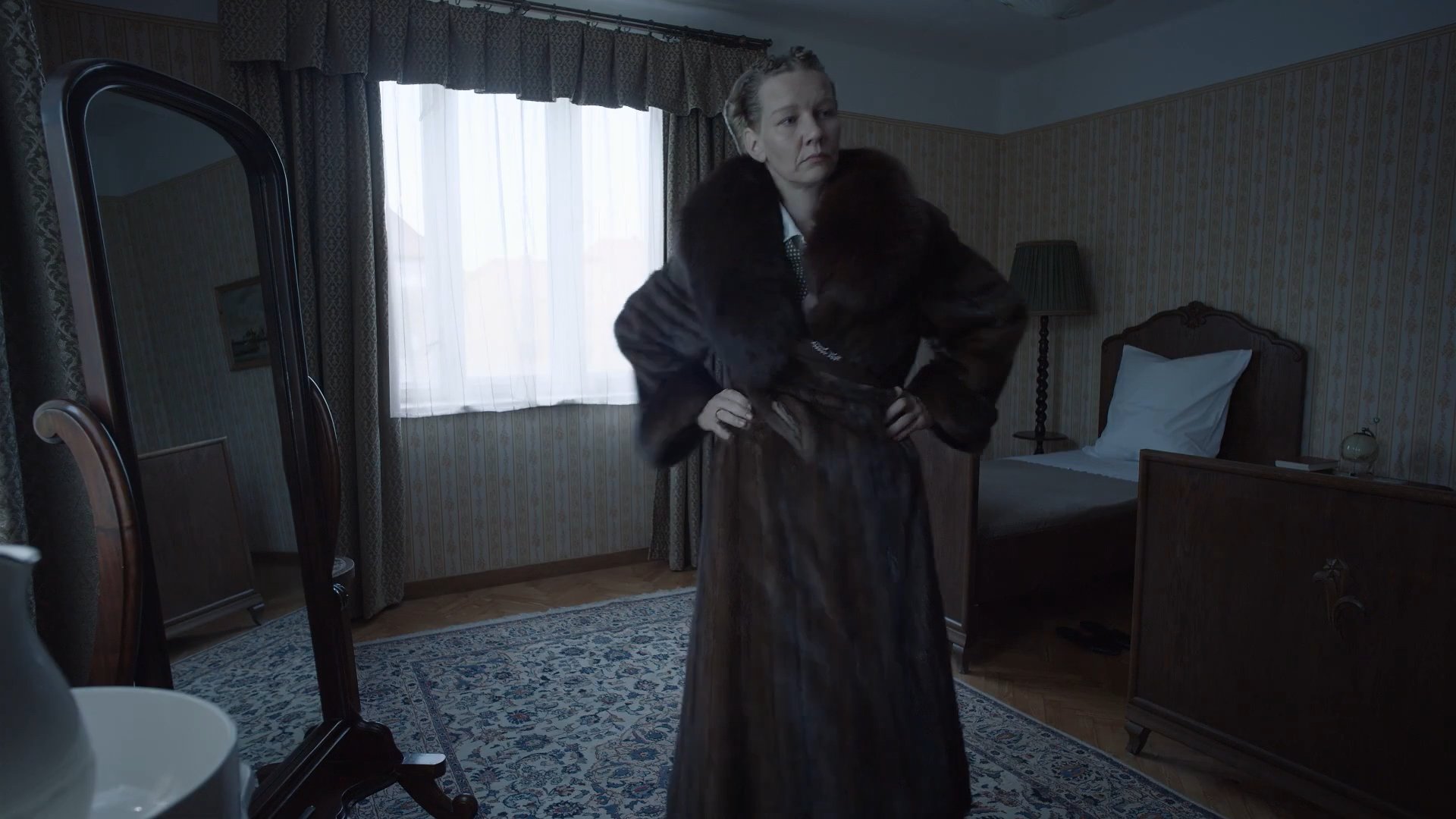
How do you make a film about the Holocaust feel new? How do you make the terrors feel fresh, like it was just in the news, without sounding redundant or without giving into the sensationalized and emotionally manipulative? For Director Jonathan Glazer, the answer lies in not what you show but what you don’t show. The Zone of Interest is shot from the point of view of Nazi Officer Rudolf Höss (Christian Friedel) and his wife Hedwig (Sandra Hüller), who live a dreamy life right next to the infamous Auschwitz death camp. Glazer frames them plainly and without flourish as they ignore (or, arguably, revel in) the glow of burning bodies, the howls of pain, and the billows of smoke coming from the torture chamber a wall away. It’s a powerful, nauseating contrast that turns the question from “How can they do this?” to “Who among us is committing the same things right now?” Who among us is casting a blind eye to the atrocities and genocide being committed at this very moment to our neighbors? The film, which is also a technical feat in terms of the way it’s shot (the crew and cameras remained hidden so that the actors were free to roam, as if in a play) is chilling and thought-provoking, and it will unnerve you for days on end.

Memento is a right of passage movie – the kind of movie 19 year olds watch and decide, “holy hell, cinema is cool.” Call it the most cinematic mainstream film or the most mainstream serious film of the last 20 years, Memento also marks the beginning of the reign of Christopher Nolan. A deep and gripping meditation on forgetting helmed by a technical virtuoso, Memento is a puzzling emotional trip.
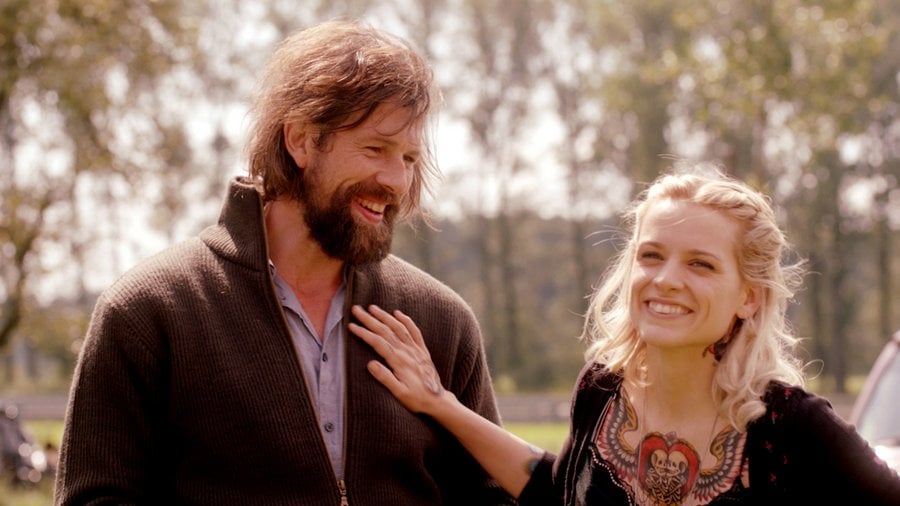
Bittersweet like Belgian chocolate, this is a coming-home movie. It will leave you raw and empty as well as full of life, and it will most certainly have you appreciate the mournfulness of bluegrass music. Based on a play co-written by Johan Heldenbergh, who also stars as Didier, the male lead, this is intricately written, thoughtfully directed, viscerally acted cinema. Bluegrass enthusiast and band leader Didier falls passionately in love with Elise, a spirited tattoo artist. They sing together, start a life together. But when their little girl falls gravely ill, everything changes. Because this gem of a film by director Felix van Groeningen excels at creating intimacy and empathy between us viewers and this beautiful family’s fate, you will feel everything you see. Incredibly well-made and gut-wrenching drama.
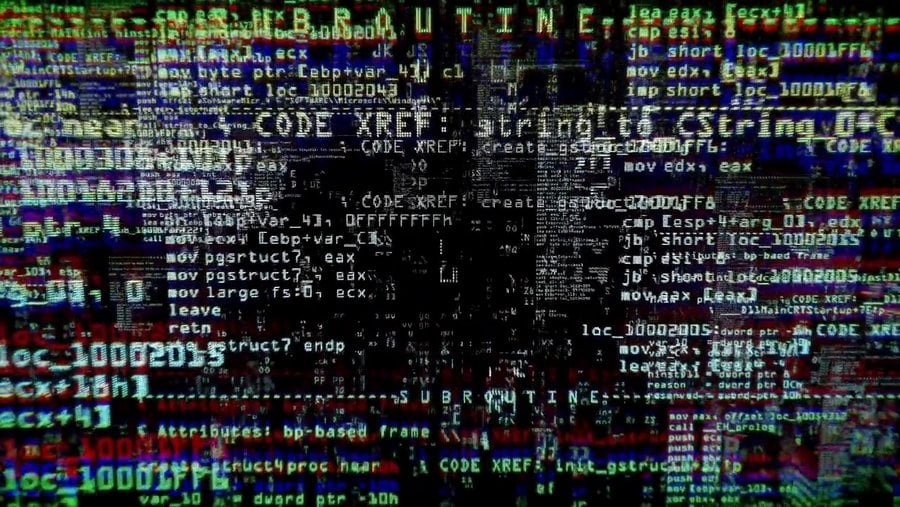
Told in urgent fashion with first-hand accounts from cyber professionals from around the globe, Zero Days is a fascinating and alarming documentary about the Stuxnet computer virus. Originally codenamed “Olympic Games” by the people that fathered the worm, Stuxnet is a virus in the true sense of the word. It not only maliciously feeds off the host, but it also replicates itself as soon as it is implanted, which is exactly what it did when it was used by the US and Israeli secret services to sabotage centrifuges inside Iran’s Natanz nuclear plant—making them spin out of control. All this is brilliantly unpacked by renowned documentary maker Alex Gibney (Going Clear, Enron: The Smartest Guys in the Room), who manages not only to detail the complexities of advanced coding in a remarkably evocative manner, but also to send out a well-researched alarm call about the future of war. Ultimately, the message here is that cyber warfare is very much part of our new shared reality. This film deserves to be seen by anyone who is even remotely concerned about global security in the 21st century.

One of the most relevant movies to come out in the past years, Moonlight is a celebration of onscreen aesthetics and delicate screenwriting, acting and directing. In the poorer area of Miami, snippets of the life of a gay African-American man are shown in three different ages, states, and attitudes. Throughout the movie, and as you witness him progress and regress, you become almost enchanted by what is happening in front of you. You find yourself in a state of understanding and not understanding, of thinking you know what’s going to happen in the next scene, but also of having no idea of what is to follow. Winner of the Best Picture Oscar, Best Supporting Actor (for Mahershala Ali who plays one of the main character’s early role models), and Best Adapted Screenplay.
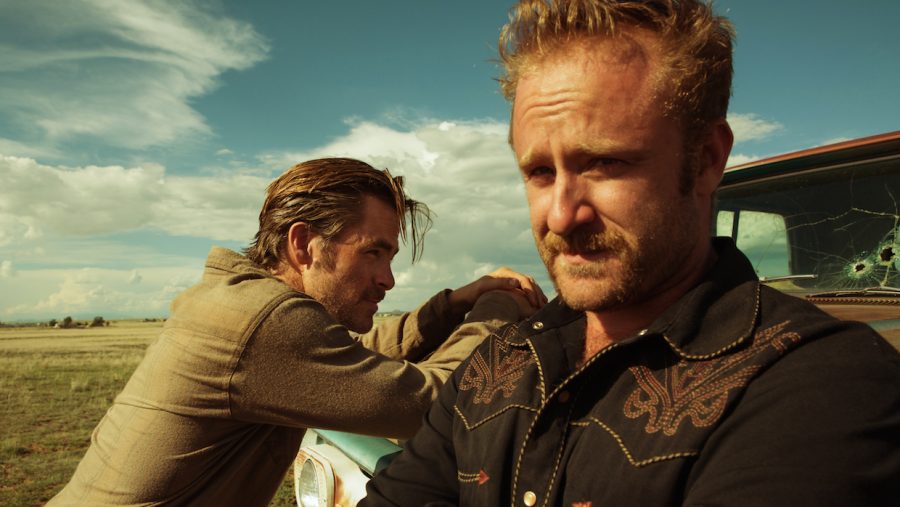
Written by actor-turned-screenwriter Taylor Sheridan (Sicario) and directed by David Mackenzie (who is responsible for the prison drama Starred up), this well-acted Western is one of the most captivating movies of 2016. Chris Pine and Ben Foster play two brothers, one cautious and out to better himself, the other, an ex-convict with an itchy trigger finger, whose family ranch is threatened by the local bank. Both set out to make a high-risk living of travelling and robbing that bank’s local branches. On the other side of town, grizzled Texas ranger Marcus, played by none other than Academy Award-winner Jeff Bridges, has one foot in retirement but is bent on solving their case. The film’s spectacular cinematography is reinforced by the brooding original music, composed by none other than Nick Cave and long-time collaborator Warren Ellis. It takes you on a journey that is as much about the two brothers’ violent upbringing as it is about the decaying towns they visit, making this modern-day crime western not only a great thriller but a tribute to the Texan way of life.
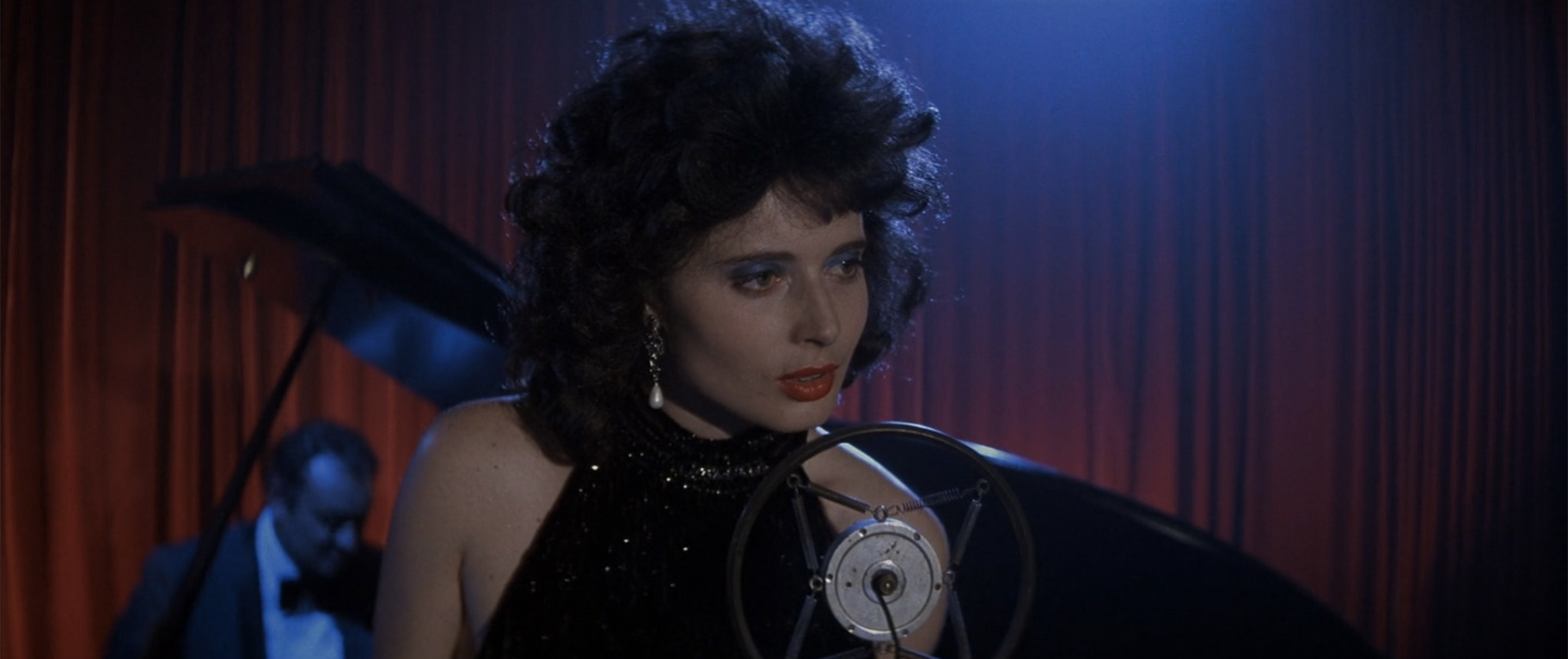
David Lynch’s star-studded provocation Blue Velvet was both revered and criticised upon its release because of how heavily it leans on sexuality and violence to advance its plot, but today the film’s hailed as a contemporary masterpiece. Still, scenes with that kind of content are quite hard to stomach in combination with Isabella Rossellini’s depiction of an unstable, delicate singer named Dorothy. But Dorothy is surely not in Kansas anymore… It takes a young college student (Jeffrey Beaumont played by Kyle McLachlan) who becomes fascinated with her as part of his self-appointed detective quest, to uncover deep-rooted conspiracies. In his endeavours, Jeffrey is joined by butter blonde Sandy (Laura Dern), and the twisted love triangle they form with Dorothy in the middle is one for the ages. Dennis Hooper stars as one of the most terrifying men on screen and Lynch regular Angelo Badalamenti scores the film with an eerie precision like no other.
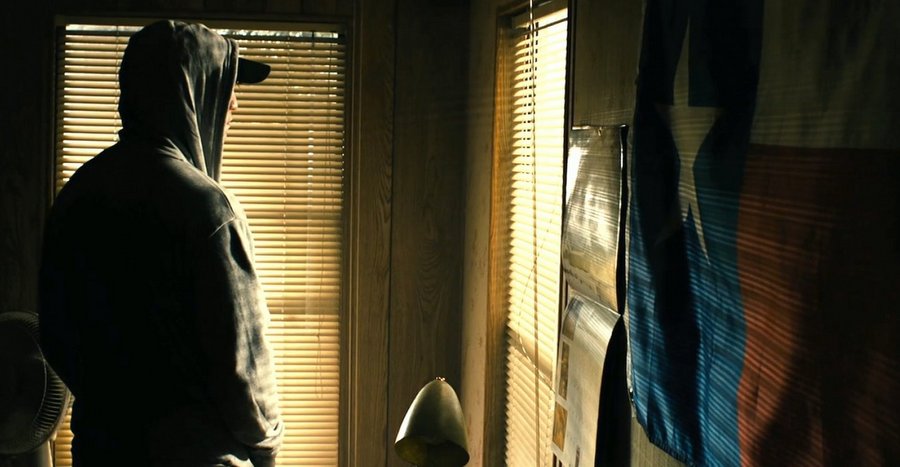
Simply titled The Imposter, this film by English documentary maker Bart Layton tells an unbelievable tale. Any plot summary doing this film justice has to err on the side of brevity, which is why it will be only one line long: this is the story of Frederic Bourdin, a serial imposter nicknamed “The Chameleon”, who at one time claimed to be the missing son of a family from Texas. The film is so well-shot that it is hard to tell fact from fiction at times and it will force you to remind yourself that this is in fact real life. Expect twists and turns at every corner and brilliant storytelling from real people. If Christopher Nolan created a 48-hour story, it would pale in comparison to this film.
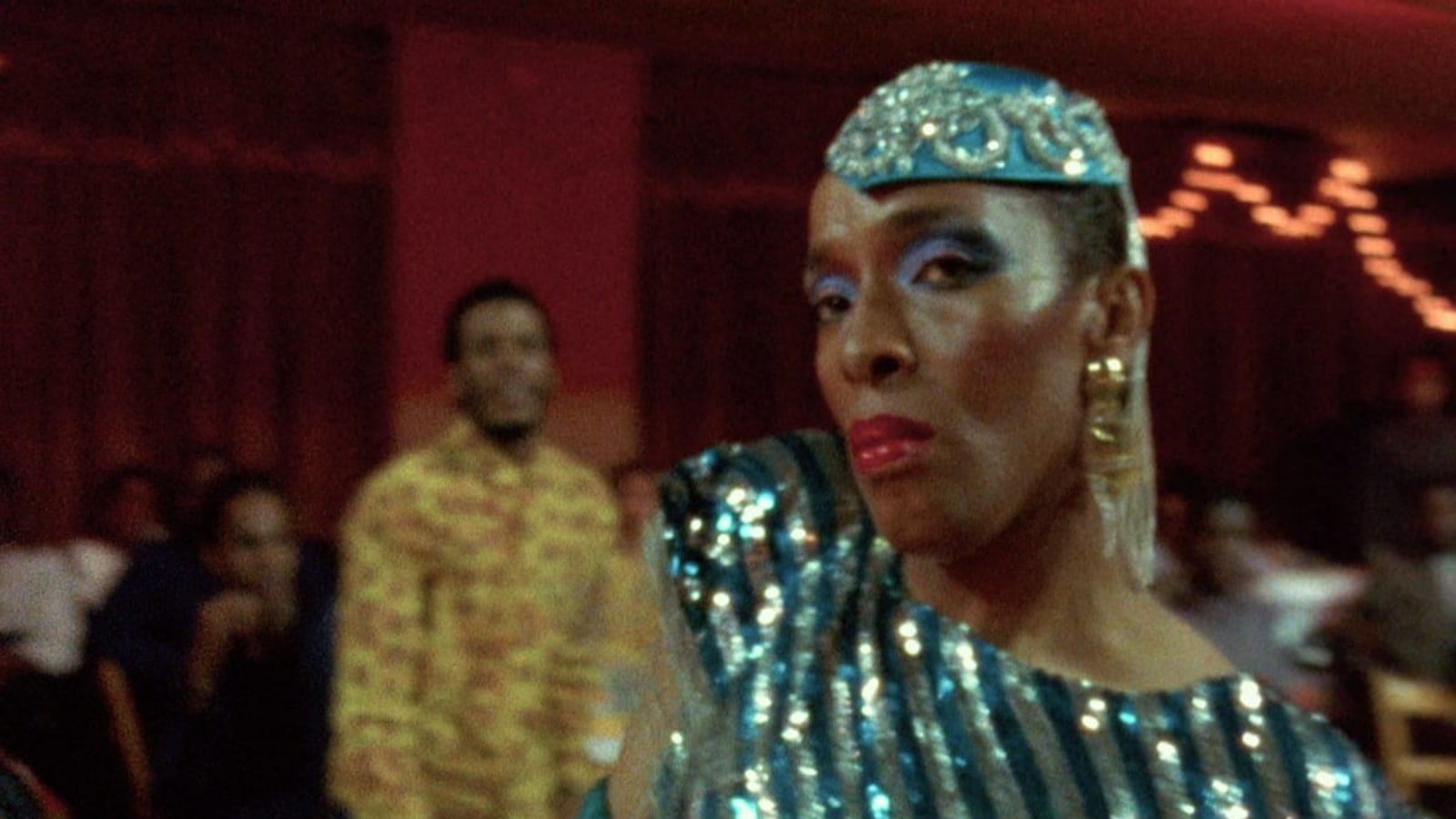
Though the drag scene is alive and well today, Paris is Burning is an important reminder that it didn’t always used to be that way. Over the course of seven years, Director Jennie Livingston leads us underneath the crime-ridden streets of 80s New York, where a glittery drag subculture is flourishing, despite all odds. Leading the community are the so-called mothers, the best performers and most fashionable of them all, tasked with inspiring and caring for newcomers. Nevermind that they’re shunned by society and suffocated (sometimes literally) by hateful homophobes and racists; when there is a ball, all that matters is that they strut, dance, and put on the best damn show of their lives. What they do is art, and Livingston makes sure to exalt the craft and pride that goes into it. At the same time, intimate interviews with iconic queens like Pepper LaBeija and Willi Ninja reveal the heartbreaking nature of the community. Most, if not all, have endured some form of abuse, and many risk their lives to earn a decent living. But again, Livingston refuses to reduce them to pure tragedy; she gets them to share their wonderfully big dreams, then gets us to hope along with them that they might just come true.
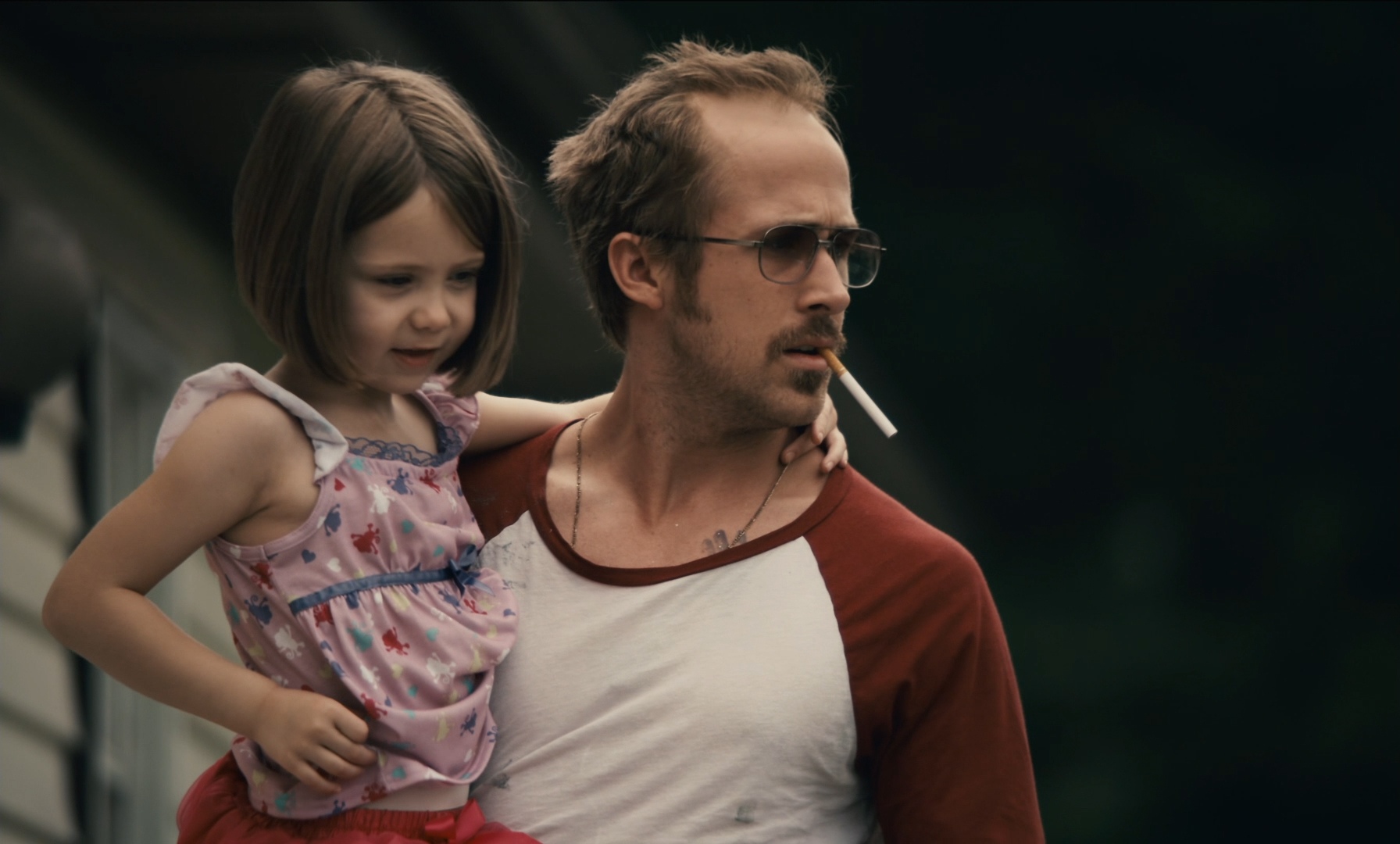
Legend has it that director Derek Cianfrance had the co-stars and co-executive producers Michelle Williams and Ryan Gosling live together in the same house for a month in preparation of their roles. The fictional couple they play in Blue Valentine lived in the same house. True or not, this created the harsh proximity, intensity, and claustrophobia that is a hallmark of this production. Blue Valentine brings us painfully close to the couple’s attraction as well as their agony.
In this way, Blue Valentine is a heart-breaking examination of the decaying shell of a once-bright marriage. As sad as it is sexy, it mixes intense flashbacks of past desire with the grim reality of married life’s monotony. It boasts an electrifying performance from Michelle Williams and Ryan Gosling, who seamlessly combine tenderness and lust, rage and sadness. This is a guaranteed tear-jerker, so make sure you’ve brought your Kleenexes!
While today’s moviegoers would likely pick Black Swan as the ballet film of choice, there is one film classic that brings the title of the best ballet film in contention. That is The Red Shoes. It first divided critics of film and ballet alike, but as time went by, the spectacular drama from Michael Powell and Emeric Pressburger deservedly garnered acclaim for the brilliant, novel ways of bridging the gap between art forms. Of course, the most obvious of these is the lush, stunning 17-minute dance sequence that first incorporated dynamic camera movement to the choreography, and captured Han Christian Andersen’s story to its essentials. But aside from just depicting the dance, The Archers reconfigured every other single aspect of film to bend toward the movement without breaking the beauty of every shot– the scoring, the casting, the production design, and the ballet-within-a-film plotline. It’s because of this that The Red Shoes garnered a legacy of being one of the best ballet films, one of the best British films, and even one of the greatest films ever made.
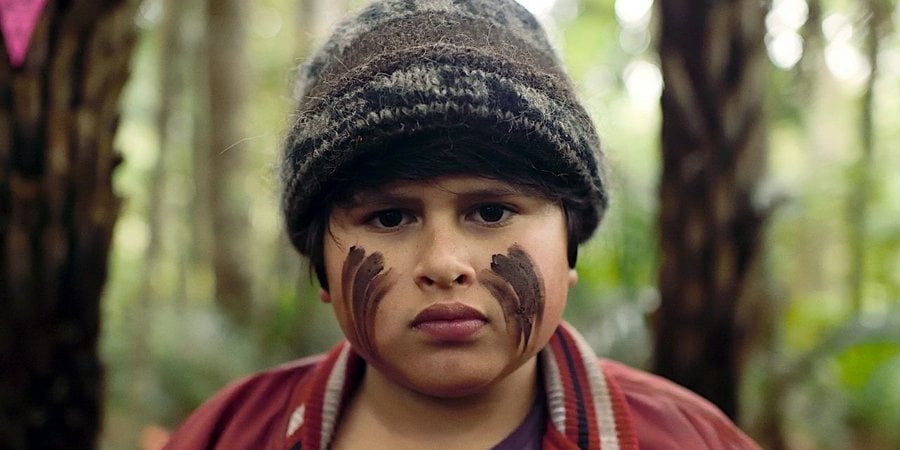
Directed by Taika Waititi, who also gave us Boy (2010) and co-produced What We Do in the Shadows (2014), Hunt for the Wilderpeople is the quirky and magical buddy movie you want if you’re in need of an antidote to a bad day or a steady diet of sad movies.
It tells the off-kilter adventure story of misfit, rap-loving city kid Ricky Baker and his crusty and cantankerous foster parent ‘Uncle’ Hec, played by Sam Neill. ‘Very bad egg’ Ricky has been bounced out of more foster families than he cares to remember and is given one last chance of living with a couple out on a farm in rural New Zealand. After tragedy strikes early in the film, the unlikely pair gets lost in the wilderness and becomes subject to a nationwide manhunt.
Full of dead-pan humor and warm-hearted mockery, this audience favorite fuses visual gags delivered by a charming cast with sweeping shots of spectacular scenery!
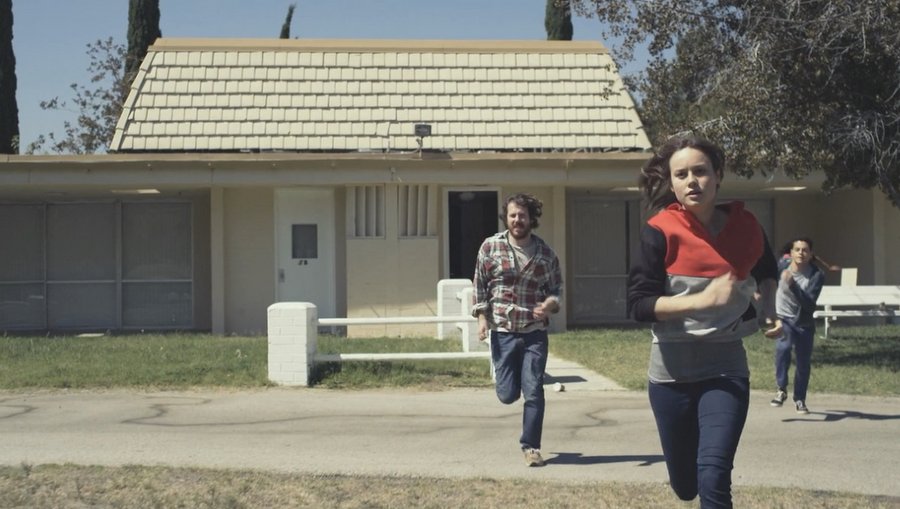
Understated in budget but lavished with praise, this semi-autobiographical drama by Daniel Destin Cretton flings its audience into the chaotic lives and personal crises of at-risk youths and the passionate social workers that aid them. In his first feature film, the young director draws the viewers into the storm of events and the emotional ups-and-downs of social work in America, going from uplifting to depressing and back – and every emotion in-between.
Set in the real-life and eponymous group home Short Term 12, devoted but troubled foster-care worker Grace is played by Brie Larson, whose shining performance in her first leading role was lauded by critics. Fans will also recognize the supporting actors Lakeith Stanfield and Rami Malek, who broke out in this movie. Short Term 12 is now considered one of the most important movies of 2013 – some say of the decade – owing to its immaculate writing, intimate camerawork, and gripping performances.