
Movies Like C'mon C'mon (2021)
To access filters, visit our homepage.












Bad Axe is an intimate documentary that follows the Sievs, a tight-knit family that runs a restaurant in the city of Bad Axe, Michigan. When the rise of COVID restrictions and racist hate groups put their business at risk, the Sievs try to hold on to each other while also carefully, in their own way, fighting back.
Mostly shot in the unforgettable year that is 2020, Bad Axe captures the fraught intensity and existential panic we all spiraled into during the global pandemic. It’s a charged film, but underneath all that buzz is a story about a family with its own tensions and histories and contradictions to deal with. Bad Axe is at once simple and complex, and like family, you just kind of love it, flaws and all.
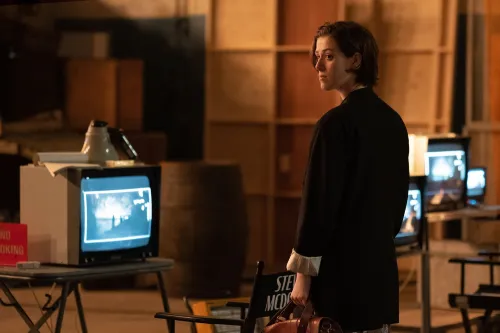
After 2019’s The Souvenir—a drama about a toxic, suffocating relationship—director Joanna Hogg brings back her protagonist (played by a superb Honor Swinton Byrne) and sees her attempting to communicate the experience of this failed romance through her thesis film. Anybody with an interest in the production process of cinema should glean a ton of useful advice from The Souvenir Part II’s mundane on-set interactions and difficult conversations about the line between compromise and practicality. And through increasingly surreal images of stages within stages and reflections within reflections, Hogg paints a complex, intelligent portrait of cinema as a place of ultimate self-examination.

Narrated by the familiar voice of Jack Black, Apollo 10 ½ is a throwback story told with admirable specificity and imagination. Black plays a grown-up Stan, who looks back on his younger years with a mix of fondness and wonder: how did they get away with the things they did then? American suburbia in the 1960s was both loose and conservative, caught between a generation holding on to the reins of the earlier century and one eager to launch into the next.
Stan, as the youngest child of a big, rowdy family, gives us a charming look into the times, as well as a projection of his own fascination: Apollo 11 and the space age. He inserts himself in this monumental narrative and generously brings us along in his fantasy. Sometimes it’s hard to tell whether Stan’s recruitment by NASA is actually fact or fiction, but that’s part of the fun, especially since Stan himself doesn’t seem to mind at all.
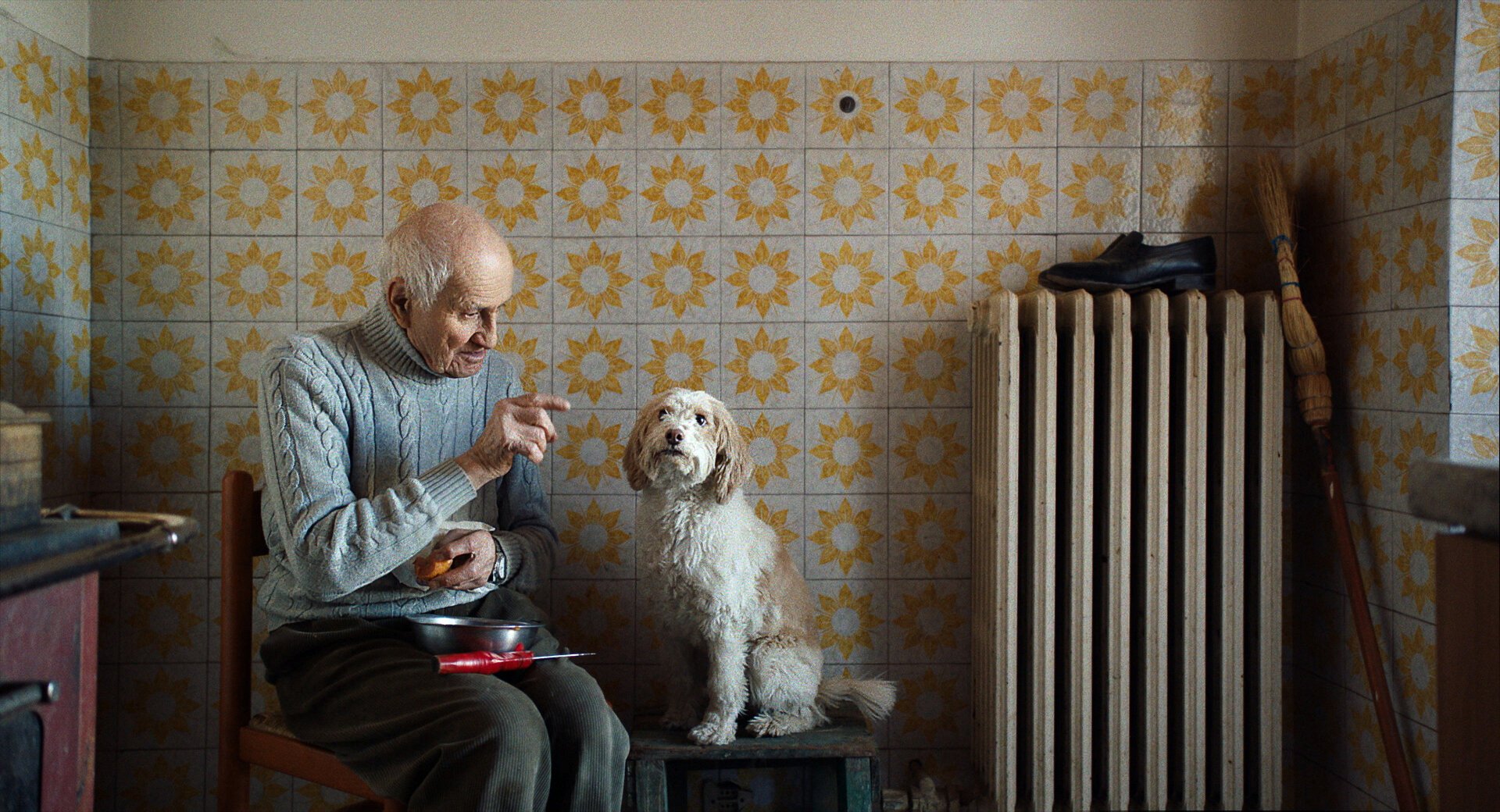
With truffle being so expensive, you would think that the world would eventually figure out how to get this tasty fungi in a more efficient way. Yet, the finicky nature of truffle eludes scientific research, improved cultivation, and strategic supply logistics, only allowing access to a select group of senior men and their very good dogs. The Truffle Hunters depicts the precariousness of this industry, how the entire endeavor can be easily lost to time, climate, and secrecy, but through delving into their lives, through unobstrusively capturing their day-to-day lives in gorgeous, meticulously framed shots that quietly celebrates their charming personalities, The Truffle Hunters becomes a small glimpse into a life that’s lost to urban living, a life that, perhaps, might be worth returning to.
 x1
x1 x2
x2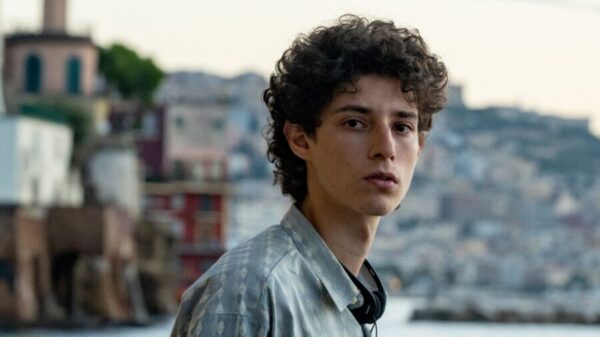
The Hand of God is the autobiographical movie from Paolo Sarrantino, the director of the 2013 masterpiece The Great Beauty. He recently also directed The Young Pope with Jude Law and Youth Paul Dano, both in English. He is back to his home Italy with this one.
More precisely, he’s in his hometown Naples, in the 1980s, where awkward teenager Fabietto Schisa’s life is about to change: his city’s soccer team Napoli is buying the biggest footballer at the time, Diego Maradona.
Sarrantino, who is also from Naples, made this movie that is half a tribute to the city and half to what it meant growing up around the legend of Maradona.
The Hand of God is to Sarrantino what Roma was to Alfonso Cuarón, except it’s more vulgar, fun, and excessive. It is equally as personal though, and it goes from comedy to tragedy and back with unmatched ease.
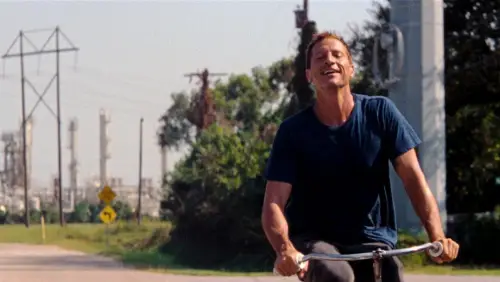
When Mikey Saber’s porn career takes a dip in California, he returns to an estranged wife in Texas, where he meets new and old friends alike and attempts to rebuild his life through a couple of odd jobs. Though Mikey eventually earns his keep, his vanity and eagerness to succeed at all costs threaten to get the best of him.
All this happens against a vibrant backdrop of local sights, beautifully lit and framed by director Sean Baker (The Florida Project, Tangerine). Quaint, naturalistic, and ever-so-subtly political, Red Rocket is another great entry into Baker’s impressions of the vexed American Dream.
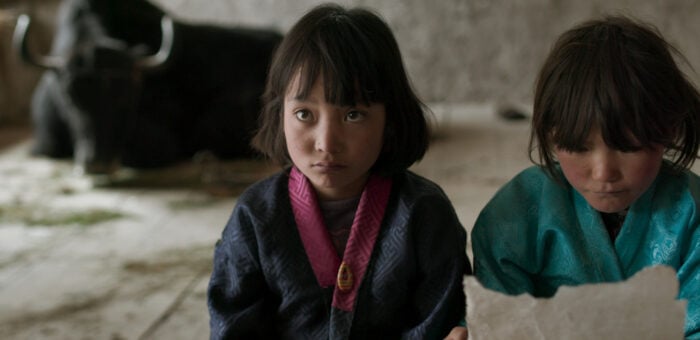
On his first day of class in the remote village of Lunana, the city teacher Ugyen asks his students what they want to be when they grow up. One of the children, a young boy named Sangay, answers that he aspires to be a teacher “because a teacher touches the future.” Lunana: A Yak in the Classroom, however, subverts this thematic by spending most of its runtime showing how the villagers touch Ugyen’s heart through genuine acts of kindness, forcing him to rethink his long-term dream of becoming a singer in Australia.
Not only does Lunana: A Yak in the Classroom succeed in its heartfelt dramatization of a Gen Z finding his place in the highlands, it also serves as a propagandistic validation of Bhutan’s “happiest country in the world” epithet. In doing so, the film presents the Bhutanese mountains in as breathtakingly picturesque a manner as possible, limning a paradise through the grassy meadows and children’s faces.
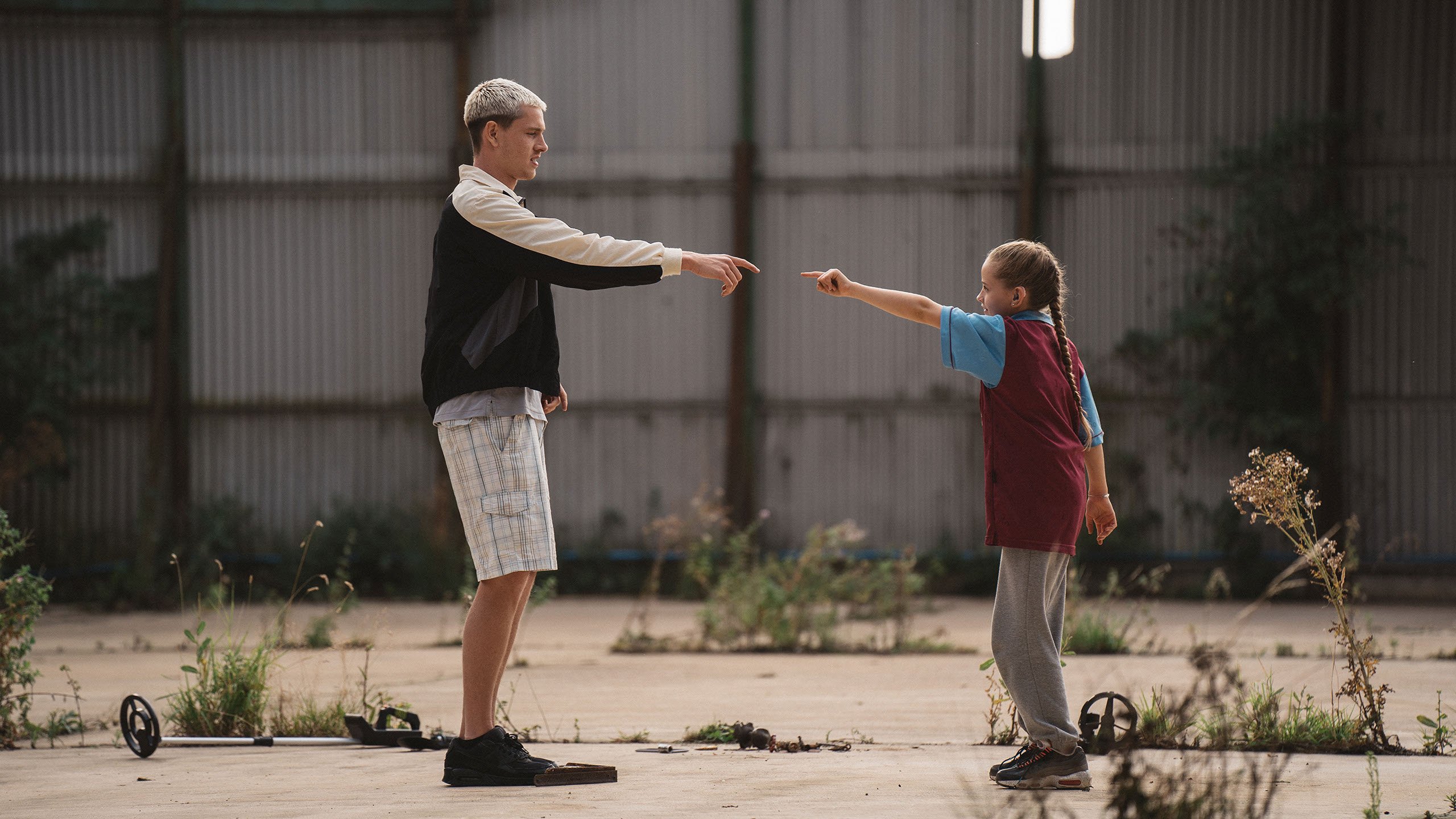
Be prepared to have the expectations you form after reading Scrapper’s synopsis shattered: though it is about a 12-year-old dealing with grief following her mother’s death, it’s remarkably upbeat. It gets that quality by positioning itself in the buoyant headspace of young Georgie, a resilient, cheeky youngster who retains much of her whimsical childlike spirit in spite of her profound bereavement. Director Charlotte Regan’s debut feature is bursting with imagination: there are surreal stylized touches all over the movie, from talking video-game-style spiders to magical realist metaphors of Georgie’s grief.
That’s not to say that Scrapper is flippant about the inherent tragedy of its story, though. As in The Florida Project, you can feel the escapist motivations of Georgie’s colorful imagination, which only deepens the poignancy of her situation and the precarious relationship she forms with her father, a barely-old-enough manchild who only makes an effort to meet Georgie after her mother’s death. Amidst all the intentional artificiality of the filmmaking, their largely improvised interactions never ring false — a dynamic that’s also crucial to making the movie feel genuinely touching and real rather than saccharine and shallow. A very impressive debut, and a much-deserved recipient of Sundance’s World Cinema Grand Jury prize and a whopping 14 nominations at the BIFAs.
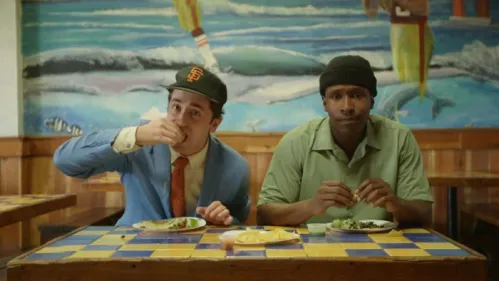
Like a Wes Anderson movie, The Last Black Man in San Francisco takes artistic risks and nails every one of them. There are many quirky, aesthetically well-studied, and even funny aspects to this moving story.
Jimmie has been maintaining a typical San Francisco Victorian house, regularly painting the windows and watering the plants. One small problem: other people live there and they don’t want him around. It turns out this was once Jimmie’s family house, having been built by his grandfather in 1948, and he misses it deeply.
This story is based on writer Jimmie Fails’ life, as he tried to reclaim his family home in SF. However, it’s not a movie that limits itself to gentrification. It transcends that to being about the universal yearning to find a place to call home.

A Spanish 500 Days of Summer mixed with a more urban and up to date You’ve Got Mail. I liked this film a lot. I connected with both the main characters in the film. Their feelings of loneliness on the inside, yet, still going on with their day to day all while being mixed with their phobias, longings, quarks, and vulnerabilities. This movie works, it works on every level. Beautifully shot and beautifully written. Watching this will not be a waste of your time.
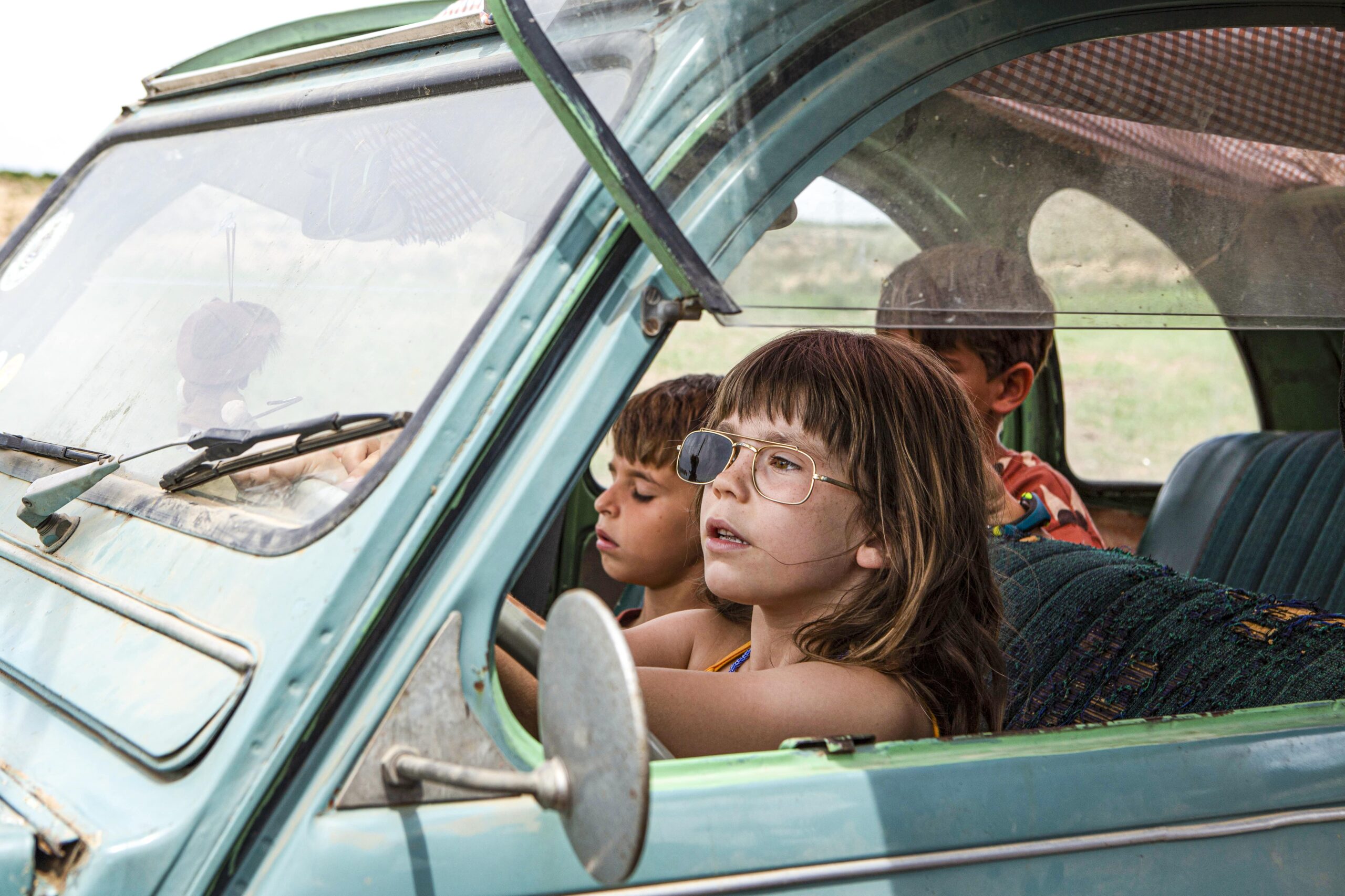
On one level, Alcarràs is a story about land, about how inextricable it is to livelihood, about how ownership of it has bred conflict since time immemorial. Director Carla Simón emphasizes this even more by hiring actual Catalan farmers as the leads. We’re not just watching the Solés sing and fight for their land, but Alcarràs natives who are also very much at risk of losing what’s theirs in real life. The acting comes off as natural because it is.
But on another level, Alcarràs is also a story about family, in particular about how family ties run so deep, they’re bound to coil around each other under the ground they’re rooted in. Like a family portrait come to life, Alcarràs shows us the beauty and the peril of loving your family and the legacy they leave behind as much as the Solés do.

Beautifully directed and blessed to be led by the wonderfully gentle and curious dog Zeytin, Stray commits to its unique point of view by reimagining Istanbul as a place made up of cars, torsos, and trash on the street. Such constraints on one’s filmmaking might make it seem like director Elizabeth Lo is in the perfect position to manipulate her animal characters in order to get the “story” she wants, but it genuinely never feels that way. If anything, Zeytin is the one who pulls Lo into orbit, and there’s a sense that the director is simply recording what the dog is revealing to us about human beings’ daily rituals and how they end up creating structure, culture, and (sadly) outcasts from this culture.
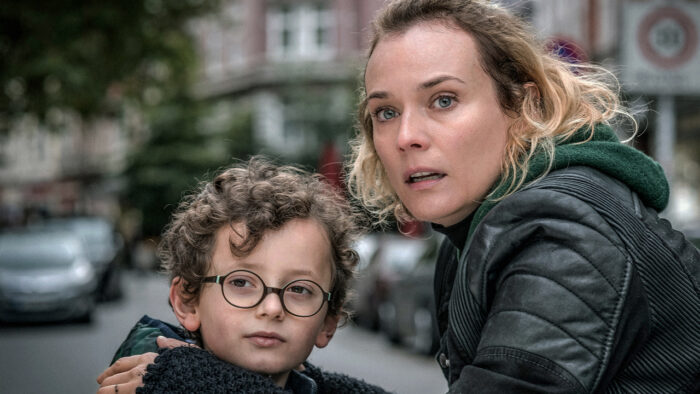
In Fatih Akin’s In the Fade, Katja is seeking justice after the killings of her Turkish husband and their young son in a terrorist bomb attack. Diane Kruger in the role of Katja delivers a powerful and rather grueling performance, for which she was awarded Best Actress at Cannes Film Festival. Her grief is vivid and forces viewers to bear witness to her inescapable pain. In the Fade also won the Golden Globe Award for Best Foreign Language Film, beating astonishing films such as Andrey Zvyagintsev’s Loveless. This moving story about a fearless woman determined to take justice into her own hands to fight the cruelty of others delivers a message that needs to be heard.

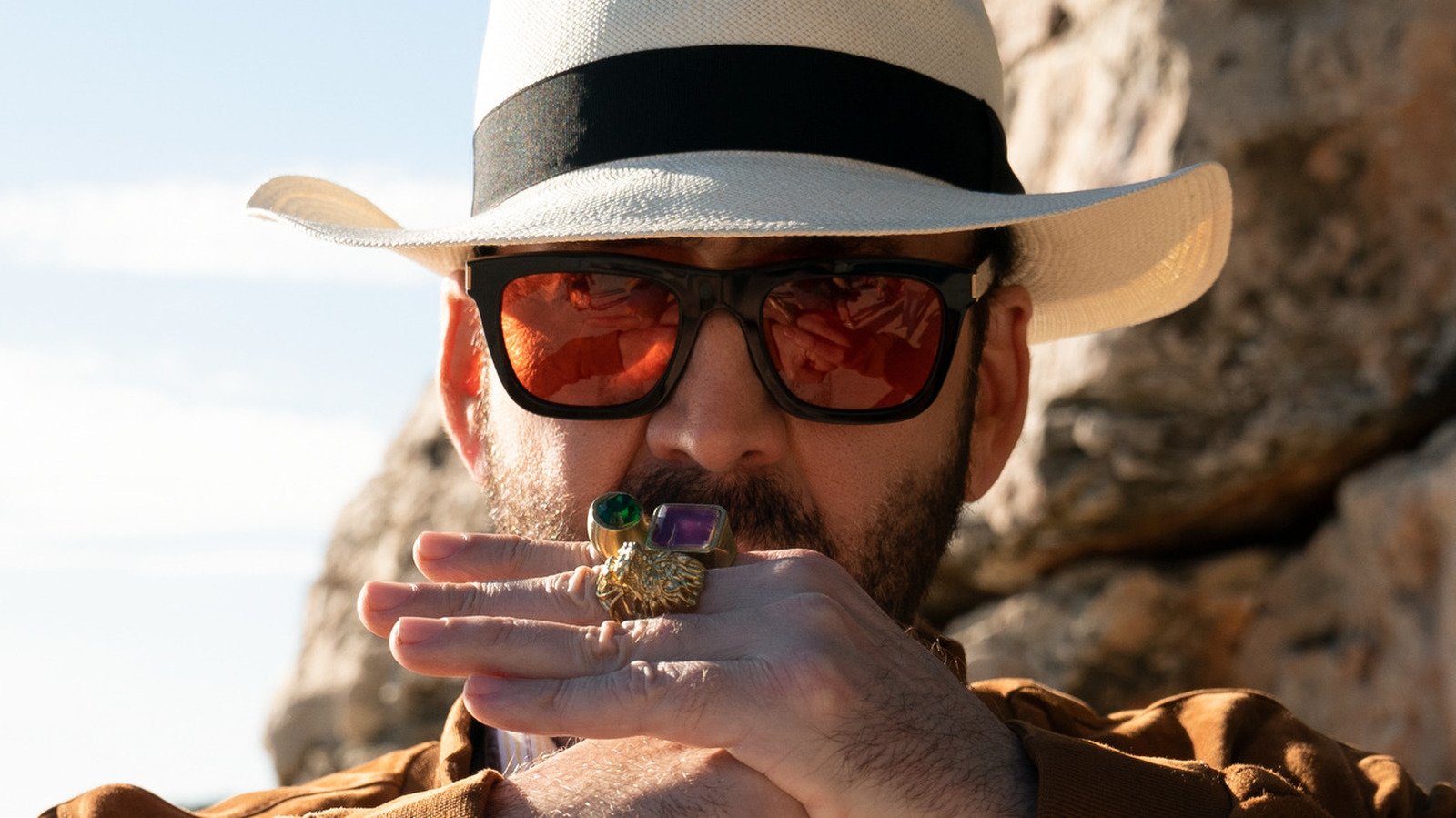
Surprisingly heartwarming and enjoyable, The Unbearable Weight of Massive Talent turns its over-the-top premise into a tribute to the one and only Nicolas Cage. Playing an unfulfilled and broke version of himself, Cage’s next gig is an appearance at eccentric billionaire Javi Gutierrez’s (Pedro Pascal) birthday party. They strike up an instant bond over their love of film. However, the CIA suspects Gutierrez’s involvement in a political kidnapping, forcing Cage to investigate his friend. The film brilliantly employs those 90s-esque action tropes that Cage’s movies are known for – the car chases, the sunglasses, and the eccentric characters. Cage himself fully commits to the premise, but Pedro Pascal adeptly matches his energy with his easy-going charm. Their moments together and their shared love for cinema makes this a great watch.

I didn’t know anything about the movie before watching it (this was my husband’s pick for ‘one of us picks something that the other knows nothing about’ night). It is Korean, sweet, funny, touching, unique, odd, poignant. I think the fact I knew nothing about the movie when I watched made it even more enjoyable so I hesitate to write more details in this review! Since watching it I have read that an American remake may be in the works, so I would recommend watching it before there is too much info out there about what is destined to be a less charming and successful version
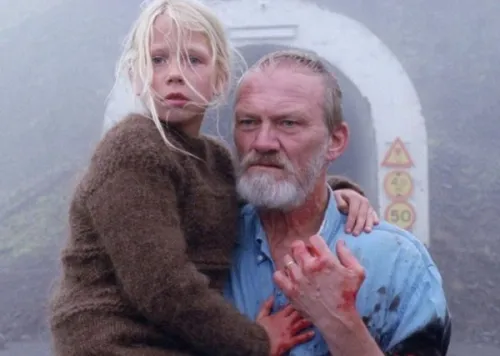
A man is struggling to mourn his passing wife in this slow-burning Icelandic drama. The story starts with him converting an abandoned electricity station into a house, in an effort to find peace. Soon, however, questions about a possible extramarital affair that his wife disturb this peace and make it seem unattainable.
The way A White, White Day’s brilliant story unfolds might catch you off-guard a couple of times. Still, it’s slow and requires a little bit of patience. Make sure you’re in the mood for that to be rewarded with unmatched insight on how differently people process grief.

Logan Lerman (The Perks of Being a Wallflower) and John Hawkes (The Sessions) star in this easy road drama about a father who tries to rekindle with his son. After the mother passes away, they try to execute her dying wishes of spreading her ashes in her home country of Ireland. The son, Lerman’s character, is freshly released from jail and accepts to take the trip on the one condition that he never sees his father again. This premise makes for a fun mix between a family drama and an adventure movie. Both characters have a lot to discover in Ireland: about the country, each other, and themselves.

Belfast stars Outlander’s Caitríona Balfe as the mother of a working-class Northern Irish family during The Troubles. Religious tension and the lack of opportunities put the family in a difficult position: they’re the first in many generations to think about leaving the city of Belfast. They all have to navigate so many difficult questions on belonging, religion, and identity.
The story, based on the director’s own childhood, is packaged in a noise-canceling black and white format. Also stars Judi Dench.
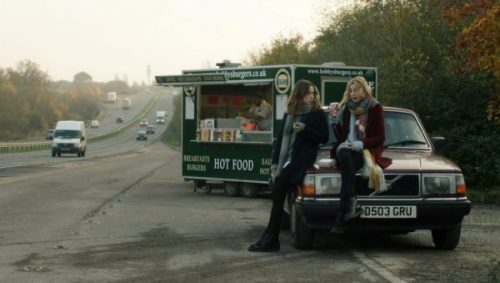
A razor-sharp script and beautiful scenery make this one of the best road movies in recent memory.
When their cynical best friend dies, Seph and Alex embark on a journey to scatter his ashes over four spots he wants to go back to. Tupperware of ashes in the glove-box, they start their big adventure.
Burn Burn Burn, an expression their friend quotes from Kerouac, is a chance for the two friends to escape their hectic city life and to discover themselves. It’s a beautiful movie.
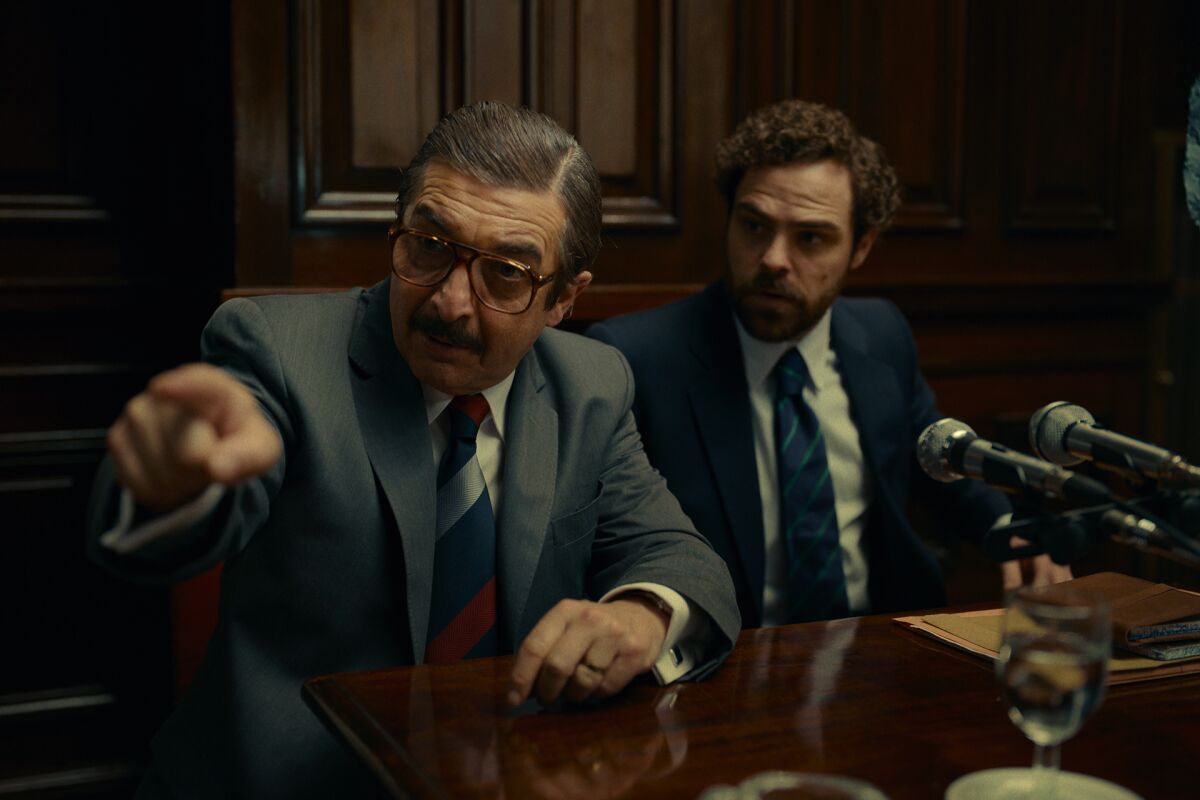
Argentina, 1985 is a legal drama about how a prosecutor and his young team were able to mount evidence—despite all threats and odds—against the officials behind a brutal military dictatorship. The public trial is supposedly the first of its kind in Latin America, a marker of true democracy that made a hero out of Julio Strassera and Moreno Ocampo, who both led the case.
Despite the presence of very serious themes, there are moments of lighthearted humor here that work to stress the film’s underlying message of goodwill and perseverance. Argentina, 1985 competed at major festivals this 2022, and it’s Argentina’s official entry at the 2023 Academy Awards.