Movies Like Black Swan (2010)
To access filters, visit our homepage.
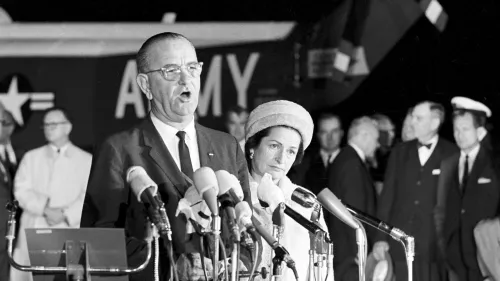
Partially based on the 860-page memoir, “A White House Diary”, and on the actual audio recordings Claudia Alta Taylor Johnson made during her time as first lady, The Lady Bird Diaries is an intimate reworking of a past we still know very little about. Told from the vantage point of First Lady Johnson candidly and in detail, the audio track shapes the whole film. All the archival footage is nicely complemented by hand-drawn animations to fit the missing images, but all the visuals are always in service of the narration. In this way, the documentary becomes a piece of history and an archive in itself, its illustrative functions – a crucial storytelling tool for posteriority.
If Katrina Babies seems like a somewhat disjointed account of the myriad responses to Hurricane Katrina and the U.S. government’s horrible, anti-poor response to the disaster, director Edward Buckles Jr. uses this structure with much more intent. For once this is a documentary that feels like citizen reporting and not a sanitized report from experts who have little to no real personal stake in the subject. As the film swings from one talking point to the next, you get the sensation of just how much the people of New Orleans are still trying to comprehend; the loose structure brings to this film a sense of helplessness that, for some, just can’t be overcome.
Although Who We Are is essentially a professionally recorded masterclass interspersed with additional interviews, it only emphasizes Jeffery Robinson’s skill as an orator and his compassion as a teacher. In a clear and levelheaded manner, he lays out how even the historical documents that formed the blueprint of the United States are exclusionary in key ways. Robinson does this not to condemn his country, but to challenge the way we view traditions as sacred, and to see how modern-day white nationalism is upheld by these institutions, intentionally or not. The new interviews that accompany Robinson’s talk take these lessons on the road, reminding us of those who are directly affected by these centuries-old decisions.
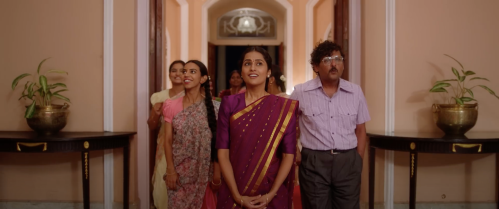
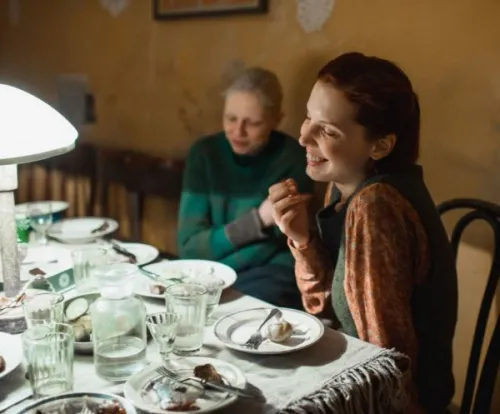
With elaborate sets, musical numbers, and an ensemble cast, Aachar and Co doesn’t feel like a regular budget-bound debut feature. In fact, director Sindhu Sreenivasa Murthy, who also stars as Suma, pulls off this family drama with a whimsical yet period-accurate, Wes Anderson-esque style. This style keeps the film’s nostalgic and lighthearted tone, even as the siblings’ journeys, most especially that of Suma, go into darker times. As the family cycles through each of their weddings and funerals, Aachar and Co comments on the societal changes that shifted the lives of Indian women in the 1960s. The resulting film is just as bittersweet and nostalgic as the mango preserves the family makes.
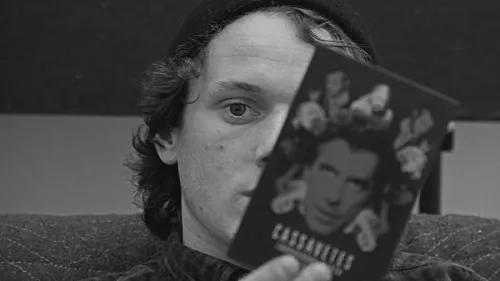
This movie narrated by Nicolas Cage is the incredible story of actor Anton Yelchin (Star Trek, Like Crazy): from being born to a Jewish Russian family in Leningrad to moving to the U.S. and ending with his sudden death at age 27. Anton, or Antosha as his loved ones called him, was a gifted kid: he was making his own movies at seven years old, taking highly sophisticated notes on Fellini movies, and picking up playing guitar in a short time. He took photographs that still show in exhibitions around the world. He led an extraordinary life, portrayed here, one that was cut way too short.
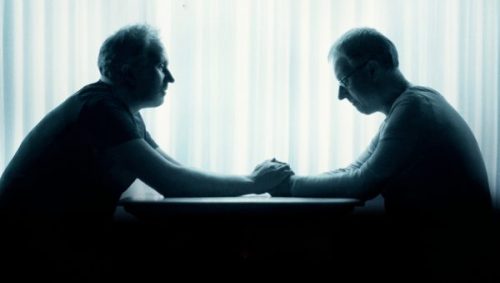
This documentary starts with Alex Lewis, who gets into a motorcycle accident and wakes up in the hospital not knowing who he is. He doesn’t remember anything (not even what a bicycle or a TV is, or who his mother or father are), but he remembers his twin brother, Marcus. When Alex gets back into his childhood home, he’s full of questions, and Marcus is full of answers. However, slowly, Marcus realizes his power to reshape Alex’s version of their past. Marcus leaves one important detail from Alex’s life that makes this documentary (as if it wasn’t already) such an insane story. I know I said it’s a sad movie, but it’s also fascinating and, ultimately, humanizing of the brothers’ experience.
The question mark in the title represents the central idea of this fascinating documentary: what if worshipping Satan is the only way of ensuring religious freedom for everyone?
That’s what a group of young members known as The Satanic Temple believe, led by a determined and well-spoken Harvard graduate. They embark on a journey across the U.S. to challenge corrupt officials and the prevalence of religious biases in government agencies. They always request that their belief system (Satanism) is given the same favorable treatment as Christianity, effectively proving that authorities will really only accept a show of religion if it’s one religion: Christianity.
But their intoxicating energy comes with costs: divisions within the organization and growing pains. This documentary perfectly illustrates not only a misunderstood religion (in the documentary it’s referred to as “post-religion”) but the difficulties of establishing grassroots movements in general.
This artistic Australian coming-of-age drama stars Eliza Scanlen (Little Women, Sharp Objects) as Milla, a teen from a dysfunctional family. The father is a psychologist and the mother suffers from depression, so he medicates her under the table. Meanwhile, Milla, a 16 year old, starts dating a charismatic almost-homeless 24 year old drug dealer. Unusual circumstances make the family tolerate the relationship in this story where every character feels like the main one.
If you’re looking for something different, you will love Babyteeth. Something happens to Milla in the 10 minute mark that descriptions and reviews online all mention – but is definitely a spoiler. Just know that it’s not all romance and coming-of-age, there is slow-burning darkness to this movie.
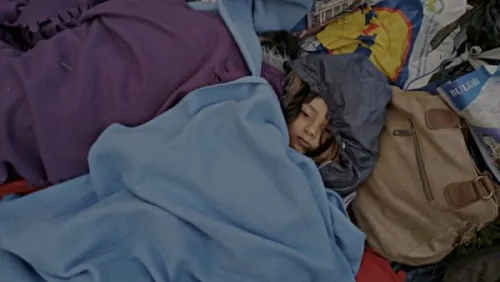
Hassan Fazili and Nargis Fazili are two filmmakers who, faced with death threats, escape their home in Afghanistan and start a journey to Europe that millions of others have taken over the past few years. But unlike most others, the Fazilis filmed everything on their way.
The result is not only a portrayal of the dangers they go through but it’s also about less obvious and possibly more common aspects of the refugee experience. It’s about the wait in refugee centers (that can last many years), the anticipation and also what it means to do all of this with children. Because watch out for the little Fazilis, who travel with their parents, for they will steal your heart.
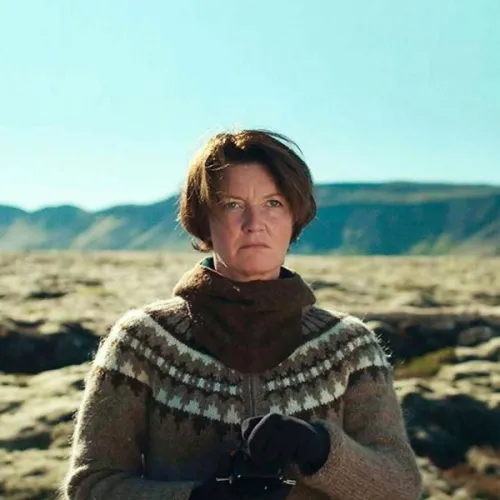
A calm choir leader lives a secret life as eco-warrior in this visually stunning and intelligent story about our complex times. If you’re familiar with Icelandic movies, this one has just the right amount of that Icelandic quirkiness – making it a proper feel-good movie with a message. This is added to the superb acting and an off-beat musical score. Not to be missed.
This new documentary is about the exact scale to which social media is harming us, as testified to by people from the industry: ex-executives at Google, Instagram, Facebook, and even the ex-President of Pinterest. All have left their companies for (incredibly valid) ethical concerns that they share here.
It’s a blend of interview footage and a fiction film that follows a family who feels more distant because of social media. This allows to see the implications of what the interviewees are saying in real life but quite frankly it also serves as a welcome break from the intensity of their words. How intense? One of them predicts civil war within 20 years.
This heartbreaking Russian drama takes place in Leningrad six months after the end of the war. A boy is asked to do an impression of an animal, any animal, but the boy stands still. “Just do a dog then”, one person says, to which another remarks “he’s never seen one, they’ve all been eaten.”
In this bleak context, two friends meet again and try to restart their lives. Masha is a soldier who has just come back from the war in Berlin, and Iya, a tall woman nicknamed “Beanpole”, is a nurse who suffers from PTSD episodes that freeze her body. Both characters, so brilliantly acted, personify the thin line between desperation and hopefulness in this difficult but incredibly well-made drama.
A quiet documentary that was released to celebrate the British Royal Air Force’s centenary, Spitfire tells the story of the famous plane that younger audiences might only recognize from movies like Dunkirk or Darkest Hour. It features gorgeous footage of the last remaining planes in service flying over the British coast, testimonies from pilots who are still alive and a reminder of the key role that this plane once served. It feels like an attempt to capture and archive the importance of the plane, but also of its pilots, who for the most part were young kids with little training, but who, with time, learned valuable lessons from warfare. A must for aviation fans and a great option for anyone looking for a quiet movie to watch with their family (grandparents included).
Without context, Minbo, or the Gentle Art of Japanese Extortion seemed like a goofy satire, especially when the silly trumpet score pops up, and unfortunate hotel employees Suzuki and Wakasugi flounder around trying to solve the hotel’s yakuza problem on their own. And when Nobuko Miyamoto shows up as the brilliant lawyer, it’s so satisfying to see her turn the tables on the yakuza purely through words, strategy, and knowledge of law. It’s hilarious, but Minbo doesn’t just poke fun– it demystifies the gangster as a cool and untouchable figure, portraying them instead as loudmouthed bullies that we can handle. It also shows us how much can be done, only if we, as a group, perhaps as a whole nation, can muster the courage to fight.
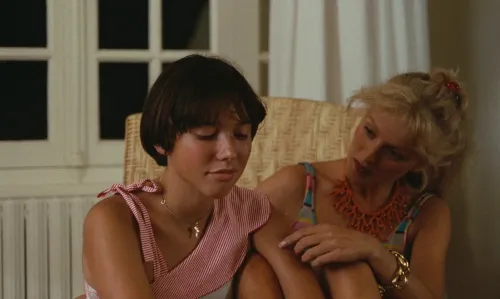
Éric Rohmer movies are what you watch when you want to experience the thrill of someone putting into words something you might never have been able to express yourself. The magic of his characters is that they’re breezily candid, even if that honesty doesn’t protect them from committing the same contradictory foibles we all do. Pauline at the Beach is a dazzling example of that quality; it may even be more honest than usual, because it also tells a truth about its characters that they’re not even aware of themselves.
The most perceptive character is actually the youngest: 15-year-old Pauline (Amanda Langlet), who’s vacationing with her older cousin Marion (Arielle Dombasle). Having never fallen in love herself, Pauline receives a thorough education in the matter by observing the love triangle that Marion becomes entangled in with needy Pierre (Pascal Greggory) and predatory Henri (Féodor Atkine). Though the adults give the film its brilliantly articulate philosophical meditations on love — ranging from the idealistic to the dispassionate — their actions often fall short of their words. Shot through Pauline’s keen eyes, Rohmer’s film wryly reveals the decisive role that delusion and unchecked ego play in so many grown-up lives — ironically making the self-aware and measured teenager the most mature of all.
2005 was a banner year for British period dramas, apparently: first, there was Joe Wright’s Pride & Prejudice (still arguably the genre’s crowning achievement), and then came Under the Greenwood Tree, a delightful made-for-Christmas-TV romance loosely based on the eponymous Thomas Hardy novel. Anyone familiar with the author’s typically tragedy-tinged stories — think Tess of the D’Urbervilles and Far From the Madding Crowd — will find themselves surprised by the light, pleasant tone of this one, in which the closest anyone gets to violent revenge is sabotaging a church organ by pouring a flagon of cider into it.
The romance here is threefold: when Keeley Hawes’ spinster schoolteacher Fancy Day (genuinely her name) arrives in an English village, she ignites a rivalry between wealthy farmer Shiner (Steve Pemberton), haughty clergyman Parson Maybold (Ben Miles), and James Murray’s die-hard romantic Dick Dewy (again: the names in this are a choice). The trio’s simultaneous attempted courting of Fancy doubles as both the entertaining will-she-won’t-she stuff of romantic dramas and a conduit through which the movie explores the class dynamics in England during the 19th century. It’s this deft intertwining of satisfying romantic period drama tropes with genuine reflection on the historical period itself — all while remaining lighthearted — that makes this underseen adaptation worth watching.
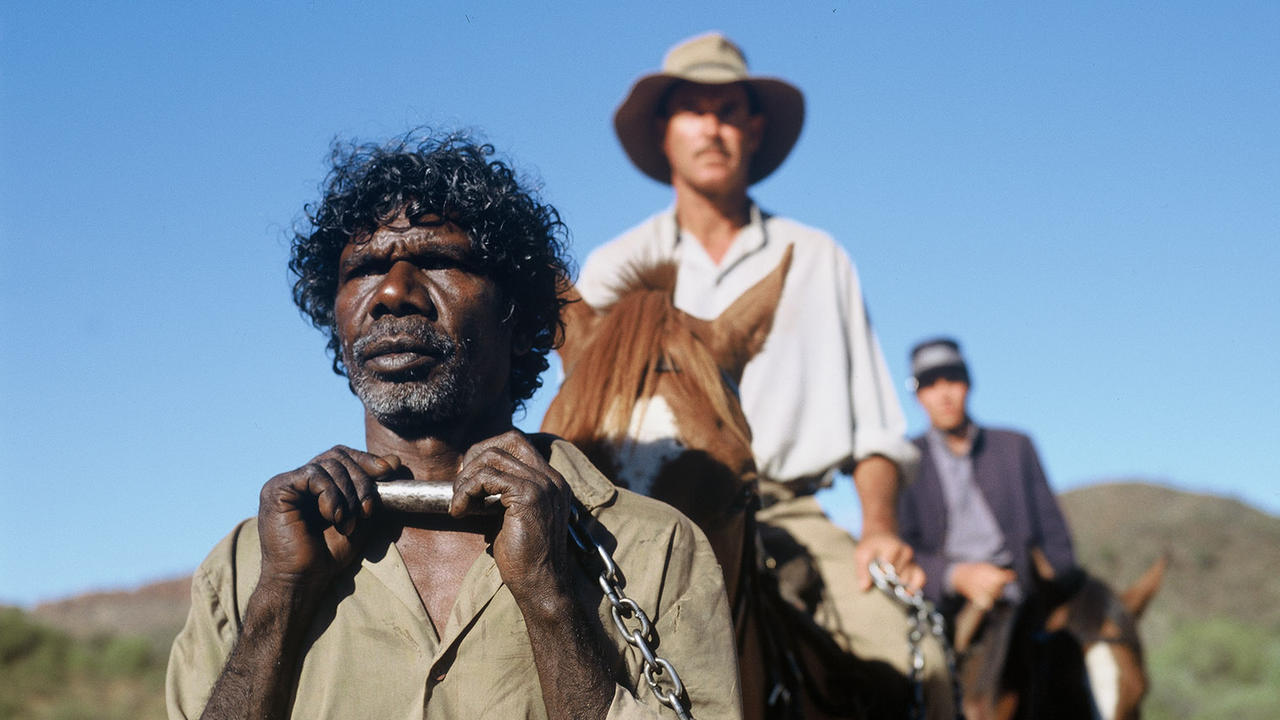
At first, The Tracker seemed to be a straightforward Australian Western with three white men tracking down a murderer, with the help of an Aboriginal man more familiar with the Outback. But The Tracker takes unexpected paths. First, no one is given an actual name– they’re referred to in the credits by titles (e.g. The Fanatic, The Follower, The Veteran, and of course, The Tracker). Second, the soundtrack seems to act as somewhat of a Greek chorus, with Archie Roach crooning the beliefs each player seems to hold. And third, the violence becomes more gripping because of the way it’s presented– intercuts to Peter Coad’s paintings depicting the violence inflicted upon Aboriginal people in just a frame. These choices craft an entirely unique approach. Rolf de Heer’s approach takes a familiar Western plot but doesn’t adhere to the genre’s conventions and it’s totally fitting for a film actively examining a part of Australian history that most of the country wouldn’t want to talk about. And of course, it’s all tied together by The Tracker himself, by David Gulpilil’s powerful performance.
Artist and filmmaker Clio Barnard put herself on the map of new British talents with her 2010 debut The Arbor, a daring, genre-bending biopic about Bradford-born playwright Andrea Dunbar and her tragic personal and impressive artistic life. Coming from a poor working class family with seven siblings, Dunbar wrote her first play age 15. She died in 1990, aged 29, and left a legacy of three plays in total. Knowing how under-appreciated her work has been, Barnard decided to revive the life that imbued Dunbar’s creations. Rather than staging a conventional documentary, the director features interviews with family and friends, performed and lip-synced by actors in front of the camera. She also adds re-enactments of the plays that feature the estate where Dunbar grew up, as well as archival footage of her TV appearances. The Arbor is an experimental documentary, but that doesn’t prevent it from being touching, humane, and a special tribute to art flourishing in adverse circumstances.
With its detailed portraits of seven of Istanbul’s most adored felines, Kedi affirms what anyone who’s spent some time with a cat will know: they really do all have fully-fledged, complex personalities of their own. More than just a celebration of some supremely cute kitties, though, this documentary about the city’s teeming street cat population also presents a moving example of a way of living that embraces — rather than tramples over — our animal neighbors.
Immersive cinematography from the cats’ eye levels is weaved with interviews with the people who care for them, whether voluntarily or because the cats simply demand it. That independence emerges as a much-admired characteristic in the documentary; as one interviewee puts it, “Dogs think people are God, but cats don’t. They’re not ungrateful, they just know better.” It’s impossible not to read a wistful note in the interviewees’ odes — indeed, for many of the people featured here, cats are a point of spiritual and personal reconnection, a reminder of what life is really about underneath all the mind-numbing dross we’ve made up. The magic of Kedi is that it not only perceptively recognizes the healing effect that cats have on humans, but recreates it so that these 70-something minutes feel like therapy.
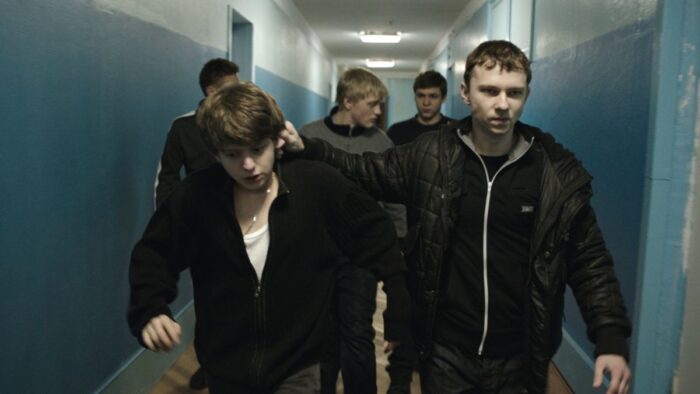
This teenage crime drama contains enough grit to stand on its own, but The Tribe’s real hook is in the way it’s told: entirely in Ukrainian sign language, without subtitles. Set in a boarding school for deaf students, new arrival Sergei must contend with an institution that’s run like a gang. His journey through the ranks is extremely violent and graphic, including unflinching depictions of rape and a back-alley abortion that lingers long in the mind.
Its unpleasantness will be a barrier for some, but for the curious, it’s an oddly balletic film. Among the misery, actors communicate the entire story via body language. Emphatic dialogue delivery conveys the mood of each scene (which often changes for the worse), and the characters’ actions speak loud and clear. Narratively it breaks little ground, and its darkness can’t be overstated, but there’s grace to its reliance on everything but words to tell its story. A film you won’t stop thinking about.
“What is happiness?” is one of those philosophical questions that seem destined to go unanswered, one that, when asked, starts a debate that splinters into smaller debates, all of which lead to nowhere. This film is sort of an embodiment of that question, but instead of being vague and pointless, it revels in mystery and multitudes. What is happiness? We follow five different people who attempt to answer that in their own ways.
It might seem gimmicky to try to link strangers’ lives with the concept of happiness, but in the hands of a brilliant director and ensemble, it becomes a treat. With its deeply human characters, smartly structured plot, and eloquent dialogue, Thirteen Conversations About One Thing is a rare gem of a film, as perceptive as it is poignant.
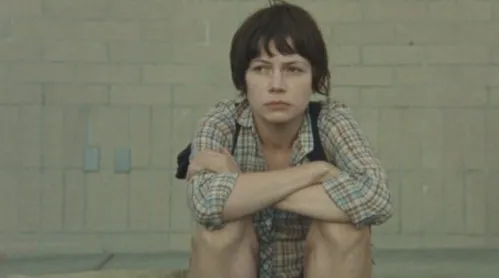
Wendy (Michelle Williams) is a drifter driving up to Alaska in hopes of finding work. When her car breaks down, she and her dog Lucy are stranded and forced to scrounge for food and repairs, hitting one roadblock after another on her path to an uncertain dream. This sympathetic and solemn look at poverty from director Kelly Reichardt serves as a reminder of how easy it is to fall through the fragile American safety net.
Reichardt’s uncompromising approach paired with Williams’s restrained performance makes the experience authentic and intense, recalling the work of Ken Loach. This natural sharpness makes for an engrossing watch that builds in power until the emotional release of the film’s heartbreaking conclusion.
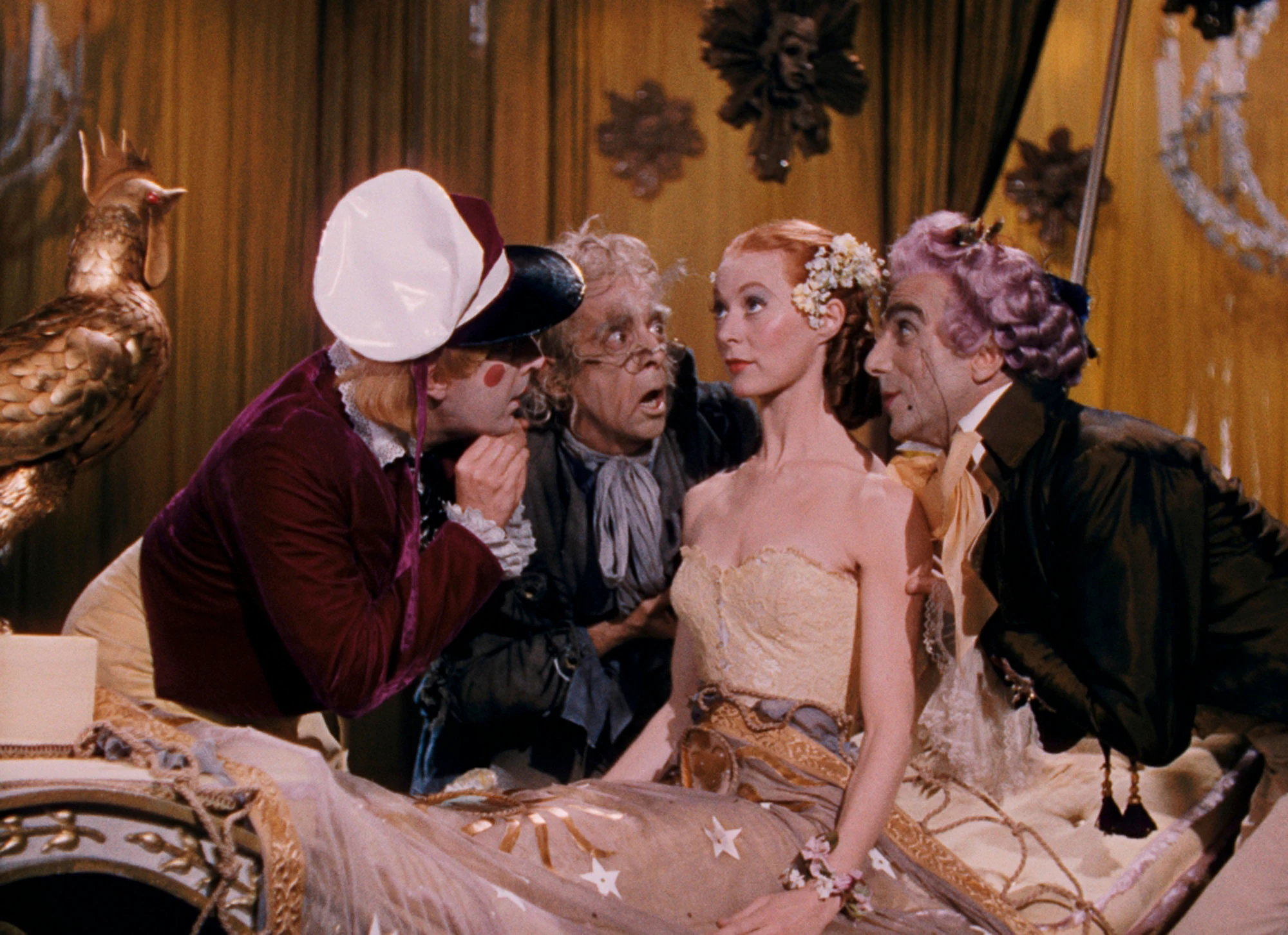
In the last years of their partnership, Michael Powell and Emeric Pressburger decided to take on another art form in The Tales of Hoffmann. Jacques Offenbach’s opera is excellently adapted with similar extravagance to The Red Shoes, only this time, rather than limiting the performance in one sequence, the entire film is sung-through and plays out on what feels like a neverending stage. The split between E.T.A. Hoffmann’s three short stories can seem a bit uneven, with Olympia’s tale the longest of the three, but the outstanding cast, the fantastic costumes and sets, and the seamless cinematography takes a spectacular route into a brilliant conclusion. Most people’s mileage of this film would depend on their appreciation of the mediums of opera and movie musicals, but fans of both would adore The Tales of Hoffmann.
A Spanish 500 Days of Summer mixed with a more urban and up to date You’ve Got Mail. I liked this film a lot. I connected with both the main characters in the film. Their feelings of loneliness on the inside, yet, still going on with their day to day all while being mixed with their phobias, longings, quarks, and vulnerabilities. This movie works, it works on every level. Beautifully shot and beautifully written. Watching this will not be a waste of your time.
For the longest time, American media coverage was skewed to justify the presence of US forces in Arab states. Control Room unveils that bias by following Al Jazeera at the start of the Iraq War in 2003. One of the biggest Arab media outlets at the time, Al Jazeera dared to cover both sides of the war, but by doing so put a target on its back. It was vilified by both the US government, which called it an Osama mouthpiece and the Arab world, which called it a Bush ally.
Control Room shows the difficulty (if not sheer impossibility) of achieving journalistic balance, objectivity, and integrity. Through interviews with Al Jazeera reporters and US military officers, we witness how lines are blurred, loyalties are tested, and purpose is shifted in a state of war. A seminal work on media bias and press control, Control Room is vital and enlightening, a must-watch to understand the inner workings of the fourth estate.
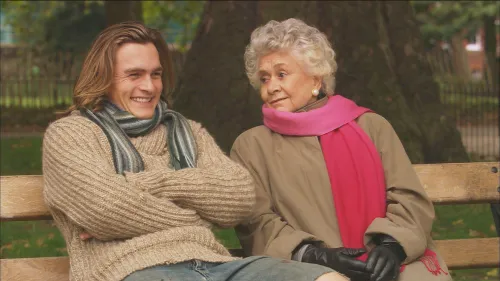
It may look like a cheap TV movie, but this quietly affecting story of a lonely grandmother looking for kindness and meaning at a retirement hotel is an absolutely charming watch for you, your parents, and your own grandparents. The stakes are refreshingly low, as the title character’s quick friendship with a twentysomething writer helps each of them get through their feelings of being out of place. There’s lots of effective, British-style comedy from this small cast of instantly likable actors, and an unexpectedly potent emotional core, making you realize only by the end just how invested you’ve become in their interactions. As Mrs. Palfrey, Joan Plowright is a wonderful, gentle presence, and her easy chemistry with Rupert Friend is exactly as wholesome as the film needs.
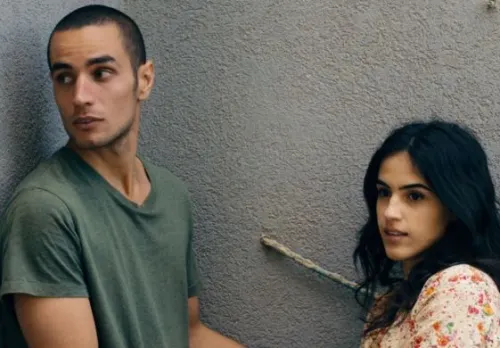
Ask yourself how many Palestinian movies you have seen before. You will want to give this smart and twisty Academy Award nominee by Golden Globe winning director Hany Abu-Assad a chance to change your answer. Omar, a Palestinian baker, climbs the West Bank Wall to see his lover, Nadia, whom he wants to marry. When Israeli soldiers catch and humiliate him, he gets implicated in the shooting of an Israeli soldier, and eventually gets arrested and faces an extremely lengthy sentence. Later, his captors’ motives and his own get tangled up in politics, friendship, trust, and love. Omar is a highly realistic, compelling crime drama you don’t want to miss.
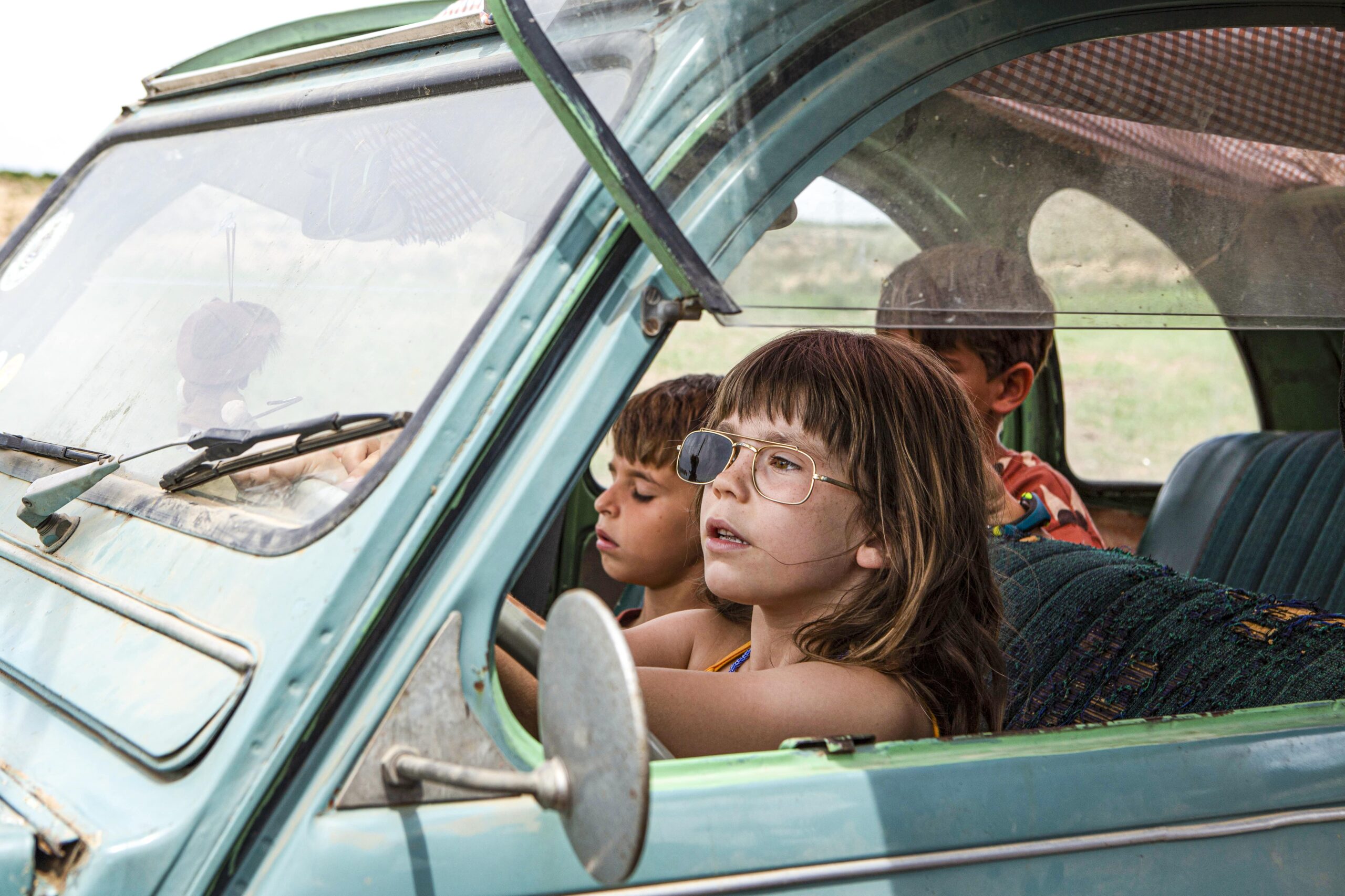
On one level, Alcarràs is a story about land, about how inextricable it is to livelihood, about how ownership of it has bred conflict since time immemorial. Director Carla Simón emphasizes this even more by hiring actual Catalan farmers as the leads. We’re not just watching the Solés sing and fight for their land, but Alcarràs natives who are also very much at risk of losing what’s theirs in real life. The acting comes off as natural because it is.
But on another level, Alcarràs is also a story about family, in particular about how family ties run so deep, they’re bound to coil around each other under the ground they’re rooted in. Like a family portrait come to life, Alcarràs shows us the beauty and the peril of loving your family and the legacy they leave behind as much as the Solés do.
Cloudburst is the very funny and heartwarming story of two old ladies, Stella (played by Academy Award winner Olympia Dukakis) and Dotty (played by another Academy Award winner, Brenda Fricker) who escape their nursing home and drive to Nova Scotia, Canada to get married. Along the way, they meet Prentice, a hitchhiker on his way home to Nova Scotia as well. Cloudburst is the story of their road trip. Dotty is lascivious and loving. Expect to be shocked by Stella’s potty mouth. The whole film is a great love story about devotion, acceptance and living life to the fullest.
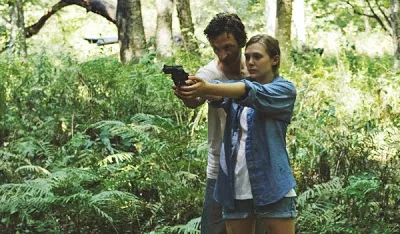
A very intelligent and nuanced movie that relentlessly asks unpleasant questions. It’s a story about a woman seeking freedom by turning away from her own family and finding something she did not expect. The main character of the movie, Martha, is taken in by a cult and the movie depicts how this experience shapes and warps her life, thoughts, and actions. The time she spent with the cult ultimately also shapes her own personality, which raises questions about her identity and the place she now fits in. Every actor is well cast, and especially Elizabeth Olsen (playing Martha) puts on a stand-out performance, which proves that she is an actor to watch out for in the years to come.
A simple and sweet movie about love, trust, and space. Adam is a 30-something year old with Aspergers syndrome, this film is about how he navigates his way through loneliness and love and all things in between. It is both humorous and slightly heart-breaking, and will leave you feeling that way as well. Maybe the reason we all belong together is that we don’t, and this movie is a beautiful examination of that.
This fun drama is about a 90-year-old who’s still searching for answers to life’s existential questions. Lucky smokes, drinks, and is pretty angry (a not-so-chill atheist); but he’s still around.
Harry Dean Stanton, in what feels like an extension to his character Lucky, passed away a year after the film premiered in 2017. This was the last role of the legendary Alien and The Godfather actor.
Warm, enchanting, poetic and delicate, this is an almost silent film about a poor Vietnamese girl who goes to work for a well-off family in Saigon. The film follows her experiences as she grows but is also very focused on the nature around her, and the beautiful little details of this nature, which the young girl seems attuned to and curious about. The feelings in the film come more from the excellent visuals rather than the plot itself.
Ben du Toit (Donald Sutherland) is a patriarch of an upper-class white family insulated from the roiling protests and violence in their suburban household outside of Johannesburg. When his gardener’s son is arrested, du Toit’s complacency is tested and he becomes embroiled in the devastating political reality outside the comforts of his gated world.
Although it falls into the somewhat blemished category of films that center white protagonists when covering Black struggle, it does so with a piercing critical lens that confronts white denial and complicity. Euzhan Palcy’s direction is striking, depicting racism and violence with uncompromised clarity, while her unfettered dedication to getting this made even brought Marlon Brando out of retirement. Keep an eye out for him playing a beleaguered civil rights attorney – a role which notched him his final Academy Award nomination.
Running on Empty is a movie that covers many timely themes including capitalism, education, and social class. It tells the story of a family who have to go on the run and hide their true identity for the rest of their lives. Director Sidney Lumet’s light touch on heavy topics gives the movie a tender and intimate atmosphere throughout. Aside from the great script, River Phoenix’s performance is definitely one of the biggest highlights of this movie, where he successfully delivers a restrained yet fascinating performance. Christine Lahti and Judd Hirsch also give a top-notch performance that adds to the movie’s thrill. In short, Running on Empty is the kind of movie that shows there is courage in running away when it’s the right thing to do.
Polytechnique directed by Denis Villeneuve, is a dramatization of the 1989 Montreal massacre of multiple female engineering students. This film focuses on a male student navigating the massacre for the majority of the film’s run time. The performances and minimal dialogue in this film certainly make this an unnerving film to watch. Littered with the screams of the actors portraying the engineering students, this could be mistaken as a gaudy horror film. However, this is far from a fictionalized horror.
This Villeneuve classic is undoubtedly one of the most emotionally brutal films of the 2000s, yet I appreciate the honesty of the storytelling. Polytechnique encourages its audience to ask itself if it truly understands the truth of misogyny.
A truly timely and difficult documentary, Deliver Us From Evil follows an interviewed confession of a Catholic pedophile. In addition, the film shows his victims, their coping strategies and lives as well as the extreme lengths the Catholic Church went to to cover up and enable the systemic rape of children. While often times hard to watch, this film shines a light into the dark corners of human behavior, forgiveness, sin and faith in a way that is both confronting and relatable.
Manon des Sources (Manon of the Springs), directed by Claude Berri, follows a young woman named Manon living reclusively in the rural countryside. This film is the sequel to Jean de Florette, during which a young Manon watched her father fall victim to the greedy manipulation of two men. Now, a decade later, Manon is older and more cunning—and when she sees the opportunity to gently avenger her father, she exacts tragic revenge.
Perhaps the greatest strength of Manon of the Springs lies in its actors. Emmanuelle Béart is captivating as Manon, quiet and observant, while Yves Montand and Daniel Auteuil are fittingly terrible as César Soubeyran and Ugolin. Manon and the springs she must protect are worthy heroes of this epic saga.
Mélanie Laurent both directed and wrote this, her fifth movie.
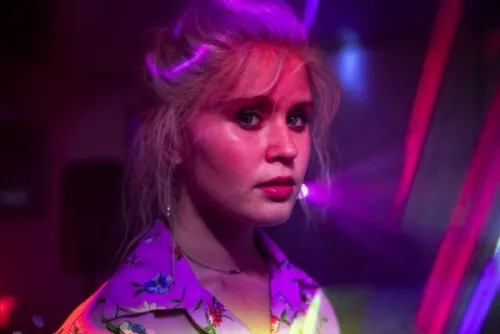
She offers an impressive display of deft film-making and honest, insightful storytelling. Charlie is a teenage high school student, there’s seemingly nothing unusual about her. When Sarah, a Nigerian girl, joins her school, they quickly form a transformative friendship.
Breathe sometimes veers to darkness, which helps to make its portrayal of the bond between two teenagers genuine, and unexpectedly fun.
As much as we’d like to think everyone can be redeemed, there are terrible, awful people that do exist that make it hard to believe in change. Idiots and Angels takes one such person named Angel, and forces him through a highly unusual, creepy, and cynical redemption tale that involves a body transformation that’s less heavenly and more Kafkaesque. As he pulls feathers from his body, Angel’s miserable, terrible self has no choice but to act decently for once. It’s a unique transformation, one we wish our curmudgeonly acquaintances would have, and with no words spoken, Bill Plympton’s unique cross-hatched animation takes center stage. Idiots and Angels may not be the most perfect animated film out there, but it’s certainly one of its kind, something you’ve probably never seen before.
An electrifying portrayal of a girl growing up in a poor Paris suburb. This coming-of-age story follows Marieme, a girl struggling in high-school who learns that she will be rerouted out of academia and onto a track where she will learn a trade. Frustrated by the news and fearful of an abusive elder brother, she finds solace in a gang of girls from her neighborhood. Initially she decides against joining them but does so at the prospect of pursuing a crush. Her new friends take her into the center of Paris and to a more violent and crime-driven lifestyle. An undeniably grim movie, Girlhood compensates with an amazing character study – themes of identity and adolescent need for belonging are at the center of a type of a story that rarely ever gets any attention.
When Brian was eight years old he lost five hours of his life to a black out. Now ten years later he is searching for the truth. His search leads him to Neil, a boy who was on his little league team the summer of the blackout. Brian has always believed he was abducted by aliens from the dreams he had with Neil in them. Neil however knows the truth. Neil had just left the small town life and moved to New York. When he comes home for Christmas and meets Brian will he finally tell him the answers he has been looking for? This is the story of one boy who can’t remember and a boy who can’t forget.
Dogtooth is a bonkers tale about three teenagers who live an isolated life on their family’s estate due to strict rules set by totalitarian parents. Their vocabulary is limited and their perception of the world is strange. They’re taught that cats are bloodthirsty monsters, that disobedience is grounds for horrific punishment, and that the world outside the house will kill them.
Equal parts bizarrely funny and disturbingly terrifying, director Yorgos Lanthimos pulls no punches with this fascinating examination of authoritarianism. As usual with his actors, they are directed to deliver lines in a matter-of-fact, often even deadpan manner, making the escalating lies and deceptions more and more unsettling as the film goes on. Thimios Bakatakis’ cinematography also places the twisted tale in a home that has a somewhat dreamlike beauty.
Those who enjoy dark, comical situations told with dry humor will be amused by Dogtooth. Those who enjoy stories that quietly build up to gruesome conclusions will also be amused by Dogtooth. It takes a unique mind to depict nameless children being subjugated and stripped of the fundamentals of conceptualization in an isolated world, and treat it as an absurdist comedy rather than a flat-out horror film. Lanthimos does it.
Following a group of journalists uncovering an entire architecture of institutional corruption in Romania, Collective makes for an inspiring watch—not just because these people are pursuing a story outside their usual wheelhouse, but because their enemy really is so much greater than they can handle. Yet they continue chipping away, never once backing down from speaking truth to power. Director Alexander Nanau understandably might not have much access to the government’s side, but he still manages to portray them as an ever-present, omnipotent invisible force, giving the film a thick atmosphere of dread and paranoia. But still, in the face of such overwhelming odds, the best thing to do is refuse to be scared into silence.
I didn’t know anything about the movie before watching it (this was my husband’s pick for ‘one of us picks something that the other knows nothing about’ night). It is Korean, sweet, funny, touching, unique, odd, poignant. I think the fact I knew nothing about the movie when I watched made it even more enjoyable so I hesitate to write more details in this review! Since watching it I have read that an American remake may be in the works, so I would recommend watching it before there is too much info out there about what is destined to be a less charming and successful version
Five orphaned sisters are put under house arrest by their uncle and grandmother after they are seen horsing around with local boys from school. While their actions were purely innocent, their behavior is viewed as scandalous and shameful by the conservative elders in their small Turkish village. After this incident, their grandmother turns her attention towards marrying off her granddaughters. Each of the five sisters rebel in their own way, but it is the youngest and rowdiest sister, Lale, who is the central protagonist of the film. She watches helplessly as each of her older sisters is married off with an increasing sense of dread and desperation. While this may sound hopelessly depressing, the movie is equal parts beautiful and tragic and floats across the screen in a dreamlike manner. Not all of the sisters escape their oppressive surroundings or their assigned fate, but the message is clear: it’s crucial to try.
Xavier Dolan’s emotionally charged directorial debut centers on the complex relationship between 16-year-old Hubert and his mother, brought to life by Dolan himself and Anne Dorval, respectively. The film paints an authentic and all-too-familiar picture of two people who love each other yet clash in similarly self-centered and stubborn ways.
The mother-and-son duo vacillate between love and hate in a screenplay full of drama. The cinematography, relying much on negative space, perfectly evokes a sense of disconnect and animosity. However, there is little subtlety to be found here, much like Hubert’s sexuality being embodied by a poster of River Phoenix displayed in his bedroom. The rawness and heightened telling of events indicate that this story is as fresh and unpolished as then 19-year-old Dolan’s own feelings about family dysfunction, particularly mommy issues. The heavy-handedness and moments of exaggeration in his quasi-autobiography are obvious, a fault of execution that one can attribute to lack of experience.
Still, the powerful visuals and dialogue hint at a vision of what more to expect in Dolan’s now-celebrated career. I Killed My Mother, by all accounts, fulfills its role as his promising directorial debut.
Let me just preface this by saying The Best of Youth is 6 hours long. Yes, that’s 358 minutes of run time, and it puts off a lot of people. But if you’re into unusual movie premises like me and up for the challenge – the reward is tremendous. The Best of Youth tells the story of four friends through a period of 30 years; what they go through how they develop their personalities, their worldviews, etc. And because it spans such an extended period of time, it acts as a highlight reel of moments from the characters’ lives (so the long run-time actually feels short). It wouldn’t be an understatement to say that you’ll probably never know characters of any movie as well as you will in The Best of Youth. A perfect illustration of the genius of Italian cinema that gave us The Great Beauty and other amazing movies.
Paul Giamatti knocks in out of the park in Win Win. The movie has so much humanity in it as well as a fantastic story that’s rooted in normalcy. At last a movie about second chances that is anything but cheesy. The rhythm of the humor in this movie helps you move through the serious themes unscathed (for the most part). In sum, the jokes are spot-on and the acting is excellent.
Never has evil been so darn fun to watch. Bridget (Linda Fiorentino) is such a captivating villainess, you’ll actually find yourself rooting for her at times in this noirish take on…, I don’t know what, but it involves drug money, double-crosses, lots of witty repartee and cat-and-mouse manipulation that will make your stomach hurt. The script is tight, the acting is all testosterone driven and crisp and you’ll hear some choice words come from nice guy Bill Pullman (as Bridget’s husband Clay) that you never imagined he could say. Peter Berg (Mike) is fantastic as the guy’s guy determined to earn his Alpha-dog badge by subduing the fierce and wickedly intelligent heroine, Bridget. Fiorentino won a BAFTA award for her performance and was nominated, along with Director John Dahl, for several others. The movie did not qualify under Academy rules for the Oscars, but it would have been a strong contender.
Nicole Kidman, Aaron Eckhart, and Miles Teller star in this subtle drama about the state of a couple eight months into dealing with the sudden loss of their son.
The movie is based on a David Lindsay-Abaire play by the same name which won a Pulitzer Prize. It deals with the timeline of grief, and whether such a thing even exists: can the couple attempt to move on after 8 months? What about 8 years, like another couple they meet in a counseling group?
It’s also about how the differences in grief create tensions: the mother wants to donate the clothes and sell the house because she doesn’t want to be reminded of the event. The father wants to hold on the memory instead.
Rabbit Hole, like its source material, is sad, but its realistic approach and excellent performances make it nothing more than a perfect reflection of how complicated life can be.
Break-ups aren’t the easiest thing to overcome, but how we deal with them usually doesn’t get as ludicrous as the events Pepa goes through in Women on the Verge of a Nervous Breakdown. The film makes said nervous breakdown chaotic– it includes spiked gazpacho, a frantic call to the police, and being held at gunpoint– but as Pepa and the women around her try to put off each fire, at least one of them literally, writer-director Pedro Almodóvar ensures sympathy for them, with Pepa’s snappy dialogue cutting through the lies of a smooth-talking womanizer refusing to face them. And it’s all paired with a suitably dramatic score, meticulous staging, and exaggerated, colorful frames mostly occurring in the wreck of a fabulously styled penthouse.


x1
x2