
Movies Like Suspiria (2018)
To access filters, visit our homepage.











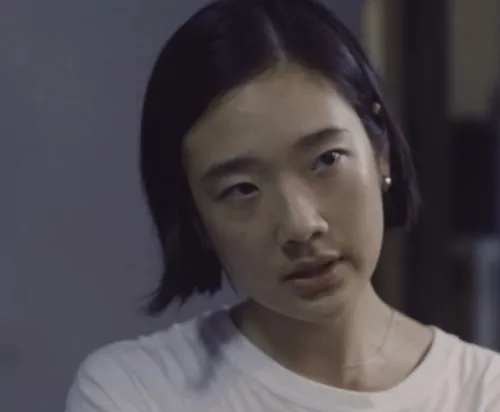
An interior designer comes back from Sweden to her birthplace in Thailand where she tries to declutter her family home to make it a minimalist, Marie Kondo-type house. “Minimalism is like a Buddhist philosophy. It’s about letting go,” she tells her mother as she tries to convince her. “Are you nuts?” The woman replies.
Jean insists and she embarks on a journey of touching what hasn’t been touched in decades: traces of an absent father and a past lover among the old Nokias and VHS tape recorders.
Happy Old Year is a contemporary exploration of the age-old resistance to throwing things away. Decluttering is a costly act, one of rejecting and discarding memories. The film was Thailand’s official submission to the Oscars.
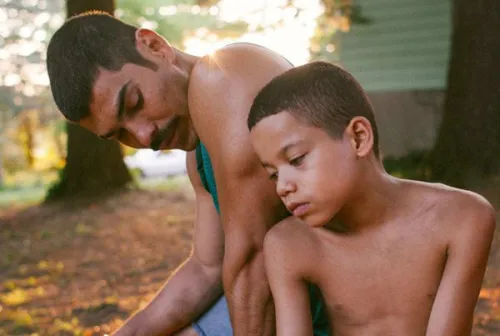
Three half-Puerto-Rican, half-white boys grow up in suburban New York in this personal movie shot on stunning 16mm film.
This movie follows the boys, often literally with the camera behind their backs, as their parents’ relationship goes through turmoil. The kids are often left unattended and have to fend for themselves. The beauty of We the Animals is illustrating how they grow-up swinging between the angry character of their father and the protective nature of their mother.
This is one of the best movies I’ve seen in a long time, and I think I loved it so much because I was able to relate and feel for the main character (one of the boys). I really hope you will too.
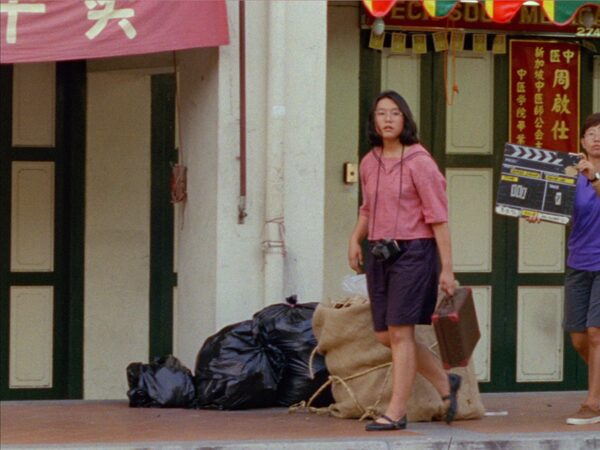
In the early 1990s, Singaporean teens Sandi, Jasmine, and Sophie set out to make the country’s first indie movie. Incredibly, in between college, day jobs, and very limited funding, they manage to do just that with the help of their wise but mysterious mentor, Georges. Shirkers, as the project came to be called, seemed primed to revolutionize the burgeoning Singaporean film industry. It was ambitious and bonkers, unlike anything the country has seen before, and it lovingly contained tributes to the makers’ cinematic heroes (among them Wim Wenders and David Lynch). But before it could see the light of the day, before it could even be viewed and edited by the girls who conceptualized it, Shirkers’ raw footage was whisked away by Georges, who fled the country without a trace.
The potentially pioneering film was never to be seen again—that is, until 20 years later when it resurfaces in near-mint condition (sadly, the audio could not be recovered). Fascinated by the journey of the lost film and mystified by Georges’ motives, Sandi decides to remake Shirkers as a documentary. The result is an artistic and personal interrogation into what made their small beloved film possible, how its loss affected the people behind it, and how this all led to Shirkers, the documentary, which is a testament to how art always prevails in the end.
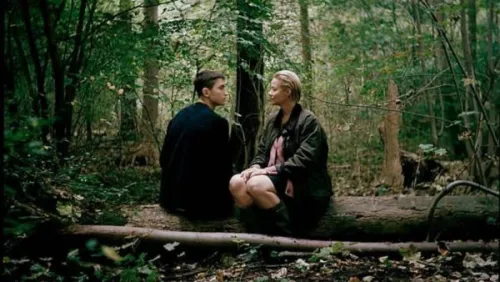
This Danish film which was the country’s submission to the Oscars is about a delicate subject. A lawyer who specializes in defending children, and who is used to developing closeness with her clients including meeting with them in her home, starts having an affair with her teenage step-son.
There is inherent tension to this obviously very explicit plotline: how would a serious, non-erotic (or not-only-erotic) movie like this one portray such attraction. And of course, afterwards, what are the implications?
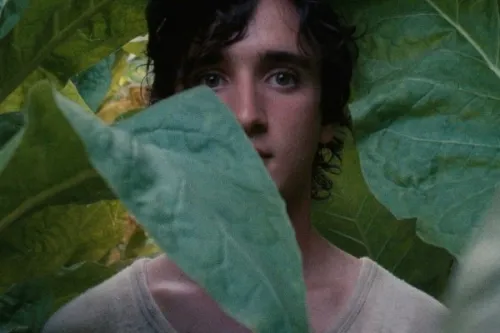
Set in 1970s Italian countryside, this is a quirky movie that’s full of plot twists.
Lazzaro is a dedicated worker at a tobacco estate. His village has been indebted to a marquise and like everyone else, he works without a wage and in arduous conditions.
Lazzaro strikes a friendship with the son of the marquise, who, in an act of rebellion against his mother, decides to fake his own kidnapping. The two form an unlikely friendship in a story that mixes magical realism with social commentary.

New York’s hottest club was Studio 54. It has everything– the lights, the exclusivity, the drugs, the tax evasion legal issues that brought its founders to jail… But in all seriousness, the documentary about the notorious studio-turned-disco already has an interesting story to tell, and while it’s done with the usual Netflix flair, but director Matt Tyrnauer keeps focus on the actual club, rather than the notoriety surrounding it, by interviewing the crew behind Studio 54 rather than the famous celebrities, and thankfully, former studio owner and one half of the duo Ian Schrager finally opened up to talk about the whirlwind success he went through nearly half a century ago. The documentary may be a bit more tame than the real life club, but Studio 54 is a long overdue documentary that’s refreshingly candid, if a bit more calmer than expected.

Striking, epic, and occasionally gruesome, Sword of the Stranger is an excellent film about ronin redemption. From the title alone, the film promises and delivers thrilling sword-fighting sequences from the titular stranger Nanashi (or “no name” in Japanese). His bouts with Ming Chinese warriors, as well as the Caucasian Luo-Lang, are so graceful, yet at times, so brutal that it ends with wrecked buildings, copious bleeding, and (on occasion) amputated limbs. However, the gore isn’t what makes these fight scenes work. Nanashi’s will to preserve his honor and self-determination drives the film. It’s the reason why his fight against these invaders feels so compelling. It’s the reason why he reluctantly guards the orphan Kotaro and his cute shiba inu. And when the film finally reveals the cause of that will, rooting for him is inevitable.
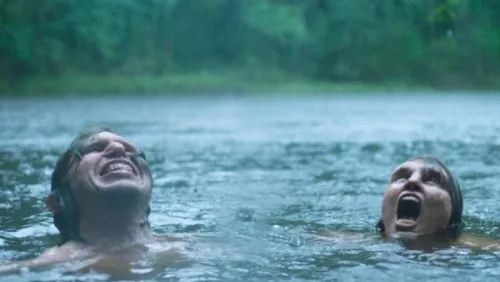
If you like: weird movies and / or Scandinavian mythology, this movie is for you. It’s about unusual looking border agent with super-human abilities (such as smelling fear and shame) who meets someone like her for the first time There is a big revelation in Border that I can’t share but while this movie was directed by an Iranian (Ali Abbasi), it’s deeply rooted in Swedish folklore. Themes of identity, gender, and otherness intersect through a thrilling script and beautifully-shot nature scenes.
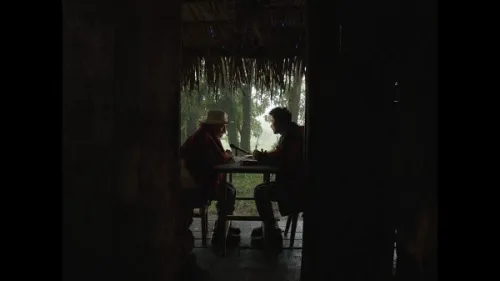
An indigenous language is dying, and the last two people who speak it have not spoken to each other in 50 years. In this calm drama from Mexico, linguists are sent to try to get them to talk so they can document the language.
The story goes that two men have stopped talking because they fell in love with the same woman, so there is a romance wrapped neatly within the linguistic story. What truly steals the show, however, is the breathtaking nature in which it’s all set – the stunning region of Chiapas.
 x1
x1 x10
x10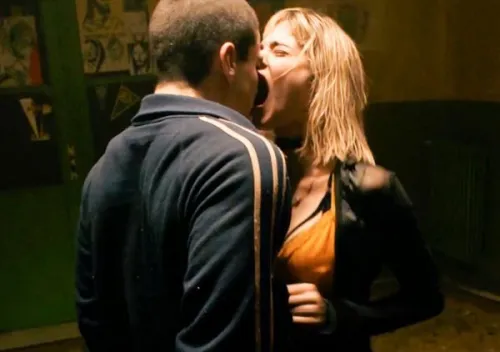
This twisted movie is actually two movies, the credits even roll in between. The first half is gorgeous: talented dancers get together for a party and perform beautiful contemporary dance sequences. They introduce themselves through their audition tapes to join the dance group, but also through conversations at the party. The second half is less fun. It turns out someone had laced the sangria they’ve been drinking with a psychedelic drug. Not for the faint of heart or anyone who didn’t like director Gaspar Noé’s past movies (Enter the Void, I Stand Alone, etc).
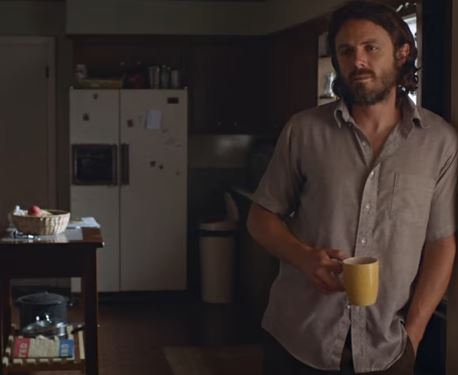
Twisted yet deep. Sad yet interesting. Slow yet exhilarating. A Ghost Story is an incredible artistic achievement. With hardly any dialog, and breathtakingly long takes in its first half, it manages to bring you in its own creepy world and not let go until you feel completely lonely. Starring Rooney Mara and Casey Affleck as a loving couple who are hit with a horrible tragedy, the beginning is slow, and it’s not a plot driven movie, but if you give it a chance it will blow your mind.
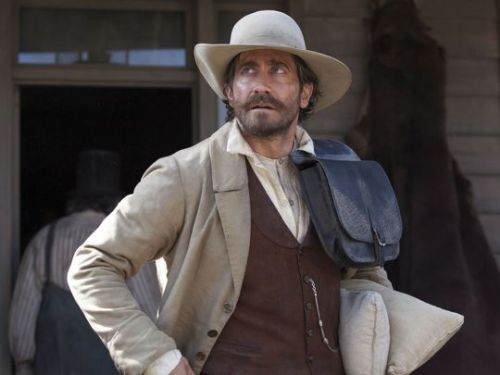
This is a star-packed movie about two brother assassins played by John C. Reilly and Joaquin Phoenix, and starring Jake Gyllenhaal. You might have read the book of the same name, and it is always hard to make a great film out of a great book but the brilliant director of A Prophet Jacques Audiard has done it (again). He is aided by a superb darkly comic script and fantastic acting from the entire cast. Audiard is French, but his take on the American Western is filled with epic violence but also witty dialogue, brotherly love, and male camaraderie.
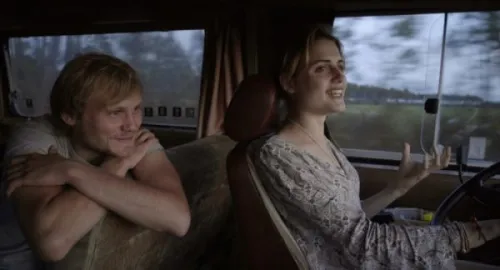
A sweet and romantic German movie about two Berliners who meet randomly and go on a road trip to the south of Europe. It might seem like a silly premise but it’s actually a philosophical movie, one that feels very realistic. The two characters debate human nature, politics, relationships, etc; almost throughout their trip. And they’re played by excellent newcomers who ooze charisma and make the question of what will happen between them incredibly thrilling.
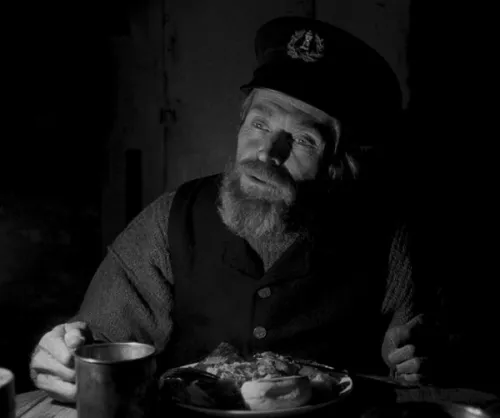
Robert Pattinson and Willem Dafoe are the only two actors starring in this eccentric movie, and they deliver such grand performances that it feels like another actor would have been one too many.
They star as lighthouse keepers in the 19th century, left on an island to interact only with each other and their rock. It’s a fascinating premise of how these men, left on their own, deal with boredom, loneliness, and being annoyed with one another.
Incredible performances, an interesting aspect ratio, and perhaps excessive weirdness, make this movie unforgettable.
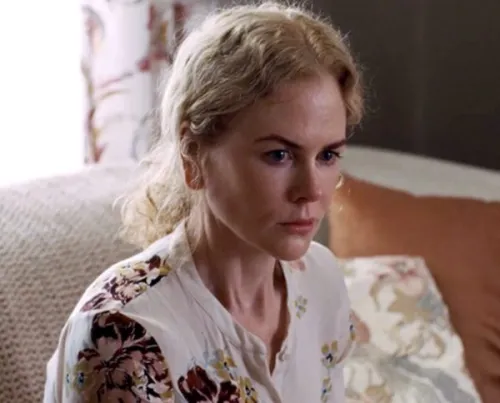
This is a really weird movie starring Colin Farrell and Nicole Kidman. They play a wholesome and well-off couple where Farrell is a heart surgeon. The movie starts with him taking care of a teenager called Martin, who’s not related to him or seems to have any real connection with him. It later turns out that Martin shares a special bond with the surgeon, a bond that will threaten his family in unexpected ways. The camera work and direction by Yorgos Lanthimos (The Lobster, The Favourite) offset the weirdness to offer an intriguing experience.
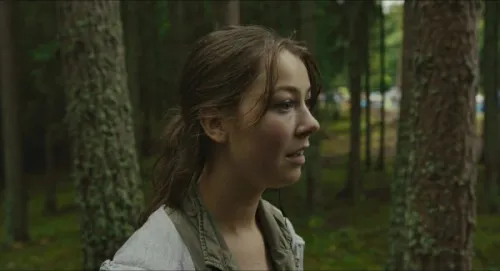
This movie is different from a Netflix release about the same events. Actually, it’s different from any movie you’ve probably seen before. Depicting the terrorist attack that took 77 lives in 2011 in an island near Oslo, Norway, it’s made to make you feel as if you were part of the attack. It’s shot to resemble one take, and the time of the movie is the time it took the attack to unfold (so you’re witnessing it in real-time). While closely based on the accounts of two survivors, it follows a fictional character called Kaja who looks for her sister during the attacks. Utøya: July 22 pushes the limits of what you can watch in a movie but serves as a terrifying testament to the atrocity of a terrorist attack of such nature.

Tilda Swinton stars in this gorgeous Italian production by Luca Guadagnino, part of the director’s “Desire Trilogy”, together with Call Me By Your Name and A Bigger Splash.
Swinton learned to speak Italian and some Russian for the movie, where she plays – to absolute perfection – the wife of a Milan textile mogul who starts having an affair with a cook.
It’s an elegant family drama that’s definitely more concerned with aesthetics than substance, but the setting in snowy Northern Italy and lush 35mm film make that very easy to look past.
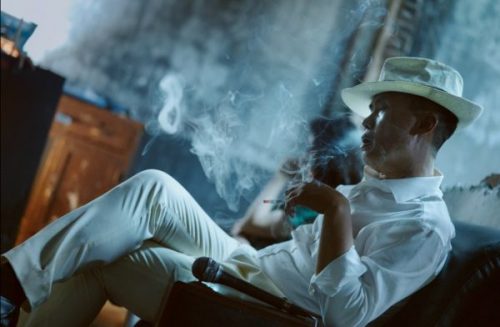
A man returns to a town chasing the memory of a woman he loved years ago.
Poet turned filmmaker Bi Gan coats his idiosyncratic filmmaking with a thick layer of neo-noir in this sumptuous follow up to his remarkable debut Kaili Blues. This time around, Kaili City is a neon-drenched dreamscape dripping in style and calling to mind the work of Tarkovsky and Wong Kar-wai.
He may wear his influences on his sleeve, but Bi Gan keeps his trademark moves like the bravado long takes and a poetic disregard for past and present, reality and dreams. This leads to an explosive and unforgettable sequence in the second half that while originally intended for 3D loses little of its mind-bending power when watched at home.
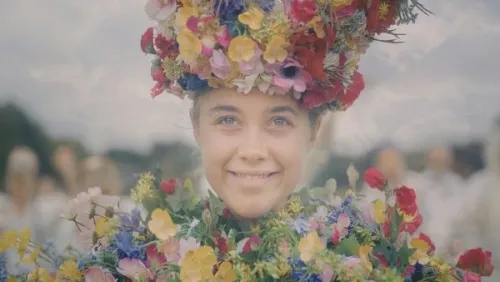
You may have heard about this 2019 critic-favorite from clips like this one of a kid running to flee the movie theater during a screening. “little billy ran the f**k out the door”, the caption reads.
You will want to do the same. Recovering from losing her sister and her parents in a single incident, a young girl goes on a trip to Sweden to observe a ritual within a bizarre commune that occurs every 90 years. This cult’s idea of death and their traditions intersect with the girl’s grief to create unthinkable monstrosities.
Note: while some readers praise the movie for its depiction of anxiety, I highly recommend against watching Midsommar if you suffer from panic attacks.
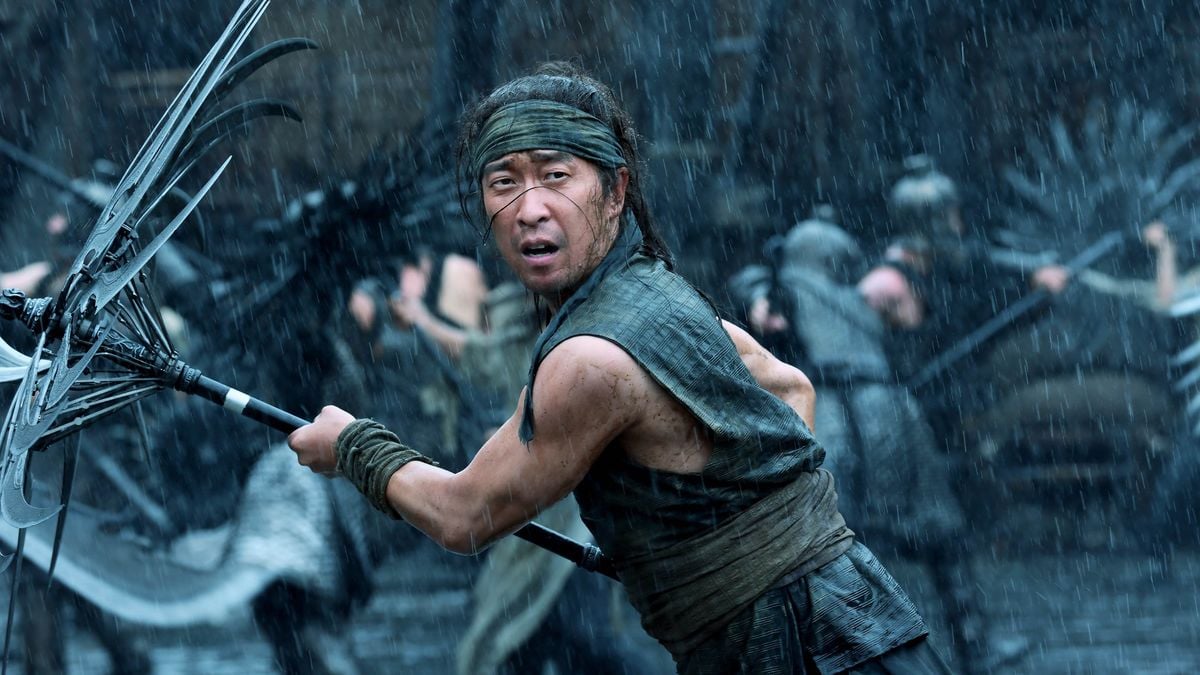
Director Zhang Yimou, who already has remarkable wuxia films like Hero and House of Flying Daggers under his belt, delivers another exceptional epic. Set during China’s Three Kingdoms era (220–280 AD), Shadow revolves around a great king and his people, who are expelled from their homeland but will aspire to reclaim it. The story requires a fair amount of patience at first, as it slowly builds a world consisting of various characters with different motives, before the real action begins. The journey through Shadow is visually pleasing thanks to its stunning cinematography, impressively choreographed combat, and overall brilliant production design. Packed with sequences that will take your breath away, it is an inventive martial arts epic with one amazing scene after another.
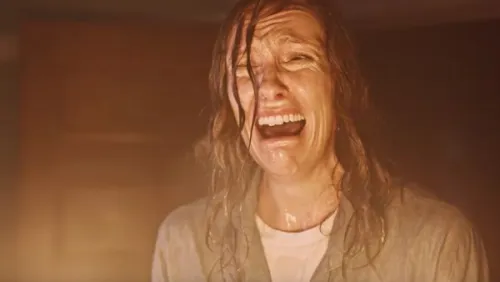
A chilling and dark movie to be especially appreciated by true suspense lovers. At the funeral of the family’s matriarch, no one is emotional except the granddaughter, whose grieving is disturbing, to say the least. When both grieving and not grieving are unsettling, you can tell what kind of family (and movie) this will be.